
罗氏

Search documents
帮主郑重:特朗普39%关税大刀砍向瑞士!全球贸易的“雪山崩”
Sou Hu Cai Jing· 2025-08-01 04:11
Group 1 - The U.S. has imposed a punitive tariff of 39% on Switzerland, significantly higher than tariffs on the EU (20%) and Japan (15%), due to a trade surplus of $38 billion and alleged non-tariff barriers [3][4] - The Swiss economy is heavily impacted, particularly in the luxury watch and chocolate sectors, with companies like Rolex and Patek Philippe facing increased export costs, while the pharmaceutical sector, which constitutes 40% of Swiss GDP, may also be affected despite initial exemptions [3][4] - Small and medium-sized enterprises, which make up 30% of Swiss exports, are at risk of severe financial strain due to the sudden increase in tariffs [3][4] Group 2 - The tariff escalation has disrupted global supply chains, particularly affecting precision manufacturing that relies on international collaboration, leading to layoffs and production cuts among Swiss suppliers [4][5] - The U.S. stands to lose as well, with Swiss companies employing 500,000 people in the U.S. and 90% of precision machine tools in the U.S. being imported from Switzerland, indicating a self-inflicted economic wound [5][6] - The Swiss franc depreciated by 0.8% in a single day, and the Swiss stock market index (SMI) fell below its February low, indicating a loss of investor confidence [6] Group 3 - The trade conflict has escalated the geopolitical dynamics among China, the U.S., and Europe, with Switzerland losing its role as a neutral mediator and potentially leading to closer ties between China and the EU [7] - The situation is prompting a shift in global supply chains, with ASEAN countries like Vietnam and Thailand benefiting from increased orders, and Swiss companies relocating production to Mexico to avoid tariffs [8] - The imposition of tariffs on Switzerland is seen as a threat to the post-World War II global trust system, leading to a potential reconfiguration of investment strategies focusing on cash reserves, growth sectors like AI and biotechnology, and new manufacturing locations [8][9]



AbbVie Beats on Q2 Earnings & Sales, Stock Up on Raised '25 EPS View
ZACKS· 2025-07-31 17:16
Financial Performance - AbbVie Inc. reported second-quarter 2025 adjusted EPS of $2.97, exceeding the Zacks Consensus Estimate of $2.89 and the company's guidance of $2.84-$2.88, with earnings rising 12.1% year over year [1] - Revenues for the quarter reached $15.42 billion, surpassing the Zacks Consensus Estimate of $15.07 billion, with a year-over-year increase of 6.6% on a reported basis and 6.5% on an operational basis [2] Key Drug Performance - Sales of Rinvoq totaled $2.03 billion, up 41.2%, driven by market share gains and recent label expansion [4] - Skyrizi generated $4.42 billion in sales, reflecting a 61.8% increase, attributed to strong volume growth and market share gains [5] - Humira experienced a significant sales decline of 58.2% to $1.18 billion, with U.S. sales down 66% to $802 million due to loss of exclusivity [6][7] - Neuroscience portfolio sales increased 24% to $2.68 billion, driven by higher sales of Botox Therapeutic, Vraylar, Ubrelvy, and Qulipta [8] Oncology and Other Drug Sales - Oncology franchise sales rose 2.4% to $1.68 billion, supported by newer drugs like Epkinly and Elahere, despite a decline in Imbruvica sales [10][11] - Venclexta generated revenues of $691 million, reflecting 8.3% growth, while Elahere sales rose 23.7% to $159 million, although it missed expectations [13] Cost and Guidance - Adjusted SG&A expenses decreased 2.3% year over year to $3.24 billion, while adjusted R&D expenses increased 10.3% to $2.12 billion [16] - AbbVie raised its full-year 2025 EPS guidance to a range of $11.88-$12.08, up from the previous range of $11.67-$11.87 [17] Market Reaction and Strategic Moves - AbbVie shares rose over 5% in pre-market trading following the upward revision in guidance, with a year-to-date stock gain of about 7% compared to the industry's 4% decline [20] - The company continues to invest in its future pipeline through strategic collaborations, including a licensing deal for an investigational trispecific antibody and interest in acquiring Gilgamesh Pharmaceuticals [22]

新政策打消投资顾虑 跨国药企重金扩大 上海创新药产能
Sou Hu Cai Jing· 2025-07-31 16:15
Core Insights - The share of innovative drugs in China's core hospital market increased from 21% in 2015 to 29% in 2024, with innovative drugs approved after 2015 accounting for 10% of the overall drug market by 2024 [1][4] - China has become the second-largest pharmaceutical market globally, driven by advancements in biopharmaceutical technology and increasing demand for innovative biological drugs [1] Investment and Production Expansion - Roche announced an investment of 2.04 billion yuan to establish a biopharmaceutical production base in Shanghai, aimed at enhancing local production and supply chain [2] - The new facility will focus on the localized production of Roche's ophthalmic drug, which is the world's first approved bispecific antibody for ophthalmology, and is expected to be operational by 2031 [2] - Daiichi Sankyo plans to invest approximately 1.1 billion yuan in Shanghai for an ADC production facility to meet the growing demand for oncology products [2][3] Policy and Regulatory Developments - The introduction of the segmented production pilot policy by the National Medical Products Administration (NMPA) aims to enhance production efficiency and optimize industry division [5][6] - The segmented production allows for different stages of biopharmaceutical production to occur in various locations, providing flexibility for multinational companies [6][8] - Shanghai has initiated the segmented production pilot, which is expected to facilitate the local production of innovative drugs and improve regulatory oversight [7][8] Industry Collaboration and Local Support - Cytiva has launched a cell culture medium development base in Shanghai and is collaborating with local firms to reduce production costs for cell therapy products [4] - The Shanghai government is actively creating a favorable business environment for pharmaceutical companies, enhancing policy support and innovation services [9][10] - Multinational companies like Roche and Boehringer Ingelheim are benefiting from Shanghai's systematic policy layout, which supports the entire lifecycle of innovative drugs [11]
Biogen's Q2 Earnings & Sales Beat, 2025 Outlook Raised, Stock Up
ZACKS· 2025-07-31 15:50
Core Insights - Biogen reported strong second-quarter 2025 results, with adjusted earnings per share (EPS) of $5.47, significantly exceeding the Zacks Consensus Estimate of $3.93, and a 4% year-over-year increase in earnings [1] - Total revenues for the quarter reached $2.65 billion, up 7% year over year, surpassing the Zacks Consensus Estimate of $2.32 billion [2] Revenue Breakdown - Product sales were $1.9 billion, a slight decline of 1% year over year, while revenues from anti-CD20 therapeutic programs increased by 5% to $467 million [3] - Contract manufacturing and royalty revenues surged 124% year over year to $245 million, and Alzheimer's collaboration revenues rose to $55 million from $12 million in the previous year [4][5] Performance of Key Products - Sales of Biogen's multiple sclerosis (MS) drugs totaled $1.1 billion, down 4% year over year, primarily due to generic competition for Tecfidera and biosimilar competition for Tysabri [7] - Tecfidera sales fell nearly 23% to $193.6 million, while Vumerity sales increased by around 30% to $212.2 million [8] - Spinraza sales declined 8.5% to $392.7 million, missing estimates, while rare disease drug Skyclarys generated $130.3 million, up 5.2% sequentially [12] New Product Performance - New drugs Leqembi, Skyclarys, and Zurzuvae showed strong demand and sequential sales growth, with Leqembi generating $63 million in U.S. sales, a 20% increase [5][11] - Zurzuvae recorded $46.4 million in sales, up 68% sequentially, driven by increased demand [13] Cost and Guidance Updates - Adjusted R&D expenses decreased by 13% to $394 million, while SG&A expenses rose 7% to $579 million [16] - Biogen raised its 2025 EPS outlook to $15.50-$16.00, reflecting a stronger business outlook, and expects total revenues to be flat compared to 2024 [18] Market Reaction and Future Outlook - The positive guidance and strong sales of Leqembi boosted investor confidence, leading to a more than 5% rise in pre-market trading [20] - Despite rising competitive pressure on MS drugs, new products have the potential to drive growth, although it remains uncertain if they can offset declines in existing products [21]


业绩差距超120%!医药ETF分歧加剧,如何选择正确方向?
Sou Hu Cai Jing· 2025-07-31 08:32
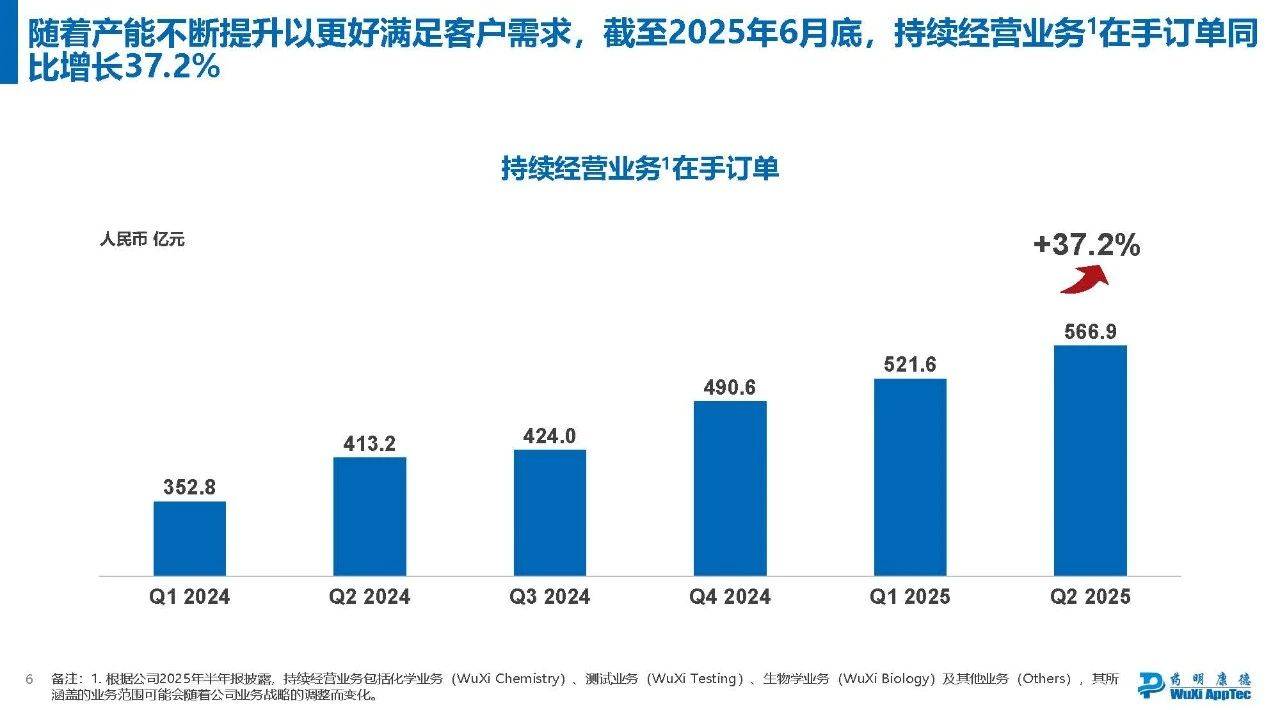
近期医药行业可谓是利好不断!先有阿斯利康溢价全盘收购中国biotech亘喜生物,后有罗氏以超10亿美元的价格获得宜联生物c-MET ADC全球权益。此 外,恒瑞HER3 ADC药物喜获FDA快速通道资格。 而财报方面,药明康德交出史上最漂亮的Q2答卷,上半年归母净利润85.6亿元,同比增长101.9%。更可观的是,药明康德在手订单数再创新高,可以预期 其业绩的增长之路目前还没到顶。 于是乎很多投资者也不想错过本轮医药行情,纷纷下场购买相关ETF产品。而医药行业作为市场重要的分支,相关ETF数不胜数,跟踪的指数更是大相径 庭:一边是创新药的火爆行情,另一边则是医疗、中药等细分领域的平淡表现。 以中证指数为例,截至7月30日,中证港股生物科技主题指数年内涨幅108.46%,领跑所有中证主题指数表现;与创新药相关的中证指数亦位居前列,中证 港股通创新药指数年内涨幅为107.32%,中证香港创新药指数年内涨幅为101.63%。 与此同时,中证医疗指数年内涨幅为14.48%,中证全指医疗器械指数年内涨幅为6.99%,中证中药指数年内涨幅仅为1.61%。 中证医药相关指数分化加剧 | 指数名称 | 指数类型 | ם אפ ...

默沙东、GSK抢着买慢病新药,哪些公司还有BD机会?|焦点分析
3 6 Ke· 2025-07-30 09:05
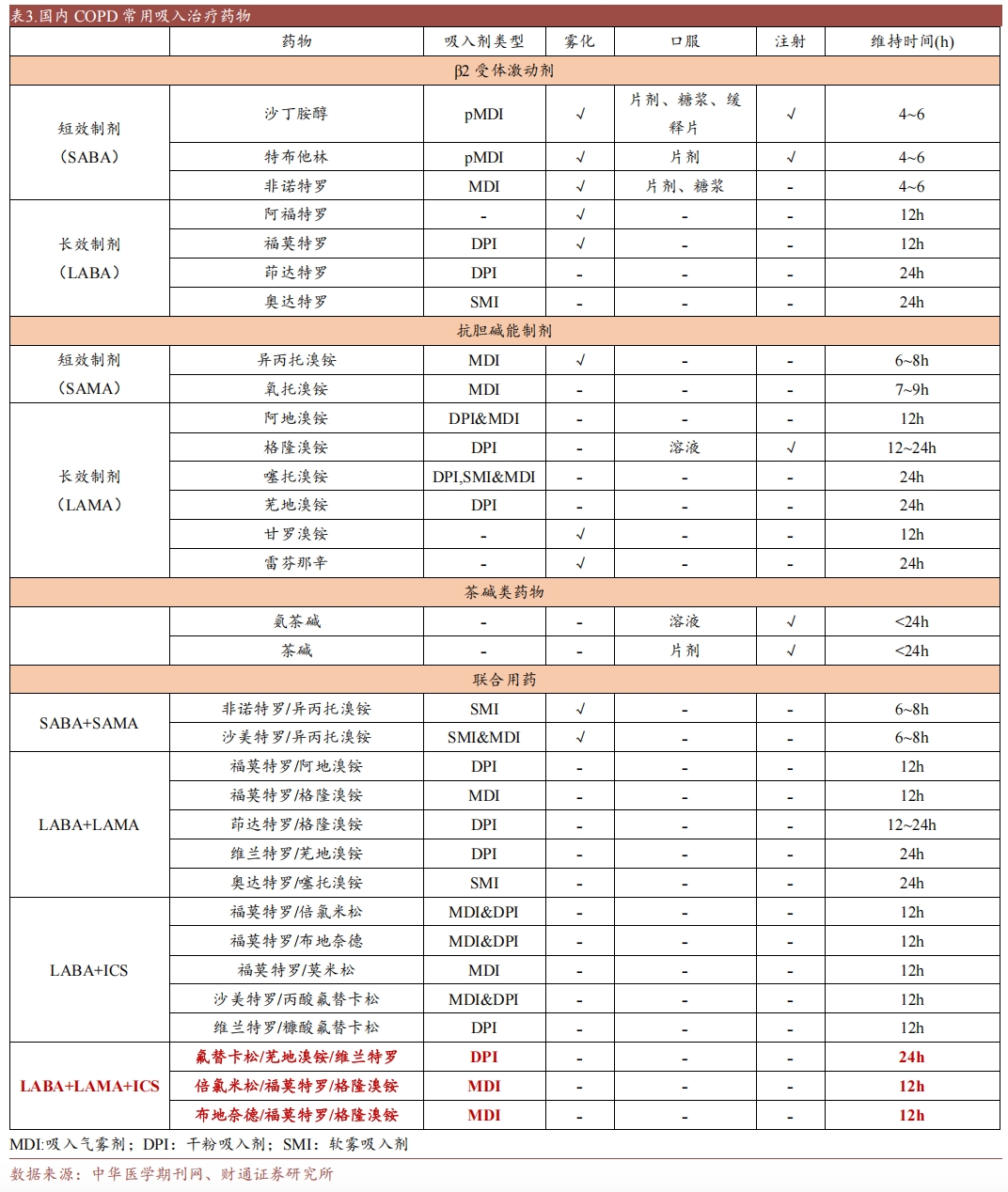
Core Viewpoint - The recent $5 billion upfront payment by GSK for the overseas rights of HRS-9821 and 11 innovative projects from Heng Rui Pharmaceutical highlights the growing interest and potential in the COPD treatment market, which has seen little innovation for over a decade [1][2]. Group 1: Market Dynamics - The global COPD market is projected to exceed $20 billion by 2024, with HRS-9821 being a significant new entrant after a long period without new mechanisms [1][5]. - The approval of Ensifentrine, a PDE3/4 inhibitor, has revitalized interest in COPD treatments, demonstrating a 36%-43% reduction in acute exacerbation rates [5][6]. - The transaction indicates a shift in focus for Chinese pharmaceutical companies towards common and chronic diseases, revealing untapped value in the respiratory drug market [2][3]. Group 2: Competitive Landscape - Major players in the COPD treatment market include AstraZeneca, GSK, and Boehringer Ingelheim, which have historically dominated with LABA, LAMA, and ICS therapies [3][5]. - The success of PDE3/4 inhibitors is expected to prompt other pharmaceutical companies to explore similar pathways, with companies like Zhengda Tianqing and Haisco making significant progress in their own PDE3/4 inhibitor developments [9][10]. - The market is witnessing a potential consolidation of opportunities, with Chinese companies likely to dominate the remaining PDE3/4 development space [7][9]. Group 3: Future Opportunities - The complexity of COPD's pathophysiology suggests that while PDE3/4 inhibitors are promising, they will not be the only future players, as biologics targeting different mechanisms are also emerging [10][11]. - New therapeutic approaches, including cell therapies and biologics targeting TSLP, are being explored, indicating a diversification in treatment options for COPD [12][14]. - The anticipated market for COPD treatments may evolve into a tiered selection model, where traditional therapies provide foundational care while innovative products address more challenging cases [14].



狂砸4643亿,跨国巨头,正疯抢中国创新药
3 6 Ke· 2025-07-30 07:58
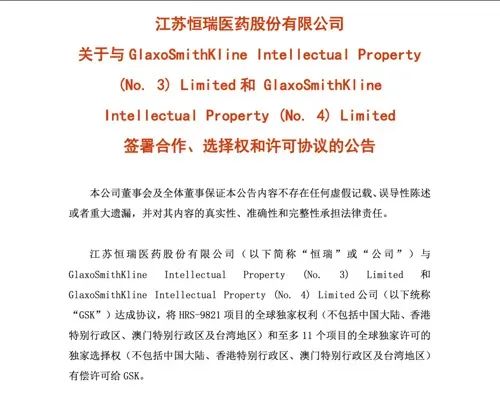
Core Viewpoint - The announcement of HRS-9821 project licensing to GlaxoSmithKline (GSK) by Heng Rui Medicine signifies a growing trend of multinational pharmaceutical companies acquiring innovative drugs from Chinese firms, reflecting a competitive landscape in the Chinese pharmaceutical market [1][5][19]. Group 1: Licensing and Financial Details - Heng Rui Medicine will receive a $500 million upfront payment from GSK, with potential milestone payments reaching up to $12 billion based on successful development, registration, and sales [2]. - The licensing agreement excludes regions such as mainland China, Hong Kong, Macau, and Taiwan, indicating a strategic focus on international markets [1]. - The deal has positively impacted Heng Rui Medicine's stock prices in both A-shares and Hong Kong stocks [4]. Group 2: Market Trends and Acquisitions - In the first half of the year, multinational pharmaceutical companies invested approximately 464.3 billion yuan ($64.5 billion) in acquiring Chinese innovative drugs, indicating a surge in interest [6][19]. - The "buy-buy-buy" strategy adopted by these companies highlights a shift towards acquiring rather than developing new drugs internally [7][20]. - Notable transactions include Pfizer's acquisition of a PD-1/VEGF bispecific antibody from 3SBio for $12.5 billion, marking a record for domestic innovative drug deals [8][10]. Group 3: Characteristics of Transactions - The average transaction amounts are substantial, with many exceeding $1 billion, and the largest deals surpassing $6 billion [15]. - Major pharmaceutical companies involved in these transactions include Pfizer, Roche, and AstraZeneca, all ranked among the top ten global pharmaceutical firms [16]. - The focus of these acquisitions is on high-tech areas such as oncology, autoimmune diseases, and metabolic disorders, showcasing the advanced nature of the Chinese pharmaceutical pipeline [17]. Group 4: Rationale Behind Acquisitions - The high risk and long development timelines associated with innovative drug development make acquisitions a more attractive option for multinational companies [20][22]. - Acquiring innovative drugs allows these companies to quickly fill gaps in their pipelines and respond to competitive pressures in the market [25][27]. - The trend of increasing external procurement from Chinese companies has risen from 10% in 2020 to 29% in 2023, indicating a growing recognition of the value of Chinese innovation [17][19]. Group 5: Advantages of Chinese Innovative Drugs - Chinese innovative drugs are perceived as high-quality and cost-effective compared to similar products in developed markets, making them appealing to multinational companies [36][40]. - The lower costs associated with drug development in China, estimated to be 20-30% of those in the U.S., further enhance the attractiveness of these assets [40]. - The increasing number of new drug approvals and ongoing research pipelines in China positions the country as a significant player in the global pharmaceutical landscape [36][38].

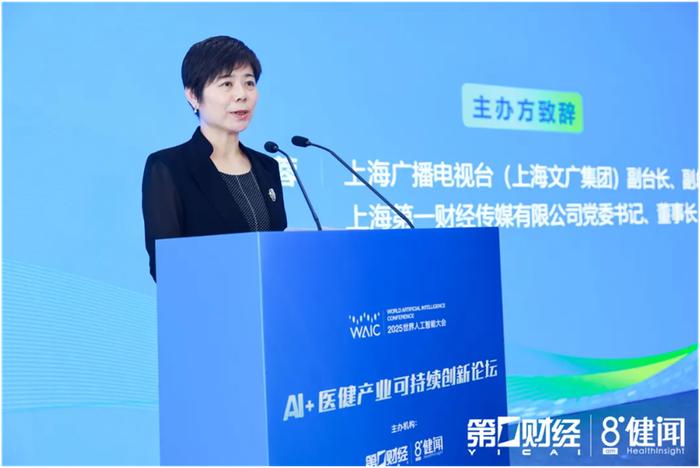
AI+医健产业可持续创新论坛:可持续创新案例推荐榜揭晓,大咖热议AI重塑医疗健康未来
第一财经· 2025-07-30 07:45
Core Viewpoint - The integration of AI technology into the healthcare industry is essential for addressing challenges such as global aging, chronic disease burdens, and uneven distribution of medical resources, positioning AI as a systemic solution for sustainable healthcare development [1][3][4]. Group 1: AI Empowerment in Healthcare - AI has transitioned from pilot scenarios to ecosystem restructuring, enhancing efficiency and accessibility in healthcare services [8][11]. - The forum highlighted the need for a new medical data infrastructure to achieve breakthroughs in efficiency, value, and equity [9][11]. - AI applications in healthcare are rapidly evolving, with significant advancements in areas such as pediatric AI pre-consultation, digital imaging in dentistry, and remote dermatology consultations [11][15]. Group 2: Sustainable Innovation in Healthcare - The "2025 Sustainable Innovation Case Recommendation List" was released, showcasing 37 cases from 36 well-known domestic and foreign companies, focusing on urgent industry needs and aligning with the Healthy China 2030 strategy [6][18]. - The list categorizes cases into "International Innovation Localization," "Local Innovation Globalization," and "ESG Innovation Practices," aiming to promote experience sharing and resource integration within the industry [6][18][35]. Group 3: Globalization and Localization Strategies - Multinational companies are deepening localization strategies, evolving from local production to local R&D innovation, while leveraging their technological and resource advantages to foster local innovation [35][41]. - Chinese pharmaceutical companies are increasingly exploring international markets, integrating into the global innovation ecosystem, and ensuring that local innovations benefit a global audience [35][41]. Group 4: ESG and AI in Healthcare - ESG has become a core issue for sustainable development, with a growing focus on integrating AI technology ethics into ESG evaluation dimensions [48]. - Companies are encouraged to disclose AI model training data sources and bias correction mechanisms, ensuring compliance and ethical standards in AI applications [48]. Group 5: Future Directions and Challenges - The healthcare industry faces challenges in high-quality data sample supply and the translation of clinical research into practical applications [11][13]. - The need for a robust AI infrastructure that supports effective business models and enhances traditional services is emphasized, with a focus on data-driven decision-making [50][51].
AI+医健产业可持续创新论坛:可持续创新案例推荐榜揭晓,大咖热议AI重塑医疗健康未来
第一财经网· 2025-07-30 04:40
Group 1 - The forum focused on the integration of AI in the healthcare industry, addressing challenges such as aging populations and uneven distribution of medical resources, emphasizing AI as a systemic solution for sustainable healthcare development [1][3] - The Shanghai government highlighted the importance of deep integration between AI and healthcare as a strategic choice to enhance public health and foster new productive forces [3] - The forum featured nearly 20 speakers from various sectors discussing topics like AI-driven innovation in healthcare and the globalization of local enterprises [5] Group 2 - The "2025 Sustainable Innovation Case Recommendation List" was launched, showcasing 37 cases from 36 well-known companies, categorized into "International Innovation Localization," "Local Innovation Globalization," and "ESG Innovation Practices" [5][15] - The cases highlighted urgent industry needs and aligned with China's health strategy for 2030, aiming to provide actionable innovation pathways [5][15] - The forum emphasized the need for collaboration among stakeholders to create a vibrant ecosystem for AI in healthcare [3][5] Group 3 - AI in healthcare is transitioning from pilot projects to ecosystem restructuring, with applications like pediatric AI pre-consultation and remote dermatology gaining traction [7][9] - Challenges remain, including insufficient high-quality data samples and the gap between clinical research and application [9][11] - China is evolving from a passive technology importer to an active innovator in the global pharmaceutical landscape, with significant increases in licensing deals [11][22] Group 4 - The "2025 Sustainable Innovation Case Recommendation List" includes notable companies such as Bayer, Pfizer, and Medtronic in the "International Innovation Localization" category [17][19] - Local companies like Aier Eye Hospital and Junshi Biosciences are recognized for their global innovation efforts [18][22] - ESG practices are increasingly important, with companies like Philips and JD Health showcasing their commitment to sustainable development [24][25] Group 5 - The forum discussions highlighted the importance of AI as a foundational infrastructure for healthcare innovation, with ESG serving as a critical framework for sustainable practices [32][34] - The integration of AI in healthcare is seen as essential for addressing common challenges such as resource distribution and operational efficiency [30][36] - The need for a collaborative approach among various stakeholders, including regulatory bodies and healthcare providers, was emphasized to ensure the successful implementation of AI technologies [30][32]
开源证券:MS全球存量患者基数较大 BTKi发展前景广阔
智通财经网· 2025-07-30 02:49
Group 1 - The global market for Multiple Sclerosis (MS) products is approximately $20 billion, with a significant focus on Relapsing Multiple Sclerosis (RMS) treatments [1][2] - The existing approved products primarily target RMS, while there is a notable unmet clinical need in the Progressive Multiple Sclerosis (PMS) area, with only one product, Ocrelizumab, approved for Primary Progressive Multiple Sclerosis (PPMS) [2][3] - The patient base for MS is substantial, with projections indicating that the number of MS patients globally will reach 3.71 million by 2030 [1] Group 2 - BTK inhibitors are expected to address the treatment gap in PMS, with their ability to penetrate the blood-brain barrier and modulate key immune cells [3] - Sanofi's Tolebrutinib and Roche's Fenebrutinib are anticipated to release Phase III clinical trial data in the second half of 2025, which could enhance the value of BTK inhibitors in PMS [3][4] - Tolebrutinib has received priority review from the FDA for the treatment of non-relapsing Secondary Progressive Multiple Sclerosis (nrSPMS), with a PDUFA date set for September 28, 2025 [4]