比亚迪

Search documents
德国成为全球第二大电动汽车生产国
Guan Cha Zhe Wang· 2026-02-05 09:39
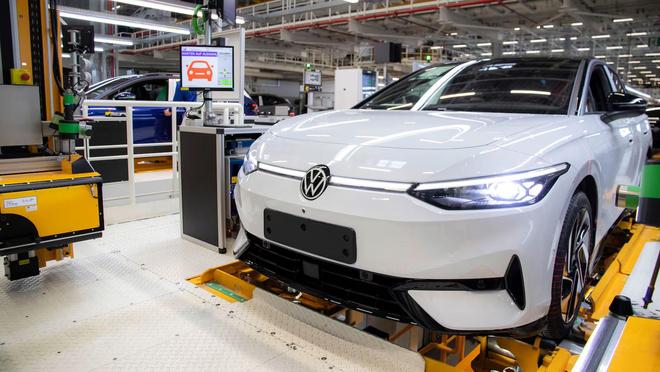
今年1月,德国政府表示,将向中低收入家庭提供最高7000美元(约4.8万元人民币)的补贴,用于购买 新的电动汽车,得益于重启电动车型购置补贴,德国汽车行业预测,到2026年德国电动汽车产量将再增 长6%,达到176万辆。 (文/观察者网 张家栋 编辑/高莘) 当地时间2月4日,德国汽车工业协会(VDA)发布数据显示,2025年德国电动汽车产量创历史新高。 大众汽车官网 数据显示,去年德国纯电动汽车产量增长15%,达到122万辆,而插电式混合动力汽车产量增长54%, 达到约45万辆。德国国内共生产167万辆电动化乘用车,比上年增长23%。VDA还称,这使得德国再次 成为全球第二大电动汽车生产地,超过了美国的104万辆,而位于榜首的中国则生产了1610万辆。 多家外媒在相关报道中表示,这一成绩意味着德国向电动出行的转型步伐显著加快,目前其电动汽车产 量约占汽车总产量的40%。 中东金融新闻网站MENAFN称,去年德国本土汽车制造商共生产415万辆汽车,延续了疫情爆发前持续 低迷的局面。不过,尽管德国整体制造业的业绩远低于2019年之前的水平,但其在电动化领域仍达到了 里程碑式的成就。 本文系观察者网独家稿件,未经 ...

零跑,可算有点工厂直销的样子了
3 6 Ke· 2026-02-05 09:37
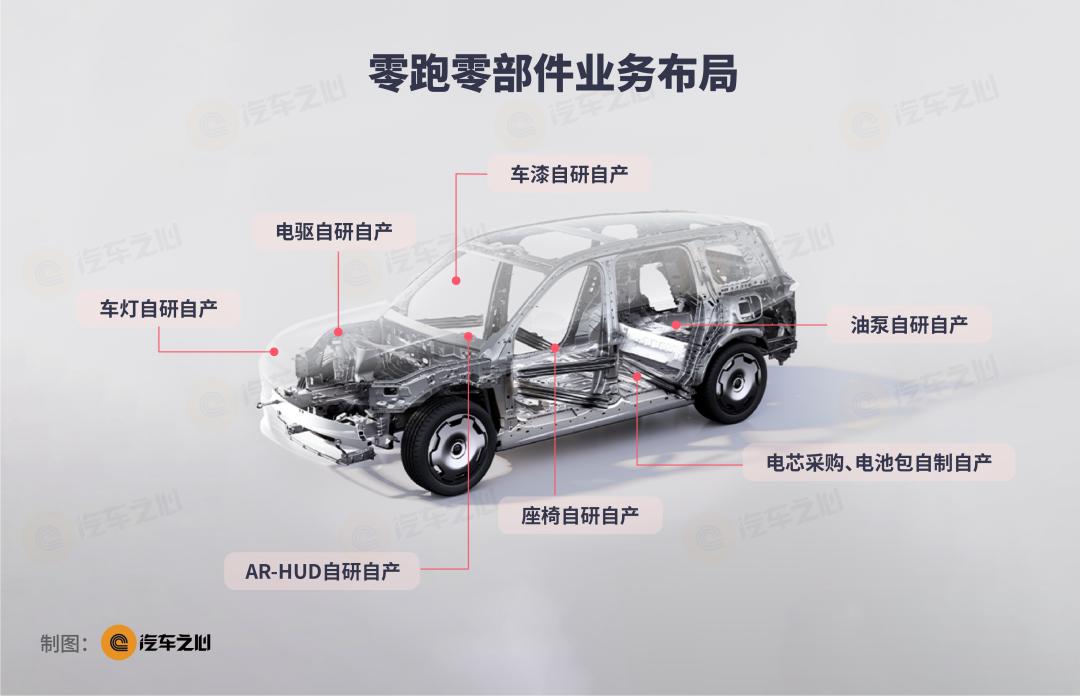
Core Viewpoint - The consensus among investors in the domestic automotive industry is that car manufacturers that cannot produce their own components are not considered good companies [1] Group 1: Supply Chain Management - In the current market competition, every car manufacturer needs to find a delicate balance between cost and profit [2] - Car manufacturers manage suppliers in three layers: direct purchase, cooperative development, and self-manufacturing of key components [3][7] - The first layer involves a direct buying-selling model where each manufacturer typically works with thousands of suppliers, undergoing multiple assessments of price, quality, and stability [5][6] - The second layer is a cooperative model where manufacturers deeply participate in technology development, as seen with Li Auto and its partnership with Aisin [8] - The third layer involves manufacturers self-developing and self-manufacturing key components, which allows them to extract profits from the supply chain [9] Group 2: Vertical Integration - Vertical integration is driven by necessity, with electric vehicle hardware costs divided into five parts: battery (40%), electric drive system (12%-13%), automotive electronics (13%-14%), body and chassis (14%-15%), and interior/exterior trim (17%) [10] - Only two players currently cover all R&D and manufacturing: Leap Motor and BYD [11] - Leap Motor focuses on rationalism in self-manufacturing components, while BYD emphasizes practical integration of its supply chain [12][18] - BYD has over 100 component factories and has built a vertically integrated supply chain from mining lithium to selling cars [18] - Leap Motor's self-manufactured components cover 70% of its vehicle costs, providing a competitive edge [9] Group 3: Profitability and Cost Management - Vertical integration allows manufacturers to eliminate middlemen, potentially leading to significant profit margins [21] - BYD's internal production of batteries is 20% cheaper than external sourcing, contributing to an increase in gross margin from 17.4% in 2021 to 22.3% in 2024 [21] - Leap Motor's gross margin turned positive for the first time after eight years, reaching 14.1% in the first half of 2025 [23] - Cost management strategies include achieving a production capacity utilization rate of over 70% and maximizing the commonality of components [27][28] Group 4: Supplier Dynamics - Car manufacturers are increasingly acting as suppliers, with BYD providing 15.6 GWh of batteries to new car manufacturers, earning an additional 1 billion yuan in net profit [33] - Leap Motor is also diversifying its revenue by supplying components to other manufacturers, projecting over 2 billion yuan in income from external supply by 2025 [39] - The competitive landscape requires manufacturers to either enhance internal component commonality or rely on external supply channels [31][32] Group 5: Future Outlook - The automotive industry is undergoing a reshuffle, with a focus on supply chain restructuring [40] - Leap Motor aims to achieve over 80% self-manufactured components, surpassing BYD's current 75% [52] - The goal is to increase production scale while reducing costs, leveraging the principle of economies of scale [54]

新广益:自主开发的冷板辊压胶膜、侧板PI绝缘胶带等特种功能膜已顺利通过比亚迪的产品测试
Ge Long Hui· 2026-02-05 09:03
格隆汇2月5日丨新广益(301687.SZ)在互动平台表示,公司自主开发的冷板辊压胶膜、侧板PI绝缘胶带等 特种功能膜已顺利通过比亚迪的产品测试,为未来该项业务的大规模量产创造了积极条件。公司的核心 技术人员均已经通过员工持股平台持有公司股份,未来,公司将根据企业发展情况,适时开展员工股 权、期权激励计划,不断引进优秀的研发人才,为公司可持续发展奠定优秀的研发创新人才队伍! ...
双一科技:车辆部件产品在多领域的合作客户包括卡特彼勒、宇通等
Xin Lang Cai Jing· 2026-02-05 09:02
Core Viewpoint - The company, Shuangyi Technology (SZ300690), has established partnerships with several prominent brands in the automotive parts sector, indicating a strong market presence and collaboration in both construction machinery and passenger/commercial vehicle segments [1] Group 1: Partnerships in Construction Machinery - The company's vehicle parts products serve clients in the construction machinery sector, including Caterpillar, Volvo, and XCMG [1] Group 2: Partnerships in Passenger/Commercial Vehicles - In the passenger and commercial vehicle sectors, the company collaborates with notable clients such as Yutong, BYD, Great Wall Motors, and Honeycomb [1]
新广益(301687.SZ):自主开发的冷板辊压胶膜、侧板PI绝缘胶带等特种功能膜已顺利通过比亚迪的产品测试
Ge Long Hui A P P· 2026-02-05 09:01
格隆汇2月5日丨新广益(301687.SZ)在互动平台表示,公司自主开发的冷板辊压胶膜、侧板PI绝缘胶带等 特种功能膜已顺利通过比亚迪的产品测试,为未来该项业务的大规模量产创造了积极条件。公司的核心 技术人员均已经通过员工持股平台持有公司股份,未来,公司将根据企业发展情况,适时开展员工股 权、期权激励计划,不断引进优秀的研发人才,为公司可持续发展奠定优秀的研发创新人才队伍! ...
Tesla's latest lineup tweaks: no more 'Standard' branding and a cheaper AWD Model Y
Business Insider· 2026-02-05 09:00
Core Insights - Tesla is introducing a new, more affordable Model Y variant, starting at $43,630, which is $7,000 less than the Premium AWD version [1] - The new Model Y AWD trim has a range of 294 miles, making it the shortest range among Model Y options, while the recently introduced Standard RWD trim starts at $41,630 with a range of 321 miles [2] - The AWD version accelerates from 0 to 60 mph in 4.6 seconds, which is 2.2 seconds faster than the RWD model [3] Product Line Adjustments - Tesla has removed the "Standard" label from its entry-level Model 3 and Model Y, now referring to them as "Rear-Wheel Drive," while higher trims retain "Premium" and "Performance" designations [4] - The company is discontinuing the Model S and Model X, which have been the weakest sellers in its lineup, as part of a strategy to focus on future technologies like autonomy and robotics [5] Sales Performance - Tesla's overall vehicle sales have declined by 9%, with the company losing its global EV sales leadership to BYD and being surpassed by Volkswagen in Europe [6] - In 2024, Tesla sold a combined total of 50,850 units of the Cybertruck, Model S, and Model X, accounting for just over 3% of its total sales of 1,636,129 vehicles [6]

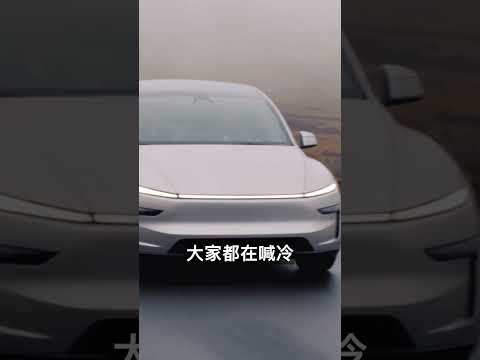
BYD暴跌30% Tesla卻漲9%@Tesla中國逆襲!#Tesla中國 #BYD #電動車 #ElonMusk #EV市場
大鱼聊电动· 2026-02-05 08:56
中國 EV 市場 一月整體 只漲 1% BYD 全球 銷量暴跌 30%! 結果 Tesla 上海廠交付 居然逆天 漲了9.3%? CPCA 最新公布 Tesla 一月份 交付 69 129 輛 Model 3 和 Y 年比大增 9.3% 連續三個月 上漲! 整個中國 新能源車批發 才 90 萬輛 環比暴跌 42% 大家都在喊冷 但 Tesla 硬是穩住 靠出口 撐住了場面 BYD 呢? 全球直接崩 30% 月比更慘 下跌50%! 去年還壓 Tesla 一頭 現在直接 被打臉 這波 Tesla 為什麼這麼強? 低息七年貸款 零首付月供不到 2000 人民幣 再加保險補貼 直接把競爭對手 逼到牆角 馬斯克這盤棋 下得太狠了 中國市場 疲軟他還能漲 你說是不是 王者回歸?. ...
Lear Q4 Earnings Call Highlights
Yahoo Finance· 2026-02-05 08:26
Core Insights - Lear Corporation reported a strong performance in 2025, achieving $23.3 billion in revenue and $1.1 billion in core operating earnings, marking a 5% increase in fourth-quarter revenue and the fifth consecutive year of adjusted EPS growth [3][4][7] Financial Performance - The company generated $527 million in free cash flow and returned nearly $500 million to shareholders, including $325 million in share repurchases, exceeding its initial target of $250 million [2][7] - For 2026, Lear guided revenue between $23.2 billion and $24.0 billion, with core operating earnings projected at $1.03 billion to $1.2 billion, indicating about 2% growth at the midpoint [5][14] Business Development - Lear secured significant new business awards, including its largest-ever seating contract for a major U.S. truck program and multiple contracts in China, which are expected to support growth in 2026 [6][8][9] - The company reported over $1.4 billion in E-Systems business awards, its strongest performance in over a decade [9] Operational Efficiency - Lear emphasized operational execution, achieving $195 million in net operating performance, with benefits of 60 basis points in Seating and 110 basis points in E-Systems [1] - The company implemented automation and digital transformation initiatives, generating $70 million in savings in 2025 [12] Segment Performance - In the fourth quarter, Seating revenue was $4.4 billion, up 5%, while E-Systems revenue was $1.6 billion, up 3% [13][16] - For the full year, Seating adjusted operating margins were 6.4%, and E-Systems adjusted operating margins were 4.9% [13] Future Outlook - Lear's outlook for 2026 assumes a slight decline in global industry production and includes expected restructuring costs of approximately $175 million and capital spending of about $660 million [15] - The company aims to continue its focus on shareholder returns with planned share repurchases exceeding $300 million in 2026 [17]

距IPO仅两年半,金杨精密拟再募9.8亿,激进扩张后遗症?| A股融资快报
Quan Jing Wang· 2026-02-05 08:16
Core Viewpoint - The company, Jinyang Precision, is planning to issue convertible bonds worth 980 million yuan to finance two projects and supplement working capital, raising concerns about its rapid fundraising within a short period after its IPO [1][2]. Group 1: Financing Details - The company aims to invest 600 million yuan in a project in Xiamen, focusing on precision structural components for batteries, targeting markets in Europe and the U.S. [3] - An additional 800 million yuan is planned for a project in Xiaogan, aimed at the energy storage and power battery markets, serving major clients like BYD and CATL [3]. - 230 million yuan will be allocated to supplement working capital, which constitutes 23.47% of the total fundraising amount [3]. Group 2: Financial Position and Expansion Strategy - Despite a low debt ratio of 25.15% and significant cash reserves, the company is pursuing aggressive expansion, indicating a strong desire for growth [1][4]. - The total investment for the two projects exceeds 1.4 billion yuan, which is more than one-third of the company's current market value of approximately 4.4 billion yuan [3]. - The company is positioning itself for strategic capacity expansion in the rapidly growing sectors of new energy vehicles and energy storage [3][7]. Group 3: Performance Challenges - The company's net profit has been declining, with a drop from 87.89 million yuan in 2022 to 13.61 million yuan in the first half of 2025, and a projected net profit of 45.5 million to 55.5 million yuan for 2025, representing a year-on-year decrease of 1.35% to 19.12% [5]. - The gross margin for its core battery precision structural components has halved from 21.89% to 10.46%, indicating significant pressure on profitability [5]. - Rising accounts receivable and inventory levels suggest increasing operational cash flow pressures, with accounts receivable as a percentage of revenue rising from 23.13% to 31.83% from 2022 to 2024 [6]. Group 4: Market Position and Competitive Landscape - The company is shifting its focus away from consumer electronics to embrace the new energy vehicle and energy storage markets, embedding itself within the supply chains of major battery manufacturers [7]. - However, the transition is fraught with challenges, including technological uncertainties and intense competition from established players in the battery sector [7][8]. - If the new projects do not yield expected returns, the company may face significant repayment pressures, with a potential shortfall of approximately 134 million yuan in bond repayments under extreme scenarios [8].

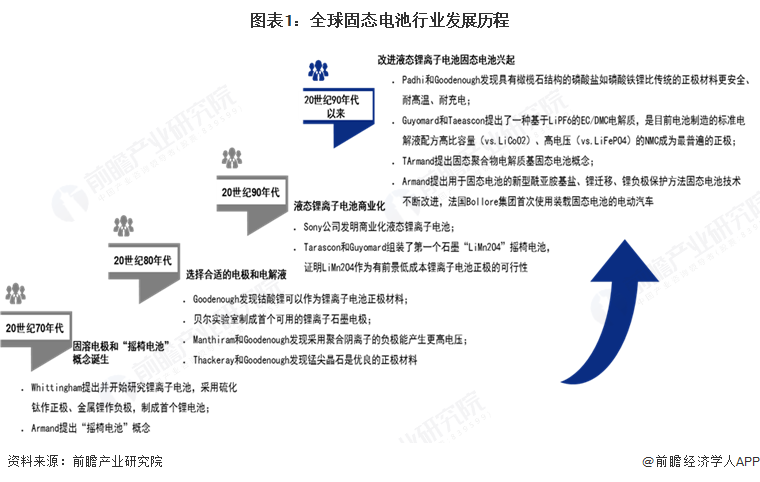
2026年全球固态电池行业发展现状 全球固态电池产业进入快速发展阶段【组图】
Qian Zhan Wang· 2026-02-05 08:15
Core Insights - The global solid-state battery industry is entering a rapid development phase, with significant potential for improving battery safety and energy density, despite challenges such as high costs and complex manufacturing processes [3][4][11]. Market Size and Growth - By 2030, the global solid-state battery market is projected to reach 17.2 billion yuan, while the semi-solid battery market is expected to reach 99.1 billion yuan [3]. - The solid-state battery market is anticipated to grow to 116.3 billion yuan by 2030, driven by government support and strategic development plans in major countries [3]. Industry Development - The semi-solid battery, which uses gel electrolytes, is currently in a transitional phase and has achieved a certain level of industrialization, serving as a bridge to full solid-state batteries [4][7]. - Companies like QuantumScape are making significant progress in the commercialization of oxide solid-state batteries, with plans for mass production by 2025 [8][10]. Technological Advancements - Toyota is leading the commercialization of sulfide solid-state batteries, with advancements in ion conductivity and production capabilities [11][12]. - The first commercial polymer solid-state batteries were developed by Bolloré in 2011, showcasing their application in electric vehicles [13]. Key Players - Major companies involved in the solid-state battery sector include BYD, SAIC Motor, NIO, CATL, and others, each focusing on different aspects of battery technology and production [1][3]. - Companies like Cymbet, Infinite Power Solutions, and Solid Power are also developing solid-state battery technologies for various applications, including IoT devices and electric vehicles [10][12].