
蔚来

Search documents
芯片巨头,盘后大跌!
证券时报· 2026-01-23 00:17
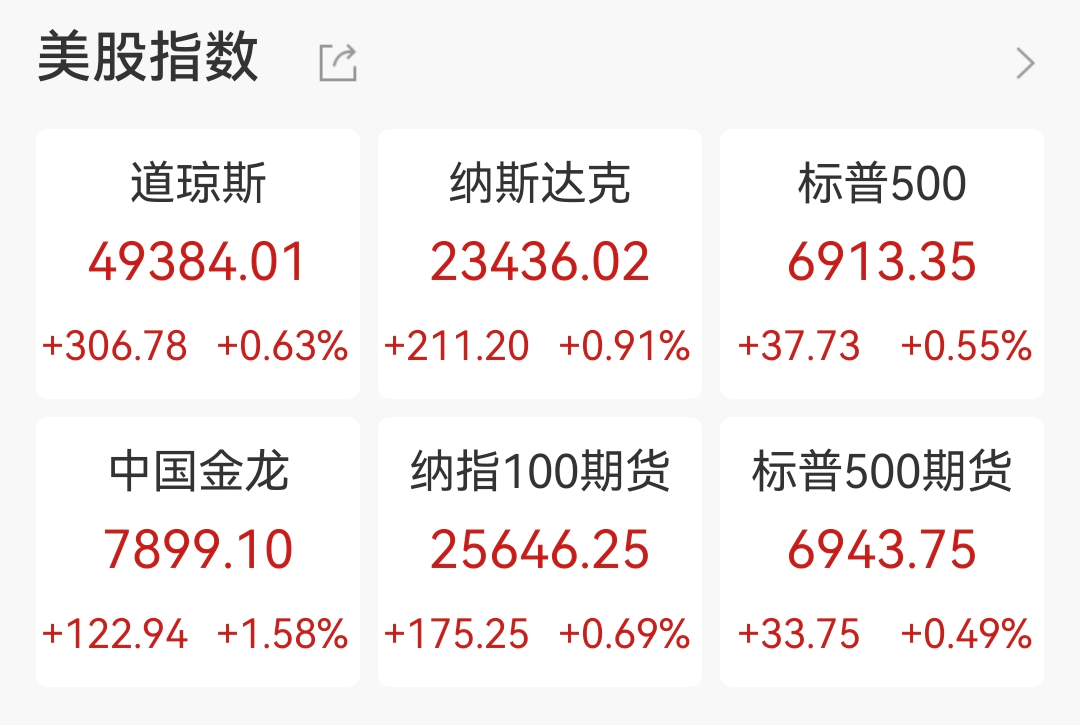
当地时间1月22日,美股三大指数集体收涨,道琼斯指数涨0.63%,标普500指数涨0.55%,纳斯达克指数涨0.91%。纳斯达克中国金龙指数涨 1.58%,阿里巴巴涨幅超过5%。现货黄金、白银价格纷纷创下历史新高。 同一天,美国正式完成了退出世卫组织的法律步骤。此外,特朗普对美国最大银行摩根大通集团及其首席执行官杰米·戴蒙发起诉讼,索赔至少 50亿美元。 英特尔盘后大跌,中概股普涨 当地时间周四,美股大型科技股多数收涨,英特尔涨超11%,AMD涨超7%,特斯拉、英伟达涨近3%,谷歌涨近2%,高通涨超1%,苹果、亚马 逊小幅上涨。微软、奈飞跌超2%,甲骨文跌超3%。 不过截至北京时间1月23日早上7点,计算机零件和半导体芯片制造商英特尔盘后下跌超12%。据英特尔公布的2025年第四季度(截至2025年12月 27日)及全年财务报告,英特尔第四季度营收136.7亿美元,超出市场预期,但同比下降超4%。在通用会计准则(GAAP)下,公司四季度净亏损达 到6亿美元,远超2024年同期的净亏损。盘后股价下跌,主要受其发布的2026年一季度业绩指引表现疲软影响,英特尔预计2026年第一季度营收 将在117亿至127亿美元 ...


金银携手再创新高!科技股引领美股反弹,阿里大涨5%,英特尔盘后放榜重挫超12%
Di Yi Cai Jing· 2026-01-23 00:17
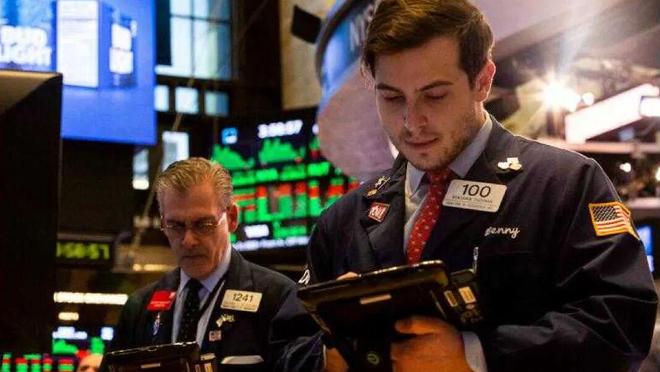
【热门股表现】 *美国11月PCE通胀符合预期 *科技股普涨,中概股走强 *金银价格同步站上历史新高 在美国总统特朗普暂时撤回针对欧洲国家的关税威胁后,市场风险情绪明显修复。周四,美股三大股指 连续第二个交易日收高,投资者在地缘政治紧张缓和与美国经济数据稳健的双重支撑下重新回流股市。 截至周四收盘,道琼斯工业指数上涨306.78点,涨幅0.63%,报49384.01点;标普500指数上涨37.73点, 涨幅0.55%,报6913.35点;纳斯达克综合指数上涨211.20点,涨幅0.91%,报23436.02点。 小盘股表现尤为活跃,罗素2000指数上涨0.76%,创收盘纪录新高,显示市场风险偏好有所回升。 大型科技股整体表现稳健。Meta大涨5.66%,特斯拉上涨4.15%,英伟达上涨0.83%,苹果上涨0.28%, 微软上涨1.58%,谷歌上涨0.66%,亚马逊上涨1.31%。甲骨文上涨2.47%,奈飞下跌2.13%,博通下跌 1.01%。半导体板块延续反弹势头,美光科技上涨2.18%,英特尔上涨0.13%,AMD上涨1.57%。 纳斯达克中国金龙指数上涨1.58%。热门中概股多数收涨,阿里巴巴上涨5.05 ...

英特尔盘后跌近10%,阿里涨超5%,黄金白银创历史新高
2 1 Shi Ji Jing Ji Bao Dao· 2026-01-23 00:15
1月23日,美股三大指数收盘集体上涨,道指涨0.63%,纳指涨0.91%,标普500指数涨0.55%。 美国当天公布的一系列宏观数据整体偏强。地缘政治担忧消散,叠加美国经济数据强劲,提振风险偏好。美股主要股指连续第二个交易日上涨,完全收复 本周早些时候的失地。降息预期减弱下,短期美债承压。2年期美债收益率上行2.5个基点,10年期收益率则持平于昨日尾盘。美元下挫0.5%,逼近98关 口。 美股大型科技股普涨,万得美国科技七巨头指数上涨1.47%。个股方面,微软、亚马逊涨超1%,Meta收涨5.7%,创7月31日以来最大单日涨幅;甲骨文涨 超2%,AMD涨超1%。 特斯拉涨超4%,据智通财经,全球首富、特斯拉CEO埃隆·马斯克最新表示,特斯拉可能会在明年年底前开始向公众销售其人形机器人"Optimus"(擎天 柱)。当地时间周四(1月22日),马斯克在瑞士达沃斯举行的世界经济论坛年会上发表演讲时表示,特斯拉已经在工厂中使用部分擎天柱执行一些简单 任务。 英特尔盘后大跌近10%,报49.14美元。英特尔第四季度营收136.7亿美元,同比减少4.1%,市场预估134.3亿美元;第四季度调整后每股收益0.15美元,上 ...


美股科技股拉升,特斯拉涨超4%,英特尔盘后跌近10%,中概股普涨,阿里涨超5%,金银铂创历史新高
2 1 Shi Ji Jing Ji Bao Dao· 2026-01-22 23:39
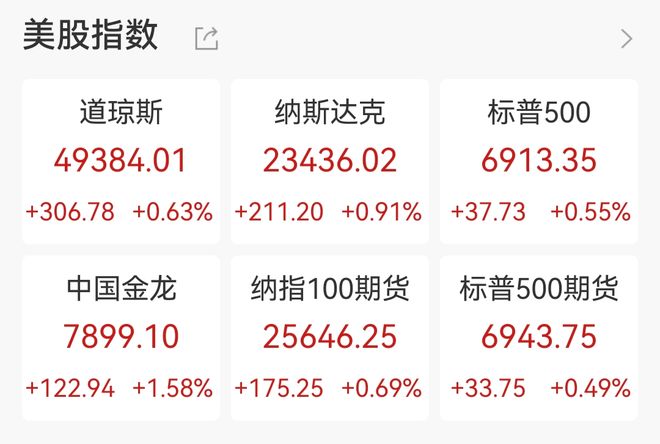
记者丨张嘉钰 编辑丨江佩佩 1月23日,美股三大指数收盘集体上涨,道指涨0.63%,纳指涨0.91%,标普500指数涨0.55%。 美国当天公布的一系列宏观数据整体偏强。地缘政治担忧消散,叠加美国经济数据强劲,提振风险偏 好。美股主要股指连续第二个交易日上涨,完全收复本周早些时候的失地。降息预期减弱下,短期美债 承压。2年期美债收益率上行2.5个基点,10年期收益率则持平于昨日尾盘。美元下挫0.5%,逼近98关 口。 | 美股指数 | | | | --- | --- | --- | | 道琼斯 | 纳斯达克 | 标普500 | | 49384.01 | 23436.02 | 6913.35 | | +306.78 +0.63% +211.20 +0.91% +37.73 +0.55% | | | | 中国金龙 | 纳指100期货 | 标普500期货 | | 7899.10 | 25646.25 | 6943.75 | | +122.94 +1.58% +175.25 +0.69% +33.75 +0.49% | | | 特斯拉涨超4%,据智通财经,全球首富、特斯拉CEO埃隆·马斯克最新表示,特斯拉可能会在明年 ...
美股收高,热门中概股普涨,金银再创新高
Di Yi Cai Jing Zi Xun· 2026-01-22 23:37
Market Overview - The market sentiment improved significantly after President Trump temporarily withdrew tariff threats against European countries, leading to a rebound in U.S. stock indices [2][4] - As of Thursday's close, the Dow Jones Industrial Average rose by 306.78 points (0.63%) to 49,384.01, the S&P 500 increased by 37.73 points (0.55%) to 6,913.35, and the Nasdaq Composite gained 211.20 points (0.91%) to 23,436.02 [2] Sector Performance - Small-cap stocks showed particularly strong performance, with the Russell 2000 index rising by 0.76% to a record closing high, indicating a recovery in market risk appetite [3] - Major tech stocks performed robustly, with Meta up 5.66%, Tesla up 4.15%, and Nvidia up 0.83%. Other notable movements included Apple up 0.28%, Microsoft up 1.58%, and Amazon up 1.31% [3] - The semiconductor sector continued its rebound, with Micron Technology up 2.18% and AMD up 1.57% [3] Earnings Reports - Intel's stock plummeted over 12% in after-hours trading following its earnings report, which indicated a first-quarter revenue forecast of $11.7 billion to $12.7 billion, below market expectations [3] - Despite the weak guidance, Intel's fourth-quarter performance exceeded expectations, with revenue of $13.67 billion and earnings per share of $0.15, both surpassing market forecasts [3] Economic Data - U.S. macroeconomic data remained robust, with the November Personal Consumption Expenditures (PCE) price index rising 2.8% year-over-year, aligning with market expectations [6] - The third-quarter GDP growth rate was revised up to 4.4%, marking the fastest growth since the third quarter of 2023 [7] - Initial jobless claims rose slightly to 200,000, which was below expectations, indicating stability in the job market [7] Commodity Market - The commodity market showed mixed results, with international oil prices declining; Brent crude fell by $1.18 to $64.06, and WTI crude dropped by $1.26 to $59.36 [8] - Precious metals continued to perform strongly, with spot gold rising by $2.22 to a historical high of $4,939.41 per ounce, and COMEX gold futures also reaching a new high [8]
美股收高,热门中概股普涨,金银再创新高
第一财经· 2026-01-22 23:29
Core Viewpoint - The article discusses the recovery of market risk sentiment following the temporary withdrawal of tariff threats by President Trump against European countries, leading to a rise in major U.S. stock indices [3][5]. Market Performance - The Dow Jones Industrial Average rose by 306.78 points, or 0.63%, closing at 49,384.01 points; the S&P 500 increased by 37.73 points, or 0.55%, to 6,913.35 points; and the Nasdaq Composite gained 211.20 points, or 0.91%, ending at 23,436.02 points [3]. - The Russell 2000 index, representing small-cap stocks, increased by 0.76%, reaching a record closing high, indicating a rise in market risk appetite [4]. - Major technology stocks showed solid performance, with Meta up 5.66%, Tesla up 4.15%, and Nvidia up 0.83% [4]. Earnings Reports - Intel's stock fell over 12% after its earnings report, with Q1 revenue guidance between $11.7 billion and $12.7 billion, below market expectations [5]. - Despite weak guidance, Intel's Q4 revenue was $13.67 billion, exceeding expectations of $13.40 billion, with earnings per share of $0.15, also above the consensus of $0.08 [5]. Economic Data - The U.S. personal consumption expenditures (PCE) price index rose 2.8% year-on-year in November, with a month-on-month increase of 0.2%, aligning with market expectations [7]. - The U.S. GDP growth rate for Q3 was revised up to 4.4%, marking the fastest growth since Q3 2023 [8]. - Initial jobless claims rose slightly to 200,000, with the increase being less than expected, indicating stability in the job market [9]. Commodity Market - Oil prices fell, with Brent crude down $1.18 to $64.06 and WTI down $1.26 to $59.36, as geopolitical risk premiums related to Greenland are decreasing [11]. - Precious metals continued to perform strongly, with spot gold rising by $2.22 to a historical high of $4,939.41 per ounce [11].

中国资产大涨 阿里巴巴涨超5%!美国公布重磅数据 特斯拉市值一夜增超4100亿元!国际金价银价同创历史新高
Mei Ri Jing Ji Xin Wen· 2026-01-22 23:21
Group 1: Market Performance - US stock markets closed higher on January 22, with the Dow Jones up 0.63%, Nasdaq up 0.91%, and S&P 500 up 0.55% [1] - Technology stocks saw significant gains, with Meta rising 5.7%, Oracle up over 2%, and Tesla increasing by over 4% [2][3] Group 2: Tesla Developments - Tesla's market value increased by $59.6 billion (approximately 415.6 billion RMB) in one night [3] - CEO Elon Musk announced that Tesla may start selling its humanoid robot "Optimus" to the public by the end of next year, with the robots currently performing simple tasks in factories [4] - Musk predicts that by the end of 2026, these robots will be capable of completing more complex tasks [5] Group 3: Intel Financials - Intel reported fourth-quarter revenue of $13.67 billion, a year-over-year decrease of 4.1%, with adjusted earnings per share of $0.15, up from $0.13 the previous year [6] - The company expects first-quarter adjusted earnings per share of $0.00, with revenue projected between $11.7 billion and $12.7 billion [6] Group 4: Economic Indicators - The US third-quarter GDP annualized growth rate was revised to 4.4%, slightly above the expected 4.3% [9] - Initial jobless claims for the previous week were reported at 200,000, below the expected 210,000 [8]

美股三大指数收盘上涨 大型科技股多数上涨
Xin Lang Cai Jing· 2026-01-22 23:17
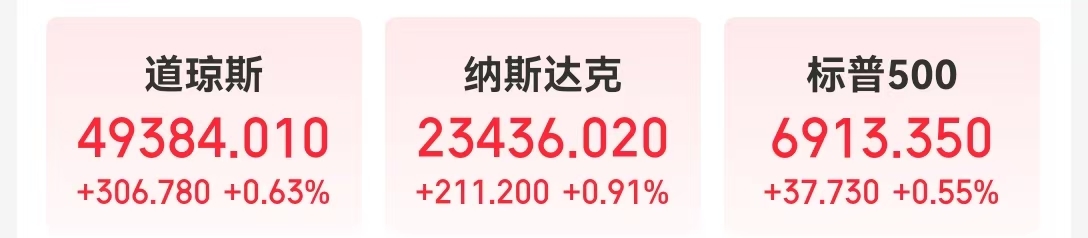
人民财讯1月23日电,1月22日,美股三大指数收盘集体上涨,截至收盘,道指涨0.63%,纳指涨 0.91%,标普500指数涨0.55%。大型科技股多数上涨,Meta收涨5.66%,创7月31日以来最大单日涨幅; 甲骨文涨超2%,AMD、微软、亚马逊涨超1%。马斯克称在美国得州的无人驾驶出租车RoboTaxi取消安 全监督员,特斯拉涨超4%,Lyft跌1.5%,Uber跌2%。热门中概股多数上涨,纳斯达克中国金龙指数收 涨1.59%,阿里巴巴涨超5%,哔哩哔哩涨超4%,理想汽车、京东涨超3%,蔚来涨超2%。 ...
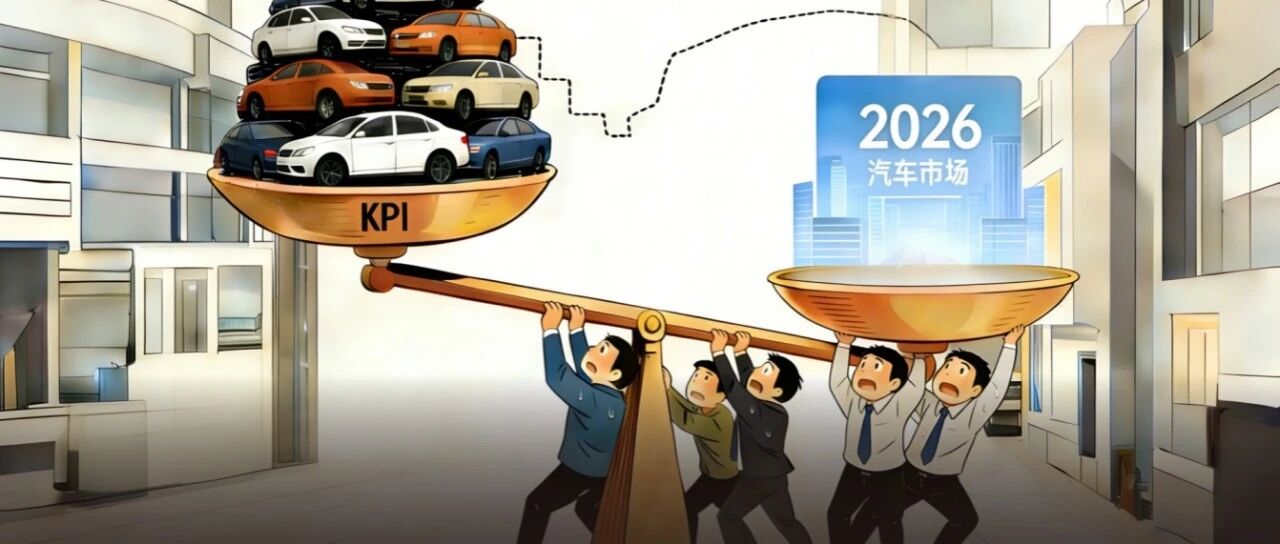
注定悲剧的2026,还有多少车企不信邪?
汽车商业评论· 2026-01-22 23:07
Core Viewpoint - The article discusses the challenges and strategies of the Chinese automotive industry as it faces declining domestic sales and increasing pressure to transition towards higher-value and technology-intensive vehicles. The focus is on the 2026 sales targets set by various automakers amidst a backdrop of changing government policies and market dynamics [3][6][8]. Group 1: Market Overview - In 2025, China's automotive production and sales reached 34.4 million units, a 9.4% increase year-on-year, maintaining its position as the world's largest market for the 17th consecutive year [3]. - Domestic sales, excluding exports, were 27.3 million units, up 6.7%, with passenger vehicles accounting for approximately 24.1 million units, growing by 8.0% [5]. - However, December 2025 saw a significant decline in domestic sales, with only 2.519 million units sold, marking a 6.7% month-on-month drop and a 15.6% year-on-year decrease [5]. Group 2: Industry Challenges - The average profit margin in the Chinese automotive industry has fallen to 4.4%, only slightly above the historical low of 4.3% in 2024, indicating extremely thin profit margins [6]. - The new vehicle replacement subsidy policy, shifting from fixed subsidies to percentage-based subsidies, targets higher-priced vehicles, which may pressure companies that rely heavily on low-cost models [8]. Group 3: Sales Targets and Strategies - Major automakers have set ambitious sales targets for 2026, with a combined goal of approximately 35 to 36 million passenger vehicles, reflecting a year-on-year increase of 12% to 15% [5]. - Traditional automakers are focusing on stability and efficiency improvements, while new entrants are experiencing significant divergence in their growth strategies [10][30]. - For instance, Changan aims for a total sales target of 3.3 million units in 2026, with a strong emphasis on new energy vehicles, projecting 1.43 million units from this segment [12][15]. Group 4: New Energy Vehicle Focus - The article highlights the increasing importance of new energy vehicles (NEVs) in the sales strategies of various automakers, with companies like Dongfeng targeting 1.7 million NEVs in 2026, representing a significant portion of their overall sales goals [15][26]. - Geely plans to launch over ten new models in 2026, focusing on a comprehensive product matrix to drive sales growth [23]. Group 5: Export Market Dynamics - The export market for Chinese vehicles is thriving, with exports reaching 7 million units in 2025, a 21% increase year-on-year, and NEV exports doubling to 2.6 million units [49]. - Automakers are increasingly prioritizing overseas markets, with many setting aggressive export targets that significantly exceed their overall sales growth targets [51][54]. - For example, Changan's overseas sales target for 2026 is set at 750,000 units, accounting for nearly a quarter of its total sales goal [52].





特朗普起诉摩根大通 索赔50亿美元;预制菜 将有国家标准;金饰每克便宜200元 胖东来回应丨每经早参
Mei Ri Jing Ji Xin Wen· 2026-01-22 22:13
Market Overview - US stock indices closed higher, with the Dow Jones up 0.63%, Nasdaq up 0.91%, and S&P 500 up 0.55%. Tech stocks saw significant gains, with Meta rising 5.7%, marking its largest single-day increase since July 31. Other notable performers included Oracle up over 2%, and Tesla up over 4% [5] - International oil prices fell sharply, with WTI crude down 1.95% at $59.44 per barrel, and Brent crude down 1.74% at $63.41 per barrel [6] - European stock indices also saw gains, with Germany's DAX up 1.2%, France's CAC40 up 0.99%, and the UK's FTSE 100 up 0.12% [7] Economic Indicators - Initial jobless claims in the US increased by 20,000 to 209,000, slightly above the previous week's figure of 198,000. The GDP for Q3 2025 was revised to a 4.4% annualized rate, slightly above the forecast of 4.3% [5] - The core PCE price index for November 2025 showed a year-over-year increase of 2.8%, matching expectations, while the month-over-month increase was 0.2% [5] Monetary Policy - The People's Bank of China (PBOC) plans to continue implementing a moderately loose monetary policy in 2026, focusing on stabilizing economic growth and ensuring reasonable price recovery. The PBOC will conduct a 900 billion yuan MLF operation to maintain liquidity in the banking system [8] Corporate Developments - Xiaomi Group announced a share buyback plan of up to 2.5 billion HKD, aimed at boosting investor confidence and stabilizing stock prices [17] - Zhongji Xuchuang became the largest holding in public funds, reflecting a shift in investment focus towards AI computing power and technology sectors [19] - Yushun Technology clarified that it expects to ship over 5,500 humanoid robots in 2025, indicating significant progress in the commercialization of robotics [21] - The company "Chuan Yue Zhe" has booked over 20 space tourists, with plans for its first manned flight in 2028, marking a significant step in the commercialization of space travel [22] Consumer Market - The price of gold jewelry has increased, with a notable price difference of 200 yuan per gram compared to domestic brands, potentially attracting consumer interest [23] - JD.com launched a gold phone case priced from 11,299 yuan, which sold out quickly, indicating strong consumer demand for luxury items [25]
