呷哺呷哺

Search documents
今年十大最惨板块,跌麻了
3 6 Ke· 2025-12-30 12:11
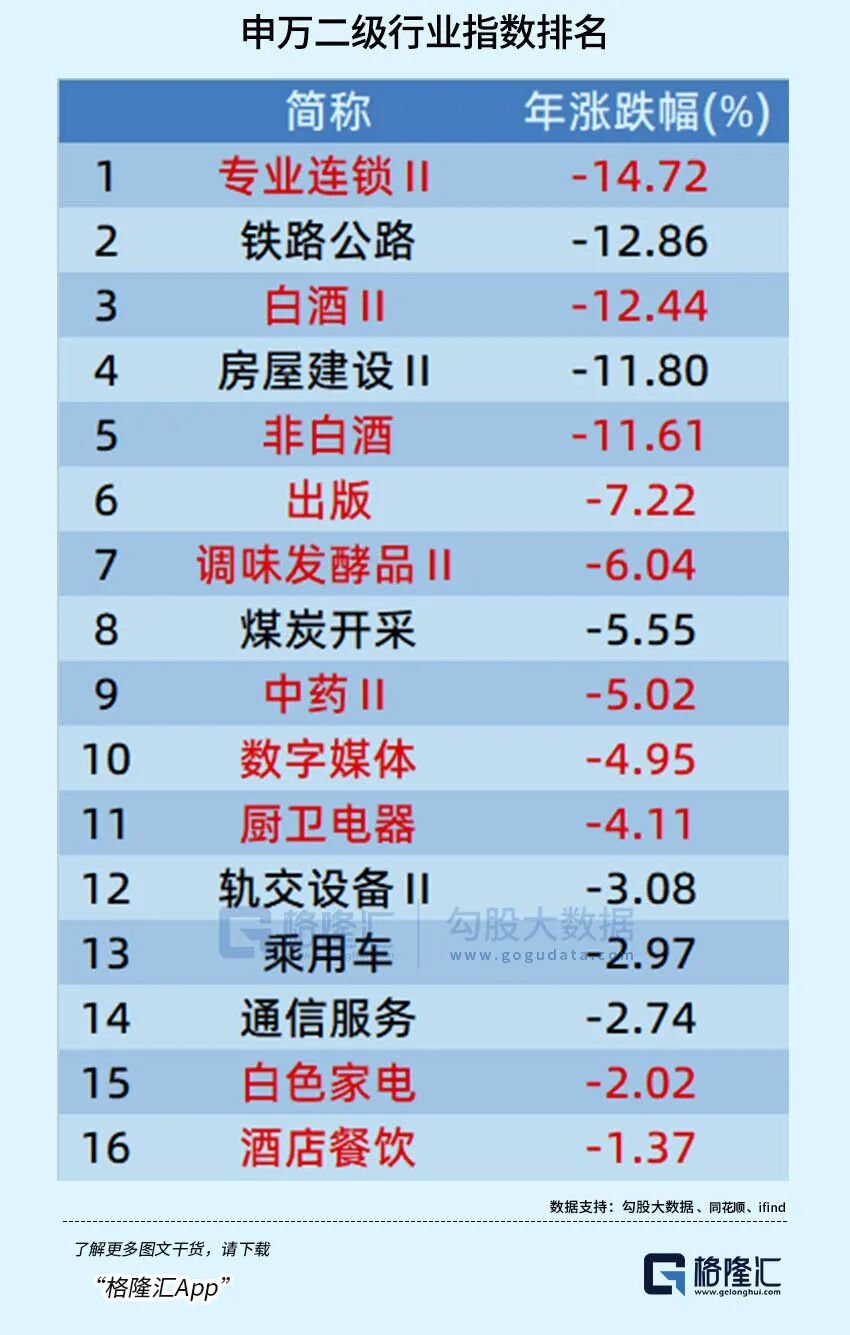
Core Viewpoint - The consumer sector has faced significant challenges in the past year, with many industries within this sector experiencing declines despite overall market growth. The focus on domestic demand and consumption has not translated into positive performance for many consumer-related industries [1]. Group 1: Consumer Sector Performance - In the first half of the year, 10 out of 16 industries that saw declines were from the consumer sector, indicating a troubling trend for consumer-related stocks [1]. - The white liquor sector, a key component of the consumer market, has seen a year-to-date decline of 12.44%, with major brands like Wuliangye experiencing significant drops in revenue and profit [5][8]. - The professional chain sector has been particularly hard hit, with a year-to-date decline of 14.72%, as traditional retail models struggle to adapt to changing consumer behaviors [13][14]. Group 2: White Liquor Industry - The white liquor industry is facing its eighth consecutive year of production decline, with both volume and price dropping, leading to increased inventory pressure and cash flow issues for many companies [9]. - Wuliangye reported a 10.26% decline in revenue and a 13.72% drop in net profit for the first three quarters, marking its first negative growth in nearly a decade [8]. - The changing consumer landscape, with a shift towards lower-alcohol and healthier options, is forcing white liquor companies to adapt or risk further declines [12]. Group 3: Professional Chain Sector - The professional chain sector is experiencing a crisis, with many traditional stores closing and business models failing to adapt to the digital age [14][19]. - The decline of major players like Renrenle, which has seen its market value plummet and faced continuous losses, exemplifies the struggles within this sector [18]. - The shift towards online shopping and personalized consumer experiences is reshaping the retail landscape, leaving traditional large-format stores at a disadvantage [20]. Group 4: Non-White Liquor Sector - The non-white liquor sector, including beer and wine, has also faced challenges, with a year-to-date decline of 11.61% [22]. - Budweiser APAC reported an 8.2% drop in domestic sales and a 24.4% decline in net profit, reflecting broader issues within the beer industry [25]. - The rise of cross-industry competition, with liquor companies diversifying into other beverage categories, indicates a shift in market dynamics [27]. Group 5: Publishing Industry - The publishing industry has seen a decline in the overall market, with a 10.4% drop in the domestic paper book market, yet some companies have managed to increase profits through cost control [35][38]. - Chinese Media, a leading player in the sector, has faced significant revenue and profit declines, highlighting the challenges of adapting to changing educational policies [36][38]. Group 6: Seasoning Industry - The seasoning industry has experienced a 6.04% decline, with companies like Qianhe Flavor struggling due to a drop in sales across key product lines [43][47]. - The industry is facing increased competition and changing consumer preferences, necessitating a shift in strategy for many companies [52]. Group 7: Traditional Chinese Medicine - The traditional Chinese medicine sector has seen a 5.02% decline, with companies like Pian Zai Huang facing significant revenue and profit drops due to rising costs and regulatory pressures [53][56]. - The industry is undergoing a transformation as companies seek to innovate and diversify their product offerings in response to market challenges [62]. Group 8: Digital Media - The digital media sector has faced a 4.95% decline, with traditional advertising models struggling to keep pace with new digital trends [67]. - Companies like Mango TV have reported significant revenue declines, indicating the need for adaptation in a rapidly changing media landscape [66]. Group 9: Kitchen and Bathroom Appliances - The kitchen and bathroom appliance sector has seen a 4.11% decline, largely due to a slowdown in new housing demand and increased competition [69][70]. - Companies like Boss Appliances are experiencing revenue declines for the first time in years, reflecting broader industry challenges [69]. Group 10: White Goods - The white goods sector has faced a 2.02% decline, with major players like Gree Electric experiencing significant revenue and profit drops due to increased competition and market saturation [76][80]. - The industry is shifting towards a focus on product quality and operational efficiency as traditional growth drivers diminish [80]. Group 11: Hotel and Catering - The hotel and catering sector has seen a 1.37% decline, with many businesses struggling to convert increased travel demand into profits due to high commission fees from online platforms [84][85]. - The industry is witnessing a shift towards more refined operational models as companies seek to adapt to changing consumer behaviors and market conditions [86].

2025年A股十大最惨板块,跌麻了
Ge Long Hui· 2025-12-30 11:30
Core Viewpoint - The consumer sector has faced significant challenges in the past year, with many sub-sectors experiencing declines despite overall market growth. The focus on domestic demand and consumption has not translated into positive performance for many consumer-related industries [1][5]. Consumer Sector Performance - In the first half of the year, 10 out of 16 declining industries were from the consumer sector, indicating a broader trend of underperformance [1]. - The white liquor sector, a key component of the consumer market, has seen a year-to-date decline of 12.44%, with major brands like Wuliangye experiencing significant drops in revenue and profit [6][9]. - The professional chain sector has been particularly hard-hit, with a year-to-date decline of 14.72%, exemplified by the struggles of companies like Renrenle [16][20]. White Liquor Sector - The white liquor industry is facing its eighth consecutive year of production decline, with both volume and price dropping simultaneously [10]. - Wuliangye reported a 10.26% decline in revenue and a 13.72% drop in net profit for the first three quarters, marking its first negative growth in a decade [9]. - The industry is shifting from a growth-driven model to one focused on consumer choice, with a need for companies to adapt to changing consumer preferences [15]. Professional Chain Sector - The professional chain sector is experiencing a crisis, with many physical stores closing and traditional business models failing [16][20]. - Renrenle, once a leading private supermarket, has seen its market value plummet and is now facing delisting due to ongoing financial struggles [21][24]. - The shift towards online shopping and personalized consumer demands has further exacerbated the challenges faced by traditional retail chains [24][25]. Non-White Liquor Sector - The non-white liquor sector, including beer and wine, has also faced declines, with the beer segment seeing a notable drop in sales and profits [27][32]. - Budweiser APAC reported an 8.2% decline in domestic sales and a 24.4% drop in net profit, reflecting broader industry challenges [32][33]. - The market is witnessing a trend of cross-industry competition, with liquor companies diversifying into new beverage categories [34]. Publishing Sector - The publishing industry has shown resilience despite a 10.4% decline in the overall market for printed books, with listed companies managing to increase net profits by 14.65% [43][44]. - However, leading companies like Zhongwen Media are struggling, with significant revenue and profit declines due to changes in educational material procurement policies [45][48]. Seasoning Sector - The seasoning industry has faced a 6.04% decline, with companies like Qianhe Flavor struggling due to falling revenues and a loss of consumer trust [51][55]. - The industry is experiencing a shift in consumer preferences and increased competition, necessitating a reevaluation of business strategies [60]. Traditional Chinese Medicine Sector - The traditional Chinese medicine sector is facing challenges, with companies like Pian Zai Huang reporting significant declines in revenue and profit due to rising costs and regulatory pressures [61][66]. - The industry is undergoing a transformation as companies seek to innovate and diversify their product offerings [70]. Digital Media Sector - The digital media industry has seen a 4.95% decline, with companies like Mango TV reporting significant drops in revenue and profit due to changing consumer behaviors and market dynamics [71][74]. - The sector is grappling with the need to adapt to new content consumption trends while facing pressure from traditional advertising models [75]. Kitchen and Bathroom Appliances Sector - The kitchen and bathroom appliance sector has experienced a 4.11% decline, largely due to reduced demand from the real estate market [78][79]. - Companies like Boss Electric are facing revenue declines for the first time in years, highlighting the challenges of adapting to a changing market landscape [79][80]. White Goods Sector - The white goods sector has seen a 2.02% decline, with major players like Gree Electric facing significant revenue and profit pressures due to increased competition and market saturation [83][84]. - The industry is shifting towards a focus on product quality and brand strength as external stimuli diminish [88]. Hotel and Restaurant Sector - The hotel and restaurant sector has faced a 1.37% decline, with revenue pressures stemming from changing consumer spending habits and increased competition from online platforms [89][92]. - Companies are beginning to adopt more refined operational strategies to navigate the challenging market environment [96].





今年十大最惨板块,跌麻了
格隆汇APP· 2025-12-30 11:04
Core Viewpoint - The article discusses the significant downturn in various consumer sectors, particularly the liquor and retail industries, highlighting the challenges and potential opportunities for recovery amidst changing consumer behaviors and market dynamics [2][4][43]. Group 1: Liquor Industry - The liquor sector, especially the white liquor segment, has faced substantial declines, with the overall white liquor market down by 12.44% this year [9][15]. - Major brands like Wuliangye have reported significant drops in revenue and profit, with a 10.26% decline in revenue and a 13.72% drop in net profit for the first three quarters [17]. - The white liquor industry is experiencing a shift from a growth-driven model to one focused on consumer preferences, with a need for companies to adapt to changing consumption patterns [26][27]. Group 2: Retail Industry - The professional chain sector has seen a dramatic decline of 14.72%, with many traditional retail models struggling to survive [28][30]. - Companies like Renrenle have faced severe financial difficulties, leading to a significant reduction in store numbers and ultimately triggering delisting procedures [34][35]. - The shift towards online shopping and changing consumer preferences have forced traditional retailers to innovate or face extinction [36][39]. Group 3: Non-White Liquor Sector - The non-white liquor sector, including beer and wine, has also suffered, with a reported decline of 11.61% this year [40]. - Major players like Budweiser APAC have experienced significant sales drops, with a 9.5% revenue decrease and a 24.4% decline in net profit [46]. - The industry is witnessing a trend of cross-industry competition, with liquor companies diversifying into other beverage categories to adapt to market changes [51][56]. Group 4: Publishing Industry - The publishing sector has faced a 7.22% decline, with the overall market for printed books down by 10.40% [60]. - Despite the downturn, some publishing companies have managed to increase profits through cost control and operational efficiency, with a 14.65% rise in net profit for listed companies [61][62]. - The industry is undergoing significant transformation, moving from traditional sales models to more dynamic content management and IP development strategies [70][71]. Group 5: Seasoning Industry - The seasoning sector has seen a 6.04% decline, with companies like Qianhe Flavor struggling due to a drop in revenue and profit [74]. - The industry is facing challenges from both market saturation and changing consumer preferences, necessitating a shift in strategy for many companies [81]. Group 6: Traditional Chinese Medicine - The traditional Chinese medicine sector has experienced a 5.02% decline, with companies like Pian Zai Huang facing significant revenue and profit drops [86]. - The industry is under pressure from regulatory changes and increased competition, pushing companies to innovate and diversify their product offerings [91][92]. Group 7: Digital Media - The digital media sector has reported a 4.95% decline, with traditional advertising models struggling to adapt to new market realities [97][100]. - Companies like Mango TV have seen significant revenue drops, highlighting the challenges of maintaining profitability in a rapidly changing landscape [101][104]. Group 8: Kitchen and Bathroom Appliances - The kitchen and bathroom appliance sector has faced a 4.11% decline, with major players like Boss Electric experiencing revenue drops for the first time in years [112]. - The industry is grappling with reduced demand due to a slowdown in the real estate market, necessitating a shift towards innovation and international expansion [117][118]. Group 9: White Goods - The white goods sector has seen a 2.02% decline, with companies like Gree Electric facing significant challenges due to market saturation and increased competition [126][129]. - The industry is shifting towards a more rational consumer base that prioritizes product quality and brand reputation over traditional growth drivers [133]. Group 10: Hotel and Restaurant Industry - The hotel and restaurant sector has experienced a 1.37% decline, with many businesses struggling to convert increased tourism into profits [140][141]. - The industry is witnessing a shift towards more refined operational models, with companies focusing on member engagement and digital transformation to enhance profitability [142][143].





呷哺呷哺集团开拓业务新版图 “呷哺牧场” 高质价比自选小火锅抢占新消费阵地
Zheng Quan Ri Bao Zhi Sheng· 2025-12-30 10:44
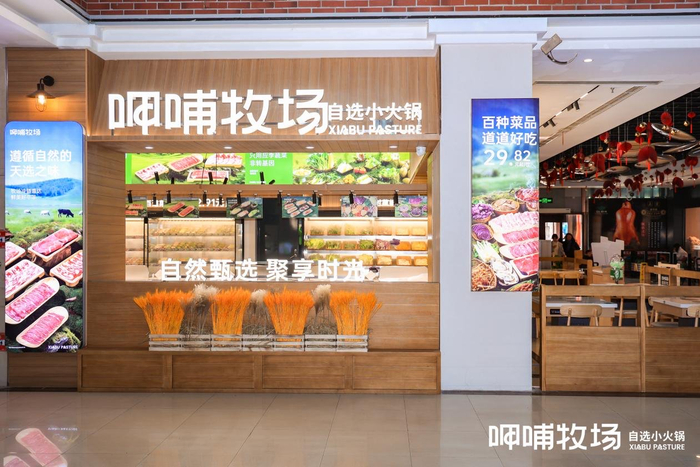
Core Insights - The hot pot market is entering a new phase characterized by high quality and affordability, with the launch of a new self-service hot pot brand "Xiabuxiabu Ranch" by Xiabuxiabu Catering Management (China) Holdings Co., Ltd. [1][3] - The brand targets young consumers and emphasizes a "natural selection, enjoy food time" philosophy, aiming to provide a high-quality yet affordable dining experience [1][3]. Pricing Strategy - "Xiabuxiabu Ranch" offers a pricing strategy that includes dishes priced at 2.91 yuan, 5.91 yuan, and 8.91 yuan, with meat starting at 9.91 yuan, allowing for a single-person dining experience as low as 29.82 yuan, which includes a choice of broth, all condiments, and over thirty types of vegetables [4] - The brand also features unlimited drinks at 5.91 yuan and complimentary appetizers, ensuring a value-driven dining experience [4]. Quality Assurance - The brand leverages Xiabuxiabu's strong supply chain and quality control systems, utilizing organic lamb resources from a 161,000-acre ranch in Inner Mongolia, ensuring high-quality ingredients [4] - The company guarantees stable food quality through centralized procurement of premium beef, seafood, and fresh vegetables delivered daily [4]. Innovation in Model and Scenarios - The self-service hot pot model allows customers to choose from various ingredients in just 3-5 minutes, catering to diverse dining scenarios such as office lunches, student gatherings, and family meals [5] - The store layout includes both mall and community locations, with the first store accommodating up to 60 diners, enhancing customer experience and market adaptability through a high table turnover rate [5].
呷哺呷哺集团开拓业务新版图 切入自选小火锅细分赛道
Zheng Quan Shi Bao Wang· 2025-12-30 09:29
Core Insights - The company, Xiaobai Xiaobai Group, is launching a new self-service hot pot brand called "Xiaobai Ranch," with the first store set to open on December 31, 2025, in Shanghai Wealth Plaza [1] - The brand targets young consumers by offering a high-quality yet affordable social dining experience, aligning with the growing demand for healthy and cost-effective food options [1][2] - The introduction of "Xiaobai Ranch" is a strategic move to enhance the company's brand portfolio and meet the needs of young professionals seeking convenient and quality dining options [1] Pricing and Product Offering - "Xiaobai Ranch" features a competitive pricing strategy with dishes priced at 2.91 yuan, 5.91 yuan, and 8.91 yuan, and meat starting at 9.91 yuan, with single-person dining costs as low as 29.82 yuan [2] - The brand also offers unlimited drinks for 5.91 yuan, emphasizing affordability while maintaining quality [2] Market Strategy and Expansion - The self-service hot pot model includes individual pots for each diner, catering to the trend of solo dining and light social interactions [2] - The first store can accommodate up to 60 diners, and the company plans to open additional locations in Shanghai, including two more stores before the Lunar New Year in 2026 [2] - Shanghai is identified as a key market for the company's national expansion strategy, leveraging the group's strong supply chain and resources for future growth [2]
呷哺呷哺:新品牌“呷哺牧场”将落地上海
Mei Ri Jing Ji Xin Wen· 2025-12-30 08:48
Core Viewpoint - The company, Xiaobai Xiaobai Group, is set to launch a new business line with the introduction of a self-service hot pot brand named "Xiaobai Ranch," with the first store opening on December 31, 2025, in Shanghai Wealth Plaza [1] Business Expansion - "Xiaobai Ranch" is positioned as a light luxury self-service hot pot brand aimed at providing a high-quality yet affordable social dining experience for young consumers [1] - Two additional stores are expected to open in Shanghai before the Spring Festival, marking the initial market layout for this new brand [1]
呷哺呷哺:新品牌“呷哺牧场”将落地上海 切入自选小火锅细分赛道
Zheng Quan Shi Bao Wang· 2025-12-30 08:29
Core Viewpoint - The company, Xiaobai Xiaobai Group, is set to launch a new business line with the introduction of a self-service hot pot brand named "Xiaobai Ranch," with the first store opening on December 31, 2025, in Shanghai Wealth Plaza [1] Business Expansion - "Xiaobai Ranch" is positioned as a light luxury self-service hot pot brand aimed at providing a high-quality yet affordable social dining experience for young consumers [1] - Two additional stores are expected to open in Shanghai before the Spring Festival, marking the initial market layout for this new brand [1]
北京餐饮业进入“双节模式”
Bei Jing Shang Bao· 2025-12-29 16:49
Core Insights - The Beijing dining market is experiencing a surge in consumer demand as the New Year and Spring Festival approach, with both traditional brands and chain restaurants seeing high reservation rates and upgraded offerings [1][3] Group 1: Reservation Trends - Many dining establishments in Beijing have reported that reservations for New Year's Eve and the holiday period are nearly full, with some traditional brands fully booked for private rooms [3][4] - Hai Di Lao has seen a significant increase in reservations, with nearly half of its Beijing locations fully booked for New Year's Eve, totaling around 6000 tables reserved, reflecting stable year-on-year growth [4][6] Group 2: Consumer Preferences - Consumers are increasingly willing to try new dishes, with many seeking seasonal and regional specialties, indicating a shift in dining habits towards more diverse offerings [7] - Traditional brands are capitalizing on this trend by reintroducing classic dishes and launching innovative menu items to attract customers [6][7] Group 3: Service Enhancements - To prepare for the influx of customers, restaurants are enhancing their staffing and service strategies, including providing complimentary snacks and drinks for waiting customers and organizing interactive activities [4][6] - Companies are focusing on improving service response times and customer satisfaction during peak periods through better internal coordination and customer flow management [4][8] Group 4: Marketing Initiatives - Dazhong Dianping has launched a "New Year Special Plan" to promote quality takeout, offering substantial consumer vouchers and free delivery options to meet the rising demand for home dining experiences [5][7] - Various brands are introducing themed dishes and promotional products to engage younger consumers and enhance brand appeal during the festive season [6][7]

元旦餐位预订满额 春节年味提前配齐 北京餐饮进入“双节服务”模式
Bei Jing Shang Bao· 2025-12-29 12:59
Core Insights - The Beijing dining market is experiencing a surge in consumer demand as the New Year and Spring Festival approach, with both traditional brands and chain restaurants seeing high reservation rates and upgraded offerings [1][3] Group 1: Reservation Trends - Many dining establishments in Beijing have reported that reservations for the New Year holiday are nearly sold out, with some traditional brands fully booked for private rooms [3][4] - Haidilao has seen a steady increase in reservations for New Year's Eve, with nearly half of its Beijing locations fully booked, and overall reservations in the region nearing 6,000 tables, maintaining stable growth compared to last year [4][9] Group 2: Consumer Preferences - Consumers are increasingly willing to try new dishes, with many seeking seasonal ingredients and dishes that align with regional culinary trends, reflecting a shift in dining habits [9] - Traditional brands featuring intangible cultural heritage dishes are particularly popular, with over 90% of room reservations for January 1 already filled [4][9] Group 3: Marketing and Promotions - Dazhong Dianping has launched a "New Year Special Plan" to distribute 45 million large-value coupons to consumers, aiming to enhance the dining experience during peak hours [5][9] - Many restaurants are reintroducing classic dishes and launching new menu items to attract customers, with some brands offering themed dishes for the upcoming Year of the Horse [8][9] Group 4: Operational Preparedness - Dining establishments are preparing for the influx of customers by increasing staff, ensuring sufficient supplies, and enhancing service quality during peak times [4][10] - Companies are focusing on customer experience by implementing reservation management and queue optimization to reduce wait times and improve satisfaction [10]

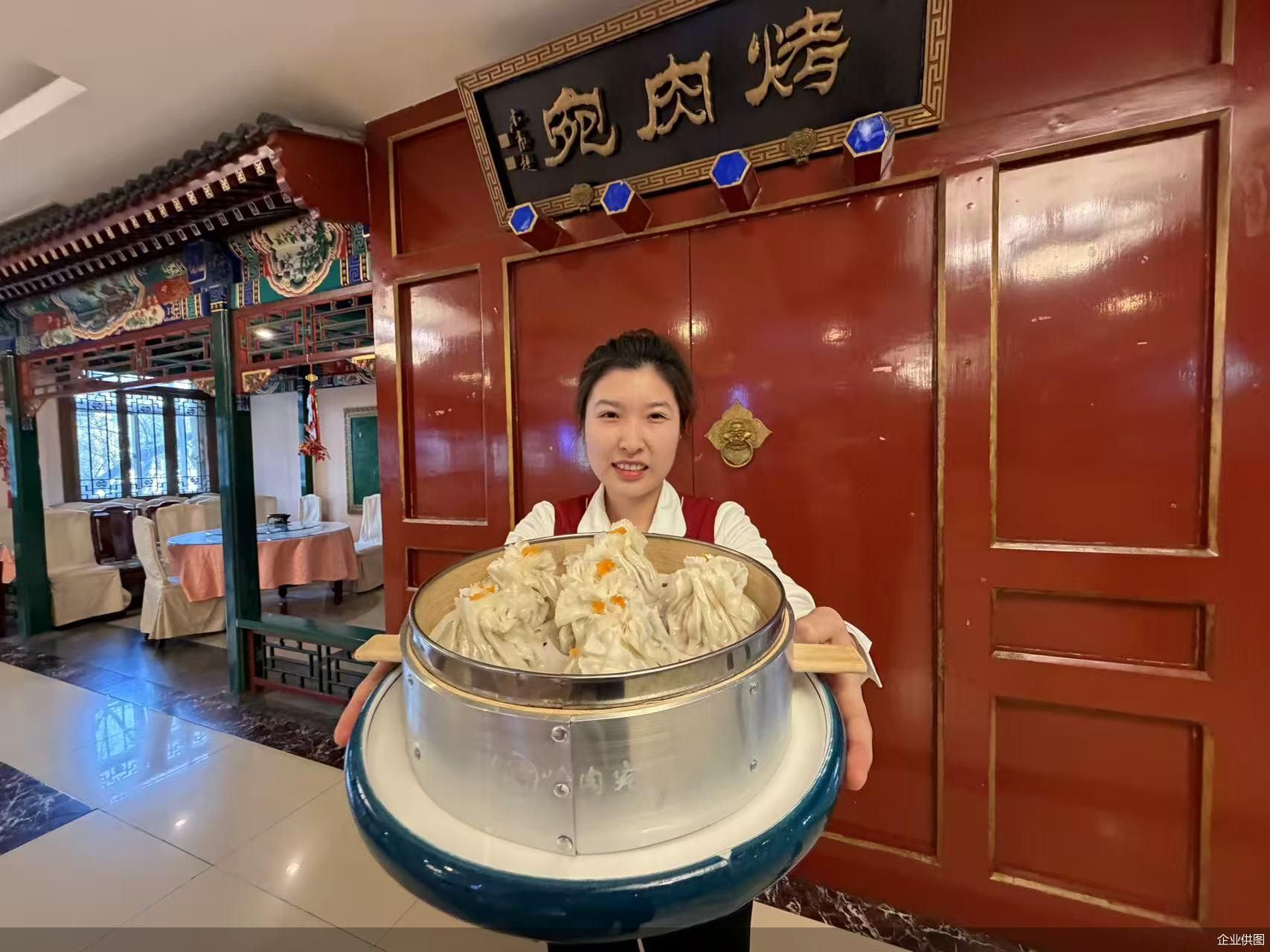
北京多门店元旦餐位订满!有店跨年夜要等位到凌晨三四点
Bei Jing Shang Bao· 2025-12-29 12:48
Core Viewpoint - The Beijing dining market is experiencing a consumption surge as the New Year and Spring Festival approach, with both time-honored brands and chain restaurants seeing a significant increase in reservations and supply upgrades [1][3]. Reservation Trends - Many dining establishments in Beijing have reported that reservations for the New Year holiday are nearly sold out, with some time-honored brands fully booked for private rooms [1][3]. - Hai Di Lao has seen a steady increase in reservations for New Year's Eve, with nearly half of its Beijing locations fully booked, totaling around 6,000 tables reserved compared to the same period last year [3][5]. - On New Year's Day, Hai Di Lao's reservations for lunch and dinner are fully booked, with expectations of long wait times for walk-in customers [3][5]. Preparation for Peak Traffic - Dining companies are enhancing staff arrangements and service quality to prepare for the influx of customers, including increasing personnel and providing complimentary snacks and drinks for waiting customers [5][9]. - Some restaurants are also planning interactive activities and performances to create a festive atmosphere during the holiday period [5]. Menu Innovations - Many dining establishments are reintroducing classic dishes and launching new menu items to attract customers, with time-honored brands seeing a high demand for traditional dishes [6][8]. - New offerings include seasonal dishes and creative combinations, catering to evolving consumer preferences for unique dining experiences [6][8]. Consumer Behavior - There is a noticeable shift in consumer willingness to try new dishes, with many preferring seasonal ingredients and regional specialties over standard menu items [8][11]. - The trend of "宅家跨年" (celebrating New Year at home) is driving demand for quality takeout options, prompting platforms like Dazhong Dianping to launch special initiatives to meet this new consumer need [9]. Market Dynamics - The New Year holiday is expected to significantly boost dining consumption, particularly for well-known brands that benefit from strong reputations [11]. - Companies are advised to focus on service quality and efficiency during peak times, ensuring adequate training and supply chain management to maintain customer satisfaction [11].