ZARA

Search documents
阿迪达斯跨界宠物服饰
Bei Jing Shang Bao· 2025-05-20 16:27
Group 1 - Adidas officially entered the pet economy by launching its first pet product line in Shanghai, which includes cotton t-shirts, genuine leather collars, and faux leather pet bags [1][2] - The global pet market is projected to exceed $300 billion, with Adidas targeting the "humanization" trend in pet ownership through design-oriented products [1][5] - The pet economy is becoming a new consumption point, with pet owners increasingly demanding higher quality, aesthetics, and user experience in pet products [2][4] Group 2 - The pet apparel sector is characterized by an enticing outlook but lacks dominant players, making it an attractive market for apparel brands to expand their product lines [3][4] - Other brands, such as Snow Peak, H&M, and Dolce & Gabbana, have also ventured into the pet market, indicating a growing trend among apparel companies [3][4] - The pet market is experiencing rapid growth, with a significant increase in consumer spending on pet products and services, reflecting changing attitudes towards pet ownership [4][6] Group 3 - The global pet market is expected to reach $500 billion by 2030, with North America and Europe remaining key markets, while Southeast Asia and the Middle East are emerging with over 30% annual growth [5][6] - In China, the urban pet market saw a 7.5% year-on-year growth, reaching 300.2 billion yuan, with dog and cat markets growing at 4.6% and 10.7%, respectively [6][6] - The pet economy is becoming increasingly significant as pets are viewed as emotional companions, leading to a potential expansion in this sector [6][6]

深圳破题消费外溢现象:联合周边城市升级大湾区消费供给,强基础、优业态做大自身市场体量
2 1 Shi Ji Jing Ji Bao Dao· 2025-05-20 13:05
Core Insights - Shenzhen has become a major consumption city, with a projected retail sales total of 1.06377 trillion yuan in 2024, marking two consecutive years of exceeding one trillion yuan in consumption, and leading the growth rate among the four first-tier cities in China [2][5][24] - Despite its strong consumption figures, Shenzhen ranks fourth in per capita income among trillion-yuan consumption cities, indicating a disparity between income and consumption market size [5][10] - The outflow of consumption from Shenzhen to surrounding cities is attributed to high living costs, the influx of non-local residents, and the development of transportation infrastructure that facilitates access to nearby cities [2][11][13] Consumption Trends - The consumer market in Shenzhen is experiencing a shift, with surrounding cities like Zhongshan and Huizhou benefiting from cost advantages and differentiated consumption offerings [2][10] - The opening of the Shenzhen-Zhongshan Bridge has significantly increased traffic flow, with an average of 100,000 vehicles daily, enhancing the consumption dynamics between Shenzhen and Zhongshan [7][13] - During the recent "May Day" holiday, over 70,000 passengers were transported between Shenzhen and Zhongshan, highlighting the growing intercity consumer interactions [9] Strategic Responses - Shenzhen is collaborating with neighboring cities to promote consumption and enhance the overall supply in the Greater Bay Area [3][16] - The city aims to expand its own consumption market by improving infrastructure and optimizing consumption formats, with a goal to reach 1.7 trillion yuan in retail sales by 2030 [17][18] - Initiatives include the construction of a "four-level diversified" commercial space structure and attracting flagship stores to enhance the shopping experience [18][20] Tourism and Cultural Consumption - Shenzhen is positioning itself as a premier tourist destination, with tourism revenue expected to exceed 275 billion yuan in 2024, reflecting a 15.5% year-on-year growth [24][25] - The city aims to become a top choice for weekend getaways and international tourism, with plans to increase tourist numbers significantly by 2027 [25][30] - New cultural and tourism projects are being developed to enhance the visitor experience, including the upcoming opening of a large indoor ski resort and a Mediterranean-themed resort [30][31]

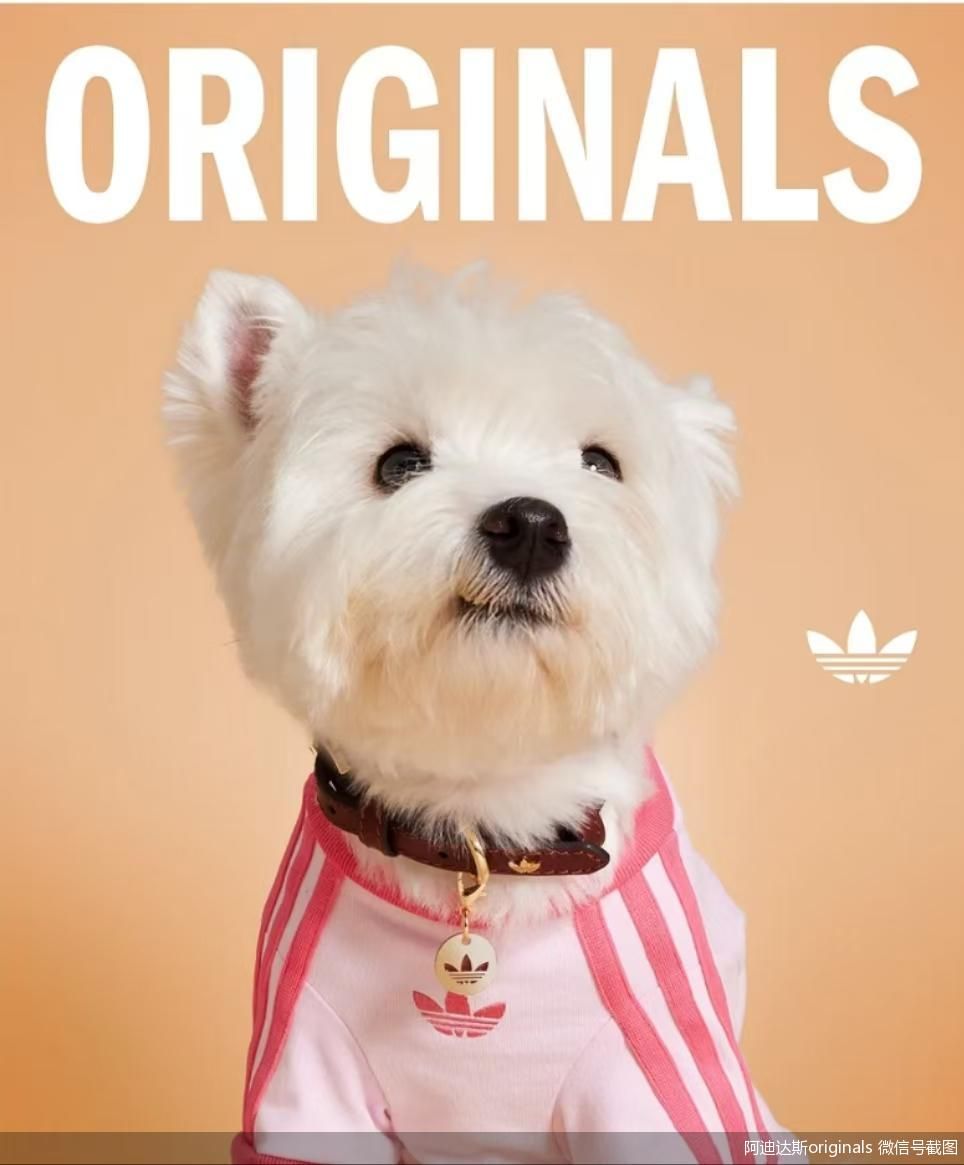
阿迪达斯开售宠物服装 挖掘它经济
Bei Jing Shang Bao· 2025-05-20 09:33
Core Insights - Adidas has officially entered the pet apparel market with the launch of its first "Trefoil Pet Series" products in Shanghai, which includes pet t-shirts, collars, and faux leather pet bags [1][3] - The pet economy is emerging as a new consumer trend, with increasing demand for high-quality pet products that meet the emotional and experiential needs of pet owners [3][4] Company Strategy - Adidas is focusing on the pet sector as a strategic move to enhance brand narrative and consumer engagement, leveraging the emotional value associated with pets [4] - The launch of the pet product line is part of a broader trend among apparel brands to tap into the pet market, with several companies like Snow Peak, Dolce & Gabbana, H&M, and Zara also introducing pet-related products [4] Industry Trends - The pet apparel market is characterized by a fragmented landscape with no dominant brands, presenting opportunities for growth [4] - The pet economy is rapidly expanding, driven by changing consumer attitudes towards pets and a willingness to invest in better products and services for them [5]
奢侈品市场放缓 “平替”“二手”崛起 年轻人消费风向变了 为价值埋单 不为LOGO付费
Guang Zhou Ri Bao· 2025-05-19 19:26
Core Insights - The luxury goods market is experiencing a slowdown, with a significant rise in demand for "affordable alternatives" as consumers prioritize value for money over brand prestige [1][2][3] - A new consumer sentiment is emerging, where 57.2% of consumers prefer cost-effective substitutes when product quality and functionality are similar [1][2] - The concept of "value-driven" consumption is becoming mainstream, particularly among younger generations [1][3] Group 1: Market Trends - The average price of luxury goods has increased by approximately 15% over the past three years, leading to a reassessment of their perceived value [2] - Nearly half of luxury consumers believe that brand prices are inflated, indicating a shift in trust and patience towards luxury brands [2][3] - Fast fashion and new high-street brands are increasingly encroaching on the "light luxury" market, which is losing its price advantage [3] Group 2: Consumer Behavior - Young consumers are actively choosing more affordable, high-quality imitations to maximize value [2][3] - The definition of luxury is evolving; it is no longer associated solely with high-priced items but is now linked to products that provide emotional satisfaction and a sense of well-being [3][4] - The acceptance of second-hand luxury goods is rising, with younger generations viewing them as both cost-effective and environmentally friendly [4][5] Group 3: Sustainability and Cultural Relevance - The trend of sustainability is becoming a fashionable lifestyle choice, with brands focusing on cultural significance rather than just price [4][5] - The growth of second-hand platforms, such as Vestiaire Collective, which reported a 25% revenue increase last year, highlights the market's enthusiasm for green consumption [4] - Innovative products that incorporate sustainable practices are becoming social symbols among young consumers, reflecting a shift in consumer values [5][6] Group 4: Future Outlook - The "premium pricing logic" of traditional luxury brands is being redefined, as the focus shifts to creating enjoyable and meaningful consumer experiences [6] - The competition in the fashion industry is intensifying, with brands needing to make essential products interesting and appealing to maintain relevance [6]
透视深圳11区经济一季报:服务业加速上升,文旅拉动消费增长|“数”读深圳
2 1 Shi Ji Jing Ji Bao Dao· 2025-05-18 12:36
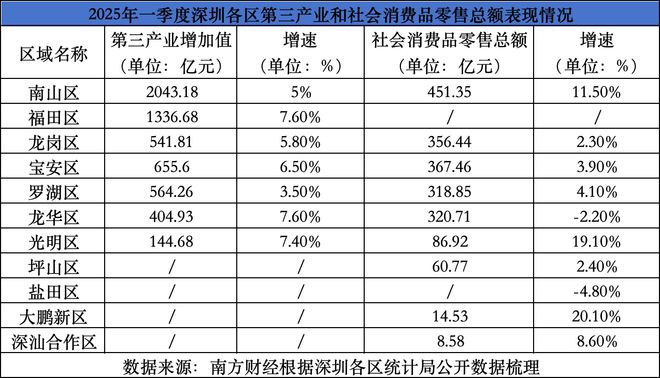
Core Insights - Shenzhen's economy shows strong growth in the service sector, with significant contributions from Nanshan and Futian districts, which together account for over half of the city's tertiary industry value [1][3][4] - The overall value added by the tertiary industry in Shenzhen reached 5994.19 billion yuan in Q1, representing 66.97% of the GDP, an increase of 4.8 percentage points compared to the previous year [3][4] - Consumer spending trends indicate a shift towards cultural and tourism-related consumption, with Dapeng New District leading in retail sales growth at 20.1% [6][7] Tertiary Industry Performance - Nanshan District reported a tertiary industry value added of 2043.18 billion yuan, with a growth rate of 5% [2][3] - Futian District's tertiary industry value added was 1336.68 billion yuan, with the highest growth rate in Shenzhen at 7.6% [4][5] - Other districts such as Baoan, Longhua, and Guangming also outperformed the city average, with growth rates of 6.5%, 7.6%, and 7.4% respectively [4][5] Consumer Spending Trends - The retail sales of social consumer goods in Nanshan reached 451.35 billion yuan, growing by 11.5% year-on-year [3][4] - Dapeng New District's retail sales growth of 20.1% highlights the rising importance of cultural and tourism consumption [6][7] - Upgrading consumption trends are evident, with significant growth in categories such as home appliances and electric vehicles across various districts [7][8] New Business Developments - Shenzhen's economy is witnessing a surge in new retail stores, with 79 new stores introduced in Q1, marking a 38.5% increase year-on-year [7][8] - High-profile product launches and store openings, including those from Huawei and Tesla, indicate a shift towards quality in the retail landscape [10] - Upcoming commercial complexes and performance venues are expected to further stimulate consumer activity in the city [10]
恒隆广场店将关,全市仅剩一店,来济15年的ZARA怎么了?
Qi Lu Wan Bao Wang· 2025-05-17 02:40
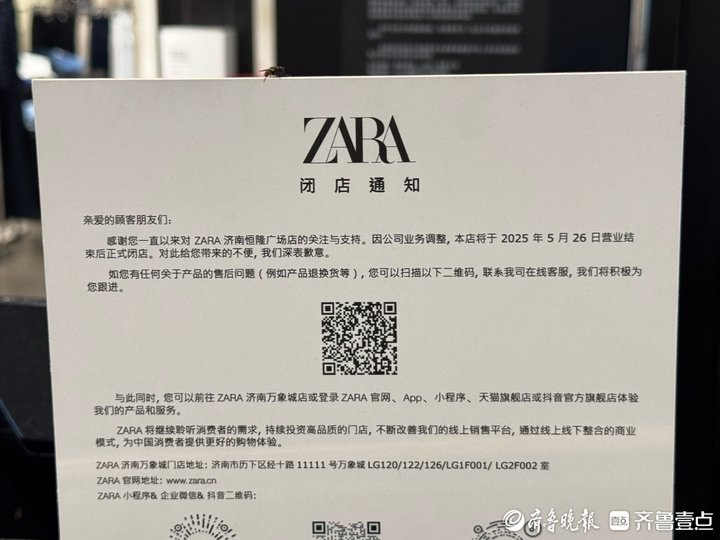
Core Viewpoint - ZARA's closure of its Jinan Henglong Plaza store after 14 years highlights the brand's ongoing adjustments in the Chinese market, reflecting broader trends in the fast fashion industry [2][6][9]. Company Summary - The Jinan Henglong Plaza store, ZARA's largest in the city, will close on May 26 due to the expiration of its lease and business adjustments [2][4]. - ZARA's presence in Jinan has diminished, with only two stores remaining in the province after the closure, indicating a significant reduction in market share [6][7]. - ZARA's overall store count in China has decreased from 183 in 2018 to 65 as of May 2023, representing a decline of over 60% in seven years [7]. Industry Summary - The fast fashion sector is experiencing a shift towards store optimization, with brands like ZARA and Uniqlo focusing on enhancing store profitability rather than expanding store numbers [12][14]. - The rise of e-commerce, local brands, and changing consumer preferences are contributing to a decline in the appeal of traditional fast fashion, prompting brands to adapt their strategies [14]. - The competitive landscape in the apparel industry has intensified, necessitating a focus on quality, consumer experience, and differentiated offerings to maintain market relevance [14].
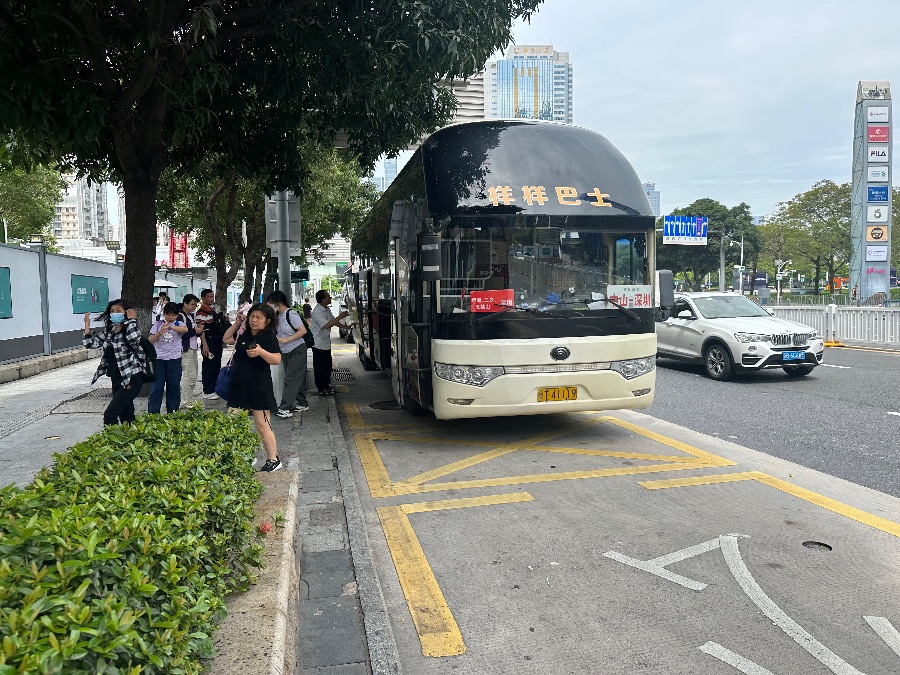
释放消费潜力 提升发展竞争力——首发经济激发城市新活力
Jing Ji Ri Bao· 2025-05-11 21:57
首店、首秀、首展、首演……一个个"首发"场景正成为多地消费市场的热点。首发经济,是指企业发布 新产品,推出新业态、新模式、新服务、新技术,开设首店等经济活动的总称。中共中央办公厅、国务 院办公厅近期印发的《提振消费专项行动方案》提出,因地制宜推进首发经济,鼓励国内外优质商品和 服务品牌开设首店、举办首发首秀首展。首发经济正在成为多地释放消费潜力、提升城市竞争力的重要 途径。 南京为激发消费新动能,突出"载体+环境",培育首发经济新场景,通过打造多元化商业载体,培育特 色化商业品牌,厚植高端化商业氛围,形成首发经济良好生态。南京市统计局数据显示,今年前2个 月,南京实现社会消费品零售总额1519.61亿元,同比增长7.9%。 作为西北地区唯一的国家中心城市,西安明确将创建国际消费中心城市列为重要工作内容,不断探索消 费新场景、新载体、新业态,激活消费潜能。首发经济正成为推动西安经济发展的新动能。今年1月 份,陕西省提出,将加快发展首发经济、银发经济、平台经济、夜间经济,完善现代商贸流通体系,扩 大特色农产品电商消费,提升"吃住行游购娱"服务品质,释放文旅消费潜能。 挖掘消费潜力 在进一步扩大内需,提振消费的大背 ...
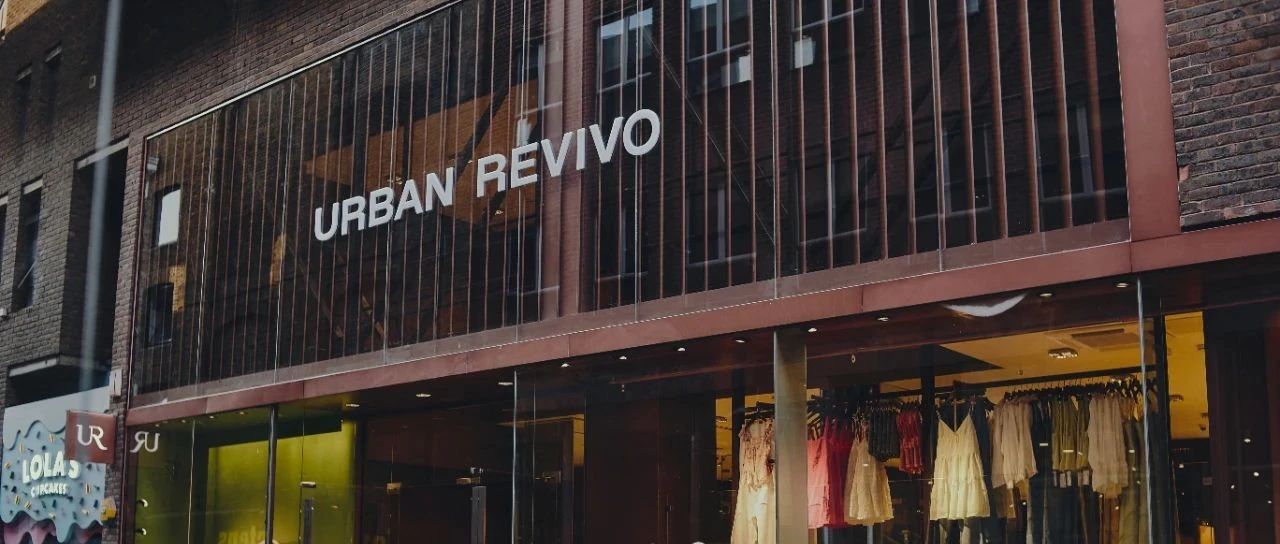
中国快时尚领军者UR如何打造全球化新范式?
新华网财经· 2025-05-09 11:36
Core Insights - The fast fashion segment is a high-value part of the apparel industry, with significant growth projected in the Chinese market from 338.24 billion yuan in 2024 to 535.65 billion yuan by 2028, reflecting a compound annual growth rate (CAGR) of 12.18% [1] - UR, a leading Chinese fast fashion brand, has successfully navigated the competitive landscape since its inception in 2006, leveraging both external market trends and internal strengths such as design aesthetics and supply chain management [4][5] Market Overview - The Chinese fast fashion market grew from 206.31 billion yuan in 2018 to 300.90 billion yuan in 2023, with a CAGR of 7.84% [1] - Globally, the fast fashion market is expected to reach 264.32 billion USD by 2029 [1] UR's Development - UR opened its first store in Guangzhou in 2006 and has since expanded to over 400 stores worldwide, maintaining a growth trajectory even during the pandemic [4] - The brand's success is attributed to its strong design capabilities, high-quality products, and a commitment to sustainability, which differentiates it from international competitors like ZARA and H&M [4][8] Supply Chain and Quality Management - UR emphasizes high product quality alongside rapid inventory turnover, having established stringent quality management processes since 2015 [7] - The brand has implemented a digital supply chain system to enhance responsiveness and efficiency, allowing for real-time management of production capabilities and product quality [7] Sustainability Initiatives - UR integrates sustainability into its business model by requiring suppliers to adhere to ESG standards and focusing on eco-friendly materials and practices [8] - The brand aims to redefine fashion with a "sustainable fashion" approach, contributing positively to social values within the fashion industry [8] Global Expansion Strategy - UR began its international expansion in 2016, with stores in various countries including the UK, US, and Southeast Asia, and has developed localized strategies to cater to different markets [11][12] - The brand employs a dual strategy of "tactical" and "strategic" stores, focusing on rapid expansion in Southeast Asia while enhancing brand presence in Western markets [18][20] Future Outlook - UR plans to continue its global expansion, with new stores set to open in key markets, aiming to transition from "Chinese speed" to "global agility" in its operations [20] - The brand's approach combines Chinese supply chain efficiency with global design aesthetics, providing a model for other Chinese brands seeking to expand internationally [20]
这三个国家,正在缓解中国外贸的“焦虑”
吴晓波频道· 2025-04-22 16:04
点击图片▲立即试听 上周,最高领导人连续走访越南、马来西亚、柬埔寨三个东南亚国家。 财经评论员刘晓博撰文指出:当前, 重点实施"周边战略",跟欧洲形成关税联盟,再加上非洲战略、南美战略,中国就可以稳住外贸基本盘,还 可以有所增长。 对中国企业家而言,这也是一次企业转向"生而全球"的好契机。 以上述东南亚三国为例,走访期间,双方总共签署超过105份双边合作文件,在当前国际秩序和经济全球化遭受冲击的背景下,此次的"商业订单 大礼包"可以说是给中国企业出海找了三个"铁杆队友"。 武汉阳逻港通往越南凯莱港的航线 其中,越南45份,涵盖互联互通、人工智能、海关检验检疫、农产品贸易、文化和体育、民生、人力资源开发等领域。 " 这既是一场 ' 用空间换时间 ' 的战略布局,更是一次 ' 以合作破壁垒 ' 的全球突围。 " 文 / 巴九灵(微信公众号:吴晓波频道) 关税战下,"元首外交"成了关注焦点。 马来西亚和柬埔寨,均为30多份,前者涵盖数字经济、服务贸易、"两国双园"升级发展、联合实验室、铁路、知识产权、农产品输华、大熊猫保 护等领域;后者涉及产供链合作、人工智能、发展援助、海关检验检疫、卫生、新闻等领域。 为什么优先 ...
这三个国家,正在缓解中国外贸的“焦虑”
吴晓波频道· 2025-04-22 16:04
Core Viewpoint - The article emphasizes the strategic importance of Southeast Asia for Chinese enterprises, highlighting the potential for collaboration and economic growth amidst global trade tensions and changing international dynamics [1][2][3]. Group 1: Economic Strength - Cambodia's GDP is projected to reach approximately $43.24 billion in 2024, with an expected growth rate exceeding 6% [12]. - Malaysia's GDP is estimated at around $465.54 billion in 2024, with a per capita GDP of approximately $12,400 [31]. - Vietnam's export dependency is high, with a GDP export reliance of 80%, positioning it as a key intermediary in global supply chains [53]. Group 2: Trade Characteristics - China has been Cambodia's largest trading partner for 13 consecutive years, with bilateral trade expected to reach $15.18 billion in 2024, a year-on-year increase of 23.8% [24][25]. - In 2024, the trade volume between China and Malaysia is projected to be $212.04 billion, reflecting a year-on-year growth of 11.4% [36]. - The total trade volume between China and Vietnam is anticipated to be approximately $261.22 billion in 2024, marking a new high in recent years [60]. Group 3: Industry Models - Cambodia is characterized as a low-cost manufacturing hub, focusing on labor-intensive industries such as textiles and electronics assembly [6][10]. - Malaysia serves as a strategic partner in advanced manufacturing, with significant contributions from the electronics and automotive sectors [47]. - Vietnam is recognized as a critical market for global supply chains, facilitating trade between China and developed countries like the U.S. [54][56]. Group 4: Strategic Opportunities - The recent visits by Chinese leaders to Southeast Asia resulted in over 105 bilateral cooperation agreements, enhancing opportunities for Chinese enterprises to expand internationally [3][5]. - The "Diamond Six" cooperation framework between China and Cambodia aims to deepen economic ties and investment, with Chinese direct investment in Cambodia reaching $1.38 billion in 2023, a year-on-year increase of 118% [22][23]. - Malaysia's strategic location and strong consumer market make it an attractive destination for Chinese companies looking to penetrate Southeast Asian markets [41][45]. Group 5: Challenges and Considerations - Cambodia faces challenges such as low-skilled labor and infrastructure deficits, which may hinder long-term development [20][29]. - Malaysia must address pressures related to industrial upgrades and maintaining its competitive edge in the global market [48]. - Vietnam's demographic challenges, including an aging population, could impact its economic growth trajectory [65].