梵克雅宝

Search documents
大牌珠宝便宜五千、网红冲锋衣八折拿下,海南免税城春节“被买空”
Xin Lang Cai Jing· 2026-02-24 11:48
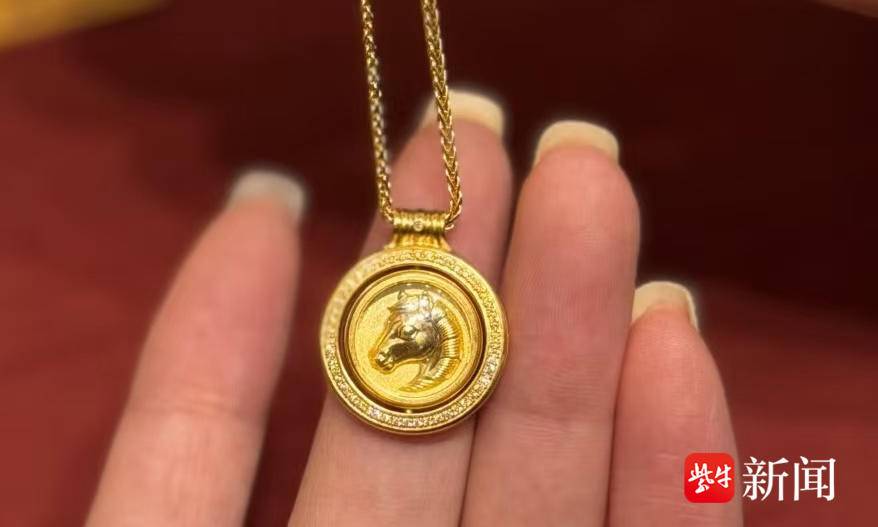
智通财经记者 | 朱咏玲 智通财经编辑 | 楼婍沁 正月初二一早,在三亚度假的唐嘉和丈夫就赶到了三亚国际免税城门口。商场10点准时开门,他们成为第一批冲进商场的客人,直奔梵克雅宝门店。唐嘉的 丈夫在人群里冲在最前,第一个到店,如愿买到了一款热门的红玉髓项链。 唐嘉拍下丈夫冲进商场的视频,随手发到了社交媒体上,笑称这画面"像极了超市抢鸡蛋"。这条视频迄今收获了2万多的点赞量,不少网友在评论区好奇为 何会有这般抢购热潮。 唐嘉算是"幸运儿"。在社交平台上,更多消费者提到的是,春节期间梵克雅宝的三亚、海口免税店严重缺货,热门款式基本要靠早早到店里,才可能有运气 买到一件。 2月24日,智通财经记者咨询梵克雅宝三亚国际免税城店员,得到的回复是大部分热门款式依然缺货,目前店里有货的主要是手表和手镯。相较于热门的入 门级手链、项链等,这些产品单价更高。该店员称,店里补货时间并不固定,并不一定每天都有新货到店。 智通财经就春节期间海南销售情况向梵克雅宝寻求回应,截至发稿未获回复。 社交平台上消费者发帖 梵克雅宝不是今年春节期间海南免税商场里唯一卖到断货的热门品牌。 货少是一方面,更根本的原因是,梵克雅宝在海南的免税价格比正 ...


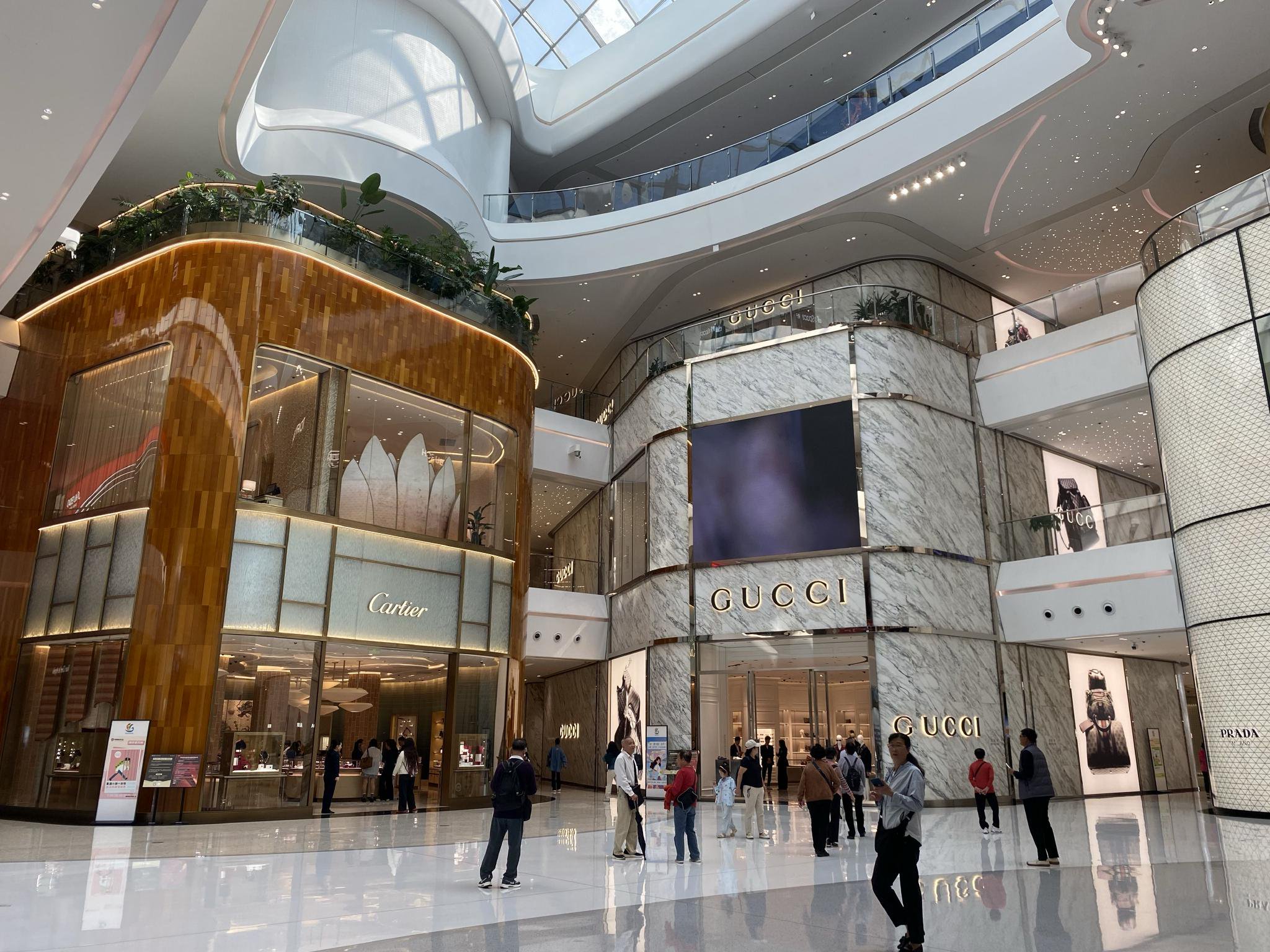
马年春节消费预热战,南京商圈已“就位”
Yang Zi Wan Bao Wang· 2026-02-05 09:52
Core Insights - The article highlights the early onset of consumer festivities in Nanjing as luxury brands and local high-end gold and trendy toy brands prepare for the upcoming Lunar New Year, indicating a shift in marketing strategies towards preemptive engagement with consumers [3][4]. Group 1: Marketing Strategies - The marketing campaigns for the Lunar New Year have evolved from last-minute efforts to a well-planned strategy with fixed timelines, starting as early as January [4]. - International brands like Prada and Loewe have launched their New Year-themed activities in early January, strategically positioning themselves to capture consumer attention right after New Year's Day [4]. - The focus of these marketing efforts is to create high-quality content and experiences that define the festive atmosphere well before the peak shopping period [4]. Group 2: Emerging Consumer Trends - The structure of Lunar New Year consumption is changing, with high-end gold and trendy toys emerging as significant growth sectors alongside traditional luxury goods [6]. - Nanjing's Deji Plaza is becoming a battleground for high-end gold brands, with new entrants like Lin Chao Jewelry, which emphasizes traditional craftsmanship and limited edition pieces, indicating a shift towards collectible and artistic gold items [6]. - The trendy toy market is also thriving, with brands like Pop Mart opening large stores to enhance consumer experience and attract younger shoppers, transforming toy buying into a social and entertainment activity [8]. Group 3: Brand Differentiation - Different brands are employing distinct strategies for the same Lunar New Year theme, with luxury brands focusing on cultural symbolism and craftsmanship to reinforce their high-end positioning [10]. - Collaborations like CASETiFY and My Little Pony exemplify emotional resonance, making festive greetings accessible and personalized through everyday products [12]. - Sports and trendy brands emphasize functionality and immediate emotional connections, as seen in Descente's "Bingwu Fire Horse" series, which integrates traditional elements with practical features for outdoor activities during the holiday [13].

2026年第3周:服装行业周度市场观察
艾瑞咨询· 2026-02-02 00:05
Group 1: Luxury Goods Market Trends - The luxury goods industry is shifting towards high-quality growth, with major players like LVMH and Richemont adjusting strategies to focus on core businesses and supply chain control [2] - LVMH is divesting non-core brands and enhancing supply chain and experiential layouts, while Richemont is strengthening its jewelry business and divesting loss-making e-commerce [2] - Kering is selling its beauty business to concentrate on eyewear and jewelry manufacturing, indicating a trend of precise investment and asset optimization in the industry [2] Group 2: Retail Industry Transformation - The retail supermarket sector is facing a transformation challenge, with some companies attempting to emulate successful models like "胖东来" but experiencing limited success [3] - The retail industry has evolved through four stages, culminating in a "fashion" phase post-2023, where consumer rational needs and emotional values must be met [3] - Creating fashionable retail spaces requires attention to store design, product selection, and customer experience to enhance customer dwell time and increase sales [3] Group 3: Footwear Trends - The footwear trend for 2025 is characterized by diversification and personalization, with consumers prioritizing comfort and self-expression over limited edition collaborations [4] - 3D printing technology is becoming a focal point in the industry, with brands like Nike and Adidas innovating their product lines [4] - Domestic footwear brands are improving in design and quality, challenging previous biases, while the popularity of thin-soled shoes faces criticism for lack of innovation [4] Group 4: Luxury Brands and High-End Retail - High-end retail spaces in first-tier cities are experiencing a wave of luxury brand withdrawals, driven by low foot traffic and the rise of online channels [5] - Major luxury brands are shifting focus to online sales and core business areas, leading to a transformation in high-end retail strategies [5] - Shopping centers are adapting by introducing new concepts and experiences to attract customers, moving from traditional retail to experiential consumption [5] Group 5: Emerging Brands and Market Dynamics - Bubble Mart reported a revenue of 13.876 billion yuan in the first half of 2025, a 204.4% increase year-on-year, driven by cross-brand collaborations [7] - The "排骨羽绒服" has transformed from an unpopular item to a trending fashion piece, achieving significant sales growth through social media and influencer marketing [8] - The Swedish outdoor brand Haglöfs is entering the Chinese market with plans to open 25 stores by the end of 2025, targeting high-net-worth individuals [9] Group 6: Strategic Adjustments in Established Brands - The brand Wolf Claw is undergoing a strategic shift towards the mid-to-high-end market after being acquired by Anta, closing its online flagship store [10][11] - Anta's strategy includes leveraging Wolf Claw to fill gaps in the high-end outdoor market, reflecting a broader trend of brand repositioning in response to market dynamics [10][11] - Li Ning is expanding its coffee business while also entering the high-end outdoor market, indicating a multi-faceted growth strategy [18]



古法黄金火了:中国的奢侈品牌要来了吗?
3 6 Ke· 2026-01-21 10:09
Core Insights - The surge in gold prices has led to increased interest in traditional gold brands, particularly in China, with the emergence of brands like Baolan, which recently secured investment from Kering Group [1][3] - The concept of "Guofa Gold" (traditional gold) is gaining traction, blending the attributes of gold as a stable asset with cultural and artistic values, appealing to younger consumers [3][4] - The investment landscape is shifting, with significant capital flowing into traditional gold brands, indicating a potential shift towards a luxury market in China [4][6] Group 1: Market Dynamics - The rise of Guofa Gold is attributed to three main factors: the intrinsic value of gold, the aesthetic appeal of luxury goods, and the enthusiasm of investors [3][4] - Young consumers are driving the market, contributing over one-third of gold jewelry sales, seeking emotional value and cultural identity rather than just investment [3][4] - The competitive landscape is intensifying, with some brands potentially diluting their value by following trends without genuine craftsmanship [6][4] Group 2: Luxury Brand Development - The definition of luxury is evolving, moving beyond high price and quality to encompass cultural significance and consumer experience [7][8] - The potential for Chinese luxury brands exists, supported by a rich cultural heritage, but challenges remain in establishing brand identity and value [8][23] - The luxury market requires a shift in consumer mindset from purchasing for status to valuing personal appreciation and cultural resonance [20][22] Group 3: Challenges and Opportunities - The transparency of gold pricing poses challenges for luxury positioning, as the core value of luxury brands often derives from brand perception rather than raw material costs [14][15] - Brands are exploring innovative strategies to enhance perceived value, such as emphasizing craftsmanship and unique design [15][16] - The future of luxury brands in China hinges on the ability to cultivate a narrative that transcends material value, focusing on cultural and emotional connections [16][29] Group 4: Cultural and Market Evolution - The evolution of consumer preferences indicates a shift towards experiences and personal fulfillment over material possessions [20][22] - The potential for traditional craftsmanship to be integrated into modern luxury branding is significant, provided that brands can effectively communicate their unique stories [25][26] - The journey towards establishing a robust luxury market in China will require patience and a commitment to cultural authenticity and quality [30][31]
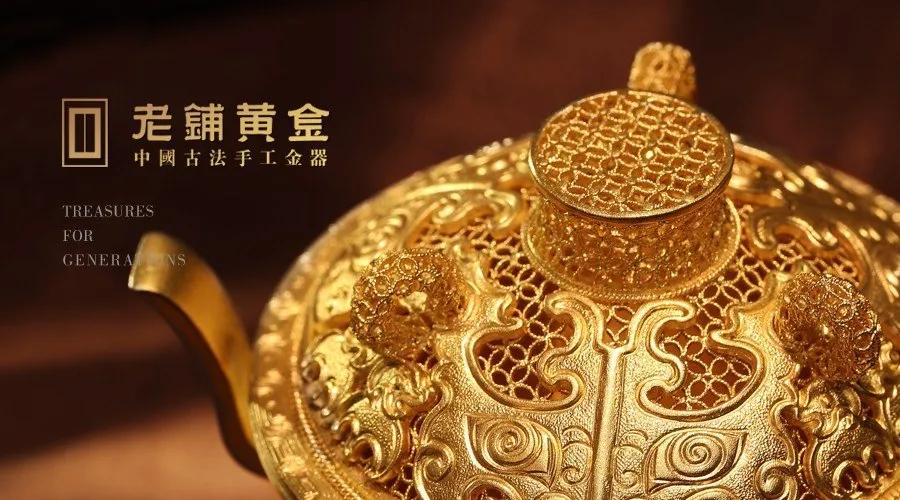
英国《金融时报》:老铺黄金呈现奢侈品价值 中国品牌首获高端市场定价权
Zhong Guo Jing Ji Wang· 2026-01-21 06:30
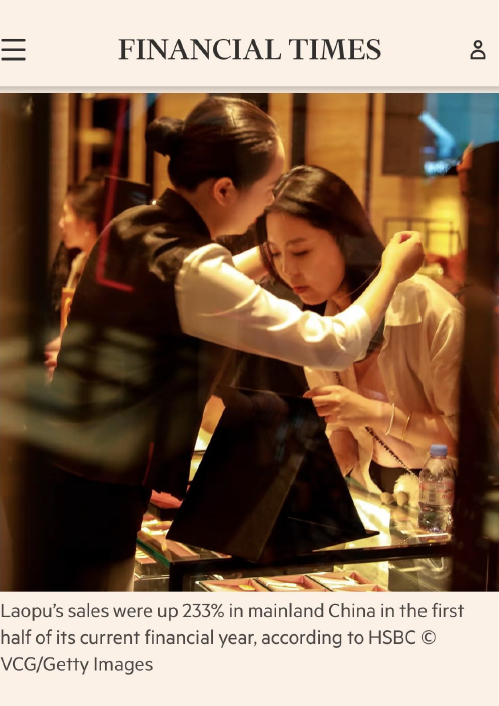
Core Insights - The article highlights the rise of local Chinese luxury brands, particularly the gold jewelry brand Laopu Gold, which is seen as the first successful Chinese brand to create a sense of luxury value in the jewelry market [1][3]. Group 1: Laopu Gold's Performance - Laopu Gold's sales in mainland China surged by 233% year-on-year in the first half of the last fiscal year, significantly outperforming Western luxury brands and traditional Chinese jewelers [3]. - The average store performance of Laopu Gold is approximately twice that of Cartier and three times that of Van Cleef & Arpels [3]. Group 2: Market Trends and Consumer Behavior - Many consumers, particularly from Generation Z, are opting for local brands over Western luxury brands, indicating a shift in consumer preferences [3]. - Emerging brands are providing original and fashionable designs at more competitive prices compared to top European brands, effectively interpreting traditional and local tastes [3]. Group 3: Strategic Positioning - Laopu Gold has successfully integrated Chinese cultural elements into its designs, such as the "gourd" shape symbolizing good fortune [3]. - The brand is not merely selling gold but transforming traditional Chinese craftsmanship into jewelry, establishing itself as a luxury brand [3][4]. - Analysts predict that Laopu Gold's revenue will surpass that of Richemont's jewelry business in China by 2025, indicating strong growth potential [4].
欧洲老钱盯上了老铺黄金
远川研究所· 2026-01-14 13:10
Core Viewpoint - The article discusses the rise of Laopuhuangjin (老铺黄金) as a significant player in the luxury jewelry market, highlighting its unique business model and the implications for established luxury brands like LVMH and Richemont [5][11]. Group 1: Market Position and Competition - Laopuhuangjin has attracted attention from major luxury brands, with LVMH's CEO acknowledging its impact on the jewelry market despite a 23% revenue decline in the Chinese market for LVMH [5]. - The sales per store of Laopuhuangjin are approximately double that of Cartier and three times that of Van Cleef & Arpels, indicating its strong market performance [5]. - The overlap in consumer demographics between Laopuhuangjin and luxury brands like LV, Hermes, and Cartier is significant, with an average overlap rate of 77.3% [7]. Group 2: Disruption of Luxury Market Dynamics - Laopuhuangjin is seen as a threat to the monopoly that luxury brands have over high-net-worth consumers, as it diversifies the luxury market landscape [7][11]. - The luxury goods market is dominated by three major groups (LVMH, Kering, Richemont) and two iconic brands (Hermes, Chanel), which have historically controlled the narrative around luxury consumption [7][8]. - The luxury market is projected to exceed €150 billion in revenue by 2024, while Laopuhuangjin's revenue is estimated at around HKD 30 billion for 2025, highlighting the disparity in scale [8][13]. Group 3: Unique Business Model of Laopuhuangjin - Laopuhuangjin has achieved a gross margin of 40% on gold products, significantly higher than the industry average, which is typically below 20% [15][16]. - The brand's success is attributed to its ability to modernize gold jewelry aesthetics and incorporate cultural elements, making it appealing to contemporary consumers [18][19]. - Laopuhuangjin's strategic location in high-end shopping areas reinforces its luxury positioning, with a limited number of stores enhancing its exclusivity [21][23]. Group 4: Consumer Behavior and Perception - The perception of gold as a stable asset allows consumers to justify their purchases as investments, creating a psychological loop where spending feels like asset allocation [27]. - Laopuhuangjin's pricing strategy and the inherent value of gold contribute to a consumer mindset that equates high spending with smart investment, differentiating it from traditional luxury goods [27][30]. - The brand's growth is characterized by a blend of luxury and investment appeal, which is a departure from conventional luxury consumption patterns [30][31]. Group 5: Future Challenges and Market Dynamics - The success of Laopuhuangjin may inspire new entrants in the luxury gold market, as established brands like Chow Tai Fook and others begin to adapt their strategies to compete [31][33]. - The potential for replication of Laopuhuangjin's model exists, as the gold market is transparent and accessible, allowing other brands to adopt similar strategies [31][33]. - The luxury market's hierarchical nature poses challenges for Laopuhuangjin in establishing itself as a true luxury brand, as it navigates the complexities of brand perception and consumer loyalty [33].

“借厕出圈”!有品牌把德基网红厕所变成了快闪空间
Yang Zi Wan Bao Wang· 2026-01-13 10:30
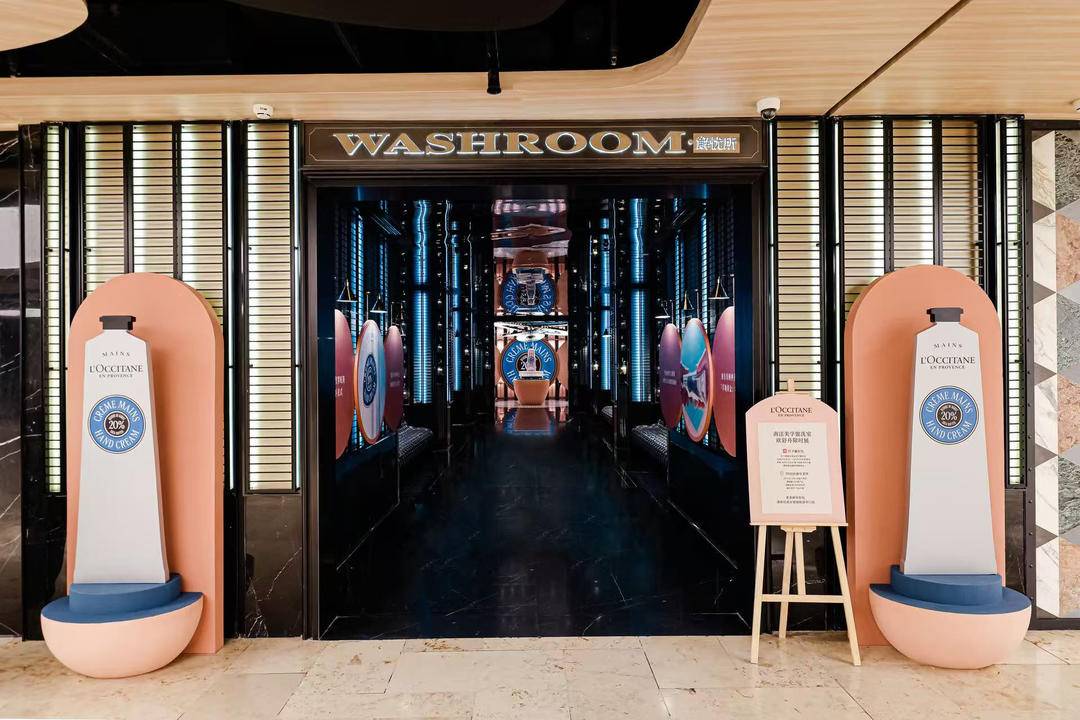
Core Insights - The article highlights a transformative trend in high-end commercial spaces, exemplified by Nanjing's Deji Plaza, where luxury brands are creatively utilizing unconventional spaces, such as a popular restroom, to enhance brand storytelling and consumer engagement [1][2]. Group 1: Brand and Consumer Engagement - L'Occitane has transformed a restroom in Deji Plaza into a limited-time "South France Hand Care Aesthetic Space," aligning with the brand's 50th anniversary and emphasizing experiential marketing [7][10]. - The restroom, dubbed the "Hermès of toilets," has become a must-visit attraction in Nanjing, showcasing the innovative approach of Deji Plaza to create high-traffic brand display areas [2][6]. - The space allows consumers to experience upgraded products like the shea butter hand cream and new plant-based hand wash, turning a brief visit into an immersive brand experience [3][8]. Group 2: Commercial Strategy and Market Position - Deji Plaza is projected to achieve sales of approximately 24.5 billion yuan in 2024, solidifying its status as the world's top-performing single shopping mall [5]. - The mall's success is attributed to its transformation from a traditional shopping venue to a multifaceted space that integrates art, commerce, and experiential elements, appealing to a diverse consumer base [5][10]. - The strategic use of public spaces, including art exhibitions and interactive installations, enhances the overall shopping experience and fosters deeper brand connections [5][10]. Group 3: Industry Trends - The rise of experiential retail is evident as brands seek to create unique content and experiences that resonate with younger consumers, moving beyond traditional retail formats [10]. - Other commercial entities, like Nanjing Water City, have successfully attracted Gen Z consumers by incorporating popular culture elements, indicating a broader industry shift towards innovative consumer engagement strategies [10].
爱马仕开始寄“催款函”了
阿尔法工场研究院· 2026-01-04 00:06
Core Viewpoint - The luxury brand industry, particularly high-end brands like Hermès, is facing challenges despite traditional price increases, with a notable shift in consumer behavior and market dynamics in China [3][9][32]. Price Increase and Sales Performance - Hermès implemented a price increase of up to 10% on various products, with the most sought-after "Birkin bag" seeing a price rise of 10,000 yuan and the "Kelly bag" increasing by 5,000 to 10,000 yuan [5][7]. - The sales performance in the Greater China region showed a recovery, with a slight increase in customer traffic and higher sales of luxury items like jewelry and watches [7][30]. - Despite the price hikes, Hermès has seen a decrease in the difficulty of acquiring bags, with the allocation ratio improving from 1:2 or 1:3 to 1:1 for some styles [23][24]. Market Dynamics and Consumer Behavior - The luxury goods market in China is undergoing a transformation, with a reported reduction of approximately 50 million consumers in the luxury segment over the past two years [22][30]. - The marketing strategies of luxury brands, such as sending promotional materials to past customers, have been perceived as pressure tactics to encourage spending, leading to mixed reactions from consumers [11][18]. - The rise of domestic luxury brands and a shift in consumer spending towards local brands have been noted, with significant growth in the sales of entry-level luxury products [30][31][32]. Financial Performance of Competitors - Other luxury brands like Chanel and Van Cleef & Arpels are also experiencing challenges, with Chanel reporting a 5.3% decline in sales for 2024, despite previous growth [28]. - The financial results for Hermès indicate a strong reliance on leather goods, which accounted for 44.35% of total revenue in the first three quarters of 2025, while other product lines showed slower growth or declines [24][27]. Future Outlook - The luxury market is expected to continue its weak recovery into 2026, with brands needing to adapt to changing consumer preferences and economic conditions [33].
2025天猫年度消费观察:「乐意」成年度关键词
Zhong Guo Jing Ji Wang· 2025-12-29 07:36
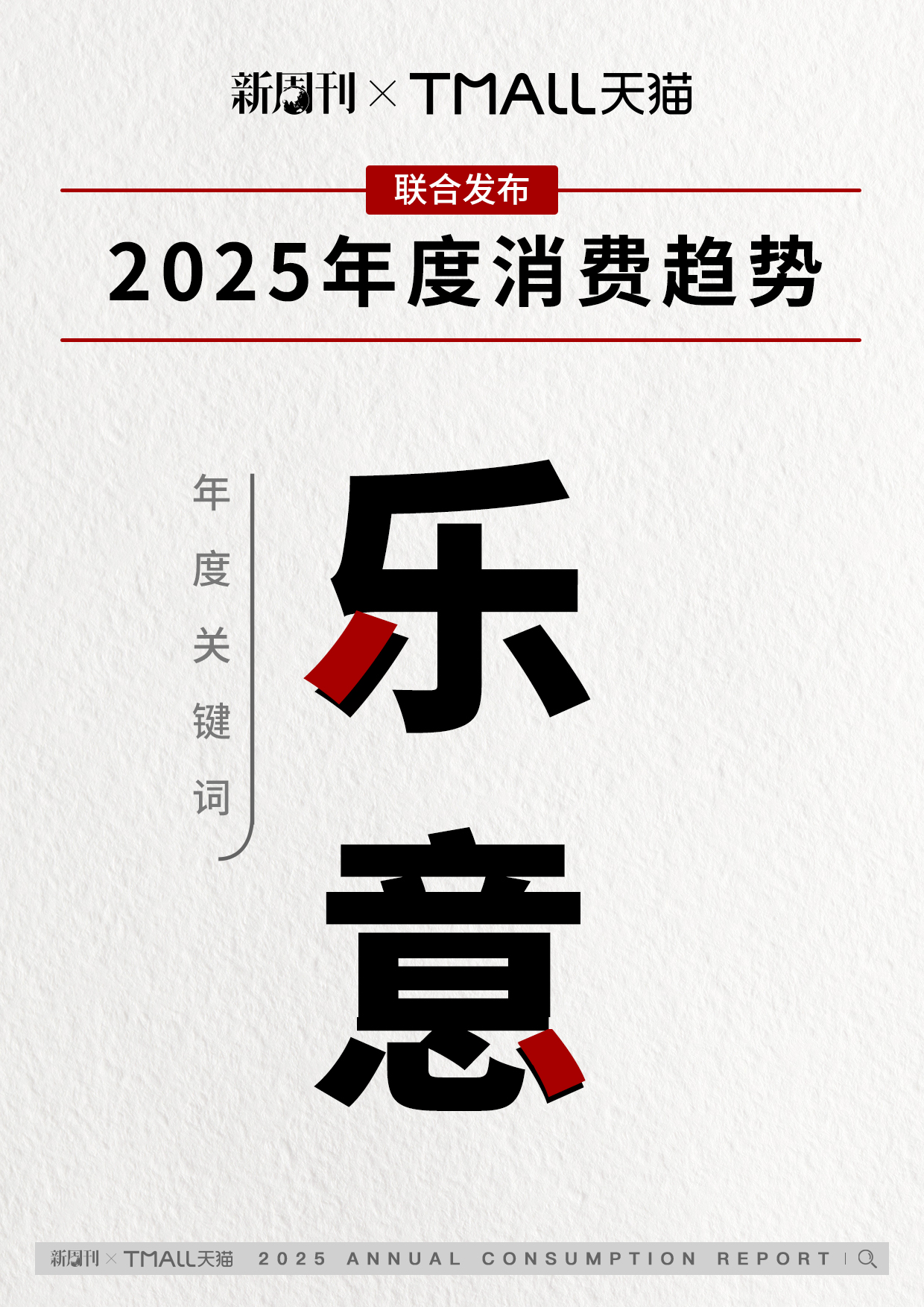
Core Insights - The article highlights the evolving consumer behavior of the younger generation and high-net-worth individuals, emphasizing their willingness to spend on emotional satisfaction and identity recognition, with a focus on the concept of "乐意" (willingness) in their purchasing decisions [1] Group 1: Consumer Trends - The younger generation is categorized into "professional players," "identity expressers," and "long-term thinkers," each with distinct consumption patterns [4][7][10] - "Professional players" prioritize product efficacy and quality, leading to significant growth in categories like skincare and sports equipment, with some products seeing over 60% growth [4][5] - "Identity expressers" focus on unique aesthetics, with a notable increase in sales of niche luxury brands and designer items, reflecting a shift away from traditional price and logo-based definitions of taste [7] - "Long-term thinkers" adopt a new logic of spending less but investing in high-quality, durable items, with a marked increase in consumers willing to spend over 2000 yuan on winter clothing [11][12] Group 2: Emotional Spending - The concept of "情绪氪金" (emotional spending) indicates that consumers are willing to spend on items that enhance their emotional well-being, with significant growth in categories like EDC products and plush toys, showing increases of over 500% [14] - Young consumers are also creating "healing spaces" in their lives, leading to a near 100% increase in searches for body care products [14] Group 3: Cultural Trends - The rise of "华流" (Chinese cultural flow) reflects a growing appreciation for traditional aesthetics among young consumers, with a 300% increase in high-craft gold jewelry sales [16] - New Chinese elements are increasingly incorporated into modern fashion, with significant sales growth in traditional clothing styles [16] Group 4: Multifunctional Products - The demand for "瑞士军刀" (Swiss Army knife) style products is on the rise, with consumers favoring multifunctional items that serve multiple purposes, leading to substantial sales growth in smart home and pet products [19][20]
2025天猫年度消费趋势:专业玩家、穿出人设、一物封神…年轻人都在这样花钱
Jin Rong Jie Zi Xun· 2025-12-29 04:04
Core Insights - The article highlights the evolving consumer behavior of young and high-net-worth individuals in 2025, emphasizing their willingness to spend on emotional satisfaction and identity recognition while being frugal on everyday items [1] Group 1: Consumer Trends - Young consumers are categorized as "professional players," focusing on product efficacy and quality, with significant growth in skincare and hair care products [3][4] - The rise of "long-termism" in spending habits indicates a shift towards purchasing high-quality items that last longer, with a notable increase in consumers willing to spend over 2000 yuan on winter clothing [9][10] - Emotional spending, termed "emotional gold," reflects a trend where consumers invest in items that enhance their mood, leading to a dramatic increase in categories like EDC and plush toys [12][13] Group 2: Aesthetic and Identity - The concept of "wearing one's persona" suggests that consumers prioritize unique aesthetics over brand recognition, leading to a surge in demand for designer and niche luxury items [6][7] - The "Chinese flow" trend showcases a resurgence of traditional aesthetics, with significant growth in handcrafted gold jewelry and new Chinese-style clothing, indicating a cultural renaissance among young consumers [15][16] Group 3: Multifunctionality - The demand for "Swiss Army knife" products is on the rise, with consumers favoring multifunctional items that serve multiple purposes, such as smart furniture and pet products [18]