
Rainbow Robotics

Search documents
韩国砸一万亿,搞10颗芯片
半导体芯闻· 2026-02-11 10:59
此外,政府还将支持生产中阶技术芯片的公司,这些芯片主要用于汽车、通讯及国防等关键领域。 韩国产业通商资源部部长金正宽(Kim Jung- Kwan)在新闻发表会中强调,半导体是决定产业竞 争力和国家安全的核心战略资产,并承诺将全力支持该产业的发展。 如果您希望可以时常见面,欢迎标星收藏哦~ 韩国政府于2 月11 日宣布,将于下个月启动一项总额达1 兆韩圜(约合6.878 亿美元)的计划,专 注于开发针对设备端应用的人工智能(AI)半导体。这项计划由政府与私营企业共同出资,预计 在未来五年内投入资金,目标是生产约10 款可用于自驾车、智能家电及人型机器人的AI 芯片。 这 项 计 划 是 韩 国 政 府 推 动 制 造 业 AI 转 型 的 综 合 计 划 的 一 部 分 , 该 计 划 名 为 制 造 AX (Manufacturing AX ,M.AX)联盟,于2025年9月启动,涵盖约1,000家主要企业及研究机构, 包括三星电子、现代汽车集团、LG电子及Rainbow Robotics等。 根据韩国产业通商资源部的说法,这项计划将帮助当地企业减少对外国AI芯片制造商的技术依 赖。政府计划改善当地无厂半导 ...


各地公布最低时薪|首席资讯日报
首席商业评论· 2026-01-16 04:10
Group 1 - The Ministry of Human Resources and Social Security has released the minimum wage standards for various provinces, with Guangdong's monthly minimum wage set at 2500 yuan for the highest tier and 1750 yuan for the lowest tier, while hourly wages range from 23.7 yuan to 17.4 yuan [2] - Two films, including "Boonie Bears: Year of the Bear" and "Fast and Furious 3," have been officially scheduled for release during the 2026 Spring Festival [3] - CK Hutchison is seeking a valuation of approximately $30 billion for its retail subsidiary, Watsons, in an upcoming IPO, aiming for a dual listing in Hong Kong and London by mid-year [4] Group 2 - Xibei's founder confirmed the closure of 102 stores, representing 30% of its total outlets, while ensuring that customer prepaid cards can be used at other locations or refunded [5][6] - The U.S. plans to suspend visa processing for 75 countries, including Somalia, Russia, and Nigeria, to combat potential public burden applicants [7] - Elon Musk's social platform X announced measures to restrict its AI chatbot Grok from generating explicit images, following widespread criticism for misuse [8] Group 3 - Sun Yinan, former CEO of Wei Long, has joined Dayao as CEO, bringing significant experience from the fast-moving consumer goods sector [9] - Nvidia has raised the supply standards for HBM4 chips from Samsung and SK Hynix, prompting Samsung to adjust its chip designs to enhance performance [10] - Tesla's lithium refining plant has commenced operations, marking it as the largest lithium refining facility in the U.S. [11] Group 4 - Daiwa Capital forecasts strong growth in the South Korean robotics market, predicting installations will surge from 31,000 units in 2024 to 99,000 units by 2030, driven by AI advancements [12] - SF Express and Jitu Express have signed a subscription agreement for mutual share recognition, involving nearly 8.3 billion Hong Kong dollars [13] - EDG esports club's affiliated company has been penalized for tax evasion, resulting in a fine of 53,890.93 yuan for underreported tax [14]
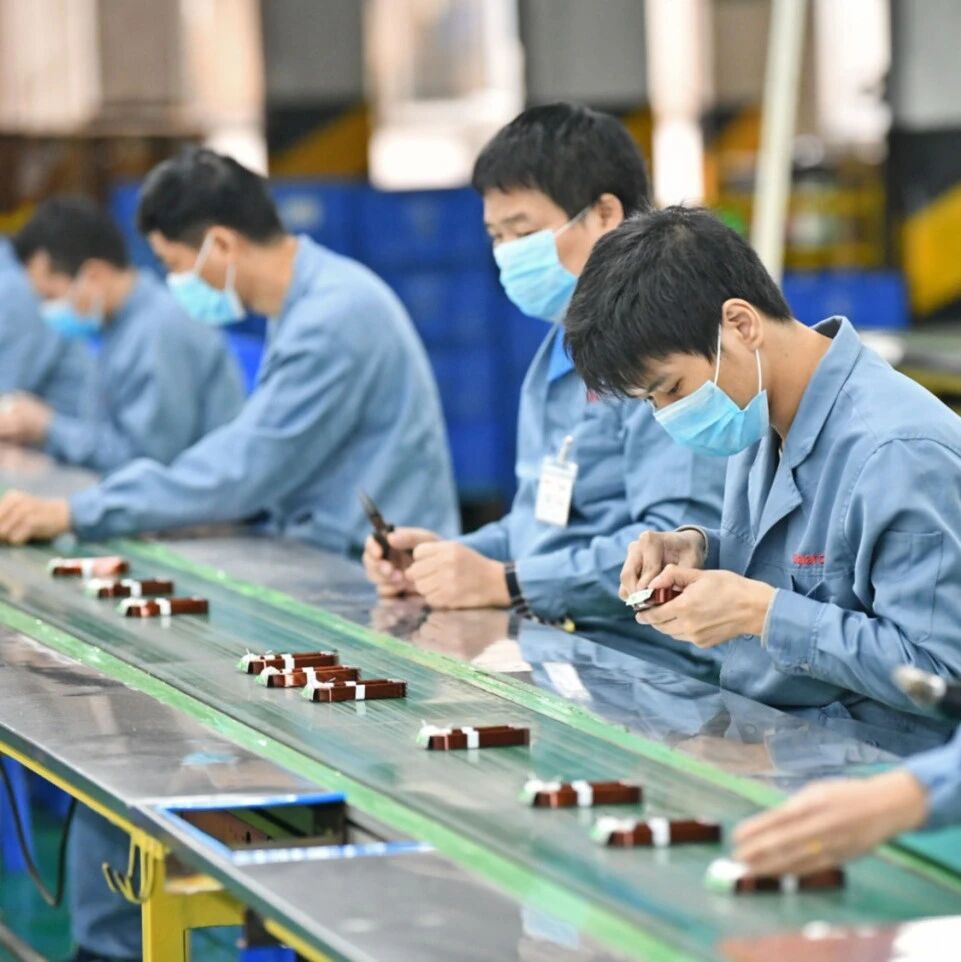
大和:韩国机器人市场料将强劲增长
Xin Lang Cai Jing· 2026-01-15 00:34
大和资本在一份研究报告中称,韩国机器人市场有望实现强劲增长,预计机器人安装量将从2024年的 31,000台激增至2030年的99,000台。大和指出,这一预期中的强劲增长将由人工智能(AI)驱动,人工智 能正在加速协作机器人的采用,并推动制造业和物流业以快于预期的速度接纳人形机器人。大和称,对 传统工业机器人的替换需求也可能推动强劲增长。大和将机器人执行器制造商Robotis和三星的关联公 司Rainbow Robotics列为本土公司中其所谓的"人形机器人超级周期"的主要受益者,并首次覆盖该板 块,给予正面评级。 ...

“中国手”出圈!星动纪元灵巧手在全球TOP10科技巨头中拿下9家客户
Guan Cha Zhe Wang· 2025-12-23 06:51
创办仅仅两年,星动纪元所研发的星动XHAND1,就因首创关节全直驱灵巧手,迅速征服了美国Skild AI、韩国Rainbow Robotics、英国Extend Robotics、Discover Robotics等全球主要机器人厂商,以及斯坦 福大学、哥伦比亚大学、摩根大通AI研究院、同济大学、清华大学、上海交通大学、香港大学、上海 期智研究院、上海人工智能实验室等国内外知名科研机构。 星动纪元灵巧手成为全球机器人厂商的共同选择 就在前不久,在重磅发布的2025福布斯中国创新力企业50强榜单中,星动纪元凭借技术研发、商业化落 地与行业赋能成果,入选TOP50! 星动纪元所研发的五指灵巧手星动XHAND1,凭借全直驱技术的卓越性能优势,已经成为了全球机器 人厂商的共同选择。包括美国具身智能独角兽Skild AI、韩国Rainbow Robotics、英国Extend Robotics、 Discover Robotics,以及英国Humanoid AI新一代人形机器人HMND 01等在内的全球主要机器人厂商, 如今均采用星动XHAND1作为核心末端执行器之一来突破具身灵巧操作能力上限。 星动纪元的"灵巧手"为 ...
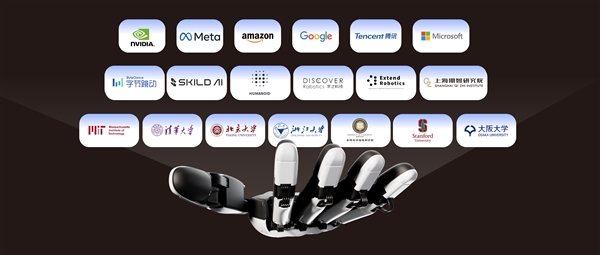
中国灵巧手全球“圈粉”:星动纪元XHAND 1成多国机器人厂商“标配”
Huan Qiu Wang· 2025-12-16 12:29
据业内人士分析,星动纪元的突围源于"大脑+本体" 硬核全栈自研实力。正因为深耕具身智能模型研发,星动纪元深刻洞察到手作为操作数据核心入口的关 键价值—— 高质量物理交互数据是模型迭代的核心养料,是通往通用智能的"密钥"。因此其首创的五指灵巧手全直驱架构,从设计之初就锚定"算法友好" 核心,赋予了星动 XHAND 1 12 个全主动自由度,每秒可完成 10 次精准点击,媲美电竞选手手速;单手能承载25Kg负重、输出 80N握力,每个手指包裹指 端的高分辨率触觉阵列传感器,且支持精准反驱操作,既保障操作稳定性,更确保物理交互数据的纯净度与实时性。 【环球网科技综合报道】12月16日消息,近期,美国机器人基础模型公司 Skild AI 曝出融资动态——软银、英伟达正洽谈牵头对其投资超10亿美元,投后估 值约140亿美元,较其2024年5月47亿美元估值增长近三倍。值得关注的是,这家专注机器人"大脑" 研发、不涉足硬件制造的企业,在验证大模型复杂灵巧 操作泛化能力的核心环节,给出的答案是选用中国具身智能企业星动纪元自研的全直驱五指灵巧手星动 XHAND 1。 这一选择并非孤例,而是多家世界级机器人厂商的选项。除 Sk ...
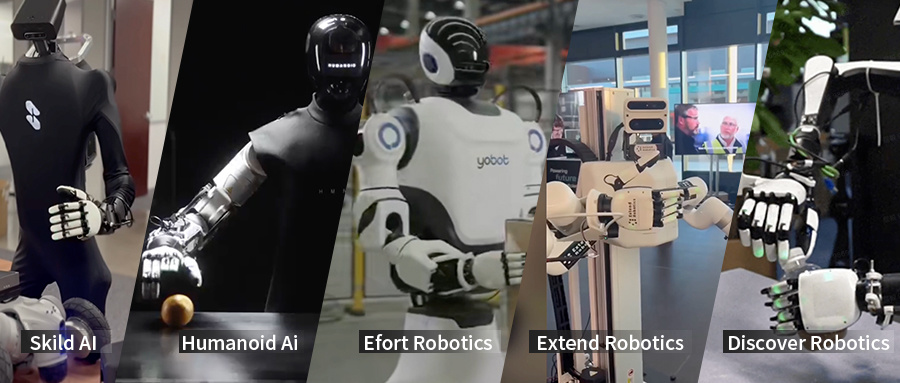
Skild AI、Humanoid AI等机器人独角兽,竟然都选了这只中国“手”
机器人大讲堂· 2025-12-11 04:01
Core Insights - The article discusses the emerging consensus in the humanoid robotics industry regarding the adoption of advanced dexterous hands, particularly highlighting the full direct drive five-finger dexterous hand as a standard among leading companies [1][5]. Group 1: Industry Trends - Major humanoid robotics companies, including Skild AI, Rainbow Robotics, and Extend Robotics, are reportedly adopting a common dexterous hand design, indicating a shift towards standardized technology in the industry [1]. - The dexterous hand developed by the Chinese company Star Motion Era has gained recognition among top global robotics firms and research institutions, suggesting its pivotal role in the evolution of humanoid robotics [5][7]. Group 2: Technological Advancements - Star Motion Era's dexterous hand, XHAND1, utilizes a full direct drive architecture, which enhances usability, durability, precision, and contributes to embodied intelligence research [10][12]. - The XHAND1 can handle a load of 25 kg with a grip strength of 80 N, significantly reducing maintenance costs by over 60%, making it suitable for high-intensity industrial applications [12][14]. Group 3: Strategic Positioning - The focus on dexterous hands is seen as a strategic move by Star Motion Era to establish a strong technological moat in the robotics industry, as hands are considered the physical boundary of intelligent agents [18][19]. - The company’s commitment to full-stack self-research, with over 95% of core components developed in-house, allows it to maintain control over the technology definition and innovation pace [22][25]. Group 4: Market Implications - The collective choice of XHAND1 by leading firms indicates a shift in industry standards from biomimetic designs to prioritizing interaction efficiency and data quality [33]. - The integration of XHAND1 into various humanoid robots, such as L7 and Q5, demonstrates its versatility across different applications, reinforcing the importance of dexterous hands in creating commercially viable robotic solutions [30][32].
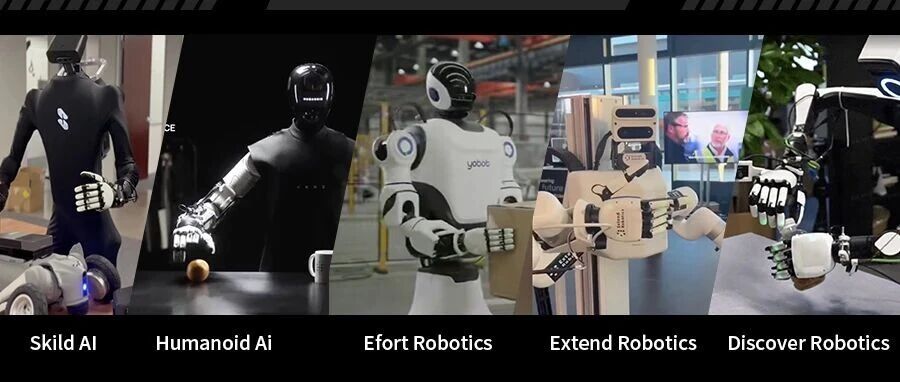
中国机器人在韩国需求量渐起,一中国机器人企业:每天都要接待韩国参观团体
Huan Qiu Shi Bao· 2025-10-09 23:06
Core Insights - The APEC informal meeting in South Korea at the end of October will focus on the competitive and cooperative landscape in the robotics sector between China and South Korea [1] - Chinese robotics companies are preparing to mass-produce robots tailored to the South Korean market by the end of this year [1] Group 1: Market Demand and Opportunities - There is a strong demand for robotics in South Korea, with numerous inquiries from Korean enterprises and educational institutions to Chinese companies [2] - The South Korean government is investing 1 trillion KRW (approximately 0.84 billion USD) by 2030 to enhance humanoid robot technology and support related R&D projects [1][3] - Chinese companies, such as Hangzhou Yundongchu Technology, are experiencing significant interest from South Korean clients, indicating a growing market for Chinese robotics products [2][3] Group 2: Competitive Landscape - South Korean companies like Hyundai and Samsung are actively investing in robotics, with Hyundai acquiring 80% of Boston Dynamics for 800 million USD and Samsung purchasing a stake in Rainbow Robotics [3] - Despite the advancements in South Korea, challenges remain in developing competitive bipedal humanoid robots, with most local products still in research and educational phases [4] Group 3: Product Development and Innovation - Hangzhou Yundongchu has developed industrial-grade robots for various applications, including power inspection and emergency response, with plans to export their products to Singapore and South Korea [3] - The company has introduced the X30 quadruped robot and the M20 wheeled robot, which are gaining traction in the South Korean market due to their competitive pricing and operational experience [4] Group 4: Collaboration and Integration - There is a need for strong partnerships between Chinese and South Korean companies to integrate technologies, such as connecting robots to control platforms for real-time monitoring [7] - Chinese robotics firms are generally more open to collaboration and customization, allowing for "second development" opportunities that cater to local market needs [8] Group 5: Production Capacity and Supply Chain - The rapid increase in demand for robotics has led to challenges in production capacity, with some partners expressing concerns over long delivery times [8] - Chinese companies are expanding their manufacturing capabilities, with plans to establish new factories to meet the growing demand in South Korea [8][9]
大摩:人形机器人的全球竞争格局,中国领跑商业化、特斯拉Optimus V3最受关注、韩国正在追赶中美
美股IPO· 2025-09-21 12:52
Core Insights - The humanoid robot industry is at a critical turning point, with a projected global market size of $5 trillion by 2050 [4] - China leads in commercial orders, with a cumulative order value of 975 million RMB (approximately $140 million) [2][3] - Tesla's Optimus V3 is gaining global attention due to its groundbreaking technology [8] - The South Korean government has announced a high-tech industry fund of 150 trillion KRW (approximately $108 billion) to catch up with the US and China [11] Group 1: Market Dynamics - Morgan Stanley predicts that by 2036, approximately 23.7 million humanoid robots will be in use, increasing to 1.02 billion by 2050, with annual revenue nearing $5 trillion, which is about twice the total revenue of the top 20 global automotive manufacturers in 2024 [2] - The Morgan Stanley Humanoid Robot 100 Index has risen by 24.7% since its establishment on February 6, 2025, while the Chinese humanoid robot value chain has surged by 92.3% year-to-date, significantly outperforming the MSCI China Index's 37.6% increase [2][7] Group 2: China's Commercialization Efforts - The humanoid robot industry in China is rapidly transitioning from technology development to commercial application, with major integrators reporting total orders nearing 1 billion RMB [3] - The largest single order was from Zhifang Robot, which secured a 500 million RMB order for deploying 1,000 humanoid robots at the HKC semiconductor display production base over the next three years [3] Group 3: Technological Advancements - Tesla's Optimus V3 features revolutionary advancements in hand design, achieving human-level dexterity, and significant improvements in AI processing power, with the new AI5 inference chip being 40 times more powerful than its predecessor [9] - The production timeline for V3 has been updated, with plans to produce "hundreds" of units by the end of 2025, and mass production expected to start in 2026, aiming for an annual capacity of 1 million units at a production cost of $20,000 to $25,000 per unit [9] Group 4: South Korea's Strategic Investments - The South Korean government and enterprises are actively investing in the humanoid robot sector, with a focus on AI and robotics, to establish a competitive position against the US and China [11] - Companies like Hyundai and Samsung are developing humanoid robot capabilities, with Hyundai planning to establish a robot factory in the US with an annual capacity of 30,000 units [11] - The MSCI Korea Humanoid Robot 100 Index has increased by 29.1% since its inception, reflecting optimistic market expectations for South Korea's development in emerging technologies [12]
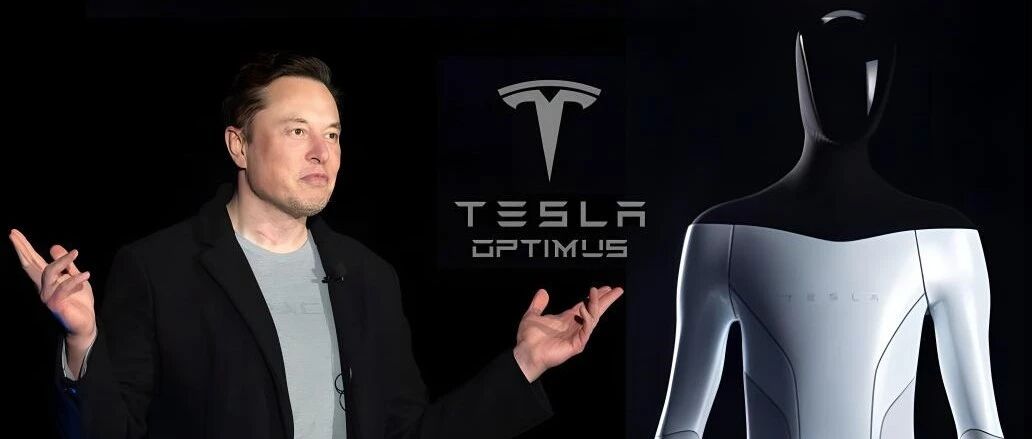
人形机器人的全球竞争格局:中国领跑商业化、特斯拉Optimus V3最受关注、韩国正在追赶中美
Hua Er Jie Jian Wen· 2025-09-21 10:33
Group 1: Industry Overview - The humanoid robot industry is transitioning from technology demonstration to commercialization, with a projected global market size of $5 trillion by 2050 [1] - Morgan Stanley reports a tripartite landscape in the humanoid robot market, with China leading in commercialization, Tesla's Optimus V3 setting technological trends, and South Korea increasing investments to catch up [1][8] - By 2036, approximately 23.7 million humanoid robots are expected to be in use globally, increasing to 1.02 billion by 2050, with annual revenue nearing $5 trillion, which is about double the total revenue of the top 20 global automotive manufacturers in 2024 [1] Group 2: China's Commercialization Efforts - China is leading in commercial orders, with total orders amounting to approximately 975 million RMB (about $140 million), showcasing a significant acceleration in commercialization [2] - Major integrators in China, such as Yushu Technology and UBTECH, have reported nearly 1 billion RMB in orders, with the largest single order being 500 million RMB from Zhifang Robot for deploying 1,000 humanoid robots [2][5] Group 3: Government Support and Market Performance - The Chinese government has established various industry funds totaling approximately 187 billion RMB to accelerate AI-driven robot technology deployment across sectors [5] - The Chinese humanoid robot value chain index has surged by 92.3% year-to-date, significantly outperforming the MSCI China index, which rose by 37.6% [5] Group 4: Tesla's Technological Advancements - Tesla's Optimus V3 is gaining global attention due to its revolutionary design, featuring human-level hand dexterity and advanced AI capabilities [6][7] - The new AI5 inference chip offers a 40-fold performance improvement over the previous version, enhancing the robot's advanced reasoning capabilities [7] - Tesla plans to produce "hundreds" of V3 units by the end of 2025, with mass production expected to start in 2026, aiming for an annual capacity of 1 million units at a production cost of $20,000 to $25,000 per unit [7] Group 5: South Korea's Competitive Position - The South Korean government has announced a high-tech industry fund of 150 trillion KRW (approximately $108 billion) to invest in AI and robotics [8] - Companies like Hyundai and Samsung are actively developing humanoid robots, with Hyundai planning to establish a robot factory in the U.S. with an annual capacity of 30,000 units [8] - The MSCI Korea humanoid robot index has increased by 29.1% since its establishment, indicating positive market sentiment towards South Korea's emerging technology sectors [8]

科技巨头押注机器人赛道:三星、英伟达(NVDA.US)联手参投Skild AI,B轮估值达45亿美元
Zhi Tong Cai Jing· 2025-06-12 02:53
Group 1 - Samsung Electronics and Nvidia are acquiring minority stakes in Skild AI Inc. to enhance their development in the emerging consumer robotics industry [1] - Samsung is investing $10 million in Skild, while Nvidia is investing $25 million, as part of Skild's Series B funding round led by SoftBank Group with a total of $100 million, valuing Skild at approximately $4.5 billion [1] - Samsung views the investment in Skild as a way to understand the startup and its talent without making a significant commitment, while also keeping pace with other South Korean conglomerates investing in Skild [1] Group 2 - Robotics technology is rapidly becoming a major growth area for global tech companies, with significant investments from Apple, Meta Platforms, Amazon, and Alphabet's Google [2] - Tesla has been preparing to launch its Optimus robot, while Samsung has made a small investment in Physical Intelligence, a startup developing underlying robotics algorithms, which has raised about $400 million and is recently valued at around $2.4 billion [3] - Samsung has ambitions beyond just selling vacuum robots, including humanoid robots and other home appliances, and plans to launch Ballie, a soccer ball-sized robot, in collaboration with Google [3]
