价值消费

Search documents
GSquared CIO大赞麦当劳(MCD.US):凭“极懂消费者”赢下性价比之战,Chipotle(CMG.US)则节节败退
Zhi Tong Cai Jing· 2026-02-12 13:24
Group 1 - McDonald's is outperforming competitors in the fast-food sector due to its precise pricing strategy and high-density promotional activities, while Chipotle is lagging behind in the current value-driven consumer trend [1] - McDonald's deep understanding of its customer base is driving consistent same-store sales growth, whereas competitors like Chipotle struggle to connect with value-sensitive consumers [1] - The stark difference in pricing strategies is highlighted, with Chipotle refusing to offer $1 items, while McDonald's continues to attract customers with $5 and $8 meal deals and limited-time offers [1] Group 2 - McDonald's operational efficiency and franchisee support system are highly praised, with management being described as adept in promotions, support, and expansion, leading to steady same-store sales growth [2] - The company is focusing on its app membership system, demonstrating a deep understanding of its customer base regarding pricing, promotions, and timing [2] - McDonald's business structure, including its property asset ownership model, is considered "brilliant" [2] Group 3 - McDonald's has achieved a balanced product structure with chicken and beef products at approximately 50/50, and despite cost pressures, management is expected to provide optimistic signals based on solid consumer insights and execution [3] - McDonald's is compared to Walmart in the restaurant industry, representing "value consumption" and demonstrating resilience in stock performance even after extreme weather disruptions in January [3]


梅耶马斯克秀老铺黄金 海外网友:东方审美正在征服全球
Xin Lang Cai Jing· 2026-02-10 09:49
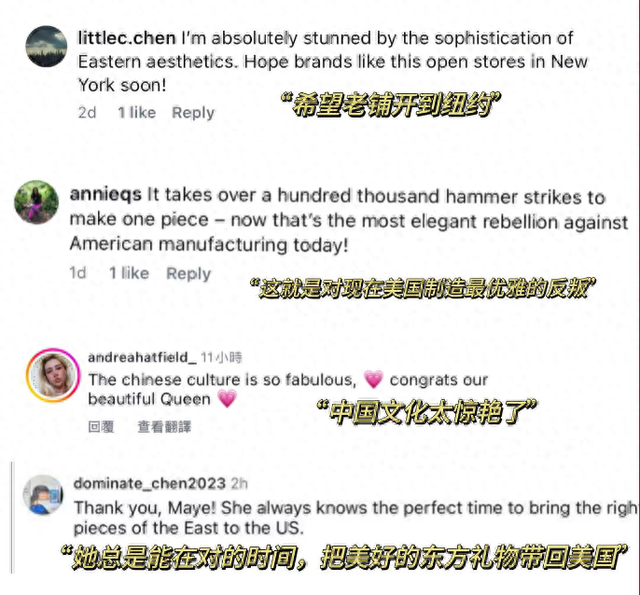
来源:环球网 【环球网消费综合报道】"中国文化太惊艳了"、"她总能在对的时间,把美好的东方礼物带回美国。" 74岁国际名模梅耶·马斯克在海外社交平台上发布的一段视频,引发数千海外网友留言围观,感慨东方 审美正在征服全球。 在这段两分多钟的视频,梅耶·马斯克记录了前不久在中国上海到老铺黄金的购物经历。"惊艳、优雅且 新颖"、 "工艺如此精美,工匠一定极富才华。" 老铺黄金的金器、金饰作品让这位国际名模连连赞叹, 她最终买下一款象征着自由和重生的蝴蝶吊坠送给自己,还选择了一款具有福禄寓意的葫芦送给家人作 为新春礼物。 看过视频,不少外国网友被中国文化和非遗工艺震撼。"一件作品需要十几万次捶打,这就是对现在美 国制造最优雅的反叛!""被东方审美的高级震撼了,希望这样的品牌能来纽约开店"。甚至连她的安哥 拉名模好友Maria Borges也被惊艳到,前来围观互动。 2025年,老铺黄金现象级的人气,持续引发全球关注。在最新《2026胡润至尚优品报告》里,老铺黄金 直接冲进"高净值人群最青睐的世界珠宝品牌前三",而且是唯一上榜的中国品牌。 历峰集团CEO Nicolas Bos此前公开表示,老铺黄金植根于中国文化,推动 ...


消费大转型:告别消耗,拥抱创造与共享的新时代
Sou Hu Cai Jing· 2026-02-03 09:42
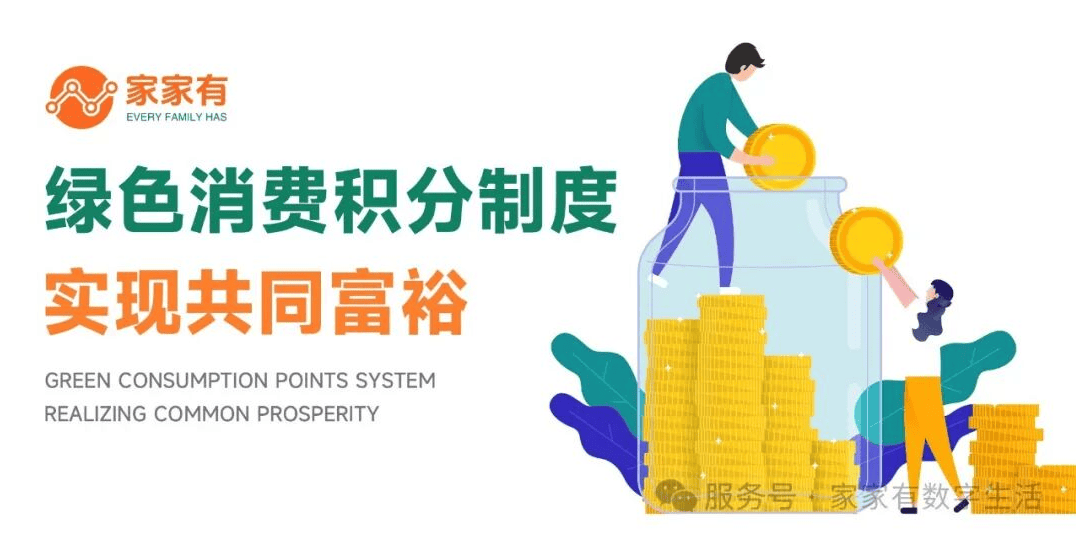
当街头巷尾的店铺陆续关闭,当"全网最低价"也难以点燃消费热情,我们正共同见证一个经济周期的落幕:纯消费时代结束了。这一时代的核心逻辑 ——"在别处赚钱,在此处花钱"——已经断裂。其根源并非商品太贵,而是普通人参与社会财富分配的渠道正在萎缩。互联网平台消灭了传统中间环 节,人工智能替代了大量岗位,使得许多人"无钱可花"。消费疲软,本质是分配机制滞后于生产力发展的深刻矛盾。 国家早已洞察这一趋势,并擘画了面向未来的蓝图。以"共同富裕"和"构建与数字生产力相适应的新型生产关系"为顶层指导,一套旨在重构财富分配的 系统工程已悄然启动。其两大核心载体——绿色消费积分与数商制度,正是解开当前消费困境的关键钥匙。 这绝非简单的促销工具。绿色消费积分的本质,是对个人在数字经济中贡献值的标准化计量与权益凭证。而数商制度,则从法规层面赋予了普通消费者 一个全新身份:消费经营者。这意味着,你我的每一次日常消费、每一次真诚分享,如果为品牌创造了流通价值,就不再是无偿行为,而是可以凭借"数 商"身份,通过绿色消费积分获得合理回报的价值创造活动。 其价值源泉,是对商品传统渠道价值的再分配。一件商品从工厂到消费者手中,中间的流通溢价本应激 ...
二手消费市场,打开了年轻人“价值消费”新思路
Sou Hu Cai Jing· 2026-01-26 20:06
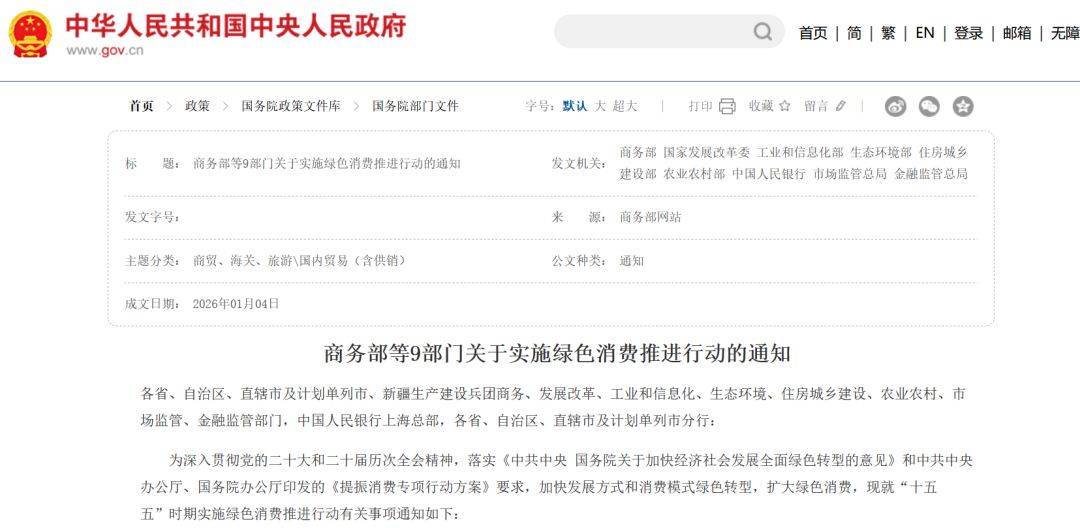
Core Insights - The article highlights the emergence of a second-hand trading era centered around "value," driven by a shift in consumer culture towards sustainable and circular consumption [1][3][12] Group 1: Policy and Market Trends - In January, the Ministry of Commerce and nine other departments issued a notice to support the development of the second-hand goods market, encouraging new business models like "Internet + second-hand goods" and rental services [1] - The second-hand economy is gaining traction, with a reported 116% year-on-year growth in cross-category trading users on the platform by 2025 [12] Group 2: Consumer Behavior and Demographics - The younger generation, particularly those born after 2005, is becoming the main force in the second-hand market, with a growth rate exceeding 30% in user numbers and a 20% increase in average transaction value [4][6] - Interest-driven consumption is prevalent among younger consumers, who seek emotional value and self-expression through second-hand purchases, with over 50% of users in interest-based categories being from the post-2005 demographic [6][7] Group 3: Trust and Transaction Challenges - Trust remains a significant challenge in second-hand transactions, with 45.5% of consumers citing quality issues and 41.3% concerned about product authenticity [6][7] - To address these concerns, the platform has shifted from a C2C model to a CBC model, implementing a comprehensive transaction guarantee system that includes official verification services [7][9] Group 4: Evolving Perceptions of Value - The second-hand market is evolving from being seen as a place for low-quality goods to a space for high-value items, with luxury goods like Patek Philippe watches and Hermès bags being actively traded [12][13] - The concept of "value" is being redefined, encompassing not just the utility of products but also emotional connections, investment potential, and sustainability [15][17]
从符号炫耀到价值消费 老铺黄金引领中国高奢换轨
Jing Ji Guan Cha Bao· 2026-01-20 14:50
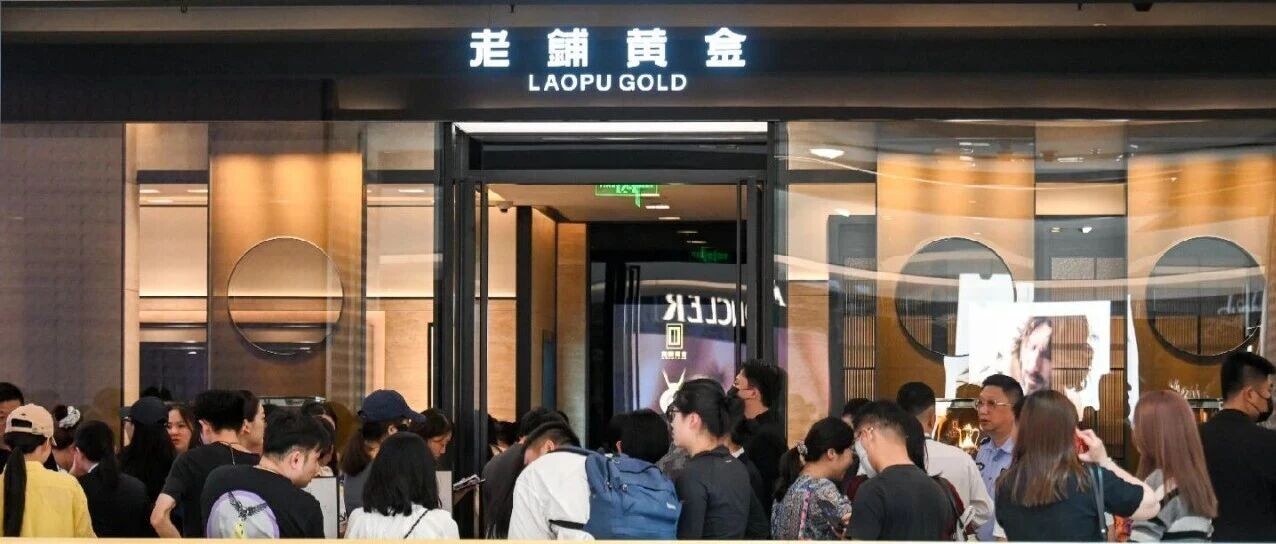
(原标题:从符号炫耀到价值消费 老铺黄金引领中国高奢换轨) 2025年,长期被西方品牌垄断的中国高端消费市场格局被老铺黄金打破。 在全球奢侈品持续遭遇增长放缓压力时,本土品牌老铺黄金却上演着一幕截然相反的景象:在万象城、 SKP、恒隆等高端商业中心的门店外,排队等候的人群常年不断。 贝恩公司资深全球合伙人布鲁诺(Bruno Lannes)在2025年底发出的警示,或许能解释这一幕发生的原 因:奢侈品行业正站在十字路口,价格与价值失衡,品牌亟需以真诚重建信任。 与国际奢侈品牌过于依赖符号炫耀的叙事不同,老铺黄金用文化、工艺、审美以及真切的产品价值,正 开创全新的价值消费赛道,提升和满足了消费者成熟理性的新需求,也让奢侈品回归本质——时间和价 值。 奢侈品行业的岔路口 贝恩咨询《2025年全球奢侈品市场研究》显示,全球奢侈品市场进入关键调整期,中国市场持续收缩, 按固定汇率计算预计在3%至5%,活跃客户从2022年的4亿缩减至2025年3.3亿,消费转向本土品牌及体 验型品类。 下滑的数据被高净值人群的选择不断印证。近几年,奢侈品消费里的一个明显变化:真正有钱的人,越 来越不愿意"被看出来",外露的LOGO似乎不 ...
当SKP的队伍转向老铺,奢侈品逻辑已改写
经济观察报· 2026-01-20 14:06
Core Viewpoint - The luxury goods industry is at a crossroads of price and value imbalance, with the brand Laopugold leading the way into a new era of value consumption through cultural, craftsmanship, aesthetic, and genuine product value [2][12]. Industry Overview - By 2025, Laopugold is expected to disrupt the long-standing dominance of Western brands in China's high-end consumer market, as it experiences a contrasting growth amidst a global slowdown in luxury goods [2][12]. - Bain & Company reports that the global luxury market is entering a critical adjustment phase, with the Chinese market projected to shrink by 3% to 5% from 2022 to 2025, and active customers decreasing from 400 million to 330 million [4]. - There is a notable shift among high-net-worth individuals who are increasingly reluctant to display overt logos, indicating a move away from "symbolic consumption" towards a more intrinsic value-based approach [4][5]. Shift in Consumer Behavior - Similar to the changes seen in Japan during the 1990s, Chinese consumers are moving away from ostentatious consumption towards brands that represent cultural depth and time-honored values [5][10]. - Laopugold's success is attributed to its focus on cultural assets and craftsmanship, appealing to consumers' desire for products that embody time and cultural significance [7][10]. Laopugold's Unique Value Proposition - Laopugold emphasizes craftsmanship through traditional techniques such as engraving and hammering, which enhances perceived value beyond just the gold price [9]. - The brand has established a stable Eastern aesthetic logic that prioritizes both classic and innovative designs, allowing products to transcend fleeting trends [9]. - Laopugold integrates Chinese cultural elements into its designs, creating a strong emotional connection with consumers [9][10]. Market Position and Future Outlook - In 2025, Laopugold is projected to become the only Chinese brand present in the top 10 commercial centers in China, with a half-year store efficiency nearing 500 million, surpassing that of leading international luxury brands [12][14]. - HSBC notes that Laopugold has transitioned from a "golden flywheel" to a "brand flywheel," establishing pricing power independent of gold price fluctuations, positioning it to compete with luxury giants like Tiffany and Richemont [14]. - The rise of Laopugold signifies a shift in the luxury market, moving from a focus on price wars to a new value system based on product quality, channel strategy, and brand establishment [14][15].
当SKP的队伍转向老铺,奢侈品逻辑已改写
Jing Ji Guan Cha Wang· 2026-01-20 12:36
2025年,长期被西方品牌垄断的中国高端消费市场格局被老铺黄金打破。 在全球奢侈品持续遭遇增长放缓压力时,本土品牌老铺黄金却上演着一幕截然相反的景象:在万象城、SKP、恒隆等高端商业中心的门店外,排队等候的人 群常年不断。 贝恩公司资深全球合伙人布鲁诺(Bruno Lannes)在2025年底发出的警示,或许能解释这一幕发生的原因:奢侈品行业正站在十字路口,价格与价值失衡, 品牌亟需以真诚重建信任。 与国际奢侈品牌过于依赖符号炫耀的叙事不同,老铺黄金用文化、工艺、审美以及真切的产品价值,正开创全新的价值消费赛道,提升和满足了消费者成熟 理性的新需求,也让奢侈品回归本质——时间和价值。 奢侈品行业的岔路口 贝恩咨询《2025年全球奢侈品市场研究》显示,全球奢侈品市场进入关键调整期,中国市场持续收缩,按固定汇率计算预计在3%至5%,活跃客户从2022年 的4亿缩减至2025年3.3亿,消费转向本土品牌及体验型品类。 下滑的数据被高净值人群的选择不断印证。近几年,奢侈品消费里的一个明显变化:真正有钱的人,越来越不愿意"被看出来",外露的LOGO似乎不再是加 码身份证明的利器。 而过去30余年,中国经历了LOGO推动 ...
【好评中国】政策聚力活力涌,消费蓝海起新潮
Xin Lang Cai Jing· 2026-01-13 08:23
Group 1 - The core viewpoint of the articles emphasizes the transformative impact of the "National Subsidy" policy on consumer behavior and market dynamics, shifting from traditional consumption to a more experience-driven and value-oriented approach [1][2][3] - The "National Subsidy" policy targets major consumer sectors such as automobiles and home appliances, while also extending to new markets like smart wearables and products for the elderly, facilitating access to high-quality goods at more affordable prices [2] - The policy is designed to create a virtuous cycle where demand drives supply and vice versa, encouraging companies to innovate in green technology and smart products while making it easier for consumers to upgrade their goods [2][3] Group 2 - The integration of various sectors, such as "consumption + culture and tourism" and "consumption + technology," is reshaping the consumer landscape, allowing for deeper cultural experiences and making smart home devices more accessible [3] - The "National Subsidy" policy is seen as a catalyst for unlocking consumer potential, which in turn stimulates economic growth by connecting production, distribution, and consumption [3] - The combination of policy incentives and market innovations is expected to ignite a significant surge in consumer activity, contributing to high-quality economic development in China [3]
79元「结婚套餐」爆发,餐企巨头纷纷盯上「小宴会」
36氪· 2026-01-11 23:56
以下文章来源于餐企老板内参 ,作者内参君 餐企老板内参 . 餐饮头部新媒体平台!精准覆盖数百万餐饮产业高质量读者;财经作家吴晓波、源码资本等投资;业务涵盖媒体传播、峰会、培训、游学餐访、中餐出 海、"餐里眼"大数据、"72餐"供应链平台、行研报告等…(更多资讯服务下载:餐饮老板内参APP) 不是规模缩小, 而是价值聚焦。 文 | 内参君 来源| 餐企老板内参(ID:cylbnc) 封面来源 | Unsplash 从场地租赁到情绪服务 10人以下小宴会正在陆续"冒头" 曾经,婚宴是餐饮酒店业的绝对主角。伴随着结婚登记数逐年下降,婚宴的预定量也在递减。一方面,是"五星级酒店8888元一桌的酒席被质疑全是预制 菜",另一方面,餐企巨头们却开始抢滩"小宴会"市场,全国各地,各种"轻量化"的小型宴席暗暗发力。 有意思的是,小宴会并非局限于传统的中餐厅,从热辣的火锅逐渐蔓延到年轻人喜爱的汉堡、奶茶,一场围绕"聚会"展开的餐桌变革正在不知不觉中改写 着餐饮市场,特别是宴会市场的生存规则。 比如,几个月前海底捞在深圳开出首家专属宴会店,宣告全面进入婚宴、升学宴、生日宴、庆功宴、答谢宴以及公司年会等宴会市场,最低档餐标仅需 1 ...


2026文旅趋势深析: 经济理性下,价值消费如何重塑产业格局?
Sou Hu Cai Jing· 2026-01-01 15:47
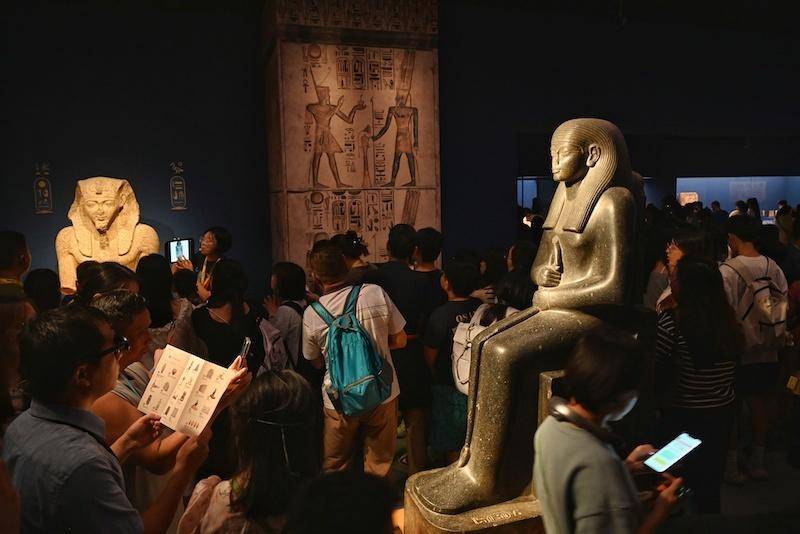
Core Insights - The domestic cultural tourism industry has undergone a significant transformation by the end of 2025, with total consumption exceeding 5.8 trillion yuan, reflecting an 11.3% year-on-year growth, driven by a shift in consumer preferences towards experiences that offer emotional resonance and cultural value [1][2][12] - The focus for 2026 will be on "value cultivation" rather than mere scale expansion, fundamentally reshaping the supply logic and competitive landscape of the industry [1][12] Consumer Behavior Shift - Consumers are transitioning from a "traffic-dependent" mindset to a "value-first" approach, with 68.1% of consumers being cost-conscious in daily spending while 42.9% are willing to pay a premium for health and cultural experiences [2][11] - The lifespan of "internet-famous attractions" has significantly shortened, while destinations that provide core value are gaining popularity, as evidenced by the Shanghai Museum's exhibition attracting 2.77 million visitors and generating 760 million yuan in direct revenue [2][4] Experience Value and Cultural Depth - Emotional resonance and cultural depth are identified as the two core aspects for successful cultural tourism products in 2026 [5][7] - Over 65% of tourists are willing to pay a premium for unique experiences, with a 320% year-on-year increase in searches related to "emotional consumption" among Generation Z [5][9] - Successful case studies, such as the "Twelve Hours" cultural tourism IP in Jingzhou, demonstrate the effectiveness of creating immersive experiences that enhance visitor engagement and repeat spending [5][9] Cultural Value Integration - The integration of cultural value is crucial for the long-term viability of tourism products, with significant increases in visitor numbers linked to local cultural initiatives, such as the surge in visitors to Yibin's Nezha Palace after the release of the animated film [7][9] - Cultural value must be combined with modern experiences, as seen in the successful implementation of local cultural festivals that enhance product repurchase rates [9][11] Industry Transformation - The competitive focus of the cultural tourism industry is shifting from "resource-driven" to "value operation," as evidenced by government policies aimed at expanding quality supply and cultivating consumer experiences [11][12] - Companies are increasingly adopting a "value economy" approach, with personalized travel services and integrated tourism experiences becoming market necessities [11][12] Conclusion - The cultural tourism market in 2026 will move away from resource and traffic competition towards a model that prioritizes emotional and cultural value, offering consumers more meaningful experiences [12][13]