生产力革命

Search documents
token,token,还是 token?以后你的工资账单可能就发 token 了~
菜鸟教程· 2026-03-26 03:30
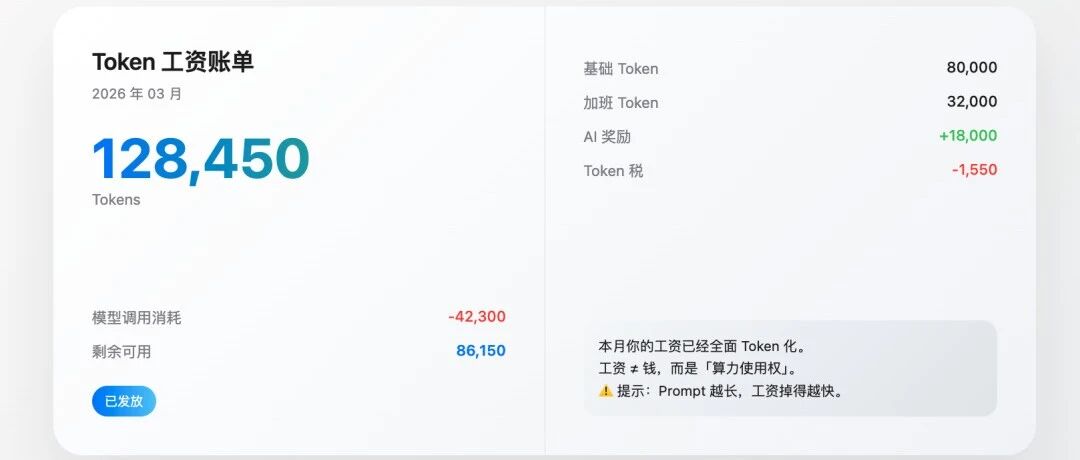
Core Viewpoint - The CEO of Nvidia, Jensen Huang, emphasizes that AI Tokens are the new fuel for productivity in the modern era, equating their usage to the essential tools of previous industrial and internet ages [1][11]. Group 1: AI Token as a Productivity Measure - A highly paid engineer earning $500,000 should ideally consume significantly more than $25,000 in AI Tokens annually, as low usage indicates a lack of engagement with modern tools [1][3]. - The consumption of AI Tokens is likened to the necessity of using EDA tools for chip design; not utilizing them is seen as a major disadvantage [3][6]. - The new metric for evaluating engineers will shift from traditional measures like lines of code to how effectively they can manage multiple AI agents [5][17]. Group 2: Changing Compensation Structures - Future salary structures may include a significant portion allocated to AI Tokens, potentially resembling the following breakdown: base salary of $200,000, stock options of $150,000, and Token allocation of $250,000 [7][8]. - The perception of AI Token consumption as a waste is challenged; instead, it is framed as a necessary investment for productivity, similar to electricity in the industrial age or server costs in the internet age [11][12][14]. - The role of engineers is evolving from code execution to orchestration, where their value is determined by their ability to coordinate AI resources effectively [16][18]. Group 3: Future Implications for Employment - In future job interviews, candidates may be asked about their AI Token usage rather than their technical skills or coding experience, indicating a shift in hiring criteria [24]. - The increasing reliance on AI Tokens may lead to a scenario where employees become dependent on them, making free resources insufficient [21].

OpenClaw爆火,业内人士称还不是小白用户养虾的时候
21世纪经济报道· 2026-03-11 00:28
Core Viewpoint - OpenClaw, an open-source AI agent, is gaining significant popularity globally, with over 250,000 stars on GitHub in just four months, surpassing established projects like Linux and React, indicating a revolutionary shift in AI from a dialogue tool to an execution assistant [1][4]. Group 1: Market Response and User Engagement - The "养虾" (raising shrimp) phenomenon has led to large gatherings in cities like Shanghai, where over 300 people queued to receive their own OpenClaw, highlighting the strong local interest in AI tools [1]. - Despite the excitement, the actual usage rate among individual users is less than half of the download numbers, indicating challenges in practical application [1][6]. - Major cloud service providers like Alibaba Cloud and Tencent Cloud have introduced deployment solutions, but enterprise-level adoption of OpenClaw remains limited [1][6]. Group 2: Technological Advancements - OpenClaw aims to transition AI capabilities from mere conversation to task execution, marking a significant evolution in human-computer interaction [3][4]. - The architecture of OpenClaw includes four layers that facilitate natural language commands leading to autonomous execution, addressing privacy and response speed concerns [6]. - The tool's ability to automate local tasks and integrate with various applications reduces the technical barriers for users, making it more accessible [5][6]. Group 3: Competitive Landscape - The rise of OpenClaw has prompted other tech giants to accelerate their AI initiatives, with Tencent launching WorkBuddy, which is compatible with OpenClaw's functionalities [9][10]. - The competitive edge of OpenClaw lies in its cross-platform capabilities, although it still requires collaboration with other applications to fully realize its potential [9]. Group 4: User Demographics and Adoption Challenges - The user base for OpenClaw spans a wide age range, from 20 to 60 years old, indicating broad appeal across demographics [8]. - Despite the enthusiasm, there are concerns regarding the readiness of average users to effectively utilize OpenClaw, as it requires a certain level of technical understanding [15]. Group 5: Security and Risk Management - OpenClaw's design introduces potential security risks, including the possibility of executing unauthorized commands and information leaks due to misconfigurations [13][14]. - The need for robust security measures is emphasized, with recommendations for users to implement strict access controls and data encryption to mitigate risks [14]. Group 6: Future Implications - The emergence of OpenClaw signifies a potential shift in productivity dynamics, where individuals may leverage multiple AI agents to enhance their work efficiency [11]. - The balance between open-source innovation and commercial viability will be crucial for the sustainable growth of OpenClaw and similar technologies [14].




对话傅盛:我为什么为“龙虾”疯狂
经济观察报· 2026-03-09 09:24
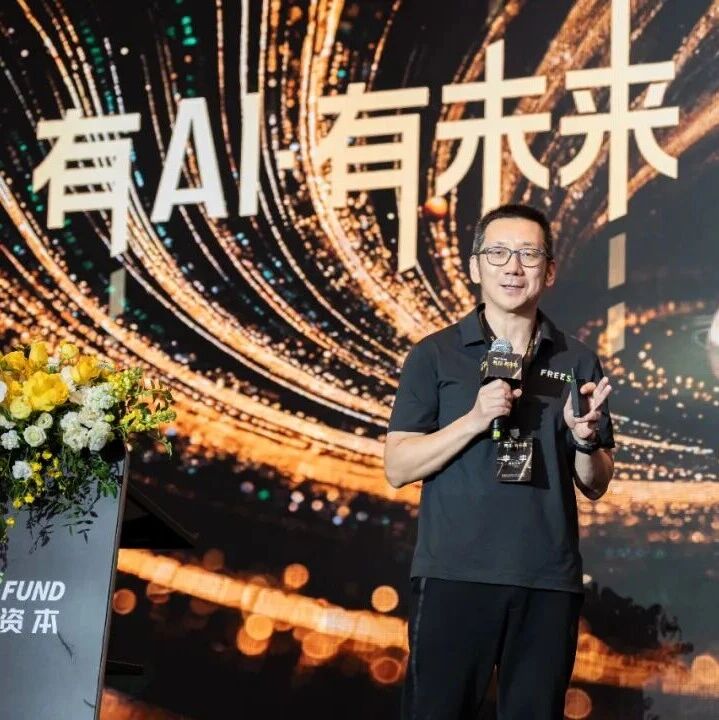
Core Viewpoint - The article discusses a significant productivity revolution driven by AI, indicating that the era of exchanging skills for work is rapidly becoming obsolete [10]. Group 1: AI and Productivity - The CEO of Cheetah Mobile, Fu Sheng, has developed an AI agent named "Three Thousand" that can perform tasks such as sending personalized messages and building websites in a fraction of the time and cost it would take human employees [2][3]. - Fu Sheng believes that the integration of AI with computers marks the beginning of a new era in productivity, presenting unprecedented opportunities that have not been seen in the past decade [3][10]. - The article emphasizes that the future will see a significant reduction in the number of applications, with an estimate that 80% of apps may disappear as AI becomes more capable of performing tasks traditionally done by humans [10]. Group 2: Company Strategy and Implementation - Cheetah Mobile has allocated a budget for its executives to engage with the AI project, indicating a strategic focus on integrating AI into the company's operations [7]. - The company aims to lower the deployment threshold for its OpenClaw framework, making it easier for users to install and utilize the AI agent [24]. - Fu Sheng expresses excitement about the potential of AI to reshape the tools industry, suggesting that the current developments in AI are comparable to the opportunities presented by the internet two decades ago [13]. Group 3: Future of AI and Employment - The article raises concerns about the impact of AI on employment, suggesting that while there will be significant job displacement, it will benefit those who embrace change [20]. - Fu Sheng reflects on the potential for AI to assist individuals in achieving their ideas, indicating a shift in how work is approached in the future [20]. - The ultimate goal of the AI agent is to reach a level of capability similar to that depicted in the movie "HER," with expectations that this could be achieved within two to three years [18].

付鹏谈AI应用落地:预计在未来12-18个月内将引发行业级的范式转移
凤凰网财经· 2026-03-05 13:56
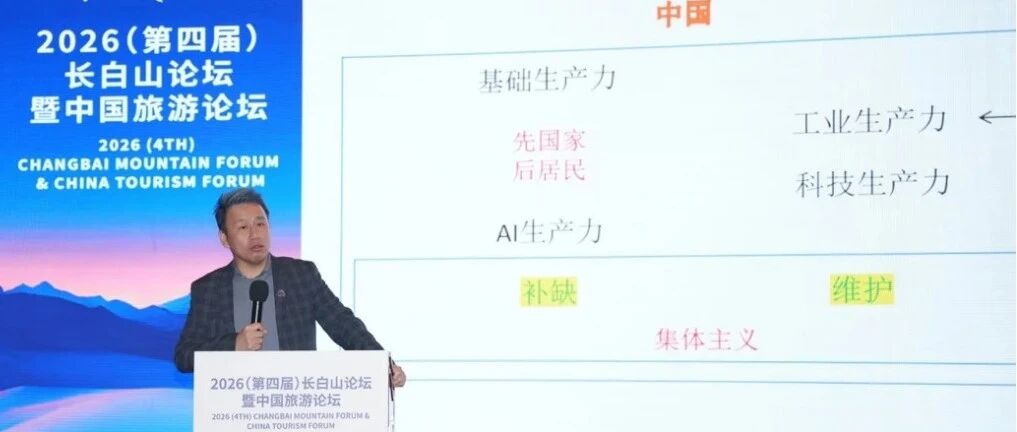
Group 1 - The core theme of the forum is "Investment Empowerment and Cultural Tourism Coexistence," highlighting the importance of investment in the cultural tourism sector [1] - Economist Fu Peng emphasized the deep adjustment of the global landscape, indicating that changes in trade relations, world order, and global division of labor are underway, leading to significant geopolitical shifts [3][6] - Fu noted that the current geopolitical conflicts, such as those involving Iran, are a result of the transformation in production logic, questioning the relevance of traditional geopolitical strategies [6] Group 2 - Fu predicted that the AI-driven productivity revolution will lead to a disruptive restructuring of production relationships across all industries within the next 5-10 years, with significant changes expected in the next 12-18 months [7][11] - He compared the current investment surge in AI to China's infrastructure boom in the early 2000s, suggesting that the market is effectively signaling the necessity of such investments [10] - Fu raised concerns about the implications of AI on traditional business models, urging industries to rethink their strategies in light of new productivity paradigms [11][12] Group 3 - The rise of AI also brings challenges related to deepfake technology, which poses risks of misuse and ethical concerns, necessitating a rapid response from legal and regulatory frameworks [14][15] - Fu highlighted the need for legal adjustments to address issues such as intellectual property rights and the ethical use of AI-generated content, emphasizing that existing laws are lagging behind technological advancements [15]
前百川智能联创的AI音频赌局:我要造“人”,造AI主播
3 6 Ke· 2026-02-09 06:44
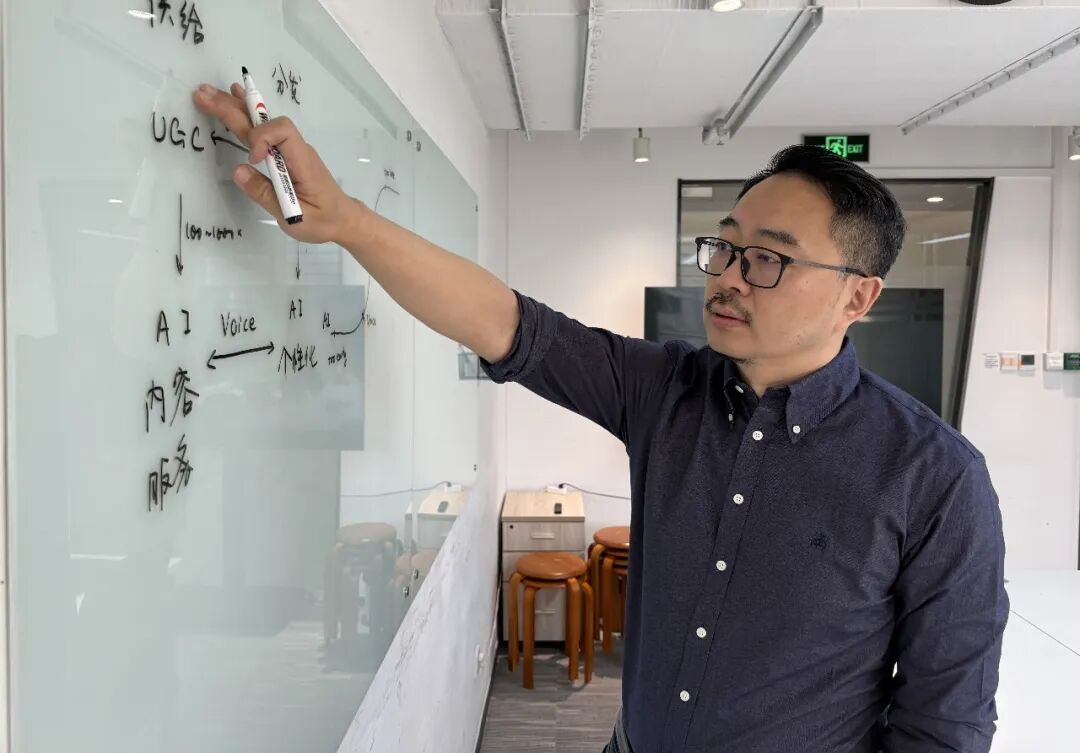
Core Insights - The article discusses the journey of Jiao Ke, co-founder of Baichuan Intelligence, who transitioned to founding an AI audio company, Laifu Radio, inspired by the emotional connection depicted in the film "Her" [1][3] - The audio industry is seen as controversial, with significant potential for AI integration, yet it has underperformed in China compared to video platforms [3][4] Group 1: Company Overview - Laifu Radio aims to create AI hosts rather than just an AI podcast platform, emphasizing the human-like interaction and emotional connection with users [10][22] - The company currently has 15 Chinese AI hosts and 2 English hosts, each with distinct styles, aiming to foster user engagement and connection [13][22] - Laifu Radio's operational logic is based on the premise that audio is a natural form of human interaction, which can be enhanced through AI technology [4][11] Group 2: Market Potential and Challenges - The audio content supply in China is limited due to high production costs, leading to a mismatch between user demand and available content [4][26] - Despite skepticism about the audio market's potential, Laifu Radio has successfully secured over $10 million in funding, indicating investor interest in its unique approach [10][66] - The company believes that audio can provide a more personalized experience compared to traditional video content, leveraging AI to meet diverse user preferences [56][67] Group 3: AI Integration and User Engagement - AI technology is seen as a solution to enhance content supply and user interaction, allowing for personalized audio experiences based on user preferences [4][67] - Laifu Radio's model focuses on creating long-term user engagement through daily interactions, termed Daily Talk User (DTU), rather than just daily active users (DAU) [44][45] - The platform allows users to interact with AI hosts in real-time, creating a dynamic and engaging listening experience [19][34] Group 4: Competitive Landscape - Laifu Radio differentiates itself from competitors by focusing on creating a comprehensive service rather than just a tool for content creation [50][64] - The company faces competition from established platforms like Xiaoyuzhou, which primarily rely on human-generated content, making it challenging to integrate AI effectively [54][56] - Laifu Radio's strategy emphasizes the importance of long-term memory in AI applications, which is crucial for providing personalized content and enhancing user experience [67][68]
2026,关于赚钱、AI与竞争逻辑的展望和预判
虎嗅APP· 2026-01-29 10:16
Core Insights - The article discusses the future of AI and its implications for investment opportunities, emphasizing that the current technological explosion is just the beginning of a significant societal transformation [4]. - It highlights that while the U.S. has led the AI technology in the first half of the cycle, China is expected to gain an advantage in the latter half, particularly through the integration of AI with hardware [4]. - The competition between the U.S. and China in AI will ultimately hinge on two critical factors: energy and data, with the nation that secures a long-term advantage in these areas likely to emerge victorious [4]. Group 1: AI Development and Investment Logic - The current AI wave is unprecedented, with four major historical peaks, including breakthroughs in facial recognition, AlphaGo, AI in drug discovery, and the rise of large models [7][10]. - The article outlines a clear pattern where each AI breakthrough coincides with structural changes in relevant industries, leading to significant investment opportunities [10]. - The investment logic in the AI era will shift from a focus on technological innovation to practical applications that generate revenue, particularly in the latter half of the technology cycle [23][28]. Group 2: China's Strategic Opportunities in AI - AI combined with hardware presents a strategic opportunity for China, leveraging its manufacturing capabilities to achieve industrial transformation and upgrades [4][38]. - The article emphasizes that China's strong supply chain and technological advancements in sensors, chips, and algorithms position it well to capitalize on AI applications [40][44]. - The development of AI hardware is seen as a critical area for China, with the potential for significant advancements in various industries through the integration of AI and manufacturing [38][46]. Group 3: Macro Outlook for 2026 - The article predicts a strategic window for China as the U.S. reduces its military presence globally, allowing China to enhance its international influence and pursue international business opportunities [52][54]. - It discusses the potential for the Chinese yuan to appreciate, driven by a shift in the structure of foreign trade towards high-value products, although it will not experience a dramatic increase [55][56]. - The competition between the U.S. and China will increasingly focus on data governance, with the nation that effectively manages and utilizes data likely to gain a competitive edge in the long term [62][68].

李丰:2026,关于赚钱、AI与竞争逻辑,我的展望和预判
3 6 Ke· 2026-01-29 01:31
Group 1 - The core viewpoint is that the technological explosion of recent years is just the prologue, with significant societal applications and industrial reshuffling beginning now, particularly in AI and hardware integration in China [1][2] - The second half of the AI technology cycle is expected to see China gaining an advantage, as historically, China tends to catch up and surpass the US in the latter stages of technological waves [1][2] - AI combined with hardware presents a strategic opportunity for China, leveraging its manufacturing supply chain advantages for industrial transformation and upgrades [1][2] Group 2 - The current AI boom is unprecedented, driven by significant capital influx and competition between the US and China in areas such as chips, computing power, models, and applications [5][21] - Historical patterns show that every AI breakthrough leads to a wave of applications when combined with structural changes in industries, which is evident in the current AI landscape [8][9] - The investment logic in the AI era is shifting from mere technological innovation to practical applications that generate revenue, indicating a transition from the initial hype to sustainable business models [25][28] Group 3 - China's AI opportunities are significant, particularly in the context of hardware capabilities and the integration of AI with traditional industries, as highlighted by government initiatives [35][39] - The evolution of AI applications in China is expected to follow a three-stage process, with the first stage focusing on large models, the second on general agents and embodied intelligent robots, and the third on practical, revenue-generating applications [27][28] - The development of AI hardware in China is seen as a strategic advantage, with the potential for new product forms that leverage existing supply chains and technological advancements [36][39] Group 4 - The international landscape is shifting, with the US potentially reducing its military presence globally, which may provide China with a strategic window to enhance its international influence [47][49] - The Chinese economy is undergoing structural adjustments, which could be positively impacted by a more favorable international environment, facilitating the transition to new economic drivers [51][52] - The long-term competition between the US and China will increasingly focus on data and energy, with the country that secures a competitive edge in these areas likely to emerge victorious [66]
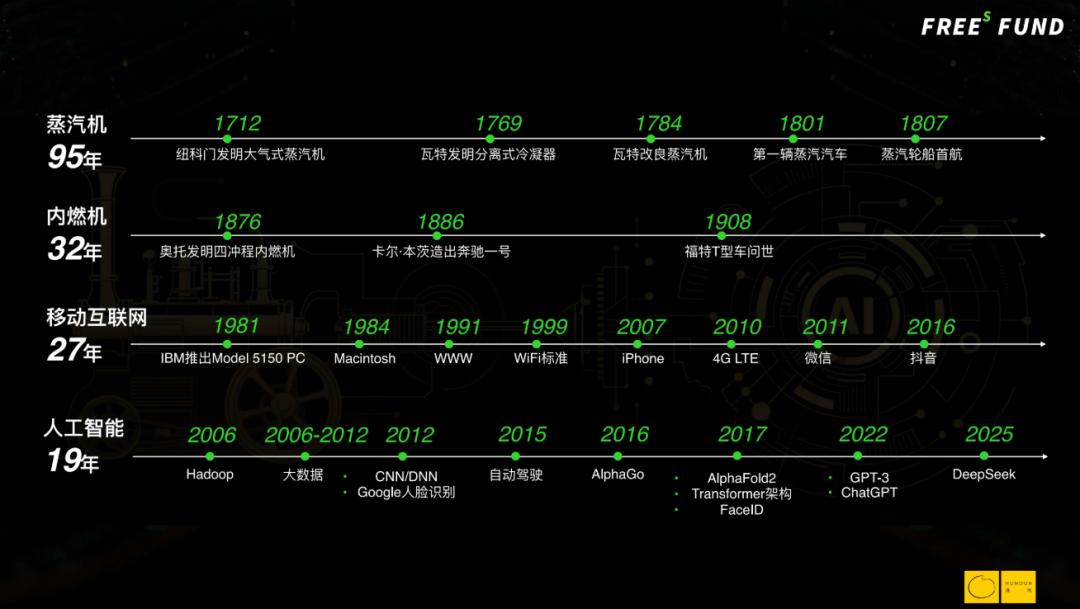
李丰:2026,关于赚钱、AI与竞争逻辑,我的展望和预判
混沌学园· 2026-01-28 12:24
Group 1 - The core viewpoint is that the technological explosion of recent years is just the prologue, with true societal applications and industrial reshuffling beginning now, presenting new opportunities and dividends for the next 5 to 20 years [1][2] - The second half of the AI era will see China gaining advantages, particularly in the combination of AI and hardware, leveraging its manufacturing supply chain for industrial transformation and upgrades [1][2] - The ultimate competition in AI between China and the US will focus on data and energy, with the long-term advantage in these areas determining the outcome of great power competition [1][2] Group 2 - The discussion centers on whether AI represents a productivity revolution, with the importance of participation in AI depending on this belief [2][3] - Historical productivity revolutions have taken time to transition from technological emergence to significant societal impact, indicating that AI will also require a lengthy evolution [3][4] - The current AI wave is unprecedented due to the massive influx of capital, with a significant amount of liquidity in the market driving investment into AI technologies [12][23] Group 3 - The AI evolution has experienced four major waves, with significant breakthroughs leading to applications in facial recognition, autonomous driving, and AI in pharmaceuticals, particularly accelerated by the pandemic [8][10] - The current investment landscape is shifting towards applications that can generate revenue, moving from a focus on technology to practical implementations in various sectors [28][39] - The investment logic in the AI era emphasizes the need for substantial changes across front-end, mid-end, and back-end technologies to create successful companies [46][47] Group 4 - China's strategic opportunity lies in the integration of AI with strong industrial sectors, particularly through the "AI + manufacturing" initiative, which aims to leverage AI for various applications [57][60] - The development of AI applications in China is supported by advancements in hardware and supply chain efficiencies, allowing for competitive pricing and widespread adoption [60][62] - The future of AI applications will focus on vertical domain agents and AI-driven smart hardware, with a clear shift towards practical, revenue-generating solutions [51][39] Group 5 - The international relations landscape is shifting, potentially providing China with a strategic window to enhance its global influence and international business opportunities [74][76] - The RMB is expected to have appreciation potential but not significantly, as the structure of China's foreign trade is evolving towards higher value-added products [79][81] - Data governance is becoming a critical factor in the tech competition between China and the US, with the establishment of a national data bureau indicating a new phase in data management and utilization [90][92]

2026钱流向何方?李丰:中美AI竞争里,中国正握住另一张底牌
混沌学园· 2026-01-21 11:58
Core Viewpoint - The article emphasizes the importance of understanding the underlying investment logic behind the AI boom and macroeconomic trends as presented by Li Feng, founder of Fengrui Capital, in the context of the 2026 outlook [2][3]. Group 1: AI Investment Insights - Li Feng has identified key investment opportunities over the years, including the rise of domestic brands, the significance of supply chains in retail expansion, and the shift towards hard technology [5]. - The current AI wave is linked to a massive liquidity influx, with central banks injecting $12 trillion into the market from 2020 to 2021, leading to a search for high-value narratives [8][9]. - The AI investment landscape is evolving through three stages: from large models to general agents, and finally to practical applications in vertical fields and AI hardware [6][23]. Group 2: Macro Trends and Strategic Opportunities - The macroeconomic outlook for 2026 includes a strategic contraction in the U.S. and increased international cooperation from China, impacting global capital markets and AI industries [19][17]. - The article discusses the potential for China to leverage its strong supply chains and technological advancements to create high-value global brands in the AI hardware sector [13][16]. - The future of AI is framed as a potential productivity revolution, with the timeline for widespread impact being longer than the current hype suggests [11][12]. Group 3: Course Highlights and Learning Opportunities - The course led by Li Feng aims to provide insights into the relationship between excess liquidity and the AI narrative, as well as the implications for the U.S. stock market [6][23]. - Participants will explore the investment logic of AI, including the transition from theoretical models to practical applications, and the competitive landscape for Chinese firms in the AI sector [20][21]. - The course also addresses the implications of U.S.-China relations on financial markets and the role of data as a production factor in the coming decade [19][20].

峰瑞资本李丰:AI投资的逻辑与展望
母基金研究中心· 2025-12-31 03:47
Core Viewpoint - The article discusses the evolving landscape of AI investment, highlighting the potential for a productivity revolution driven by AI and the unique opportunities within China's AI and biopharmaceutical sectors as the global market undergoes significant changes [3][4][8]. Group 1: AI Investment Landscape - AI is expected to drive a productivity revolution, but the timeline for this transformation remains uncertain, as historical precedents suggest that such revolutions take longer than anticipated [8][10]. - The current AI wave is unprecedented due to macroeconomic factors, including significant liquidity injections by global central banks during the COVID-19 pandemic, which have led to inflated asset prices [15][18]. - The investment logic in the AI sector is evolving through three stages: focusing on technology itself, exploring imaginative applications, and finally, investing in practical, revenue-generating applications [28][31][36]. Group 2: China's Position in AI - China has experienced a critical shift in its position within the AI wave, with the potential to catch up and even surpass the U.S. in certain applications as the technology matures and becomes more widely adopted [68][69]. - The Chinese AI industry is characterized by a strong focus on practical applications, leveraging existing infrastructure and user habits to drive rapid adoption and innovation [68]. - The article emphasizes that China's structural advantages in AI hardware and software development, combined with a robust manufacturing base, position it well for future growth in the global market [64][66]. Group 3: Biopharmaceutical Opportunities - The biopharmaceutical sector in China is witnessing a transformative moment, with a significant increase in the value of licensing deals, indicating a growing global presence [70][71]. - Future developments in China's biopharmaceutical industry will focus on improving research efficiency, enhancing the ability to discover new drugs, and exploring scientific breakthroughs that could lead to significant advancements [72].