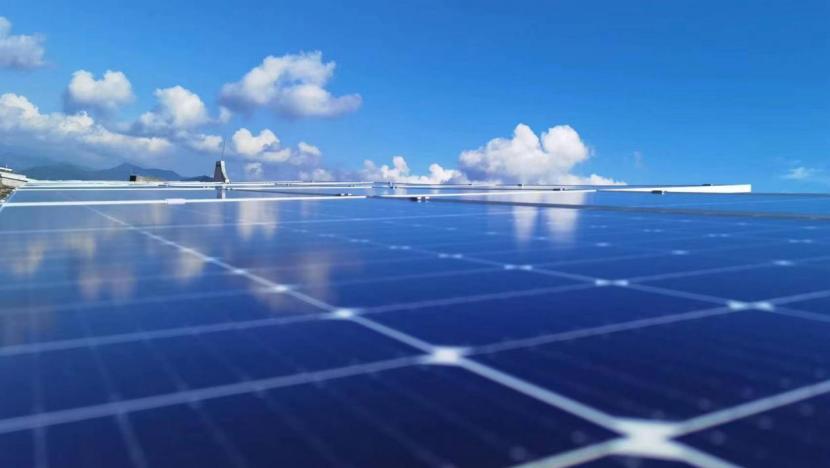
绿色减碳

Search documents
SHEIN以技术创新,驱动传统制造数智化蝶变
Zhong Guo Zheng Quan Bao· 2026-01-08 08:45
Core Insights - SHEIN is driving the digital transformation of traditional garment manufacturing through innovative tools and flexible production capabilities, enhancing efficiency and sustainability in the industry [1][2][3] Group 1: Technological Innovation and Efficiency - By the end of 2025, SHEIN has developed over 180 innovative tools and delivered 7,500 units to suppliers, resulting in an average efficiency improvement of 35% in related processes [1][3] - In the first half of 2023, SHEIN announced a $500 million investment over five years focused on technological innovation, training support, factory expansion, and community services to empower suppliers [2] - SHEIN's new tools have significantly reduced production steps, such as combining three processes into one for women's belts, achieving a 60% efficiency increase [3] Group 2: Sustainability and Low-Carbon Initiatives - SHEIN is committed to low-carbon transformation across the entire supply chain, focusing on product lifecycle management and technological innovation to achieve cost reduction and environmental sustainability [4] - The company has partnered with leading universities and industry players to develop advanced recycling technologies and establish a joint laboratory for high-end fabric upgrades [4] - SHEIN has launched a systematic carbon reduction plan for suppliers, tailoring strategies to different stages of production to enhance economic benefits while minimizing environmental impact [4] Group 3: Training and Human Capital Development - SHEIN has invested over 60 million yuan to assist more than 200 factories in upgrading over 520,000 square meters of facilities, benefiting over 33,000 individuals [5] - The company has conducted nearly 600 training sessions covering various aspects of supplier empowerment, reaching approximately 37,000 suppliers [6] - SHEIN has established a "shared training base" to provide skill training for various job roles, including sewing and pattern making, and has developed a four-part mechanism for talent cultivation [7] Group 4: Community Support and Employee Welfare - SHEIN's "Star Light" project has supported 815 families, alleviating temporary financial pressures for 1,716 students, while the "Children's Home" project has provided free after-school care for over 100,000 children [7] - The company is focused on creating a family-friendly work environment for suppliers' employees, enhancing their sense of belonging and stability [7]
600场赋能培训覆盖供应商3.7万次 SHEIN赋能传统产业数智化跃迁
Zheng Quan Ri Bao Wang· 2026-01-08 08:11
Core Insights - SHEIN is driving the digital transformation of traditional garment manufacturing through technology innovation and flexible production capabilities, with a focus on enhancing supplier empowerment and community service [1][2][3] Group 1: Technology and Innovation - SHEIN plans to invest 500 million yuan over five years to enhance technology innovation, training support, factory expansion, and community services for suppliers [2] - The company has established its first garment manufacturing innovation research center to continuously output flexible supply chain standards [2] - By 2025, SHEIN aims to develop over 180 innovative tools and deliver 7,500 pieces to suppliers, improving process efficiency by an average of 35% [2][3] Group 2: Environmental Initiatives - SHEIN has introduced a systematic supplier carbon reduction plan, providing tailored emission reduction strategies to enhance economic benefits while lowering environmental impact [3] - The company has set science-based carbon targets for net-zero emissions by 2050, validated by the Science Based Targets initiative (SBTi) [2] Group 3: Training and Human Capital Investment - SHEIN has conducted nearly 600 training sessions covering approximately 37,000 suppliers, focusing on operational management, practical business skills, and technical improvements [4][5] - The company has implemented innovative training formats such as "door-to-door teaching" and live-streaming to expand the reach and effectiveness of its training programs [4][5] Group 4: Community and Employee Welfare - SHEIN's "Juxingguang" project has supported 815 families, alleviating temporary economic pressures for 1,716 students [6] - The "Children's Home" project has established 30 facilities providing free after-school care services, benefiting over 100,000 children of supplier employees [6]
600场赋能培训,覆盖供应商3.7万次!SHEIN赋能传统产业数智化跃迁
中国基金报· 2026-01-08 02:14
Core Viewpoint - SHEIN is driving the digital transformation of traditional garment manufacturing through technology innovation, flexible production capabilities, and a series of smart tools, while also investing in supplier training and community support initiatives [2][3]. Group 1: Technology and Innovation - In the first half of 2023, SHEIN announced a five-year investment of 500 million yuan focused on technology innovation, training support, factory expansion, and community services to empower suppliers [3]. - SHEIN established its first garment manufacturing innovation research center to continuously output flexible supply chain standards and has developed over 180 innovative tools, delivering a total of 7,500 units to suppliers by the end of 2025 [3][4]. - The introduction of lean tools has improved process efficiency by an average of 35%, addressing traditional sewing challenges and further supporting the flexible on-demand supply chain model [4]. Group 2: Environmental Sustainability - SHEIN has set science-based carbon targets for net-zero emissions by 2050, focusing on low-carbon transformation across the entire industry chain [6]. - The company collaborates with leading universities and industry partners to develop innovative materials and technologies, including a joint laboratory for high-end fabric upgrades [6][7]. - SHEIN has invested over 60 million yuan to assist more than 200 factories in upgrading their facilities, benefiting over 33,000 individuals [7]. Group 3: Training and Human Capital Development - SHEIN has conducted nearly 600 training sessions covering approximately 37,000 suppliers in 2025, focusing on operational management, practical skills, and technical improvements [9][11]. - The company has implemented innovative training formats such as "door-to-door teaching" and "industry-education evaluation" to enhance skill development among suppliers [8][12]. - SHEIN's community support initiatives, such as the "Star Light" project, have provided assistance to 815 families, while the "Children's Home" project has served over 100,000 children, fostering a family-friendly work environment [12].


闲鱼再亮相联合国气候大会,数字化赋能让减碳成为每个人的日常
Yang Zi Wan Bao Wang· 2025-11-20 10:39
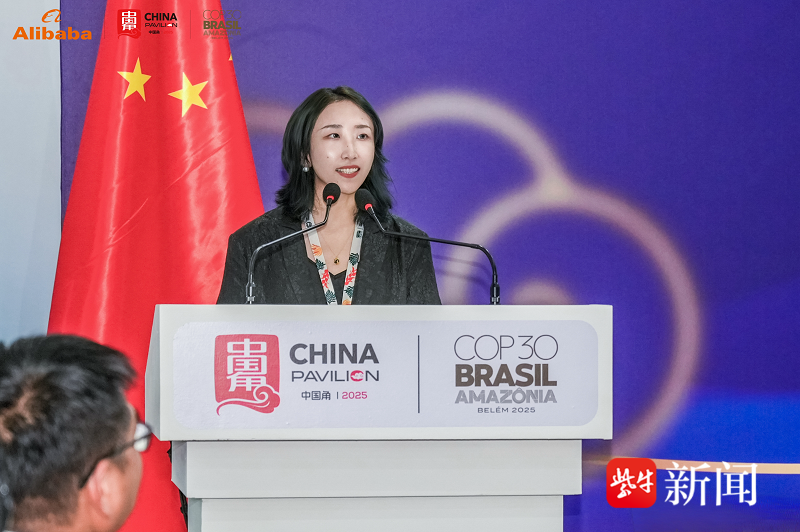
Core Insights - The 30th United Nations Climate Change Conference (COP30) was held in Belém, Brazil, where Xianyu showcased its digital empowerment in the circulation of idle goods, reporting that 7 million idle items are posted daily on its platform, with a 30% year-on-year increase in daily transaction volume [1][3]. Group 1: Digital Empowerment and AI Integration - Xianyu's Public Affairs Director, Tong Shuting, highlighted that approximately two-thirds of global carbon emissions are related to household consumption, making it crucial to reduce carbon emissions on the consumption side. The trading and reuse of idle goods can significantly mitigate resource and energy consumption associated with new product manufacturing [3]. - The integration of AI technology has lowered the barriers for ordinary people to participate in idle trading, with features like AI publishing and AI intelligent management addressing sellers' concerns about posting items and managing sales. AI tools such as "AI Smart Search" and "AI Market Trends" alleviate buyers' worries about selection and pricing [3]. - The AI capabilities have led to a 10% increase in the sales of newly listed items on the same day, enhancing the efficiency of idle goods transactions by addressing the non-standardization of items and the non-professionalism of both buyers and sellers [3]. Group 2: Sustainable and Engaging Participation Mechanisms - Xianyu has developed a sustainable and engaging green participation mechanism by embedding philanthropy into idle trading. The "Charity Baby" feature allows users to select donation proportions and projects when posting idle items, resulting in over 3.91 million yuan donated from 3.85 million charity items posted by approximately 5.6 million users over two years [4]. - The collaboration with Ant Forest introduced the "Magical Fish Pond," which converts users' green behaviors in idle trading into measurable green energy, generating nearly 1,400 tons of green energy in just two months, equivalent to planting 7,700 saxaul trees [7]. - The "Give Goods Society" initiative, launched in partnership with Alibaba Public Welfare and the China Environmental Protection Foundation, facilitates precise matching of idle goods to those in need, with over 90% of users claiming two or more charitable needs since its launch [7]. Group 3: Long-term Goals and Climate Action - This year marks Xianyu's third participation in the UN Climate Conference, aiming to enable every individual to easily engage in climate action through its "SEED" carbon reduction model and advanced AI technology. The company aspires to help society reduce carbon emissions by 55 million tons by 2030, allowing more people to participate in idle circulation with zero barriers [8].
家电|双11大促活动情况交流
2025-10-22 14:56
Summary of the Conference Call on JD's Double 11 Promotion Industry Overview - The conference call focuses on the home appliance industry, specifically the performance and strategies of JD during the 2025 Double 11 shopping festival [1][2][3]. Key Points and Arguments 1. **Promotion Timeline and Structure** - The 2025 Double 11 event lasts for 37 days, starting from October 9 and ending on November 14, with five phases: Pre-sale, Opening Sale, Special Period, Peak Period, and Re-sale [1][3]. 2. **Sales Performance** - During the first phase, home appliance sales reached 61.9 billion yuan, with large appliances showing slight negative growth while small appliances maintained over 20% growth [1][7]. 3. **Sales Growth in Specific Categories** - The sales of vacuum cleaners totaled 520 million yuan, a 25% year-on-year increase, with top brands being Roborock, Ecovacs, and others [11][22]. 4. **Investment and Subsidy Trends** - Overall subsidies during the Double 11 period increased by 20% month-on-month and 15% year-on-year, with a shift from universal subsidies to limited coupons and incentive subsidies [2][10]. 5. **New Product Launches** - Over 100,000 new SKUs were launched daily during the event, with large appliance stores investing over 50,000 yuan per new SKU [8]. 6. **Marketing Strategies** - JD introduced the "Green Plan" to promote eco-friendly products and combined national subsidies with additional funding for promotional activities [1][5]. 7. **Brand-Specific Performance** - Roborock led the vacuum cleaner market with 210 million yuan in sales, while Ecovacs followed with 140 million yuan [11][12]. 8. **Profit Margins** - Roborock's net profit margin was approximately 6%, down from 8% the previous year, attributed to increased competition and marketing investments [19][20]. 9. **Marketing Expense Ratios** - Roborock's marketing expense ratio reached 36%, significantly higher than the previous year's 28% [14][15]. 10. **Consumer Price Trends** - The average price of vacuum cleaners slightly decreased by 1-2%, reflecting varied pricing strategies among brands [22]. Additional Important Insights - **Competitive Landscape** - JD's pricing strategy for vacuum cleaners is competitive, with the lowest effective prices compared to other platforms [23]. - **Future Promotions** - JD plans to maintain the current timeline for future promotions, avoiding further advancements to prevent market saturation [24]. - **Support for Cleaning Appliances** - JD is implementing various support measures for cleaning appliances, including increased traffic support and exclusive promotional events [25]. This summary encapsulates the essential insights from the conference call regarding JD's strategies and performance during the 2025 Double 11 shopping festival, highlighting key trends, sales data, and competitive positioning within the home appliance industry.


统一石化李嘉:绿色减碳是业绩增值的核心竞争力
Zhong Guo Jing Ying Bao· 2025-09-25 11:23
Core Viewpoint - The CEO of Unification, Li Jia, emphasized that ESG and low-carbon strategies are integral to business growth, showcasing the company's successful transition to low-carbon operations over five years, which has become a new growth driver for the enterprise [2][3]. Group 1: Low-Carbon Strategy Implementation - Unification initiated its low-carbon strategy in 2018, facing challenges such as high initial investment and low customer acceptance, but has since developed a comprehensive low-carbon system covering product development, supply chain, and corporate culture [2][3]. - The company adopted a "0 green premium" strategy, utilizing the 4R1D method (Reduce, Reuse, Recycle, Biodegradable) to enhance product performance while minimizing carbon footprint, including a 70% reduction in plastic usage through innovative packaging [2][4]. - Unification achieved a reduction of 10.2 million tons of carbon emissions in 2024, equivalent to planting 4.64 million trees, and received an AAA ESG rating from Wind, ranking first in the industry [5][7]. Group 2: Environmental Certifications and Innovations - Unification became one of the first companies in China to obtain both ISO 14064 and ISO 14067 certifications, ensuring compliance with environmental standards across all facilities [4]. - The company implemented waste oil re-refining technology, significantly reducing resource consumption and greenhouse gas emissions compared to traditional oil production methods [5]. - Unification's innovative packaging design for its Titanium Energy series significantly decreased plastic usage, promoting ecological awareness among consumers [5]. Group 3: Stakeholder Engagement and Community Building - The company redefined its mission to win the favor of customers, government, shareholders, suppliers, and employees, emphasizing the importance of a collaborative approach to achieving carbon neutrality across the supply chain [6]. - Unification established a "Low-Carbon Supply Chain Alliance" to promote collaborative carbon reduction efforts and engaged employees in low-carbon practices through various initiatives [6][8]. - The integration of ESG principles into corporate governance and employee engagement activities has enhanced the company's reputation and stakeholder support [7][8].

雅本化学20250807
2025-08-07 15:03
Summary of Yabon's Conference Call Company Overview - **Company**: Yabon Chemical - **Industry**: Pharmaceutical and Agrochemical CDMO (Contract Development and Manufacturing Organization) Key Points and Arguments 1. **Strategic Partnerships**: Yabon is implementing a major client strategy by establishing strategic partnerships with leading global pharmaceutical and agrochemical companies, focusing on innovative intermediates and derivative products in pharmaceuticals and agrochemicals [2][3][6] 2. **Business Development Strategy**: The company has adopted a "2 Plus X" business development strategy, emphasizing innovative pharmaceutical and agrochemical CDMO services, while deepening relationships with top global enterprises [3][6][19] 3. **Production Capacity Recovery**: Following the 2019 Jiangsu incident, Yabon has expanded its production capacity through new bases in Fushun, Xiangyang, and the newly built Lanzhou base, successfully restoring and enhancing production capabilities [2][4][5] 4. **International Market Expansion**: Yabon is actively expanding its international market presence, with some raw materials already being supplied to global markets including Australia, South Korea, and Indonesia, with plans to further penetrate North and South America [4][5] 5. **Core Production Bases**: The company operates six core bases and two cooperative factories, with significant R&D capabilities located in Shanghai and Huzhou, and a newly established pilot base in Lanzhou [3][7][14] 6. **New Projects and Capacity**: Yabon plans to launch new projects in its Yancheng and Lanzhou bases, expecting to add 2,000 tons of intermediates and raw materials by 2025 to meet market demands [3][19][21][22] 7. **Collaboration with Major Clients**: Yabon has established a strategic collaboration with Heng Rui Pharmaceutical, focusing on innovative drug development, with plans to support multiple clinical projects [12][13][18] 8. **Challenges and Responses**: The company faces challenges from declining prices of major projects and the need for new projects to ramp up. Yabon is addressing these by optimizing production line layouts and ensuring efficient capacity utilization [25][26] Additional Important Content 1. **Technological Advancements**: Yabon is investing in synthetic biology, fluid chemistry, and green carbon reduction, enhancing its capabilities to support its CDMO business [2][3][6] 2. **Regulatory Compliance**: The company has established bases that comply with GMP standards, including its Malta facility, which is crucial for serving export-oriented clients [8][14] 3. **Future Development Plans**: Yabon aims to build a smart Mega factory within three years, enhancing its large-scale manufacturing capabilities and cost efficiency [19] 4. **Flexibility in Production**: The Lanzhou base offers flexible production capabilities, allowing for co-line production to meet diverse customer needs effectively [24] 5. **Market Adaptation**: Yabon is adapting to market changes by focusing on high-end intermediates and raw materials, ensuring a robust supply chain through strategic partnerships [9][18] This summary encapsulates the essential insights from Yabon's conference call, highlighting the company's strategic direction, operational advancements, and market positioning within the pharmaceutical and agrochemical sectors.

满足多元消费需求,餐饮企业寻找新突破口
Sou Hu Cai Jing· 2025-08-04 14:36
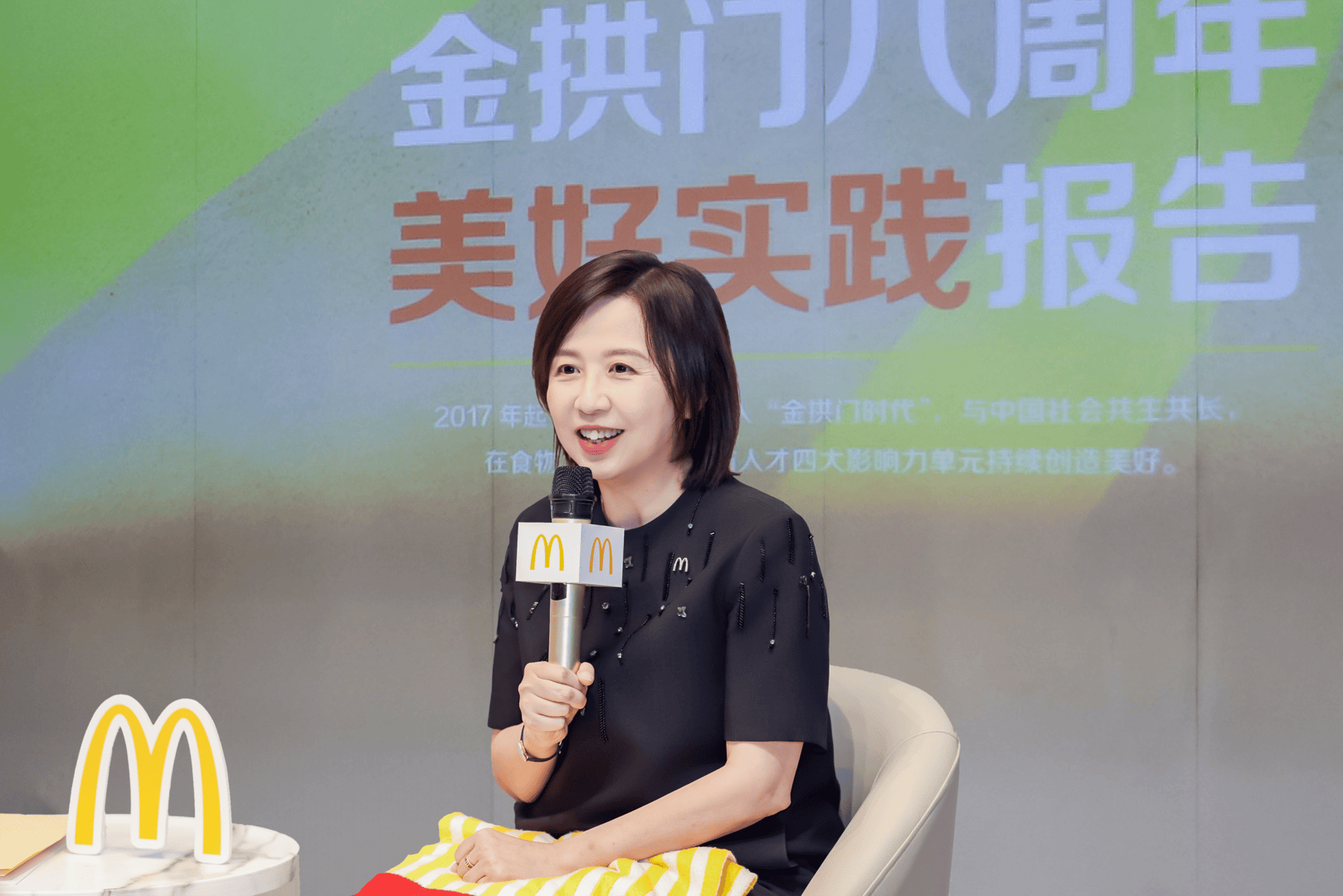
Group 1: McDonald's China - McDonald's China has surpassed 7,100 stores, tripling its presence since 2017, and serves over 1.3 billion customers annually [2][4] - The company emphasizes local sourcing, with over 90% of ingredients procured locally and nearly 60% of suppliers being domestic [4] - McDonald's China aims to reach 10,000 restaurants by 2028, with a focus on expanding into lower-tier cities [6] Group 2: Haidilao - Haidilao has launched its first "Premium Selection" store in Beijing, targeting consumers seeking a refined dining experience with high-quality ingredients [7][9] - The new store features a two-level layout with private rooms and specialized service teams, aiming to enhance the dining experience [9][11] - Haidilao plans to continue its refined layout strategy, introducing various themed restaurants in 2024, including family-friendly and late-night dining options [11]

江苏省南京市红山森林动物园推进节能减排 探索绿色转型 一座动物园的减碳细节(美丽中国)
Ren Min Ri Bao· 2025-07-03 21:43
Core Viewpoint - Jiangsu Nanjing Hongshan Forest Zoo is actively exploring green carbon reduction and striving for low-carbon and sustainable development through various initiatives [1][6]. Waste Management and Recycling - The zoo processes solid waste, including fallen leaves, animal waste, and visitor trash, to produce organic fertilizer, which is used for soil improvement and animal feed [2][3]. - The zoo generates approximately 2 cubic meters of garden waste daily, which is repurposed into animal bedding and organic fertilizer through a fermentation process [2][3]. Water Resource Management - The zoo incorporates water conservation strategies, such as permeable pathways that allow rainwater to infiltrate and replenish groundwater, thereby maintaining soil moisture and supporting local ecosystems [4][5]. - The design of the zoo aims to minimize human intervention and create a natural ecosystem, emphasizing the importance of water in sustaining biodiversity [4][5]. Renewable Energy Initiatives - The zoo has installed solar photovoltaic panels, generating over 80,000 kWh of green electricity annually, which significantly reduces carbon emissions by approximately 60.8 tons [6]. - A "zero-carbon" coffee machine in the zoo utilizes locally sourced ingredients and solar power, demonstrating the zoo's commitment to sustainability [5][6]. Overall Sustainability Goals - The zoo aims to achieve zero waste and promote resource recycling and energy conservation, serving as a model for urban waste management and sustainable practices [6].
服装厂的“节能焕新术”:SHEIN赋能传统制造变绿
3 6 Ke· 2025-06-19 08:10
Core Insights - The article highlights the transformation of traditional textile manufacturing through energy efficiency projects led by SHEIN, showcasing how suppliers are adopting green practices to reduce costs and improve competitiveness [2][13][16] Group 1: Company Transformation - A textile factory in Guangdong has undergone significant changes by participating in SHEIN's energy efficiency project, resulting in over 6 million yuan in economic benefits and a notable decrease in energy consumption [2][4] - The factory's energy-saving measures have led to a 10% energy saving rate, a 16% water saving rate, and an 11% reduction in carbon emissions [7][14] - The introduction of new energy-efficient dyeing machines has reduced energy consumption by 30%-40%, while the installation of rooftop solar panels has generated over 80,000 kWh of electricity, saving more than 40,000 yuan [6][7] Group 2: Industry Trends - The textile and apparel industry is experiencing a shift towards green transformation, with many manufacturers recognizing the importance of energy efficiency in maintaining competitiveness [10][16] - SHEIN's initiatives have led to the implementation of over 650 energy-saving measures across various suppliers, resulting in nearly 100 million yuan in cost savings [14][18] - The collaboration between SHEIN and suppliers emphasizes the integration of digital tools and management innovations to enhance operational efficiency and reduce resource consumption [16][17] Group 3: Future Outlook - SHEIN has set a goal for net-zero emissions by 2050, with approved short-term and long-term science-based reduction targets, indicating a commitment to sustainable practices in the fashion industry [16][18] - The ongoing transformation of traditional manufacturing into a modern, low-carbon industry is seen as a critical step towards achieving broader environmental goals [18]