
通用Agent

Search documents
OpenClaw 之后,2026 年的 AI 硬件该怎么做?
Founder Park· 2026-03-16 11:00
Core Insights - The AI hardware sector has undergone a market selection and "demystification" process by 2025 [2] - The era where financing was possible with just a screen and a microphone has ended [3] - The focus for AI hardware startups has shifted to understanding the role of hardware products in users' lives rather than merely integrating better large models [4] Group 1: OpenClaw and Its Implications - The emergence of OpenClaw has made the question of how to differentiate products through "proactive service scenarios" more urgent and interesting for AI hardware entrepreneurs [5] - A discussion event hosted by Founder Park and Baidu Smart Cloud aims to explore how AI hardware should evolve post-OpenClaw and what the 2026 window of opportunity looks like [5] Group 2: Event Details and Topics - The event will cover topics such as paradigm reconstruction from "functional devices" to "proactive intelligent agents," practical reviews of the 2025 commercialization path, and who will control the "OS" of AI hardware [12] - The event is scheduled for March 28, 2026, in Shenzhen, with specific location details to be provided upon registration approval [11][7]


2026年1月的李想对AI进步速度的预期与Anthropic的CEO类似
理想TOP2· 2026-02-01 11:30
Core Viewpoint - The core viewpoint of the article is that Li Xiang's expectations regarding the speed of AI advancements are similar to those of Dario Amodei, CEO of Anthropic, suggesting a significant shift in resource allocation and execution for the company [1][2]. AI Progress Expectations - Li Xiang believes that the challenges faced by humanoid robots today are akin to those encountered by Manus in February 2025, indicating that while the iteration speed of robots may be slightly slower than software, the rate of progress will exceed expectations [4][5]. - Dario Amodei posits that powerful AI could emerge within 1-2 years, although it may also take considerably longer [7][8]. Implications for Company Strategy - The article emphasizes the urgency for the company to initiate the development of humanoid robots, warning that failure to act promptly may result in missing the last opportunity to capitalize on this emerging market [5]. - Li Xiang's focus has shifted entirely to embodied intelligence, indicating a strategic pivot towards developing advanced humanoid vehicles [1][5]. Reference to Dario Amodei's Insights - Dario Amodei's recent achievements and insights are highlighted as valuable references for understanding the potential trajectory of AI development [11]. - The article mentions that Amodei's perspective on AI aligns closely with Li Xiang's, reinforcing the notion that significant advancements could occur within a short timeframe, directly influencing the company's research and development strategies [10][21]. Anthropic's Growth and Market Position - Anthropic's annualized revenue surged from approximately $1 billion at the beginning of 2025 to $5 billion by August, marking a fivefold increase within eight months, with projections to reach $9 billion by the end of 2025 [13]. - Claude Code, Anthropic's AI programming assistant, is evolving into a critical infrastructure for developers, indicating a strong market position and adoption among software companies, particularly in regulated industries [12][18]. Comparison with Competitors - The article notes that Claude Code users are predominantly software companies, with a significant inclination towards regulated sectors such as financial services and healthcare, highlighting its competitive edge over other AI tools like ChatGPT [19][20]. - The architecture of Claude Code, which allows for persistent state management and direct interaction with the terminal, sets it apart from traditional programming assistants, enhancing its usability and effectiveness for developers [16][17].


不管能不能成, 都绝对不能再把理想当车企了
理想TOP2· 2026-01-29 07:30
Core Viewpoint - The founder, Li Xiang, is determined to focus on the development of silicon-based drivers and household robots, aiming for mass production rather than just prototypes. The organizational structure required for silicon-based life differs significantly from traditional automotive companies [1]. Group 1: Organizational Changes and Strategy - By January 2026, both established giants and new AI companies will have similar organizational structures, integrating teams for collaborative design of silicon-based life components such as perception, brain, heart, software, and hardware. This marks a fundamental shift from past software and hardware development methods [2]. - Li Xiang emphasizes the urgency of starting the development of humanoid robots for household tasks, indicating that failure to act promptly could result in missing critical early opportunities. Teams focused on space and humanoid robots are now actively recruiting top talent [2]. Group 2: Challenges and Opportunities in Robotics - Li Xiang identifies current challenges in robotics as akin to the difficulties faced in developing general agents discussed in early 2025. The iteration speed of robots may be slower than software, but advancements will occur more rapidly than anticipated [3]. - The success of Li Xiang's vision for silicon-based robots hinges on his learning ability, iteration speed, and judgment quality, with other factors being secondary [3]. Group 3: Key Anchors for Success - The first key anchor is the accuracy of future technology deployment judgments. Li Xiang's strong belief in the urgency of addressing current robotic challenges is based on his assessment of the situation, which could lead to significant resource allocation consequences depending on its correctness [4]. - The second key anchor involves the ability to effectively organize and recruit suitable graduates aligned with Li Xiang's vision. The consensus in the AI industry is that recruiting the right talent is crucial for success [5][6]. Group 4: Financial Considerations - Financial issues will resolve themselves if market-accepted silicon-based drivers and household robots are developed, as the business model relies on receiving payments before delivering products. The company's financial strength is sufficient for establishing production facilities in China [7].
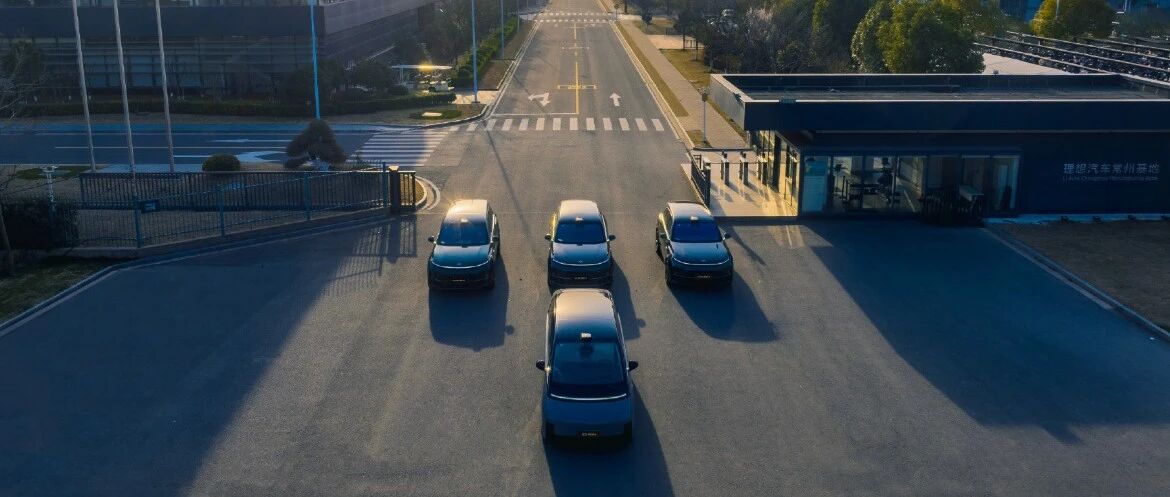
郎咸朋将成为理想硬件本体负责人, 不再负责自动驾驶
理想TOP2· 2026-01-28 15:02
Core Viewpoint - Li Auto is restructuring its R&D system into three main teams: Base Model Team, Software Entity Team, and Hardware Entity Team, aiming for a more integrated approach to AI and robotics development [1][2]. Group 1: R&D Structure Changes - The restructuring involves appointing Lang Xianpeng as the head of the Hardware Entity Team, focusing on robotics development, reporting to President Ma Donghui, and no longer overseeing autonomous driving [1]. - The autonomous driving team will be merged into the Software Entity Team, led by Guo Xiaofei, who will also report to Ma Donghui and oversee smart cockpit and intelligent driving R&D [1]. - Zhan Kun will lead the Base Model Team, responsible for integrating VLA and self-developed chips, reporting to CTO Xie Yan [1]. Group 2: Future AI and Robotics Vision - By January 2026, the organization of AI companies will evolve to integrate teams for joint design, fundamentally changing the approach to software and hardware development compared to the internet era [2]. - There will be a need for an Infra team to ensure sufficient computing power and data stability, akin to the cloud-based heart of silicon-based life [2]. - The formation of a Software Entity Team will occur by the second half of 2025, with a focus on creating a complete toolchain and SaaS capabilities for model execution in the digital world [2]. Group 3: System-Level AI Development - Li Auto aims to create a system-level general agent that requires base model capabilities and an ecosystem to effectively serve users [5]. - The development of embodied intelligence will necessitate local inference chips to ensure safety during disconnection, paralleling the human brain's design [5]. - The competition in embodied intelligence is likened to an evolutionary race, where a perfect balance of brain, senses, and limbs is crucial for survival [5].

开源证券:国际大厂拉开“云涨价”序幕 重视AI基建产业链
智通财经网· 2026-01-28 08:55
Core Viewpoint - AWS and Google Cloud have initiated price increases for their cloud services, indicating strong downstream demand for computing power, which may lead domestic cloud providers to follow suit [1][2]. Group 1: Price Increases - AWS has raised its EC2 machine learning capacity block prices by approximately 15%, with the p5e.48xlarge instance's hourly cost increasing from $34.61 to $39.80 [1]. - Google Cloud has announced a price adjustment for data transfer methods effective May 1, 2026, with North America seeing a price increase from $0.04 to $0.08 per GB, while Europe and Asia also experience increases [2]. Group 2: Demand for Computing Power - The price hikes are attributed to recent increases in CPU and storage costs, alongside a surge in computing power demand driven by complex task execution by agents [2]. - Clawdbot, an open-source project, has gained significant attention and is expected to further increase demand for computing power due to its ability to execute complex tasks continuously [3]. Group 3: Development of General-purpose Agents - Domestic model manufacturers are actively developing general-purpose agents, with Kimi releasing the K2.5 model that enhances capabilities in everyday office software [4]. - Alibaba's Qianwen app has integrated various services, evolving into an entry point for AI-driven tasks within the Alibaba ecosystem, reflecting a trend towards multi-agent collaboration [4]. Group 4: Investment Recommendations - Recommended stocks include Deepin Technology (300454.SZ) and other beneficiaries such as Parallel Technology (920493.BJ), Qcloud Technology-U (688316.SH), and others in the cloud computing sector [5].

计算机行业点评报告:AWS和谷歌拉开“云涨价”序幕,重视AI基建产业链
KAIYUAN SECURITIES· 2026-01-28 07:12
Investment Rating - The industry investment rating is "Overweight" (maintained) [1] Core Insights - AWS and Google have initiated a price increase in cloud services, which is expected to be followed by domestic cloud vendors. This price adjustment reflects strong downstream demand for computing power due to rising costs of CPUs and storage, as well as increased computational needs from complex task execution by AI agents [4][7] - The open-source project Clawdbot has gained significant attention in the tech community, indicating a growing demand for general AI agents that can operate continuously and handle complex tasks, thereby increasing the need for computing power [5][7] - Domestic model vendors are actively developing general-purpose AI agents, which is anticipated to lead to breakthroughs in productivity tools and daily life assistance [6][7] Summary by Sections Cloud Pricing Trends - AWS has raised its EC2 machine learning capacity block prices by approximately 15%, with specific instance costs increasing from $34.61 to $39.80 per hour [4] - Google Cloud will adjust its data transmission prices starting May 1, 2026, with North America seeing a price increase from $0.04 to $0.08 per GB [4] AI Agent Development - Clawdbot, created by PSPDFKit founder Peter Steinberger, has received over 65,800 stars on GitHub since its launch in late 2025, showcasing its compatibility with multiple operating systems and productivity tools [5] - Kimi has released the K2.5 model, enhancing its agent capabilities for everyday office software, while Alibaba's Qianwen app has integrated various services to function as an AI shopping assistant [6] Investment Recommendations - The report suggests focusing on the AI infrastructure supply chain, with key recommendations including companies like Deepin Technology, Parallel Technology, Qingyun Technology, and others that are expected to benefit from the rising demand for computing power [7]
理想汽车召开全员会 从汽车制造商向具身智能企业转型
Zhong Zheng Wang· 2026-01-27 11:12
Core Viewpoint - The company is transitioning from a traditional automotive manufacturer to a focus on embodied intelligence, emphasizing the development of humanoid robots and general-purpose agents as part of its strategic upgrade [1][3] Group 1: Strategic Shift - The CEO outlined a strategic shift from "creating a mobile home" to focusing on embodied intelligence, with a core emphasis on silicon-based life forms [1] - The company plans to restructure its R&D teams into three main segments: foundational models, software entities, and hardware entities, integrating automotive and robotics under the hardware team [1] Group 2: R&D Focus - Since 2022, the company has been developing reasoning chips and operating systems, and it initiated foundational model research in 2023, aiming to enhance its self-research capabilities [1] - The company aims to deepen its self-research in core components like batteries and motors while building a general-purpose agent ecosystem for seamless integration between mobile applications and vehicle systems [1] Group 3: Industry Insights - The CEO identified four paths for general-purpose agent development, focusing on improving life scenarios through autonomous driving, humanoid robots, and home services [2] - The company plans to accelerate its humanoid robot business and will initiate specialized recruitment to attract core talent in the robotics field [2] Group 4: Market Positioning - The strategic upgrade signifies a formal transition from an automotive manufacturer to an embodied intelligence enterprise, leveraging its advantages in family user scenarios for autonomous driving and home robotics [3] - The effectiveness of organizational changes and technological collaboration will require time to validate, and the progress of this transformation will provide important insights for the competitive landscape of the electric vehicle industry [3]
2026年1月的李想对AI与Agent的理解
理想TOP2· 2026-01-26 17:04
Core Viewpoint - By January 2026, both existing giants and new AI companies will have fundamentally changed their organizational structures, integrating teams for collaborative design of silicon-based life systems, marking a departure from traditional software and hardware development methods [1] Group 1: Organizational Changes - Teams will be consolidated to ensure sufficient computing power and data stability, akin to the cloud heart of silicon-based life [1] - A base model team will emerge, focusing on multi-modal capabilities for video and audio, similar to the brain of silicon-based life [1] - There will be a significant recruitment of researchers, primarily fresh graduates, to support pre-training and post-training processes [1] Group 2: Model Training and Development - Many application and agent teams are making two critical errors in post-training: using small models to assist main models without adjusting main model parameters, and selecting main model parameters based on specific needs, which can degrade model performance [3] - Base models should be iterated at least weekly, while agent models should be updated daily to keep pace with development [4] Group 3: AI Product Insights - The article highlights three notable AI products from 2025: Claude Code, Manus, and Doubao phone, each representing different approaches to universal agents [6][8][10] - Claude Code operates through a command-line interface, allowing it to call existing tools and create new ones, demonstrating a proactive approach to problem-solving [7] - Manus, defined as a universal agent, has successfully integrated browser and tool functionalities, while Doubao phone offers a system-level universal agent with user-friendly interaction [8][9] Group 4: Future Directions and Competitive Landscape - The competition in embodied intelligence requires local inference chips for safety during disconnection, emphasizing the need for a redesigned perception system [12] - The mission of the company is to be proactive and change the world, focusing on creating silicon-based humans rather than just mobile homes [13] - Over the next five years, while the digital world may see slight advantages in the U.S., Chinese companies are expected to outperform in embodied intelligence [14]

中金-AI智道:通用Agent持续迭代,大模型应用的“必争之地”
中金· 2026-01-26 02:49
Investment Rating - The report suggests that the general Agent will continue to be a competitive focus for major model manufacturers in 2026, indicating a positive investment outlook for Agent-related applications and ecosystem opportunities [5]. Core Insights - The competition in the general Agent field is intensifying among leading model manufacturers, with new iterations of Agent applications being released by companies like Anthropic, ByteDance, and Alibaba [3][4]. - The transition from ChatBot to Agent as the primary entry point for general model applications is underway, driven by advancements in core capabilities such as coding and Agentic functions [23]. - The report highlights that the next generation of Agent products will likely follow the aggressive path set by Anthropic's Claude Cowork, which integrates user file permissions for more direct interaction [12][13]. Summary by Sections Industry Dynamics - In early 2026, major players like Anthropic, ByteDance, and Alibaba have launched new iterations of general Agent applications, focusing on desktop environments as the new product definition [3]. - Anthropic's Claude Cowork, released on January 12, 2026, is designed as a desktop work Agent for non-programmers, allowing for direct file operations on users' computers [4][8]. Product Developments - Claude Cowork enhances user interaction by allowing direct access to local files, enabling tasks such as reading, writing, and organizing files without manual uploads [9]. - Domestic companies are also iterating their Agent products, with Alibaba's Qianwen and ByteDance's Coze 2.0 updates enhancing their respective ecosystems and productivity platforms [13]. Valuation and Recommendations - The report emphasizes the importance of monitoring the evolution of Agent products and the related application ecosystem, as well as the increasing computational demands associated with these advancements [5][25]. - The anticipated growth in the Agent sector is expected to create significant investment opportunities, particularly in vertical industries with accumulated data and customer bases [25].

Claude Cowork 正式发布,CPU 需求加速增长
GUOTAI HAITONG SECURITIES· 2026-01-23 00:25
Investment Rating - The report assigns an "Accumulate" rating for the industry, indicating a potential upside of over 15% relative to the CSI 300 index [2][13]. Core Insights - The official release of Claude Cowork is expected to significantly lower the programming barrier for ordinary users, accelerating the adoption of general-purpose agents. This development is projected to drive an increase in CPU demand as these agents require more processing power [4][6]. - According to the report, the CPU will bear a heavier workload in agent tasks, with CPU processing time accounting for up to 90.6% of total latency during agent tool processing. This shift is anticipated to lead to a rapid growth in CPU demand as the deployment of agents accelerates [6][8]. Summary by Sections - **Investment Recommendations**: The report highlights Claude Cowork's launch as a catalyst for increased CPU demand, recommending stocks such as Haiguang Information and mentioning related companies like Loongson Technology and China Great Wall [6][8]. - **Market Context**: The report notes that the general-purpose agent era is likely to drive a significant increase in CPU orders from cloud vendors, reflecting a positive outlook for the CPU market [6][8]. - **Valuation Table**: The report includes a valuation table for recommended stocks, with Haiguang Information (688041.SH) having a closing price of 288.11 yuan and projected EPS of 1.34 yuan for 2025, with a PE ratio of 215.01 for 2025E [7].
