钢铁行业转型

Search documents
盛龙股份(001257):坐拥上游资源储量优势,技改扩能+深加工延链蓄力
Shenwan Hongyuan Securities· 2026-03-16 05:26
Investment Rating - The investment rating for the company is positioned at 2.25 points, placing it in the 30.5% percentile of the AHP model, indicating a mid-to-upper tier status within the industry [4][9]. Core Insights - The company holds the largest single molybdenum mine in China, with a significant resource advantage and plans for capacity expansion and deep processing to strengthen its market position [4][10]. - The scarcity of resources is increasingly evident, with an expected rise in demand for molybdenum driven by the upgrade of special steel [4][12]. - The company is actively extending its industrial chain, aiming to establish a complete production chain from mining to deep processing, which is expected to enhance its competitive edge [4][12]. Summary by Sections 1. AHP Score and Expected Allocation Ratio - The company achieved an AHP score of 2.25, ranking in the 30.5% percentile, with expected allocation ratios for offline investors set at 0.0126% and 0.0118% for classes A and B, respectively [9][10]. 2. Fundamental Highlights and Features 2.1 Leading Molybdenum Reserves and Capacity - The company possesses 71.05 million tons of molybdenum metal, accounting for 9.10% of national reserves, and ranks fourth in domestic molybdenum concentrate production [10][12]. - The main mine, Nanni Lake, is the largest operational molybdenum mine in China, with plans to increase processing capacity to 55,000 tons per day [10][11]. 2.2 Increasing Resource Scarcity and Demand from Special Steel - Global molybdenum supply is tightening, with projected shortages of 36,400 tons and 44,300 tons in 2025 and 2026, respectively [12][16]. - The transition of the steel industry towards special steel is expected to increase molybdenum demand, with a 5.03% year-on-year growth in domestic molybdenum steel bidding volumes [12][19]. 3. Comparable Company Financial Metrics 3.1 Earnings Growth Potential - The company is projected to achieve a revenue CAGR of 22.40% and a net profit CAGR of 48.35% from 2022 to 2024, benefiting from capacity release and rising molybdenum prices [22][23]. 3.2 Profitability Compared to Peers - The company maintains higher profit margins than comparable firms, with sales gross margins of 49.14% to 59.84% from 2022 to 2025H1, primarily due to lower operational costs [25][27]. 3.3 Improving Cash Flow Quality and Debt Levels - The cash collection ratio has improved steadily, reaching 1.00 in 2025H1, while the debt-to-asset ratio has decreased from 49.46% in 2022 to 31.35% in 2025H1 [29][30]. 3.4 Low Turnover Ratios - The company's total asset turnover ratio was 0.40 to 0.62 times from 2022 to 2025H1, indicating lower efficiency compared to peers [31][32]. 3.5 Increasing R&D Investment - R&D expenses as a percentage of revenue have been consistently above industry averages, reflecting the company's commitment to innovation and technology development [34][38]. 4. Fundraising Projects and Development Vision - The company plans to raise funds for the An'gou molybdenum multi-metal mining project and a mining technology R&D center, with total investments of 1.725 billion yuan and 1.530 billion yuan, respectively [36][39].
Algoma Steel (ASTL) - 2025 Q4 - Earnings Call Transcript
2026-03-12 16:02
Financial Data and Key Metrics Changes - The fourth quarter results included an Adjusted EBITDA loss of CAD 95.2 million, reflecting an Adjusted EBITDA margin of -20.9% and cash used in operating activities of CAD 3 million [14][15] - For the full year 2025, Adjusted EBITDA was a loss of CAD 261.4 million, representing an adjusted EBITDA margin of -12.5%, compared to a gain of CAD 22.4 million and a margin of 0.9% in 2024 [19] - The company finished the quarter with CAD 77 million in cash, CAD 195 million available under the revolving credit facility, and CAD 417 million under the Large Enterprise Tariff Loan facility [15] Business Line Data and Key Metrics Changes - Shipments in the fourth quarter were 378,000 net tons, down 31% year-over-year, largely due to the impact of U.S. tariffs [15] - For the full year 2025, total shipments were 1.7 million net tons, compared to 2 million net tons in 2024 [18] - Net sales realizations averaged CAD 1,080 per ton for the full year, down from CAD 1,107 per ton in the prior year, reflecting softer market conditions [19] Market Data and Key Metrics Changes - Shipments to the U.S. were approximately 30% lower than the average U.S. sales over the previous three quarters as the company began its exit from the U.S. market [9] - Plate pricing continued to enjoy a significant premium relative to hot-rolled coil, driven by resilient demand, while sheet pricing was reported to be 40% lower than the index [16][37] - The Canadian dollar strengthened approximately 5% over the course of 2025, impacting financial results [14] Company Strategy and Development Direction - The company is pivoting its commercial strategy towards the Canadian market, exiting blast furnace and coke oven operations, and focusing on high-value products [7][12] - A binding MoU with Hanwha Ocean Co., Ltd. was announced, with a potential value of CAD 250 million, indicating a strategic repositioning towards defense and industrial supply chains [11] - The company aims to evolve from a cross-border commodity producer to a Canadian-focused steel supplier, optimizing for margin quality rather than volume [12] Management's Comments on Operating Environment and Future Outlook - The management acknowledged that 2025 was the most challenging year for Canadian steel producers due to the 50% U.S. Section 232 tariff, which dismantled the cross-border business model [21] - The company is committed to exploring product diversification initiatives to support Canadian industrial policy and has implemented mitigation programs for affected employees [22] - The foundation for long-term value creation is in place, with confidence in the company's direction moving forward [24] Other Important Information - The company absorbed CAD 225 million in direct tariff costs for the full year, which are considered a structural shift rather than cyclical headwinds [9] - Accelerated depreciation of blast furnace and basic oxygen steelmaking assets was captured in the cost of sales during the quarter [17] Q&A Session Summary Question: What are the expectations for full year shipments and their split between plate and sheet? - The company expects total shipments between 1 and 1.2 million tons for the year, with a mix of roughly 50/50 between plate and sheet [27][28] Question: How exposed are energy costs to the current spot market? - The company generates power from its own natural gas-fired power plant and consumes power from the grid, which is subject to Ontario's spot rate pricing [29] Question: What is the current status of plate pricing in Canada? - Plate pricing is holding up better than sheet pricing, with government measures helping to stabilize the market [36][37] Question: What are the expected milestones for the beam mill project? - The company is working on engineering, cost estimates, and timelines for the beam mill project, with a focus on supporting the Canadian market [39][40] Question: What is the expected CapEx for the full year? - The company does not expect any change in the total project budget for the EAF, with sustaining CapEx expected to be around CAD 80 million a year [42] Question: How is the scrap supply situation? - The scrap availability and supply are progressing well, with the joint venture working effectively [43]

Algoma Steel (ASTL) - 2025 Q4 - Earnings Call Transcript
2026-03-12 16:00
Financial Data and Key Metrics Changes - The fourth quarter Adjusted EBITDA was a loss of CAD 95.2 million, reflecting an Adjusted EBITDA margin of -20.9% and cash used in operating activities of CAD 3 million [13][14] - For the full year 2025, Adjusted EBITDA was a loss of CAD 261.4 million, representing an adjusted EBITDA margin of -12.5%, compared to a gain of CAD 22.4 million and a margin of 0.9% in 2024 [18] - The company finished the quarter with CAD 77 million in cash and CAD 195 million available under its revolving credit facility [14] Business Line Data and Key Metrics Changes - Shipments in the fourth quarter were 378,000 net tons, down 31% year-over-year, primarily due to the impact of U.S. tariffs [14][15] - For the full year, total shipments were 1.7 million net tons, compared to 2 million net tons in 2024 [17] - Net sales realizations averaged CAD 1,080 per ton for the full year, down from CAD 1,107 per ton in the prior year [17] Market Data and Key Metrics Changes - The Canadian dollar strengthened approximately 5% over 2025, moving from CAD 1.44 per USD at year-end 2024 to CAD 1.37 at December 31, 2025 [12] - Plate pricing remained resilient, with a premium over hot-rolled coil, while sheet pricing was approximately 40% lower than the index [36] Company Strategy and Development Direction - The company is pivoting its commercial strategy towards the Canadian market, exiting blast furnace and coke oven operations, and focusing on high-value products [6][11] - A binding MoU with Hanwha Ocean Co., Ltd. was announced, with a potential value of CAD 250 million, indicating a strategic shift towards defense and industrial supply chains [10][11] - The company aims to optimize for margin quality rather than volume, reducing exposure to tariff-distorted global markets [11] Management's Comments on Operating Environment and Future Outlook - The management acknowledged 2025 as a challenging year due to the 50% U.S. Section 232 tariff, which fundamentally altered the business model for Canadian steel producers [20] - The company is committed to exploring product diversification initiatives and applauded government measures to support the Canadian steel industry [22][23] - Management expressed confidence in the company's direction and the foundation for long-term value creation [24] Other Important Information - The company absorbed CAD 225 million in direct tariff costs for the full year, reflecting a structural shift in the industry [8] - Accelerated depreciation and stranded inventory costs were captured in the cost of sales during the quarter [16] Q&A Session Summary Question: What are the expectations for full year shipments? - The company expects total shipments between 1 and 1.2 million tons for the year, with a ramp-up in capacity at EAF [26] Question: What is the expected mix between plate and sheet? - The mix is anticipated to be roughly 50/50 between plate and sheet products [28] Question: How exposed are energy costs to the current spot market? - The company generates power from its own natural gas-fired power plant and consumes power from the grid, which is subject to Ontario's spot rate pricing [29] Question: What is the current status of plate pricing in Canada? - Plate pricing is holding up better than sheet pricing, with government initiatives helping to stabilize the market [36] Question: What are the critical milestones for the beam mill project? - The company is working on engineering, cost estimates, and timelines for the beam mill project, with demand in Canada exceeding supply [40] Question: What is the expected CapEx for the full year? - The company does not expect any change in the total project budget for the EAF, with sustaining CapEx expected to be around CAD 80 million a year [42]
马钢股份发预亏,预计2025年度归母净亏损1.90亿元至2.50亿元
Zhi Tong Cai Jing· 2026-01-29 11:35
Core Viewpoint - Maanshan Iron & Steel Company (600808.SH) announced a projected net loss for 2025, estimating a loss of RMB 2.50 billion to RMB 1.90 billion, which represents a reduction in losses of approximately RMB 44.09 billion to 44.69 billion compared to the previous year [1] Industry Summary - The domestic steel industry is continuing its trend of reducing output and restructuring, facing severe operational challenges due to ongoing supply-demand imbalances, pressure on steel prices, and fluctuations in raw material costs [1] - The company is committed to its "Four Have" operational principles and is actively pursuing institutional reforms and collaborative efficiency improvements [1] - The company aims to optimize its product structure and increase the proportion of high-end products to enhance operational capabilities and production line efficiency [1] Company Summary - With the support of Baosteel (600019), Maanshan Iron & Steel has achieved stable improvements in its iron-making system and enhanced quality and efficiency in its steel rolling system [1] - The company has implemented a differentiated management approach under the operational guideline of "low cost, differentiation, high efficiency, and fast pace," leading to significant improvements in cost competitiveness [1] - Despite a substantial improvement in annual operating performance, with a reduction in net losses of approximately RMB 44.09 billion to 44.69 billion year-on-year, the company has not yet achieved profitability due to market fluctuations in the fourth quarter and the transitional phase of its development [1]

螺纹日报:震荡整理-20260114
Guan Tong Qi Huo· 2026-01-14 11:06
Report Industry Investment Rating - The report maintains a cautiously bullish outlook on the rebar market, suggesting that buying on dips is relatively safe [5]. Report's Core View - Currently, the seasonal decline in rebar demand is evident, but there is potential for demand to be boosted by the warming sentiment of winter storage. Production continues to rise but remains relatively low compared to recent years. Anti - involution policies are expected to shrink production capacity, providing downside support. Inventory has started to accumulate but is at a relatively low level with limited pressure. In January, the market enters the inventory accumulation cycle, and the subsequent inventory accumulation situation needs attention. The raw material cost is relatively strong, with coke enterprises resisting price cuts. The real estate demand continues to decline, limiting the upside potential, but infrastructure demand may have some resilience. In the short term, attention should be paid to the support around the 10 - day moving average [5]. Summary by Relevant Catalogs Market行情回顾 - Futures price: On Wednesday, the rebar main contract increased its open interest by 3,518 lots, with a lower trading volume than the previous trading day (764,719 lots). The price fluctuated throughout the day, briefly rising above the 5 - day, 10 - day, and 20 - day moving averages, with a low of 3,152 yuan/ton, a high of 3,175 yuan/ton, and a closing price of 3,162 yuan/ton, up 1 yuan/ton or 0.03% [1]. - Spot price: The mainstream spot price of HRB400E 20mm rebar remained stable at 3,300 yuan/ton compared to the previous trading day [1]. - Basis: The futures price was at a discount of 138 yuan/ton to the spot price. The relatively large basis provided some support, and winter storage in the futures market was considered cost - effective [1]. Fundamental Data Supply - demand situation - Supply side: As of the week ending January 8, rebar production increased by 28,200 tons week - on - week to 1.9104 million tons, rising for four consecutive weeks, but was 83,700 tons lower year - on - year. The blast furnace operating rate of 247 surveyed steel mills was 79.31%, up 0.37 percentage points week - on - week and 2.13 percentage points year - on - year. The blast furnace iron - making capacity utilization rate was 86.04%, up 0.78 percentage points week - on - week and 1.80 percentage points year - on - year. The steel mill profitability rate was 37.66%, down 0.44 percentage points week - on - week and 12.99 percentage points year - on - year. The daily average hot metal production was 2.295 million tons, up 20,700 tons week - on - week. Although production continued to rise, the weekly production of rebar was still low compared to recent years [2]. - Demand side: The off - season effect deepened, and winter storage was cautious. As of the week ending January 8, the apparent consumption decreased by 254,800 tons week - on - week to 1.7496 million tons and was 150,900 tons lower year - on - year. Construction in the north had stopped, and projects in the south were nearing completion. The apparent consumption had declined for three consecutive weeks. Future focus should be on the start of winter storage demand [2]. - Inventory side: Inventory began to accumulate. As of the week ending January 8, the total inventory increased by 160,800 tons week - on - week to 4.3811 million tons, starting to build up after nine consecutive weeks of depletion. The social inventory was 2.9018 million tons, up 75,200 tons week - on - week but still at a low level in recent years, and the steel mill inventory was 1.4793 million tons, up 85,600 tons. The accumulation of social inventory indicated weak downstream demand, and future inventory accumulation should be monitored [3][4]. Macroeconomic situation - The central economic meeting proposed to use reserve requirement ratio cuts and interest rate cuts flexibly and efficiently to maintain sufficient liquidity and smooth the monetary policy transmission mechanism. Efforts will be made to stabilize the real estate market, control new supply, reduce inventory, and optimize supply according to local conditions. There are also incentives to acquire existing commercial housing for affordable housing. The Federal Reserve cut interest rates by 25 basis points in December as expected. The macroeconomic outlook is moderately positive. The 14th Five - Year Plan provides a transformation path for the steel industry, emphasizing "controlling production capacity, optimizing structure, promoting transformation, and improving quality." Although the incremental demand is relatively limited from a macro perspective, the loose policy cycle provides some support, and the upper limit of demand determines the pressure [4]. Driving Factor Analysis - Bullish factors: Inventory at a three - year low, supply - side anti - involution production cuts, strict production capacity control, policy support for demand, marginal improvement in post - holiday demand, and a loose macroeconomic outlook [5]. - Bearish factors: Excessive inventory accumulation after the Spring Festival, slower inventory depletion, accelerated blast furnace restart, cautious winter storage demand, continuous decline in real estate demand, restricted exports, and weak economic recovery [5].
螺纹日报:震荡整理-20260113
Guan Tong Qi Huo· 2026-01-13 11:11
Report Industry Investment Rating - The report maintains a cautiously bullish outlook on the rebar market and suggests that buying on dips is relatively safe [5] Core Viewpoints of the Report - The current demand for rebar is seasonally weak, but attention should be paid to the potential increase in demand driven by the warming up of winter storage sentiment. Production continues to rise but is relatively low compared to recent years. The anti - involution policy is expected to shrink production capacity, providing support at the bottom. Inventory has started to accumulate but is at a relatively low level with limited pressure. In January, it enters the inventory accumulation cycle, and subsequent inventory accumulation should be monitored. The raw material cost is strong, and the real estate demand is in a downward cycle with limited incremental demand, restricting the upside. However, infrastructure demand may have some resilience. In the short term, attention should be paid to the support around the 10 - day moving average, and a cautiously bullish approach should be maintained [5] Summary by Relevant Catalogs Market行情回顾 - Futures price: The rebar main contract reduced its open interest by 38,760 lots on Tuesday, with lower trading volume than the previous trading day. The trading volume was 837,879 lots. It fluctuated and consolidated throughout the day, briefly falling below the 5 - day moving average but remaining above the 10 - day and 20 - day moving averages. The lowest price was 3,150 yuan/ton, the highest was 3,173 yuan/ton, and it closed at 3,158 yuan/ton, unchanged from the previous day [1] - Spot price: The mainstream spot price of HRB400E 20mm rebar was 3,310 yuan/ton, remaining stable compared to the previous trading day [1] - Basis: The futures price was at a discount of 152 yuan/ton to the spot price. The large basis provided some support, and winter storage on the futures market was cost - effective [1] Fundamental Data Supply - demand situation - Supply side: As of the week ending January 8, rebar production increased by 28,200 tons to 1.9104 million tons week - on - week, rising for four consecutive weeks. It was 83,700 tons lower than the same period last year. The blast furnace operating rate of 247 surveyed steel mills was 79.31%, up 0.37 percentage points week - on - week and 2.13 percentage points year - on - year. The blast furnace iron - making capacity utilization rate was 86.04%, up 0.78 percentage points week - on - week and 1.80 percentage points year - on - year. The steel mill profitability rate was 37.66%, down 0.44 percentage points week - on - week and 12.99 percentage points year - on - year. The daily average hot metal output was 2.295 million tons, up 20,700 tons week - on - week. Although production continued to rise, the weekly rebar production was still relatively low compared to recent years [2] - Demand side: The off - season effect deepened, and winter storage was cautious. As of the week ending January 8, the apparent consumption decreased by 254,800 tons to 1.7496 million tons week - on - week and was 150,900 tons lower than the same period last year. Construction in the north had stopped, and projects in the south were nearing completion. The apparent demand had declined for three consecutive weeks. Attention should be paid to the start of winter storage demand [2] - Inventory side: Inventory started to increase. As of the week ending January 8, the total inventory increased by 160,800 tons to 4.3811 million tons week - on - week, starting to accumulate after 9 consecutive weeks of depletion. The social inventory was 2.9018 million tons, up 75,200 tons week - on - week but still at a low level in recent years. The steel mill inventory was 1.4793 million tons, up 85,600 tons. The accumulation of social inventory indicated weak downstream demand, and subsequent inventory accumulation should be monitored [3][4] Macro - level - The Central Economic Work Conference proposed to flexibly and efficiently use various policy tools such as reserve requirement ratio cuts and interest rate cuts to maintain sufficient liquidity and smooth the monetary policy transmission mechanism. It aimed to stabilize the real estate market, control new supply, reduce inventory, and optimize supply according to local conditions, and encourage the acquisition of existing commercial housing for affordable housing. The Fed cut interest rates by 25 basis points in December as expected. The macro - economic outlook was moderately positive. The 15th Five - Year Plan provided a transformation path for the steel industry, focusing on "controlling production capacity, optimizing structure, promoting transformation, and improving quality." Although the incremental demand was relatively limited, the loose cycle provided some support, and the demand ceiling determined the pressure [4] Driving Factor Analysis - Bullish factors: Inventory at a three - year low, supply - side anti - involution production cuts, strict production capacity control, policy support for demand, marginal improvement in post - holiday demand, and loose macro - economic expectations [5] - Bearish factors: Excessive inventory accumulation after the Spring Festival, slower inventory depletion, accelerated blast furnace restart, cautious winter storage demand, continuous decline in real estate demand, restricted exports, and weak economic recovery [5] Short - term View Summary - The current demand for rebar is seasonally weak, but attention should be paid to the potential increase in demand due to the warming up of winter storage sentiment. Production continues to rise but is at a relatively low level compared to recent years. The anti - involution policy is expected to shrink production capacity, providing support at the bottom. Inventory has started to accumulate but is at a relatively low level with limited pressure. In January, it enters the inventory accumulation cycle, and subsequent inventory accumulation should be monitored. The raw material cost is strong, and the real estate demand is in a downward cycle with limited incremental demand, restricting the upside. However, infrastructure demand may have some resilience. In the short term, attention should be paid to the support around the 10 - day moving average, and a cautiously bullish approach should be maintained, with buying on dips being relatively safe [5]
螺纹日报:增仓大涨-20260107
Guan Tong Qi Huo· 2026-01-07 09:44
Report Industry Investment Rating - Not provided Core Viewpoints - The current seasonal weakening of rebar demand and the increase in production suppress prices, but the continuous inventory reduction and relatively low inventory levels provide support. In January, the inventory accumulation cycle begins, and attention should be paid to the arrival of the inventory accumulation inflection point in late January. The significant increase in raw material prices strengthens cost support. The real - estate demand continues to decline, limiting the upside space, but anti - involution policies are expected to reduce production capacity, providing downside support. The report suggests a bullish approach and believes that the price is expected to continue to rise moderately [5]. Summary by Directory Market行情回顾 - Futures price: On Wednesday, the trading volume of the rebar main contract increased significantly compared with the previous trading day, reaching 1,937,222 lots, and the open interest increased by 178,435 lots. The price rose strongly, breaking through the 5 - day and 20 - day moving averages, with a low of 3110 yuan/ton, a high of 3192 yuan/ton, and a closing price of 3187 yuan/ton, up 89 yuan/ton or 2.87% [1]. - Spot price: The spot price of HRB400E 20mm rebar in the mainstream area was 3310 yuan/ton, up 30 yuan from the previous trading day [1]. - Basis: The futures price was at a discount of 123 yuan/ton to the spot price. As the futures price rose significantly and the spot price rose slightly, the basis narrowed [2]. Fundamental Data - Supply: As of the week ending December 31, rebar production increased by 38,300 tons week - on - week to 1.8822 million tons, rising for three consecutive weeks. The blast furnace operating rate of 247 steel mills was 78.94%, up 0.62 percentage points week - on - week and 0.84% year - on - year. The steel mill profitability rate was 38.1%, up 0.87 percentage points from the previous week. The daily average hot metal output increased by 8500 tons week - on - week to 2.2743 million tons, down 4400 tons year - on - year. The increase in production was due to improved profitability, reduced production cut motivation, and the resumption of some blast furnaces [3]. - Demand: The off - season effect deepened, and winter storage was cautious. As of the week ending December 31, the apparent consumption decreased by 22,400 tons week - on - week to 2.0044 million tons. Construction in the north stopped, and projects in the south were coming to an end. The apparent consumption decreased for two consecutive weeks. Traders lacked confidence in the future market, and the restocking pace was slow, mainly purchasing on demand. In the medium - to - long - term, demand was under pressure [3]. - Inventory: Inventory continued to decline. As of the week ending December 31, the total inventory decreased by 122,200 tons week - on - week to 4.2203 million tons, declining for 9 consecutive weeks. Social inventory was 2.8266 million tons, down 115,300 tons week - on - week, reaching a three - year low, and steel mill inventory was 1.3937 million tons, slightly down 6900 tons, also at a three - year low. The inventory accumulation inflection point is expected to occur 1 - 2 weeks before the Spring Festival [4]. - Macro: The Central Economic Work Conference proposed to use policies such as reserve requirement ratio cuts and interest rate cuts to maintain liquidity. It aimed to stabilize the real - estate market, and the Fed cut interest rates by 25 basis points in December. The 14th Five - Year Plan provided a transformation path for the steel industry. Macro expectations were moderately positive, but incremental demand was relatively limited [4]. - Cost: The significant increase in the prices of coking coal, coke, and iron ore provided strong cost support [5]. Driving Factor Analysis - Bullish factors: Inventory at a three - year low, continuous inventory reduction, supply - side anti - involution production cuts, strict production capacity control, policy - supported demand, marginal improvement in post - holiday demand, loose macro expectations, and significant increase in raw material prices [5]. - Bearish factors: Excessive inventory accumulation after the Spring Festival, slow inventory reduction, accelerated resumption of blast furnaces, cautious winter storage demand, continuous decline in real - estate demand, restricted exports, and weak economic recovery [5].
【冠通期货研究报告】螺纹日报:震荡整理-20251224
Guan Tong Qi Huo· 2025-12-24 12:00
1. Report Industry Investment Rating No relevant content provided. 2. Core View of the Report The current market has low supply, rising demand, strong raw materials, and inventory de - stocking, which provides support. The market has digested the off - season demand and steel export license news. It is expected to trade on the winter storage expectation in the future. In the short term, it is expected to continue to operate in a volatile and slightly upward trend. Attention should be paid to whether production capacity can continue to shrink and the start time of winter storage demand [7]. 3. Summary by Relevant Catalogs Market行情回顾 - Futures price: The open interest of the main rebar contract increased by 17,388 lots on Tuesday. The trading volume slightly decreased compared with the previous trading day. It fluctuated within the day, with the lowest at 3,111 yuan/ton, the highest at 3,144 yuan/ton, and closed at 3,136 yuan/ton, up 2 yuan/ton or 0.06%. The trading volume was 837,866 lots [1]. - Spot price: The spot price of HRB400E 20mm rebar in the mainstream area was 3,320 yuan/ton, remaining stable compared with the previous trading day [1]. - Basis: The futures price was at a discount of 184 yuan/ton compared with the spot price, which provided some support for the futures price [1]. Fundamental Data Supply - demand situation - Supply side: As of the week of December 18, rebar production increased by 29,000 tons week - on - week to 1.8168 million tons, and decreased by 370,500 tons year - on - year. The production was at a near - 4 - year low. The blast furnace operating rate of 247 steel mills was 78.47%, down 0.16 percentage points week - on - week and 1.16% year - on - year. The steel mill profitability rate was 35.93%, unchanged from last week. The daily average pig iron output decreased by 26,500 tons to 2.2655 million tons, down 28,600 tons year - on - year [2]. - Demand side: Terminal demand was weak, with the average daily trading volume of building materials nationwide maintaining at 90,000 - 100,000 tons, at a near - 5 - year low. As of the week of December 18, the apparent consumption increased by 55,500 tons week - on - week to 2.0864 million tons, and decreased by 300,400 tons year - on - year, at a near - 4 - year low. There were regional differences in demand. Construction in the north stagnated due to cold weather, while in the south, existing projects rushed to complete, and demand had good resilience. The increase in apparent demand was higher than that in production. There was a possibility of winter storage driving demand later [2]. - Inventory side: Inventory continued to decline, and the decline rate increased. As of the week of December 18, the total inventory decreased by 269,600 tons week - on - week to 4.5254 million tons, with an 8 - week consecutive decline, but still 495,200 tons higher year - on - year. Social inventory was 3.13 million tons, down 257,000 tons week - on - week, and the de - stocking accelerated. Steel mill inventory was 1.3954 million tons, slightly down 12,600 tons. The de - stocking of social inventory showed the current demand resilience. The overall inventory pressure was still controllable [3][4]. Macroeconomic aspect The Central Economic Work Conference proposed to use various policy tools such as reserve requirement ratio cuts and interest rate cuts flexibly and efficiently to maintain sufficient liquidity and smooth the monetary policy transmission mechanism. It aimed to stabilize the real estate market, control new supply, reduce inventory, and optimize supply according to local conditions, and encourage the acquisition of existing commercial housing for affordable housing. The Fed cut interest rates by 25 basis points in December as expected. The macro - economic outlook was moderately positive. The 14th Five - Year Plan provided a transformation path for the steel industry, focusing on "controlling production capacity, optimizing structure, promoting transformation, and improving quality" [4]. Cost aspect Iron ore was strong, and coking coal and coke futures stabilized and rose, which continued to increase cost support [5]. Driving Factor Analysis - Bullish factors: Low supply, rising apparent demand, continuous inventory de - stocking, loose policy expectations, large discount on the futures market providing bottom support, strong iron ore, and significant rebound of coking coal and coke to increase cost support [6]. - Bearish factors: Seasonal weakening of terminal demand, more construction site closures in the north, cautious winter storage willingness of traders, and weak real estate data [6]. Short - term View Summary The market is expected to continue to operate in a volatile and slightly upward trend in the short term. Attention should be paid to whether production capacity can continue to shrink and the start time of winter storage demand [7].
本钢板材(000761) - 2025年11月6日投资者关系活动记录表
2025-11-07 08:56
Group 1: Financial Performance and Challenges - The company has not escaped losses in the first three quarters despite the overall profitability increase in the steel industry, attributed to high production costs and regional sales limitations [2][3] - The company is implementing measures to reduce losses, including enhancing product R&D, optimizing procurement costs, and improving operational efficiency [2][3] - The company's cash flow has turned negative compared to the previous year, primarily due to reduced sales cash collection and bill discounting [3][4] Group 2: Strategic Initiatives and Future Plans - The company plans to leverage the "14th Five-Year Plan" to enhance quality, promote digital transformation, and strengthen green development, aiming to improve brand image and market competitiveness [3][4] - The company is focusing on high-growth sectors and aims to optimize resource allocation to achieve cost reduction and efficiency improvement [3][4] - The company is preparing for the upcoming maturity of convertible bonds worth 5.6 billion, ensuring sufficient liquidity and exploring financing channels [2][3] Group 3: Market Position and Competition - The company faces competition from leading steel enterprises and is working to narrow the product competitiveness gap through differentiated products [2][3] - Following the restructuring with Ansteel Group, the company is addressing market overlap and competition through asset restructuring and business adjustments [4] - The company is committed to complying with stock exchange regulations to mitigate delisting risks due to declining performance [3][4]

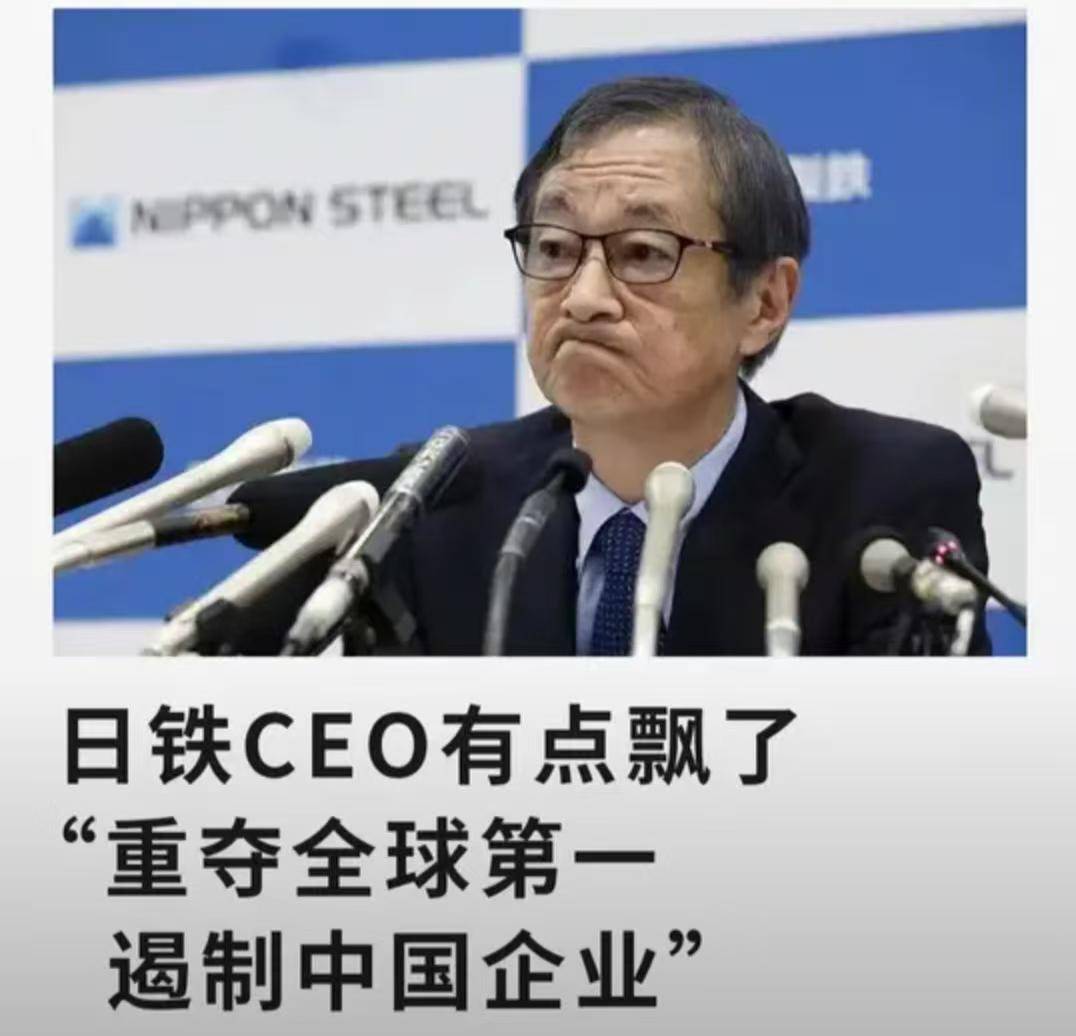
难受!中国四家头部产钢企业辛苦干一年,利润还不敌日本制铁一家
Sou Hu Cai Jing· 2025-09-30 07:50
Group 1 - Japan Steel's CEO expressed ambition to surpass China and reclaim the top position in the global steel industry within 10 years [1] - The confidence stems from Japan Steel's acquisition of an American steel company, significantly boosting its production capacity [3] - In 2024, Japan Steel's total production is projected to reach 57.64 million tons, closely approaching China's Ansteel Group [3] Group 2 - Japan Steel, originally established in 1897, aimed for self-sufficiency in steel production to support military and infrastructure needs [3][5] - The company faced challenges post-World War II, including forced division by the U.S., which limited its production capacity [6][10] - Japan Steel's recovery was aided by U.S. military orders during the Korean War, leading to significant economic benefits [8][10] Group 3 - By 1973, Japan's steel production peaked at over 100 million tons, making it the world's leading steel producer [9] - The rise of Chinese steel companies has posed significant challenges to Japan Steel, which has seen substantial losses in recent years [10][12] - In the 2019 fiscal year, Japan Steel reported a loss of $4 billion, with a crude steel production of 47.05 million tons [12][10] Group 4 - Japan Steel implemented aggressive measures to reduce production, including shutting down four blast furnaces and cutting workforce hours [13][14] - The company shifted focus to high-value products, resulting in a significant increase in average selling prices and profitability [16] - By the 2021 fiscal year, Japan Steel's net profit surged to 840.9 billion yen, marking a remarkable turnaround [16][17] Group 5 - Japan Steel aims to increase crude steel production to 100 million tons by 2035, competing directly with Chinese steel giants [18][20] - Despite Japan Steel's ambitions, China's Baowu Steel Group remains the largest producer with a projected output of 130.09 million tons in 2024 [19][20] - The competitive landscape indicates that Japan Steel's plans may face significant hurdles given China's established market position and ongoing advancements [20][22]