G2

Search documents
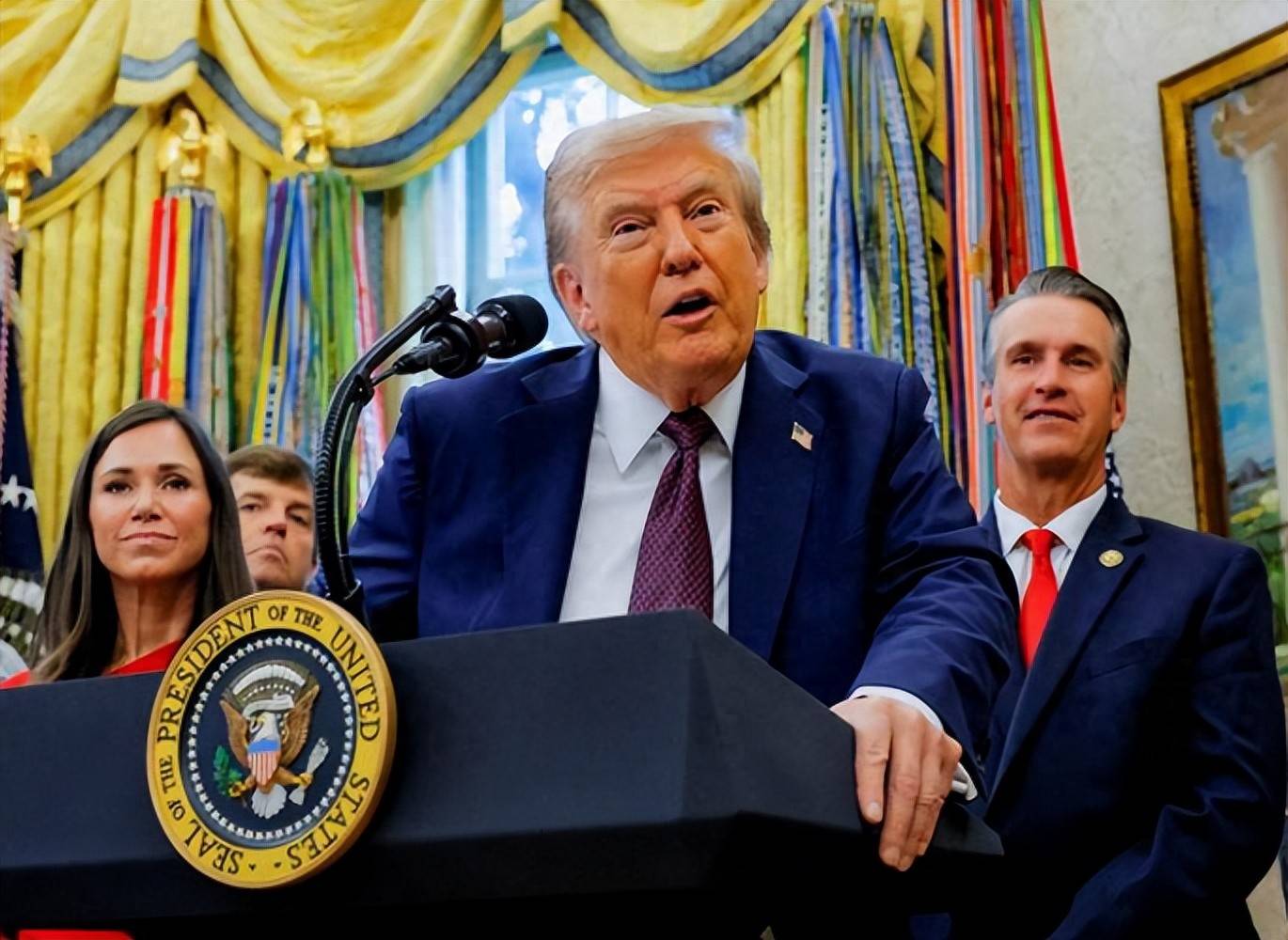
打醒了美国华盛顿!特朗普即将访华,中方或将拒绝美方的G2提议
Sou Hu Cai Jing· 2026-02-22 09:04
Group 1 - The recent performance of humanoid robots during the Chinese Spring Festival Gala showcased significant advancements in robotics, indicating China's transition from a manufacturing powerhouse to a stronghold in intelligent manufacturing [1][3] - The performance of robots, which included complex movements and recovery from falls, has drawn international attention, with foreign media highlighting the impressive capabilities of Chinese robotics companies [1][3] - The rise of Chinese robotics and AI technology signals a potential shift in global automation standards, with predictions that by 2025, Chinese robots will be capable of performing advanced stunts [1][3] Group 2 - The upcoming visit of Trump to China is seen as a necessity for the U.S. to reassess its trade strategies, particularly in light of the Supreme Court ruling that may require the refund of over $175 billion in tariffs [1][3] - The U.S. is facing the reality that the trade war has not yielded the desired results, as China remains a critical supplier for various industries, including rare earths and pharmaceuticals [3][5] - The technological restrictions imposed by the U.S. have inadvertently accelerated China's advancements in key sectors, such as AI and semiconductor manufacturing, with significant breakthroughs achieved in domestic production capabilities [3][5] Group 3 - The interdependence of the U.S. and Chinese economies suggests that a decoupling would be detrimental to both parties, emphasizing the need for dialogue to resolve trade disputes [5][7] - The focus on innovation in robotics and semiconductor technology indicates that the country is positioning itself to lead in future technological developments, reducing reliance on foreign technologies [7] - The combination of China's technological advancements and the need for the U.S. to engage in constructive dialogue reflects a shift in the dynamics of U.S.-China relations, with implications for global technology trends [7]

中国的顶级阳谋起作用了!美国官员质问:特朗普为何替中国效力?
Sou Hu Cai Jing· 2026-02-16 11:56
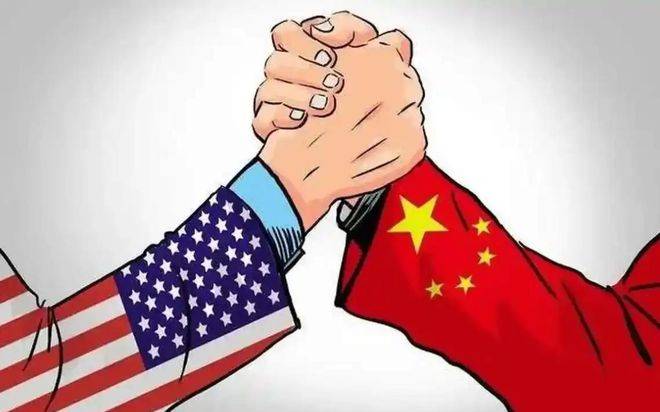
"总统先生对中国的态度令人困惑,他的政策似乎在为北京效力。"一位美国议员在近期闭门听证会上发 出质疑。与此同时,欧洲领导人们也在为特朗普对八国加征关税而焦头烂额。 特朗普第二任期已过一年,其对华政策呈现出令人眼花缭乱的矛盾态势:今年初美国还将对华关税提高 至125%,却同时给予90天暂停期;特朗普本人提出"G2"想法,却又任命强硬反华人物担任要职。 特朗普 这种摇摆不定的对华政策,反而让中国抓住机会,展开了一场堪称典范的国际战略阳谋。 政策摇摆,特朗普的对华战略显露矛盾 特朗普政府上任一年来,对华政策轨迹充满不确定性。从就职首日宣布对所有中国商品加征10%的关税 (远低于竞选时威胁的60%),到后来将关税一度提升至125%,再到给予90天关税暂停期,特朗普政 府的对华经贸政策展现出极大的波动性。 特朗普在四月访华前必然调整对华战略,采取缓和政策。而临近六月中期选举时,为拉拢选票,他又需 要展现强硬的形象。这种短期利益导向的外交哲学,使得对华政策缺乏长期一致性。 更令人惊讶的是,美国政府对华言论也明显软化。特朗普提出"G2"概念,美国国防部长皮特·赫格塞思 甚至声称"美国和中国的关系从来没有这么好过"。2025 ...
中美关系剧透警告|董云裳:明年中美元首若能高频会晤,能为潜在冲击“托底”
Xin Lang Cai Jing· 2025-12-24 23:32
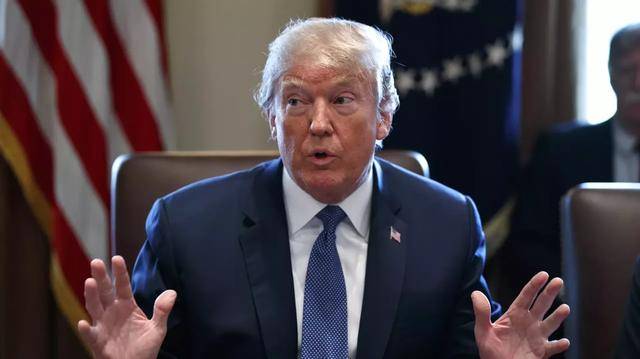
【编者按】 今年1月特朗普重返白宫后,很快向包括中国在内的世界各国重新举起了"关税大棒"。经历了数轮交锋 后,如今中美关系处于新的起点之上。10月中美元首在韩国釜山举行会晤,特朗普将之称为"G2会 议";在11月中美元首通话后,中美双方又基本敲定了对对方元首明年访问的邀请,明年双方各自举办 的多边主场外交也将为元首交往提供更多契机;近日,美国发布的新版《国家安全战略》报告将中美关 系定义为"同一量级"(near-peer)……上述一切不禁让人对中美关系下一阶段的发展充满期待和好奇。 在中美元首釜山会晤前,美国智库战略与国际研究中心(CSIS)发布的一篇文章中,有专家借用"剧透 警告"(Spoiler Alert)这一概念,指出对此次会晤最好事先设定界限和切合实际的预期。事先"剧透"的 预期有助于校准和稳定中美关系。 借用这一思路,在去年推出"寻找'基辛格'"系列报道的基础上,今年智通财经(www.thepaper.cn)国际 新闻中心在年终时刻继续推出"2026中美关系剧透警告"系列报道,与多位不同代际、对中美关系发挥着 一定影响的美方各界人士深度对话,请他们为我们"剧透"下阶段或者说2026年中美关系,并通 ...
中美关系剧透警告|郑艺:企业界对中美短期走向相对乐观,长期走向有待观察
Xin Lang Cai Jing· 2025-12-17 23:14
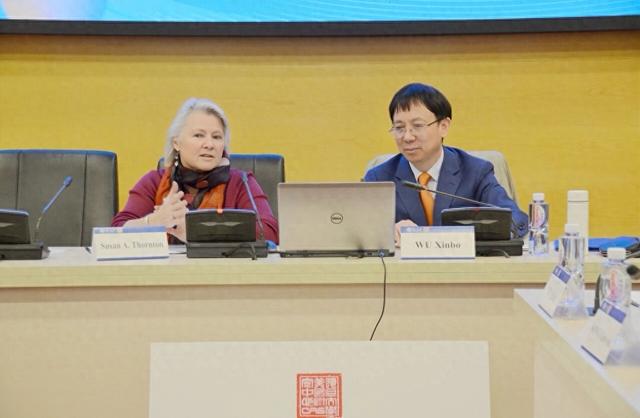
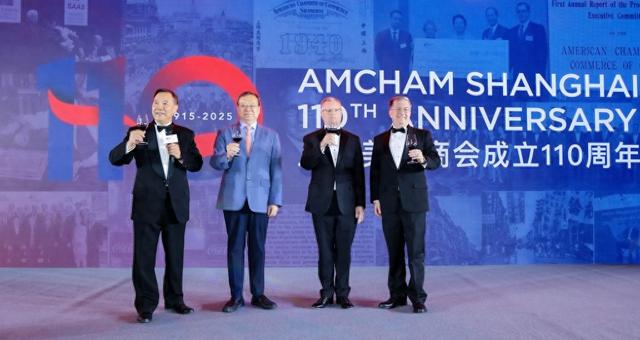
Group 1 - The article discusses the evolving dynamics of US-China relations, particularly in light of recent high-level meetings and the potential for future cooperation [1][2][7] - The US government announced a $12 billion aid package for American farmers affected by tariffs, indicating the economic impact of trade policies [2][8] - Eric Zheng, president of the Shanghai American Chamber of Commerce, emphasizes the importance of restoring soybean exports to China, reflecting the agricultural sector's interests [2][10] Group 2 - Zheng notes that while there is short-term optimism among businesses regarding US-China relations, long-term uncertainties remain, leading to cautious attitudes [7][8] - The recent agreement to suspend high tariffs for 12 months is seen as a positive development for American companies operating in China, providing clearer policy expectations [8][9] - The article highlights the complementary nature of US and Chinese economies, particularly in the soybean trade, which could foster cooperation if trade barriers are reduced [10][12] Group 3 - Zheng advocates for a multilateral approach to trade, suggesting that a G2 framework may increase communication costs and trade barriers for businesses [12][13] - The article points out the need for American companies to adapt to the rapidly changing Chinese market and consumer preferences, emphasizing the importance of localization [14][15] - Zheng's dual cultural background and experience in both government and business provide him with unique insights into navigating US-China relations [17][18]

中美关系剧透警告|季北慈:警惕潜在风险变量,预计峰会前两国会保持克制
Xin Lang Cai Jing· 2025-12-15 23:06
"两国元首已同意举行会晤,双方都表示可能进行多次会晤。"他进一步说,"可以期待的是,由于双方 都希望峰会取得成功,两国都会保持克制。我相信双方会努力避免制造困难或风险局面。" 借用这一思路,在去年推出"寻找'基辛格'"系列报道的基础上,今年智通财经(www.thepaper.cn)国际 新闻中心在年终时刻继续推出"2026中美关系剧透警告"系列报道,与多位不同代际、对中美关系发挥着 一定影响的美方各界人士深度对话,请他们为我们"剧透"下阶段或者说2026年中美关系,并通过他们的 视角去回顾、盘点、发现那些能在中美间发挥桥梁作用,推动两国交流交往的力量。 "目前,印太地区正处于潜在的冲突风险上升的时期。"日前,美国国家亚洲研究局高级研究员、国际知 名安全战略学者季北慈(Bates Gill)在沪接受智通财经(www.thepaper.cn)专访时特别提醒道,在他看 来,2026年的中美关系仍然可能面临变量和挑战,11月举行的美国中期选举是其中之一。他同时提醒要 对其他意外事件潜藏的危机和风险保持警惕,"我们显然需要付出更大努力来管控局势。"他说。 不过,在季北慈看来,最近一次韩国釜山中美元首会晤之后,中美的防务 ...

马凯硕:美国人已经接受中国“不可阻挡”
财富FORTUNE· 2025-11-21 13:05
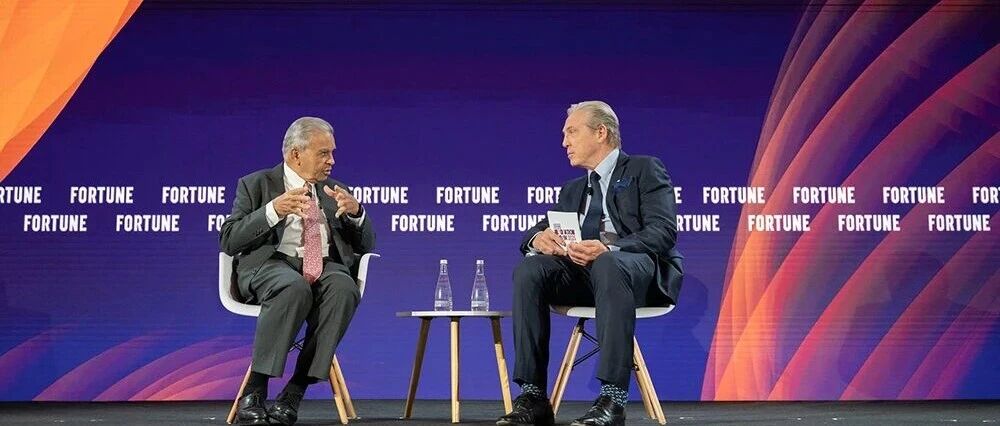
Core Insights - The nature of US-China competition has changed, with the US now acknowledging China as a competitor, marking a significant shift in geopolitical dynamics [3][4] - The concept of a "G2" world, where the US and China are the two dominant powers, is gaining traction, as highlighted by President Trump's remarks [4] - The long-term resilience of the Chinese economy is emphasized, with a focus on its manufacturing sector's growth and innovation capabilities [5][6] Group 1: US-China Relations - The US has imposed tariffs on over a hundred countries, but China has effectively countered these actions, leading to a balance of power [3] - The perception of China as an unstoppable force is growing among the American intellectual elite, indicating a potential shift towards coexistence [4] - The historical context of China's economic growth is highlighted, with projections showing its share of global manufacturing increasing from 5% in 2000 to 45% by 2030 [5] Group 2: Economic Dynamics - Despite macroeconomic challenges such as low consumption and a sluggish real estate market, China continues to see technological innovations in sectors like AI and electric vehicles [5] - The US dollar remains a powerful tool for the US, and any sanctions involving the dollar would significantly impact China [5] - The unexpected strength of the global economy, despite rising tariffs, suggests that regions outside the US are becoming more trade-oriented [7] Group 3: Innovation and Perception - The belief that Chinese individuals lack innovation is challenged, with evidence suggesting that local talent is increasingly driving innovation [6] - The discussion highlights the contrasting views of stability and harmony in Chinese society versus the Western emphasis on freedom and democracy [5][6] - The response of various Asian countries to US policies indicates a lack of unified retaliation, with smaller nations seeking to enhance trade relationships independently [7]
中金缪延亮:中美经贸关系新阶段意味着什么?
中金点睛· 2025-11-14 00:18
Core Viewpoint - The article discusses the new phase of China-US economic and trade relations, highlighting the transition from conflict to a more balanced dialogue, which may have significant implications for global governance and the international monetary order [2][3]. Group 1: New Phase of China-US Economic Relations - The economic relationship between China and the US has evolved through three distinct phases: "coexistence and win-win" (2005-2016), increasing trade friction (2017-2024), and a new phase of equal dialogue starting in 2025 [4][5][12]. - The "coexistence and win-win" phase was characterized by strong economic interdependence, with China providing cheap labor and the US benefiting from low inflation and financial prosperity [5][7]. - The increasing trade friction phase saw the US imposing tariffs, with the effective tariff rate on China remaining high at 19.3% even after some easing in 2020 [11][12]. Group 2: Characteristics and Policy Implications of the New Phase - The new phase is marked by a balance of power, allowing for negotiations that could lead to mutually beneficial agreements, such as adjustments in tariffs on agricultural products and strategic resources [20][21]. - The US's reliance on China for certain exports and the need for China to maintain its economic growth create a scenario where both countries have incentives to engage in dialogue [20][22]. - The potential for currency adjustments, such as the appreciation of the yuan and the reduction of US tariffs, could help rebalance trade and improve consumer purchasing power in both countries [21][22]. Group 3: International Monetary Order and Asset Implications - The new phase may reinforce the ongoing restructuring of the international monetary order, with a shift away from dollar dominance towards a more fragmented and diversified system [26][28]. - The trend of capital returning to domestic markets, particularly in China, indicates a growing preference for local investments amid global uncertainties [28][30]. - The long-term competition between the US and China is likely to drive increased investment in research and development, impacting various asset classes differently, with strategic resources like rare earths gaining importance [54][55].

对高市早苗的危险言论,特朗普立马划清了界限
Xin Jing Bao· 2025-11-13 03:51
Group 1 - The core viewpoint of the articles revolves around the implications of recent statements made by Japanese politician Takashi Kawamura regarding Taiwan, and the lack of support from key allies like the United States, particularly from President Trump [1][2][3] - Trump's comments indicate a shift in the U.S. approach towards China and Japan, suggesting a potential easing of tensions and a reevaluation of the U.S.-Japan security alliance [2][5] - The articles highlight the fragility of the U.S.-Japan security framework, with Trump previously expressing dissatisfaction with the one-sided nature of the alliance, questioning the benefits for the U.S. [5][6] Group 2 - Kawamura's remarks have sparked significant controversy, leading to a need for Japan to manage the fallout and clarify its stance on Taiwan, which aligns with historical positions [6][7] - The Japanese government appears to be downplaying the situation, but there are concerns that such statements could embolden pro-independence forces in Taiwan and complicate Japan's security posture [6][7] - The articles suggest that the recent developments could have broader implications for Japan's foreign relations, particularly affecting trust within the U.S.-Japan and U.S.-China dynamics [6][7]
重新购买美国大豆!美国发现时代变了,中国已是平起平坐的对手
Sou Hu Cai Jing· 2025-11-09 06:18
Group 1 - China has decided to restore the export qualifications of three American soybean companies, indicating that U.S. soybeans will re-enter China's procurement range [1] - The U.S. has been using trade as a weapon, frequently imposing sanctions on other countries through methods such as raising tariffs and setting trade barriers [1][3] - The U.S. has historically been seen as a proponent of free trade, but it now operates under rules that primarily benefit itself, leveraging its position as the largest consumer market [3] Group 2 - The rise of emerging economies like China is challenging the existing trade rules that were established under U.S. dominance in international institutions [3][5] - The U.S. has reacted to this challenge by employing aggressive tactics, often disregarding international laws and rules to suppress the development of other economies [5] - China's response to U.S. tariffs included halting soybean purchases, which significantly impacted U.S. industries and led to domestic and international criticism of the U.S. government [5] Group 3 - The military capabilities of China have been enhanced, as indicated by the commissioning of the Fujian aircraft carrier, which signifies a new level of military strength [5] - The ongoing tensions and confrontations between the U.S. and China highlight that China has become a formidable opponent that the U.S. can no longer underestimate [5][7] - The intensifying struggle between the two nations suggests that China is growing stronger in the face of U.S. challenges [7]
特朗普的一句话,撼动中美博弈格局,美国几大盟友“醋意”大发
Sou Hu Cai Jing· 2025-11-08 08:36
Group 1 - The meeting between China and the United States in South Korea has attracted global attention, focusing on trade wars and strategic competition [1] - Trump's declaration of the meeting as a "G2 meeting" has sparked significant controversy in Western media [1][3] - The "G2" concept, originally proposed in 2005, aimed to strengthen bilateral relations between the U.S. and key global players, but was set aside after the 2008 financial crisis [3][4] Group 2 - The revival of the "G2" concept by Trump raises concerns among U.S. allies, who fear being sidelined in the improving U.S.-China relations [4][6] - Allies such as the EU, Australia, Japan, and South Korea worry about being excluded from the power structure that the "G2" represents [4] - The understanding of "G2" differs significantly between the U.S. and China, with China aiming for a multipolar world rather than a bipolar one [6][8] Group 3 - The Obama administration's approach to "G2" was to integrate China into the international system, contrasting with Trump's more confrontational stance [6] - China's rise has shifted its position in global affairs, making it a peer to the U.S., which complicates the feasibility of a "G2" framework [6] - China firmly rejects the "G2" concept, as it contradicts its diplomatic principles and commitment to developing countries [8]