
中美关税战

Search documents
多空交织,豆粕冲高回落
Da Yue Qi Huo· 2025-04-28 03:01
1. Report Industry Investment Rating There is no information provided regarding the report's industry investment rating. 2. Core Views of the Report - **General Outlook**: The market is currently focused on the impact of South American soybean harvesting weather and the Sino - US trade tariff game. The prices of soybeans and soybean meal are influenced by multiple factors, including the Sino - US tariff war, South American soybean production, domestic inventory, and demand [14][15]. - **Soybean Meal**: In the short - term, it maintains a range - bound oscillation, and in the medium - term, it shows a slightly stronger oscillation pattern. The current situation is a result of the interaction between positive factors such as low domestic inventory and uncertain South American weather, and negative factors like the expected increase in imported soybeans in May and the expected high yield of Brazilian soybeans [10]. - **Soybeans**: In the short - term, they also maintain a range - bound oscillation. The Sino - US tariff war supports the bottom of the domestic soybean market, but the expected high yield of Brazilian soybeans and the expected increase in domestic soybean production put pressure on prices [11]. 3. Summary by Directory 3.1 Weekly Tips No specific content is provided in the given text. 3.2 Recent News - The Sino - US tariff war has been implemented. US soybeans are fluctuating upwards. South American soybean production is affected by weather, and the domestic soybean and soybean meal markets are also influenced by factors such as import volume, inventory, and demand [13]. - The domestic imported soybean arrival volume is lower than expected in the short - term but will increase to a high level in May. The soybean meal inventory of domestic oil mills is at a low level, and the South American soybean production area still has weather uncertainties [14]. 3.3 Bullish and Bearish Concerns Soybean Meal - **Bullish Factors**: Short - term lower - than - expected domestic imported soybean arrival volume, low domestic oil mill soybean meal inventory, and uncertain South American soybean production area weather [14]. - **Bearish Factors**: The increase in domestic imported soybean arrival volume to a high level in May and the continuous high - yield expectation of Brazilian soybeans [14]. Soybeans - **Bullish Factors**: The Sino - US tariff war supports the domestic soybean market, and the expected increase in domestic soybean demand supports prices [15]. - **Bearish Factors**: The continuous high - yield expectation of Brazilian soybeans, China's increased procurement of Brazilian soybeans, and the expected increase in domestic new - season soybean production [15]. 3.4 Fundamental Data - **Weather**: The weather in the South American soybean production area has improved in the short - term, with a neutral or bearish impact [9]. - **Import Cost**: The price of US soybeans is fluctuating upwards, and the import cost is expected to be slightly stronger, with a neutral or bullish impact [9]. - **Oil Mill Pressing**: The demand for soybean meal has improved in the short - term, and the oil mill's pressing volume has increased from a low level. The demand is expected to continue to recover, but it may have a bearish impact in the future [9]. - **Transaction**: The downstream's enthusiasm for forward stocking has increased, but the transaction is expected to decline after the May Day holiday, with a neutral or bearish impact [9]. - **Oil Mill Inventory**: The soybean meal inventory of oil mills has dropped to a low level compared to the same period in history, but it is expected to increase from a low level in the future, with a bearish impact [9]. 3.5 Position Data No specific content is provided in the given text. 3.6 Market Structure of Meal Products - **Soybean Meal Futures**: It has risen and then fallen. The spot price is relatively strong before May Day, and the premium remains at a high level [62]. - **Soybean and Rapeseed Meal Spot Spread**: It has fluctuated slightly, and the spread of the 2509 contract has risen and then fallen [64]. 3.7 Technical Analysis Soybeans - The price has risen and then fallen. Technical indicators such as KDJ and MACD have entered an adjustment phase, and the short - term trend will wait for new guidance [69]. - The overall trend is still affected by the interaction between US soybeans and imported soybean arrivals, as well as factors such as domestic new - season soybean planting expectations and oil mill pressing [69]. Soybean Meal - It has risen and then fallen this week. Technical indicators such as KDJ and MACD have entered a consolidation phase, and the short - term trend will wait for the follow - up of the Sino - US tariff war and the domestic soybean meal supply - demand pattern [72]. 3.8 Trading Strategies Soybean Meal - **Futures**: US soybeans are oscillating above the 1000 mark in the short - term, and soybean meal is returning to a range - bound oscillation. The M2509 contract will oscillate between 2900 and 3100 in the short - term, and short - term range trading is recommended [17]. - **Options**: Sell out - of - the - money put options [19]. Soybeans - **Futures**: The A2507 contract will oscillate between 4100 and 4300, and short - term range trading is recommended [20]. - **Options**: Wait and see [20].
美国没料到,北京迎来稀客,中国的一块心病去了,中方走了一步妙棋
Sou Hu Cai Jing· 2025-04-28 02:35
Group 1 - The Swiss Foreign Minister Cassis's visit to China is significant amid the complex international situation, particularly in the context of the US-China trade war [1][5] - The US initiated a tariff war against China, leading to retaliatory measures from China, with tariffs on some US goods reaching 125% and US tariffs on Chinese goods reaching as high as 245% [1][3] - The US's attempts to rally allies against China have largely failed, as countries like the EU and Canada are seeking closer ties with China instead [3][5] Group 2 - Japan's recent diplomatic engagement with China, including a visit from the leader of the Komeito party, reflects a desire to strengthen bilateral relations amid the US's aggressive tariff policies [5][7] - Cassis emphasized that trade wars do not bring prosperity but rather instability and conflict, advocating for multilateralism and free trade [5][7] - Switzerland is accelerating negotiations for a free trade agreement with China, indicating a growing economic partnership that could counterbalance US isolationist policies [7]

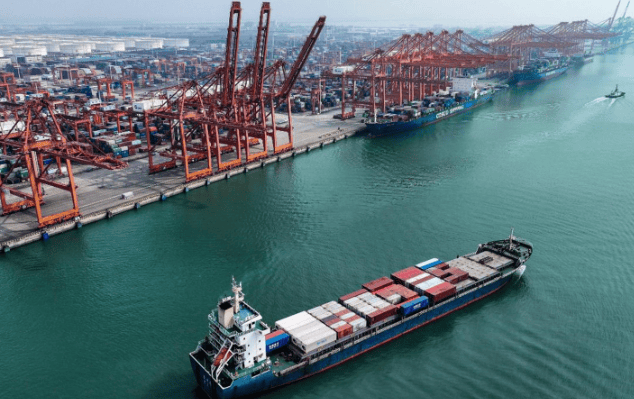
A股延续反弹,黄金冲高回落 | 周度量化观察
申万宏源证券上海北京西路营业部· 2025-04-28 01:52
22002255年年44月月2211日日--22002255年年44月月2255日日基基金金投投顾顾观观点点 本周中美关税战有缓和迹象推动风险偏好回升,A股延续反弹,黄金冲高回落,债市平稳运 行,全球股市普遍上涨。具体来看,本周市场有以下几个重要方面: 01 本周市场延续反弹,上半周上涨,下半周在指数点位接近修复4月7日跳空缺口时,市场有所 犹豫、走势震荡。基本面方面,A股上市公司一季报披露进入高峰期,对市场整体未形成显 著影响。流动性方面,沪深两市日均成交额近1.12万亿元,相比上周有明显提升。成交金额 的放大代表了流动性的恢复,对流动性反应敏感的小盘表现好于大盘,本周表现从高到低依 次为国证2000、中证1000、中证500、沪深300。从行业表现看,汽车、美容护理、基础 护工表现较好。今日中共中央政治局会议提出了系列宏观政策,要加紧实施更加积极有为的 宏观政策、适时降准降息等。 02 AA股股延延续续反反弹弹,,黄黄金金冲冲高高回回落落 债市方面,本周资金面均衡偏松,债券市场整体震荡为主。本周市场影响因素包括消息面、 债券供给和资金面。消息面较多,小作文传政治局会议地产政策以及美国表态降低对华关税 等, ...
特朗普要对华大幅度降低关税,印度陷入窘境:昨天刚制裁中国
Sou Hu Cai Jing· 2025-04-27 04:17
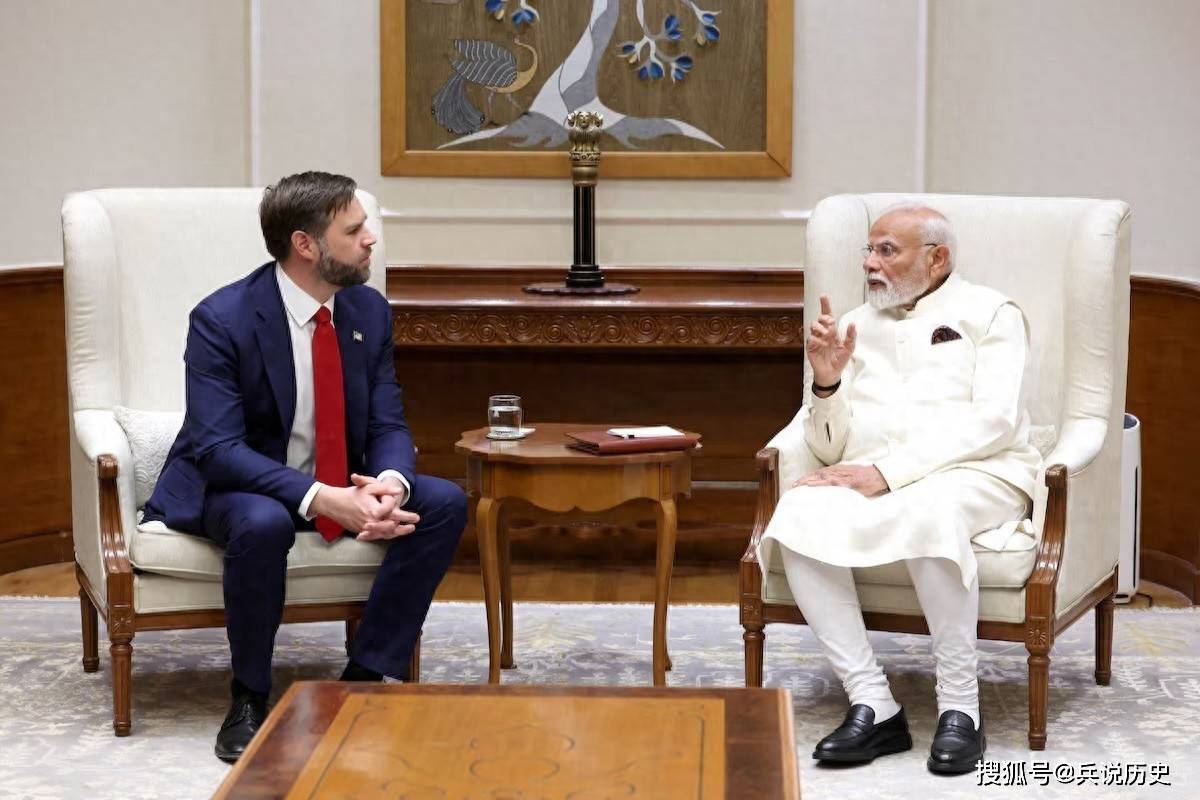
这下,印度彻底尴尬了,莫迪万万没想到强硬的特朗普竟然"滑跪"的这么快,主动对中方认怂,那他前两天对中国的制裁岂不成了笑话? 4月21日当天,万斯乘坐专机抵达印度首都新德里,和总理莫迪进行会晤。或许是为了向美国表明立场,在万斯抵达的当天,印度宣布对中国部分进口钢材 加征12%的临时关税,理由是避免中国的"廉价进口"。话里话外透露出一种:"中国长期占印度便宜,但印度"敢怒不敢言"的悲愤,幸好美国表态撑腰,印 度才敢反击"的既视感。 此话一出,外界都清楚这场关税战已经来到尾声了,胜利者毫无疑问就是中国,尽管这是特朗普掀起的全球性关税战,但中国却率先出击打出了漂亮的一 仗。那么在特朗普认怂想要和谈的情况下,莫迪对中国加征临时关税的举动就显的有些小丑了,美国都不敢和中国对着干,那么印度这关税到底还加不加 了?如果加,印度根本扛不住中国的反制;如果不加,那刚刚说出去的话就要收回,这让莫迪政府无法对内交代,对外也将成为印度难以抹去的污点。 或许是看热闹不嫌事儿大,有媒体又报料称,此前被中国拒绝接受的美国波音客机被印度公司看上,已经在谈接盘事宜了。合着印度根本就不是现在才表 态,而是之前一直都暗戳戳的介入中美关税战的博弈,想 ...
中美之间正在谈判?中方:假消息!
第一财经· 2025-04-24 08:09
在今天商务部举行的例行发布会上,商务部新闻发言人何亚东表示,中方注意到了外媒近期的一些报 道。 何亚东: 作为对外经贸关系的主管部门,我想强调的是,目前中美之间未进行任何经贸谈判,任何 关于中美经贸谈判进展的说法都是捕风捉影,没有事实依据。 2025.04. 24 中美之间正在谈判?外交部:假消息 4月24日,外交部发言人郭嘉昆主持例行记者会。 有记者提问,近来,美方不断有消息称中美之间正在谈判,甚至将会达成协议。请问您能否证实双方 有没有开始谈判? "这些都是假消息。"郭嘉昆表示,中美双方并没有就关税问题进行磋商或谈判,更谈不上达成协议。 他强调,这场关税战是由美方发起的,中方的态度是一贯的、明确的——打,奉陪到底,谈,大门敞 开。对话谈判必须是平等、尊重、互惠的。 商务部:目前中美之间未进行任何经贸谈判 微信编辑 | 苏小 推荐阅读 白宫慌了!将设工作组紧急处理对中国加征关税危机 n 777 124 1> T - www.bands.com and and and a do a character and a lot a come provention of more . . F 20 8 S 3 a 1 ...
中美之间正在谈判?外交部:假消息
人民日报· 2025-04-24 07:52
来源:人民日报客户端(记者:崔琦)、人民日报微博 本期编辑:李娜、方梓祎 4月24日下午,外交部举行例行记者会。 记者:近来美方不断有消息称中美之间正在谈判,甚至将会达成协议。请问,您能否证 实双方有没有开始谈判? 外交部发言人郭嘉昆: 这些都是假消息。据我了解,中美双方并没有就关税问题进行 磋商或谈判,更谈不上达成协议。 这场关税战是由美方发起的,中方的态度是一贯的、明确的。 打,奉陪到底;谈,大 门敞开,对话谈判必须是平等、尊重、互惠的。 觉得好看,请点这里 ↓ ↓ ↓ ...

美国妥协?白宫成立紧急工作组!特朗普:中美关税战可能结束!
Sou Hu Cai Jing· 2025-04-21 01:54
Core Viewpoint - The U.S.-China trade war may be approaching a significant turning point, with indications that President Trump is willing to compromise and negotiate with China, despite the ongoing tensions and high tariffs imposed by both sides [3][6][12]. Group 1: Current Situation of the Trade War - The U.S. has established an emergency working group to address the issue of tariffs imposed on China, signaling a potential shift in strategy [5][12]. - The current tariff rates are extremely high, with China imposing tariffs of up to 145% on U.S. goods and the U.S. imposing tariffs as high as 245% on Chinese imports [6][14]. - The trade relationship between the U.S. and China has effectively decoupled, leading to significant economic implications for both nations [8][14]. Group 2: Trump's Position and Actions - Trump has expressed a desire to avoid further increases in tariffs, indicating a potential willingness to lower them to alleviate domestic price pressures [11][12]. - Internal pressures, including rising consumer prices and significant national debt, are driving Trump to seek a resolution to the trade conflict [14][19]. - The establishment of a working group, including high-ranking officials, suggests a serious approach to negotiating with China [12][19]. Group 3: China's Response and Strategy - China has maintained a strong stance against U.S. tariffs, indicating a reluctance to initiate negotiations unless the U.S. shows significant concessions [8][22]. - China is actively strengthening trade relationships with Southeast Asian countries, which may serve as a buffer against U.S. economic pressures [9][22]. - The Chinese government is committed to a strategy of firm resistance against U.S. tariffs, emphasizing the need for a balanced approach in negotiations [22].
美国关税变脸下,哪些省份的影响最大?
3 6 Ke· 2025-04-14 01:20
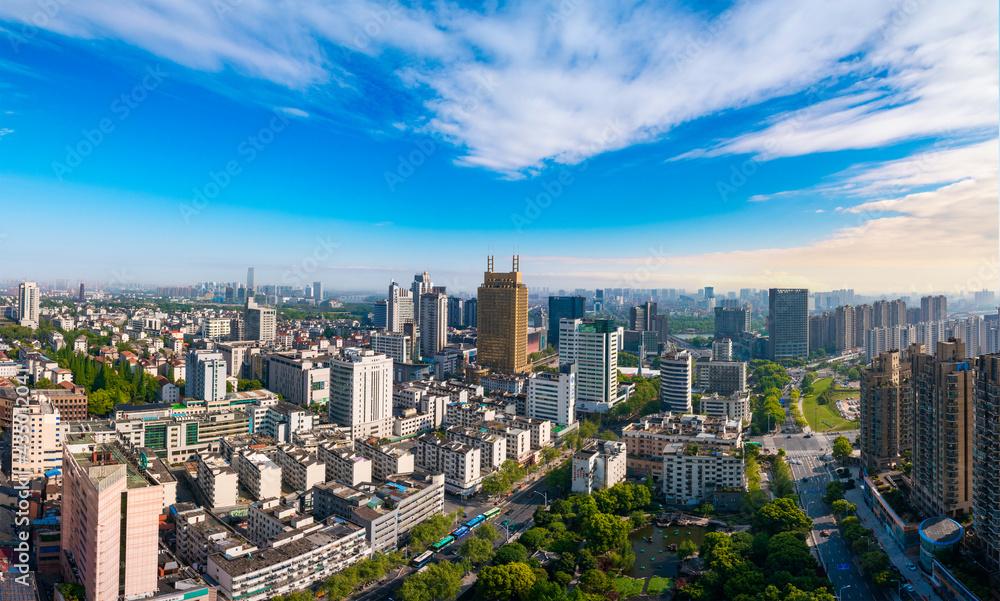
Group 1: Trade Dependency by Region - The regions with the highest foreign trade dependency in China are primarily concentrated in the eastern coastal provinces and some border cities, with the first tier cities showing dependency rates over 100% [2][4] - The top city in terms of foreign trade dependency is Chongzuo, Guangxi, with a rate of 1163.2%, followed by Jinhua, Zhejiang, at 115.7% [2] - Other coastal cities like Zhoushan, Danzhou, Shenzhen, Dongguan, and Xiamen also have dependency rates exceeding 100% [4] Group 2: Provincial Trade Dependency - Guangdong province has the highest foreign trade dependency at 64.3%, with a significant reliance on exports to the US at 68.3% [8] - Zhejiang follows with a dependency of 58.4% and a US export dependency of 71.4%, focusing on small commodities and electromechanical products [8] - Shanghai has a dependency of 79.1%, while Jiangsu and Fujian have rates of 41.0% and 34.4%, respectively [8][10] Group 3: Export Dependency on the US - Zhejiang province has the highest export dependency on the US at 71.4%, with core industries including small commodities and machinery [13][15] - Guangdong province has a dependency of 68.3%, focusing on consumer electronics and textiles, facing challenges from production shifts to Southeast Asia [15] - Shanghai's dependency is at 52.4%, with a high reliance on imports, particularly for commodities like crude oil [17] Group 4: Impact of Tariffs and Trade Relations - The US has exempted certain product categories from high tariffs, indicating a potential softening stance in trade relations [24][25] - Major US tech companies, such as Apple and Dell, are significantly affected by tariffs, which could lead to increased product prices and reduced competitiveness [25][27] - The ongoing trade war is forcing China to diversify its markets and enhance domestic consumption to reduce reliance on the US [35][37]

中美关税战是危险的消耗战
日经中文网· 2025-04-11 05:00
Group 1 - The core issue of the trade war is the significant impact on high-tech industries in the U.S., particularly the reliance on rare earth elements from China, which are essential for various technologies including electric vehicles and defense applications [1][2][3] - The U.S. retail sector is heavily dependent on Chinese imports, with companies like Best Buy indicating that approximately 60% of their sales costs come from China, leading to potential price increases for consumers [4][5] - The ongoing trade tensions have resulted in a drastic reduction in U.S. exports to China, particularly in the beef sector, where exports dropped by 92% in March, highlighting the severe repercussions of the tariffs [6] Group 2 - The semiconductor industry in the U.S. faces challenges due to its 50% reliance on imports of critical materials like germanium and gallium from China, which could jeopardize domestic manufacturing efforts [3][6] - Boeing is experiencing headwinds as the trade conflict affects its sales to Chinese airlines, which are significant customers, with potential delays in aircraft deliveries due to tariffs [7] - The energy sector's impact appears limited, as U.S. LNG exports to China are minimal, allowing for a shift in export destinations without significant disruption [7]

大越期货豆粕早报-20250410
Da Yue Qi Huo· 2025-04-10 02:55
1. Report Industry Investment Rating No information provided in the report. 2. Core Views of the Report - **M2509 Soybean Meal**: Trade within the range of 3080 - 3140 intraday. The overall situation is expected to be fluctuating and slightly bullish in the short - term and maintain range - bound fluctuations in the medium - term. Influenced by factors such as the Sino - US tariff war, Brazilian soybean imports, and South American weather [9][10]. - **A2505 Soybeans**: Trade within the range of 4060 - 4160 intraday. The market is affected by the Sino - US tariff war, South American weather, and domestic and foreign supply and demand, with short - term fluctuations and a bottom - supported situation [12][13]. 3. Summary by Directory 3.1 Daily Tips - The M2509 soybean meal should be traded within the range of 3080 - 3140 intraday, and the A2505 soybeans should be traded within the range of 4060 - 4160 intraday [9][12]. 3.2 Recent News - The Sino - US tariff war has eased expectations, and the weather in South American soybean - producing areas is still variable. Soybean meal is fluctuating and slightly bullish in the short - term, waiting for further guidance on factors such as Sino - US tariff policies and South American soybean harvest weather [15]. - The US bio - policy agreement supports the short - term US soybean oil market. The arrival of imported soybeans in China will reach a high in April. After the Spring Festival, the domestic soybean inventory is low in the short - term, and the soybean meal inventory is rising. The soybean products are affected by the Sino - US tariff war and show a pattern of strong current situation and weak expectations [15]. - The domestic pig - breeding profit has decreased, leading to low expectations for pig restocking. After the Spring Festival, the demand for soybean meal has decreased, but the tight supply supports the price expectation. Coupled with the escalation of the Sino - US tariff war, the soybean meal will maintain a fluctuating and slightly bullish pattern in the short - term [15]. 3.3 Long and Short Concerns - **Soybean Meal Bullish Factors**: Short - term low arrival of imported soybeans, low inventory of domestic oil - mill soybean meal, and variable weather in South American soybean - producing areas [16]. - **Soybean Meal Bearish Factors**: High arrival of imported soybeans in April, advancing Brazilian soybean harvest, and continuous expectation of a bumper harvest [16]. - **Soybean Bullish Factors**: High cost of imported US soybeans supports the bottom of the domestic soybean market, and the expectation of state - reserve soybean procurement supports the domestic soybean price [17]. - **Soybean Bearish Factors**: Continuous expectation of a bumper Brazilian soybean harvest, increased procurement of Brazilian soybeans by China, and expected increase in new - season domestic soybean production [17]. 3.4 Fundamental Data - **Soybean Meal**: Spot price in East China is 3150, basis is 31, showing a premium over futures. The oil - mill soybean meal inventory is 57.91 tons, a 22.58% decrease from last week and a 93.03% increase from the same period last year [10]. - **Soybeans**: Spot price is 4000, basis is - 74, showing a discount to futures. The oil - mill soybean inventory is 290.43 tons, a 17.15% increase from last week and a 23.05% decrease from the same period last year [13]. 3.5 Position Data - **Soybean Meal**: The main long positions have increased, and funds have flowed in [10]. - **Soybeans**: The main short positions have decreased, and funds have flowed out [13].