
中美贸易博弈

Search documents
中国取消订单后,美国大豆堆积如山,这一次,特朗普对华有事相求
Sou Hu Cai Jing· 2025-08-16 05:20
Group 1 - The core issue is that China has suspended soybean purchases from the U.S., leading to a significant accumulation of U.S. soybean inventory, with exports hitting a 20-year low of over 3 million tons, a 12% decrease year-on-year [1][3] - Brazil has a competitive advantage in soybean production due to favorable climate and land resources, allowing it to offer high-quality soybeans at lower prices, providing China with more procurement options [3] - The trade war has resulted in increased tariffs on U.S. goods, causing China to face rising costs, prompting a shift towards sourcing soybeans from Brazil and Argentina to avoid high tariffs [3] Group 2 - Trump has called for China to increase soybean orders by four times to help reduce the U.S. trade deficit, highlighting the U.S. reliance on the Chinese market and China's significant role in the global soybean supply chain [5] - China's soybean procurement strategy is evolving, with a gradual reduction in dependence on U.S. soybeans due to increased imports from Brazil and Argentina, and domestic production capacity improvements [5][9] - The anticipated soybean import volume for China this year is about 90 million tons, a decrease of 1 million tons from the previous year, indicating a shift in demand dynamics and a focus on self-sufficiency through domestic production initiatives [5][9] Group 3 - The global soybean market is undergoing a transformation, with Brazil and Argentina increasingly replacing the U.S. as key suppliers, reflecting a broader shift in trade dynamics [9] - Trump's request for increased soybean exports may be seen as a superficial attempt to mend trade relations, while China's focus remains on balancing economic stability and resource diversification [9]

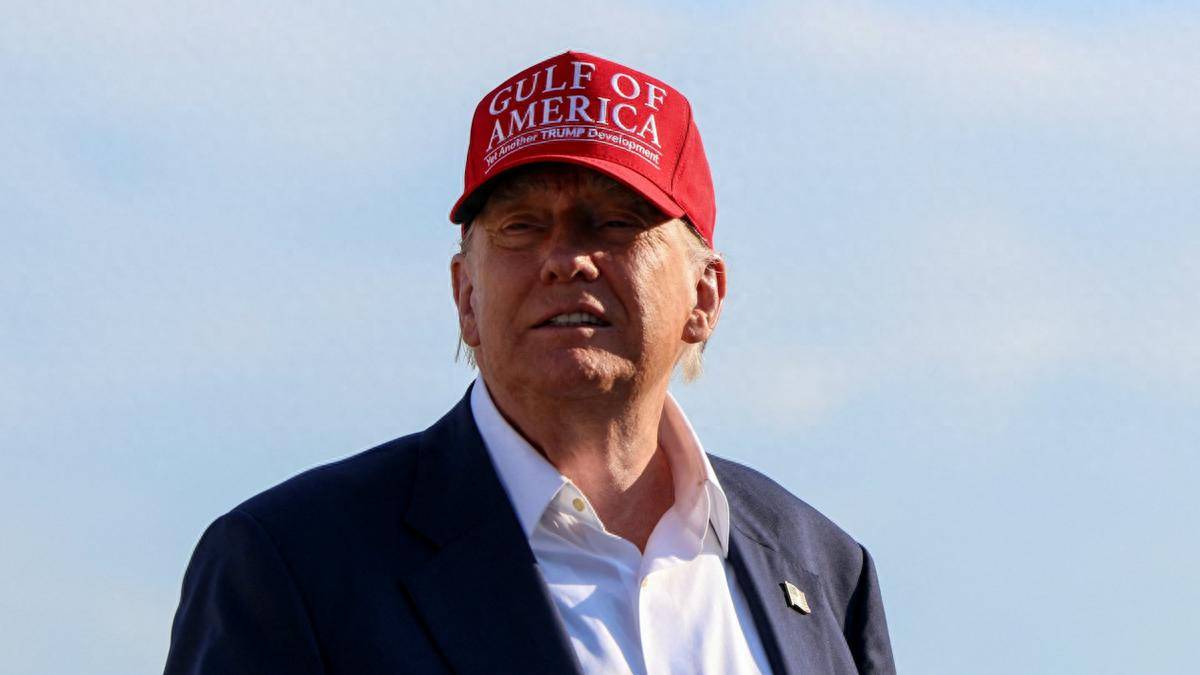
中国不买了!取消订单后,美国的大豆堆积如山,特朗普急忙求合作
Sou Hu Cai Jing· 2025-08-15 08:08
Core Insights - Trump's insistence on increasing soybean purchases from China reflects the dire situation of American agriculture, with farmers facing a lack of orders from China during the critical harvest season [1][3] - The shift of China's soybean procurement towards South America, particularly Brazil and Argentina, highlights the impact of U.S. tariffs and China's strategy to diversify its supply sources, reducing reliance on American agricultural products [3][5] - The geopolitical implications of agricultural trade are significant, as the U.S. farmers' losses from losing China as a major buyer could have broader economic and political repercussions [5][7] Group 1: Agricultural Trade Dynamics - The absence of Chinese orders for U.S. soybeans in September and October has put immense pressure on American farmers, who are facing an uncertain harvest season [1][3] - China's successful diversification of soybean imports has shifted the balance of power in trade negotiations, allowing China to gain the upper hand in the ongoing U.S.-China trade conflict [3][5] - Trump's call for increased soybean purchases can be seen as a desperate attempt to revert to previous trade norms, but the changing landscape of global trade complicates this approach [5][7] Group 2: Geopolitical Context - The agricultural issue is intertwined with broader geopolitical tensions, as China's advancements in technology and military capabilities pose a challenge to U.S. dominance [5][7] - The U.S. agricultural sector's reliance on China as a key market underscores the vulnerability of American farmers in the face of shifting trade relationships [5][7] - Future interactions between the U.S. and China will be critical, as both countries seek to secure their market positions and leverage their resources strategically [7]
已达成稀土和解?中国对美出口暴涨6倍,特朗普花费重金开发稀土
Sou Hu Cai Jing· 2025-07-24 06:17
Group 1 - The core point of the news is the U.S. initiative to rebuild its rare earth industry chain, with MP Materials investing $1 billion and the government providing $400 million in support [1][4] - The U.S. previously had a complete rare earth industry chain but lost it in the 1990s due to competition with China, leading to a complete disappearance of this chain domestically [1][4] - The need for rebuilding arises from the realization that the U.S. is heavily dependent on China for rare earth resources, which are critical for both military applications and everyday technology [1][2] Group 2 - Despite having rich rare earth deposits, the U.S. faces high extraction costs due to outdated technology, leading to reliance on imports [2][4] - The trade war initiated in 2019 resulted in China implementing rare earth export controls, significantly impacting U.S. manufacturing and economy [2][4] - The U.S. aims to reduce dependence on China, but the high production costs and outdated extraction technology remain significant challenges [4][6] Group 3 - Recent easing of China's rare earth export controls has provided the U.S. with temporary relief, with exports to the U.S. increasing sixfold in June compared to the previous month [4][6] - The trade dynamics between the U.S. and China are characterized by mutual constraints, with both sides holding strategic advantages in different sectors [6][7] - Analysts suggest that allowing some rare earth exports to the U.S. may prevent the latter from fully committing to developing its own rare earth industry, thus maintaining China's strategic control over the global rare earth market [7]

中国稀土对美出口暴增660%,管制失效了?这是一场精准“放水”
Sou Hu Cai Jing· 2025-07-23 05:53
Core Viewpoint - The recent surge in China's rare earth exports to the U.S. is not a sign of a policy shift but rather a strategic maneuver in the ongoing U.S.-China trade conflict, reflecting a complex negotiation process between the two nations [1][5][16]. Export Data - In May, China's rare earth exports to the U.S. were only 46 tons, but in June, this figure skyrocketed to 353 tons, marking an increase of 307 tons and a year-on-year growth of 660% [2]. Strategic Context - The increase in exports is attributed to pre-existing orders made before the escalation of the trade conflict, as well as a significant accumulation of rare earth materials by Chinese companies, which now exceeds 2000 tons [3][5]. - Recent breakthroughs in U.S.-China tariff negotiations, including the easing of restrictions on EDA software and H20 chips, have prompted China to expedite the approval process for rare earth exports to the U.S. [5][16]. Export Control Policies - China maintains a firm stance on export controls, allowing only civilian rare earths to be exported while military-grade materials remain strictly off-limits [7][16]. - The U.S. is reportedly attempting to circumvent these restrictions by re-labeling civilian rare earths for military use through third-party countries [11]. Technology and Market Dynamics - Both countries are engaged in a technological arms race, with China seeking to reduce its dependency on high-performance chips through domestic innovation, as evidenced by the success of companies like Huawei and SMIC [13][18]. - The ongoing trade conflict is characterized by a mutual dependency, where neither side can fully disengage from the other in the short term, but the long-term winner will be determined by who achieves breakthroughs in critical technologies first [20].


特朗普服软?逼中国掏2000亿美元失败,访华成唯一出路
Sou Hu Cai Jing· 2025-07-22 09:23
Group 1 - Trump's recent decision to remove China from the latest tariff list is a significant shift from his previous stance of imposing a 125% tariff on Chinese goods [1][5][18] - The U.S. military-industrial complex is heavily reliant on rare earth materials, with 98% of military-grade rare earth magnets imported, over 90% of which come from China [13][15] - The sudden restriction on rare earth exports from China has led to severe disruptions in U.S. defense production, causing delays in the delivery of submarines and missiles [7][11] Group 2 - Major U.S. defense contractors like Boeing and Lockheed Martin have seen their market values plummet, with Boeing losing $37 billion in 48 hours due to halted orders from China [11][18] - The inability of U.S. companies to find alternative sources for rare earth materials has exposed critical vulnerabilities in the U.S. supply chain [9][15] - Trump's administration is attempting to rebuild the domestic rare earth supply chain through the Critical Minerals Independence Act, but experts criticize this as unrealistic given the time and investment required [15][17] Group 3 - The political pressure from the upcoming midterm elections is influencing Trump's approach, leading to a potential softening of his stance towards China [18][20] - Trump's recent approval for Nvidia to export chips to China marks a significant policy reversal, indicating a shift towards negotiation rather than confrontation [20][24] - The ongoing geopolitical tension and trade negotiations will likely shape the future of U.S.-China relations, with both sides needing to find a balance between cooperation and competition [26]


稳定币立法,金融科技加速 - 行业比较月报6月
2025-07-16 06:13
Summary of Conference Call Industry or Company Involved - The conference call primarily discusses the stablecoin industry, particularly focusing on the recent developments in Hong Kong's stablecoin legislation and its implications for the market [2][3][4]. Core Points and Arguments - **Hong Kong Stablecoin Legislation**: The stablecoin issuance licensing system was officially launched on May 30, marking the world's first regulatory framework centered on value-backed stablecoins [2][3]. - **Market Expansion**: The stablecoin industry is expected to experience significant market scale expansion, driven by the issuance of stablecoins and the technological management of these assets [3][4]. - **USDC Listing**: Circle, the issuer of USDC, went public with a stock price increase of up to 240% on its first trading day, indicating high market interest [4]. - **Impact of US-China Trade Relations**: The ongoing trade tensions between the US and China are increasing the demand for cross-border transactions, which is beneficial for the stablecoin market [4][5]. - **Tariff Developments**: Recent tariff announcements by the US, including a 50% tariff extension on the EU, are influencing trade dynamics and may affect various industries, including technology and semiconductors [5][6]. - **Industrial Demand Trends**: Manufacturing demand showed a slight decline, but the impact of tariffs was relatively minor, suggesting resilience in the industrial sector [7][8]. - **Profit Margin Improvements**: Industrial companies reported a profit margin increase of 0.17%, primarily due to reduced management and financial costs rather than sales volume improvements [8][9]. - **Sector Performance**: The agricultural sector remains stable, while other industries like textiles and furniture are experiencing weaker demand. The service sector, including hospitality and financial services, is performing better than manufacturing [10][11]. - **Long-term Investment Value**: Despite short-term fluctuations, both stablecoin and rare earth sectors are viewed as having long-term investment value due to their strategic importance in the current trade environment [12]. Other Important but Possibly Overlooked Content - **Regulatory Environment**: The conference emphasized the importance of regulatory frameworks in shaping the future of the stablecoin market and its potential for growth [2][3]. - **Consumer Stability**: The consumer goods sector is seen as more stable compared to export-driven industries, which are currently influenced by preemptive demand due to tariffs [11][12]. - **Trade Data Insights**: Some specific commodities, such as wood and plastic products, are showing strong demand despite the overall tariff impacts, indicating sector-specific resilience [12]. This summary encapsulates the key insights and developments discussed during the conference call, providing a comprehensive overview of the stablecoin industry and its broader economic implications.
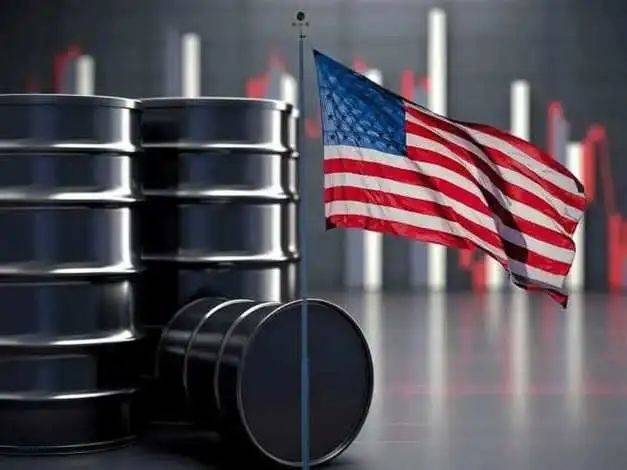
连续3个月拒买美石油!这还没完,中国反手又掐住美国另一“命门”
Sou Hu Cai Jing· 2025-07-13 01:22
Group 1: Oil Industry Impact - China has refused to import U.S. crude oil for three consecutive months (March, April, May), marking the longest supply cut since 2018, which severely impacts the U.S. shale oil industry [1][2] - The refusal has led to a significant drop in U.S. overseas crude oil sales, reaching a two-year low, exacerbating the already challenging environment for U.S. shale producers facing WTI prices below $70 per barrel [2][4] - The number of active oil rigs in the U.S. has decreased to 432, a drop of 6 rigs from the previous week and a year-on-year decline of 47 rigs, indicating a tightening market for U.S. oil producers [4] Group 2: Automotive Industry Consequences - In May, China's exports of passenger cars to the U.S. plummeted to their lowest level in nearly a year, disrupting the supply-demand balance in the U.S. automotive market [5] - The U.S. automotive industry heavily relies on global supply chains, particularly for electric vehicles produced in China, which fill gaps in the mid-to-low-end market and are favored by consumers for their cost-effectiveness [5][7] - China's electric vehicle exports are projected to surge by 120% year-on-year in 2024, with companies like BYD, NIO, and Xpeng rapidly gaining market share in Europe and Southeast Asia, while U.S. automakers lag in their transition to electric vehicles [7] Group 3: Strategic Responses - China's measures are part of a long-term strategic plan, having diversified its energy imports and established stable partnerships with countries like Russia, Saudi Arabia, and Iran, reducing reliance on U.S. energy [8] - By 2025, Russia is expected to account for 25% of China's crude oil imports, with the Middle East exceeding 30%, indicating a shift away from U.S. energy dependence [8] - China's transition from being the "world's factory" to a global leader in electric vehicles is a significant strategic shift, allowing it to navigate risks in the trade conflict effectively [8] Group 4: U.S. Response and Challenges - The U.S. response to China's actions has been marked by anxiety, with calls from figures like Trump for China to purchase U.S. oil, highlighting the pressure on U.S. policymakers [10] - The U.S. has adopted contradictory measures, such as imposing tariffs on countries like Vietnam while simultaneously pressuring them to trade with China, complicating bilateral relations [10] - The current situation leaves U.S. oil companies hoping for negotiations to resolve the issue, but China's stance is clear: imports will only resume if the U.S. lifts restrictive measures [10]
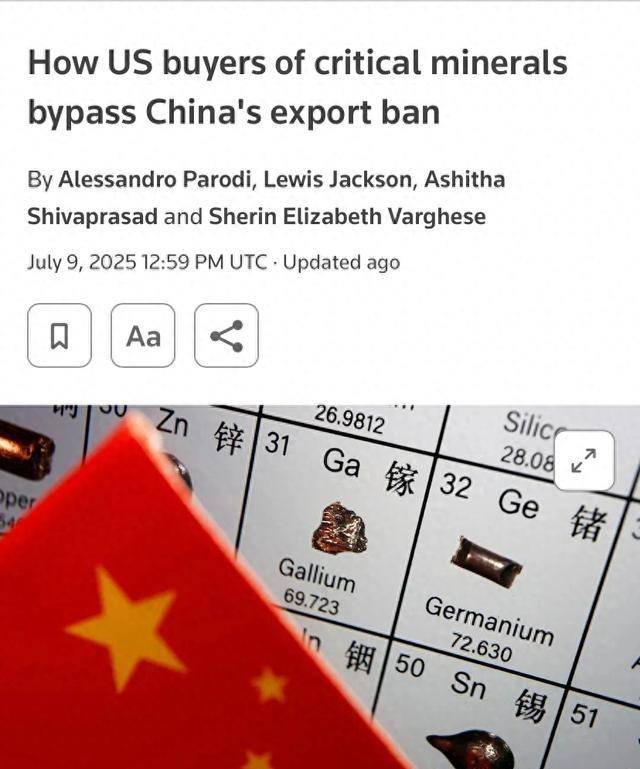
一个危险信号:美国绕过中国出口禁令,从第三国获得大量关键矿产
Sou Hu Cai Jing· 2025-07-10 17:02
Core Viewpoint - The recent export ban by China on critical minerals such as antimony, gallium, and germanium to the U.S. is a response to U.S. tariffs and technology restrictions, highlighting the geopolitical significance of these resources in global trade dynamics [3][4][8]. Group 1: Export Ban and Its Implications - In December 2024, China announced a ban on the export of critical minerals to the U.S. as a countermeasure to U.S. tariffs and technology restrictions, which included a 54% tariff on China's semiconductor industry [4][8]. - The ban aimed to protect national interests by controlling the supply of essential resources, but U.S. companies quickly adapted by sourcing these minerals through third countries like Thailand and Mexico [5][8]. Group 2: Third-Party Involvement - U.S. companies utilized a transshipment model through Thailand and Mexico to bypass China's export ban, involving processes such as relabeling and repackaging to disguise the origin of the minerals [5][6]. - From December 2024 to April 2025, the U.S. imported 3,834 tons of antimony oxide from these countries, which was equivalent to the total imports over the previous three years [5][6]. Group 3: Market Dynamics and Future Outlook - The surge in exports from Thailand and Mexico indicates a significant shift in the global supply chain, with these countries rising to become major importers of Chinese critical minerals [5][9]. - The illegal transshipment of critical minerals exposes vulnerabilities in the global trade system, potentially leading to trade disputes and affecting market competition [9]. - As global demand for critical minerals increases, competition among nations will intensify, necessitating better cooperation and governance to address resource security challenges [9].
特朗普对华政策为何软硬兼施?北大教授:风险与机会并存
Nan Fang Du Shi Bao· 2025-07-05 09:12
Core Viewpoint - The article discusses the dual nature of Trump's China policy, which combines aggressive tariff measures with friendly overtures, impacting Sino-U.S. relations and creating both challenges and opportunities [1][2]. Group 1: Impact of Tariffs - Trump's imposition of tariffs, which reached as high as 145% on certain Chinese goods, is seen as a strategy to gain leverage in trade negotiations rather than a move towards decoupling [2][4]. - The large and complementary structure of Sino-U.S. trade means that tariffs could lead to significant economic repercussions if not managed properly, potentially accelerating decoupling in trade and technology [4]. Group 2: Diplomatic Strategy - Trump's foreign policy is characterized by a transactional approach, viewing international relations as negotiable and resolvable through pressure and dialogue [3][5]. - The geopolitical landscape is shifting, with Trump's recognition of China's growing influence necessitating cooperation on various global issues [3]. Group 3: Opportunities Amidst Challenges - Despite the challenges posed by the tariff war, there are opportunities for stable economic relations if the situation is handled effectively, suggesting a potential for a new mutual restraint ecosystem in trade [4][5]. - Recent agreements, such as the U.S. lifting bans on Chinese chip design software and China speeding up rare earth export approvals, indicate a complex interdependence that could facilitate better trade relations [4].
美国EDA恢复供应?
Hu Xiu· 2025-07-03 03:53
Group 1 - Siemens EDA announced on July 2, 2025, that the U.S. government has lifted export restrictions on chip EDA design software to China, allowing full access for its Chinese customers [1] - Synopsys also received a notification from the U.S. Department of Commerce that the export restrictions to China have been revoked and is working to restore sales of recently restricted products in China [1][2] - The EDA supply restoration is viewed as a bargaining chip in the ongoing U.S.-China trade negotiations during a 90-day ceasefire [2] Group 2 - On May 28, 2025, Siemens EDA announced a suspension of support and services to mainland China based on a notification from the U.S. Department of Commerce, which required Siemens to sever ties with its customers in China [3] - Cadence and Synopsys also suspended product support and upgrade services for semiconductor companies in mainland China [4] - Cadence disclosed in a filing to the SEC that it received a notification from the U.S. Department of Commerce requiring special licenses for EDA software sales to mainland China due to military-related risks [5] Group 3 - In mid-June, EDA companies began to restore some services, including non-core hardware and IP sales, to continue serving existing customers, although EDA tool sales remained suspended [6][7] - China implemented export controls on rare earth metals and other critical materials in response to U.S. tariffs, significantly impacting the global supply chain [8][9] - The automotive industry expressed concerns over potential production halts due to rare earth shortages, with major manufacturers warning of severe consequences if supply issues persist [9][10][11][12][13] Group 4 - The restoration of EDA supplies indicates an acceleration in the negotiation process between the U.S. and China, reflecting China's determination to defend its development rights amid external pressures [15][16] - The current supply restoration is seen as a temporary balance resulting from negotiations across multiple dimensions, including technology, industry, and resources [17]


