出口转内销

Search documents
企业加速“本土赛道”突围打造“国民爆款” 外贸品变身内销“香饽饽”
Yang Shi Wang· 2025-05-11 03:04
Core Viewpoint - The article highlights the challenges faced by a traditional canned food company in China due to increased tariffs imposed by the U.S., which has led to a significant decline in exports. The company has successfully pivoted to domestic sales with the help of local government and e-commerce platforms, increasing its sales from 70 cans per day to 500 cans per day. Group 1: Challenges Faced - The company, which exports 50% of its products to Europe and the U.S., has experienced order cancellations and production line shutdowns due to tariff increases [1][3] - The company faced a severe inventory backlog and cash flow issues, prompting a search for alternative sales channels [3][5] Group 2: Government and Platform Support - Local government facilitated connections that allowed the company to explore domestic sales opportunities [3][5] - The company collaborated with over 130 convenience stores in Zhejiang province to sell its products domestically [5][12] Group 3: Adaptation Strategies - The company successfully adapted its products for the domestic market by changing labels and packaging, although initial sales faced challenges due to consumer preferences [6][10] - Adjustments in marketing strategies, such as downsizing packaging and creating promotional offers, helped the company transition from international to domestic sales [10][14] Group 4: Future Prospects - The company is now focusing on developing new products tailored for the domestic market while also exploring Southeast Asian markets [10][14] - E-commerce platforms like JD.com and Taobao are actively supporting the transition of export products to domestic sales, with significant procurement plans in place [12]

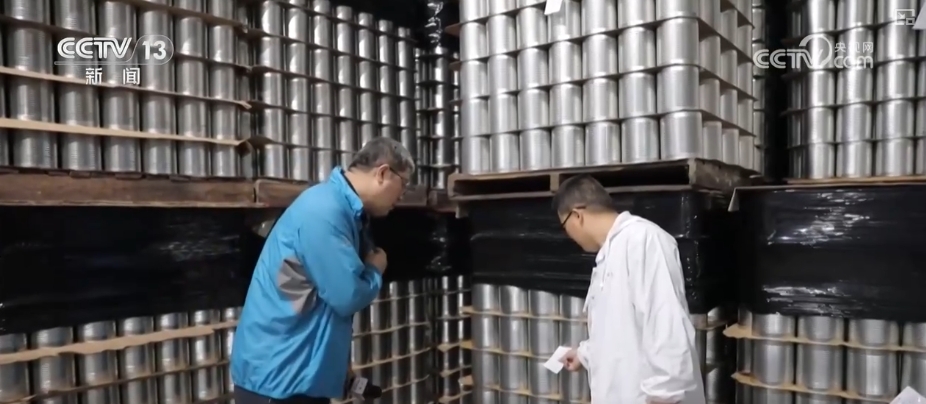
外贸滞销品变身内销“香饽饽”,罐头企业如何实现逆袭?
Qi Lu Wan Bao· 2025-05-11 00:35
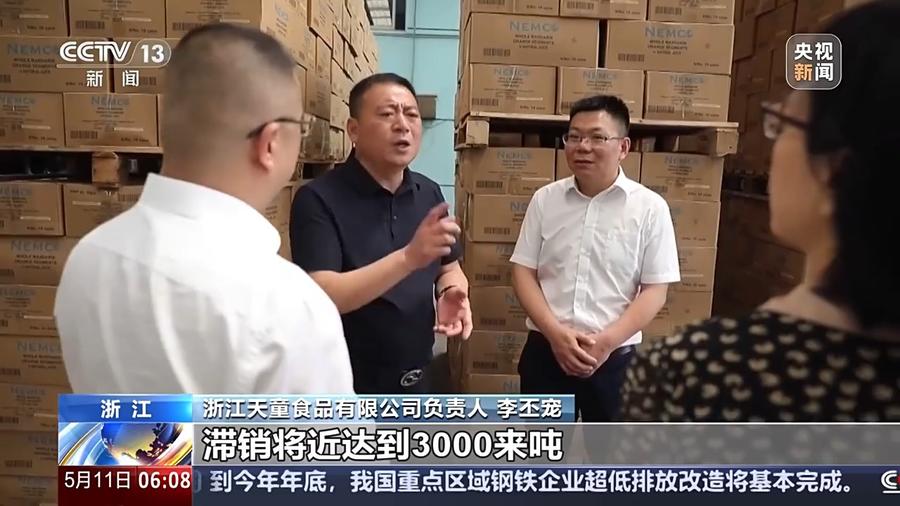
转自:央视新闻 自美国乱挥关税大棒以来,让不少依赖出口的中国企业遭遇严峻挑战。浙江衢州开化的一家老牌罐头企业,50%的产品出口欧 美国家,因关税激增遭订单停发,外贸生产线全面停滞,甚至连前期扩建产能的设备款、农户原料款都面临断付危机。 在这场考验中,这家有着20多年外贸经验的企业,如何在政府、平台与自身的三重发力下,实现从日销70罐到500罐的逆袭,让 外贸滞销品变身内销"香饽饽"? 一家罐头企业的转型记 在浙江天童食品有限公司库房里,记者看到堆积了不少英文包装的罐头产品,这些原本都是即将运往美国的货物。 企业负责人告诉记者,去年企业刚刚通过美国食品药物管理局的验厂,美国客户的订单增加了不少,原本以为外贸业务能实现 跨越式发展,没想到美国滥施关税,而导致大量产品滞销。 浙江天童食品有限公司负责人 李丕宠:一开始加到10%,到后来一下子就猛涨到145%,那个时候我们真的是傻眼了。下单的 货,客户提出要求就不发货,他说这样货发过去我们也无法承受。滞销将近3000来吨,价值2000多万元。 多方协同搭建"内销高速路" 千万级库存积压、产线停摆、资金链告急——当企业负责人一筹莫展时,当地政府的牵线搭桥,让企业看到了转 ...
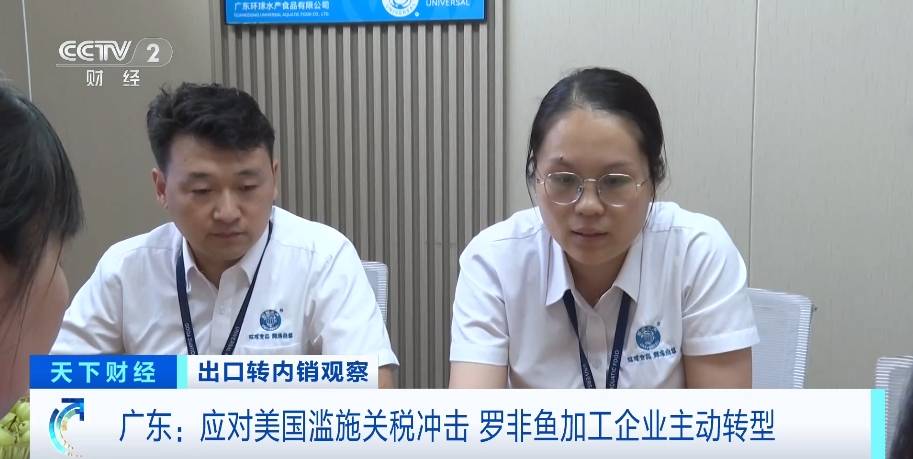
广东茂名罗非鱼出口受阻,企业积极转内销!电商、商超、餐饮齐发力
Sou Hu Cai Jing· 2025-05-10 12:16
Core Viewpoint - The export value of tilapia from Maoming, Guangdong reached 2.44 billion yuan last year, but this year, many processing enterprises are facing a decline in export orders due to the imposition of tariffs by the United States, prompting them to shift focus to the domestic market [1][3]. Group 1: Impact of Tariffs - The imposition of tariffs by the United States has led to a significant reduction in export orders for tilapia processing enterprises, with most U.S. orders currently on hold [5][9]. - The decline in export orders is not only affecting the enterprises but also impacting the purchase prices for tilapia, creating uncertainty for many farmers [7]. Group 2: Shift to Domestic Market - In response to the decreased export orders, the company is shifting its sales focus from overseas to the domestic market, where consumer awareness of tilapia is relatively low [9]. - The company has initiated collaboration with e-commerce platforms to enhance market recognition and has established a procurement plan worth tens of millions for domestic sales [11]. - Currently, domestic sales account for approximately 35% of the company's total sales, with plans to increase this share to around 50% [14].
关税风暴下外贸企业的自救:依托电商直播出口转内销逆风翻盘
Nan Fang Du Shi Bao· 2025-05-10 05:48
Core Viewpoint - The article discusses how Chinese foreign trade companies are adapting to the impact of U.S. tariffs by shifting focus from exports to domestic markets, leveraging e-commerce live streaming as a key strategy for sales growth [1][5][10]. Group 1: Impact of Tariffs - The U.S. tariffs have significantly affected Chinese foreign trade companies, prompting many to reduce their reliance on the U.S. market and explore domestic and non-U.S. markets [1][10]. - For instance, the share of U.S. orders for Times Group has decreased from 60% in 2013 to 20% in early 2023, indicating a strategic shift in response to tariff pressures [2][10]. - Companies like Qianhuan Trading have seen a one-third reduction in export business due to tariffs, leading to a reallocation of resources towards domestic market development [2][3]. Group 2: E-commerce Live Streaming - E-commerce live streaming has emerged as a powerful tool for companies to boost sales and reach domestic consumers, with Times Group reporting sales of over 30 million yuan in April through live streaming [6][5]. - The rapid sales growth attributed to live streaming is highlighted by Qianhuan Trading, which achieved over 17 million yuan in sales during a single live stream event [6][5]. - Platforms like Douyin (TikTok) have initiated support programs for foreign trade brands, resulting in a 77% year-on-year increase in transaction volume for participating brands [6][5]. Group 3: Product Quality and Market Adaptation - Companies emphasize the importance of high-quality products to succeed in the domestic market, with a consensus that understanding local consumer preferences is crucial [7][9]. - Qianhuan Trading has adapted its product offerings to meet domestic demands, focusing on stylish and multifunctional designs, which has led to successful sales [8][9]. - The article notes that domestic consumers are increasingly recognizing and valuing domestic brands, moving away from a sole focus on luxury imports [9]. Group 4: Government Support and Future Outlook - The Chinese government has implemented measures to assist foreign trade companies in navigating the challenges posed by tariffs, including organizing trade events and providing financial support [10][11]. - Despite government efforts, companies express the need for self-reliance and adaptability to seize opportunities in the changing market landscape [10][11]. - Experts suggest that companies should continue to explore domestic and non-U.S. markets as a long-term strategy to mitigate risks associated with international trade tensions [11].
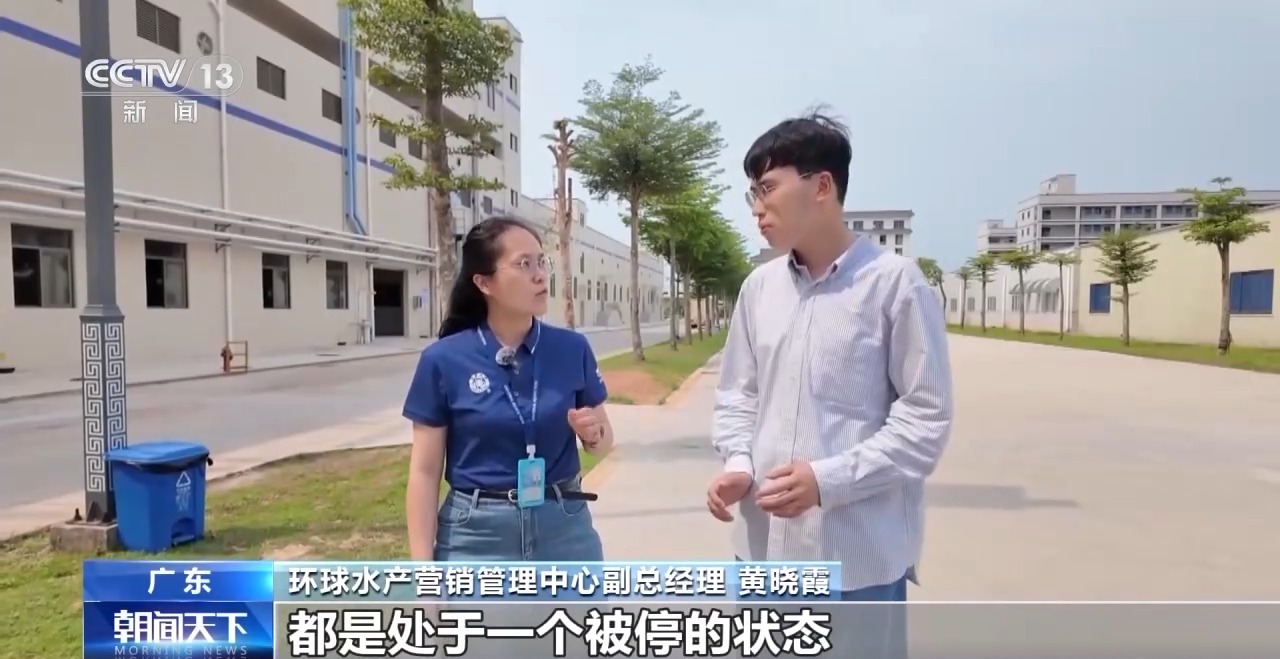
转内销观察丨从“标准化出口”到“定制化内需” 罗非鱼游出困境
Yang Shi Xin Wen· 2025-05-10 01:42
Core Insights - The article discusses the challenges faced by the tilapia processing industry in Maoming, Guangdong, due to the impact of U.S. tariffs, leading to a decline in export orders and a shift towards the domestic market [1][3][10]. Group 1: Industry Challenges - Maoming is the largest tilapia export processing base in China, with an export value of 2.44 billion yuan last year [1]. - The imposition of tariffs by the U.S. has resulted in a significant reduction in export orders, with most U.S. orders currently on hold [3][10]. - The decline in orders has not only affected the processing companies but also the purchase prices for tilapia, creating uncertainty for many farmers [3][4]. Group 2: Shift to Domestic Market - Companies are shifting their sales focus from overseas to domestic markets, as domestic consumers have low awareness of tilapia [4][10]. - A tilapia processing company has set a goal to increase its domestic market share from 35% to 50% [8]. - The company is actively engaging with e-commerce platforms and supermarkets to promote tilapia products and has established a procurement plan worth millions [4][6]. Group 3: Product Customization and Market Adaptation - Customization of tilapia products is seen as key to penetrating the domestic market, requiring companies to adapt their product designs to meet diverse consumer needs [9][20]. - Companies are investing in product development to create items suitable for local tastes, such as grilled fish and fish soup, which require more processing than products intended for export [18][20]. - The domestic sales of one processing company reached 40 million yuan in the first quarter of this year, reflecting a 60% year-on-year increase [20]. Group 4: Government and Industry Support - The local government is enhancing tilapia breeding technology, processing research, and brand development to support the industry [24][26]. - A comprehensive agricultural data platform is being established to better understand market dynamics and consumer demands [26][28]. - The industry is collaborating with various stakeholders to promote tilapia and expand its market reach across different provinces [28].
采购5000万元!南农真乡平台联动美迅喊全国电商卖罗非鱼
Nan Fang Nong Cun Bao· 2025-05-09 12:02
采购5000万元! 南农真乡平台联 动美迅喊全国电 商卖罗非鱼_南 方+_南方plus "我们将采购 5000万元的罗非 鱼,用于开发罗 非鱼烤鱼、罗非 鱼罐头等产品, 助力罗非鱼出口 转内销,开拓国 内市场。"5月9 日,广州美迅信 息技术有限公司 副总经理钱明在 茂名化州考察完 罗非鱼基地后, 做出了采购5000 万元的决定。 广州美迅信息技术有限公司与真乡平台一行在茂名化州杨梅镇考察鱼塘。 当前关税战背景 下,我国罗非鱼 输美订单几乎全 部暂停,罗非鱼 产业深受打击, 销售价格下跌, 急于寻求新的销 售出路。作为全 国最大的罗非鱼 产区,茂名有30 万罗非鱼从业人 员。"这样大的 采购订单,给我 们带来了信心。 希望在媒体的呼 吁下,有更多的 国内企业来采购 我们的罗非鱼, 这样我们就不怕 美国的关税战 了。"杨梅镇鱼 塘养殖户陈汉熙 说。 关税政策让养殖 户"亏大本" 产业面临"至暗 时刻" 鱼出塘价格上下 有所浮动,而目 前行情,几乎就 是罗非鱼的养殖 成本价;美国对 华关税政策让茂 名罗非鱼价格最 低一度达到3.6 元/斤。 受到关税政策承 压的,不仅仅是 罗非鱼养殖户, 上游的鱼苗产业 和下游的 ...

中美关税战将迎重大转折?中小供应商仍在观望 | 氪金·大消费
3 6 Ke· 2025-05-09 08:39
Core Viewpoint - The upcoming trade talks between China and the U.S. may signal a turning point in the ongoing tariff disputes, with China maintaining its firm opposition to U.S. tariff imposition [1][2]. Group 1: Trade Talks and Tariff Implications - The trade discussions scheduled from May 9 to 12 in Switzerland are initiated at the request of the U.S., indicating a potential shift in the trade dynamics [1]. - The ongoing tariff disputes have created a challenging environment for small and medium-sized exporters, who are largely in a passive position compared to larger corporations [2][4]. Group 2: Impact on Retail and Exporters - Major retailers like Amazon and Walmart are adjusting their strategies in response to the tariff situation, with Walmart reportedly resuming orders from manufacturers in China [2][3]. - The cancellation of the T86 tax exemption for small packages has led to increased costs for cross-border platforms, impacting pricing strategies for products [5][15]. Group 3: Shipping and Cost Increases - Shipping costs have surged, with container prices rising from approximately $6,000 to between $12,000 and $15,000, significantly affecting the margins of low-profit consumer goods [6][7]. - The increase in shipping costs and tariffs has led to a temporary spike in freight volumes as exporters rush to ship goods before new tariffs take effect [6][7]. Group 4: Consumer Behavior and Market Dynamics - U.S. consumer perception of Chinese products has evolved, with a shift towards recognizing quality and brand trust, particularly for electronics [12][13]. - The potential for price increases at retail outlets is being carefully considered by large retailers, as they navigate the complexities of supply chain adjustments in response to tariffs [14]. Group 5: Domestic Market Opportunities - Domestic retailers in China are increasingly reaching out to exporters, creating opportunities for products that were previously aimed at the U.S. market [16]. - However, the feasibility of shifting exports to domestic sales is limited for certain manufacturers due to differences in product specifications and market preferences [16][17].

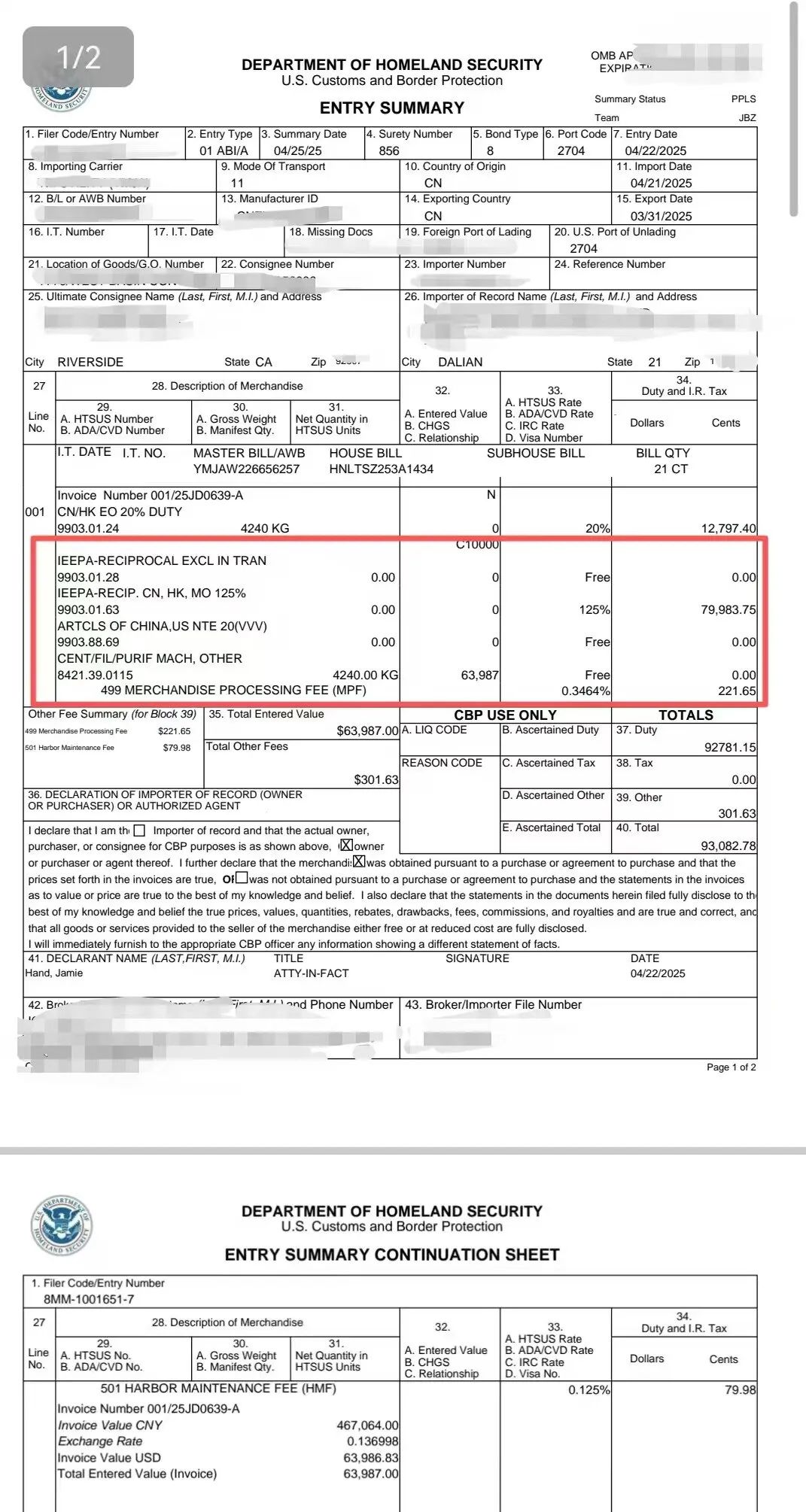
实探上海外贸专柜:价格有的仅为海外一成,企业称库存压力缓解
Xin Jing Bao· 2025-05-09 06:33
Core Insights - The trend of exporting goods to domestic markets is gaining momentum, with foreign trade products becoming a consumer hotspot during the May Day holiday [1][2][4] - Retailers are establishing "green channels" to facilitate the rapid introduction of foreign trade products into domestic sales, significantly reducing the time required for product launch [2][3][6] Group 1: Market Dynamics - Foreign trade products are being showcased in dedicated sections within major retail stores, attracting consumer interest due to their quality and competitive pricing [1][2] - Companies like Suzhou Jilidinhai Marine Biotechnology are pivoting to domestic markets to alleviate inventory pressure, with a goal to sell a third of their stock at prices approximately 30% lower than imported counterparts [2][3] Group 2: Retailer Initiatives - Major retailers such as Yonghui and Dazhonghua are actively supporting foreign trade enterprises by offering expedited product listings and promotional plans, with Yonghui receiving over 500 inquiries from suppliers [3][6] - Dazhonghua's "Foreign Trade Chinese Tour" project has engaged 166 foreign trade companies, with 90 expressing intent to cooperate, showcasing the growing collaboration between retailers and foreign trade businesses [3][6] Group 3: Consumer Response - Consumers are responding positively to the availability of high-quality foreign trade products at lower prices, with many expressing a preference for supporting domestic sales [4][5] - The successful sales of foreign trade products, such as a thermal cup priced at 219 yuan compared to its overseas price of 1800 yuan, highlight the appeal of these goods to price-sensitive consumers [2][5]

政企合力 助外贸企业拓内销
Zhong Guo Xin Wen Wang· 2025-05-09 06:26
Core Insights - The conference aimed to empower private export-oriented enterprises and promote domestic sales through various support measures from government and major companies [1][2][3] Group 1: Government Support Measures - The Ministry of Commerce plans to enhance support for private enterprises in market access, domestic consumption, financial services, and operational assistance [1] - 15 e-commerce platforms have been guided to implement multiple support initiatives, including establishing special zones for export products and providing operational training [1] - The National Market Supervision Administration aims to improve the consistency of domestic and international standards and will support certification institutions in recognizing existing certifications from export enterprises [1] Group 2: Financial and Monetary Policy - The People's Bank of China will maintain a supportive monetary policy and ensure ample liquidity while promoting diversified financing for private enterprises [2] - Major banks like the Industrial and Commercial Bank of China and Bank of China will enhance financing support and assist in market expansion for foreign trade enterprises [2] Group 3: Corporate Initiatives - JD.com plans to procure no less than 200 billion RMB worth of export-to-domestic goods over the next year, focusing on major export provinces [3] - Alibaba's "Spring Thunder Plan 2025" has hosted 138 promotional events, successfully guiding over 1,000 foreign trade enterprises to join its platforms [3] - Douyin has launched a special support plan for export products, organizing over 3,000 live-streaming sales events and assisting companies in product design optimization [3]


“外贸优品 质敬中国”2025首届出口转内销商品博览会正式启动
Xin Lang Cai Jing· 2025-05-09 03:51
首届出口转内销商品博览会将于2025年6月27日至29日在北京展览馆举办。作为国内首个整合外贸产业 链及国内流通渠道资源的展会,本届博览会以 "外贸优品 质敬中国"为主题,以"链内赋能 品质焕新"为 使命,在"双循环"新发展格局下,通过政策引导与市场机制协同,为中国外贸转型升级注入强劲动力。 本届博览会由新浪财经主办,阿里巴巴、京东、拼多多、抖音电商联合主办,创新性整合头部电商平台 资源,突破行业壁垒,凝聚多方势能。通过首创"线上线下融合办展"模式,博览会搭建起外贸企业与国 内流通渠道直连的高效平台,首次实现全球贸易智慧与国内市场需求的深度对接。这一举措不仅是应对 当前国际经贸环境变化的主动作为,更是落实国务院《关于支持出口产品转内销的实施意见》的关键实 践,实现从"单向输出"向"双向循环"的战略转型。 【点击此处报名参加展会】 当前,全球贸易格局正经历深刻变革,以美国关税政策为代表的贸易壁垒,致使我国部分外向型企业对 美出口订单大幅缩减。在此形势下,多家外贸企业主动寻求内销转型,充分凸显我国外贸产业结构调整 与市场拓展的紧迫性。与此同时,数字化、在线化贸易模式加速向产业链各环节渗透,国内消费市场对 高品质、 ...