大模型

Search documents
今晚中概有点热闹哦
小熊跑的快· 2026-01-12 15:06
Group 1 - The article highlights a resurgence in activity within the tech sector, drawing parallels to the first quarter of 2025, indicating a vibrant market environment [1] - Companies like Alibaba and Bilibili are mentioned as key players in this renewed excitement, particularly in relation to developments in large model technologies and data centers [1] - The overall sentiment suggests a growing optimism in the industry, with significant movements and investments being observed [1]


恒指放量重回26500点上方 大模型“双雄”强势领涨科技股
Xin Lang Cai Jing· 2026-01-12 13:45
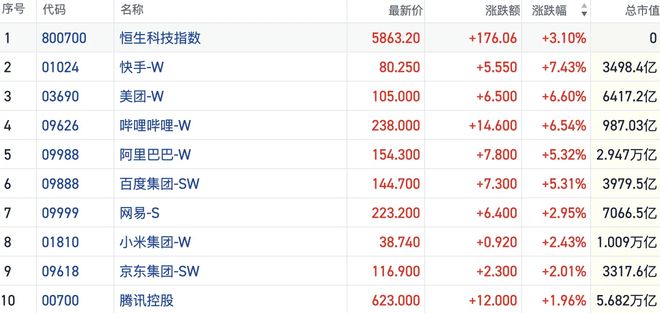
Group 1 - The core sentiment in the market is driven by a resurgence in AI concepts, leading to a significant increase in the Hang Seng Technology Index by 3.1% and the Hang Seng Index and the Hang Seng China Enterprises Index rising by 1.44% and 1.9% respectively [1][2] - Major technology stocks showed strong performance, with Kuaishou rising over 7%, Meituan increasing by 6.6%, and both Baidu and Alibaba gaining over 5% [2][3] - The overall trading volume for the Hang Seng Index reached 306.22 billion HKD, marking a new high for the year and closing above 26,500 points [6] Group 2 - The AI sector has emerged as a strong short-term hotspot, with related semiconductor and computing stocks also experiencing gains, while traditional sectors like insurance, home appliances, aviation, and real estate saw declines [4][5] - The market is characterized by a strong bullish sentiment supported by favorable capital conditions, despite some sectors experiencing a high-low switch in performance [5][7] - Recent reports indicate that the Chinese technology giants' index is expected to see significant profit growth by 2026, potentially surpassing the "Big Seven" in the US for the first time since 2022 [9]
南方路机:目前已接入DeepSeek大模型
Zheng Quan Ri Bao Wang· 2026-01-12 13:41
Group 1 - The core viewpoint of the article is that Southern Road Machinery (603280) is actively developing intelligent agents in vertical deep fields by integrating with the DeepSeek large model [1] Group 2 - Southern Road Machinery has confirmed its connection to the DeepSeek large model and is utilizing the architecture and generated data from it for development purposes [1]

百亿资本对决:智谱与MiniMax上市背后,大模型投资门槛有多高?
Sou Hu Cai Jing· 2026-01-12 12:46
Core Insights - The upcoming IPOs of Zhipu AI and MiniMax in early 2026 have sparked significant interest in China's large model sector, with both companies attracting substantial cornerstone investments from prestigious institutions [1][3][4] Investment Landscape - Zhipu AI initiated its IPO process on December 30, 2025, and officially listed on January 8, 2026, while MiniMax followed suit with its IPO on December 31, 2025, and listing on January 9, 2026 [3] - Zhipu AI secured approximately 29.8 billion HKD in cornerstone investments from 11 institutions, accounting for nearly 70% of its offering size, while MiniMax attracted around 27.23 billion HKD from 14 institutions [3][5] Capital Involvement - The participation of international long-term capital indicates that Chinese AI companies are now part of the global investment landscape, bringing not only funding but also confidence in the industry's future [4] - Zhipu AI has a diverse funding history, attracting top-tier investors and local capital, with significant investments made in 2025, including over 1 billion CNY in strategic financing [5][6] Business Models - Zhipu AI focuses on a MaaS (Model as a Service) platform with a strong emphasis on localized deployment, with over 85% of its revenue coming from this segment in the first half of 2025 [7] - MiniMax, established in 2021, adopts a global C-end strategy with over 70% of its revenue from AI-native applications, serving users in over 200 countries [7] R&D and Investment Challenges - MiniMax has invested approximately 500 million USD to achieve global user coverage, which is significantly lower than OpenAI's investment during the same period [9] - The high costs associated with infrastructure and talent acquisition are major barriers in the large model industry, with top AI researchers being a scarce resource [9][10] Market Dynamics - The AI model market is shifting from a model-centric approach to a delivery-centric one, with infrastructure and product entry points becoming crucial for scaling and monetizing technological advantages [10] - Chinese AI companies benefit from a significant price advantage in API offerings compared to their international counterparts, which aids in market penetration [11] Future Challenges - Zhipu AI and MiniMax face challenges in achieving sustainable profitability and maintaining competitive advantages through continuous innovation [12] - The evolving competitive landscape may lead to a scenario where a few full-stack platforms coexist with numerous specialized application companies, necessitating a focus on building sustainable business ecosystems [12][13]

1月12日晚间公告 | 志特新材遭特停;沪电股份拟3亿美元投资高密度光电集成线路板项目
Xuan Gu Bao· 2026-01-12 11:56
Suspension of Trading - Zhite New Materials: Stock price has abnormal increase, trading suspended for verification [1] - Huashi Technology: Major matters being planned by the controlling shareholder, stock suspended from January 13 [1] - Jianghua Microelectronics: Controlling shareholder planning a change in company control, stock to be suspended on January 13 [1] Share Buybacks and Increases - Tianyi Medical: Plans to repurchase shares worth between 60 million to 120 million RMB, with a maximum price of 65 RMB per share [2] - Hengshi Technology: Controlling shareholder intends to increase holdings by 1.5% to 3% [2] External Investments - Huadian Co., Ltd.: Plans to invest 300 million USD in a high-density optoelectronic integrated circuit board project, expecting an annual increase of 1.3 million pieces in production capacity and an additional annual revenue of 2 billion RMB [3] - Yongxi Electronics: Plans to invest in a new integrated circuit packaging and testing production base in Malaysia, with a total investment not exceeding 2.1 billion RMB [4] - Weiteou: Signed a strategic cooperation agreement with Qiteng Robotics [5] - Zhidemai: MiniMax's large model product Hailuo AI has been integrated into Zhidemai's "Consumer Large Model Enhancement Tool Set" [5] - Haixiang Pharmaceutical: Signed an "Innovative Drug Cooperation Agreement" with Wanbangde Pharmaceutical to collaborate on treatments for amyotrophic lateral sclerosis [6] - Dingyang Technology: Launched new PXIe modular oscilloscope, PXIe modular vector network analyzer, and USB vector network analyzer, along with three PXIe embedded controllers and a PXIe hybrid chassis [6] - Jinlongyu: Controlling subsidiary plans to invest in a production line for solid-state batteries with an annual capacity of 2 GWh, with a total investment of approximately 1.2 billion RMB [6] Performance Changes - Apac Co., Ltd.: Expects net profit in 2025 to be between 468 million to 575 million RMB, a year-on-year increase of 120% to 170%, driven by continuous growth in the automotive industry, especially in new energy vehicles [7] - WuXi AppTec: Anticipates a year-on-year net profit growth of approximately 102.65% in 2025, mainly due to its focus on a unique "integrated, end-to-end" CRDMO business model [7] - Chaohongji: Expects net profit in 2025 to be between 436 million to 533 million RMB, a year-on-year increase of 125% to 175% [8] - Sanxiang New Materials: Expects net profit in 2025 to be between 93 million to 123 million RMB, a year-on-year increase of 31.99% to 71.58%, with significant contributions from the nuclear-grade sponge zirconium business [8] - Lianhua Holdings: Expects net profit in 2025 to be between 280 million to 320 million RMB, a year-on-year increase of 43.15% to 62.90% [9] - Rongbai Technology: Expects a net profit of approximately 30 million RMB in Q4 2025, turning profitable for the quarter; anticipates a net loss of 150 million to 190 million RMB for the year, mainly due to a decline in sales in the first three quarters [9] - Cangge Mining: Expects net profit in 2025 to be between 3.7 billion to 3.95 billion RMB, a year-on-year increase of 43.41% to 53.10%, with confirmed investment income of approximately 2.68 billion RMB contributing significantly to net profit [10]

跳出手机屏幕,千问正在改变物理世界
经济观察报· 2026-01-12 11:48
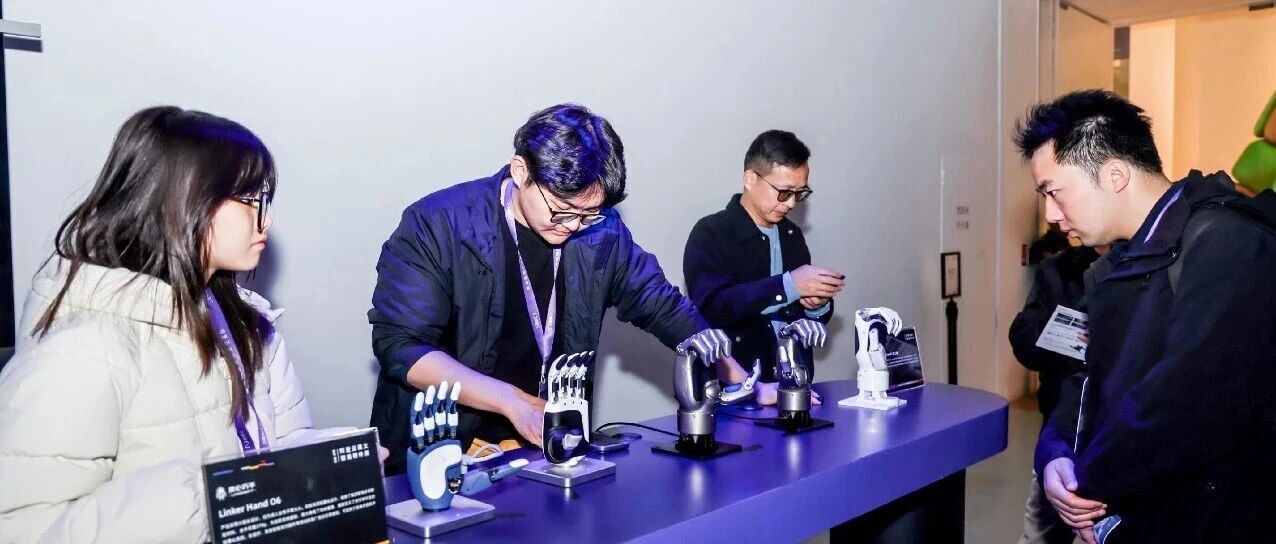
Core Viewpoint - The article emphasizes the emergence of "Physical AI," which signifies the integration of AI into various hardware products, moving beyond traditional mobile applications to interact with the physical world [1][4][22]. Group 1: AI Hardware Development - The CES (Consumer Electronics Show) is highlighted as a global technology trendsetter, where the focus is shifting from conceptual displays to practical, mass-produced AI hardware products [2][6]. - The AI hardware showcased at the Aliyun Tongyi Intelligent Hardware Exhibition includes over 1,500 diverse products, indicating a significant shift towards practical applications of AI in everyday devices [1][2]. - Companies are now focusing on integrating AI capabilities into their products to enhance user experience, rather than just showcasing hardware specifications [2][6]. Group 2: Innovations in AI Applications - New AI hardware products, such as AI translators and health monitoring devices, are being developed to provide real-time insights and recommendations based on user data [7][9]. - The article mentions the introduction of AI hardware that can operate independently without the need for mobile applications, showcasing a trend towards more user-friendly designs [9][10]. - The integration of AI into various sectors, including automotive and health, is transforming how users interact with technology, making it more intuitive and responsive [16][17]. Group 3: Market Dynamics and Competitive Landscape - The article discusses how the Chinese hardware industry is leveraging its supply chain advantages to rapidly innovate and bring AI products to market [6][19]. - The shift from traditional business models to a more open-source approach with the Tongyi Qianwen model is enabling smaller companies and individual developers to participate in the AI hardware ecosystem [15][19]. - The competitive landscape is evolving, with companies focusing on practical applications of AI that address specific user needs, rather than just competing on technical specifications [13][21]. Group 4: Future of AI in Physical World - The article posits that the future of AI lies in its ability to seamlessly integrate into everyday objects, enhancing their functionality and user interaction [22][23]. - The concept of "AI as the new electricity" is introduced, suggesting that AI will become a fundamental part of various industries, similar to how electricity transformed society [19][22]. - The ongoing development of AI hardware is expected to lead to a significant transformation in productivity and user experience across multiple sectors [17][22].

Token售卖已无溢价、大模型公司转型“系统商”?记忆张量 CTO 李志宇:智能体能力会拉开差距,长期记忆与状态管理成竞争核心
AI前线· 2026-01-12 11:04
Core Insights - The article discusses the evolution of AI companies and technologies, emphasizing the shift from merely scaling models to developing sustainable systems that incorporate memory and state management capabilities [2][4][17]. Group 1: Industry Trends - In 2025, notable companies like MiniMax and Zhipu have emerged, aiming for IPOs, but face challenges such as severe losses and production ratios [4]. - The pressure on tech companies has intensified, with a focus on system efficiency and sustainable technology accumulation rather than just chasing model parameters [5]. - The competition landscape is shifting from a focus on individual model capabilities to a broader emphasis on system-level capabilities, including memory management and reasoning [17]. Group 2: Technological Developments - The trend of using large-scale synthetic data is growing, but it is not expected to completely replace human-annotated data; high-quality synthetic data must be carefully constructed [9]. - Significant advancements in model capabilities have been observed, particularly in complex instruction understanding and multi-step reasoning stability [10]. - The introduction of Mixture of Experts (MoE) architecture has become mainstream due to its cost-effectiveness, balancing parameter efficiency and inference costs [12]. Group 3: Future Directions - The next major leap in AI models is anticipated to come from advancements in memory management, transitioning from static parameter storage to dynamic memory systems that support long-term tasks [18]. - The competition in AI is expected to focus on the development of intelligent agents, with a need for models to enhance reasoning, state understanding, and collaboration with tools [15]. - Companies are likely to explore value-added services beyond just selling model tokens to maintain profitability amid increasing price competition [16].

AI for Science投资与创业:下一个十年的机会在哪?
创业邦· 2026-01-12 10:19
Core Insights - The article emphasizes the transformative potential of AI in the fields of drug development and scientific research, particularly through the concept of "AI for Science" [5][9][11]. Investment Focus - Fengrui Capital focuses on early-stage investments in technology-driven companies, particularly in sectors like consumption/TMT, hard technology, and biomedicine, with over half of its investments in interdisciplinary innovations [2]. AI for Science - AI for Science is described as a revolutionary approach that positions AI as a "super assistant" for scientists, enhancing research capabilities and accelerating scientific discoveries [5][9]. - The article highlights the significant impact of DeepMind's AlphaFold on protein structure prediction, marking a pivotal moment in AI's application to scientific research [6][9]. Industry Developments - JingTai Technology, a leader in AI-driven pharmaceuticals, was recently included in the Hong Kong Stock Exchange's Technology 100 Index, showcasing its transition from a technological concept to a tangible industry leader [8][9]. - JingTai has secured substantial partnerships, including a $3.45 billion collaboration with Eli Lilly and a nearly $60 billion order with DoveTree, demonstrating the commercial viability of AI in drug development [13][14]. AI in Drug Development - The article asserts that AI in drug development has reached a "flowering" stage, with successful applications and collaborations validating its effectiveness [11][13]. - AI's ability to enhance drug discovery processes by 20% to 80% is noted, indicating its significant role in improving efficiency in preclinical research [21]. Future Directions - The discussion includes the potential for AI to extend its capabilities beyond pharmaceuticals into materials science, energy, and other fields, driven by the underlying logic of scientific innovation [16][18]. - The article suggests that the next decade will see a convergence of technological innovation and industrial application, particularly in areas highlighted by China's "14th Five-Year Plan" [18][19]. Data as a Strategic Asset - The importance of data in AI-driven biopharmaceuticals is emphasized, with a focus on the need for high-quality, rapidly feedback-capable data to enhance AI learning and application [24][55]. - JingTai's strategy includes building a data barrier through automated experimental platforms to establish a competitive advantage in data collection [27]. AI's Role in New Modalities - The article discusses JingTai's exploration of diverse drug modalities, including small molecules, antibodies, and peptides, leveraging AI to innovate in drug design and development [25][63]. - AI's potential to optimize the drug development process by integrating sequence design and modification into a single model is highlighted, showcasing a shift in traditional methodologies [66]. Cross-Industry Opportunities - The article concludes by identifying opportunities for AI in intersecting fields such as materials science and energy, suggesting that innovations in these areas could significantly enhance productivity and align with national strategic goals [77][80].
百望股份李国平:SaaS的智能体化转型,能否堪比云计算革命?丨SaaS+Agent十人谈
雷峰网· 2026-01-12 10:08
Core Viewpoint - The SaaS industry is undergoing a significant transformation driven by the rise of intelligent agents, which will fundamentally change human-computer interaction and business processes over the next 2 to 5 years [4][5][10]. Group 1: Transformation of SaaS - The shift from human-operated systems to a model where intelligent agents execute tasks based on human instructions is expected to redefine SaaS operations [10][11]. - Initially, the workload will be divided with humans handling 80% and intelligent agents assisting with 20%, gradually transitioning to a model where agents manage 80-90% of the workload [5][11]. - The integration of intelligent agents into existing business processes will be a gradual process, particularly in regulated industries like finance and taxation, which may slow down the overall transformation [6][22]. Group 2: Role of Data - Data is identified as the core asset for SaaS companies, particularly in the financial and taxation sectors, where transaction-level data provides significant competitive advantages [7][27]. - Companies must focus on transforming their private data into high-value datasets to support specialized models and intelligent agents [30]. - The strategic approach of companies like 百望 is to leverage data from electronic invoicing to build a moat around their intelligent capabilities [27][28]. Group 3: Challenges and Opportunities - The emergence of new AI-native companies poses a challenge to traditional SaaS firms, which must adapt to survive [26][31]. - Regulatory constraints in sectors like finance and state-owned enterprises hinder the rapid deployment of intelligent agents, necessitating a more flexible regulatory environment [8][26]. - The competitive landscape may lead to a decline in profit margins for SaaS and intelligent agent companies, but it could also democratize access to advanced technologies for users [16][18]. Group 4: Future of SaaS - SaaS is unlikely to disappear in the next five years but will evolve towards embedded and localized intelligent applications [14][20]. - The future may see a blend of traditional interfaces and intelligent agents, with some processes remaining manual due to regulatory requirements [14][22]. - The transition to intelligent agents will not only change operational models but also influence payment structures, potentially moving towards outcome-based pricing [13][30].
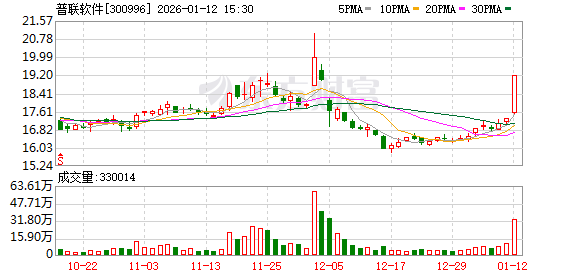
普联软件:公司的智能体开发平台支持接入智谱华章开源大模型,目前暂无相关合作
Mei Ri Jing Ji Xin Wen· 2026-01-12 08:41
Group 1 - The company confirmed that its intelligent agent development platform supports integration with the Zhiyu Huazhang open-source large model, including the GLM-4 series models [2] - Currently, there are no existing collaborations with Zhiyu Huazhang [2]