城市更新

Search documents
明年着力稳定房地产市场
第一财经· 2025-12-11 13:36
2025.12. 11 本文字数:1859,阅读时长大约4分钟 作者 | 第一财经 吴斯旻 构建房地产发展新模式需要建立在"去库存"和"稳楼市"基础上。为此,明年楼市供给侧改革将进一 步聚焦"控增量、去库存、优供给",把存量房盘活与保障房建设工作相结合。与此同时,高质量的 城市更新有望成为"稳楼市"的新抓手。 12月10日至11日,中央经济工作会议在北京举行。"着力稳定房地产市场"被列入"坚持守牢底线, 积极稳妥化解重点领域风险"这一明年经济工作要抓好的重点任务中。 会议指出,着力稳定房地产市场,因城施策控增量、去库存、优供给,鼓励收购存量商品房重点用于 保障性住房等。深化住房公积金制度改革,有序推动"好房子"建设。加快构建房地产发展新模式。 "相较于去年9月份中央政治局会议中'严控增量、优化存量、提高质量'的提法,今年中央经济工作会 议在展望明年房地产工作中提出'控增量、去库存、优供给'。从'优化存量'到'去库存',意味着在当 前楼市总体需求偏弱的背景下,去化压力仍然较大。明年需要以更大力度推动楼市去化,以实现房地 产供求关系形成新的平衡。"成都市城市建设发展研究院副院长冯波对第一财经表示。 上海易居房地产 ...

牢牢把握内需战略基点 建设强大国内市场
Sou Hu Cai Jing· 2025-12-11 13:14
Group 1 - The upcoming year 2026 marks the beginning of the "14th Five-Year Plan," making effective economic work crucial amid a changing global economic landscape and domestic supply-demand imbalances [1] - The central economic work conference prioritizes "domestic demand as the main driver" for economic stability and high-quality development, indicating a long-term strategic focus rather than a short-term stimulus [2][3] - From 2013 to 2024, China's economy is projected to maintain an average growth rate of 6.1%, with domestic demand contributing an average of 93.1% to this growth, although the current situation of insufficient domestic demand has not been fully reversed [3] Group 2 - The conference emphasizes the importance of consumption as a key component of domestic demand, proposing actions to boost consumption, increase residents' income, and optimize supply of quality goods and services [4] - The policy approach will focus on three pillars: increasing income through multiple channels, addressing supply-demand mismatches in the consumption market, and improving the consumption environment by removing barriers [4] - The government aims to stimulate investment by increasing central budget investments, optimizing project management, and enhancing the role of policy financial tools, with a focus on new infrastructure and technology [5] Group 3 - The 2026 domestic demand strategy represents a deep transformation aimed at reducing reliance on external uncertainties and strengthening the "endogenous" foundation of the Chinese economy [6] - The awakening of potential consumer demand and the innovation vitality of market entities are seen as essential for the resilience of the Chinese economy [6]
快评|中央经济工作会议:锚定“十五五”开局,以“稳楼市+深改革”筑牢高质量发展基石
克而瑞地产研究· 2025-12-11 12:59
降 稳预期之外,更需锚定行业可持续发展的长效支点 ◎ 文 / 马千里 2025年12月10日至11日在北京举行的中央经济工作会议,既是对2025年经济工作的全面复盘,更是"十四五"收官与"十五五"开局衔接期的战略定调。会议紧扣"推 动高质量发展"核心,将稳预期、防风险、促转型贯穿始终,其在房地产领域的部署既呼应"十五五"规划建议,又细化政治局会议要求,更通过城市更新与要素市 场化改革的协同设计,为房地产发展新模式搭建框架,精准契合市场期待,为2026年经济"质的有效提升和量的合理增长"注入信心。 防风险领域, 会议将"积极稳妥化解重点领域风险"列为八大任务之一,明确提出稳定房地产市场的具体路径:因城施策控增量、去库存、优供给,收购存量商品 房作保障房,深化公积金改革等,与"十五五"统筹发展安全的要求形成闭环。 与"十五五"规划精准衔接: 从战略到实践的落地 01 "十五五"规划建议明确基本实现社会主义现代化的关键时期需统筹发展安全、坚持高质量发展、扩大内需及防范重点领域风险,此次会议部署正是对这一框架的 具象化落地。 扩大内需方面, 会议将高质量城市更新纳入内需框架,既呼应新型城镇化目标,又通过改造投资与品质 ...
明年着力稳定房地产市场:去库存,推动高质量城市更新
Di Yi Cai Jing· 2025-12-11 12:02
Core Viewpoint - The focus of the real estate supply-side reform in the coming year will be on "controlling increment, reducing inventory, and optimizing supply," aiming to revitalize existing housing stock and promote the construction of affordable housing [1][2]. Group 1: Supply-Side Reform - The central economic work conference emphasized stabilizing the real estate market as a key task for the upcoming year, with strategies including controlling new supply, reducing inventory, and optimizing housing supply [1]. - The inventory cycle for 100 cities in China reached a historical high of 27.4 months as of November, indicating significant pressure to reduce inventory [2]. - The integration of purchasing existing housing stock with the construction of affordable housing will continue to be promoted, with a potential shift towards including second-hand homes in this strategy [2]. Group 2: Urban Renewal - High-quality urban renewal is identified as a new approach to stabilize the real estate market, focusing on enhancing urban quality rather than merely expanding scale [3]. - Effective governance and a systematic approach are essential for achieving high-quality urban renewal, which includes a cycle of assessment and improvement for urban projects [3]. - The government aims to combine urban renewal efforts with safety hazard elimination and market stabilization to ensure sustainable development [3]. Group 3: Demand-Side Reform - The central economic work conference also addressed demand-side reforms, particularly the need to deepen housing provident fund system reforms to enhance accessibility and support a rental-purchase model [4]. - The housing provident fund is seen as a crucial tool for inclusive finance in the real estate sector, requiring institutional reforms to better serve the market [4]. - Future market characteristics are expected to include a dual approach of policy stability and market differentiation, with a shift in buyer expectations towards rational living rather than speculative investment [4].
“老破小”变抢手货?别急卖房,一批老小区正在“逆生长”!
Sou Hu Cai Jing· 2025-12-11 08:00
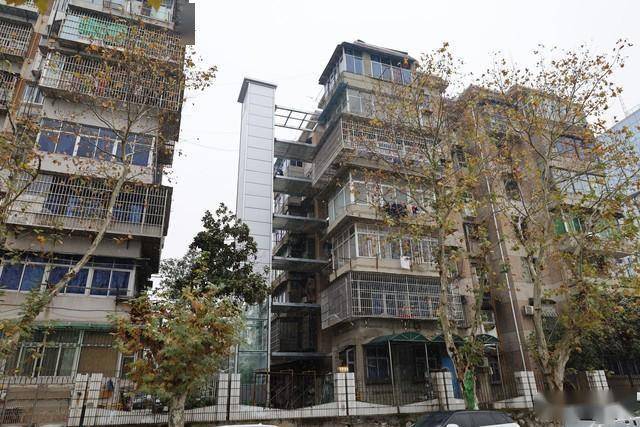
Group 1 - The core viewpoint of the article highlights a significant shift in urban development in China, moving from large-scale demolition and construction to a focus on revitalizing existing old residential areas [3][5][11] - The article discusses the ongoing renovation of old residential communities in Changchun, which includes the installation of elevators and other improvements, reflecting a broader trend of urban renewal across the country [3][5] - The transformation of old neighborhoods and factories into new economic engines is emphasized, as younger generations prefer culturally rich environments over uniform shopping centers [6][8] Group 2 - The renovation of old residential areas is seen as a way to reactivate "old assets," with over 22,000 old communities built before 2000 affecting over 100 million residents [5] - The article outlines the various upgrades involved in these renovations, such as elevator installations, facade insulation, and community facilities, which enhance living conditions and property values [5][6] - The article identifies a long industrial chain emerging from the renovation of old communities, benefiting upstream construction materials, midstream elevator companies, and downstream property management and community services [8] Group 3 - Challenges in the renovation process are noted, particularly in balancing the interests of residents, such as the need for effective communication and consensus-building among different stakeholders [9] - The article concludes that as cities transition to organic renewal, the value of housing will return to its essence, focusing on comfort, convenience, and community amenities, indicating long-term investment opportunities in urban renewal [11]
“百千万工程”三年考 深圳罗湖如何为高密度建成区发展探路
Nan Fang Du Shi Bao· 2025-12-11 07:05
Core Insights - The article discusses the implementation of the "Hundred Counties, Thousand Towns, and Ten Thousand Villages High-Quality Development Project" in Luohu District, Shenzhen, focusing on its strategies for industrial transformation and spatial restructuring to achieve high-quality urban development [1] Group 1: Industrial Transformation - Luohu is focusing on high-quality development in the service sector, with service industry value added accounting for over 90% of GDP, despite occupying only 3.5% of the built-up area of the city, contributing nearly 7% of the city's GDP and 13% of retail sales [2] - The financial sector is projected to reach a value added of 78.56 billion yuan by 2024, with over 100 licensed financial institutions, ranking third in the city [2] - The "China Treasure Capital" initiative in the gold and jewelry industry accounts for about 50% of the national market, while the tourism and medical beauty sectors also show significant growth [2] Group 2: Spatial Restructuring - Luohu has innovated land development through four pathways, including integrated development and environmental restoration, revitalizing inefficient spaces [3] - The "Luo Ling Model" for urban village renovation has been recognized nationally, and a digital management system has been implemented to optimize public property utilization, releasing nearly 28,000 square meters of service space [3] - The district aims to complete urban renewal and renovation of urban villages and old communities totaling nearly 5 million square meters during the 14th Five-Year Plan period, with an additional 5 million square meters of quality industrial space planned for the next five years [3] Group 3: New Development Engines - The marine economy has reached a production value of 38.08 billion yuan, and the low-altitude economy has established the first intelligent take-off and landing point in the country [5] - Over 3,500 new enterprises have been registered in three years, with significant growth in high-tech and specialized enterprises, doubling their contribution to GDP compared to the previous five-year plan [5] - The district has developed a consumer landscape with various themed shopping areas and has achieved significant sales through e-commerce initiatives in the gold and jewelry sector [6] Group 4: Strategic Framework and Actions - The "Hundred Thousand Project" is guided by five strategic approaches, including high-level promotion, industrial support, ecological empowerment, reform-driven initiatives, and service-oriented governance [7] - Luohu plans to implement 55 specific actions across six key areas, including industry, ecology, and social welfare, to enhance urban quality and vitality [8] - The district's ongoing efforts reflect a commitment to high-quality development, responding to the challenges of urbanization and economic transformation [8]
城市更新驱动内涵式发展,实现“四个更加”
Qi Lu Wan Bao· 2025-12-11 06:55
Core Insights - The article highlights the significant achievements of Liaocheng during the "14th Five-Year Plan" period, emphasizing the city's commitment to high-quality development and the successful completion of key objectives [1] Urban Development - Liaocheng has focused on urban quality improvement through four main strategies: area redevelopment, road network expansion, ecological enhancement, and resilience strengthening [2] - The city has completed over 600 kilometers of new urban roads, bringing the total to over 3,000 kilometers, and constructed more than 40 large bridges [2] - The implementation of urban greening initiatives has added 1,700 hectares of green space, totaling 13,000 hectares, along with the establishment of 48 parks and 300 pocket parks [2] - Over 700 kilometers of combined sewage and stormwater systems have been upgraded, with an additional 1,100 kilometers of drainage networks added, totaling 4,800 kilometers [2] Housing Security - The city has launched various housing initiatives, including the Youth Housing Project and subsidies for multi-child families, resulting in the sale of 14,400 housing units [3] - The "25 Policies for Real Estate" and "32 Actions to Promote Real Estate Consumption" have contributed to a significant increase in housing sales, with a 97% delivery rate for housing projects this year [3] - The city has established guidelines for "good housing" construction, with 14 projects recognized as provincial pilot projects [3] Social Welfare - The city has focused on improving living conditions by renovating 733 old residential communities and installing 210,000 electric bike charging ports, benefiting 160,000 households [4] - A total of 144 public rental housing units and 2,662 talent housing units have been completed, ensuring that eligible individuals receive necessary housing support [4] - The city has built 110,000 resettlement houses, with 35,200 units delivered since last year, safeguarding the interests of relocated residents [4] Cultural Heritage - The completion of the national historical and cultural city rectification work has been recognized by the Ministry of Housing and Urban-Rural Development and the National Cultural Heritage Administration [4] - The city is actively working on historical and cultural preservation projects, with funding of 147 million yuan approved for the protection and enhancement of historical cultural districts [4] Future Plans - During the "15th Five-Year Plan" period, the city plans to focus on high-quality urban renewal, enhancing water network functions, and promoting diverse commercial activities [5] - The city aims to develop a new model for real estate growth, emphasizing the construction of complete communities and the systematic advancement of quality housing, neighborhoods, and urban areas [5]
海南“十五五”规划建议:深入推进以人为本的新型城镇化
Zhong Guo Jing Ji Wang· 2025-12-11 06:51
Core Viewpoint - The document outlines the suggestions from the Hainan Provincial Committee of the Communist Party of China regarding the 15th Five-Year Plan for national economic and social development, emphasizing a people-centered approach to urbanization and risk prevention in various sectors [1] Group 1: Urbanization and Development - The plan promotes a new type of urbanization focused on human needs, with a specific emphasis on county-level urbanization as a key carrier for development [1] - It encourages the empowerment of large towns and the implementation of urban renewal actions, including innovative financing models and comprehensive upgrades of existing buildings and urban infrastructure [1] - The initiative aims to create a modernized city with Hainan characteristics, focusing on the construction of "good houses, good communities, and good urban areas" [1] Group 2: Real Estate and Housing - The document calls for a new model of real estate development, optimizing the supply of affordable housing and increasing the availability of improved housing to meet diverse needs [1] - It highlights the importance of enhancing property service quality as part of the housing improvement strategy [1] Group 3: Risk Prevention - The plan emphasizes the need for coordinated risk prevention and resolution in real estate, local government debt, and small financial institutions to avoid systemic risks [1]
告别“拆迁暴富”,第一批危房如何应对“老年危机”
第一财经· 2025-12-11 06:36
Core Viewpoint - The article discusses the shift in urban renewal strategies in China from government-led demolition and relocation to a model of self-initiated updates and original reconstruction, where residents take the lead in funding and decision-making for the renovation of aging residential areas [4][14][16]. Group 1: Aging Housing Issues - Many old residential areas, some built decades ago, are now considered "silent islands" due to deterioration and safety concerns, leading to residents being forced to relocate [3][6]. - As of 2024, 35% of housing in China is over 30 years old, with significant issues such as structural damage, insulation failure, and aging utilities [9][10]. - The government is focusing on the renovation of these aging properties, with a particular emphasis on those built before 2000, encouraging community involvement in the process [14][19]. Group 2: New Urban Renewal Model - The new model emphasizes "self-initiated updates" where residents fund the reconstruction of their homes, supported by government subsidies and diverse funding sources [14][16]. - Successful examples of this model include various projects in cities like Beijing, Shanghai, and Guangzhou, where residents have taken the initiative to rebuild their communities [15][16]. - The funding structure typically involves a mix of government contributions and resident investments, with a focus on the principle of "who funds, who benefits" [16][20]. Group 3: Challenges and Considerations - The transition to this new model faces challenges, including residents' willingness to invest, the economic feasibility of reconstruction, and the need for unanimous agreement among residents [18][20]. - Economic incentives are crucial; when the potential increase in property value post-renovation is significantly higher than the investment made by residents, participation is more likely [20][21]. - The article suggests that a diversified financial support system, including government subsidies and bank loans, could facilitate the implementation of these projects [21][22].

告别“拆迁暴富”,第一批危房如何应对“老年危机”
Di Yi Cai Jing· 2025-12-11 06:05
Core Viewpoint - The article discusses the challenges faced by residents as they transition from government-led urban renewal to a model of self-initiated updates and reconstruction of aging residential areas, highlighting the shift from "demolition wealth" to community-driven redevelopment [1][8]. Group 1: Current State of Aging Residential Areas - Many aging residential complexes, some built over 40 years ago, are now classified as dangerous buildings, leading to residents living in fear and uncertainty [3][4]. - The proportion of housing over 30 years old in China is projected to reach 35% by 2024, indicating a significant portion of the housing stock is aging and in need of renovation [5][6]. Group 2: New Urban Renewal Model - The new model emphasizes self-initiated updates and original reconstruction, moving away from traditional government-led demolition and redevelopment [8][10]. - The Ministry of Housing and Urban-Rural Development has encouraged local governments to explore self-initiated updates for old residential areas, with pilot programs already underway in cities like Beijing, Shanghai, and Guangdong [8][9]. Group 3: Financial and Operational Challenges - The success of self-initiated updates depends on residents' willingness to invest financially, which is influenced by the perceived increase in property value post-renovation [12][13]. - Local governments are working to create favorable conditions for self-initiated updates, but challenges remain in aligning residents' interests and securing funding [12][14]. Group 4: Case Studies and Examples - Successful examples of self-initiated updates include projects in Beijing and Guangzhou, where residents have taken the lead in funding and managing renovations [9][10]. - The funding models for these projects often involve a mix of government subsidies and resident contributions, reflecting a shift towards shared responsibility in urban renewal [10][14].