
数智化转型

Search documents
云载 AI·健行未来——火山引擎“AI+医药大健康”行业论坛圆满落幕
Cai Fu Zai Xian· 2025-06-19 09:13
Core Insights - The "AI + Healthcare" forum highlighted the transformative impact of AI in the healthcare sector, emphasizing the integration of cloud computing, big data, and AI technologies to enhance medical services and patient experiences [1][17] - The forum featured contributions from various experts, indicating a collaborative effort in advancing AI applications in healthcare, particularly in areas like disease prevention, diagnosis, and drug design [3][10] Group 1: AI Applications in Healthcare - AI is expected to address the increasing demands of life sciences and medicine due to rising life expectancy, with a focus on developing new AI technologies tailored for healthcare [3][10] - The collaboration between Volcano Engine and researchers has led to the development of Bio-OS-Co-Pilot, which significantly reduces research timelines from years to hours, enhancing efficiency in modeling and analysis [4] - Companies like Tianjin Pharmaceutical Group have reported a 14.3% increase in digital maturity through strategic digital transformation initiatives, showcasing the effectiveness of AI in optimizing workflows [6][8] Group 2: Future Directions and Challenges - The healthcare industry faces challenges such as high complexity and strict requirements for data governance, necessitating a shift towards sustainable iterative mechanisms for AI applications [12] - AI is positioned to enhance pre-consultation processes, patient education, and overall efficiency in healthcare delivery, while maintaining a supportive role rather than replacing human decision-making in high-risk scenarios [15] - Future efforts will focus on low-risk, high-value areas for AI implementation, such as research data analysis and logistics support, to ensure effective integration into healthcare systems [14]

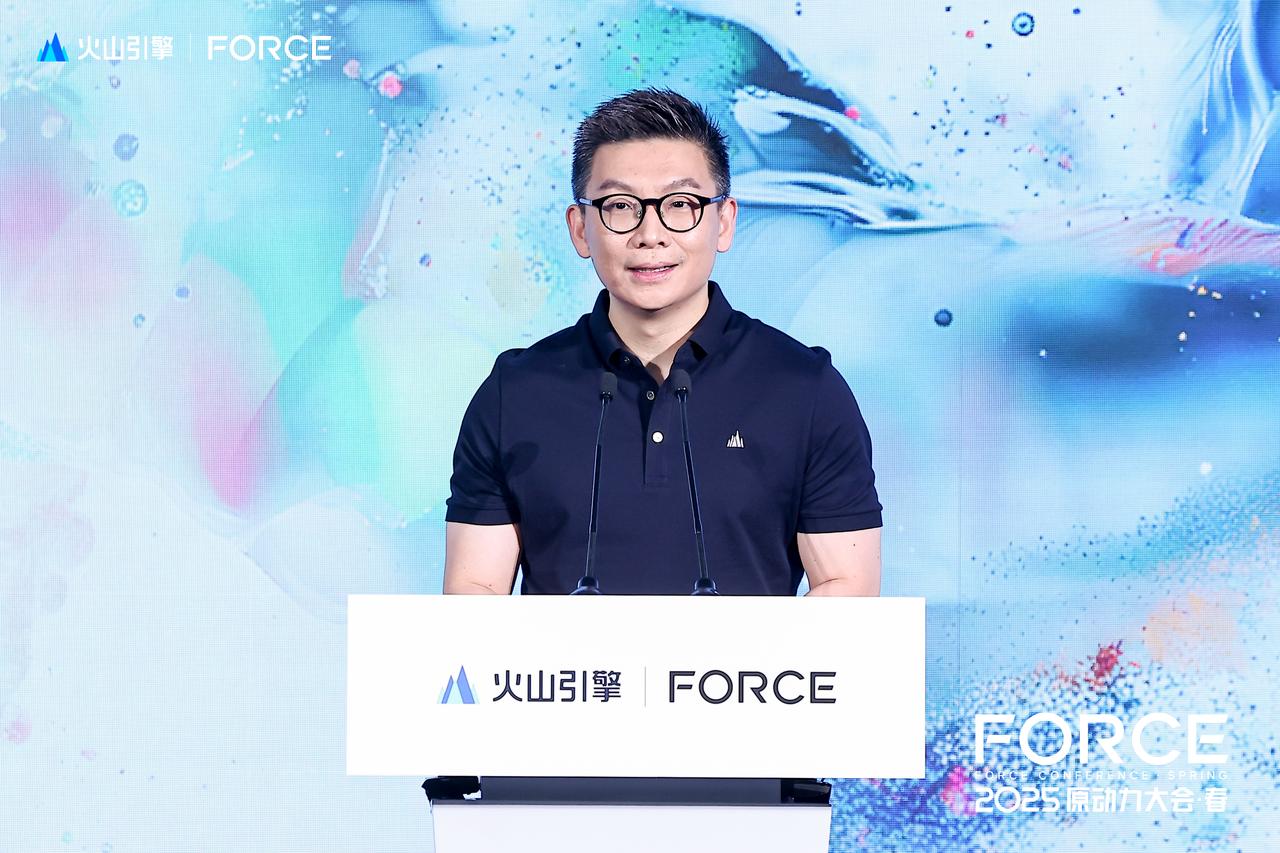
服装厂的“节能焕新术”:SHEIN赋能传统制造变绿
3 6 Ke· 2025-06-19 08:10
Core Insights - The article highlights the transformation of traditional textile manufacturing through energy efficiency projects led by SHEIN, showcasing how suppliers are adopting green practices to reduce costs and improve competitiveness [2][13][16] Group 1: Company Transformation - A textile factory in Guangdong has undergone significant changes by participating in SHEIN's energy efficiency project, resulting in over 6 million yuan in economic benefits and a notable decrease in energy consumption [2][4] - The factory's energy-saving measures have led to a 10% energy saving rate, a 16% water saving rate, and an 11% reduction in carbon emissions [7][14] - The introduction of new energy-efficient dyeing machines has reduced energy consumption by 30%-40%, while the installation of rooftop solar panels has generated over 80,000 kWh of electricity, saving more than 40,000 yuan [6][7] Group 2: Industry Trends - The textile and apparel industry is experiencing a shift towards green transformation, with many manufacturers recognizing the importance of energy efficiency in maintaining competitiveness [10][16] - SHEIN's initiatives have led to the implementation of over 650 energy-saving measures across various suppliers, resulting in nearly 100 million yuan in cost savings [14][18] - The collaboration between SHEIN and suppliers emphasizes the integration of digital tools and management innovations to enhance operational efficiency and reduce resource consumption [16][17] Group 3: Future Outlook - SHEIN has set a goal for net-zero emissions by 2050, with approved short-term and long-term science-based reduction targets, indicating a commitment to sustainable practices in the fashion industry [16][18] - The ongoing transformation of traditional manufacturing into a modern, low-carbon industry is seen as a critical step towards achieving broader environmental goals [18]

服装厂的“节能焕新术”:SHEIN赋能传统制造变绿
36氪未来消费· 2025-06-19 07:54
Core Viewpoint - The article highlights SHEIN's innovative approach to transforming the traditional fashion industry by focusing on energy efficiency and sustainability, breaking away from the conventional logic of prioritizing terminal image over source governance [2][25]. Group 1: SHEIN's Energy Efficiency Project - The energy efficiency project led by SHEIN has significantly benefited suppliers, enabling them to find new paths for cost reduction and efficiency improvement through equipment upgrades and process optimization [5][22]. - A specific textile factory, after participating in SHEIN's project, achieved over 6 million yuan in economic benefits and a notable reduction in energy consumption within a year [4][11]. - The project has resulted in a preliminary energy saving rate of 10%, water saving rate of 16%, and carbon reduction rate of 11% for the participating factory [11]. Group 2: Transformation of Traditional Manufacturing - The textile industry has faced challenges post-2020, with reduced orders and increased costs, making energy efficiency a critical factor for competitiveness [8][9]. - SHEIN's project has prompted a shift in mindset among manufacturers, encouraging them to adopt energy-saving measures and innovative practices [13][20]. - The article emphasizes that the transformation of traditional manufacturing is not just about cost savings but also about enhancing operational efficiency and sustainability [27]. Group 3: Broader Industry Impact - Since 2022, SHEIN has implemented over 650 energy-saving measures across its supply chain, resulting in significant cost savings for suppliers, amounting to nearly 100 million yuan [22][25]. - The article notes that SHEIN's green initiatives are part of a larger trend in the textile and apparel industry towards sustainable practices, which are essential for building a modern industrial system [25][26]. - The collaboration with universities and the integration of digital tools in manufacturing processes have further enhanced management efficiency and resource utilization [25][26].
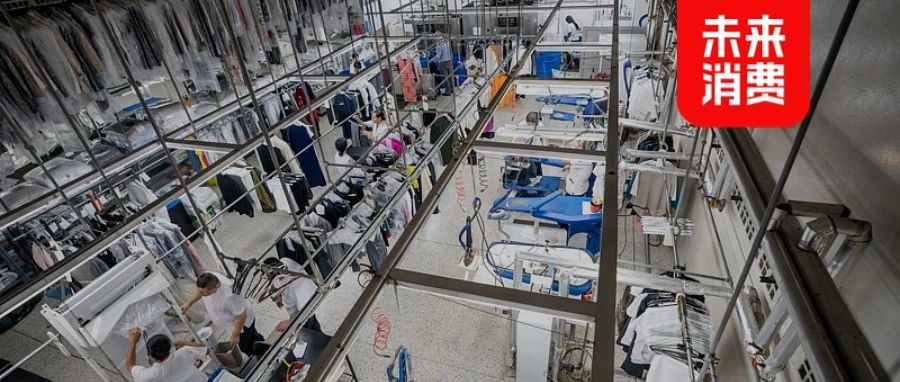
报告称AI给企业带来的效益已体现在降本增效等多个方面
Zhong Guo Xin Wen Wang· 2025-06-18 17:31
Group 1 - The core viewpoint of the articles highlights the increasing adoption of artificial intelligence (AI) by technology companies to enhance operational efficiency, decision-making capabilities, and data management, while also facing challenges such as data expansion, ethics, and talent shortages [1][2] - The report titled "Intelligent Technology: A New Blueprint for Digital Transformation Driven by Artificial Intelligence" analyzes the new opportunities brought by AI, indicating that AI benefits are reflected in cost reduction, accelerated data-driven decision-making, and improved data analysis and insights [1] - The report integrates quantitative and qualitative inputs from industry experts, analyzing over 500 AI implementation cases and surveying 1,390 global decision-makers to quantify the potential value of generative AI for 17 million companies worldwide [1] Group 2 - The technology industry is undergoing a rapid transformation cycle, presenting significant opportunities for innovation and continuous adjustment of competitive landscapes [2] - Some companies are leading the way by developing AI that benefits other organizations, while others focus on integrating AI into current products and services, and a few have fully embedded AI into their operations [2] - The report identifies future opportunities for technology companies in performance optimization, customer relationship management, operational execution, and code generation and optimization, although many still lack clear AI strategies and implementation plans [2] Group 3 - The report suggests five measures to accelerate the realization of AI value, including establishing a coherent AI strategic vision, building trust in AI during initial stages, promoting AI-driven product innovation, and leading talent transformation through AI tools [2]
毕马威发布智能科技报告:AI智能体使新型SaaS成为可能
Nan Fang Du Shi Bao· 2025-06-18 15:27
Core Insights - The report by KPMG highlights that AI is driving a transformative wave across industries, with a significant rise in AI-native startups and the emergence of new SaaS models that emphasize usage-based and outcome-based billing [1][3]. Group 1: AI Implementation and Value - KPMG's report analyzes over 500 global AI implementation cases and surveys 1,390 decision-makers, quantifying the potential value of generative AI for 17 million enterprises based on a data model of 3 billion data points [1]. - The report emphasizes that AI is leading to cost reduction, enhanced efficiency, accelerated data-driven decision-making, and improved data analysis and insights for enterprises [4]. Group 2: Strategic Recommendations for Enterprises - The report outlines five key actions for enterprises to accelerate AI value realization: 1. Develop a coherent AI strategic vision and transition plan, assessing AI application maturity [3]. 2. Establish trust in AI during initial stages and design governance processes to address risks and regulatory challenges [3]. 3. Drive product innovation through AI, leveraging cloud infrastructure and large models [3]. 4. Accelerate operational model transformation using data and emerging technologies, creating a resilient cloud foundation for data assetization [3]. 5. Embed AI-driven workflows into operational structures to promote cross-industry empowerment and product service upgrades [3]. Group 3: Industry Trends and Challenges - The technology sector is undergoing rapid transformation, presenting significant opportunities for innovation and competition [4]. - While AI offers substantial benefits, challenges such as security and data privacy remain critical barriers to unlocking its full potential [4].
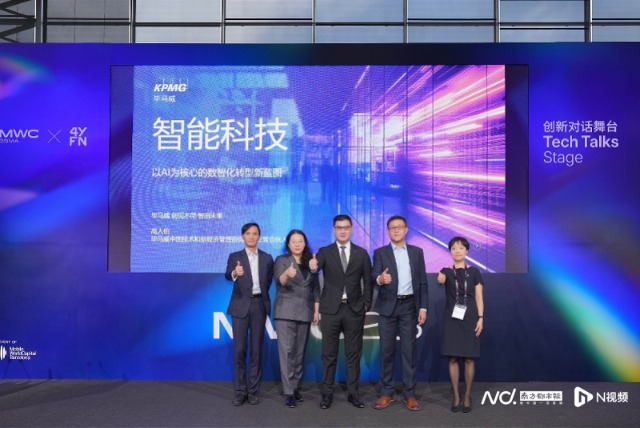
中邮消费金融发布数智化生态蓝图,加速向智慧生态化转型
Sou Hu Cai Jing· 2025-06-17 13:06
Core Viewpoint - China Post Consumer Finance Co., Ltd. has officially launched its Smart Ecosystem Blueprint during the release of the "Zhongyou Wallet APP 3.0," marking a significant step towards its transformation into a smart ecosystem [1][3]. Group 1: Strategic Initiatives - The launch of the Smart Ecosystem Blueprint signifies a new phase in the company's transformation, aimed at enhancing the quality of financial services in line with national policy directives [3]. - The company emphasizes the importance of ecological collaboration in the competitive landscape of consumer finance, focusing on deepening cooperation with its parent company, Postal Savings Bank, and other internet platforms to create a diverse ecosystem [4]. Group 2: Technological Advancements - The company has introduced the IT 3.0 plan, which focuses on four key goals: intelligent business innovation, integration of cutting-edge technologies, optimization of end-to-end intelligent operations, and agile support through resilient architecture [5]. - Insights from industry and academic experts during the event highlighted the critical role of credit data and advanced technologies like cloud computing, big data, and artificial intelligence in driving the digital transformation of the consumer finance sector [5]. Group 3: Future Directions - The company aims to continue enhancing ecological collaboration and building the "Zhongyou Consumer Finance+" ecosystem, with a commitment to providing high-quality and convenient financial services to consumers [5].
小盐粒释放大能量
Xiao Fei Ri Bao Wang· 2025-06-17 02:43
Core Insights - The salt industry in China has evolved significantly, becoming a crucial part of both the economy and public health, with a production capacity of 116 million tons and an output of 92 million tons, making China the world's largest salt producer and consumer, accounting for 32% of global production [2][4] Industry Development - The salt industry has transitioned from primarily sea salt to a dominant reliance on well and lake salt, with current proportions being 29% sea salt, 58% well salt, and 14% lake salt [4][5] - The industry has seen advancements in production technology, moving from traditional methods to modernized processes, enhancing efficiency and output [5][6] Quality and Safety - The safety and quality of edible salt are maintained through a network of 123 designated production enterprises and 1,213 wholesale enterprises, with a product quality compliance rate of 98.44% based on recent inspections [2][6] - The implementation of national and industry standards has been crucial, with 33 national standards and 52 industry standards currently in effect, covering various aspects of production and safety [6] Market Trends - There is a growing consumer demand for high-quality and diverse salt products, leading to an increase in the market share of premium salt [2][3] - The industry is encouraged to shift from a "necessity mindset" to a "product mindset," focusing on innovation and tailored products for different culinary needs [3][7] Innovation and Technology - The industry is urged to adopt digital and intelligent technologies to enhance production capabilities and create unique intellectual property, thereby increasing product value [7][8] - The establishment of smart storage systems, such as those at the Han Gu Salt Field, exemplifies the integration of technology in traditional salt production [10] Health and Environmental Impact - The salt industry plays a vital role in public health, particularly in the prevention of iodine deficiency, with ongoing efforts to maintain iodine fortification in salt [8][9] - The industry is also focusing on green development, with initiatives like zero-carbon certifications for salt production facilities, highlighting the importance of sustainability [9][10] Cultural Significance - Salt culture is being preserved and promoted through the establishment of museums and cultural venues, contributing to the education and tourism sectors [9][10] - The industry is encouraged to integrate cultural elements into its development strategy, enhancing the overall value of salt products [9]

每日投资策略-20250616
Zhao Yin Guo Ji· 2025-06-16 03:48
Macro Economic Overview - China's credit situation continues to be driven by government financing, while private sector credit demand remains weak. The growth rate of social financing in May has rebounded due to accelerated issuance of government bonds. However, tariff impacts are dragging down household purchasing, consumption, and corporate capital expenditure, leading to a continuous decline in new RMB loans year-on-year. More policy support is needed to revive private economic recovery momentum [2] - It is expected that the LPR will be further lowered by 10 basis points in the second half of 2025, and the broad fiscal deficit may moderately increase. The central bank is likely to maintain ample liquidity to support credit growth and stabilize the real estate sector, countering the impacts of tariff shocks. If a trade agreement can be reached between China and the US, China may focus on economic rebalancing, increasing fiscal expansion and consumption stimulation, and advancing manufacturing capacity reduction [2][4] Company Analysis Mindray Medical (300760 CH) - Mindray Medical recently held an investor day, focusing on the digital transformation of its equipment business and the expansion strategy of its flow-type business, aiming to build an overall solution covering all departments with "equipment + IT + AI" and "equipment + consumables." Key highlights include the establishment of a digital medical ecosystem based on IT + AI technology across three major production lines [5] - The company’s AI medical layout mainly focuses on emergency, surgery, and critical care, with the launch of a major model for critical care expected in December 2024, aiming to complete installations in over 30 hospitals this year. By the end of 2025, the company plans to release a major model for anesthesia, with specialized models for emergency, cardiovascular, ultrasound, and laboratory expected to be released in the next 1-2 years [5][6] - The automated assembly line is a key breakthrough for the IVD business, with over 200 new installations expected globally in 2024 and around 300 installations anticipated in 2025. The comprehensive IVD layout supports the company’s multi-disciplinary assembly line production, providing cost and iteration efficiency advantages [6][7] Baker Microelectronics (2149 HK) - Baker Microelectronics remains a core recommendation in the semiconductor sector, with a focus on demand prospects, geopolitical uncertainties, and upstream manufacturing resource investment plans. The company has a clear and sustainable growth strategy [8] Adobe (ADBE US) - Adobe reported a 11% year-on-year revenue growth to $5.87 billion for Q2 FY25, with non-GAAP net profit increasing by 7% to $2.17 billion, both in line with consensus expectations. The company raised its FY25 total revenue guidance to $23.5-23.6 billion, primarily driven by strong performance in its digital media business and increased penetration of AI products [8] Focus Stocks - Geely Automobile (175 HK): Buy rating, target price of 24.00 HKD, potential upside of 47% [9] - Xpeng Motors (XPEV US): Buy rating, target price of 28.00 USD, potential upside of 54% [9] - Luckin Coffee (LKNCY US): Buy rating, target price of 40.61 USD, potential upside of 15% [9] - Tencent (700 HK): Buy rating, target price of 660.00 HKD, potential upside of 29% [9] - Alibaba (BABA US): Buy rating, target price of 155.50 USD, potential upside of 38% [9]



迈瑞医疗(300760):数智化+流水化转型,打造增长新引擎
Zhao Yin Guo Ji· 2025-06-16 02:40
Investment Rating - The report maintains a "Buy" rating for the company with a target price of RMB 272.90, reflecting a potential upside of 15.0% from the current price of RMB 237.28 [2][6]. Core Insights - The company is undergoing a digital and streamlined transformation, focusing on creating a comprehensive "equipment + IT + AI" and "equipment + consumables" solution across all departments [1]. - Key highlights include the establishment of a smart medical ecosystem based on IT and AI technologies, and the continuous expansion of business boundaries to support long-term growth [1][6]. - The report anticipates that the IT and AI business development cycle may take time to generate substantial revenue, but it will enhance product performance and competitiveness in the long run [6]. Financial Summary - Sales revenue is projected to grow from RMB 34,932 million in FY23A to RMB 49,573 million in FY27E, with a CAGR of approximately 10.9% [2][11]. - Net profit attributable to shareholders is expected to increase from RMB 11,582 million in FY23A to RMB 14,952 million in FY27E, reflecting a CAGR of about 10.3% [2][11]. - The company’s P/E ratio is forecasted to decrease from 24.8 in FY23A to 19.2 in FY27E, indicating improving valuation metrics [2][11]. Business Segments - The company is focusing on several key areas: - **Life Information and Support Business**: Utilizing AI to enhance clinical decision-making and patient care [6]. - **Ultrasound Business**: Offering AI-driven solutions to improve diagnostic efficiency and quality [6]. - **In Vitro Diagnostics (IVD)**: Expanding automated production lines and launching new products to enhance market competitiveness [6]. - **Emerging Business**: Targeting interventional and minimally invasive treatments, with plans to develop surgical robots [6]. Valuation Analysis - The DCF valuation indicates a per-share value of RMB 272.90, based on a WACC of 9.2% and a perpetual growth rate of 3.0% [8]. - The report shows a slight upward adjustment in profit expectations, reflecting confidence in the company's growth trajectory [6][10].
“信用记录关爱日”18周年,招联如何让信用不负期待?
2 1 Shi Ji Jing Ji Bao Dao· 2025-06-13 23:09
Group 1: Credit Record Care Day - The People's Bank of China established June 14 as "Credit Record Care Day" in 2008 to enhance public awareness of the credit system and promote the construction of a social credit system [1] - The 18-year journey has seen credit reports expand from the financial sector to areas such as job seeking and renting, becoming an "economic identity card" for individuals [1] - In 2024, the credit report query service provided by the People's Bank of China reached 6.7 billion times [1] Group 2: Consumer Finance Industry - By the end of 2024, the total assets of 31 licensed consumer finance companies reached 1.3 trillion yuan, playing a crucial role in the internal economy [1] - Consumer finance companies are essential for serving long-tail customer groups that traditional financial services often overlook due to limited information and weaker credit qualifications [1] - Leading consumer finance companies are focusing on enhancing their financial technology capabilities for better risk control and service efficiency [1] Group 3: Zhaolian Consumer Finance - Zhaolian Consumer Finance, established in 2015 by China Unicom and China Merchants Bank, pioneered a fully online business model, marking the beginning of the industry's digital transformation [2] - The "Zhaolian Zhilu" AI model has evolved to its second generation, demonstrating superior performance in financial data analysis, risk assessment, and market trend prediction [2] - Zhaolian has developed the "Fengyun" risk control system, covering the entire risk management process and effectively intercepting fraudulent activities [2] Group 4: Zhaolian's Inclusive Business Strategies - Zhaolian refers to long-tail customers as "individual fighters," reflecting the company's respect and care for this demographic [3] - In response to macroeconomic fluctuations and declining repayment capabilities, Zhaolian has implemented strategies to enhance customer self-credibility and confidence in repayment [3] - The "self-service" system includes "self-confidence" services for customers with insufficient credit records and "self-healing" services for overdue customers, benefiting millions [3] Group 5: Consumer Education Initiatives - Zhaolian plays a significant role in promoting credit knowledge among long-tail customers through various public outreach initiatives [5] - The "Zhaolian Consumer Protection Public Train" project aims to educate passengers on consumer protection and financial safety while traveling [5] - Zhaolian has established "credit book houses" in rural areas to enhance financial literacy and consumer protection awareness [6]