
人形机器人商业化

Search documents
会给自己换电的人形机器人拿下近1亿元订单,采购方又是车企
Nan Fang Du Shi Bao· 2025-07-21 07:12
Core Insights - The humanoid robot industry is witnessing significant procurement contracts, with UBTECH Technology winning the largest single bid for robot equipment worth 90.51 million yuan from Miyi (Shanghai) Automotive Technology Co., Ltd [1][2] - UBTECH has secured a total of 285 bids to date, indicating strong market demand and growth potential in the humanoid robot sector [2] - The commercial deployment of humanoid robots is accelerating, with companies like Zhiyuan Robotics and Yushu Technology also winning substantial contracts [5] Company Highlights - UBTECH's recent contract is its largest to date, surpassing previous projects, including a 72.995 million yuan contract for humanoid and service robots [2] - The company has launched the Walker S2, the world's first humanoid robot with autonomous battery swapping capabilities, aiming to deliver 500 units this year [2] - UBTECH's Walker series robots are already in use at major automotive manufacturers like NIO, BYD, and Audi FAW for quality inspection and labeling tasks [4] Industry Trends - The humanoid robot market is entering a phase of commercialization, with domestic manufacturers achieving significant order breakthroughs [5] - The successful bids by Zhiyuan Robotics and Yushu Technology for a project with China Mobile indicate a growing interest and investment in humanoid robotics [5] - The industry is expected to see increased capital expenditure as leading domestic robot manufacturers advance their capital processes [5]


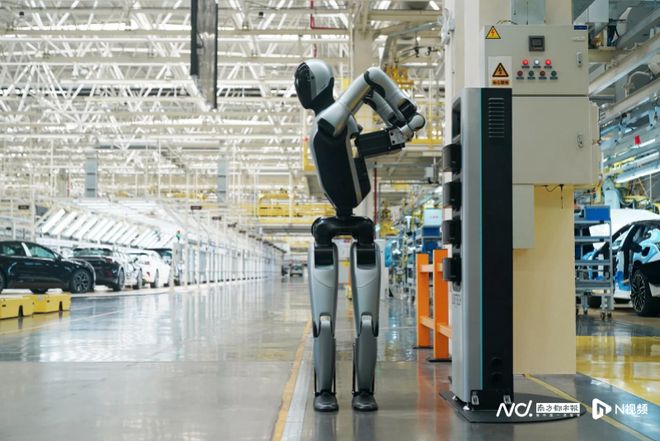
人形机器人公司加快融资及上市步伐
Zhong Guo Zheng Quan Bao· 2025-07-20 20:20
Group 1 - The core viewpoint of the articles highlights the significant influx of capital into the humanoid robotics sector, with multiple companies securing substantial funding and orders, indicating a potential commercial explosion in the industry [1][2][4] - In July alone, several humanoid robotics companies, including Yubiquitous and ZhiYuan Robotics, announced major financing rounds and strategic investments, reflecting a growing interest from investors [1][2] - The number of financing events in the humanoid robotics field reached 77 in the first half of the year, surpassing the total of 67 from the previous year, showcasing a robust investment trend [1][2] Group 2 - Notable companies like Yushu Technology and ZhiYuan Robotics have attracted significant investments from major institutions, with Yushu Technology's pre-IPO valuation reaching 12 billion yuan [2][3] - The industry is witnessing a shift from concept to tangible products, with companies like ZhiYuan Robotics and Yushu Technology achieving significant milestones in production and delivery [3][5] - Traditional manufacturing giants are entering the humanoid robotics space, enhancing market confidence and signaling a broader acceptance of humanoid robots in various applications [3][4] Group 3 - The articles emphasize that the humanoid robotics industry is on the brink of commercial explosion, driven by factors such as aging populations, labor shortages in certain sectors, and technological advancements reducing costs [5][6] - Companies are experiencing increased order volumes, with Yubiquitous reporting over 100 orders since March and ZhiYuan Robotics securing contracts worth 1.24 billion yuan [5][6] - Despite the rapid development, industry experts caution that the sector is still in its early stages, requiring patience for widespread application and further technological breakthroughs [6]

晚报 | 7月21日主题前瞻
Xuan Gu Bao· 2025-07-20 14:33
Infrastructure - The Yarlung Tsangpo River downstream hydropower project officially commenced on July 19, with a total investment of approximately 1.2 trillion yuan [1] - The project will construct five cascade power stations, leveraging a significant technical resource potential of nearly 70 million kilowatts, which is three times the installed capacity of the Three Gorges Dam [1] - The project is expected to boost demand in various sectors, including civil explosives, cement, tunneling, and geotechnical engineering [1] Robotics - UBTECH Robotics won the largest procurement order in the global humanoid robot sector, amounting to 90.5115 million yuan, from MiYi (Shanghai) Automotive Technology Co., Ltd [2] - The company has accelerated its humanoid robot business, with plans to deliver 500 industrial humanoid robots this year [2] - The humanoid robotics industry is experiencing rapid commercialization, with projections indicating potential mass production of over 10,000 units by 2026 [2] Rare Earths - The rare earth permanent magnet sector is witnessing a surge due to three favorable developments, including the reaffirmation of rare earth's strategic importance by the Ministry of State Security [3] - A new rare earth mineral, "Nd-Huanghe," was discovered, expanding resource potential [3] - The Chinese rare earth industry holds 70% of global production capacity and 90% of processing output, with significant growth potential in the midstream sector [3] TDI Market - A fire at Covestro's plant in Germany has led to supply disruptions, causing TDI prices to rise significantly, with a reported increase of 2,000 yuan per ton in East China [4] - As of July 17, TDI prices in Northern China surged by over 30%, reaching 18,500 yuan per ton [4] - Domestic TDI supply is concentrated, and the recent supply reductions are expected to improve product profitability [5] Artificial Blood - Researchers from Germany and the UK identified a key molecular signal, CXCL12, which is crucial for the maturation of red blood cells [6] - This discovery has significant implications for the large-scale, personalized production of artificial blood and potential treatments for blood-related diseases [6]
中国人形机器人爆发:资本、技术与商业化三重突破中
2 1 Shi Ji Jing Ji Bao Dao· 2025-07-17 08:30
Capital Inflow - The humanoid robot sector is experiencing unprecedented capital influx, with 114 investment events in the first five months of 2025, surpassing the total of 77 events in the previous year, and raising 23.2 billion yuan, exceeding the total of 20.9 billion yuan in 2024 [4][6] - Government-led funds are entering the market, with over 70 billion yuan allocated to humanoid robots from local government funds [6][7] - The competition among local governments to establish 10 billion yuan funds for the humanoid robot industry has intensified, with cities like Beijing, Shanghai, and Shenzhen joining the "10 billion fund club" [6][7] Technological Breakthroughs - 2025 is marked as a pivotal year for advancements in humanoid robot motion control technology, with significant progress in hardware capabilities such as high-torque motors and tactile sensing systems [8][9] - The market for dexterous hands, a key interface for human-robot interaction, is projected to grow from 1.7 billion USD in 2024 to over 3 billion USD by 2030 [8] - Software advancements have enabled humanoid robots to achieve human-like decision-making capabilities, integrating AI-driven task planning and data-driven execution [9] Commercialization Progress - The commercialization of humanoid robots is accelerating, highlighted by a major procurement order from China Mobile worth 124 million yuan, marking a significant milestone [11][12] - Industrial applications are becoming the primary battleground for commercialization, with numerous automotive companies placing orders for humanoid robots [12] - Despite the surge in orders, approximately half are focused on public demonstrations and data collection, indicating a structural contradiction in the market [13]
格林大华期货股指早盘提示-20250717
Ge Lin Qi Huo· 2025-07-17 01:47
Report Summary 1. Report Industry Investment Rating - Recommend going long on all four stock index futures contracts (IH, IF, IM, IC) [1] 2. Core View of the Report - The market is expected to evolve into a trend - rising market. With the recovery of the Shanghai Composite Index above 3500 points, it is recommended to go long on stock index futures and buy out - of - the - money long - term call options on stock indices [1][2] 3. Summary by Relevant Catalogs Market Review - On Wednesday, the main indices of the two markets fluctuated widely, falling first and then rising, with growth - style indices being strong. The total turnover of the two markets was 1.44 trillion yuan, showing a contraction in volume. The CSI 1000 Index closed at 6462 points, up 19 points or 0.30%; the CSI 500 Index closed at 6017 points, down 1 point or - 0.03%; the SSE 50 Index closed at 2740 points, down 6 points or - 0.23%; the SSE 300 Index closed at 4007 points, down 11 points or - 0.30%. Among industry and theme ETFs, auto parts, film and television, robotics, traditional Chinese medicine, and biovaccine ETFs led the gains, while steel, semiconductor materials, and software ETFs led the losses. Among sector indices, chemical pharmaceuticals, film and television theaters, reducers, home appliance parts, and auto services led the gains, while components, games, energy metals, lithium extraction from salt lakes, and small and medium - sized bank indices led the losses. The settled funds of stock index futures for CSI 1000, SSE 300, CSI 500, and SSE 50 had net outflows of 53, 34, 22, and 12 billion yuan respectively [1] Important Information - The Central Urban Work Conference deployed 7 key tasks, including optimizing the modern urban system, building innovative, livable, green, resilient, and smart cities [1] - NVIDIA CEO Huang Renxun said that Chinese AI models are "world - class", and AI is changing every industry, with China's open - source AI being a catalyst for global progress [1] - Great Wall Securities believes that the humanoid robot industry is expanding rapidly, with many domestic and foreign manufacturers launching mass - produced products, and the commercialization process is expected to accelerate further [1] - Zuckerberg announced that Meta plans to invest hundreds of billions of dollars in building large - scale data centers, indicating confidence in medium - term revenue growth and a strong signal that the AI capital expenditure cycle is far from over [1] - A survey by Bank of America's fund managers shows that global risk appetite has grown at the fastest rate since 2001, with funds flowing into US, European stocks, and the technology sector at a record pace, and cash allocation dropping below the 3.9% warning line, suggesting a possible market adjustment [1] - The South Korean government is considering "strategic concessions" on some agricultural product import restrictions to gain more room for a broader trade agreement with the US, which has triggered a strong backlash from farmers' groups [2] - France's 40 - billion - euro fiscal adjustment plan will focus on increasing revenue and reducing expenditure, but each aspect faces great resistance. With limited tax measures, the main part of the adjustment will come from spending cuts. The yield of France's 30 - year bonds has risen to 4.2140%, the highest since 2011 [2] - The US CPI in June failed to ease tariff concerns, leading investors to reduce their expectations of an interest rate cut in September, and a sell - off of long - term US bonds. A large amount of funds flowed into the options market, betting that the yield of 30 - year US bonds will jump to 5.3% in about five weeks [2] - JPMorgan Chase warned that as tariff pressure spreads to a wider range of commodities, price pressure will intensify in the coming months, and the Fed may remain on hold [2] - Trump said that pharmaceutical tariffs may be introduced "by the end of the month", and the timeline for introducing chip tariffs is similar to that of pharmaceutical tariffs [2] Market Logic - On Wednesday, the main indices of the two markets fluctuated widely, with the Shanghai Composite Index regaining the 3500 - point mark. Citi believes that China's exports in June showed resilience, and imports had their first year - on - year positive growth this year, reflecting improved domestic demand and potentially supporting stable economic growth. Great Wall Securities believes that the commercialization process of the humanoid robot industry is expected to accelerate [1][2] Future Market Outlook - The main indices of the two markets fluctuated widely on Wednesday, and the Shanghai Composite Index regained the 3500 - point mark. In June, the added value of industrial enterprises above designated size increased by 6.8% year - on - year and 0.50% month - on - month. The global reallocation of financial assets is moving away from the US, which is expected to accelerate the inflow of international funds into A - shares. The anti - involution trend is expected to boost the performance of listed companies, and the market is expected to evolve into a trend - rising market. With the recovery of the Shanghai Composite Index above 3500 points, the wealth effect of the stock market is emerging, and the inflow of funds is expected to accelerate in the future [2] Trading Strategy - For stock index futures directional trading, it is recommended to go long on the four major stock index futures contracts as the market is expected to evolve into a capital - driven upward trend with the Shanghai Composite Index regaining the 3500 - point mark. For stock index option trading, as the market is expected to evolve into a trend - rising market, it is recommended to buy out - of - the - money long - term call options on stock indices [2]
国泰海通|机械:智元&宇树获1.24亿订单,人形机器人商业化加速
国泰海通证券研究· 2025-07-15 14:10
Core Viewpoint - The recent procurement of humanoid robot manufacturing projects by Zhiyuan and Yushu, totaling 1.24 billion yuan, signifies a shift from research to commercialization in the humanoid robot industry, highlighting the acceleration of application scenarios, particularly in telecommunications [1][3]. Group 1: Company Strengths - Zhiyuan Robotics has achieved mass production of its general-purpose humanoid robots, with the 1,000th unit expected to roll off the production line in January 2025, demonstrating its capability to implement application scenarios [2]. - Zhiyuan's "body + AI" full-stack technology and its three product families have covered multiple commercial scenarios, enhancing its competitive edge [2]. - Yushu Technology excels in the research, production, and sales of humanoid robots, with significant capabilities in core components, motion control, and perception, leading to a global technological advantage in quadruped robots [2]. Group 2: Industry Development - The recent orders are seen as a "shot in the arm" for the industry, marking a transition to commercialization and attracting more companies to innovate and upgrade the industry [3]. - The procurement by a telecommunications giant indicates a growing demand in traditional industries, suggesting that telecommunications services will become a significant application scenario for humanoid robots [3]. - The collaboration between Zhiyuan and Yushu is expected to create a positive feedback loop in the industry, allowing for data accumulation and product iteration, which will help expand their customer base [3].

宇树科技CEO称旗下机器人今年出货量同比增长明显,这家公司有人形机器人相关线缆的订单!
摩尔投研精选· 2025-07-15 10:35
Core Viewpoint - Yushu Technology has experienced significant growth in robot shipments this year compared to last year, indicating a positive trend in the industry [1]. Group 1: Company Performance - Yushu Technology has achieved profitability for five consecutive years, with annual revenue surpassing 1 billion yuan [2][3]. - The company initially focused on quadruped robots, launching its first model, Laikago, in 2017, and has since expanded into humanoid robots [2]. - Notable humanoid robots include the H1, which gained fame for its performance on the Spring Festival Gala, and the G1 aimed at the consumer market [2]. Group 2: Market Demand and Orders - There is a surge in orders for humanoid robots, marking the beginning of commercialization in the industry [4]. - In the first five months of 2025, Yushu Technology's project wins approached the total amount for the entire year of 2024, indicating strong demand [4]. - Other companies in the sector, such as Songyan Power and Leju Robotics, have also reported significant order increases, with Leju's first-quarter orders up 200% year-on-year [4]. Group 3: Industry Trends - The commercialization of humanoid robots is accelerating, with a focus on expanding production capacity and enhancing delivery capabilities [5]. - The entry of robots into real-world applications is driving the evolution of intelligence, highlighting the importance of supply chains as a critical bottleneck for production capacity [5]. - The industry is witnessing a rapid increase in the mass production of humanoid robots, creating opportunities for key technologies with competitive advantages [5].

量产落地,人形机器人数量将超过人类?智元机器人通用业务部总裁王闯揭秘“从实验室到工厂”背后的技术突破
Mei Ri Jing Ji Xin Wen· 2025-07-15 10:05
Core Insights - China Mobile's recent procurement announcement has garnered significant attention in the humanoid robot industry, with Zhiyuan Robotics and Yushu Technology winning major contracts for full-size and half-size humanoid robots respectively [1][4]. Group 1: Company Overview - Zhiyuan Robotics, led by Wang Chuang, has developed the Yuanzheng series of humanoid robots, with the full-size humanoid robot being part of the Yuanzheng series [1][4]. - Wang Chuang, a PhD from the Chinese Academy of Sciences, has a background in leading the core algorithm design for DJI's laser radar product line, achieving over 50% market share in the surveying and industrial robot sectors [1][4]. Group 2: Procurement Details - The total budget for the humanoid robot procurement project by China Mobile is approximately 124.05 million yuan (including tax), marking it as the largest disclosed single procurement order in China's humanoid robot sector [4]. - Zhiyuan Robotics secured a budget of 78 million yuan for the full-size humanoid robot, while Yushu Technology received 46.05 million yuan for the small-size humanoid robot [4]. Group 3: Market Potential and Future Outlook - Industry experts predict that humanoid robots will achieve mass production commercialization within five years, with China Mobile already issuing orders worth hundreds of millions [4]. - Wang Chuang emphasized the potential for humanoid robots to become new terminal devices with significant market demand, suggesting that the number of humanoid robots could surpass that of humans in the future [10][11]. Group 4: Technical and Production Advantages - Zhiyuan Robotics' success in securing the China Mobile order is attributed to its technological leadership, mass production capabilities, and product stability [4][22]. - The company has developed a closed-loop system for the Yuanzheng robots, ensuring high consistency and reliability in mass production, with over 90 workstations dedicated to quality control [18][22]. Group 5: Competitive Landscape - The Yuanzheng series includes both bipedal and wheeled robots, with the company recognizing the importance of both forms for different applications [22]. - Wang Chuang noted that humanoid robots possess greater flexibility and can adapt to various tasks over time, distinguishing them from traditional AGVs (Automated Guided Vehicles) [22].


今天,人形机器人板块反弹,多股大涨
Zhong Zheng Wang· 2025-07-14 08:12
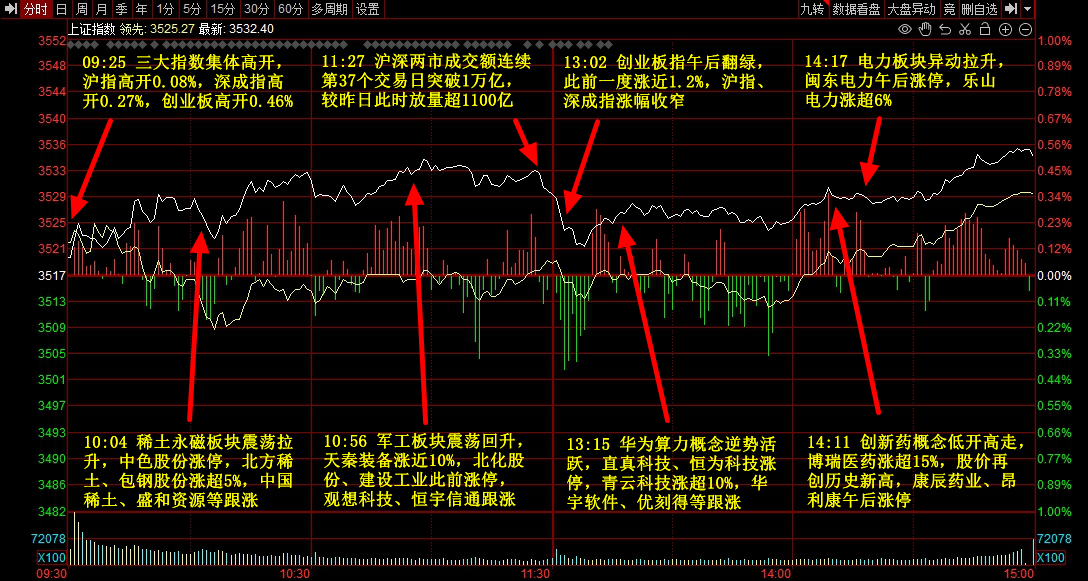
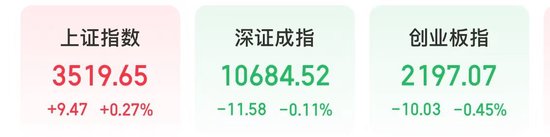
炒股就看金麒麟分析师研报,权威,专业,及时,全面,助您挖掘潜力主题机会! 今天,A股三大股指走势分化。截至收盘,上证指数上涨0.27%,深证成指下跌0.11%,创业板指下跌 0.45%。 人形机器人板块今天强势反弹,对盘面起到提振作用,PEEK材料、电机、汽车零部件、工业母机等多 个板块跟随上涨。 人形机器人板块中,恒工精密、长盛轴承、步科股份等个股大涨。人形机器人板块近期迎来多项事件催 化: 7月8日晚,上纬新材发布公告称,上海智元新创技术有限公司及其核心团队共同出资设立的持股平台 ——上海智元恒岳科技合伙企业(有限合伙),拟至少收购上纬新材合计63.62%的股份。 中国移动采购与招标网近日发布采购项目结果公示,智元机器人和宇树科技中标中移(杭州)信息技术 有限公司人形双足机器人代工服务采购项目。 据国新网消息,国务院新闻办公室将于7月15日(星期二)下午3时举行"新征程上的奋斗者"中外记者见 面会,民营企业家代表将围绕"弘扬企业家精神,坚定做优秀中国特色社会主义事业建设者"与中外记者 见面交流。值得注意的是,杭州宇树科技股份有限公司创始人兼首席执行官王兴兴出现在官方公布的出 席人员名单中。 长城证券表示, ...




智元、宇树携手中标亿级人形机器人大单,机器人行业迎来商业化里程碑
Xuan Gu Bao· 2025-07-13 23:30
Group 1 - China Mobile's procurement project for humanoid biped robots has awarded contracts to Zhiyuan Robotics and Yushu Technology, marking a significant milestone in the commercialization of the humanoid robot industry in China [1] - The total budget for the procurement project is 124.05 million yuan (including tax), with Zhiyuan Robotics winning the bid for the full-size humanoid robot at 78 million yuan (including tax) and Yushu Technology winning the bid for the small-size humanoid robot and related components at 46.05 million yuan (including tax) [1] - Zhiyuan Robotics has secured 8 winning bids since December 2024, including a recent project in Zhuhai worth 12.7362 million yuan, while Yushu Technology has disclosed 168 winning bids, primarily in education and factory inspection sectors [1] Group 2 - Guotai Junan Securities emphasizes that the procurement tender's implementation is a crucial turning point for the humanoid robot industry, which is currently at a key inflection point from 0 to 1 [1] - The industry is expected to experience short-term fluctuations in prosperity driven by events, while long-term focus should be on identifying quality companies with certainty in the supply chain [1]