
全球化

Search documents
研判2026!中国烘鞋器行业发展背景、产业链、市场规模、竞争格局、发展趋势:场景拓展与全球化推动,行业市场规模持续上涨[图]
Chan Ye Xin Xi Wang· 2026-02-23 01:32
Core Insights - The shoe dryer industry has experienced steady growth driven by three core factors: population expansion, increased awareness, and demand upgrades [1][7] - The market for shoe dryers in China is projected to reach 1 billion yuan by 2025, with a year-on-year increase of 25.0% [1][8] Market Overview - Shoe dryers, also known as drying machines, are small appliances designed for drying shoes, featuring functions such as drying, sterilization, and deodorization [3] - The primary consumer base for shoe dryers is concentrated in humid southern regions of China, with expanding demand from outdoor workers and sports enthusiasts [1][7] - The shift from low-cost homogenization to high-end differentiation in product structure is a key driver of industry growth [1] Economic Factors - The growth in disposable income and consumer spending in China is a significant factor driving the expansion of the shoe dryer market [4] - From 2020 to 2025, China's per capita disposable income is expected to rise from 32,189 yuan to 43,377 yuan, while per capita consumption expenditure is projected to increase from 21,210 yuan to 29,476 yuan [4][5] Industry Chain - The shoe dryer industry supply chain includes upstream raw materials like engineering plastics and metals, midstream manufacturing, and downstream sales channels such as e-commerce platforms and physical stores [6] - By 2025, major online sales channels for shoe dryers will be Taobao/Tmall and JD.com, accounting for 60% of the market share [6] Competitive Landscape - The shoe dryer industry is transitioning from homogeneous competition to segmented competition, with traditional appliance brands entering the market [9] - Key players in the industry include Chengdu Rainbow Electric Group, Zhejiang Superman Technology, and Guangdong Zhigao Air Conditioning [9][10] Development Trends - The integration of IoT and AI technologies is driving the smart development of shoe dryers, enhancing user experience through features like automatic moisture detection and remote control via mobile apps [11] - The application of shoe dryers is expanding beyond households to include schools, gyms, and hotels, addressing collective living and public health needs [12] - Environmental sustainability is becoming a core competitive advantage, with companies adopting energy-efficient technologies and eco-friendly materials [13]




新华时评:“中国年”走向世界,春节里的文明共生
Xin Hua She· 2026-02-20 22:40
Core Viewpoint - The Chinese Spring Festival, recognized as a social practice of celebrating the traditional New Year, has been included in UNESCO's list of intangible cultural heritage, symbolizing the integration of family reunion, social harmony, and cultural continuity [1] Group 1: Cultural Significance - The Spring Festival embodies the essence of Chinese civilization, connecting the past and future while fostering harmonious coexistence among different cultures globally [1] - Approximately one-fifth of the world's population celebrates the Spring Festival in various forms, with many countries recognizing it as a public holiday [1] - Events like "Happy Spring Festival" and "Spring Festival in All Directions" are gaining popularity overseas, showcasing the festival as a shared global celebration [1] Group 2: Globalization and Market Impact - The trend of "spending Spring Festival in China" is becoming popular among overseas visitors, supported by China's visa-free policy for ordinary passport holders from Canada and the UK [2] - Multinational companies are launching special products for the Spring Festival, such as Nike's Year of the Horse series and Apple's red-themed accessories, reflecting market choices and the natural extension of globalization [2] - Traditional customs are evolving with technology, incorporating elements like AI and 3D printing, making the Spring Festival a participatory experience across different cultural contexts [2] Group 3: Universal Values - The Spring Festival resonates with universal human emotions and aspirations, as highlighted by UN Secretary-General António Guterres, who emphasized the need for energy, success, and courage in facing global challenges [3] - The festival serves as a bridge across borders, embodying shared human desires for happiness, peace, and unity, while promoting the spirit of courage, solidarity, and perseverance [3]
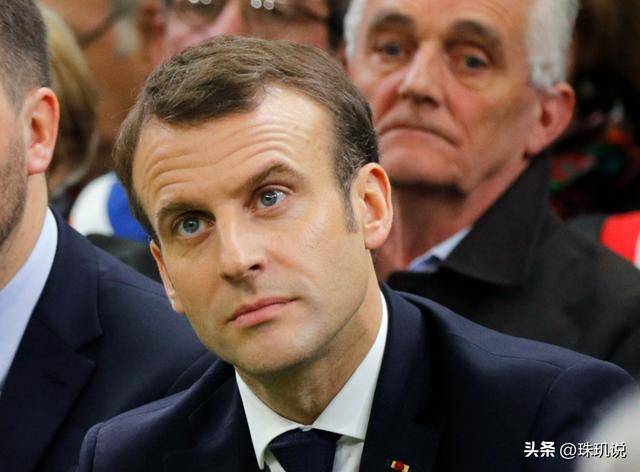
东方神秘力量太强,欧洲一败涂地?法国建议:把中国当日本来整
Sou Hu Cai Jing· 2026-02-20 03:08
大家好,今天犀哥这篇文章,主要来聊聊都2026年了,法国竟然逼中国和欧盟签署《新广场协议》?法 国人为什么这么做? 法国的"空想"报告 这份报告值得关注,因其智库背景特殊:它是为法国政府服务的高级机构,建议能直接传至爱丽舍宫、 被高层参考。 这份报告从头到尾都是空想,核心原因是它未看清当下世界格局,错把中国当作当年的日本、法国当作 当年的美国,既忽视欧盟内部分歧,也无视全球化规矩,最终只能纸上谈兵、无法落地。 要读懂其荒唐,需先回顾1985年《广场协议》,当年美国深陷巨额贸易赤字,召集日本、西德等国签署 协议,强行推动日元、马克兑美元升值。 彼时日本在安全和经济上高度依赖美国,无自主话语权,只能被动妥协,最终日元飙升导致日本出口崩 盘、资产泡沫破裂,陷入"失落的40年"至今未复苏,如今法国智库想复制这一模式,却忘了关键:时代 已变,中国绝非当年被动听话的日本。 两者的核心差距的是主权与实力。当年日本相当于美国在亚洲的"小弟",外交、安全皆看美国脸色,面 对不合理要求无力拒绝。 而中国是拥有完整独立主权、具备全球打击能力的核大国,更是全球唯一拥有完整工业体系的国家。 2月9号,法国"高等战略与规划委员会"通过《 ...
新华时评丨“中国年”走向世界,春节里的文明共生
Xin Lang Cai Jing· 2026-02-19 13:45
Group 1 - The core idea of the articles emphasizes the transformation of the Chinese New Year (Spring Festival) into a global celebration, reflecting cultural exchange and harmony among civilizations [1][2][3] - The inclusion of "Spring Festival - A Social Practice of Celebrating the Traditional New Year by Chinese People" in the UNESCO Intangible Cultural Heritage list highlights its significance and global recognition [1] - The increasing popularity of the Spring Festival worldwide is evidenced by various countries recognizing it as a public holiday, with approximately one-fifth of the global population celebrating it in different forms [1][2] Group 2 - The integration of traditional customs with modern life has created new connections, making the Spring Festival a shared global festival, as seen in the trend of overseas tourists wanting to experience it in China [2] - Multinational companies are launching special products for the Spring Festival, indicating a market response to the cultural significance of the holiday, with examples including Nike's Year of the Horse collection and Apple's red-themed products [2] - Technological innovations are reshaping traditional practices, such as the use of AI and 3D printing in creating customized Spring Festival gifts, demonstrating that the festival is evolving while maintaining its cultural essence [2]
李公明|一周书记:流动的“食物之旅”中的……壮观与奇迹
Xin Lang Cai Jing· 2026-02-19 04:33
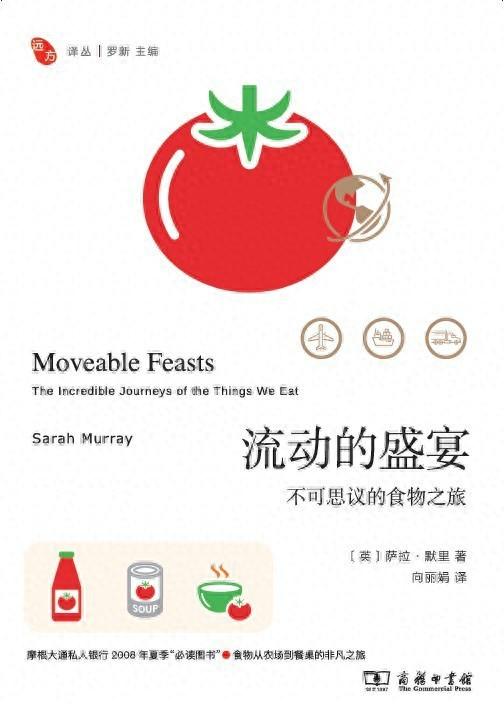
Core Insights - The book "Moveable Feasts: The Incredible Journeys of the Things We Eat" by Sarah Murray explores the complex journeys of food from production to consumption, highlighting the economic, social, and political implications of food transportation [3][5][12] Summary by Sections Food Journey and Globalization - The concept of "food miles" and "carbon footprint" is central to the discussion, reflecting the environmental impact of food transportation and the debate over local versus global food sourcing [7][20] - The book emphasizes that food transportation is not merely about the food itself but the intricate systems and technologies that enable these journeys, which have significant historical and cultural implications [11][12] Author's Background and Expertise - Sarah Murray is an experienced journalist and writer with a focus on global issues such as sustainability and social innovation, which lends credibility to her exploration of food transportation in the context of globalization [8][9] - Her firsthand experiences in various countries provide a rich narrative that enhances the understanding of food's journey across borders [9][10] Historical Context and Significance - The book addresses the historical neglect of food transportation in historical narratives, aiming to fill this gap by examining how food logistics have shaped human societies [11][12] - It discusses significant historical events, such as the Berlin Airlift, to illustrate the critical role of food transportation in political contexts [17][19] Environmental and Economic Considerations - The book presents a balanced view on the environmental criticisms of food globalization, arguing that while food miles raise awareness, they do not accurately reflect the complexities of carbon emissions associated with food transport [20][21] - It highlights the economic benefits of global food trade, particularly for farmers in developing countries, and the need for a nuanced understanding of the trade-offs involved [12][20] Technological and Cultural Impacts - The narrative explores the technological advancements in food transportation, from ancient methods to modern logistics, and their impact on food availability and cultural practices [13][16] - It emphasizes the interconnectedness of food, transportation, and societal changes, showcasing how these elements influence each other in the context of globalization [12][21]
特朗普对华下狠招!160%关税砸向中国?美国这次制裁,损失惨重
Sou Hu Cai Jing· 2026-02-18 06:48
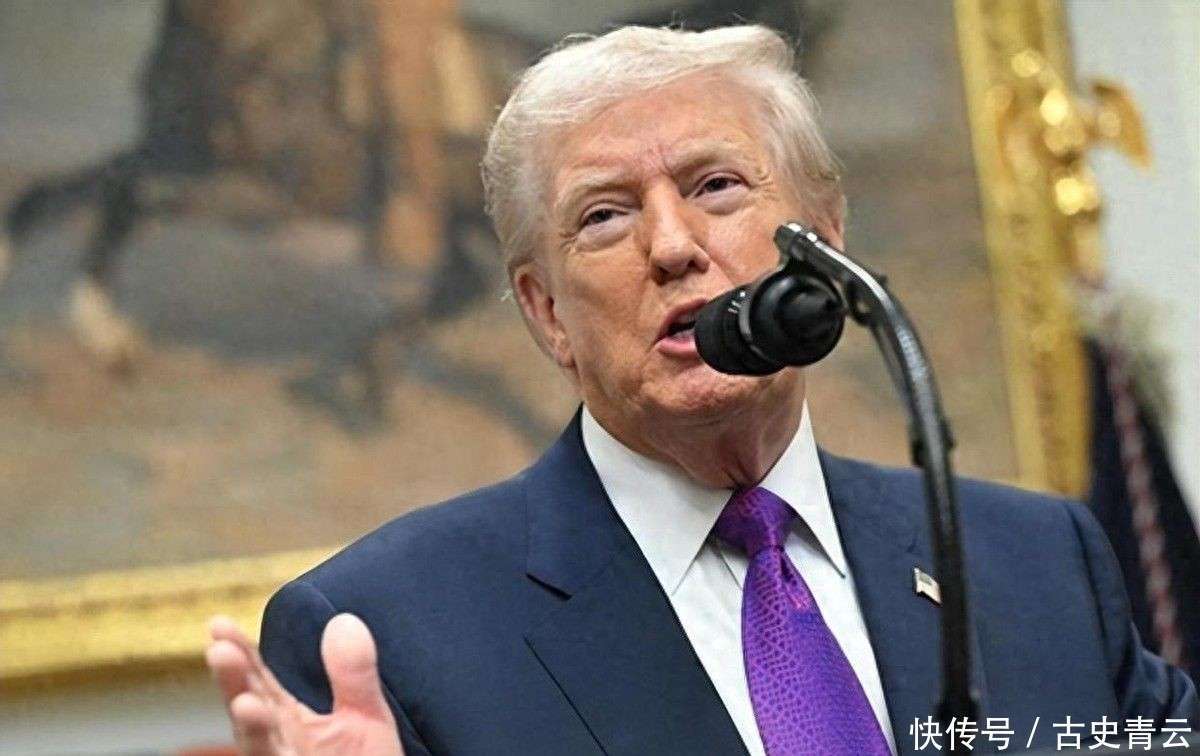
Core Viewpoint - Trump's recent decision to impose a 160% tariff on Chinese graphite while planning to visit China for cooperation reflects a contradictory and erratic policy approach that could have significant repercussions for the U.S. electric vehicle industry and broader economic landscape [1][4][10]. Industry Impact - Graphite is a critical component in electric vehicle batteries, accounting for over 90% of lithium battery anode materials. The U.S. decision to impose tariffs jeopardizes its own electric vehicle sector, which is heavily reliant on Chinese graphite [1][3]. - By 2025, China's artificial graphite production is expected to reach 2.67 million tons, representing 92.7% of global anode material shipments, indicating a near-monopoly in the market due to decades of technological accumulation and production capacity advantages [1][6]. Economic Consequences - The 160% tariff is projected to shift 92% of the additional costs onto U.S. companies and consumers, effectively acting as a hidden tax that could increase annual expenses for American households by approximately $1,300 [8][10]. - The U.S. electric vehicle industry is not prepared to sever its dependence on Chinese graphite, and the attempt to do so through tariffs may lead to greater economic pain domestically [3][10]. Political Context - The tariff appears to be more of a political maneuver aimed at garnering support from conservative voters and domestic capital, rather than a genuine effort to promote fair competition [4][10]. - The U.S. has previously delayed the implementation of tariffs on graphite, recognizing its inability to establish an independent supply chain in the short term, which underscores the challenges faced by American companies in this sector [6][8]. Technological and Competitive Landscape - China has a significant lead in graphite production and graphene technology, holding 80% of global patent applications in this area, which positions it favorably in the ongoing competition [6][11]. - Despite U.S. tariffs, China continues to innovate and expand its applications of graphene, maintaining a stronghold in various high-tech sectors, including AI and 5G communications [11][13]. Future Considerations - The potential for the tariff to be modified or reduced exists, depending on the findings of the U.S. International Trade Commission and the growing opposition from American businesses [11][13]. - The ongoing dynamics of U.S.-China relations will play a crucial role in determining the future of these tariffs and the overall competitive landscape in the graphite industry [11][13].
普京忽然改口!俄罗斯竟要重回美元怀抱?对人民币有多大影响?
Sou Hu Cai Jing· 2026-02-18 05:38
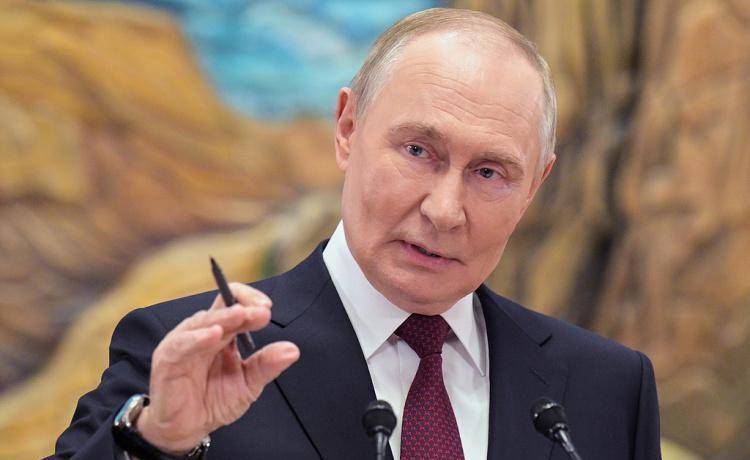
Group 1 - The article discusses the implications of Russia's potential return to the US dollar settlement system, highlighting that this move could significantly impact the ruble and the global economic landscape [3][12][13] - Russia's current economic situation includes a fiscal deficit of 4% and minimal economic growth of 0.6%, with a focus on survival amid sanctions and a push for de-dollarization [3][4] - The Central Bank of Russia has reported foreign exchange reserves exceeding $770 billion, with gold making up 35% and a growing share of transactions conducted in yuan [3][4] Group 2 - The ruble is currently undervalued in the exchange market, with actual exchange costs significantly higher than the official rate, indicating potential for a sharp appreciation if Russia rejoins the dollar system [9][10] - The article notes that while a stronger ruble could benefit government reserves, it may harm export-oriented businesses, leading to a preference for a gradual depreciation of the ruble [10][14] - The trade relationship between China and Russia is emphasized, with over $200 billion in annual trade, suggesting that fluctuations in the ruble could impact Chinese businesses as well [10][14] Group 3 - The article mentions that Russia's efforts to engage in local currency transactions within BRICS nations have increased, with over 60% of trade conducted in local currencies [4][12] - The potential for investment in Russian energy resources, such as the Siberian gas fields, is highlighted as a strategy to attract US investment, which could further influence the ruble's value [9][14] - The ongoing negotiations between China and Russia regarding energy prices indicate that China may have leverage in discussions, especially given the ruble's depreciation pressure [14][15]
春节工厂无休?解码义乌“零淡季”背后的全球订单密码
Sou Hu Cai Jing· 2026-02-18 02:32
Core Insights - Yiwu's logistics operations have not slowed down during the Spring Festival, with the China-Europe Railway Express operating at an increased frequency, reflecting the city's status as a "world supermarket" [1] Group 1: Redefining "Off-Season" - Traditional commercial cycles have failed in Yiwu, with the average daily departures of the China-Europe Railway Express increasing to 3-4 trains during what is typically considered a logistics off-season [2] - Local factories have adapted to global events, such as the upcoming 2024 Paris Olympics, by rapidly increasing production capacity, exemplified by a factory producing 600,000 night-glow turtle toys daily [2] Group 2: Unbounded Opportunities - Yiwu's success is attributed to its ability to capture global demand accurately, as seen when a sudden change in U.S. tariff policy led to a rush order of 300,000 pairs of socks, completed within 15 days [3] - The city's export value grew by 20.5% in the first quarter of 2024, driven by the convergence of multiple global events, including elections and sports competitions [3] Group 3: Resilient Infrastructure - Yiwu merchants exemplify the motto "no off-season, only battle season," showcasing their adaptability during the pandemic by ensuring order fulfillment through innovative methods [4] - The city's flexible supply chain allows for rapid product line changes and precise logistics scheduling, making it a microcosm of global manufacturing dynamics [4] - Yiwu's continuous operations and high activity levels challenge traditional economic analyses of "off-season" pricing, as the city remains a bustling hub of commerce [4]

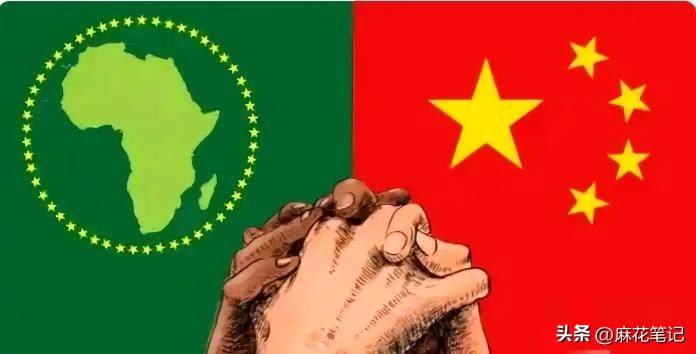
53国货物0税准入中国,这不是生意,是战略!联合国秘书长力挺
Sou Hu Cai Jing· 2026-02-17 03:30
Core Viewpoint - China will implement a zero-tariff policy for 53 African countries starting May 1, which is a significant move in its foreign trade strategy and aims to enhance cooperation with Africa [1][3]. Group 1: Policy Impact on African Countries - The zero-tariff policy will significantly reduce export costs for African goods, making them more competitive in the Chinese market, which is expected to increase sales and revenue for these countries [3][4]. - This initiative addresses the challenges faced by African products in the Chinese market, such as high tariffs that previously hindered sales [3][4]. Group 2: Strategic Significance - The policy covers nearly all African nations, excluding only Eswatini, and is supported by improved logistics and green channels that expedite market access for African goods [4]. - This unilateral approach contrasts with traditional trade negotiations, showcasing China's confidence in its strategy to open its market fully [4][5]. Group 3: Mutual Benefits - The zero-tariff initiative is a win-win situation, as China seeks essential raw materials from Africa while providing industrial goods and infrastructure support in return [5]. - The move is seen as a strategic layout by China to foster deeper ties with Africa, promoting mutual development rather than mere aid [5].
汽车行业政策落地与新品周期成热点,板块表现分化
Jing Ji Guan Cha Wang· 2026-02-16 21:35
Core Viewpoint - The automotive industry is currently focused on policy implementation and new product cycles, with significant developments expected in 2026, including the listing of Lantu Automotive and the introduction of new models [1] Group 1: Policy Developments - The 2026 vehicle trade-in subsidy details have been released, with an average subsidy reduction of 30% compared to 2025, but the policy rollout is earlier than in previous years [1] - Cities like Shanghai and Jiangxi are offering up to 20,000 yuan in subsidies for individual consumers to stimulate consumption during the Spring Festival [1] Group 2: New Product Launches - Lantu Automotive plans to launch four new models within the year, including the L3-level SUV Lantu Taishan Ultra [1] - New models from AITO and Li Auto are being prepped for the mid-to-high-end market, while BYD's new sub-brand "Linghui" focuses on B-end mobility solutions [1] Group 3: Market Performance - The automotive sector index reported a decline of 0.48% on February 13, with a 5-day cumulative increase of 1.56% [2] - The main funds in the automotive sector saw a net inflow of 181 million yuan on February 11, although individual stock performances varied significantly [2] Group 4: Institutional Insights - Analysts suggest that the automotive industry's driving force is shifting towards product innovation, with expectations of a rapid sales rebound post-Spring Festival [3] - The focus on smart technology and globalization presents structural opportunities, particularly for leading manufacturers benefiting from premium pricing [3] Group 5: Financial Analysis - January production and sales data reveal a significant decline of 25.7% and 28.3% month-on-month, with domestic sales of new energy passenger vehicles down 22.9% year-on-year, while exports increased by 100% [4] - Mercedes-Benz reported a revenue forecast of 132.2 billion euros for 2025, indicating resilience in the high-end market [4]
