合作共赢

Search documents
为中美关系把握好方向、驾驭住大局
Xin Hua She· 2025-10-30 19:45
Group 1 - The core viewpoint of the meeting between Chinese President Xi Jinping and U.S. President Donald Trump is to provide new guidance and momentum for the stable development of China-U.S. relations amidst global uncertainties [1][2] - The importance of regular communication between the two leaders is emphasized, as their long-term relationship has become a valuable strategic asset for both nations [1][2] - The meeting highlighted the necessity for both countries to respect each other's core interests and find proper solutions to existing differences, particularly in the context of their economic relationship [2][3] Group 2 - Cooperation in various fields such as combating illegal immigration, telecommunications fraud, anti-money laundering, artificial intelligence, and infectious disease response is seen as having good prospects [2] - The leaders agreed to strengthen cooperation in trade, energy, and cultural exchanges, indicating a broad common interest and potential for partnership [2] - Xi Jinping articulated China's commitment to peaceful development and cooperation, emphasizing the importance of both nations working together to address global challenges [3]
中美经贸关系的未来依然是互利共赢|专家热评
Di Yi Cai Jing Zi Xun· 2025-10-30 10:57
Core Insights - The meeting between Chinese President Xi Jinping and U.S. President Donald Trump emphasizes the importance of U.S.-China economic relations as a stabilizing force for both nations and the global economy [1][3][4] - The bilateral trade volume has significantly increased from under $2.5 billion in 1979 to nearly $688.3 billion in 2024, showcasing the expanding scope and depth of economic cooperation [1] - The trade surplus is a result of structural issues in the U.S. economy and the comparative advantages of both countries, with China's current account surplus to GDP ratio decreasing from 9.9% in 2007 to 2.2% in 2024 [3] Economic Cooperation - The U.S.-China economic relationship has evolved beyond mere goods trade, incorporating service trade and local sales by domestic firms in each other's markets, indicating a more balanced economic interaction [3] - Both nations have expressed a commitment to mutual benefits in their economic relationship, with the U.S. publicly stating its intention not to decouple from China [3] - The strategic role of presidential diplomacy is highlighted as essential for providing political support to the economic relationship, facilitating crisis management and topic integration [3][4] Historical Context and Future Outlook - Historical experiences suggest that the highest form of great power competition is to establish new coexistence rules through institutional innovation, which is necessary for mutual prosperity [4] - Despite challenges such as technological competition and geopolitical tensions, the inherent motivation for economic cooperation between the two largest economies remains strong [4] - The healthy development of U.S.-China economic relations is not only in the fundamental interests of both nations but also serves as a crucial driver for global economic recovery [4]

福建海洋经济高质量发展:五年奋进,蓝色动能澎湃
Zhong Guo Fa Zhan Wang· 2025-10-30 06:25
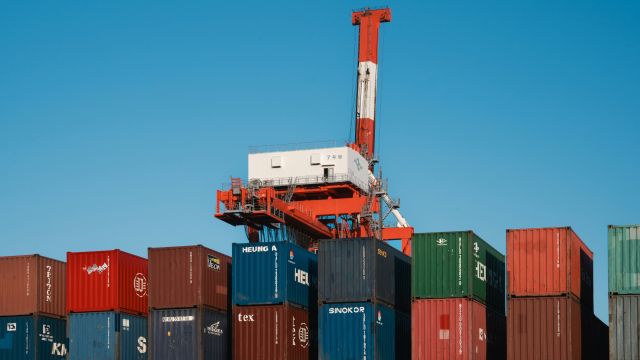
Core Insights - Fujian Province aims to achieve high-quality development of its marine economy during the 14th Five-Year Plan, contributing significantly to the national marine economy and local GDP [1][2] Marine Economy Development - In 2024, Fujian's marine production value is expected to exceed 1.25 trillion yuan, accounting for 11.9% of the national total, maintaining its position as the third-largest contributor for ten consecutive years [2] - The marine economy contributes 21.7% to the province's overall GDP, highlighting its role as a key driver for economic and social development [2] - The province has established a "Five Ones" mechanism to enhance marine economic management and has introduced local regulations to support legal development [2] Innovation and Technology - Fujian has focused on innovation to boost marine technology capabilities, achieving breakthroughs in key technologies such as the world's largest 26MW offshore wind turbine and direct electrolysis of seawater for hydrogen production [3] - The province has implemented over 1,000 provincial-level R&D projects and established 120 marine technology innovation platforms [3] Industrial Upgrading - Fujian has developed a collaborative marine industry structure, excelling in 13 out of 15 marine industry categories, excluding oil and coastal planting [4] - The province has become a major player in the petrochemical industry, with revenues exceeding 800 billion yuan from large-scale enterprises [4] Infrastructure and Capacity - The province has established a complete electric ship industry chain, with domestic market share of key technologies at 40% [5] - In 2024, Fujian's coastal ports are projected to handle 744 million tons of cargo and 18.12 million TEUs, maintaining a leading position nationally [5] Environmental Protection - Fujian has made significant progress in marine ecological protection, with 96.6% of nearshore waters rated as good quality [6] - The province has implemented measures to reduce pollution and promote circular economy practices, achieving notable reductions in marine waste density [6] International Cooperation - Fujian has deepened cross-strait cooperation and international exchanges, enhancing its role in the "Belt and Road" initiative and hosting various international forums [7] - The province has established significant trade and cultural exchange platforms, promoting a collaborative marine community [7] Future Plans - Fujian plans to continue developing its marine economy and strengthen its position as a national marine economic development demonstration zone [8]
中美谈判取得突破性进展,美国不再考虑对华加征100%关税
Sou Hu Cai Jing· 2025-10-28 05:24
Core Points - The initial consensus reached between China and the U.S. on trade issues after intense negotiations indicates a shift in the dynamics of their trade relationship [1][3] - The U.S. has focused on key areas such as rare earth materials, soybeans, and fentanyl, aiming to pressure China into concessions [3][5] - The recent negotiations in Kuala Lumpur have reportedly made substantial progress, with indications that the U.S. will not impose new high tariffs on Chinese exports [5][7] Group 1 - The U.S. displayed a strong attitude during negotiations, with threats of imposing tariffs as high as 500% on Chinese goods, which have now been retracted [1][5] - The discussions included critical topics such as shipping fees under Section 301, extension of tariff suspension periods, and enforcement cooperation, suggesting a comprehensive approach to resolving trade tensions [5][7] - The acknowledgment from U.S. Treasury Secretary that no new 100% tariffs will be considered reflects significant progress in the negotiations [5][7] Group 2 - The trade conflict has broader implications, as high tariffs not only affect China but also have detrimental effects on the U.S. economy, impacting American households [7][8] - China has alternative export channels, such as the China-Europe Railway Express, which can alleviate export pressures, while the U.S. remains heavily reliant on Chinese manufacturing for consumer goods [8] - The ongoing negotiations highlight the importance of cooperation between the two nations, suggesting that mutual benefits can be achieved through collaboration rather than conflict [8]

李强在第五次《区域全面经济伙伴关系协定》领导人会议上的讲话(全文)
证监会发布· 2025-10-28 02:28
Core Viewpoint - The Regional Comprehensive Economic Partnership (RCEP) has played an irreplaceable role in deepening economic cooperation among member countries, providing mechanisms for economic security and platforms for innovation cooperation amidst a backdrop of global economic challenges [2][3]. Group 1: Economic Cooperation and Market Potential - RCEP member countries account for approximately one-third of the global population, and the diverse and complementary market structures can significantly enhance resilience against external risks by fully unleashing market potential [2]. - China expresses willingness to strengthen market connectivity and promote regional economic integration while supporting the accession of new members like Hong Kong to RCEP [2]. Group 2: Upgrading and Enhancing RCEP - There is a call for accelerating the review and upgrade process of RCEP to align with high international standards in trade rules, focusing on areas such as market access, government procurement, digital economy, green initiatives, and supply chain collaboration [3]. - The goal is to transition RCEP from being the "largest free trade area" to a "high-level free trade area" through comprehensive and high-quality implementation of commitments [3]. Group 3: Commitment to Multilateral Trade - The current international trade order faces significant challenges, and RCEP is encouraged to navigate these turbulent waters by upholding true multilateralism and supporting the central role of ASEAN [3]. - There is an emphasis on fostering dialogue between RCEP and other trade agreements like the EU and the Comprehensive and Progressive Agreement for Trans-Pacific Partnership (CPTPP) to create more mutually beneficial development opportunities [3].

共同维护中美经贸磋商成果
Jing Ji Ri Bao· 2025-10-27 22:21
Group 1 - The core viewpoint emphasizes that China maintains an open, rational, and pragmatic attitude towards developing economic and trade relations with the U.S., aiming for mutual benefit and win-win outcomes [1][2] - The recent round of U.S.-China economic and trade consultations concluded on October 26 in Kuala Lumpur, where both sides engaged in constructive discussions and reached basic consensus on resolving mutual concerns [1][2] - The essence of U.S.-China economic and trade relations is cooperation and mutual benefit, with both countries having extensive common interests and complementary advantages [2][3] Group 2 - The U.S. and China, as the world's two largest economies, have a vast and intricate economic relationship, making it normal to have differences, but the focus should be on how to view and resolve these differences [2][3] - The international community expects the U.S. and China to manage differences and expand cooperation to inject more stability and predictability into the global economy [3] - Both countries should adhere to mutual respect and trust to ensure the long-term stability of their economic and trade relations, with a call for the U.S. to act with sincerity to consolidate the outcomes of the Kuala Lumpur talks [3]
中方通报吉隆坡会谈结果,这4个字的出现,让全世界松了一口气
Sou Hu Cai Jing· 2025-10-27 00:55
Core Insights - The fifth round of China-U.S. trade talks, held in Kuala Lumpur, is seen as a hopeful sign amidst global economic uncertainties, with both sides engaging in constructive discussions on various critical issues [1][3] - The talks covered maritime logistics, shipbuilding industry measures, tariff suspension periods, fentanyl issues, agricultural trade, and export controls, leading to some "preliminary consensus" [1][5] - The choice of Kuala Lumpur as a neutral venue facilitated a flexible environment for discussions, reducing political sensitivities and showcasing diplomatic strategies [3][5] Group 1 - The talks provide a new opportunity for both countries to avoid escalating trade frictions, indicating a recognition that continued confrontation could lead to broader economic crises [3][6] - The unified messaging from U.S. officials reflects a growing internal consensus on the complexities of U.S.-China economic relations, highlighting the potential impact on the U.S. supply chain and global trust in the dollar [3][6] - China's emphasis on mutual respect, peaceful coexistence, and win-win cooperation during the talks has garnered international praise, showcasing its diplomatic maturity [5][6] Group 2 - The upcoming meeting between the leaders of China and the U.S. on October 30 in South Korea will be crucial in determining whether the "preliminary consensus" can evolve into a more substantial trade agreement [5][6] - The economic interdependence between China and the U.S. underscores the importance of dialogue and cooperation to resolve issues and achieve mutual benefits, particularly in agricultural procurement and rare earth supply chains [5][6] - The U.S. faces high domestic inflation and rising corporate costs, making excessive confrontation an impractical choice, which is reflected in the willingness to use terms like "agreement framework" to allow for future negotiations [6]
携手擘画亚太繁荣新图景——国际社会热切期待习近平主席出席亚太经合组织第三十二次领导人非正式会议
Xin Hua She· 2025-10-25 15:29
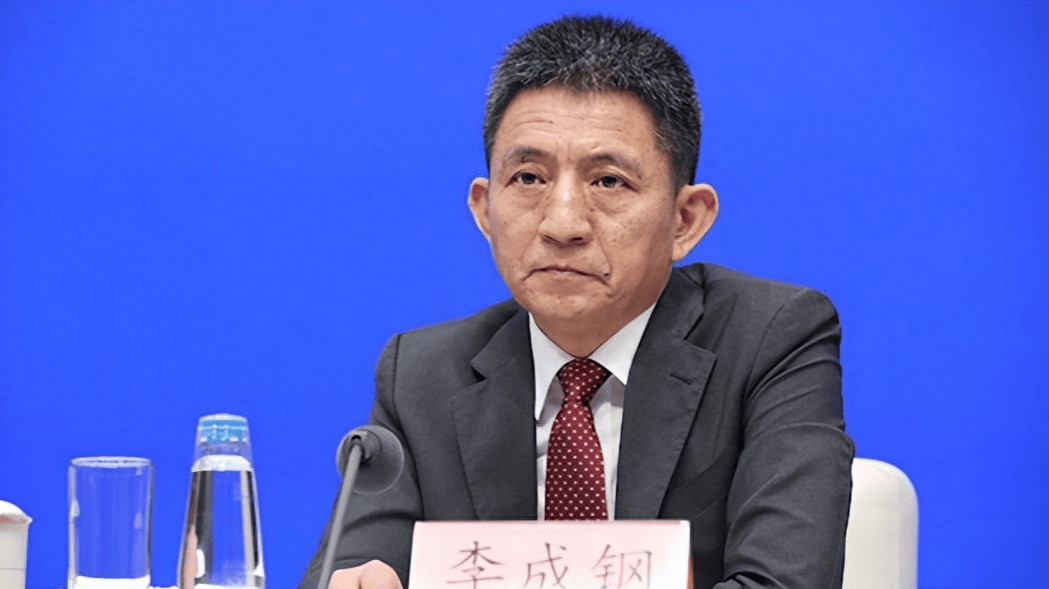
Core Points - The article highlights the anticipation surrounding President Xi Jinping's attendance at the APEC Leaders' Informal Meeting, emphasizing the potential for new proposals and initiatives for cooperation and sustainable development in the Asia-Pacific region [1][2][3]. Group 1: APEC Meeting Significance - The APEC meeting is described as a critical moment for the organization, with expectations for Xi Jinping to contribute significantly to regional cooperation and development [2]. - Xi Jinping's past contributions, such as the Beijing Declaration, are noted as influential in guiding APEC's agenda [2][3]. - Experts express hope that Xi's participation will reinforce the commitment to an open and cooperative Asia-Pacific partnership [3][4]. Group 2: Regional Cooperation and Development - Xi Jinping's initiatives, focusing on win-win cooperation and connectivity, are seen as vital for injecting confidence and momentum into regional development [3][4]. - The article mentions the importance of addressing challenges posed by unilateralism and protectionism, with experts looking to Xi for leadership in fostering unity among Asia-Pacific economies [3][4]. - The emphasis on building an open and interconnected Asia-Pacific is highlighted as crucial for future prosperity [4][5]. Group 3: China's Role in Sustainable Development - China's commitment to green innovation and sustainable development is underscored, with Xi's leadership expected to drive collaborative efforts in the region [6][7]. - The article notes China's proactive measures, such as the Regional Comprehensive Economic Partnership and the Belt and Road Initiative, as key to enhancing regional cooperation [6][7]. - Experts anticipate that Xi will propose additional measures to promote high-quality development in the Asia-Pacific [6][7]. Group 4: Global Economic Governance - The article discusses the importance of Xi's global governance initiatives, which resonate with the current challenges faced by the world economy [8][9]. - The expectation is that Xi's leadership will contribute to a more stable and prosperous Asia-Pacific, thereby benefiting global development [9][10]. - The call for a multilateral approach to global issues is emphasized, with Xi's proposals seen as timely and necessary [9][10].
员工分享 | 走进高盛投资银行部
高盛GoldmanSachs· 2025-10-23 09:09
Core Insights - The article highlights the career journey of a professional at Goldman Sachs, emphasizing the importance of mentorship, cultural fit, and the dynamic nature of investment banking [2][3][5]. Group 1: Career Development - The individual graduated from the University of Hong Kong with a degree in Economics and Finance, influenced by family background in securities and corporate finance [2]. - After a successful internship at Goldman Sachs in Hong Kong, the individual transitioned to a full-time analyst role in the Greater China technology sector [2][3]. - A subsequent move to the investment banking division in Beijing was motivated by a desire for direct client engagement and a more fulfilling career path [3]. Group 2: Work Environment - The Beijing office emphasizes collaboration with local clients, fostering a strong team culture through social activities and events [4]. - Cultural activities in the Beijing office include team-building events like hiking and sports, contrasting with the more festive events in Hong Kong [4]. - The investment banking division provides comprehensive services related to capital markets, including customized advice for financing, strategic planning, and problem-solving for clients [5]. Group 3: Skills and Values - Key skills required in investment banking include communication, collaboration, and multitasking, essential for managing various projects and client interactions [6]. - The core values of Goldman Sachs include teamwork, excellence, client service, and integrity, which guide the company's operations and client relationships [7][8]. - The company promotes a culture of cooperation and equal opportunity, ensuring that all employees are valued based on their contributions and expertise [8].


奥乐齐与金鹰国际集团达成战略合作,携手服务品质消费需求
Sou Hu Cai Jing· 2025-10-21 14:27
Core Insights - Aldi has entered a strategic partnership with Golden Eagle International Group, marking its first collaboration with a large commercial group since entering the Chinese market, which is a significant milestone for the brand [1][3][4] Group 1: Strategic Collaboration - The partnership aims to leverage shared resources and complementary strengths to enhance consumer experience and commercial value [3][4] - Golden Eagle International Group has a strong market foundation and deep insights into local consumer demands, which will assist Aldi in connecting with local consumers and expanding in East China [3][5] - The collaboration signifies a strategic upgrade for Aldi, transitioning from single-store expansion to regional cooperation, enhancing its ability to deliver high-quality, low-cost shopping experiences to more consumers in Jiangsu [3][6] Group 2: Operational Synergies - Aldi's global and local supply chain advantages and its own brand matrix align well with Golden Eagle's customer base, enhancing the appeal and loyalty of quality-conscious consumers [5] - The first project under this partnership will see Aldi entering the Golden Eagle International Group's Nanjing Xianlin store, with plans for further collaborations in other cities in East China [5][6] - The opening of the Nanjing Xianlin store is scheduled for January 2026, alongside three new Aldi stores in Nanjing [5]