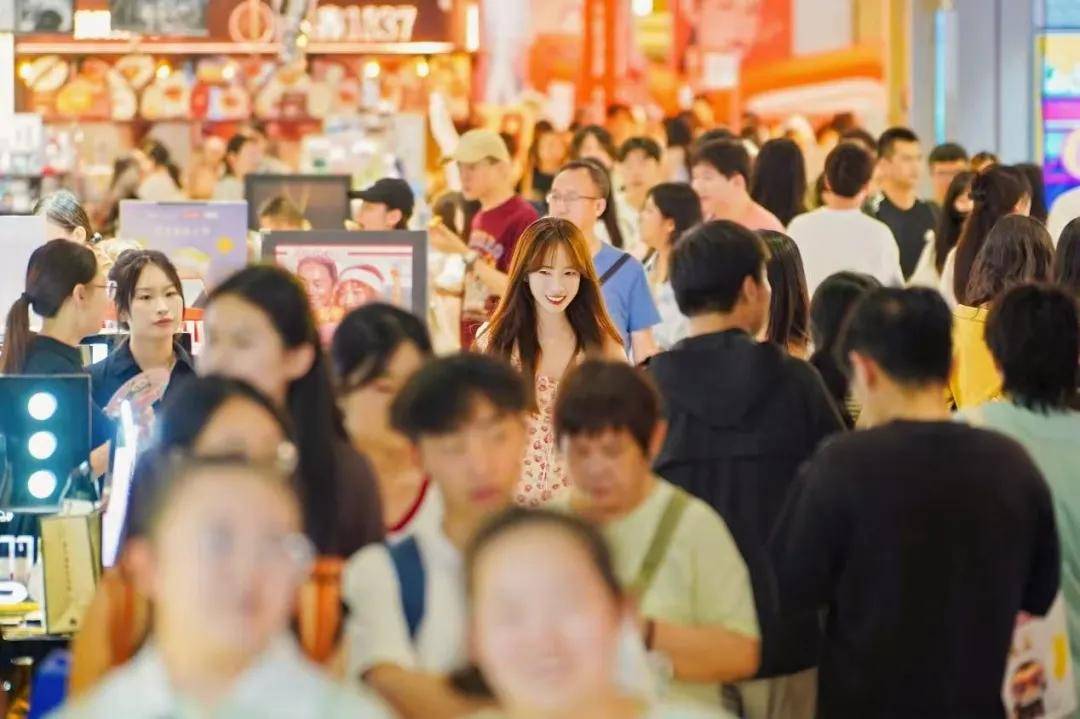
国际消费中心城市建设

Search documents
CBD将增170余万平方米产业空间
Bei Jing Qing Nian Bao· 2025-08-07 18:28
Economic Performance - Chaoyang District's GDP is projected to exceed 923 billion yuan in 2024, with a current GDP of 462.01 billion yuan in the first half of the year, reflecting a growth rate of 5.1% [1] - The district's general public budget revenue reached 58.47 billion yuan, and the total retail sales of consumer goods amounted to 129.5 billion yuan, with multiple indicators ranking among the top in the city [1] International Engagement - Chaoyang District hosts nearly 100% of foreign embassies in China, 70% of regional headquarters of multinational companies, and 65% of foreign financial institutions [1] - The district has established a system of six international communication lounges and attracted 31 key foreign investment institutions, enhancing its international service capabilities [2] Consumer Market Development - The district has developed a consumption map and introduced 31 new commercial facilities since the 14th Five-Year Plan, with plans for more iconic consumer landmarks [2] - Chaoyang District's commercial complexes account for nearly half of the city's high-quality shopping areas, with first stores and new consumption brand incubators also making up 50% of the city [2] Urban Renewal and Infrastructure - The district is focusing on urban renewal driven by river revitalization, creating a world-class waterfront economic zone along the Liangma River and the Ba River [4] - A new 15-kilometer boat route along the Ba River is set to open by the end of the year, enhancing connectivity and recreational opportunities [4] Future Initiatives - The district plans to implement a series of actions to boost consumption, including the promotion of a 24-hour vibrant urban environment and support for internet retail [3] - Ongoing projects include the second phase of the Chaoyang Outer Street update and the second phase of the Liangma River cultural economic belt construction [3]
上海等五城:上半年社零增长,国际消费中心建设显效
Sou Hu Cai Jing· 2025-08-05 02:19
【2025年上半年全国社零稳步增长,国际消费中心城市建设成效初显】2025年上半年,全国社会消费品 零售总额同比增5.0%,较一季度回升0.4个百分点。政策托底传导至终端需求,消费信心回升。限额以 上单位中,家电等升级消费品零售额同比增超20%,"以旧换新"政策显效。全国居民人均可支配收入名 义增5.3%、实际增5.4%,为下半年消费提供支撑。 年初以来,中央密集推出促消费政策,如《提振消 费专项行动方案》《关于支持国际消费中心城市培育建设的若干措施》等。《措施》支持上海、北京等 五城建设,已初显成效。 上海消费稳步回暖,重回"消费第一城"。打造"首发""首展"载体,邮轮入境消 费突出。"五五购物节"等活动激活市场。上半年社零总额8260.41亿元,同比增1.7%,商品零售额增 2.4%。以旧换新政策显效,部分商品零售额大幅增长。 北京居民消费同比下降,但时尚类、新型消费 与线上渠道活跃,升级潜力大。举办2025中国科幻大会,支持科技+文化+消费行动,首发不断增强。 广州消费呈现岭南特色与创新活动并驱新气象。创造岭南特色消费场景,推动"首发"落地。提出建 设"羊城消费新八景",加强邮轮消费能力建设。 天津在区 ...
建设国际消费中心城市的四大维度
2 1 Shi Ji Jing Ji Bao Dao· 2025-08-04 22:20
Core Insights - In the first half of 2025, China's total retail sales of consumer goods increased by 5.0% year-on-year, reflecting a recovery in consumer confidence supported by government policies [1] - Major cities like Shanghai, Beijing, Guangzhou, Tianjin, and Chongqing are emerging as international consumption centers, contributing over 1/8 of the national consumption total [7] Group 1: National Consumption Trends - The retail sales growth is driven by the "old-for-new" policy, with significant increases in the sales of home appliances and communication equipment, all exceeding 20% year-on-year [1] - The nominal per capita disposable income of residents grew by 5.3%, while the actual growth was 5.4%, indicating a continuous improvement in residents' income [1] Group 2: City-Specific Developments - Shanghai has regained its status as the "Consumption First City," with a retail sales total of 8260.41 billion yuan, a year-on-year increase of 1.7% [2] - In Beijing, despite a decline in overall consumption, there is a notable potential for growth in fashion and new consumption models, supported by technology and cultural events [2] - Guangzhou is focusing on creating unique consumption experiences and enhancing its night economy, with initiatives like food festivals and e-commerce events [3] - Chongqing has emerged as a new "Consumption First City," with retail sales reaching 4204.32 billion yuan, a year-on-year increase of 4.1% [4] Group 3: International Consumption Center Development - The international dimension emphasizes the need for an open environment and improved international reception capabilities to enhance consumption levels [5] - The consumption dimension focuses on upgrading supply and demand, promoting green and intelligent products, and expanding service-oriented consumption [6] - The center dimension aims to enhance resource aggregation and regional consumption upgrades, while the city dimension focuses on improving the overall consumption environment [6] Group 4: Future Outlook - The ongoing development of international consumption centers is expected to play a crucial role in boosting domestic demand and promoting high-quality development [7] - Future strategies include strengthening the "first launch economy," optimizing the international consumption environment, and enhancing urban communication capabilities [7]
上海市十六届人大常委会第二十三次会议举行扩大会议,陈吉宁出席,龚正报告上半年全市经济社会发展情况和下半年工作重点
Di Yi Cai Jing· 2025-07-31 12:54
Core Points - The Shanghai government is focused on enhancing technological innovation and high-end industry leadership to achieve economic and social development goals for 2025 [1][4] - The government aims to stabilize economic growth through various measures, including promoting consumption and improving the business environment [6][8] - There is a strong emphasis on integrating technological and industrial innovation to foster new productive forces [11][12] Economic Stability - Shanghai plans to stabilize employment, businesses, and market expectations while expanding effective demand to solidify economic recovery [6] - The city has implemented a special action plan to boost consumption, focusing on increasing service consumption and enhancing the quality of service supply [6][7] - The government aims to enhance inbound tourism and optimize the tax refund environment for departing travelers, with a target of over 3,000 tax refund stores by 2027 [7] Technological and Industrial Innovation - The government is committed to increasing high-quality technological supply and supporting basic research and key technology breakthroughs [11] - There is a focus on strengthening the role of enterprises in technological innovation and fostering a gradient cultivation system for specialized and innovative small and medium-sized enterprises [12] - The city aims to deepen the integration of technological and industrial innovation, particularly in the Yangtze River Delta region [11] Reform and Opening Up - Shanghai is implementing reforms in customs special supervision areas to adapt to changing international trade rules and enhance competitiveness [13] - The government is establishing a unified service platform for enterprises going global, integrating various service channels for better support [15] Social Welfare and Public Services - The government is prioritizing employment stability and expanding job opportunities, especially for recent graduates [16][17] - There are plans to improve community health services by enhancing the capabilities of community health service centers and ensuring better access to quality medical care [18]

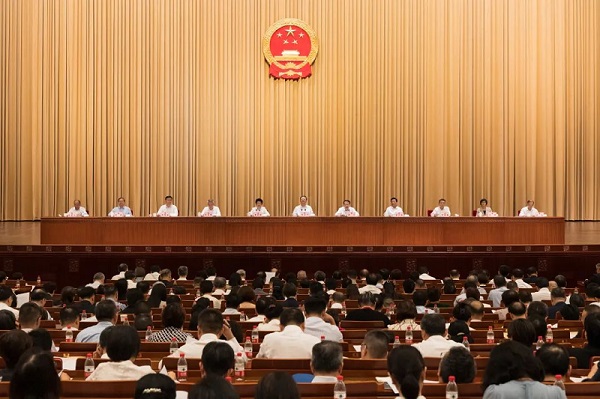
商务部:将持续深化国际消费中心城市培育建设
news flash· 2025-07-24 07:54
Group 1 - The Ministry of Commerce aims to deepen the cultivation and construction of international consumption center cities [1] - The focus will be on creating an international consumption environment and expanding the supply of quality consumption [1] - There will be innovations in diversified consumption scenarios to promote commercial prosperity and market vitality [1]
北京时尚消费版图再添“新爆点” 四大功能区交出成绩单
Bei Jing Shang Bao· 2025-07-16 07:48
Group 1: Core Insights - Beijing's Business Bureau reported significant achievements in the first half of the year, driven by the implementation of the "Beijing Fashion Consumption Expansion Action Plan" [1] - The plan focuses on creating four functional areas: diverse integrated gathering areas, rich fashion cultural experience zones, healthy leisure function areas, and distinctive consumer streets [1][7] - The initiative aims to accelerate the construction of an international consumption center city by integrating cultural heritage with trendy elements through a "scene revolution" [1][7] Group 2: Diverse Integrated Gathering Areas - The Business Bureau has introduced policies like the "2025 Cultural, Business, Tourism, and Sports Integration Work Plan" to promote deep integration across 16 scenes [3] - Notable projects include the East District's Qianmen Night Technology Experience Hall and the West District's Dajixiang Courtyard Street, enhancing consumer experiences [3] - Various districts are showcasing unique activities, such as the Shijingshan District's Beijing Craft Beer Festival and the Chaoyang District's JD Mall integrating esports and automotive sectors [3] Group 3: Rich Fashion Cultural Experience Zones - The Shijingshan District is advancing the "Museum City" initiative, launching a museum joint ticket and hosting cultural events that attract significant participation [4] - The Tongzhou District is leveraging the Grand Canal Cultural Belt to create a unique consumption system, with events generating substantial social media exposure [4] - Digital technology is enhancing cultural experiences, exemplified by the immersive event at Shijingshan that attracted 6,000 attendees and achieved over 124 million online impressions [4] Group 4: Healthy Leisure Function Areas - The integration of sports tourism is being promoted through the "Double Olympic Heritage" initiative, with events designed to encourage longer stays and increased spending [5] - The Shijingshan District is preparing for the WTT China Grand Slam event, while the Yanqing District is launching seasonal themed products tied to local attractions [6] - The development of rural leisure and unique experiences is highlighted by the introduction of 25 suburban routes focusing on family activities and cultural experiences [6] Group 5: Distinctive Consumer Streets - The Business Bureau is leading efforts to upgrade commercial pedestrian streets, with significant sales and foot traffic reported in areas like Fengtai District's Changxindian [6][7] - The Haidian District's Zhongguancun Dazhongcheng opened to great success, attracting 1.6 million visitors and generating sales of 70.4 million yuan [6] - The Shijingshan District's Modekou Street has been recognized as a national-level leisure street, enhancing its integration into various cultural tourism routes [6][7]
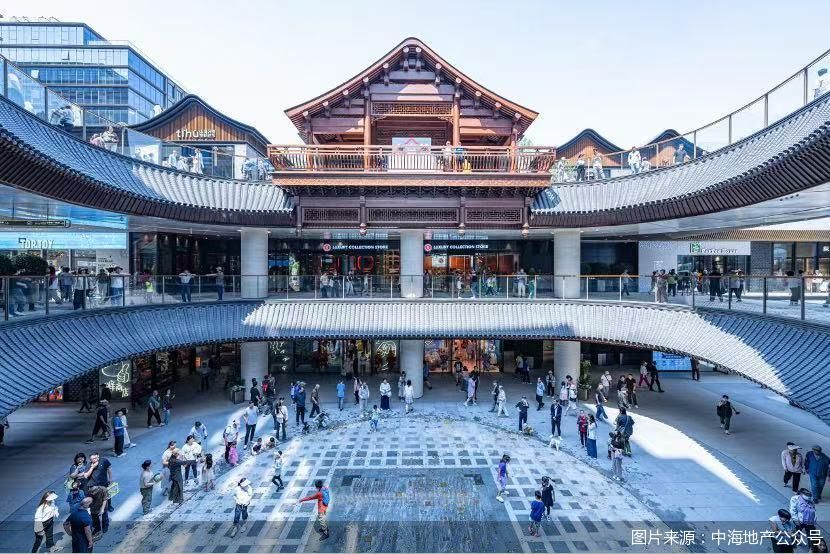
北京发布消费升级行动方案 力争2030年市场总消费额年均增长5%
Huan Qiu Wang· 2025-07-11 06:15
Group 1 - The core viewpoint of the article is the release of the "Beijing's Special Action Plan for Deepening Reform to Boost Consumption," aiming for an average annual growth of around 5% in total consumption by 2030 and the establishment of 2 to 3 new consumption landmarks worth over 100 billion [1][3] - The plan includes measures to enhance residents' consumption capacity, such as improving the minimum wage adjustment mechanism and promoting labor income through infrastructure projects [3] - The action plan emphasizes support for three key consumption areas: cultural entertainment, esports, and domestic brands, encouraging new business models and international events in these sectors [3] Group 2 - The plan aims to enhance Beijing's global consumption market influence and resource allocation capabilities, contributing to the construction of an international consumption center city [1] - It also highlights the importance of housing fund utilization, allowing depositors to withdraw funds for down payments while applying for personal housing loans [3] - This is not the first initiative focusing on fashion consumption, as a previous plan was released in June 2023 to expand fashion consumption [4]
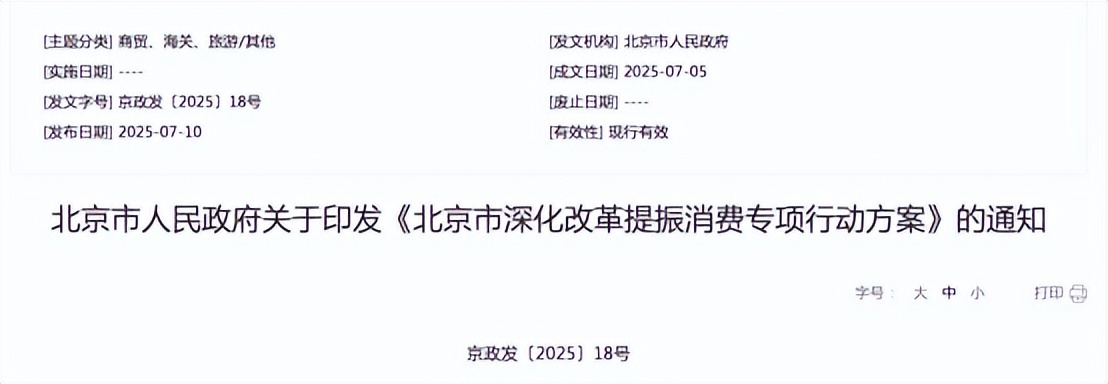
优化住房、汽车消费供给,提高最低工资标准!北京发布提振消费24条
证券时报· 2025-07-10 13:35
Core Viewpoint - Beijing's government has introduced a 24-point action plan to boost consumption, aiming for an average annual growth of around 5% in total market consumption by 2030, while enhancing the city's role as an international consumption center [1]. Group 1: Housing Consumption Policies - The action plan emphasizes optimizing housing consumption by supporting the dual withdrawal and loan policy for housing provident funds, which will lower the threshold for homebuyers and alleviate upfront financial pressure [4][5]. - A new "mortgage transfer" policy is being researched to simplify the second-hand housing transaction process, reducing transaction risks and improving market liquidity [4][5]. - The plan aims to prioritize residential land supply near transit stations and employment hubs, enhancing the "guarantee + market" housing supply system [4]. Group 2: Automotive Consumption Policies - The action plan proposes optimizing small car license plate allocation to better meet family vehicle needs and expand the automotive aftermarket, including modifications and rentals [7]. - There is a growing consensus on the need to lift car purchase restrictions, as evidenced by the high competition for limited license plates in Beijing, where the probability of winning a family license plate is about 1% [9][8]. Group 3: Service Consumption Enhancement - The plan aims to leverage cultural resources to enhance service consumption, promoting online performances and exhibitions, which are seen as significant growth areas for consumer spending [11]. - The initiative includes fostering new service sectors such as health and home services, encouraging internet platforms to facilitate better supply-demand matching [11]. Group 4: Income Growth Initiatives - The action plan focuses on promoting reasonable growth in wage income, with a goal to adjust the minimum wage standards to enhance residents' purchasing power [13]. - In the first quarter, the average wage income in Beijing increased by 5.6%, contributing to a 3.7% rise in disposable income, indicating a stable income growth trend [13].
提振消费,北京最新发布!
券商中国· 2025-07-10 12:57
Core Viewpoint - The article discusses the "Beijing Action Plan for Deepening Reform and Boosting Consumption," which outlines 24 measures aimed at enhancing consumer spending and optimizing the consumption environment in Beijing, with a target of achieving an average annual growth of around 5% in total market consumption by 2030 [1][3]. Group 1: Housing Consumption Policies - The action plan optimizes housing consumption policies by supporting the dual withdrawal and loan mechanism for housing provident funds, which aims to lower the threshold for home purchases and alleviate financial pressure on buyers [2][6][7]. - A new "mortgage transfer" policy is proposed to simplify the second-hand housing transaction process, reducing transaction costs and risks, thereby enhancing market liquidity [8][9]. - The plan emphasizes the importance of optimizing land supply for residential use, particularly near transportation hubs and employment centers, to meet housing demand [6][9]. Group 2: Automotive Consumption Policies - The action plan includes measures to optimize small car license plate allocation to better serve family vehicle needs and expand the automotive aftermarket, including modifications, rentals, and camping [10]. - There is a consensus among industry experts on the need to lift car purchase restrictions, which have been seen as barriers to consumer spending [11][14]. - The plan addresses the long wait times for car purchase licenses, with a significant number of families competing for a limited number of licenses, indicating a strong demand for automotive consumption [13]. Group 3: Service Consumption Enhancement - The action plan aims to improve service consumption quality by leveraging cultural resources and supporting new business models in entertainment and online services [15][16]. - There is a focus on expanding quality service offerings in health and home services, with an emphasis on internet-based healthcare solutions, which have seen significant growth [17]. - The plan encourages the development of new service industries, such as health management and consultation, to meet evolving consumer needs [17]. Group 4: Income Growth Initiatives - The action plan emphasizes the importance of increasing residents' income, particularly through reasonable growth in wage income and adjustments to minimum wage standards [18][19]. - It aims to promote income growth for low- and middle-income groups, with initiatives to enhance financial services and investment opportunities [20][21]. - The plan encourages financial institutions to diversify financial products and improve access to retirement financial services for the elderly [21].
北京发布提振消费24条:优化小客车指标配置、调整最低工资标准
Sou Hu Cai Jing· 2025-07-10 05:13
Core Viewpoint - The "Beijing Action Plan for Deepening Reform and Boosting Consumption" aims to achieve an average annual growth of around 5% in total market consumption by 2030, establishing 2-3 new consumption landmarks worth over 100 billion yuan, and enhancing Beijing's role as an international consumption center [1] Group 1: Promoting Income Growth and Reducing Burdens - Focus on reasonable growth of wage income through employment strategies and protection of flexible employment rights [2] - Support for securities institutions to diversify trading products and encourage listed companies to increase dividend rates [2] - Measures to enhance farmers' income through modern agriculture and eco-friendly practices [2] Group 2: Optimizing Service Consumption Experience - Development of new cultural and entertainment consumption models, including support for online performances and digital transformation of traditional publishing [4] - Creation of new tourism consumption scenarios, including major projects like the second phase of Universal Studios [4] - Enhancement of sports consumption through increased utilization of Olympic venues and development of outdoor destinations [4] Group 3: Enhancing Product Consumption Dynamics - Promotion of national trend consumption by encouraging collaborations between new and old brands [7] - Establishment of international consumption experience zones and support for high-profile launch events [7] - Development of new food brands and support for the innovation of traditional dining establishments [7] Group 4: Extending the Consumption Chain - Creation of a new exhibition consumption pattern by optimizing venue layouts and attracting international brand exhibitions [9] - Encouragement of digital consumption through the use of new technologies and support for live e-commerce [9] - Expansion of green consumption practices and improvement of recycling networks [9] Group 5: Revitalizing Commercial Consumption Spaces - Upgrading commercial spaces and promoting the commercialization of idle resources [11] - Enhancing the consumption capacity of major transport hubs and expanding duty-free sales [11] Group 6: Continuous Optimization of the Consumption Environment - Implementation of supportive policies and investment in fixed assets to enhance consumer protection [13] - Encouragement of compliance and integrity in business operations, particularly in sectors like fitness and dining [13] - Strengthening cross-regional collaboration in key sectors such as culture, tourism, and healthcare [14]