
场景创新

Search documents
以场景培育赋能产业创新(人民时评)
Ren Min Ri Bao· 2025-12-04 22:16
Core Insights - The concept of "scenarios" is increasingly recognized as a critical factor for driving innovation in both emerging industries and traditional sectors, highlighting the need for a dual approach to technology and industry development [1][2][3] Group 1: Importance of Scenarios - Companies in various sectors emphasize the significance of scenarios as both pain points and opportunities, with one company in low-altitude logistics noting that the transformation of industry prospects into financial opportunities is heavily reliant on scenario development [1] - The government has issued a policy aimed at systematically promoting scenario cultivation and openness, indicating a national-level recognition of the role scenarios play in the commercialization of new technologies and products [1][2] Group 2: Current Challenges - There is a noted insufficiency in effective scenario supply, which is hindering the transformation of new industries and models, with some technological achievements failing to realize their industrial value due to a lack of application scenarios [2] - The development of new scenarios is still in exploratory stages, which limits technological innovation and the ability to implement new models effectively [2] Group 3: Innovation and Development - Scenario cultivation is viewed as a form of innovation that requires proactive planning and development, with examples such as unmanned mining and coal extraction showcasing the potential for digital and intelligent transformation in traditional industries [2] - The need for large-scale application and openness is emphasized, as current scenarios are often limited in scope and depth, necessitating broader market access and the removal of barriers to entry [3] Group 4: Mechanisms for Growth - A focus on identifying, cultivating, and opening scenarios is essential for enhancing the innovation mechanism that connects demand, technological breakthroughs, scenario validation, and industrial application, thereby accelerating the development of new productive forces [3]
深圳宝安:打造全域开放的“场景之区”
Ren Min Ri Bao· 2025-12-03 22:54
Core Insights - The "Baojing Chuangxiang" scenario docking conference held in Baoan District, Shenzhen, released over 500 scenario opportunities, attracting more than 760 enterprises with an intended transaction amount exceeding 10 billion yuan [1] Group 1: Industry Development - Baoan District has nearly 560,000 enterprises, including about 5,600 large-scale manufacturing companies, covering 31 categories of manufacturing, and has formed five trillion-level industrial clusters [2] - The district aims to create a "benchmark urban area for scenario openness," with plans to open over 100 innovative application scenarios and release more than 1,000 new technologies, products, and solutions, targeting an application amount exceeding 1 trillion yuan [2] - Baoan focuses on three main areas: low-altitude applications, smart manufacturing, and smart cities, fostering an inclusive environment that encourages the first use of new technologies [2] Group 2: Resource Allocation and Ecosystem Building - The conference showcased 288 government-led scenarios and 220 enterprise application scenarios, covering social governance, public services, and industry applications [4] - Baoan is transforming the government's role from a "manager" to an "ecosystem architect," establishing three regular docking platforms to address enterprise funding, scenarios, and space needs [4] - Over the past three years, Baoan has hosted more than 640 various docking activities, attracting over 10,000 enterprises and facilitating procurement transactions exceeding 20 billion yuan [4] Group 3: Urban Innovation and Quality of Life - Baoan District emphasizes a people-centered approach, using specific livelihood scenarios to enhance urban functions [5] - The integration of technology into urban life aims to create a "happy land" where innovation is guided by human needs, enhancing citizens' sense of gain, happiness, and security [6] - Baoan is opening a new chapter in high-quality development, characterized by updated industries, modern consumption, smarter urban areas, warmer livelihoods, and greener ecosystems [6]
在这里,打通新质生产力回归人本的“最后一公里”
Xin Lang Cai Jing· 2025-12-02 11:59
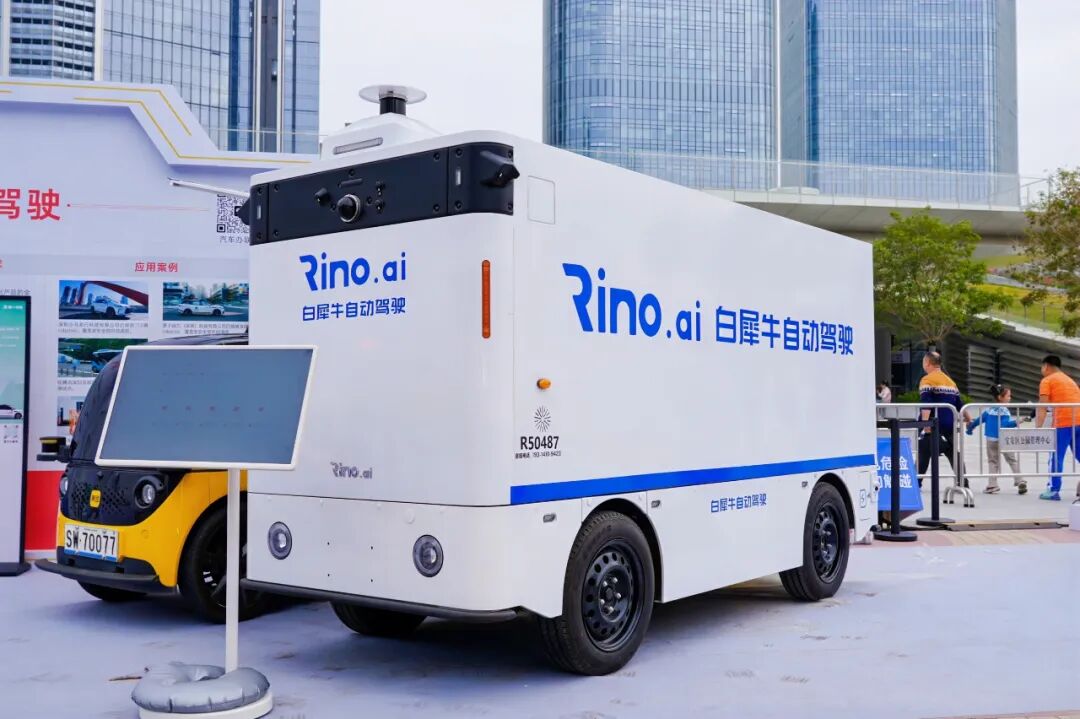
Core Insights - The event "Linghang Scene · Yuejin Future" showcased over 500 real application scenarios in Bao'an, Shenzhen, aimed at providing technology companies with opportunities for testing and implementation [2][28] - Bao'an has opened 288 government scenarios and 220 enterprise scenarios, focusing on various sectors including social governance and industry applications [2][28] - The conference attracted over 760 companies, resulting in more than 300 cooperation intentions with a projected transaction value exceeding 10 billion yuan [3][29] Group 1: Scene Innovation Strategy - Bao'an views scene innovation as a long-term strategy, having organized 641 matching activities in the past three years, attracting over 11,700 companies and facilitating transaction volumes exceeding 20 billion yuan [3][31] - The district aims to establish itself as a benchmark for open innovation, planning to release over 100 innovative scenarios and 1,000 new technologies annually, targeting an application volume of over 100 billion yuan [3][31] Group 2: National Policy and Local Implementation - The State Council issued a directive on accelerating scene cultivation and opening, marking the first systematic deployment at the national level [5][33] - Bao'an was designated as the Guangdong-Hong Kong-Macao Greater Bay Area Application Scene Innovation Center, indicating a new phase in scene innovation [5][33] Group 3: Competitive Landscape - The competition for future cities and nations is fundamentally a competition of technological innovation [6][34] - Bao'an has surpassed Shanghai's Pudong in key industrial metrics, with over 1 million registered business entities, making it the top district in China for business environment [18][46] Group 4: Industrial and Technological Ecosystem - Bao'an's industrial ecosystem is robust, with nearly 56,000 enterprises and a complete coverage of all 31 major manufacturing categories, facilitating efficient scene implementation [21][48] - The district ranks second in national innovation and has a high density of national high-tech enterprises, with 7,402 in total [23][49] Group 5: Geographic and Institutional Advantages - Bao'an's geographical location enhances its connectivity, making it a central hub in the Greater Bay Area, which optimizes resource flow and application range [25][51] - The district benefits from institutional advantages, including a 15% corporate income tax incentive and deepening cooperation with Hong Kong, allowing for a dual-driven model of manufacturing and services [25][51]

场景创新下半场,谁将突围?
2 1 Shi Ji Jing Ji Bao Dao· 2025-12-02 03:57
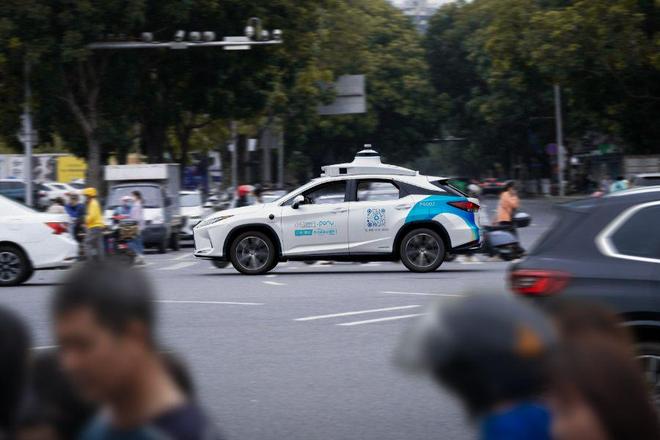
Core Viewpoint - The Chinese government has initiated a systematic deployment of "scene cultivation and opening" to accelerate the application of new technologies, products, and business models, marking a shift towards practical implementation in urban environments [1][3]. Group 1: Scene Innovation and Development - Over 65 of the top 100 cities in China have engaged in scene innovation-related work, with an increase of over 25 cities compared to 2023 [7]. - The concept of "scene" is defined as the specific context for the innovative application of new technologies, products, and business models, facilitating both hard and soft validations [3][4]. - Scene-driven innovation aims to bridge the gap between research and practical application, helping advanced technologies like autonomous driving to gather necessary data for real-world deployment [4][6]. Group 2: Regional Strategies and Focus Areas - Cities like Beijing and Shanghai are leveraging their unique advantages, such as data flow and financial services, to drive scene innovation in specific sectors [8][9]. - Guangdong province emphasizes its strong manufacturing base, focusing on 20 key areas for application scene innovation, with advanced manufacturing as a priority [9][11]. - The Bao'an district in Shenzhen is positioning itself as a leader in scene innovation, with over 500 scene opportunities released, covering various sectors including social governance and smart education [12][14]. Group 3: Technological Applications and Collaborations - The collaboration between Bao'an Center Blood Station and Fengyi Technology exemplifies the use of drones for medical emergencies, significantly reducing delivery times compared to traditional methods [11][12]. - The Bao'an district has hosted events to facilitate partnerships between over 760 companies, resulting in more than 300 cooperation intentions with a transaction value exceeding 10 billion [14]. - The district aims to create a benchmark for open scene innovation, integrating technology into everyday life and production processes [14].
大湾区应用场景创新中心(智能制造)落户深圳
Ren Min Ri Bao· 2025-12-01 23:06
Core Insights - The "Baijing Chuangxiang" scenario docking conference was held in Bao'an District, Shenzhen, focusing on the establishment of the Guangdong-Hong Kong-Macao Greater Bay Area Application Scenario Innovation Center for Intelligent Manufacturing [1][2] - The center aims to leverage Bao'an's manufacturing base and application resources to develop new fields and high-value scenarios in technologies such as artificial intelligence, industrial internet, big data, and cloud computing [1][2] Group 1 - The conference attracted over 760 companies, releasing more than 500 scenario opportunities and capabilities, with over 60 companies signing agreements on-site [2] - More than 150 companies showcased over 500 new technologies and products, covering various fields including intelligent manufacturing, artificial intelligence, low-altitude economy, and unmanned systems [2] - The government-led scenarios included 288 opportunities, focusing on social governance, public services, and industry applications, while enterprise application scenarios totaled 220, targeting sectors like smart terminals and semiconductor industries [2] Group 2 - Bao'an District has nearly 560,000 enterprises, with around 5,600 above-scale manufacturing companies, covering all 31 major categories of manufacturing [2] - The district features a comprehensive transportation hub with nearly 400 square kilometers of land and 175 square kilometers of sea, integrating multiple transportation modes [2] - Bao'an has proposed to become a "benchmark city for fully open scenarios," aiming to open over 100 innovative application scenarios and release more than 1,000 new technologies, products, and solutions [2]
变应用场景为科创“胜景”
Jing Ji Ri Bao· 2025-12-01 22:21
近期,国务院办公厅发布《关于加快场景培育和开放推动新场景大规模应用的实施意见》,旨在充分发 挥我国超大规模市场和丰富应用场景优势,推动更多应用场景转变为科创"胜景"。 (文章来源:经济日报) 当前,我国在人工智能、5G通信、量子计算等领域已形成一定的技术优势,但许多创新成果仍困于实 验室阶段,未能有效转化为市场竞争力。通过场景培育,能让技术在应用中迭代、在实战中完善,真正 完成从"技术供给"到"市场价值"的转变。面对制造业成本攀升、交通物流效率瓶颈等现实挑战,场景创 新以"问题导向"精准切入,成为撬动产业升级的有力杠杆。例如,一个"智慧矿山"场景就能系统性地拉 动感知设备、控制系统、工业软件等一整条产业链的创新。场景创新以"点"上的应用牵引"链"上的协 同,最终带动"面"上的产业生态优化。 以场景打造新质生产力,绝非简单的"技术+产业"的物理叠加,而是技术、产业与生产要素的系统性重 构。它打破了技术供给与市场需求之间的单向传导,构建起"需求牵引供给、供给创造需求"的双向循 环。试想,掌握数据的医院与擅长算法的科技公司共创智慧诊疗,拥有庞大供应链的央企与灵活创新的 中小民营企业共建产业互联网,这种"大企业搭台、 ...
稳中求进每月看|绘就笃行致远新图景——11月全国各地经济社会发展观察
Xin Hua She· 2025-12-01 01:16
Group 1: Agricultural Production - The autumn and winter planting season is crucial for agricultural production, with efforts focused on improving sowing technology to ensure a bountiful summer grain harvest next year [5][8] - As of November 20, over 95% of winter wheat has been sown nationwide, with significant advancements in precision agriculture technology being utilized [8] - Various regions are implementing measures to enhance planting quality and efficiency, such as using high-performance seeders and promoting mechanized planting techniques [7][8] Group 2: Consumer Market Trends - The consumer market is exhibiting new trends characterized by personalization, quality, and scenario-based consumption, driven by technological empowerment [11][14] - Innovative consumption models, such as drone delivery and automated transport, are being developed to enhance consumer experiences [13][14] - The government is promoting the cultivation of new consumption scenarios and enhancing supply-demand matching through various initiatives [11][14] Group 3: New Productive Forces - New productive forces are emerging as a core engine for developing new advantages and seizing future opportunities, with a focus on integrating technological and industrial innovation [16][19] - The World Internet Conference showcased advancements in AI and flexible production technologies, highlighting the role of technology in transforming traditional industries [18][19] - Various regions are actively fostering the development of new productive forces, with initiatives aimed at enhancing the digital economy and manufacturing services [18][19] Group 4: Urban Renewal - Urban renewal is a systematic project aimed at enhancing the quality of urban life, with a focus on human-centered approaches and meticulous execution [21][25] - Significant progress has been made in renovating old urban areas, with over 240,000 old residential communities upgraded during the 14th Five-Year Plan period [24][25] - Local governments are implementing tailored urban renewal projects to optimize urban structures and upgrade functionalities [24][25]
中国消费者(HA):中国仍在消费不足吗
Sou Hu Cai Jing· 2025-12-01 00:46
Core Conclusion - The notion of "insufficient consumption in China" is a distorted perception amplified by pricing and statistical methods. Bank of America provides extensive data showing that the true picture of Chinese consumption is not "volume shrinkage," but rather "high volume, low price." Total commodity consumption has reached or even surpassed that of the US, Japan, and South Korea; service consumption has met basic standards but still has gaps in quality. The main contradiction in the current market is the mismatch between "mass supply" and "upgraded demand." Companies focusing on the four key areas of "Efficiency, Experience, Service, Globalization (E2SG)" will thrive through cycles [1]. Group 1: Commodity Consumption - China's total commodity consumption is impressive, with certain categories outperforming developed countries. For example, per capita egg consumption is 128.5 g/day, which is 6% higher than the US and 42% higher than the global average. Sulfur consumption is 1117.9 g/day, which is 3.2 times that of the US. Seafood consumption is 114 g/day, nearly double that of the US. However, dairy consumption is only 86.9 g/day, which is 1/7 of the US level, but this gap is mitigated by plant proteins and eggs. The ownership of cooking appliances is 2.14 times the global average and 1.22 times that of the US. The number of new energy vehicles is 7.7 per thousand people, surpassing the US by 1.66 times and Japan by 8.75 times [3][4]. Group 2: Service Consumption - In terms of service consumption, China has met basic standards but still has quality gaps. The average housing area per person is 49 m², slightly below the US's 65 m² but higher than the UK and France. Medical visits average 6.8 times per year, exceeding the US by 3.4 times. Education duration is 15.5 years, on par with the US and Japan, but extracurricular spending is only $140/year, which is 1/28 of South Korea's. The prices for leisure and entertainment, such as concerts and exhibitions, have increased by 53%, indicating a significant supply-demand gap in high-quality offerings [5][6]. Group 3: Misconceptions of Consumption - The illusion of "insufficient consumption" stems from three main sources: 1. Low prices: Most goods/services are priced at only 20%-60% of US prices (e.g., mobile plans at 15%, taxis at 20%, utilities at 24%). 2. Supply chain advantages: China's role as the "world's factory" and innovations in distribution (like community group buying) continue to drive prices down. 3. Statistical discrepancies: If government transfer payments are included, the actual consumption to GDP ratio aligns with that of South Korea, which is approximately 40% [6]. Group 4: Mismatches and E2SG Investment Framework - There are three core mismatches in the market: 1. Supply vs. Demand: There is an oversupply of mass-market products, but insufficient emotional value and experience. 2. Channels vs. Communication: Fragmented media and ineffective traditional marketing require precise targeting and content-driven e-commerce. 3. Expectations vs. Reality: While income expectations are weak, there is a high demand for quality, necessitating affordable yet high-quality offerings [7]. Group 5: E2SG Investment Tracks - The E2SG investment framework emphasizes four key dimensions for companies to succeed in a "high volume, low price" market: 1. Efficiency: Achieving low costs and quick turnover through supply chain optimization and scale effects. 2. Experience: Creating differentiation through product innovation and capturing emotional consumption needs. 3. Service: Filling the gap in high-quality supply. 4. Globalization: Leveraging China's high volume and low price advantage to expand into international markets [10][11][12]. Group 6: Recommended Companies - Bank of America has identified seven companies with long-term competitive advantages across various sectors, including: - Pop Mart: Strong IP operation capabilities and global expansion, with an expected EPS growth of 30% by 2026. - Midea: Leading in global white goods with supply chain efficiency, focusing on overseas OBM business growth. - Geely: Rich in new energy vehicle reserves, planning to launch over 10 new models by 2026 with a target growth of 50%-80%. - Huazhu Group: Benefiting from leisure travel demand recovery and expanding through a light asset model, with a projected 21% CAGR in profits from 2024-2026. - Trip.com Group: Leading in OTA with expected 45% growth in international business revenue over the next six years. - Tencent Holdings: Dominating digital entertainment with stable mobile game revenue and AI-driven efficiency improvements. - Damai Entertainment: Leading in live entertainment ticketing with a projected 60% CAGR in profits from 2025-2028 [20][21].





绘就笃行致远新图景——11月全国各地经济社会发展观察
Xin Hua Wang· 2025-11-30 23:43
Group 1: Agricultural Development - The importance of timely agricultural practices is emphasized, particularly in the context of winter wheat planting, which is crucial for next year's summer grain production [5][8] - As of November 20, over 95% of the national winter wheat planting has been completed, with various regions adopting advanced agricultural technologies to enhance planting quality and efficiency [8] - Local governments are actively promoting agricultural innovations, such as mechanized planting and organic fertilizers, to mitigate the impact of adverse weather conditions on grain production [7][8] Group 2: Consumer Market Trends - The consumer market is evolving towards personalization, quality, and scenario-based consumption, driven by technological empowerment and innovative supply-demand matching [11][14] - The implementation of new policies and technologies is fostering a dynamic ecosystem for consumption, with over 1,200 scenario projects launched in Hefei to enhance consumer experiences [13][14] - Major e-commerce platforms are leveraging AI and algorithm optimization to improve consumer engagement and support small businesses, reflecting a trend towards more efficient market operations [14] Group 3: New Productive Forces - New productive forces are identified as a core engine for developing competitive advantages and seizing future opportunities, with a focus on integrating technological and industrial innovations [16][19] - The World Internet Conference showcased significant advancements in AI and flexible production technologies, highlighting China's rapid innovation in various sectors [18] - Local initiatives are promoting the fusion of manufacturing and service industries, with significant new products and technologies being introduced at major trade events [18][19] Group 4: Urban Renewal - Urban renewal is recognized as a systematic project that requires a people-centered approach, with ongoing efforts to enhance living conditions in cities [21][25] - Nationwide, over 240,000 old urban communities have been renovated during the 14th Five-Year Plan, focusing on infrastructure improvements and community amenities [24] - Local governments are implementing tailored urban renewal strategies, addressing specific challenges and enhancing urban functionality through innovative planning and execution [24][25]
稳中求进每月看 | 绘就笃行致远新图景——11月全国各地经济社会发展观察
Xin Hua She· 2025-11-30 13:51
Group 1: Agricultural Production - The focus is on enhancing winter wheat planting to ensure a strong foundation for summer grain production, with over 95% of winter wheat sown by November 20 [3] - Various regions are implementing advanced agricultural techniques and technologies to improve planting quality and efficiency, such as using high-performance precision seeders and organic fertilizers [2][3] - Local governments are actively supporting farmers with technical guidance and resources to mitigate the impact of adverse weather conditions on grain production [2][3] Group 2: Consumer Market Trends - The consumer market is evolving with innovative models such as drone delivery and automated transport, driven by a focus on creating dynamic and balanced ecosystems [4][5] - The government has initiated policies to enhance the adaptability of consumer goods supply and demand, with 19 key tasks outlined to promote new consumption scenarios and business models [4] - Platforms like Douyin and Taobao are leveraging technology to optimize supply chains and enhance consumer experiences, indicating a shift towards personalized and quality-driven consumption [4][5] Group 3: New Productive Forces - The integration of artificial intelligence in manufacturing is accelerating the development of new productive forces, exemplified by innovations in waterless dyeing technology [6][7] - Various regions are fostering the convergence of manufacturing and service industries, with significant advancements in digital economy initiatives [6][7] - The recent China International Import Expo showcased numerous new products and technologies, highlighting China's position as a rapidly innovating market [6][7] Group 4: Urban Renewal - Urban renewal initiatives are being implemented across the country, focusing on improving living conditions and upgrading infrastructure in old neighborhoods [8][9] - The government emphasizes a systematic approach to urban renewal, addressing planning, funding, and governance to ensure effective implementation [8][9] - Smart community management platforms are being introduced to enhance urban governance and improve residents' quality of life [9]