
城乡融合

Search documents
熊征宇调研蔡甸区、东西湖区:加快提升重大功能性平台能级,为全力打造“五个中心”提供有力支撑
Chang Jiang Ri Bao· 2025-12-23 00:59
Group 1 - The article emphasizes the importance of implementing the spirit of the 20th Central Committee of the Communist Party and the significant speeches by General Secretary Xi Jinping, focusing on enhancing major functional platforms to support the development of a modern Wuhan [1][2] - In the Caidian District, the construction of the Sino-French Wuhan Ecological Demonstration City and the Wuhan Aviation New Materials Industrial Park is highlighted, with a focus on attracting foreign investment and promoting industrial innovation [1] - The article discusses the need for ecological protection and the development of urban agriculture and cultural tourism in Caidian District, aiming for a harmonious urban-rural integration [1] Group 2 - In the Dongxihu District, the establishment of a national cybersecurity talent and innovation base is a priority, with plans to develop emerging industries such as cybersecurity, electronic information, and intelligent manufacturing [2] - The article mentions the goal of building a world-class cybersecurity academy and enhancing the logistics hub capabilities to support the China-Europe Railway Express [2] - It stresses the importance of creating a conducive environment for industrial development, population aggregation, and urban function construction, alongside high-quality urban renewal initiatives [2]
江村学院,告诉你一个“新苏南”
Xin Lang Cai Jing· 2025-12-21 22:46
Core Insights - Jiang Village Academy, established in the historical context of Kaixian Gong Village, aims to explore rural revitalization and urban-rural integration through practical training and research [1][2][3] Group 1: Academy Development - Jiang Village Academy has conducted 28 training sessions with over 3,142 participants in just two months since its opening [1][4] - The academy features a "1+8+N" curriculum structure, focusing on sociology, rural revitalization, and other relevant topics, with a total building area of 13,000 square meters [3][4] - The academy has attracted various participants, including government officials, scholars, and students, indicating its broad appeal and relevance [4][5] Group 2: Economic Transformation - Kaixian Gong Village has undergone significant economic transformation, moving from a "weak economic village" to a "provincial-level characteristic rural village" with projected tourism revenue exceeding 100 million yuan by 2024 [3][5] - The village's collective income has increased significantly, with average collective income per village now exceeding 6 million yuan, driven by the development of secondary and tertiary industries [6][7] - The local government has invested 200 million yuan in pollution control and rural beautification, which has facilitated this transformation [3][6] Group 3: Urban-Rural Integration - The integration of urban and rural areas is emphasized, with urban development providing the necessary support for rural revitalization [6][7] - The "1020" plan aims to allocate industrial land to rural areas, enhancing their economic capacity and generating additional income through industrial leasing [6][7] - The academy serves as a platform for dialogue between urban and rural stakeholders, fostering mutual understanding and collaboration [7][8] Group 4: Social and Cultural Impact - The academy's activities are designed to address contemporary issues in rural development, with a focus on understanding the socio-economic dynamics of rural communities [8][11] - Participants have expressed a desire to learn from the village's transformation, highlighting the importance of integrating traditional knowledge with modern practices [8][11] - The academy aims to contribute to the broader narrative of rural revitalization in China, positioning itself as a thought leader in this field [11]
金融活水润县域 银企同心促振兴——银行业赋能县域经济高质量发展实践路径
Zheng Quan Ri Bao Zhi Sheng· 2025-12-21 15:14
Core Viewpoint - The recent Central Economic Work Conference emphasizes the importance of urbanization centered around county towns and comprehensive rural revitalization, aiming to promote high-quality development of the county economy [1] Group 1: Financial Support for County Development - Banks are seen as key players in providing financial services to support the integration of urban and rural development, focusing on enhancing county functions and promoting rural industry [1][2] - Financial institutions are addressing the infrastructure needs of county towns through various means, including medium to long-term credit and green finance tools, ensuring robust funding for essential projects [2] - Specific examples include loans of 1.3 billion yuan for key transportation projects and 31.7 million yuan for railway construction, which enhance connectivity and support economic circulation [2] Group 2: Public Service Equalization - Equalization of public services is a critical aspect of urbanization in county towns, with banks actively engaging in this area [3] - For instance, a bank branch in Shandong approved 270 million yuan for a project aimed at improving the county's elderly care services, converting unused educational resources into facilities for the elderly [3] - This initiative added 2,150 new beds for elderly care, significantly alleviating the burden on families caring for elderly individuals [3] Group 3: Focus on Specialty Industries - The core of rural revitalization is industrial revitalization, with banks innovating financial products to address financing challenges faced by agricultural entities [5][6] - For example, a bank in Shandong developed an integrated credit service model to support the garlic industry, transforming cold-stored garlic into effective collateral [6] - Another bank branch provided 26 million yuan in loans to support the infrastructure of the green plum industry, demonstrating a commitment to enhancing agricultural productivity [6] Group 4: Strategies for Supporting Rural Development - Experts suggest that banks should innovate financing models and create diverse service platforms to support specialty industries in rural areas [7] - Key strategies include leveraging bank funds to attract government and private investments, providing both financial and intellectual support to address industry challenges, and enhancing the efficiency of capital allocation [7] - The banking sector is positioned to bridge urban resources and rural needs through comprehensive financial services, driving high-quality development in county economies [7]


听,高质量发展新脉动|协调发展促进城乡融合和区域联动
Xin Lang Cai Jing· 2025-12-20 08:46
Group 1 - The concept of "coordination" is a key component of the new development philosophy, emphasizing regional coordinated development as an inherent requirement of Chinese-style modernization and a strategic support for high-quality development [1] - The 2025 Central Economic Work Conference has identified "promoting coordinated development, urban-rural integration, and regional linkage" as one of the key tasks for economic work in the coming year [1] Group 2 - Puka Technology Manufacturing Co., Ltd. in Xiangtan, Hunan, is a significant player in the local new energy vehicle supply chain, achieving a production value of over 100 million yuan in 2024, with an expected growth of over 15% this year [3] - From January to October 2025, the revenue of the new energy vehicle and supporting industry chain in Xiangtan reached 49.257 billion yuan, marking an 84.62% year-on-year increase [5] - The Xiangtan Economic Development Zone has seen an increase of nearly 1 billion yuan in cooperation with vehicle manufacturers in Changsha and Zhuzhou [5] Group 3 - The three cities of Changsha, Zhuzhou, and Xiangtan are accelerating their integration in supply chains, innovation chains, and talent chains, as evidenced by the signing of the "Chang-Zhu-Tan Integration Development 2026 Action Plan" [7] - The plan aims to promote the market-oriented allocation of resources such as talent, technology, and capital, enhancing the quality of domestic circulation and supporting high-quality development [7] Group 4 - The National Development and Reform Commission emphasizes the need for coordinated regional development to address significant disparities between urban and rural areas and among regions [9] - The "mountain-sea cooperation" strategy has facilitated investment and resource sharing between cities like Jinjiang and Changting, leading to industrial upgrades and economic development in less developed areas [9][11] Group 5 - The current focus on high-quality development aims to address the imbalances and inadequacies in growth, promoting further regional coordination and urban-rural integration [13] - The Central Economic Work Conference highlights the importance of urbanization centered around county towns and comprehensive rural revitalization for high-quality economic development [15]

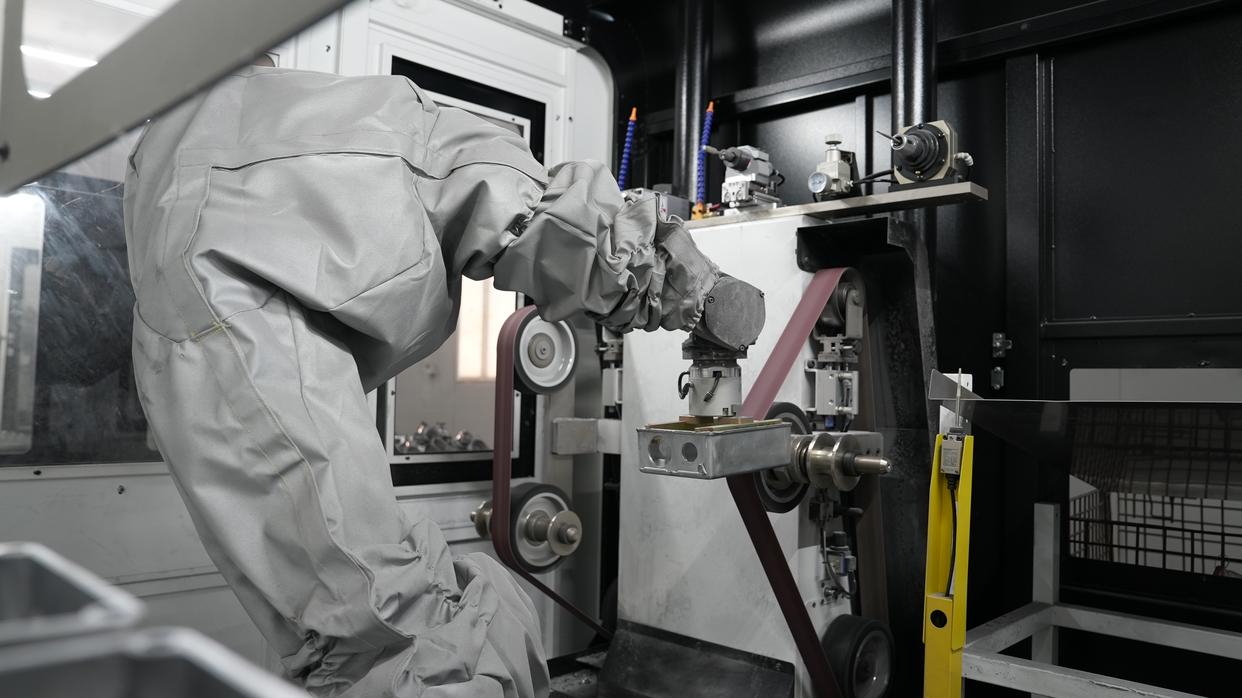
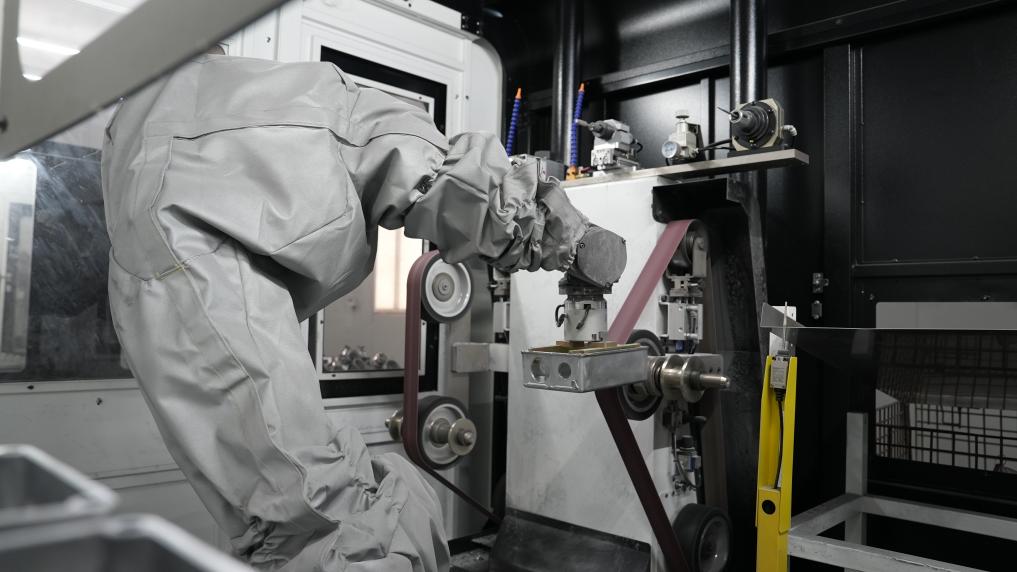
听,高质量发展新脉动丨协调发展促进城乡融合和区域联动
Xin Hua Wang· 2025-12-20 08:38
Group 1: Core Insights - The concept of "coordination" is a key component of the new development philosophy, emphasizing regional coordinated development as an inherent requirement of Chinese modernization and a strategic support for high-quality development [1] - The 2025 Central Economic Work Conference has identified "promoting urban-rural integration and regional linkage" as one of the key tasks for economic work in the coming year [1] Group 2: Company Insights - Puka Technology Manufacturing Co., Ltd. in Xiangtan, Hunan, is a significant player in the local new energy vehicle supply chain, specializing in mold design, precision casting, and surface treatment [2] - The company expects to achieve a production value of over 100 million yuan in 2024, with an anticipated growth of over 15% this year [2] - From January to October 2023, the revenue of the new energy vehicle supply chain in Xiangtan reached 49.257 billion yuan, marking a year-on-year increase of 84.62% [4] Group 3: Industry Development - Xiangtan has actively integrated industrial resources with Changsha and Zhuzhou, enhancing cooperation with local vehicle manufacturers, resulting in an increase of nearly 1 billion yuan in supply chain collaboration [4] - The local government has implemented a strategy focused on the development of the new energy vehicle industry, aiming to strengthen the supply chain and achieve significant growth [6] - The three cities of Changsha, Zhuzhou, and Xiangtan have signed an action plan for integrated development, promoting the market-oriented allocation of resources such as talent, technology, and capital [8] Group 4: Regional Coordination - The emphasis on coordinated development aims to promote regional linkage, addressing the significant disparities in resource endowments between urban and rural areas, and between different regions [10] - The National Development and Reform Commission has acknowledged the development gaps between regions and is working to ensure that all areas and people share in the benefits of development [11] - The integration of urban and rural areas is seen as a crucial step in enhancing domestic circulation quality and boosting domestic demand, contributing to high-quality development [12][15]
理论新书架
Xin Lang Cai Jing· 2025-12-19 17:25
转自:衢州日报 近日,《中国县域经济发展报告2025》正式出版。该书是中国县域经济发展大会组委会组织专家编写的 第二部中国县域经济发展报告。 2025年版的县域经济发展报告,主题是城乡融合和绿色转型。城乡融 合对推动中国2万多个镇的发展意义重大。温州在这些方面具有丰富的实践经验。报告专设一章,剖析 温州在这方面的努力与探索,包括中国农民建造的第一城——龙港市的发展。绿色转型是县域经济发 展,更是中国发展的主基调。县域作为我国国家治理体系和区域协调发展的关键基石,在推动生态文明 建设与高质量发展中发挥着承上启下的作用。其发展关乎国家生态安全、产业结构升级与城乡融合效应 的释放,也是实现"双碳"目标、美丽中国与乡村振兴战略落地的核心空间单元。 (来源:衢州日报) ...
让“美丽产业”成为“幸福产业”(现场评论)
Ren Min Ri Bao· 2025-12-17 22:11
Core Insights - The "beautiful industry" in Yunnan is expanding its industrial chain and increasing added value, contributing to ecological economics that promotes green prosperity and urban-rural integration [1][3] Industry Development - The flower industry in Yunnan benefits from a complete chain from seed research, technological planting, to market circulation, with approximately 70% of fresh-cut flowers in China sourced from Yunnan [1] - The introduction of over a thousand self-bred "Chinese style" rose varieties in May 2025 marks a significant step towards reducing reliance on imported varieties and enhancing local production capabilities [2] - Technological advancements in agriculture, such as automated environmental control systems and soilless cultivation, are improving flower quality and yield, thus driving modernization in the agricultural sector [2] Economic Impact - In 2024, Yunnan's fresh-cut flower production reached 20.6 billion stems, employing 380,000 people directly and over 1 million indirectly, showcasing the industry's role in poverty alleviation and economic growth [3] - The integration of various agricultural products, such as flowers, coffee, and tea, is strengthening the foundation for rural revitalization and enhancing the overall economic landscape in Yunnan [3][4]
金融支持城乡融合应更精准有力
Jin Rong Shi Bao· 2025-12-17 04:40
推进城乡融合,需要金融向薄弱环节配置更精准、服务差异化。金融属性决定了金融资源天然会流向投 入产出比更高的领域和主体,因此,以金融方式引导资金等要素在城乡间合理流动,必然需要加力其对 县域、乡村振兴领域的支持。"发展普惠金融"在2013年被确立为国家战略,至今已超10年时间。"十四 五"期间,金融服务覆盖面进一步扩大,全国普惠型小微企业贷款余额增长1.3倍,利率下降2个百分 点,普惠型涉农贷款余额也已近14万亿元;我国数字普惠金融发展更是全球领先。尽管如此,我国普惠 金融在差异化、可持续方面仍面临考验。部分普惠金融领域存在不讲差异化的过度竞争行为,以降低利 率为主的竞争方式使得实际贷款利率被压低以致难以覆盖部分长尾客群,不利于薄弱环节金融服务的深 耕。此外必须关注到的是,在本轮深化农信社改革中,部分省份选择了省级或地市统一法人的改革方 式。基于"原则上机构不出县(区)、业务不跨县(区)"的县域法人机构监管要求,金融资源能在县级 及以下被较充分地留存和应用,并与其他类型银行形成差异化竞争。统法改革路径能够明显提升机构经 营的规模效益,但也会造成金融资源相对均衡分配的难度加大,对薄弱环节支持造成削弱。 今年6月, ...
【图解】权威解读:如何把握“五个必须”的规律性认识
Zhong Guo Jing Ji Wang· 2025-12-17 02:35
Core Viewpoint - The article discusses the key insights from the Central Economic Work Conference, emphasizing the "Five Musts" for economic work in the new context, focusing on high-quality development for the 14th Five-Year Plan period [2]. Group 1: Economic Potential - It is essential to fully tap into economic potential, characterized by a large margin for maneuvering, internal circulation, and self-reliance [3]. - There is a need to broaden perspectives and innovate strategies to expand consumption and investment, develop technology and industries, and promote urban-rural integration and regional coordinated development [4]. Group 2: Policy Support and Reform - The current economic development faces intertwined cyclical, structural, and institutional issues, requiring comprehensive measures that combine macroeconomic regulation to mitigate short-term fluctuations with timely and deep reforms to drive internal growth [4]. - The approach must balance "letting go" to eliminate institutional barriers to productivity while ensuring effective governance to maintain market order and enhance the role of the government in resource allocation [5]. Group 3: Investment Focus - Economic development aims for comprehensive human development and improved well-being, necessitating effective investment in both the real economy and human resources, fostering a synergy between material and human capital [6]. Group 4: Internal Strengthening - To address external challenges, there is a call for strengthening internal capabilities and resilience [6].

“八个坚持”拓开2026年中国经济大视野
Guo Ji Jin Rong Bao· 2025-12-15 03:12
Group 1: Macroeconomic Policy and Domestic Market - The core macroeconomic policy emphasizes a more proactive approach, focusing on quality and efficiency as key development themes, with the "Eight Persistences" as critical directives for economic work in the first year of the 14th Five-Year Plan [1] - Domestic demand has become the main driver of economic growth, contributing an average of 93.1% to economic growth from 2013 to 2024, highlighting the importance of a strong domestic market as a long-term strategy [2][3] Group 2: Innovation and New Growth Drivers - The necessity of innovation-driven growth is underscored, as new momentum is essential for future development and competitive positioning, requiring a systemic reshaping of production factors and business models [4][5] - The development of new momentum must support both high-end industries and traditional industry upgrades, creating high-quality employment and meeting the needs of the populace [5] Group 3: Reform and High-Quality Development - Continuous reform is essential to inject vitality into high-quality development, addressing deep-seated issues that have emerged due to changing development stages [6][7] - Emphasis on technological innovation as a key driver for high-quality development, necessitating a deep integration of innovation systems and breaking down institutional barriers [7] Group 4: Open Economy and International Cooperation - China aims for a higher level of openness, promoting multi-faceted cooperation to adapt to global economic changes and challenges, emphasizing the importance of collaborative networks in various fields [8][9] - The need for innovative cooperation mechanisms to address challenges posed by protectionism and geopolitical tensions is highlighted, focusing on quality and resilience in partnerships [9] Group 5: Coordinated Development and Urban-Rural Integration - The strategy of promoting coordinated development aims to address the growing disparities between urban and rural areas, emphasizing the need for a balanced and inclusive development approach [10][11] - Regional integration strategies like the Beijing-Tianjin-Hebei collaboration and the Yangtze River Economic Belt are examples of efforts to optimize resource allocation and promote high-quality regional economic layouts [11] Group 6: Green Transformation and Carbon Neutrality - The commitment to achieving carbon peak by 2030 and carbon neutrality by 2060 reflects China's responsibility in global climate governance and the need for a comprehensive green transformation [12][13] - Innovation is identified as the core engine for achieving carbon goals, requiring advancements in renewable energy, energy efficiency, and the establishment of supportive institutional frameworks [14] Group 7: Focus on People's Livelihood - The emphasis on prioritizing people's livelihoods reflects the increasing complexity of public demands, necessitating a responsive governance approach that addresses specific community needs [15][16] - Establishing long-term mechanisms to ensure sustainable improvements in public welfare is crucial, with a focus on resource allocation and social governance [16] Group 8: Risk Management - The need to manage risks in key areas such as real estate and local debt is highlighted, with a focus on maintaining stability while actively addressing potential threats [17][18] - A balanced approach to risk management is essential, combining immediate responses with long-term structural improvements to foster sustainable development [18]