循环经济

Search documents
一根甘蔗怎么“榨”,才能让工人尝到更多“甜头”?
Xin Lang Cai Jing· 2026-01-29 19:50
阅读提示 在广西来宾,传统制糖产业属于典型的劳动密集型产业。在高端化、智能化、绿色化转型发展趋势下, 当地制糖产业链向"一根甘蔗吃干榨尽"延伸,持续赋能传统用工,催生新兴岗位,实现技能增值、收入 增长。 "这类岗位是传统糖业从未有过的!"1月27日,谈及当地糖业发展带来的产业工人队伍新变革,广西壮 族自治区来宾市糖业发展局副局长莫仁忠的一句话,揭开了制糖产业链向"一根甘蔗吃干榨尽"延伸给工 人带来的"甜头"。 自当地糖业加快高端化、智能化、绿色化转型发展以来,全产业链循环经济模式催生了一系列过去不存 在或规模极小的技术型岗位。传统制糖工人在产业升级过程中实现技能重塑,岗位收入稳步增长。 "人工智能+制造"改变作业方式 寒意渐浓的来宾,超200万亩蔗田依旧铺展着连片翠绿。这些散落在丘陵坡地之间的"绿色宝藏",撑起 了广西1/6、全国1/10的糖产量版图。当地传统的制糖产业属于典型的劳动密集型产业,工人以往是"刀 砍肩扛看熬糖",即甘蔗砍收依赖高强度体力劳动,制糖过程依赖老师傅的经验"观火候、看糖色"。如 今,这一场景已被彻底改变。 作为在来宾东糖凤凰有限公司工作20多年的老员工,公司副总经理韦丽娜向记者介绍,过 ...
首部《重庆ESG创新实践绿皮书》发布
Xin Lang Cai Jing· 2026-01-29 18:46
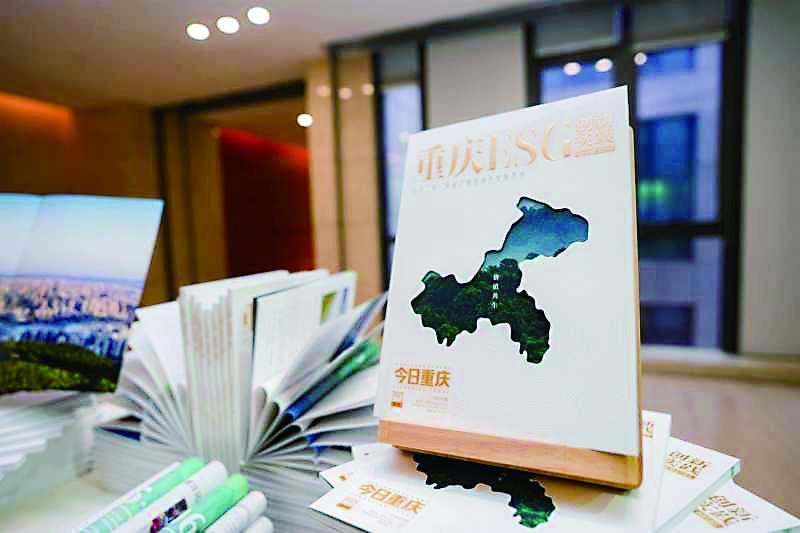
《重庆ESG创新实践绿皮书》 1月29日,由市商务委、市国资委、市工商联指导,重庆日报报业集团主办,上游新闻承办,重庆上市公司协会协 办的首部《重庆ESG创新实践绿皮书》发布活动举行。本次活动,现场发布了《重庆ESG创新实践绿皮书》,有 20家企业和5个实践案例入选该书。 从企业一线到成书出版 《绿皮书》的编撰源于上游新闻2025年启动的"重庆ESG先锋企业寻访"主题宣传活动。在历时数月的走访中,记 者团队深入重庆多家企业、园区,记录一系列鲜活的ESG实践——从传统制造业的"零碳转型",到金融领域的绿 色产品创新;从乡村振兴的企业赋能,到科技驱动的循环经济探索。越来越多的企业正从ESG的"实践者"转变 为"创新者",在结合国家战略与本地实际中走出特色发展路径。 这些来自一线的实践与思考,经过系统整理与提炼,最终汇编成《重庆ESG创新实践绿皮书》。 多领域实践彰显"重庆特色" 《绿皮书》中收录的案例显示,重庆企业在ESG各领域均展现出积极的创新活力。 在绿色低碳方面,重庆交通开投集团完成轨道交通碳排放交易,并实现了全国首例公交低碳出行核证自愿减排量 交易;同时,重庆港加速推进"零碳港口"建设,大力推动新能源技术 ...

林平发展:锚定“绿色制造+循环经济”双轮驱动战略 深耕循环造纸领域
Shang Hai Zheng Quan Bao· 2026-01-29 18:44
出席嘉宾 安徽林平循环发展股份有限公司董事会秘书王善彬先生 安徽林平循环发展股份有限公司董事、财务总监李培凯先生 国联民生证券承销保荐有限公司保荐代表人李凯先生 ——安徽林平循环发展股份有限公司首次公开发行股票并在主板上市网上投资者交流会精彩回放 安徽林平循环发展股份有限公司董事长、总经理李建设先生 国联民生证券承销保荐有限公司保荐代表人黄庆先生 安徽林平循环发展股份有限公司 董事长、总经理李建设先生 尊敬的各位投资者和各位网友: 大家好! 欢迎大家参加安徽林平循环发展股份有限公司首次公开发行股票并在上交所主板上市的网上路演。首 先,我谨代表林平发展全体董事会、管理层及全体员工,向长期给予公司关注和支持的广大投资者朋 友,表示衷心的感谢以及热烈的欢迎!我们希望通过此次网上投资者交流活动,充分解答各位投资者关 切的问题,帮助大家更加客观、全面地了解林平发展。 自2002年在安徽萧县创立以来,林平发展始终锚定"绿色制造+循环经济"的双轮驱动战略,深耕循环造 纸领域。我们以废纸回收再利用为起点,构建资源高效循环的运营体系,持续推进清洁化生产与节能降 耗。这不仅让我们的产品获得了市场认可,更使公司的"绿色工厂"实践与 ...
产品量价齐升 顺博合金预计2025年净利润同比增长222.96%至315.23%
Zheng Quan Ri Bao Wang· 2026-01-29 13:41
Core Viewpoint - Chongqing Shunbo Aluminum Alloy Co., Ltd. (Shunbo Alloy) expects a significant increase in net profit for 2025, projecting a growth of 222.96% to 315.23% year-on-year, driven by strong demand in downstream industries and rising prices in the non-ferrous metal market [1] Group 1: Financial Performance - The company anticipates a net profit attributable to shareholders of 210 million to 270 million yuan for 2025, with a year-on-year growth of 222.96% to 315.23% [1] - The projected net profit after deducting non-recurring gains and losses is expected to be between 126 million and 186 million yuan, reflecting a year-on-year increase of 33.19% to 96.62% [1] Group 2: Market Dynamics - The overall demand in downstream industries and the strengthening of non-ferrous metal market prices have positively impacted the sales volume and prices of the company's main products [1] - The company has implemented efficiency reforms that have resulted in cost reductions, contributing to increased revenue and operating profit [1] Group 3: Production Capacity and Product Segments - In the casting aluminum alloy segment, Shunbo Alloy's Anhui subsidiary has a production capacity of 400,000 tons, while its Hubei subsidiary has a capacity of 200,000 tons, both of which have seen steady increases in production and sales [1] - In the aluminum plate segment, Chongqing Aobo Aluminum Material Manufacturing Co., Ltd. has a production capacity of 50,000 tons, with significant increases in sales of battery casing materials, primarily used in the new energy vehicle and energy storage industries [1] Group 4: Business Model and Strategy - Shunbo Alloy specializes in the production and sales of recycled aluminum alloy ingots, focusing on circular economy principles [2] - The company employs two pricing models: market-based pricing, which mitigates risks associated with raw material price fluctuations, and cost-plus pricing, which locks in raw material costs to ensure reasonable profits [2] - The company aims to develop its recycled aluminum business steadily, focusing on a dual strategy of "recycled casting aluminum alloy + recycled deformed aluminum alloy" while also advancing hazardous waste disposal [2]
骆驼股份:2025年上半年,公司实现铅及铅产品产量24.5万吨
Zheng Quan Ri Bao Wang· 2026-01-29 10:48
Core Viewpoint - The company focuses on a dual-circulation strategy for lead-acid and lithium batteries, aiming to enhance its sustainable circular economy model while addressing industry challenges such as increased competition and rising raw material costs [1] Group 1: Company Strategy - The company is continuously improving its green and sustainable circular economy industry [1] - It is adjusting production and sales rhythms, optimizing processes, and focusing on high value-added products to enhance overall efficiency [1] Group 2: Performance Metrics - In the first half of 2025, the company achieved a production volume of 245,000 tons for lead and lead products [1] - The company procured 3,262 tons of waste lithium batteries and sold 1,424 tons of recycled materials [1]

Paper packaging recycling standardisation moves up the EU agenda
Yahoo Finance· 2026-01-29 09:23
A new statement from the Confederation of European Paper Industries (CEPI) outlines recent progress in the recycling standardisation of paper and board packaging and its role in advancing circular economy objectives across Europe. The document highlights the transition from fossil-based plastics to more recyclable paper packaging, increases in recycling rates, and coordinated industry efforts to support harmonised recycling standards under evolving EU regulatory frameworks. Industry shift towards recycl ...
2025年度石油和化工行业精彩故事 | 深耕——浙江大洋生物:五十年守望江河,终成钾盐细分领域坚韧引领者
Zhong Guo Hua Gong Bao· 2026-01-29 08:58
然而,随着全国离子交换法生产碳酸钾产能不断提升,氯化铵的处置,已上升为行业难题,同时,在国 家环保高压态势下,大批同行纷纷倒下......面对发展逆境,大洋人决定在夹缝中求生存、在逆境中寻契 机,艰难开辟出一条生产与环保同步发展的常态化创新之路——他们联合科研院所,投入2000万元,研 发出全国首套规模化离子交换法废水回收固体氯化铵装置,创新采用钛合金材料与三效蒸发工艺,初步 实现了高浓度含氨氮废水的资源化利用——由此,他们持续工艺研发,产生几十项专利技术,并先后投 入上亿元,不断升级建设回收系统,在行业内率先完成了离子交换法生产碳酸钾全物料循环利用及无工 艺废水排放。同时,他们对含氨氮废水的治理,不仅解决了环保问题,使原料利用率接近理论值,更将 副产物转化为优质产品,助力企业在行业中脱颖而出,真正实现了清洁生产的闭环。其"离子交换法低 温自碳化生产碳酸钾"项目,被列入国家火炬计划,其废水治理项目,被国家列为含氨氮废水高技术产 业化示范项目。另外,他们研发的高效热泵连续蒸发结晶系统,使能耗再降37%,他们自主优化M V R 1月24日,在清华大学召开的2025年度石油和化工行业十大新闻暨年度舆情报告发布会上, ...

芬兰驻华大使:中芬企业达成11份合作文件,价值超千万欧元
2 1 Shi Ji Jing Ji Bao Dao· 2026-01-29 07:53
Group 1 - Finnish Prime Minister Orpo's visit to China included 20 Finnish companies, showcasing their commitment to the Chinese market and long-term cooperation with Chinese partners [1] - During the visit, 11 business cooperation agreements and 6 government memorandums were signed, covering various fields such as trade, technology, and energy [1] - The direct contract amount of the 11 business agreements reached tens of millions of euros, indicating strong bilateral business engagement [1] Group 2 - Orpo emphasized that China is a significant trade partner for Finland, with Finnish companies valuing the potential of the Chinese market [2] - The China-Finland Innovation Enterprise Cooperation Committee, established in 2017, has become an important platform for promoting business exchanges and economic cooperation [2] - Finnish companies are keen on collaboration in green low-carbon, circular economy, and industrial digitalization sectors, aiming to convert exchange results into concrete projects [2] Group 3 - The Finnish side supports free trade and fair competition, expressing hope for increased mutual trust and reduced trade barriers between Europe and China [2] - According to the Chinese Ministry of Commerce, by 2025, the bilateral trade volume between China and Finland is expected to exceed $8 billion, with a mutual investment stock of over $23 billion [2] - The delegation led by Orpo included companies from Finland's competitive sectors such as machinery, forestry, innovation, clean energy, and food [2] Group 4 - The issue of Greenland was mentioned during the visit, but Finland's position is that Greenland belongs to Denmark, and its future should be decided by the people of Greenland and Denmark [3] - The importance of Arctic security is increasing, with climate change leading to significant changes in the Arctic region, making commercial navigation through the Arctic route more feasible [3]
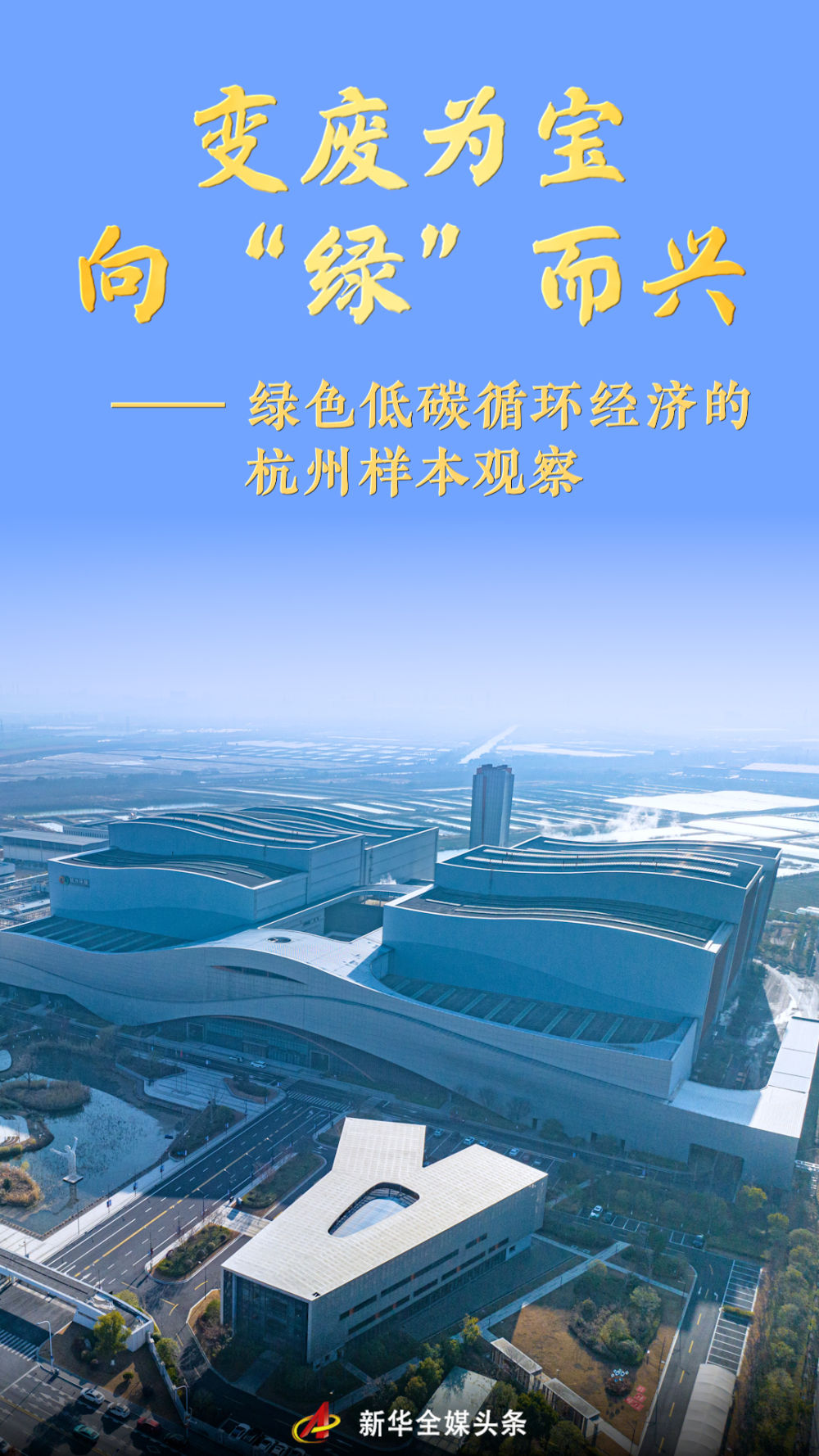
变废为宝 向“绿”而兴——绿色低碳循环经济的杭州样本观察
Xin Hua She· 2026-01-29 00:19
Core Viewpoint - Hangzhou has been recognized by the United Nations as one of the "20 Cities Moving Towards Zero Waste," highlighting its commitment to sustainable development and circular economy practices following the "Waste-Free Asian Games" initiative [5]. Group 1: Recognition and Initiatives - Hangzhou's economic output has surpassed 2 trillion yuan, with a resident population exceeding 12.6 million, as it implements solid waste management and resource utilization in line with national directives [5]. - The city has been acknowledged for its innovative practices in digital empowerment for circular economy and sustainable development [5]. Group 2: Smart Waste Management - Residents are engaging in smart waste disposal through digital platforms, where their waste is tracked and managed in real-time, enhancing transparency and efficiency in waste management [7][8]. - The "Tiger Brother" digital recycling service has collected nearly 600,000 tons of waste in Yuhang District, with over 21 million participations, showcasing a successful public-private partnership in waste management [10][11]. Group 3: Transformation of Waste into Resources - Hangzhou has transitioned from a "waste burden" to a "green dividend," with a significant reduction in landfill use and an increase in waste-to-energy conversion [15]. - The city’s waste incineration plants have a processing capacity of 2 million tons annually, generating over 1 billion kilowatt-hours of electricity, contributing to the local energy supply [17]. Group 4: Community Engagement and Education - The city has cultivated over 3,200 "waste-free cells" across various community forms, embedding green development principles into the daily lives of residents [26]. - Initiatives during the Asian Games resulted in a 20% reduction in food waste per capita and over 50% material recovery, setting a precedent for large-scale events [26]. Group 5: Future Commitments - The Hangzhou government aims to enhance its "zero waste city" construction level and provide replicable experiences for global solid waste management [28].
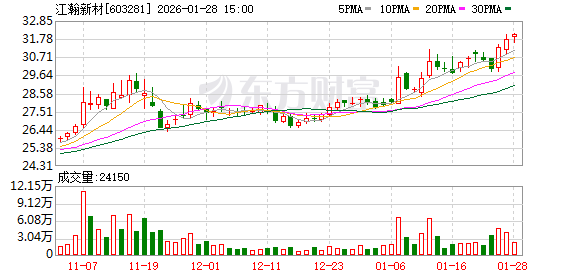
从乡镇小厂到全球功能性硅烷冠军 江瀚硅烷“甲”天下
Shang Hai Zheng Quan Bao· 2026-01-28 18:40
Group 1 - The core message of the article emphasizes Jianghan New Materials' ambition to become a global leader in silane production, with a projected annual capacity of 152,000 tons by 2025, capturing nearly 20% of the global market share [2] - The company has established a complete industrial chain with over 200 varieties, achieving a closed-loop green production process from raw materials to products, and has made significant breakthroughs in high-end products like electronic-grade silane [2] - The continuous growth of Jianghan New Materials is attributed to its commitment to technology and talent investment, sharing benefits with employees and shareholders, and collaborating with industry partners to meet national strategic needs [2] Group 2 - Jianghan New Materials entered the functional silane market, which is crucial in various industries, after recognizing the high demand and market gap, despite initial challenges and setbacks in other projects [3][4] - The company underwent a transformation in 1998, officially becoming Jianghan Fine Chemicals, and successfully optimized production processes, leading to stable mass production and significant financial returns for stakeholders [5][6] - The tradition of profit sharing has continued, with the company distributing over 1 billion yuan in dividends in the past three years [6] Group 3 - To foster development, the company emphasizes the importance of hiring high-level talent and has implemented strategies such as equity sharing and housing support for employees [7][9] - Jianghan New Materials has established a research and development platform and has formed long-term partnerships with international leaders, exporting to over 80 countries, with exports accounting for more than 50% of total revenue [9][10] - The company is currently focusing on expanding its production capacity in the semiconductor sector, particularly electronic-grade silane, with a new project expected to begin trial production by December 2024 [11][12] Group 4 - Jianghan New Materials aims to enhance its competitive edge by advancing core technologies and moving towards high-end markets, recognizing the need for quality growth in the Chinese silane industry [12] - The company has developed a closed-loop production model that minimizes environmental risks and maximizes efficiency, achieving a purity level of silane that can replace imports [12] - The strategic focus on semiconductor and high-end new energy materials aligns with national priorities and aims to ensure the self-sufficiency of China's new materials industry [12]