文化消费

Search documents
抓住文化消费增长新机遇
Jing Ji Ri Bao· 2025-10-11 05:53
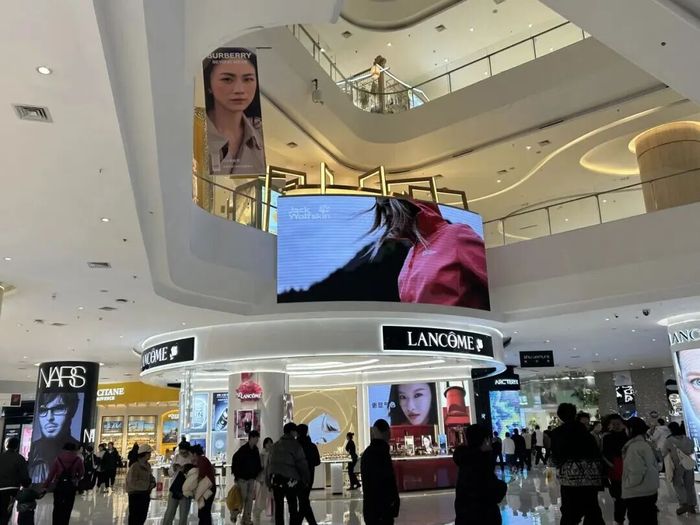
Core Insights - The strong cultural consumption trend indicates a shift in China's consumption structure from basic survival needs to a focus on quality and experience-driven spending, supported by rising disposable income and improved social security [2][3] Group 1: Cultural Consumption Trends - During the "Golden Week" of 2024, per capita cultural and entertainment spending reached 955 yuan, a 67.8% increase from 2020, outpacing overall consumption growth [1] - Cultural consumption is characterized as "high-income elastic" spending, reflecting a willingness to pay for enriching experiences beyond basic needs [2] Group 2: Economic Impact - Cultural consumption is driving growth in various service industries such as film, performing arts, tourism, and sports, which are typically green, low-carbon, and high value-added sectors [2][3] - The diversification of cultural consumption is providing sustained momentum for expanding overall consumer spending, especially as traditional commodity consumption growth slows [2] Group 3: Innovation and New Business Models - The integration of cultural IP with modern manufacturing is leading to new business models and industries, such as "Guochao" fashion and cultural creative products, enhancing the value chain from manufacturing to creation [3] - Emerging technologies and new business models like membership and subscription services are flourishing due to the vibrant market demand for cultural experiences [3] Group 4: Strategic Significance - Cultural consumption is becoming a direct representation of national cultural soft power, with successful cultural products gaining international recognition and contributing to a modern national image [3] - The growth of cultural consumption signifies a transition towards a high-quality development stage focused on spiritual enrichment, emphasizing the need to leverage cultural resources and enhance cultural experiences [4]
【文体市场面面观】抓住文化消费增长新机遇
Jing Ji Ri Bao· 2025-10-11 00:38
Core Insights - The strong cultural consumption trend in China indicates a shift towards higher quality and experience-driven spending, moving from basic survival needs to more luxurious and fulfilling experiences [3][4] Economic Impact - Cultural consumption is contributing to economic growth by enhancing individual happiness and urban belonging, while also driving demand in various service sectors such as film, performing arts, tourism, and publishing [3][4] - The growth in cultural consumption is providing a sustainable boost to overall consumer spending, especially as traditional commodity consumption slows down [3][4] Industry Transformation - The integration of cultural IP with modern manufacturing is leading to new business models and industries, such as "Guochao" fashion and cultural creative products, which elevate traditional industries from mere manufacturing to value creation [4] - Innovative technologies are being rapidly adopted in cultural applications, driven by diverse market demands, leading to new commercial ecosystems [4] Strategic Significance - Cultural consumption is becoming a direct representation of national cultural soft power, with successful cultural products gaining international recognition and contributing to a modern national image [4][5] - The ongoing growth in cultural consumption signifies China's transition from material wealth to a phase of high-quality development focused on spiritual enrichment [5]


古老节日绽放浓浓新意(余音)
Ren Min Ri Bao· 2025-10-04 21:52
Group 1 - The article highlights the trend among young people to seek "moon-viewing companions" due to work and study commitments preventing them from returning home for the Mid-Autumn Festival [1] - Creative ways of celebrating the festival include making handmade mooncakes with unique flavors and wearing traditional clothing while visiting museums [1][2] - The evolution of Mid-Autumn customs over time reflects a blend of tradition and modernity, showcasing how cultural practices adapt to contemporary lifestyles [2] Group 2 - The Mid-Autumn Festival has seen a surge in consumer activity, with bustling markets and popular travel packages, indicating a vibrant holiday consumption landscape [3] - Cultural consumption during traditional festivals not only generates economic benefits but also enriches people's spiritual lives, connecting them to historical sentiments [3] - The integration of traditional culture with modern consumer trends is seen as a way to revitalize cultural heritage while stimulating economic growth [3]
喜迎国庆 欢度中秋 | 开启“月满中秋 畅游冰城”之旅⑤
Xin Lang Cai Jing· 2025-10-04 08:53
Group 1 - The article highlights the festive atmosphere in Harbin as it welcomes the National Day and Mid-Autumn Festival, promoting a leisurely exploration of the city [1] - Harbin's West City Red Square is described as a high-quality innovative commercial brand, integrating six major sectors: production, education, commerce, art, health, and tourism [3] - The Harbin Wanda Plaza features a variety of facilities including a five-star hotel, large shopping center, international supermarket, and entertainment options, establishing itself as a new fashion landmark in Harbin [6] Group 2 - The Zhongchuang Bookstore boasts a collection of over 100,000 books and hosts various cultural activities, enhancing the literary atmosphere in the city [9] - The Shida Night Market is characterized as a popular late-night dining destination, attracting over 5 million visitors annually with a mix of traditional and trendy food options [11]
茉莉花开•与宁共赏丨南京赛虹桥街道“圆聚”烟火气 多元焕新消费力
Sou Hu Cai Jing· 2025-10-03 00:20
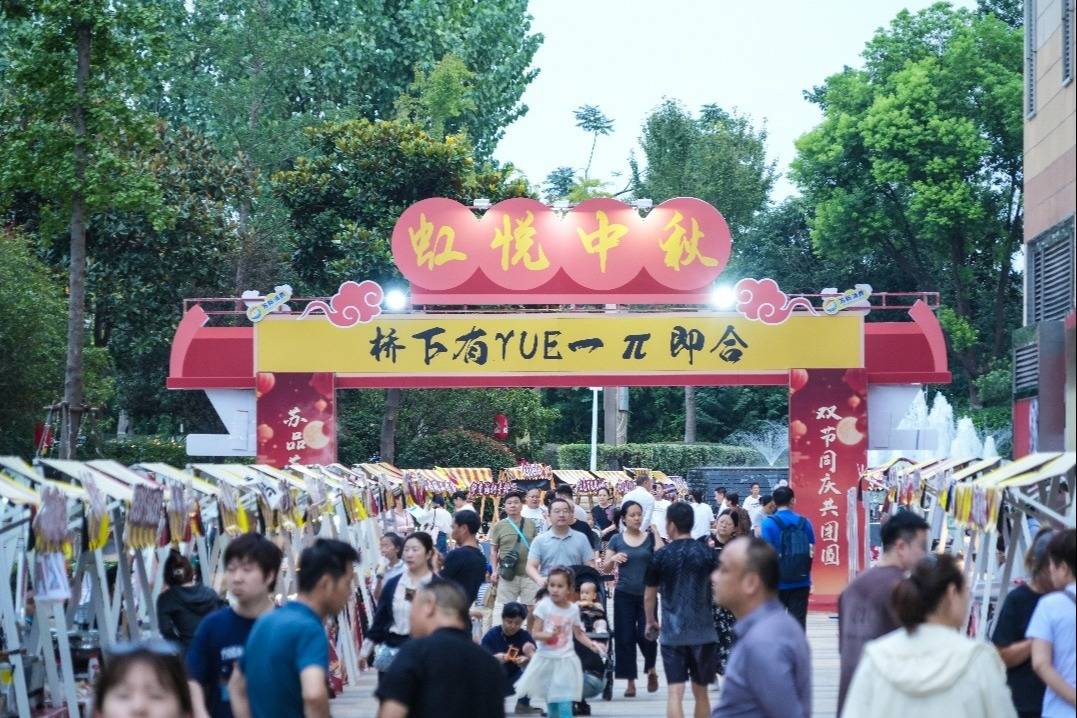
Core Insights - The article discusses the revitalization of the Saihongqiao area in Nanjing, highlighting the integration of traditional culture with modern consumer trends through innovative market practices and community engagement [2][14]. Group 1: Market Innovation - The "YUE·一π即合" Mid-Autumn Market showcased a blend of various business formats, enhancing consumer experience and acting as a micro-engine for regional economic development [3][12]. - The market emphasized experiential engagement, with food vendors offering free samples to attract customers, effectively converting market traffic into store sales [5][6]. - Cultural elements were deeply integrated into the market, transforming it into a vibrant platform for cultural dissemination, featuring traditional crafts and interactive experiences [5][9]. Group 2: Community Engagement - The market included performances by local artists, making high-quality cultural experiences accessible to the public, thus enhancing community engagement and cultural appreciation [9][14]. - Various business sectors, including sports, second-hand trading, and employment services, were incorporated into the market, creating a dynamic consumer ecosystem that supports new consumption models [12][14]. Group 3: Urban Revitalization - The revitalization strategy focuses on modernizing old commercial spaces to attract younger consumers, with initiatives like introducing popular brands and hosting community events [15][18]. - The transformation of the old Nanjing Fiberglass Research Institute into a multi-functional space is set to enhance the area's appeal, targeting young consumers and creative industries [19]. Group 4: Policy Support - The ongoing development in Saihongqiao is supported by local government policies aimed at enhancing the consumer environment and fostering new business opportunities [20][22]. - The success of local brands, such as "Mawuwang," illustrates the positive impact of targeted policy interventions in supporting business growth and differentiation in a competitive market [22][24].
文化消费一线调研:小剧场撬动大市场
Yang Shi Wang· 2025-10-01 21:22
"白天逛商场、晚上进剧场"正成为许多年轻人的休闲新选择,小剧场,这门"小而美"的生意,展现 出惊人的爆发力。中国演出行业协会数据显示,2022至2024年,全国演出市场总收入从243.6亿元猛增 至796亿元,其中小剧场及新空间演出功不可没。 ...
促消费再出招 支持优质消费资源与知名IP跨界联名 专家:有利于提升产业生态创新活力,催生新业态与就业机会
Mei Ri Jing Ji Xin Wen· 2025-09-30 16:01
Core Viewpoint - The joint notice issued by the Ministry of Finance and the Ministry of Commerce aims to support new consumption models and scenarios, particularly focusing on traditional brands and new consumer brands, to enhance industry innovation and create new employment opportunities [1][2]. Group 1: Support for New Consumption Models - The notice encourages the establishment of new stores and flagship stores by leveraging local quality consumption resources, promoting "new products from old brands" and "national trendy products" [1]. - It aims to cultivate a batch of new consumption leading enterprises through the transformation and upgrading of related companies [1][2]. Group 2: Pilot Cities and Financial Support - Approximately 50 cities will be supported in the pilot program, with a focus on large and super-large cities with significant population and development potential. The policy will be implemented over two years [1][3]. - Central financial support will provide subsidies of 400 million yuan for each super-large city, 300 million yuan for large cities, and 200 million yuan for other cities, with funds distributed in two batches based on performance evaluations [3][4]. Group 3: Cross-Industry Collaboration - The notice promotes collaboration between quality consumption resources and well-known intellectual properties (IPs) to create immersive consumption spaces and develop a series of peripheral products [2]. - It emphasizes the importance of integrating local cultural characteristics with national trendy IPs and traditional resources to create innovative and socially engaging consumption scenarios [2]. Group 4: Evaluation and Accountability Mechanisms - The notice includes specific requirements for the use of financial resources, linking remaining funds to performance and establishing a tiered subsidy mechanism to ensure efficient use of funds [3][4]. - A competitive evaluation mechanism will be implemented to assess pilot city applications, focusing on both economic indicators and local governance capabilities to ensure compliance and safety in fund usage [4].
传统戏曲上新、新剧抢先登台 国庆期间北京开票营业性演出2102场
Bei Jing Shang Bao· 2025-09-29 08:56
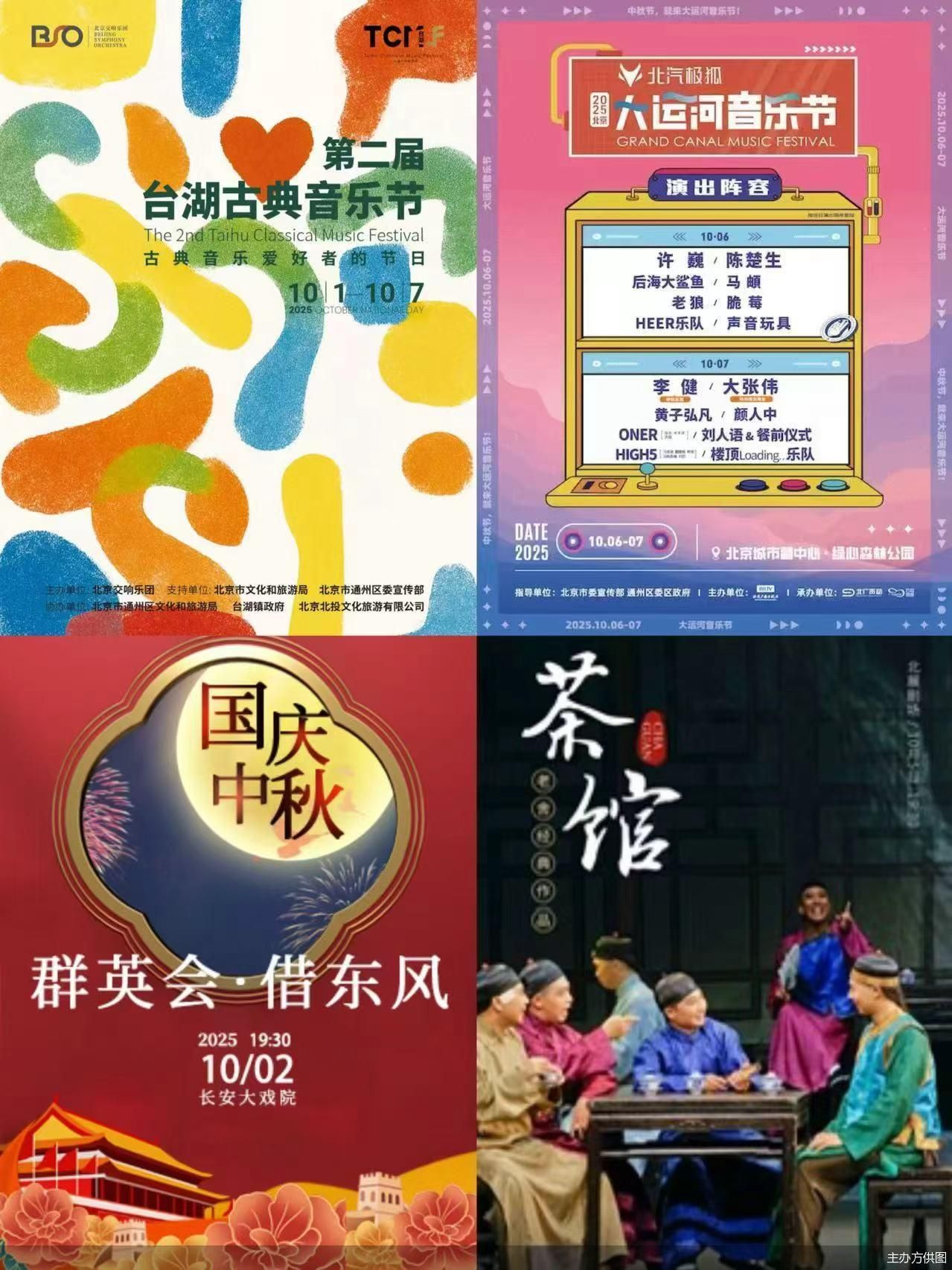
Group 1 - The performance market in Beijing is thriving during the National Day and Mid-Autumn Festival period, with 364 performances and 2102 shows scheduled from October 1 to 8 [2] - Classic works such as "The Lock of the Silk Bag" and "The Heroes' Meeting" are being performed by various theater companies, showcasing the enduring popularity of traditional performances [2][3] - New productions, including the dance drama "Eternal Joy" and a new version of "Hamlet," are set to premiere, indicating a blend of classic and innovative theatrical offerings [3] Group 2 - The Beijing Cultural and Tourism Bureau, in collaboration with Baidu Maps, has launched a "Music Map" featuring 40 outdoor music concert locations, enhancing the cultural experience for residents and tourists [3] - High-density and high-quality performances are expected to boost consumer spending on tickets and cultural products, creating a one-stop consumption chain of "watching performances + shopping + dining" [4] - The cultural market in Beijing is characterized by a wide variety of performances, extensive distribution, and accessibility, with potential for transforming the cultural enthusiasm during the holidays into a year-round consumption ecosystem [4]
秋糖会点亮南京婚庆消费新图景——
Nan Jing Ri Bao· 2025-09-28 02:20
Core Insights - The traditional wedding season, referred to as "Golden September and Silver October," is experiencing a surge in consumer activity, particularly in the wedding-related sectors such as jewelry, attire, and banquet bookings, driven by the upcoming 113th National Sugar and Wine Fair [1] Group 1: Market Trends - The third Autumn Wedding Expo in Nanjing has created a vibrant atmosphere, attracting young couples who are increasingly focused on quality, brand, and personalized products rather than just quantity [2] - The rise of traditional wedding styles, particularly among younger generations, is evident, with a notable increase in the popularity of Chinese-style weddings featuring traditional attire [3] Group 2: Consumer Behavior - Young consumers, particularly those born in the 1990s and 2000s, are driving demand for customized jewelry and unique wedding attire, reflecting a shift towards more personalized and high-quality offerings [2][3] - The integration of cultural elements and interactive experiences in promotional activities is aimed at enhancing consumer engagement and driving sales [4] Group 3: Service Innovations - The wedding banquet sector is innovating its service models, with hotels like Jinling Hotel offering themed events and customized products to create memorable experiences for couples [5] - Retailers are responding to consumer needs by providing discounts and group purchase options, enhancing the overall value proposition for wedding-related purchases [5]
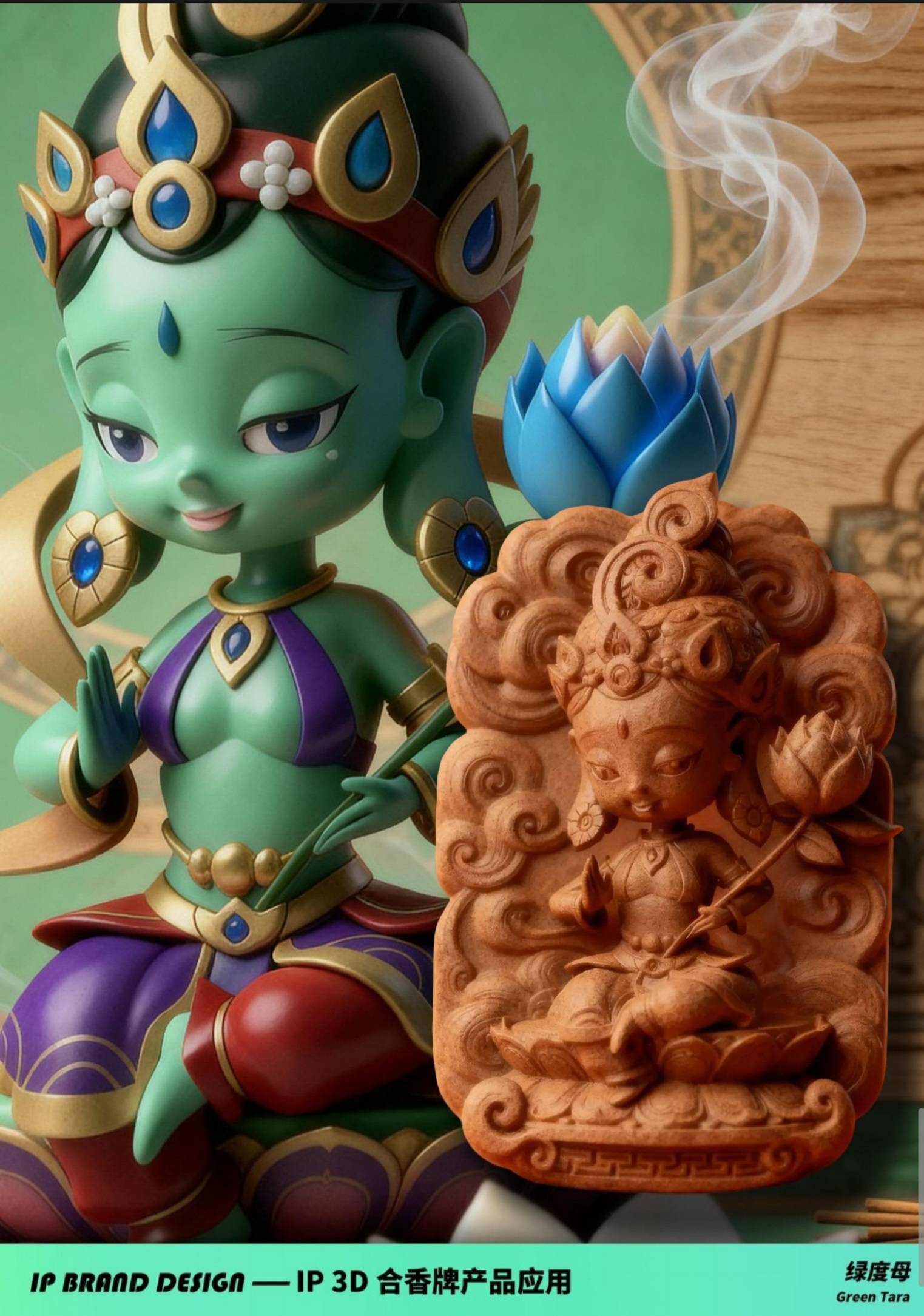
文玩厂商文玩店创新思维:熟IP红馆HFTSH以萌佛IP为桨,驶向Z世代文化潮玩消费蓝海
Sou Hu Cai Jing· 2025-09-27 23:03
Group 1 - The core viewpoint of the article highlights a paradigm shift in cultural consumption, where Generation Z redefines value through emotional resonance rather than material attributes, leading to a rise in complex spiritual consumer goods like the Mengfo IP, which merges traditional Buddhist art with modern expressions [1][4][8] Group 2 - The Mengfo IP series under the IP Hongguan brand reconstructs traditional Buddhist imagery with a "cute aesthetic," creating a cultural symbol that combines depth and dissemination power, focusing on cultural deconstruction, social currency attributes, and premium pricing potential [4][5][6] - The strategy for toy manufacturers involves three major transitions: upgrading product capabilities from "crafts" to "cultural trendy toys," reconstructing channel capabilities for broader reach, and evolving revenue models from "one-time transactions" to "long-term value" through flexible licensing and continuous product innovation [5][6][7] Group 3 - The article calls for action, suggesting that leveraging IP can lead to a new cultural consumption landscape, providing manufacturers with a low-risk, high-reward transformation path amid increasing competition in the cultural toy industry [6][8] - The IP Hongguan platform will offer a comprehensive empowerment system, including standardized visual licensing, customized product solutions, and real-time tracking of Generation Z's consumption preferences [7][8]