
注册制改革

Search documents
券商服务居民财富管理能力增强
Xin Hua Wang· 2025-08-12 06:25
在财富管理业务转型方面,2021年证券行业持续发力,实现经纪业务收入1529.62亿元,同比增长 19.6%;实现代理销售金融产品收入190.75亿元,同比增长51.7%;实现投资咨询业务收入53.75亿元, 同比增长14.9%;客户资产规模达72.54万亿元,同比增长18.6%。 "可以看到,在投行和财富管理两大中长期发展着力点上,证券行业坚守服务实体经济的本源定 位,乘着全面注册制改革不断推进的东风,实现投行业务稳定较快增长。同时,行业在财富管理领域持 续发力,创新业务多点开花,量质双升,转型成效显著。"东兴证券非银金融行业首席分析师刘嘉玮表 示。 此外,证券公司还注重履行社会责任,公益投入保持较高水平。2021年全行业公益性支出9.10亿 元,公益性支出500万元以上的有41家,千万元以上的达到27家。 证券行业2021年经营业绩榜单出炉。近日,中国证券业协会根据各证券公司经审计数据,对证券公 司资产规模、各项业务收入等38项指标进行了统计排名,发布了2021年证券公司经营业绩指标排名情 况。 数据显示,2021年度证券行业业绩持续改善,综合实力进一步增强,全行业实现营业收入4967.95 亿元,实现净 ...
上交所:全力维护市场平稳运行 进一步发挥科创板改革试验田作用
Xin Hua Wang· 2025-08-12 06:20
Core Viewpoint - The Shanghai Stock Exchange (SSE) is committed to maintaining market stability and promoting high-quality development in line with the directives from the China Securities Regulatory Commission (CSRC) and the upcoming 20th National Congress of the Communist Party of China [1] Group 1: Market Stability - The SSE emphasizes the importance of maintaining a stable market environment by enhancing proactive measures and risk monitoring systems to prevent significant market fluctuations [1] - There is a focus on strengthening safety protocols across various operational aspects, including equipment, systems, and supply chains, to ensure the secure operation of core trading systems [1] Group 2: Innovation and Reform - The SSE aims to leverage the Sci-Tech Innovation Board as a testing ground for reforms, particularly in advancing the registration system and improving the efficiency of the listing review process [2] - The implementation of a market maker mechanism is intended to enhance pricing efficiency and liquidity on the Sci-Tech Innovation Board [2] Group 3: Economic Support - The SSE is dedicated to supporting high-quality economic development by focusing on key sectors such as technology innovation, manufacturing, and small and medium-sized enterprises [2] - Efforts will be made to improve the interconnectivity between the exchange and the interbank bond market, as well as to expand the scale of public REITs [2] Group 4: Risk Management - The SSE will enhance frontline supervision and risk prevention measures, particularly in sensitive financing and merger activities, to ensure market health [3] - There will be a focus on monitoring and managing risks associated with specific sectors and regions, including bond risk monitoring and default handling [3] Group 5: Digital Transformation - The SSE is advancing its digital transformation by developing a fourth-generation core trading system and enhancing operational management systems [4] - The exchange aims to improve regulatory capabilities through data analysis and the establishment of a comprehensive online service platform for market participants [4] Group 6: Internal Control and Compliance - The SSE is committed to strengthening internal controls and compliance through improved management practices and regular audits of significant projects and financial matters [4] - There will be a focus on enhancing the effectiveness of oversight mechanisms to ensure compliance with new procurement processes and operational standards [4]
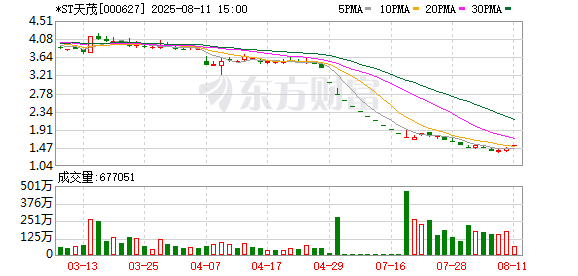
前三季度IPO募资额同比增约两成 新股上市表现分化 发行市场化水平不断提升
Xin Hua Wang· 2025-08-12 06:19
机构数据显示,截至9月14日,今年以来A股市场IPO首发数量较去年前三季度有所减少,但首发募 资金额增加了近两成,电子、通信、医药生物板块IPO募资金额居前。随着资本市场改革推进,A股发 行市场化程度不断提升,新股上市表现持续分化。 新股上市表现分化 在IPO募资金额同比上升的同时,受定价机制变化、市场环境等多重因素影响,新股上市后的表现 出现一定差异,但整体表现较好。不过,仍有部分新股在募资阶段便遭到投资者大额弃购。业内人士表 示,从新股发行市场来看,随着资本市场改革持续推进,发行市场化程度不断提升,新股上市表现分化 也将凸显。 年内IPO募资超4400亿元 尽管前三季度A股IPO首发数量同比减少,但募资金额明显增长。据Wind统计,以上市日作为统计 标准,截至9月14日,今年以来IPO企业首发家数共274家,首发募集资金4439.18亿元。根据德勤中国此 前预计,以截至2022年9月30日的融资金额计算,前三季度A股市场将会有285只新股成功发行,合计融 资4641亿元,与2021年三季度末的372只新股、合计融资3698亿元相比,今年前三季度IPO数量同比减 少23%,但融资额上升了26%。 值得注意的 ...
聚焦•民营经济发展 | 注册制下1100多家民企登陆A股
Xin Hua Wang· 2025-08-12 05:38
Core Viewpoint - The government is committed to addressing the financing difficulties faced by private enterprises, emphasizing the importance of enhancing support for quality private companies in the capital market [1][2]. Group 1: Capital Market Developments - Since the establishment of the Sci-Tech Innovation Board in 2019, 1,406 companies have been listed under the registration system, raising a total of 1.58 trillion yuan, with 1,160 of these being private companies, accounting for over 80% of the new listings [1]. - As of February 18, 2025, private enterprises constitute 63.3% of A-share listed companies, with a market capitalization of 35.02 trillion yuan, representing 39.85% of the total A-share market value [2]. - The establishment of various boards such as the Sci-Tech Innovation Board and the Growth Enterprise Market has provided diverse financing channels for private enterprises at different stages of development [2]. Group 2: Refinancing Trends - In 2023 and 2024, private enterprises accounted for 68.34% and 70.05% of A-share refinancing activities, raising 3,008.4 billion yuan and 990.95 billion yuan respectively [3]. - The implementation of a comprehensive registration system has improved the inclusivity and diversity of the capital market, facilitating easier access to financing for innovative and technology-driven private enterprises [3]. Group 3: Bond Financing - In 2024, private enterprises issued 983 bonds in the exchange market, raising a total of 374.1 billion yuan, with asset-backed securities (ABS) being the dominant type, accounting for 90.54% of the total bond issuance [4]. - The issuance of green bonds and technology innovation company bonds has also seen significant activity, with private enterprises raising 491.92 million yuan and 116.2 million yuan respectively [4]. - Regulatory measures have been taken to enhance the accessibility of bond financing for private enterprises, including the introduction of new bond types and support plans [4][6]. Group 4: Future Directions - Experts suggest that further improvements in the multi-tiered capital market are necessary to facilitate diverse financing options for private enterprises, particularly in supporting technological innovation [7]. - Future efforts should focus on optimizing market access for innovative and technology-driven companies, expanding the application of bond financing and asset securitization products, and enhancing the credit rating system to lower financing costs for lower-rated private enterprises [8].
资本市场多元化退市渠道进一步畅通
Zheng Quan Ri Bao· 2025-08-11 16:40
Core Viewpoint - The number of companies voluntarily delisting from the Chinese capital market has increased significantly this year, reflecting a deeper implementation of the "should delist, must delist" principle under stricter regulations [2][3][4]. Group 1: Voluntary Delisting Cases - Five companies have announced voluntary delisting as of August 10 this year, which is a notable increase compared to previous years [3]. - The methods of voluntary delisting include shareholder resolutions to withdraw from trading and mergers, with three companies opting for the former and two for the latter [3][4]. - The increase in voluntary delisting is attributed to market factors such as poor stock performance and the desire to alleviate short-term pressures [4]. Group 2: Regulatory Environment - The China Securities Regulatory Commission (CSRC) has emphasized the need to solidify and deepen the regular delisting mechanism, enhancing investor protection during the delisting process [5]. - A total of 30 companies have announced their delisting this year, with various reasons including major violations, trading-related issues, and financial irregularities [5][6]. - The regulatory framework for delisting has become more refined, with stricter standards for companies involved in financial fraud and other violations [6]. Group 3: Consequences of Delisting - Companies that delist, whether voluntarily or involuntarily, are still subject to regulatory scrutiny and potential penalties for past violations [7][9]. - For instance, *ST Tianmao is under investigation for failing to disclose financial reports on time, which could lead to further penalties even after voluntary delisting [8][9]. - The CSRC has taken a firm stance on holding companies accountable for their actions, ensuring that delisting does not exempt them from legal responsibilities [9].

“IPO不会大规模扩容”这颗定心丸如何吃
IPO日报· 2025-08-11 09:21
Core Viewpoint - The China Securities Regulatory Commission (CSRC) reassures investors that there will not be a large-scale expansion of IPOs, emphasizing strict control over the listing process and implementing counter-cyclical adjustments to maintain market stability [4][6]. IPO Data Summary - As of August 7, 2025, approximately 243 companies have been newly disclosed for counseling, with 112 added in June and July alone. This is an increase compared to the same period last year, but still significantly lower than previous years [4][5]. - The actual number of successful IPOs this year is only 62, raising a total of approximately 634 billion yuan, which is a decline of over 30% in the number of IPOs compared to last year and a nearly 40% drop in financing scale [5][6]. Regulatory Measures - The CSRC will maintain a 25% on-site inspection ratio for IPO applications to ensure quality and prevent fraudulent listings. Additionally, there will be a "red light pause" for IPOs in overcapacity sectors to avoid financing for outdated production capacities [6][7]. Market Dynamics - The issuance of IPOs should be dynamic and responsive to market conditions, considering factors such as investor sentiment and daily trading volume. A balance must be struck between the financing needs of quality companies and the overall market capacity [7][8]. - The concept of "large-scale expansion" is not defined by absolute numbers but rather by the market's ability to absorb new listings without destabilizing it [7]. Investor Insights - Investors should focus on the monthly changes in the number of IPOs accepted, approved, and issued, as these metrics provide a clearer picture of market supply than general statements [8]. - The emphasis on improving the quality of IPOs is more critical than merely increasing their quantity, with sectors like biotechnology and semiconductors presenting structural investment opportunities [8].

上交所严查IPO与再融资违规,国投证券、中信证券遭警示
Sou Hu Cai Jing· 2025-08-11 00:19
Core Viewpoint - The Shanghai Stock Exchange (SSE) has strengthened its regulatory oversight by including refinancing violations in its review process, highlighting a zero-tolerance approach towards financial misconduct in the capital market [2][5]. Group 1: Regulatory Actions - The SSE's recent report includes a case involving Ankaite Technology Co., Ltd. (Ankaite), which faced issues such as related-party fund borrowing, inadequate internal controls over waste material sales, and inaccurate information disclosure [2][3]. - Ankaite's previous attempt to list on the Shenzhen Stock Exchange was thwarted due to insufficient disclosure of waste electrode disposal income, indicating a pattern of compliance issues [3]. - The SSE has taken regulatory warning measures against Ankaite and its sponsoring institutions, citing multiple financial accounting problems, including revenue recognition across periods and inaccuracies in research and development expense allocation [3][4]. Group 2: Market Trends - From May to June 2025, the SSE saw a significant increase in IPO applications, with 28 companies submitting requests, while only 3 IPOs passed the review process, indicating a shift towards refinancing projects [5]. - The SSE's decision to include refinancing in its regular reporting reflects a broader trend of tightening regulations, aiming to create a closed-loop supervision system that extends from IPOs to ongoing refinancing [5][6]. - The average R&D investment ratios for IPO companies on the Sci-Tech Innovation Board and the Growth Enterprise Market have increased, suggesting a growing emphasis on innovation and compliance among listed companies [6]. Group 3: Implications for Intermediaries - The SSE's actions signal a need for intermediaries to enhance their compliance and risk management systems, especially as they face scrutiny for inadequate due diligence and oversight [5][6]. - The involvement of leading securities firms in regulatory violations raises concerns about the quality of sponsorship and the potential for a trust crisis in the market [4][6]. - The SSE's regulatory measures emphasize the importance of transparent information disclosure and the accountability of both issuers and intermediaries in maintaining market integrity [6].


十年旧案追责遭6000万重罚!东海证券回应IPO之路:仍将全力推动
Zhong Guo Jing Ying Bao· 2025-08-08 14:43
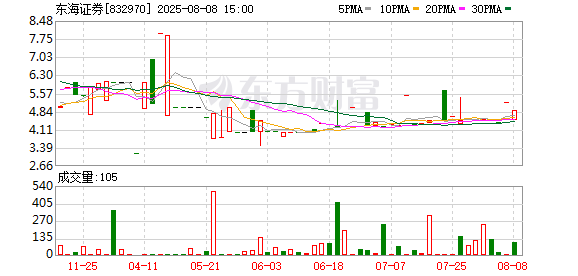
Core Viewpoint - Donghai Securities has been fined 60 million yuan by the China Securities Regulatory Commission (CSRC) for significant omissions and false records in its role as an independent financial advisor during the major asset restructuring of Jinzhu Cihang Group in 2015, which is 2.55 times its net profit for 2024 [2][3][13] Summary by Relevant Sections Regulatory Actions - The CSRC found that Donghai Securities failed to diligently fulfill its responsibilities as an independent financial advisor, including not reassigning the financial advisor for ongoing supervision and not adequately verifying the performance commitments of the target company [5][9] - The penalty consists of a business income confiscation of 15 million yuan and a fine of 45 million yuan [5] Company Response and Remediation - Donghai Securities has established a specialized committee for investment banking to manage its investment banking business uniformly and has implemented a comprehensive internal control structure [4][6] - The company is committed to rectifying the issues identified by the CSRC and has outlined six specific areas of improvement [6][7] IPO Progress and Market Impact - Despite the hefty fine, Donghai Securities does not view this as a fatal obstacle to its IPO process and continues to pursue its goal of listing on the A-share market [4][11] - The company has been under guidance for its IPO since March 2022 and is focusing on governance, compliance, and internal controls [8][11] Financial Performance - In the first half of 2025, Donghai Securities reported a revenue of 815 million yuan, a year-on-year increase of 38.07%, and a net profit of 106 million yuan, up 231.01% [12] - The 60 million yuan fine significantly exceeds the company's annual net profit, indicating a heavy compliance cost [13]
稳扎稳打 以“新”谋篇
Jin Rong Shi Bao· 2025-08-08 08:00
Core Insights - The Sci-Tech Innovation Board (STAR Market) has successfully launched 25 companies since its inception on July 22, 2019, and aims to reach 589 listed companies by July 22, 2025, reflecting a robust growth trajectory in supporting technology-driven enterprises [1][2]. Group 1: Reform and Development - The STAR Market has played a significant role as a "testing ground" for reforms, allowing diverse technology companies to list and raise funds through differentiated listing standards, with over 80% of companies in key sectors like information technology, biomedicine, and high-end equipment manufacturing [2][4]. - The introduction of the "STAR Market Eight Measures" in June 2024 has further deepened reforms, enhancing the ability to serve technology innovation enterprises by addressing various aspects such as issuance, underwriting, refinancing, mergers, and market ecology [2][3]. Group 2: Financial Ecosystem and Innovation - The current wave of technological revolution necessitates a financial service system that aligns with the characteristics of technological innovation and industrial transformation, as evidenced by the evolving valuation logic of Chinese tech companies [3][5]. - The expansion of the fifth set of listing standards to include cutting-edge industries like artificial intelligence and commercial aerospace is seen as a significant step, aiming to support high-quality enterprises with substantial market potential and technological advantages [5]. Group 3: Market Response and Future Outlook - Market participants have positively evaluated the deepened reforms of the STAR Market, recognizing its enhanced adaptability and inclusiveness in supporting technological and industrial innovation [4][5]. - The "1+6" reform initiative is designed to address challenges such as financing difficulties and high information disclosure risks for technology enterprises, thereby improving the overall ecosystem for capital market services [3][5].
北京市社会科学院研究员王鹏:完善多层次资本市场转板机制 提升资本市场包容性
news flash· 2025-07-30 11:03
Core Viewpoint - The meeting places capital market reform within a dual framework of "continuously preventing and resolving key area risks" and "accelerating the construction of a new development pattern," emphasizing its core functions of serving the real economy and stabilizing market expectations [1] Group 1: Recommendations for Capital Market Reform - Optimize institutional supply by deepening the registration system reform, establishing a "green channel" for the listing of "hard technology" companies, and improving the multi-level capital market transfer mechanism to enhance market inclusiveness [1] - Attract long-term capital by promoting individual pension funds to enter the market and expanding the equity investment ratio of insurance funds [1] - Strengthen risk prevention by severely punishing financial fraud and insider trading, improving the delisting compensation mechanism, and enhancing monitoring of cross-border capital flows to consolidate the market's recovery [1]