即时零售

Search documents
茅台下场即时配送!吃喝板块继续回调,食品ETF(515710)盘中跌超1%!资金越跌越买
Xin Lang Ji Jin· 2025-10-09 03:17
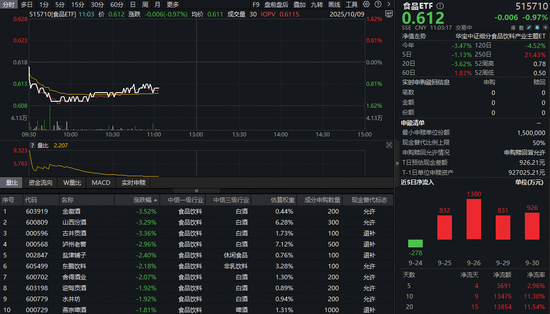
Core Viewpoint - The food and beverage sector is experiencing a pullback, with the Food ETF (515710) showing a decline of 0.97% as of the latest report, influenced by significant drops in major liquor stocks [1][3]. Market Performance - The Food ETF (515710) has seen substantial net inflows, with a total of 36.91 million yuan in net subscriptions over the last five trading days, and over 130 million yuan in the last ten days [3]. - Major liquor stocks such as Jinhuijiu, Shanxi Fenjiu, and Gujinggongjiu have dropped over 3%, while others like Luzhou Laojiao and Dongpeng Beverage have seen declines exceeding 2% [1]. Company Developments - Kweichow Moutai has launched an instant retail service on its "i Moutai" app, enhancing brand control and consumer engagement [3]. - The introduction of this service is expected to create a win-win situation by complementing traditional sales channels [3]. Valuation Insights - The current valuation of the food and beverage sector is considered low, with the food index's price-to-earnings ratio at 20.38, placing it in the 6.47% percentile over the past decade, indicating a favorable long-term investment opportunity [3][5]. Future Outlook - The upcoming holiday season is expected to boost liquor sales, with strong performance anticipated from leading brands due to improved supply and demand dynamics [4]. - Analysts suggest that the second half of the year may see a recovery in the liquor and restaurant supply chains, with positive signals emerging from the supply side [4][5].


为什么双十一越来越提前了?
3 6 Ke· 2025-10-09 00:10
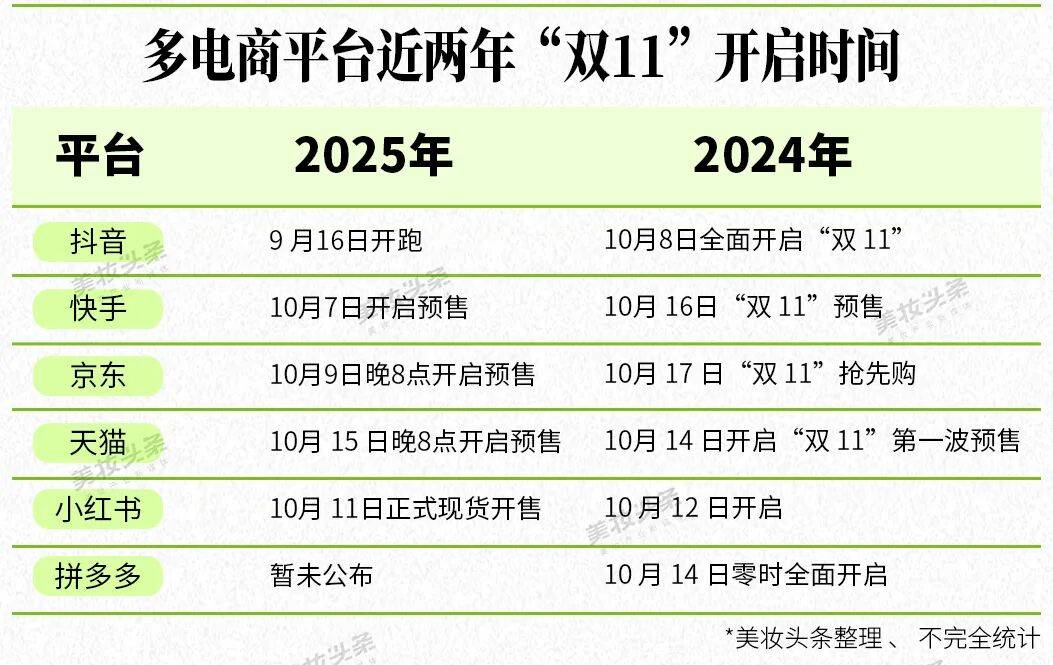
Core Insights - The 2025 Double Eleven shopping festival has started earlier than previous years, beginning on October 9, five days earlier than last year's start date [1] - The event has evolved from a single-day sale to a shopping season lasting over 20 days, reflecting a trend in the e-commerce industry towards extended promotional periods [3][4] Group 1: Evolution of Double Eleven - The initial Double Eleven event in 2009 generated 520 million yuan in sales, leading to exponential growth in subsequent years, with sales reaching 191 billion yuan by 2012 [2] - By 2015, the event had transformed into a "Double Eleven season" starting from November 1, indicating a shift from a single-day event to a longer promotional period [2] - The "Double Festival" model has become a standard, with both Double Eleven and other shopping festivals like JD's "618" extending their promotional timelines [3][4] Group 2: Competitive Landscape - The competition among e-commerce platforms has intensified, with new players like Pinduoduo, Douyin, and Kuaishou entering the market, prompting platforms to extend selling periods to attract more consumers [5][8] - Platforms are extending activity periods to alleviate system pressure and enhance user experience, as previous single-day events led to server crashes and logistics bottlenecks [6] - The shift to longer shopping periods allows merchants to manage inventory more effectively and reduces the risk of stockpiling or shortages [7] Group 3: Market Dynamics and Growth Challenges - The growth rate of Double Eleven has been declining, with Tmall's transaction growth rates decreasing significantly from 1772% in 2010 to just 8.5% in 2021 [10] - The industry is transitioning from a focus on low prices to a competitive strategy centered on price competitiveness across different price segments [10] - New growth engines such as instant retail and AI are emerging, with instant retail services expanding and AI becoming integral to marketing and logistics [11] Group 4: Consumer Experience - Consumers have complex feelings about Double Eleven, desiring transparent rules and genuine discounts while being frustrated by complicated promotions and potential post-sale issues [12][13] - There is a call for platforms and merchants to focus on improving the consumer experience rather than merely competing on promotional timing [14][15]


外卖大战到直播电商,董海锋在高校的这番话,很有意思!
Sou Hu Cai Jing· 2025-10-08 10:24
Group 1 - The core of the battle has evolved beyond simple food delivery services to a comprehensive ecological confrontation over "instant retail" dominance [3][15] - Alibaba initiated a massive subsidy campaign with a commitment of 50 billion yuan for its Taobao Flash Sale, leading to intense competition with Meituan and JD [2][5] - Meituan's system faced overload due to a surge in orders, with over 120 million orders recorded in one day, highlighting the scale of the competition [2][5] Group 2 - JD's strategy includes a "Double Hundred Plan" with over 10 billion yuan to support quality merchants, intensifying the competitive landscape [2][3] - High-profile subsidies from all three companies have led to significant financial losses projected for the next 12 months: Alibaba's food delivery business may face losses of up to 41 billion yuan, JD 26 billion yuan, and Meituan 25 billion yuan [2][3] - The market share dynamics are shifting towards a potential three-way split among Meituan, Alibaba, and JD, with a projected ratio of 4.5:4.5:1 [5] Group 3 - Regulatory concerns have emerged, with the market regulator urging the three platforms to adhere to e-commerce laws and engage in rational competition [5] - Meituan's CEO expressed concerns about the current order volume being inflated and the need for the industry to return to rationality [5][6] - The competition is characterized by a significant financial commitment, with over 25 billion yuan spent in a single quarter by the three companies [5] Group 4 - The competition extends to the live e-commerce sector, where companies are reflecting on their roles and responsibilities in society [6][8] - The concept of "live commerce for good" is being promoted, emphasizing the need for social responsibility alongside commercial success [8][9] - The evolution of competition in the internet industry is shifting from "traffic distribution" to "data distribution," highlighting the importance of controlling entry points [9][11][13]

酒类即时零售市场规模、商业模式与发展前景预测(30页报告)
Sou Hu Cai Jing· 2025-10-07 12:19
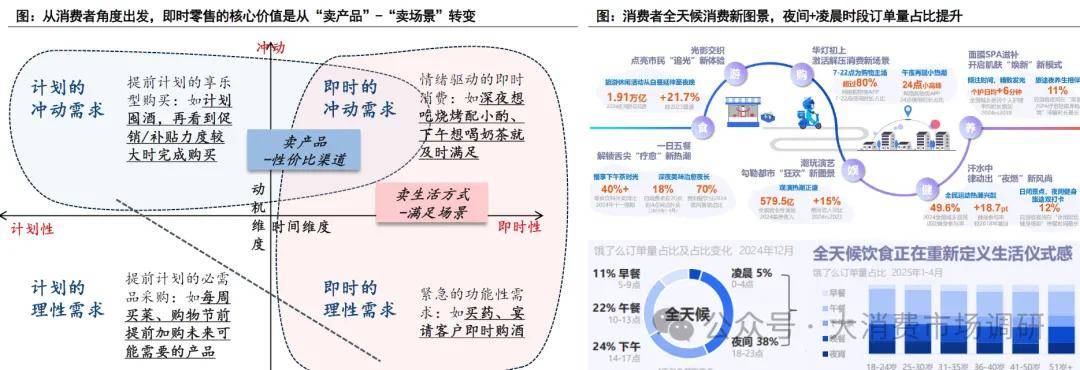
Core Insights - The article discusses the rapid growth and transformation of the instant retail market in China, emphasizing the shift from selling products to selling experiences and scenarios, particularly in the alcohol sector [1][3]. Market Overview - The instant retail market in China is projected to reach approximately 1 trillion yuan by 2025, with a market size of about 780 billion yuan in 2024, reflecting a year-on-year growth of 20% [3]. - By 2030, the market size is expected to approach 2 trillion yuan, with a compound annual growth rate (CAGR) of 17% [3]. Alcohol Sector Insights - The online sales of alcoholic beverages have accelerated since 2020, with instant retail channels experiencing significant growth. The market sizes for imported liquor, baijiu, and beer in instant retail from 2020 to 2022 grew by 628%, 554%, and 85% respectively [3][5]. - The alcohol segment is projected to reach a market size of 60 to 90 billion yuan by 2030, with a CAGR of 10-17% [5]. Consumer Behavior - The demand for instant retail in the alcohol category is driven by lifestyle changes among consumers aged 18-40, who prioritize convenience and emotional satisfaction [5]. - The nighttime consumption of alcohol is increasing, with a notable rise in orders during late-night hours, particularly among younger consumers [1]. Supply Chain Dynamics - Instant retail supply is categorized into platform and self-operated models. Platforms integrate resources from various retail formats, while self-operated models focus on quality control and higher profit margins [6]. - Major companies are leveraging their strong downstream traffic to consolidate resources from supermarkets, convenience stores, and chain outlets [6]. Business Models - Vertical alcohol merchants are covering a wide range of products and price points, with self-branded offerings providing competitive pricing and higher profit margins [7]. - Franchise models in the alcohol delivery sector, such as Yima Delivery, show a clear path to profitability, with a payback period of approximately 15-16 months under optimal conditions [7].
淘抖快摩拳擦掌,这届双11 有什么变化?
Sou Hu Cai Jing· 2025-10-07 06:19
Core Insights - The "Double Eleven" shopping festival, originating in 2009, has evolved into a significant commercial event in China, with total sales reaching 14,418 billion yuan in 2024, marking an increase of approximately 27,725.92 times since its inception [2][3] Group 1: E-commerce Platforms' Preparations - E-commerce platforms are notably proactive this year, with early preparations for the "Double Eleven" sales event [2] - Douyin began its promotional activities on September 8, 2024, with a campaign running until November 11 [2] - Major platforms like JD.com and Tmall have also announced their promotional timelines, with JD.com starting on October 9 and Tmall on October 15 [6][7] Group 2: Changes in Sales Strategies - The duration of the "Double Eleven" event has been extended, with this year's activities expected to last between 31 to 57 days, compared to 26 to 34 days in 2024 [7] - The promotional strategies have shifted towards simpler discount rules, moving away from complex cross-store discounts to direct price reductions on individual items [9] - Platforms like Tmall and Douyin are focusing on direct discounts, allowing consumers to benefit from immediate price reductions without needing to meet minimum purchase requirements [9] Group 3: Market Expansion and New Opportunities - E-commerce platforms are increasingly looking beyond domestic markets, with Taobao planning to invest 1 billion yuan in overseas marketing during "Double Eleven" to boost international sales [11] - Instant retail is emerging as a new growth opportunity, with Alibaba's "Taobao Flash Purchase" driving a 25% increase in monthly active users [12] - Platforms are collaborating more than ever, breaking down silos to enhance sales conversion through partnerships and integrated marketing strategies [13]
国庆假期依然空荡,这代人为什么不爱逛超市了?
吴晓波频道· 2025-10-05 00:29
Core Viewpoint - Traditional supermarkets are struggling to adapt to changing consumer behaviors and competition from e-commerce, leading to a decline in their market presence and sales [5][9][49]. Group 1: Current State of Supermarkets - Many traditional supermarkets are experiencing a significant drop in foot traffic and sales, with a projected net closure of 687 stores in 2024, a 23.6% increase from 2023 [5][21]. - The market for supermarkets is not shrinking overall, as the total sales are expected to grow by 2.7% in 2024, indicating a market share shift rather than an industry decline [21][22]. - The decline is particularly pronounced among traditional large-format stores, which are caught in a vicious cycle of poor business performance leading to further declines in quality and sales [22][41]. Group 2: Factors Contributing to Decline - Traditional supermarkets are losing their competitive advantages in channels, convenience, and business models due to the rise of e-commerce and instant retail [9][10]. - The shift in consumer preferences towards online shopping and instant delivery services has diminished the appeal of physical supermarkets [12][14]. - Complaints regarding poor service, product quality, and shopping experience have further alienated consumers from traditional supermarkets [16][18]. Group 3: Successful Adaptation Strategies - Membership warehouse models are gaining traction, focusing on quality and efficiency, with Sam's Club achieving a net sales figure of 100.5 billion RMB in 2024, a growth of over 20% [23][24]. - Online transformation into "cloud supermarkets" is being adopted, emphasizing efficiency and reduced operational costs through smaller warehouse setups [26][27]. - The "Pang Donglai" model emphasizes emotional value through superior product offerings and customer service, with significant sales increases reported after adopting this approach [28][31]. - Hard discount models are emerging, focusing on a limited selection of essential products at lower prices, appealing to cost-conscious consumers [32][34]. Group 4: Challenges in Transformation - Significant restructuring efforts can lead to short-term financial pain, as seen with Yonghui's revenue decline of 20% after closing unprofitable stores [41][42]. - The cost advantages of traditional supermarkets are eroding, making it difficult to compete with more agile online models [44][45]. - The transition to an integrated store-warehouse model presents logistical challenges and high operational costs, complicating the adaptation process for traditional supermarkets [42][44]. Group 5: Future Outlook - The future of retail may not hinge on low prices but rather on providing value that justifies higher costs, reflecting a shift in consumer expectations [49][50]. - The evolution of consumer preferences towards quality and emotional value suggests that traditional supermarkets must innovate to remain relevant in a rapidly changing market [49][50].

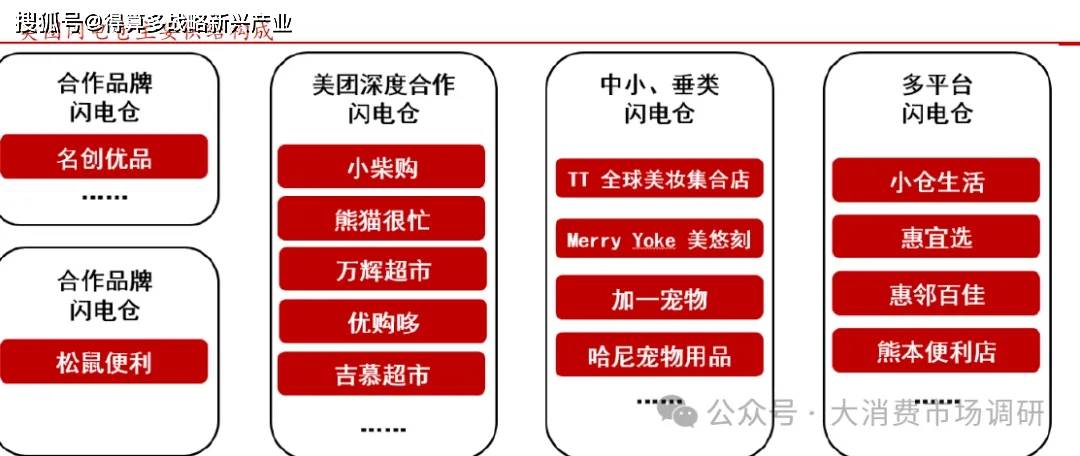
即时零售市场4家标的公司分析:美团+叮咚买菜+京东秒送+山姆会员店(40页报告)
Sou Hu Cai Jing· 2025-10-04 11:31
Core Insights - Meituan is leveraging its delivery network to enhance scale effects and rapidly expand its market presence through its instant retail business, which includes Meituan Flash Purchase and Little Elephant Supermarket [1][4] Group 1: Meituan's Instant Retail Business - Meituan Flash Purchase collaborates with various retailers and local businesses to provide fast delivery services for daily necessities, food, and health products, utilizing a lightning warehouse model that allows delivery within 30 minutes [1] - The investment threshold for a lightning warehouse is approximately 250,000 yuan, primarily for inventory costs, with total investment ranging from 200,000 to 500,000 yuan [1] - Little Elephant Supermarket, a self-operated instant retail project, requires an initial investment of around 2 million yuan [1] Group 2: Operational Metrics - As of the end of 2024, Meituan Flash Purchase has expanded to cover 2,800 counties and cities nationwide, with over 30,000 warehouses and an average daily order volume exceeding 10 million, projecting a GTV of 252 billion yuan [4] - Little Elephant Supermarket has opened over 680 warehouses, with a GMV of approximately 39.4 billion yuan for 2024, and a market share nearing 20% in key markets like Shanghai and Beijing [4][5] Group 3: Product and Market Strategy - Meituan plans to expand its product categories, focusing on digital home appliances and collaborating with brands like Apple and Xiaomi, while also diversifying into beauty, pet supplies, and food categories [5] - The average order value for Meituan Flash Purchase is between 70-80 yuan, while Little Elephant Supermarket's average order value ranges from 80-100 yuan [5] Group 4: Competitor Analysis - Dingdong Maicai - Dingdong Maicai, a leading player in the fresh food e-commerce sector, has achieved profitability for nine consecutive quarters by focusing on a "central warehouse + front warehouse" model [6][7] - As of December 2024, Dingdong Maicai operates 1,130 front warehouses, surpassing Meituan's Little Elephant Supermarket, with a GMV of 25.56 billion yuan and a revenue of 23.07 billion yuan, reflecting a year-on-year growth of 16.34% and 15.5% respectively [7][8] Group 5: Future Development Strategies - Dingdong Maicai is focusing on pre-prepared dishes as a new growth point, having established a complete supply chain for this category and launched various products to meet consumer demands for health and safety [8][9] - The company is also testing offline discount stores, "Dingdong Outlet," in cities like Wuxi and Shanghai to penetrate lower-tier markets [9] Group 6: Competitor Analysis - JD Daojia - JD Daojia, which has evolved into JD Seconds, is expanding its product categories and plans to launch a food delivery service in 2025, while facing challenges from Meituan's efficient delivery network [10][11] - In 2024, JD Daojia reported a net revenue of 3.859 billion yuan, a decline of 41% year-on-year, primarily due to decreased online advertising and marketing service revenues [11] Group 7: Sam's Club - Sam's Club has adopted a "big store + cloud warehouse" model, achieving a 55% online sales ratio, with 70% of its e-commerce orders coming from the "one-hour express delivery" service [12][13] - The company operates over 500 front warehouses, with an average order volume of 1,000 orders per warehouse, and has streamlined its SKU to focus on essential products for middle-class families [13]

批发价跌至1760元茅台紧急出手上线即时配送最快30分钟收货
Xin Lang Cai Jing· 2025-10-01 04:26
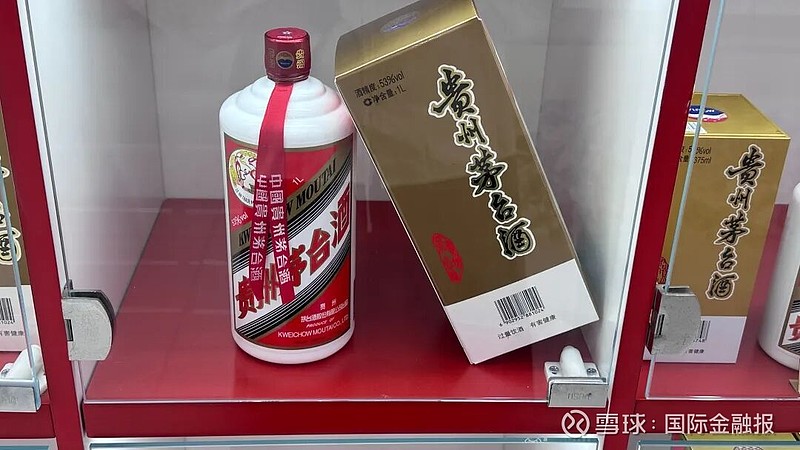
Core Viewpoint - Kweichow Moutai has launched an instant delivery service through its digital marketing platform "i Moutai," allowing consumers to receive orders within 30 minutes, enhancing customer experience and convenience during the peak consumption season of the National Day and Mid-Autumn Festival [1][3]. Group 1: Instant Delivery Service - The instant delivery service allows consumers to select delivery times and is currently available for two products: 1L Flying Moutai priced at 3799 yuan and 500ml premium Flying Moutai at 3299 yuan [1]. - This service is seen as a strategic move into the instant retail market, responding to the growing demand for convenience in alcohol purchases [4]. Group 2: Market Trends and Sales Data - The white liquor market is experiencing a surge in sales, with Meituan's flash purchase data indicating an approximately 8-fold year-on-year increase in white liquor sales during the last weekend before the holidays [3]. - Major brands like Moutai, Wuliangye, and Luzhou Laojiao have seen daily transaction amounts exceed 10 million yuan [3]. Group 3: Price Fluctuations of Flying Moutai - The wholesale price of Flying Moutai has shown volatility, with prices fluctuating below 1800 yuan per bottle before the holidays, raising investor concerns [6][7]. - As of September 30, the wholesale price for 500ml Flying Moutai was reported at 1760 yuan, indicating ongoing price instability [7]. Group 4: Company Performance - Kweichow Moutai reported a revenue of 91.094 billion yuan for the first half of the year, a year-on-year increase of 9.16%, and a net profit of 45.403 billion yuan, up 8.89% [8]. - The company maintains its annual performance target of 9% growth, despite market pressures and rumors of potential downward adjustments [8].
批发价跌至1760元,茅台紧急出手!上线即时配送,最快30分钟收货
Guo Ji Jin Rong Bao· 2025-09-30 13:57
Group 1: Core Insights - Kweichow Moutai has launched an instant delivery service through its digital marketing platform "i Moutai," allowing consumers to receive orders within 30 minutes [1] - The service currently supports two products: 1L Flying Moutai priced at 3799 yuan and 500ml premium Flying Moutai at 3299 yuan [1] - The launch of this service is seen as a strategic move to tap into the growing instant retail market, especially during the peak consumption season of the National Day and Mid-Autumn Festival [2] Group 2: Market Trends - The instant retail market for alcoholic beverages is projected to grow significantly, with market size expected to rise from less than 20 billion yuan to 36 billion yuan by 2024 [3] - The penetration rate of instant retail in the alcohol sector is anticipated to increase from under 1% to approximately 1.8% [3] - By 2030, the market size could reach between 60 billion yuan and 90 billion yuan, with the liquor category, particularly baijiu, benefiting prominently [3] Group 3: Price Dynamics - The wholesale price of Flying Moutai has shown volatility, with fluctuations observed before the holiday season [5] - As of September 30, the wholesale price for 500ml Flying Moutai was reported at 1760 yuan, following a brief recovery above 1800 yuan [5] - Management has indicated a commitment to maintaining the wholesale price above 1800 yuan, emphasizing a balance between volume and price [6] Group 4: Financial Performance - Kweichow Moutai reported a revenue of 91.094 billion yuan for the first half of the year, reflecting a year-on-year growth of 9.16% [7] - The net profit attributable to shareholders was 45.403 billion yuan, marking an 8.89% increase compared to the previous year [7] - The company has not adjusted its annual performance targets, maintaining a growth expectation of 9% [7]
今年,线下增长机会在哪?
Sou Hu Cai Jing· 2025-09-30 12:22
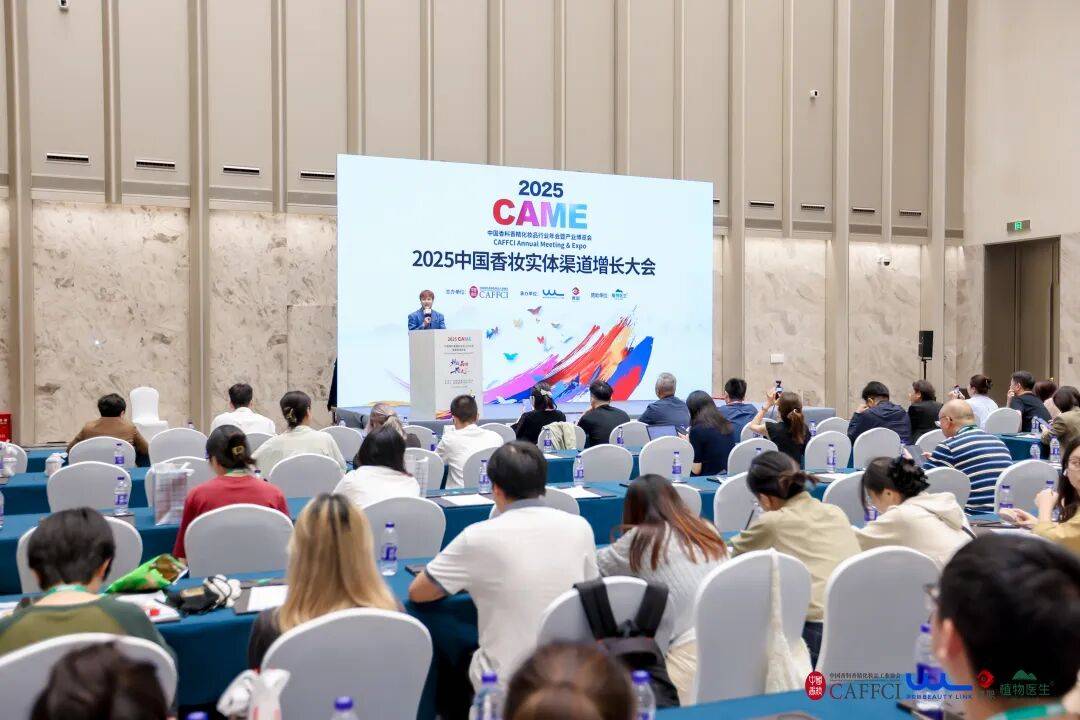
Core Insights - Despite the rise of online retail, offline retail remains a crucial channel for beauty brands to reach consumers and conduct brand marketing [1][3] - The "2025 China Fragrance and Cosmetics Physical Channel Growth Conference" highlighted the importance of offline channels in driving high-quality industry growth [3][5] Industry Overview - In the first half of this year, the Chinese cosmetics market reached a size of 496.27 billion yuan, with offline channels accounting for 228.44 billion yuan, representing 46% of the market [3] - The offline channel's resilience indicates its potential as a new growth point for beauty brands, despite challenges from digitalization [3] Key Strategies for Offline Growth - Brands are focusing on creating immersive shopping experiences and leveraging cultural elements to enhance consumer engagement [5][7] - The integration of online and offline marketing strategies is essential, with brands utilizing social media platforms to boost consumer trust and product appeal [7] Challenges in Offline Retail - The offline retail sector faces significant challenges, including reduced foot traffic, high operational costs, and changing consumer habits favoring online shopping [8][10] - Key issues include a lack of professional staff, product homogeneity, and outdated store environments [10][12] Future Trends - Instant retail is emerging as a new growth trend, allowing offline stores to connect with online channels and serve local customers effectively [13][18] - The market is witnessing a shift towards high-quality, affordable products, with a focus on consumer preferences for effective skincare solutions [12][16]