互联网

Search documents
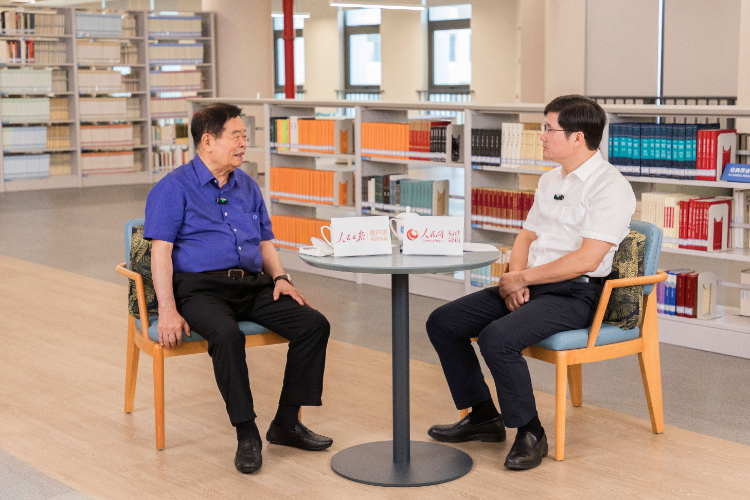
曹德旺被指“做慈善很慷慨,但对员工比较苛刻”,本人回应
Ren Min Ri Bao· 2025-10-10 01:30
Core Viewpoint - The interview with Cao Dewang emphasizes the importance of nurturing talent that benefits the nation and society, highlighting the establishment of Fuyao University as a non-profit initiative aimed at high-quality education rather than profit [2][3]. Funding and Investment - Cao Dewang announced a donation of 10 billion yuan for the establishment of Fuyao University, with approximately 4.3 billion yuan already spent by August 31 of this year. The government has provided land and annual funding support, while social donations exceed 100 million yuan [3][5]. Operational Model - Fuyao University is managed by a professional team led by President Wang Shuguo, focusing on high-quality education rather than profit generation. The university has a low initial enrollment of 50 students to ensure quality, with a tuition fee of 5,600 yuan per year [5][6]. Educational Approach - The university offers a two-phase education system: general education in the first two years and specialized education in the last two years. Students can choose their majors based on interests and career plans, with support from industry for internships and job placements [5][6]. Industry Perspective - Cao Dewang stresses the need for traditional industries to embrace new technologies to enhance efficiency and reduce costs, advocating for continuous innovation and product iteration as key to maintaining a competitive edge [8][9]. Future of Private Enterprises - The outlook for private enterprises in China is optimistic, with expectations for growth and improvement despite current challenges. Cao Dewang likens the development of private enterprises to the growth of a child, indicating that difficulties are a natural part of the process [9][10]. Entrepreneurial Advice - Young entrepreneurs are advised to gain practical experience before starting their own businesses, emphasizing the importance of understanding their motivations and capabilities [11]. Qualities of Modern Entrepreneurs - Modern entrepreneurs should possess a broad knowledge base, strong professional skills, and a commitment to social responsibility. They are expected to contribute positively to society and the nation [12].


每日投资策略-20251006
Zhao Yin Guo Ji· 2025-10-06 07:19
Macro Commentary - The global stock markets showed no change in closing prices, with the Hang Seng Index at 27,141, reflecting a year-to-date increase of 35.30% [1] - The Southbound capital recorded a net purchase of HKD 436.322 billion in the third quarter, surpassing a cumulative net purchase of over HKD 1.1 trillion for the year, exceeding the total net purchases for 2023 and 2024 [3] - The U.S. service sector PMI fell to 50, indicating stagnation, with employment shrinking for four consecutive months, while the price index reached a three-year high [4] Sector Performance - The Hang Seng Financial Index closed at 45,079, with a year-to-date increase of 28.30%, while the Hang Seng Industrial Index rose by 41.40% [2] - The healthcare sector is highlighted as a potential area of interest, alongside AI hardware, internet, industrial, and raw materials sectors [3] Economic Outlook - The U.S. economy is showing signs of slowing down, with the manufacturing PMI indicating a slight contraction, while the inventory index is shrinking, suggesting companies are depleting their accumulated stock [4] - The expectation of a Federal Reserve rate cut in October is at 96.2%, with a potential pause in rate cuts due to improving employment data and persistent inflation [4]
网络时代的中秋节(大地风华)
Ren Min Ri Bao· 2025-10-05 21:52
Group 1 - The Mid-Autumn Festival is undergoing unprecedented changes due to the widespread use of the internet and digital technology, enhancing emotional connections among people separated by distance [1] - The integration of XR technology in events like the "Hunan TV Mango TV Mid-Autumn Night Gala" creates immersive experiences that attract younger audiences to traditional cultural practices [1] - The use of social media and live streaming allows global Chinese communities to connect and celebrate the festival together, reinforcing cultural ties [1] Group 2 - 3D printing technology enables the creation of diverse and customizable mooncake designs at lower costs, allowing for rapid market response [2] - The incorporation of elements from classical Chinese paintings into mooncake designs transforms them into cultural carriers, blending tradition with modern creativity [2] - The emergence of NFT digital mooncakes represents a new form of cultural product, appealing to younger consumers' desires for fashion and personalization [2] Group 3 - The essence of the Mid-Autumn Festival, symbolizing reunion, nostalgia, and wishes for a better life, remains unchanged despite technological advancements [3] - The fusion of traditional cultural elements with modern technology reflects a prosperous and cohesive society [3]
智能体互联网:被“人工智能+”行动忽视的关键未来
经济观察报· 2025-10-01 04:30
Core Viewpoint - The article discusses the evolution of policy from "Internet Plus" to "Artificial Intelligence Plus," highlighting the differences in focus and implications for the future of technology integration in China [2][5][18]. Policy Evolution - The "Artificial Intelligence Plus" action plan was released by the State Council on August 26, 2025, aiming to deeply integrate AI with various sectors of the economy and society, outlining six key actions and corresponding developmental goals [2][3]. - In contrast, the "Internet Plus" action plan was issued on July 4, 2015, emphasizing the role of the internet as a foundational infrastructure for resource integration and innovation [3][7]. Terminology and Focus - A notable difference between the two documents is the frequency of the term "platform," which appears 62 times in the "Internet Plus" document but only 4 times in the "Artificial Intelligence Plus" document, indicating a shift in focus from platform-centric models to a broader integration of AI [4][5]. Technological and Economic Differences - The article argues that the fundamental nature of the internet as a "connector" contrasts with AI as a "cognitive" technology, leading to different policy approaches. The internet's value lies in connecting dispersed entities, while AI enhances the intelligence of individual nodes [9][10]. Industry Practices - The concept of "industrial internet" emerged from the "Internet Plus" initiative, where platform companies sought to extend their influence from consumer to enterprise sectors. However, the reality of business needs has led to a decline in enthusiasm for this strategy [11][12]. AI Integration and Future Prospects - The "Artificial Intelligence Plus" initiative aims to transition service industries from digital empowerment to intelligent-driven services, suggesting a shift in how businesses will adopt AI technologies [13][14]. - The article expresses optimism about achieving the 2027 goal of widespread AI integration across six key areas, citing lower resistance compared to the "Internet Plus" initiative [13][14]. Long-term Goals and Network Strategies - The long-term objectives for 2030 and 2035 require a network strategy to support the comprehensive development of the intelligent economy, emphasizing the need for interaction between supply and demand [16][18]. - The article notes a lack of emphasis on the internet within the "Artificial Intelligence Plus" policy, which may overlook the potential benefits of network effects in facilitating AI's growth [17][18]. Intelligent Internet Concept - The concept of "intelligent internet" is introduced as a potential framework for integrating AI and internet technologies, suggesting that the evolution from platform models to intelligent agents could enhance the effectiveness of AI applications [19][20]. - The emergence of open-source protocols for intelligent agents may facilitate a transition to a more decentralized and efficient model, breaking the dominance of traditional platform companies [19][20]. Conclusion - The article concludes that both "Internet Plus" and "Artificial Intelligence Plus" are not mutually exclusive but rather interdependent, with the potential to jointly drive China towards a new stage of intelligent economic and social development [22].

雷军2025年演讲揭秘,内向性格为何高调推动小米转型硬核科技
Xin Lang Cai Jing· 2025-09-30 21:25
Core Insights - Lei Jun, the founder of Xiaomi, is actively engaging in public speaking and high-profile activities to transition the company from an internet-based model to a hard-tech focus, driven by passion and a sense of responsibility [2] Group 1 - The frequent public appearances of Lei Jun serve as both educational marketing and a means to enhance Xiaomi's image, thereby stabilizing shareholder confidence [2] - Lei Jun's deep association with Xiaomi makes him irreplaceable within the company, emphasizing his pivotal role in its strategic direction [2]

吉大通信:公司将积极把握人工智能产业快速发展的机遇
Zheng Quan Ri Bao Wang· 2025-09-29 09:16
Group 1 - The company, Jida Communication, is actively seizing opportunities in the rapidly developing artificial intelligence industry [1] - The company plans to moderately expand into emerging business areas and enhance its research on artificial intelligence technology [1] - The application of emerging technologies such as artificial intelligence, big data, and the internet will be strengthened in communication technology services and information product integration operations to improve the company's core competitiveness [1]
X @𝘁𝗮𝗿𝗲𝘀𝗸𝘆
𝘁𝗮𝗿𝗲𝘀𝗸𝘆· 2025-09-28 14:16
#互联网记忆我知道当年这批互联网 KOL 推广过诈骗项目,很多互联网从业者都被骗血本无归。谁知道后来怎么了?这批 KOL 有人因此坐牢吗?按常理推广肯定有巨额返佣的,当年 p2p 用户非常贵。玩皮斯 (@nokolay16):谁没年轻过呢,当年也是看着这俩位的公众号长大的,每篇不落,有一天俩人都推了一个叫懒投资的金融创新项目,说创始人多么年轻有为什么的,看完我就把家里钱放进去了,50w rmb,然后就取不出来了,然后就跑路了。接下来这两位就甩锅,说你们这些读者怎么这么智障呢 ...
国潮与智能:佛山家居的新供给革命
2 1 Shi Ji Jing Ji Bao Dao· 2025-09-28 06:17
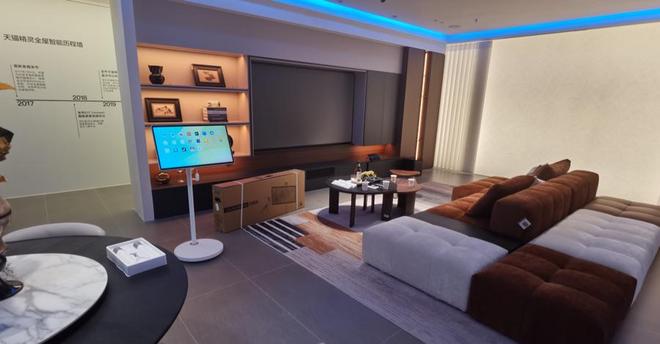
Core Insights - The furniture industry in Guangdong, particularly in Foshan, is undergoing a significant transformation, with a focus on enhancing manufacturing capabilities and integrating cultural and smart elements into products [1][4][8] - The market for smart home products is expected to grow, with projections indicating a penetration rate exceeding 65% by 2025, and the overall furniture market in China anticipated to surpass 4.8 trillion yuan, reflecting a 12% year-on-year growth [1][8] Industry Trends - The furniture manufacturing output in Foshan is projected to reach approximately 180 billion yuan in 2024, with an export value of 9.8 billion USD, although growth rates are showing signs of slowing [1] - Companies are increasingly adopting strategies that incorporate "culture+" and "smart+" to meet new consumer demands and expand market reach [1][8] Company Initiatives - Federated Furniture has launched a flagship smart home store in Guangzhou in collaboration with Tmall Genie, marking a significant step in redefining industry standards for smart home integration [2][3] - The company has a history of embracing internet and smart technologies, having partnered with Tmall since 2017 to explore new retail models [4] Consumer Engagement - The rise of live streaming and short video marketing has become a crucial strategy for furniture companies in Foshan, with significant engagement observed during live broadcasts [6][7] - The integration of smart features in furniture, such as voice control and remote settings, is enhancing customer experiences and driving sales [3][6] Cultural Integration - There is a growing emphasis on cultural elements in furniture design, with companies like Lin's Furniture incorporating traditional Chinese aesthetics into their products, which has led to increased sales and recognition [9][10] - The trend of "Guochao" (national trend) is gaining traction, with brands leveraging Chinese cultural symbols to differentiate themselves in the market [9][10] Market Dynamics - The furniture industry is experiencing a brand-building boom, with companies focusing on creating unique identities and leveraging digital platforms to enhance visibility [5][6] - The government's support for home improvement and consumption upgrades is expected to stimulate market growth, with retail sales of furniture products showing a notable increase [7][8]
[9月26日]指数估值数据(大盘回调;港股科技指数有哪些,估值如何;港股指数估值表更新)
银行螺丝钉· 2025-09-26 14:00
Market Overview - The market experienced a decline today, with the CSI All Share Index dropping by 1.2% and closing at a rating of 4.2 stars [1] - Both large and small-cap stocks fell, with small-cap stocks showing greater volatility [2] - Recent market activity has been characterized by style rotation [3] Growth and Value Styles - Growth style stocks saw significant declines, with the ChiNext Index dropping over 2% [4] - Conversely, dividend and value styles showed slight gains, with products like "Yuexinbao" reflecting this trend [5] Hong Kong Market Dynamics - The Hong Kong stock market also experienced fluctuations, with dividend stocks slightly rising while technology stocks fell over 2% [6] - The recent market volatility is linked to former President Trump's renewed discussions on tariffs [8] Tariff Implications - The tariff increases are seen as a double-edged sword for the US dollar, potentially hindering inflation reduction [11] - High tariffs are primarily viewed as negotiation tools rather than final objectives, with limited actual implementation [14] Investment Opportunities - The current market fluctuations may present opportunities for undervalued assets, similar to the investment phase during the tariff crisis in April [15][16] Hong Kong Technology Indices - The article discusses various indices related to Hong Kong technology stocks, including the concept of "Chinese concept stocks" and their distinctions [17][18] - The Hong Kong Technology Index includes a broader range of stocks beyond just internet companies, covering sectors like biotechnology and financial technology [22][26] Index Fund Development - Historically, well-known indices like the "Chinese Internet" index had limited tracking funds, but recent regulations have led to stricter diversification requirements for index constituents [30][34] - The Hong Kong Technology Index, developed by the China Securities Index Company, includes 50 stocks and has been operational since 2014 [35][37] Performance Metrics - The Hong Kong technology sector has seen significant growth, with a year-on-year profit increase exceeding 100%, contributing to a substantial rise in stock prices [46] - Current valuations have returned to normal levels, with the Hang Seng Technology Index around 60% of historical averages [48] Valuation Insights - The article provides a valuation table for various Hong Kong indices, indicating that the Hong Kong market has outperformed the A-share market this year [49][51] - The valuation metrics include price-to-earnings ratios, dividend yields, and return on equity for different indices [50][56]
逆势大涨!资金又回来了
格隆汇APP· 2025-09-23 09:38
Core Viewpoint - The A-share market experienced a surprising strong recovery in the tail end of trading, particularly in the banking sector, which rebounded after a period of decline, indicating renewed investor interest in bank stocks [2][3][10]. Market Performance - As of the market close, the three major A-share indices showed mixed results, with the ChiNext index recovering from a 2% drop to close up 0.21%. The banking index rose by 1.28%, with several banks, including Industrial and Commercial Bank of China and China Construction Bank, seeing gains exceeding 3% [3][4]. Sector Analysis - There was a clear market divergence, with high-growth sectors like AI, internet, and biomedicine experiencing corrections, while traditional sectors such as banking, insurance, and public utilities saw a return of capital and increased stock prices [7][10]. - The banking sector had been in a downward trend since mid-July, with an overall decline exceeding 10%. Major state-owned banks like Everbright Bank and Bank of China saw declines of over 17% and 12%, respectively [8][10]. Capital Flow - On the day of the recovery, net inflows into bank stocks reached nearly 1.4 billion yuan, the highest among all sectors, with large orders accounting for over 22% of the total, indicating significant capital repositioning [10][11]. - Recent reports from Goldman Sachs indicated a surge in hedge fund investments in banks and insurance companies, suggesting a broader trend of renewed focus on financial stocks [11]. Dividend Considerations - The recent pullback in bank stocks was partly attributed to investors reallocating funds to higher-yield sectors, as well as the upcoming dividend distribution dates, which prompted some investors to take profits [12][14]. - For instance, Industrial and Commercial Bank of China announced a dividend of 0.1646 yuan per share, totaling 58.664 billion yuan, with the record date set for July 11, 2025 [14]. Long-term Outlook - Despite recent volatility, the long-term fundamentals for quality bank stocks remain intact, supported by strong capital inflows and a favorable interest rate environment. The anticipated easing of monetary policy could further enhance the attractiveness of high-dividend bank stocks [17][19]. - Predictions indicate a 1.0% year-on-year growth in net profit for listed banks in 2025, driven by improved net interest margins and increased provisions for potential risks [19][20]. Investor Sentiment - The recent market dynamics suggest a potential shift in investor sentiment, with funds that previously exited the banking sector beginning to return, as evidenced by a 3.2% increase in bank ETF shares since late September [21].