第四次工业革命

Search documents
2025年新材料产业未来趋势展望:技术突破重构产业格局(附细分报告)
材料汇· 2025-07-10 15:47
Group 1 - The article emphasizes the dual drivers of carbon neutrality and the Fourth Industrial Revolution as catalysts for a materials revolution [7][72] - Global policies are accelerating the low-carbon and high-end transformation of the new materials industry, exemplified by the EU's Carbon Border Adjustment Mechanism and China's 14th Five-Year Plan for new materials [9][10][72] - Technological convergence across disciplines is leading to unprecedented breakthroughs in new materials development, such as AI and quantum computing applications [11][14][15] Group 2 - Six core tracks of new materials are identified: solid-state battery materials, superconducting materials, bio-based biodegradable materials, wide bandgap semiconductor materials, smart responsive materials, and metamaterials [18][24][28][31][35][39] - Solid-state batteries are highlighted as a key technology for electric vehicles, with significant advancements in electrolyte materials expected by 2025 [18][19][20] - Superconducting materials are crucial for energy networks and quantum computing, with notable advancements in high-temperature superconducting wires [24][26] Group 3 - The strategic focus for 2025 includes materials nearing commercialization, such as solid electrolytes and perovskite solar materials, which are expected to drive industry growth [42][45] - Technologies that may lead to industry chain restructuring include molecular self-assembly materials and hydrogen embrittlement-resistant alloys [46][48] - Geopolitically sensitive materials like extreme ultraviolet photoresists and high-purity quartz sand are becoming focal points for national security and economic stability [49][50][52] Group 4 - Companies are advised to build ecosystems, exemplified by CATL's closed-loop system for materials, cells, and recycling, enhancing competitiveness and sustainability [55][59] - Dow Chemical's use of digital twin technology in materials development significantly improves R&D efficiency and market responsiveness [60][62] - The China Graphene Alliance's role in international standard-setting enhances China's global competitiveness in the graphene sector [64][66] Group 5 - The conclusion posits that the materials revolution will reshape human civilization, driving cleaner energy, smarter transportation, and advanced medical solutions [69][75] - The article underscores the importance of new materials in achieving sustainability and technological advancement, suggesting a bright future for the industry [72][75]



反内卷,刻不容缓!
Sou Hu Cai Jing· 2025-07-10 15:22
Group 1 - The global economy has struggled to recover post-pandemic, influenced by multiple overlapping cycles and unpredictable U.S. policies, particularly the "reciprocal tariffs" implemented this year [3][4] - The article discusses three major shifts: the global order shift, trade shift, and technological shift, emphasizing that technology ultimately determines a nation's fate [5][6][8] Group 2 - The essence of the U.S.-China trade war is a struggle for national destiny, with both countries facing challenges in economic growth, social stability, technological innovation, and international reputation [9][10] - The trade war reflects a deeper institutional conflict between the governance systems of the U.S. and China [10] Group 3 - Trump's tariff strategy aims to reshape U.S. manufacturing, reduce reliance on Chinese production, increase fiscal revenue, and address social inequality [10][21][22] - The U.S. economy operates on four cycles: a dollar-centered global trade system, a Silicon Valley tech-centric global supply chain, a military-based global security system, and a financial system centered around the Federal Reserve [10][14][16] Group 4 - The trade war could lead to three potential outcomes: a prolonged standoff, a negotiated settlement, or a partial agreement with mutual tariff increases [25] - China has various countermeasures available, including reciprocal tariffs, restrictions on specific U.S. imports, and accelerating the internationalization of the yuan [26][28] Group 5 - The U.S. is caught in a dilemma of not wanting to decouple from China while simultaneously restricting high-tech flows to China [29][30] - The impact of tariffs on China's economy could be significant, with potential GDP growth reductions of 0.5% to 1.5% depending on the tariff levels [31][32] Group 6 - The long-term trajectory of U.S.-China relations is characterized by a mix of cooperation and competition, with tariffs being just one aspect of a broader economic strategy [36] - China is adjusting its economic model to reduce dependence on the U.S. market, with ASEAN becoming its largest export market [39][40] Group 7 - Recent breakthroughs in U.S.-China trade negotiations have led to a reduction in tariffs, indicating a potential easing of tensions [41] - The global economic landscape is shifting towards a restructured trade system, with the U.S. moving away from globalization and seeking to reduce reliance on Chinese supply chains [43][44] Group 8 - China's economic challenges include insufficient domestic demand and external pressures from U.S. tariffs, leading to a cycle of reduced consumption and investment [62][64] - The article outlines several key trends for China's future economy, including a focus on hard technology and strategic industries, as well as the need for significant policy adjustments [69][70] Group 9 - The U.S. has intensified restrictions on China's access to advanced technologies, particularly in artificial intelligence and semiconductor industries, highlighting the competitive nature of the tech landscape [72][73] - The article emphasizes the importance of materials science and technological breakthroughs as critical to future economic advancements [88][89]

运营在场丨运营即生产力 解码“未来产业第四空间”
Sou Hu Cai Jing· 2025-07-10 14:56
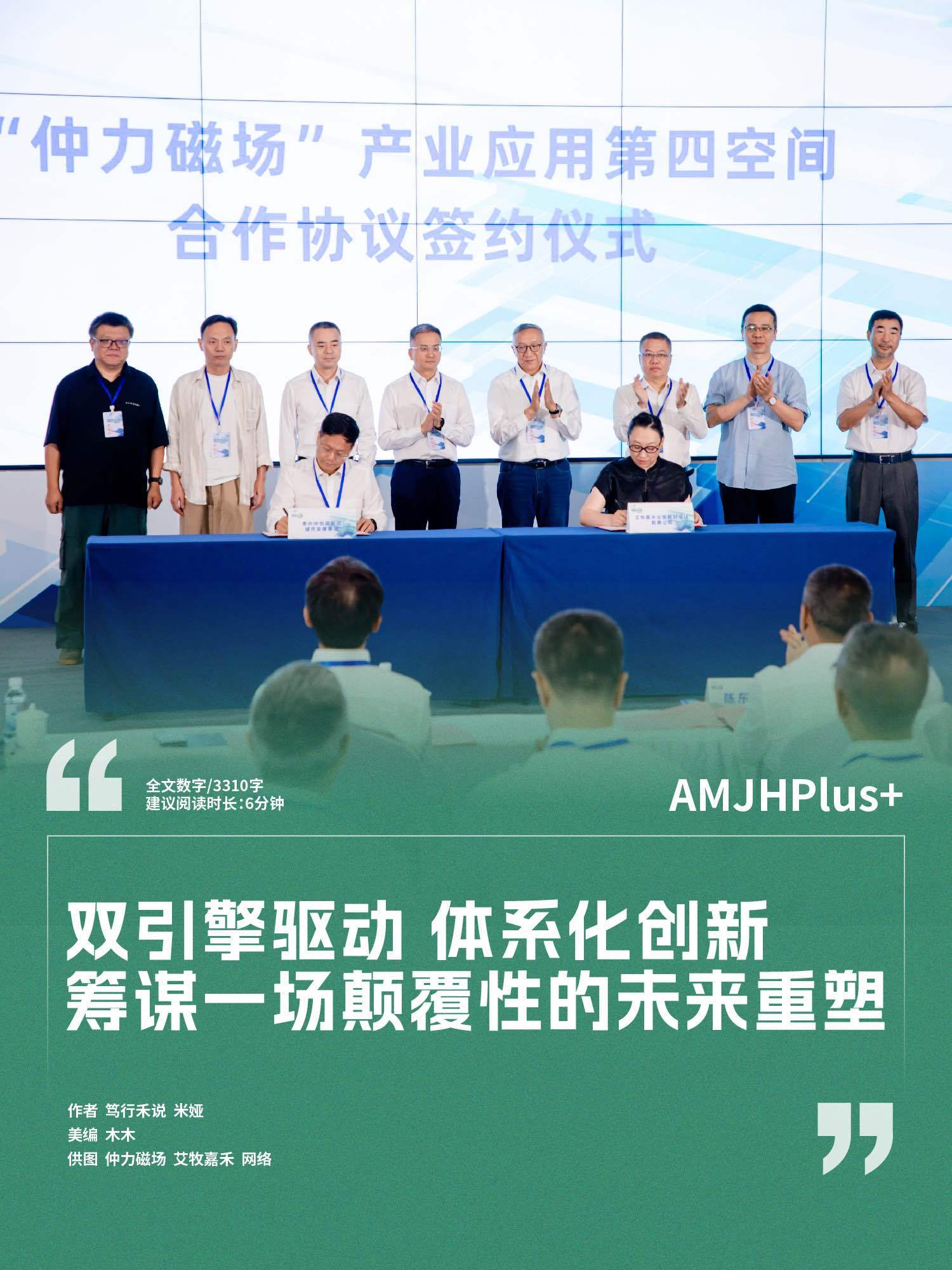
Core Insights - The article discusses the launch of the "Future Industry Application Fourth Space" strategy in Huizhou's Zhongkai High-tech Zone, marking a significant shift from a manufacturing hub to an innovation center [5][24] - The initiative aims to break down innovation silos and enhance collaboration within the industrial ecosystem, addressing the challenges faced by over 8,000 enterprises in the region [7][12] Group 1: Strategic Developments - The "Zhongli Magnetic Field" and "Zhongkai iCenter" are key components of the new strategy, designed to facilitate the transformation of industrial applications into real-world scenarios [5][15] - The Zhongkai High-tech Zone reported a GDP of 107.175 billion yuan in the previous year, with a year-on-year growth of 8.6% in the first quarter of this year, indicating a strong economic foundation for the new initiatives [6][8] Group 2: Challenges and Solutions - The region faces challenges such as a disconnection in the innovation chain, a shortage of top-tier talent, and a lack of diversity in the manufacturing ecosystem, leading to low-end competition and slow innovation [7][8] - The "Zhongkai iCenter" aims to address these issues by collaborating with top research institutions and introducing professional operational organizations to create a more integrated industrial ecosystem [12][20] Group 3: Future Directions - The strategy emphasizes the importance of rapid application of technology in real-world scenarios, aiming to create a "super ecological body" that integrates industrial development with market demand [28][29] - Future plans include hosting the first "Zhongkai Additive Manufacturing Innovation Competition" to explore the entire additive manufacturing value chain and promote industry-academia-research collaboration [20][24]
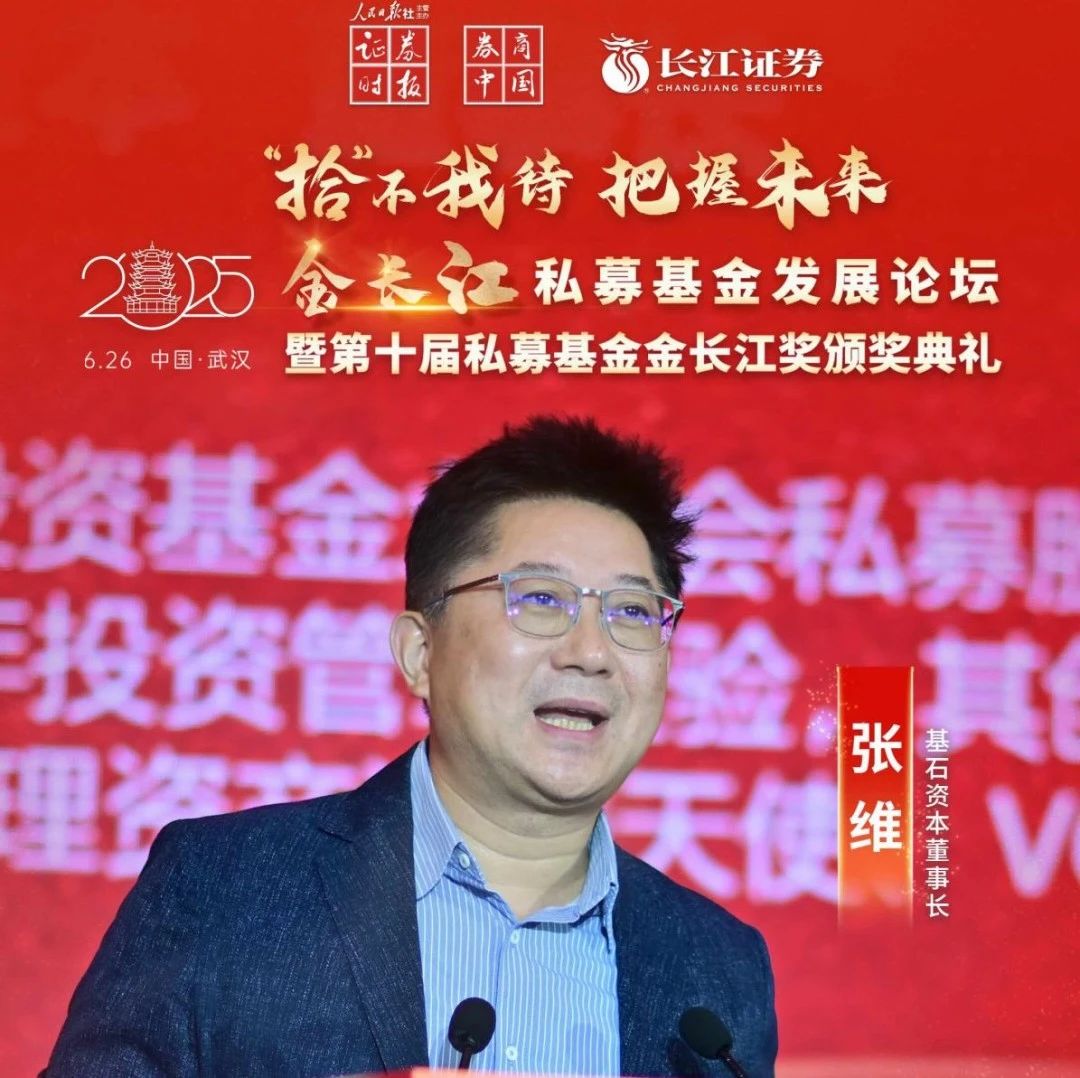
基石资本董事长张维—— 科技进步与产业升级是股市长牛关键因素
Zheng Quan Shi Bao· 2025-07-07 18:02
Group 1 - The core viewpoint is that China is experiencing a rare dual opportunity window in the Fourth Industrial Revolution, driven by innovation incentives and capital market reforms [1] - The essence of "bullish on China" lies in creating a favorable social environment for innovation and entrepreneurship, with key factors being technological progress and industrial upgrading [1] - China's manufacturing sector has made significant breakthroughs, with automotive exports ranking first globally for two consecutive years and integrated circuits projected to become the largest export item in 2024, reaching an export value of $159.5 billion [1] Group 2 - China has not yet achieved significant global leadership in top-tier technology, indicating greater potential for future technological innovation, which relies on long-term capital support [2] - The concepts of patient capital and bold capital are essentially about technology and innovation capital, which require long cycles, substantial investment, and high risk for the purpose of achieving high returns [2] - The experience of the Nasdaq market suggests that capital markets should focus on selecting "good companies" rather than "picking winners," as this may overlook true innovators [2]

基石资本张维:“做多中国”的核心密码在于支持民营企业、培育和保护企业家精神
券商中国· 2025-07-06 07:33
Core Viewpoint - China is experiencing a unique dual opportunity window in the context of the Fourth Industrial Revolution, necessitating innovation incentives and capital market reforms to unlock development potential [1][3]. Group 1: Achievements and Challenges in China's Manufacturing Sector - China has made significant breakthroughs in manufacturing, becoming the world's largest exporter of automobiles for two consecutive years and projected to have integrated circuits as its top export item in 2024, with an export value of $159.5 billion [2]. - Despite these achievements, China faces a semiconductor trade deficit exceeding $200 billion, indicating a low self-sufficiency rate in chips, with imports being predominantly high-end while exports remain focused on mid to low-end products [2][3]. Group 2: The Role of Capital in Innovation - Long-term capital support is crucial for technological innovation, with the need for "patient capital" that aligns with the lengthy timelines required for companies to go public [5]. - The median time from establishment to IPO for A-share companies is 13.4 years (2001-2024) compared to 11 years for U.S. companies, highlighting the challenges faced by Chinese firms in accessing capital markets [5][7]. Group 3: Encouraging Entrepreneurial Spirit - The essence of stimulating innovation lies in creating significant wealth effects, which can motivate entrepreneurs to innovate and invest [6]. - Confidence among private entrepreneurs is largely influenced by positive expectations regarding policies, legal frameworks, and the overall business environment [6]. Group 4: Capital Market Reforms - Capital market reforms are essential for unlocking potential, with a focus on creating a more inclusive environment for companies, including those that are not yet profitable [7][9]. - The upcoming implementation of a third set of standards on the ChiNext board aims to support high-quality, unprofitable innovative companies in going public, reflecting a shift towards a more market-driven approach [8]. Group 5: Learning from Global Markets - The U.S. capital market's ability to accommodate unprofitable companies has been a significant factor in its innovation ecosystem, contrasting sharply with the low percentage of loss-making IPOs in China [7][9]. - The emphasis on a market-oriented and rule-of-law approach in the registration system is seen as a way to stimulate entrepreneurship and investment across society [8][9].
为不确定世界镌刻确定坐标——夏季达沃斯论坛见证中国经济从“增长引擎”跃升“创新高地”
Sou Hu Cai Jing· 2025-06-27 02:10
Core Insights - The 2025 Summer Davos Forum in Tianjin focused on "Innovation and Growth," reflecting the evolving global economic landscape and the importance of entrepreneurial spirit in driving technological breakthroughs [3][4][8] - The forum has transitioned its themes over the years, from "growth" to "innovation," and now emphasizes "entrepreneurial spirit" as a crucial element for navigating complex global changes [4][5][8] Group 1: Economic Context - China has rapidly ascended to become the world's second-largest economy, contributing 60% to global GDP growth, highlighting its critical role in the global economy [5] - The narrative surrounding China has shifted from being a "large market" to a leader in "technological frontiers" and "green revolution" [5] Group 2: Technological Innovation - The forum showcased advancements in biotechnology, with China recognized as a leader in the field, exemplified by innovations like the neural signal decoding technology from Tianjin University [6] - The emphasis on digital technology, artificial intelligence, and green industries is seen as pivotal for driving new productive forces and global economic recovery [5][6] Group 3: Collaborative Ecosystem - The forum serves as a vital platform for global leaders to exchange ideas and forge action-oriented consensus, reinforcing its role as a hub for collaboration amid significant global changes [7][8] - The evolution of participant demographics reflects a shift from traditional industries to emerging sectors like AI, renewable energy, and semiconductors, indicating the forum's alignment with industry trends [7]
迎接智能化时代发展新机遇
Ren Min Ri Bao Hai Wai Ban· 2025-06-26 06:50
Group 1 - The fourth industrial revolution, characterized by artificial intelligence, big data, and the Internet of Things, is underway, leading the world into an intelligent era [1] - China is accelerating the construction of new infrastructure, including 5G networks, to seize technological advantages and prepare for a new round of global technological revolution and industrial transformation [1] - The new infrastructure construction in China is expected to create significant investment opportunities and enhance development momentum in the short to medium term, facilitating the arrival of an intelligent economy and society [1] Group 2 - Collaboration is essential in the intelligent interconnected era, with industrial cluster development and global cooperation being key to prosperity [2] - China can leverage resources from initiatives like the Belt and Road, Asian Infrastructure Investment Bank, and Silk Road Fund to promote international cooperation in industrial internet and big data [2] - The intelligent economy will be a major driver of high-quality development, necessitating a psychological readiness to adapt to changes in industrial patterns [2]
共同推动世界经济巨轮驶入广阔蓝海
Bei Jing Qing Nian Bao· 2025-06-24 18:37
Group 1 - The Summer Davos Forum serves as a platform for constructive dialogue and substantial cooperation, enhancing global understanding of China's and Asia's trends and opportunities [1][4] - The forum's agenda focuses on new dynamics in the global and regional economy, as well as new characteristics of industries and enterprises, reflecting global concerns [1][3] - The forum has attracted a record number of participants, highlighting its influence and the appeal of "Chinese opportunities" [1][4] Group 2 - The forum addresses the significant opportunities presented by the new round of technological revolution and industrial transformation, emphasizing the need for an open world economy [3][4] - China is positioned as a key player in driving global economic growth, contributing to 50% of Asia's 60% share of global economic growth [4] - The ongoing development of high-quality growth and new productive forces in China creates substantial cooperation space for enterprises worldwide [4]
全球AI人才一半是中国人,中国为何还缺人?
混沌学园· 2025-06-17 11:14
" 全球 50% 的人工智能研究人员是中国人,你无法阻止他们在人工智能领域取得进展。 " 英伟达 CEO 黄仁勋上月出席台北国际电脑展时说道。 这已经不是黄仁勋第一次强调中国人在 AI 行业国际舞台上的重要性。这句话背后,是全球特别是中美两国之间围绕 AI 人才的激烈争夺。 华人 AI 精英接管硅谷 如黄仁勋所言,如今,美国每个 AI 顶级实验室都活跃着中国面孔。美国的顶级 AI 研究机构中,来自中国的人才占到 38% ,略高于美国本土的 37% 。智库 MacroPolo 的报告显示,美国的顶尖 AI 研究员近 40% 毕业于中国大学。 华人在美国的顶级大模型团队中担任不可或缺的角色。 去年 OpenAI 推出首个原生多模态模型 GPT-4o ,关键团队 17 位成员中有 6 位华人,分别来自清华、北大、上交、中科大等院校。 埃隆 · 马斯克的人工智能公司 xAI 创始团队 12 人中,也有五位华人。 Grok 3 推理模型发布会上,马斯克将 C 位留给了 Jimmy Ba 和吴怀宇, 足见对华人科学家的重视。 谷歌发布的 Gemini 技术报告, 837 位作者中,华人学者占 141 位,包括谷歌首席科学 ...

金砖扩容后市场潜力大爆发,中国生物医药、AI 企业如何抢占先机?
Feng Huang Wang Cai Jing· 2025-06-03 11:10
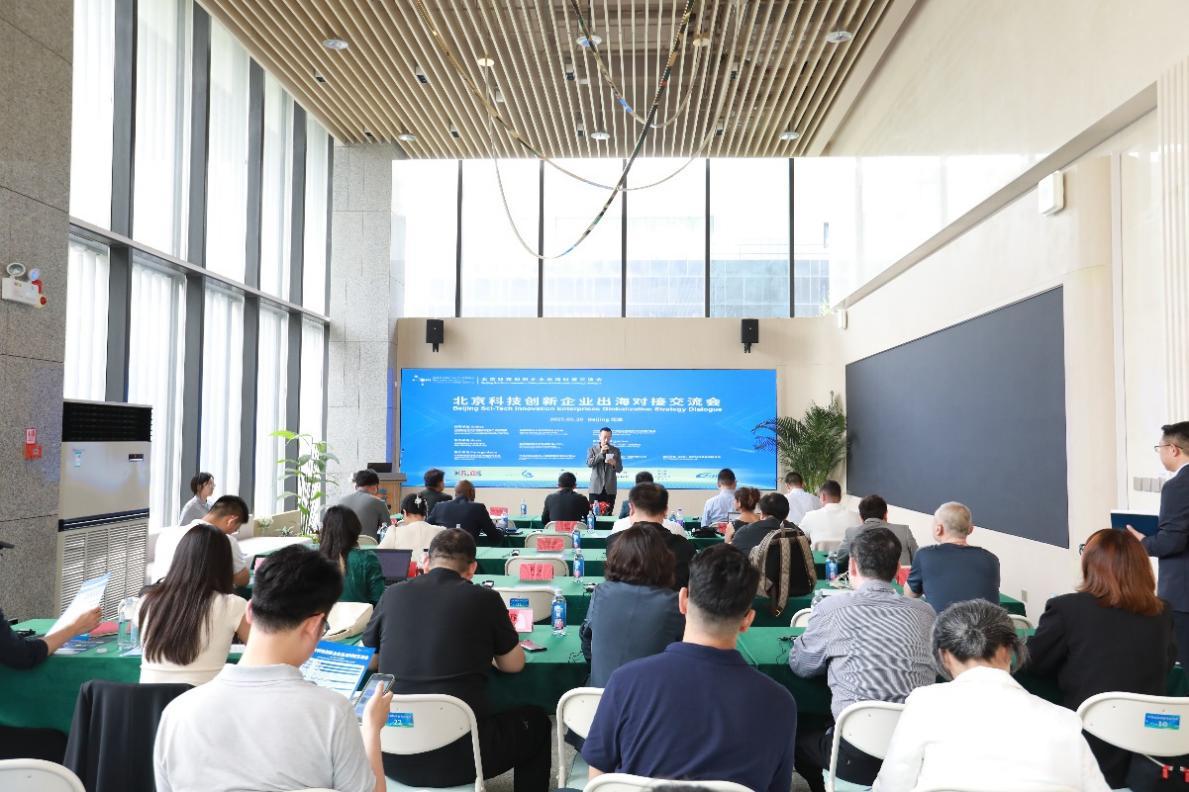
Core Viewpoint - The article highlights the new phase of Chinese enterprises going global, focusing on technology empowerment and ecosystem building, in the context of global industrial chain restructuring and China's "dual circulation" strategy [1] Group 1: Event Overview - The "Beijing Technology Innovation Enterprises Going Global Exchange Conference" was held on May 30, 2025, in Beijing, organized by NICTC and the BRICS Technology Transfer Center, aimed at helping Chinese tech companies expand into international markets [1] - The event focused on cutting-edge fields such as biomedicine and artificial intelligence, featuring representatives from countries like the UAE, Mexico, Russia, and South Africa, and included policy interpretation, case sharing, resource matching, and corporate roadshows [3] Group 2: Market Potential and Trends - The BRICS countries, after expansion, now represent nearly 50% of the global population and over 30% of global GDP, with expectations to exceed 40% this year, providing significant market opportunities for new technologies [7] - The emphasis on cooperation among BRICS nations is seen as crucial for leveraging the Fourth Industrial Revolution, particularly in biomedicine and artificial intelligence, which are identified as key technological directions for future development [6][10] Group 3: Successful Experiences and Mechanisms - NICTC has been actively promoting cooperation in innovation and entrepreneurship among BRICS countries, achieving notable results through joint research projects and a multi-faceted approach to technology transfer [8][9] - The establishment of a cross-national technology achievement database has gathered over 4,000 technology results from China and BRICS countries, enhancing the efficiency of technology transfer through localized managers [9] Group 4: Case Studies and Innovations - A successful technology transfer case involved a collaboration between a Beijing enterprise and Russia for HPV vaccine technology, which generated annual orders of $100 million and exemplified effective cooperation in the biomedicine sector [12] - Chinese enterprises in biomedicine and artificial intelligence are recognized for their significant advancements, with domestic innovations in areas like tumor treatment and AI technologies attracting interest from BRICS nations [10][11] Group 5: Future Directions - NICTC aims to provide comprehensive solutions for biomedicine and AI companies facing resource and funding challenges, integrating BRICS resources to create a full-chain ecosystem for technology transfer and cross-border financing [13]