自主研发

Search documents
东北制药:市场化转型助力老牌药企蝶变
Zhong Guo Zheng Quan Bao· 2025-07-24 21:10
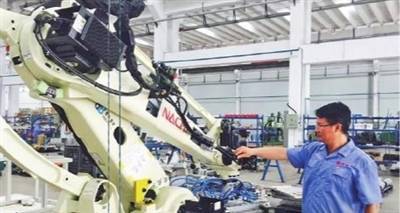
Core Viewpoint - Northeast Pharmaceutical has significantly improved its operational quality and company value since its mixed-ownership reform in 2018, driven by market-oriented strategies and innovation in the pharmaceutical industry [1][2]. Group 1: Mixed-Ownership Reform - The introduction of Liaoning Fangda Group as a strategic investor in 2018 has led to a clearer market position and a more scientific corporate governance structure, effectively addressing the issues of market-oriented operation [2]. - The company has increased its R&D investment and adopted a three-pronged approach to its R&D strategy, focusing on independent development, joint development, and project introduction [2][3]. - Northeast Pharmaceutical has established a biological research base in Shanghai and successfully acquired Dingcheng Peptide Source, enhancing its capabilities in cancer cell therapy [2]. Group 2: Talent and Management Innovation - The company has initiated a large-scale recruitment of master's and doctoral talents to strengthen its research capabilities, aiming to create a competitive edge in the biopharmaceutical sector [3]. - A new management model has been implemented, allowing for efficient communication of employee suggestions to decision-makers, resulting in numerous improvements and economic benefits [3][4]. - The company has established a robust incentive mechanism, rewarding employees for cost-saving and innovative suggestions, which has fostered a culture of engagement and productivity [3][4]. Group 3: Quality Control and Production Efficiency - Northeast Pharmaceutical has maintained a strong commitment to product quality, successfully passing a rigorous FDA inspection with zero defects, which enhances its reputation in international markets [5]. - The company has implemented advanced information technology to innovate its production processes and management models, improving efficiency and product quality [6]. - The focus on quality control and the introduction of smart production lines have led to higher production efficiency and lower costs, increasing the competitiveness of the company's products [6].

只租不卖!我国靠这5辆车,一年赚300亿,拒售美国,卡了西方脖子
Sou Hu Cai Jing· 2025-07-20 06:11
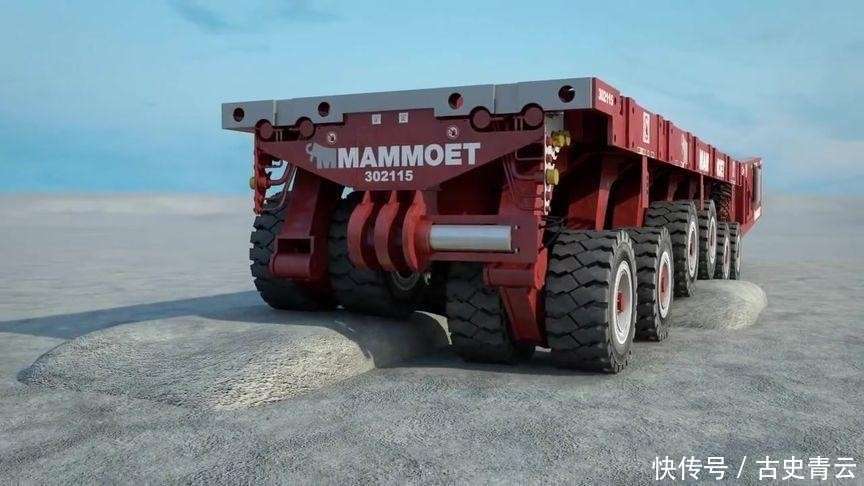
Core Viewpoint - The article highlights the success of China's self-developed SPMT (Self-Propelled Modular Transporter), which has surpassed German technology and is now a significant asset for the country, generating substantial rental income and supporting major infrastructure projects [3][21][30]. Group 1: Development and Challenges - The SPMT was developed in response to a technology blockade from Germany, which initially refused to sell the technology necessary for heavy cargo transport [4][6]. - After a failed negotiation with Germany, a decision was made to develop the SPMT independently, despite skepticism about the feasibility of such a project [10][12]. - The development process faced numerous challenges, including the creation of specialized tires and a complex hydraulic system, requiring extensive testing and innovation [14][15][17]. Group 2: Technological Advancements - The SPMT features 1152 wheels that allow it to carry up to 50,000 tons, making it capable of transporting massive structures like aircraft carrier modules and missile launch platforms [3][19]. - Its advanced control system enables each wheel to adjust independently, ensuring stability even on uneven surfaces, which impressed foreign experts during demonstrations [22][24]. - The SPMT has become a critical tool in various high-profile projects, including the construction of nuclear power plants and large-scale infrastructure in the South China Sea [25][27]. Group 3: Economic Impact - The SPMT generates approximately 30 billion yuan in pure profit annually from rental income, despite only five units being in operation [3][21]. - The success of the SPMT has led to international interest, with both Germany and the United States seeking collaboration, but China has opted to retain its technology [21][30].

中国花了20年,吃透乌克兰军工技术,唯独留下了哪一大遗憾?
Sou Hu Cai Jing· 2025-07-18 11:17
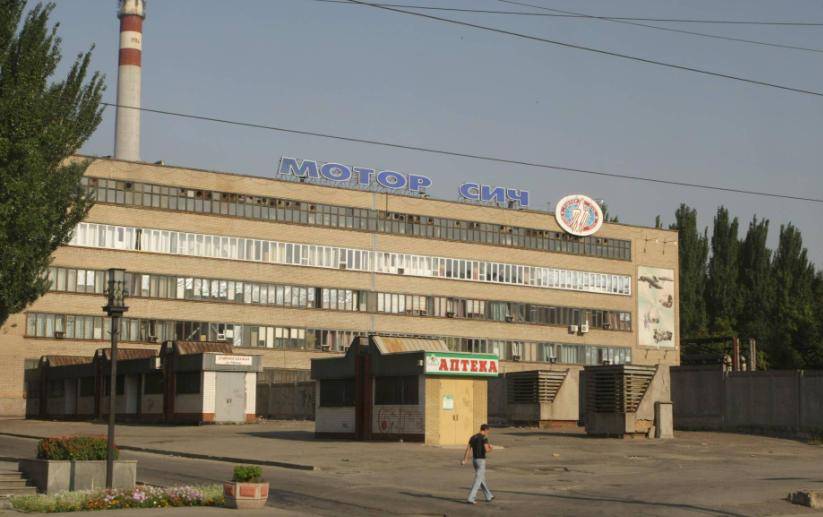
Core Viewpoint - The article discusses the historical military cooperation between China and Ukraine, highlighting the technological advancements China gained from Ukraine's military industrial legacy after the Soviet Union's dissolution, while also noting the significant regret of not acquiring the Motor Sich company and its advanced aviation engine technology [1][12][18]. Group 1: Historical Context - After the dissolution of the Soviet Union in 1991, Ukraine inherited about 30% of the Soviet military industrial assets, including significant shipyards and aircraft manufacturing facilities [1]. - Ukraine sought external partners to sustain its military industries, leading to deep cooperation with China starting in 1992 [1][3]. Group 2: Technological Transfer - Over 2,000 Ukrainian experts were sent to China to assist in technology transfer across various fields, significantly contributing to China's military production capabilities [3]. - China invested approximately $70 million to $80 million annually in Ukrainian military technology, which included purchasing equipment and hiring technical experts [3]. Group 3: Key Projects - In 1998, China purchased the unfinished Soviet aircraft carrier Varyag for $20 million, which was later transformed into the Liaoning, marking a strategic shift in China's naval capabilities [5][6]. - The Liaoning's design benefited from Ukrainian technical support, particularly in deck layout and power systems, enhancing its operational capabilities [8]. Group 4: Engine Technology - China acquired 30 gas turbines from Ukraine for the 052D destroyer, significantly improving the speed and endurance of its naval vessels [8]. - A purchase of $380 million was made for turbofan engines from Motor Sich for training aircraft, contributing to China's aviation technology base [10]. Group 5: Acquisition Attempts and Challenges - China expressed interest in acquiring Motor Sich in 2009, with a significant attempt in 2017 to purchase over 50% of the company, which was supported by Motor Sich's management [14]. - The acquisition faced scrutiny from Ukrainian security agencies and opposition from the U.S., leading to the termination of the deal in 2021 due to geopolitical tensions [16]. Group 6: Current Implications - The inability to acquire Motor Sich has left China reliant on foreign technology, particularly Russian engines, which has affected the performance of key aircraft like the Y-20 [19]. - The historical cooperation has led to significant advancements in China's military capabilities, but it also underscores the importance of self-reliance in technology development for future military independence [21].
特朗普玩套路,美对华出售次等芯片,3国辜负中方,稀土偷运美国
Sou Hu Cai Jing· 2025-07-18 10:04
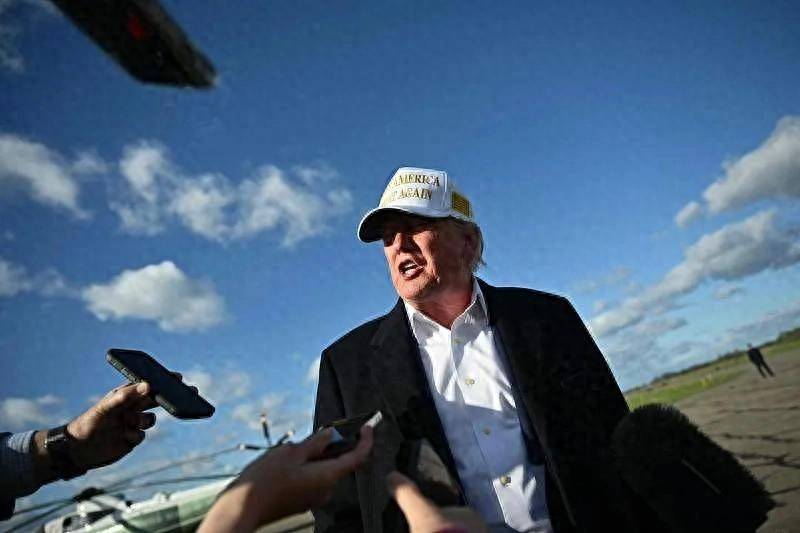
Group 1 - Recent signals from Trump suggest a potential easing of export restrictions to China, coinciding with the U.S. government's push for new global tariff policies [1] - The U.S. has reportedly relaxed restrictions on high-end chip exports to China, allowing Nvidia to export H20 chips, which may be perceived as a gesture of goodwill [3] - The exported chips are not the most advanced, indicating that the U.S. aims to maintain its technological edge in semiconductors while creating a favorable negotiation atmosphere for upcoming talks with China [3][4] Group 2 - Trump's strategy appears to be aimed at keeping China dependent on U.S. technology, thereby delaying China's progress in semiconductor self-research [4] - The U.S. is facing anxiety over its rare earth reserves, which can only sustain military needs for a few months, prompting a need for strategic negotiations with China [4] - As China imposes an antimony export ban, the U.S. is increasing imports through third-party countries like Thailand and Mexico, which are acting as intermediaries [5] Group 3 - A recent trade agreement between the U.S. and Vietnam imposes a 40% tariff on goods routed through Vietnam, which is seen as a move against China [7] - The U.S. may leverage third-party countries to undermine China's interests, indicating a potential shift in international trade dynamics [9] - China has expressed its readiness to counter any actions that harm its interests, signaling a firm stance against external pressures [9]
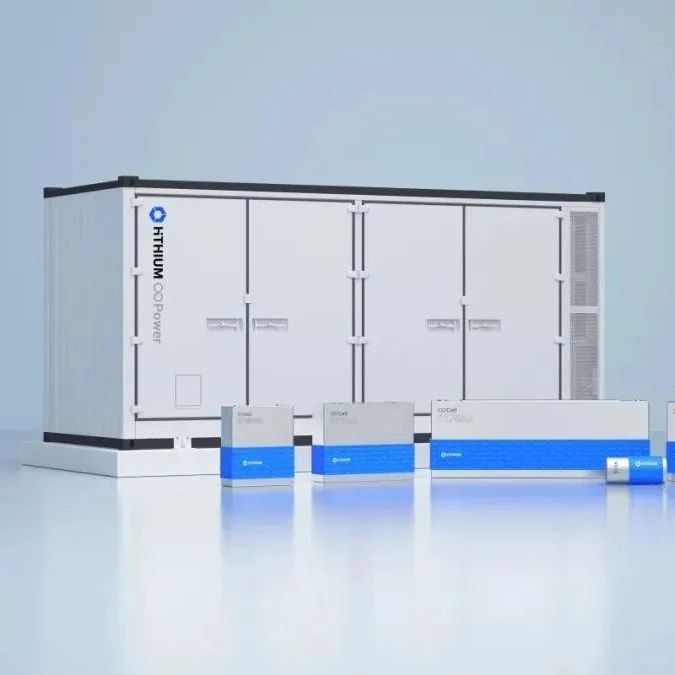
从前瞻到落地,解码海辰大容量储能电芯的三年进化之路
中关村储能产业技术联盟· 2025-07-16 10:45
Core Viewpoint - The article emphasizes the importance of long-term innovation and self-research in the energy storage battery industry, highlighting the transition from homogeneous competition to value competition in the sector [1][6]. Group 1: Market Dynamics - In early 2022, the energy storage battery market experienced a surge in demand, leading to significant investments, with over 26 expansion projects totaling more than 300 billion yuan [1]. - The industry is now moving towards a critical phase of accelerated iteration, focusing on value competition rather than short-term gains [1]. Group 2: Innovation and R&D - The company has established a comprehensive self-research system, focusing on core areas such as material systems, battery design, and manufacturing processes, resulting in significant breakthroughs in safety, efficiency, consistency, lifespan, and cost [2]. - As of December 2024, the company has applied for over 3,900 global patents, with more than 690 granted, covering over 20 countries and regions [4]. Group 3: Product Development - The company has developed the world's first 1,000Ah energy storage battery, which was initiated during the market boom in 2022, showcasing its commitment to long-term R&D [1][14]. - The product line includes the ∞Cell 587Ah and ∞Cell 1175Ah batteries, designed to meet diverse market demands with a focus on safety, performance, and cost-effectiveness [14]. Group 4: Intellectual Property Strategy - The company’s patent strategy is not merely about quantity but aims to create a global "technology protection network," ensuring a robust intellectual property foundation for future developments [4][5]. - The proactive patent applications in key markets have established a comprehensive risk management system to mitigate intellectual property infringement risks [5][6]. Group 5: Commitment to Innovation - The company views self-innovation as the foundation for survival and development, believing that respect and protection of intellectual property are essential for technology-driven enterprises [6]. - Continuous investment in R&D and a deep understanding of market needs have allowed the company to create a closed-loop ecosystem of "R&D - Product - Scenario" [12][13].
“十四五”成绩单:中国有了自主研发的高性能芯片
news flash· 2025-07-09 03:01
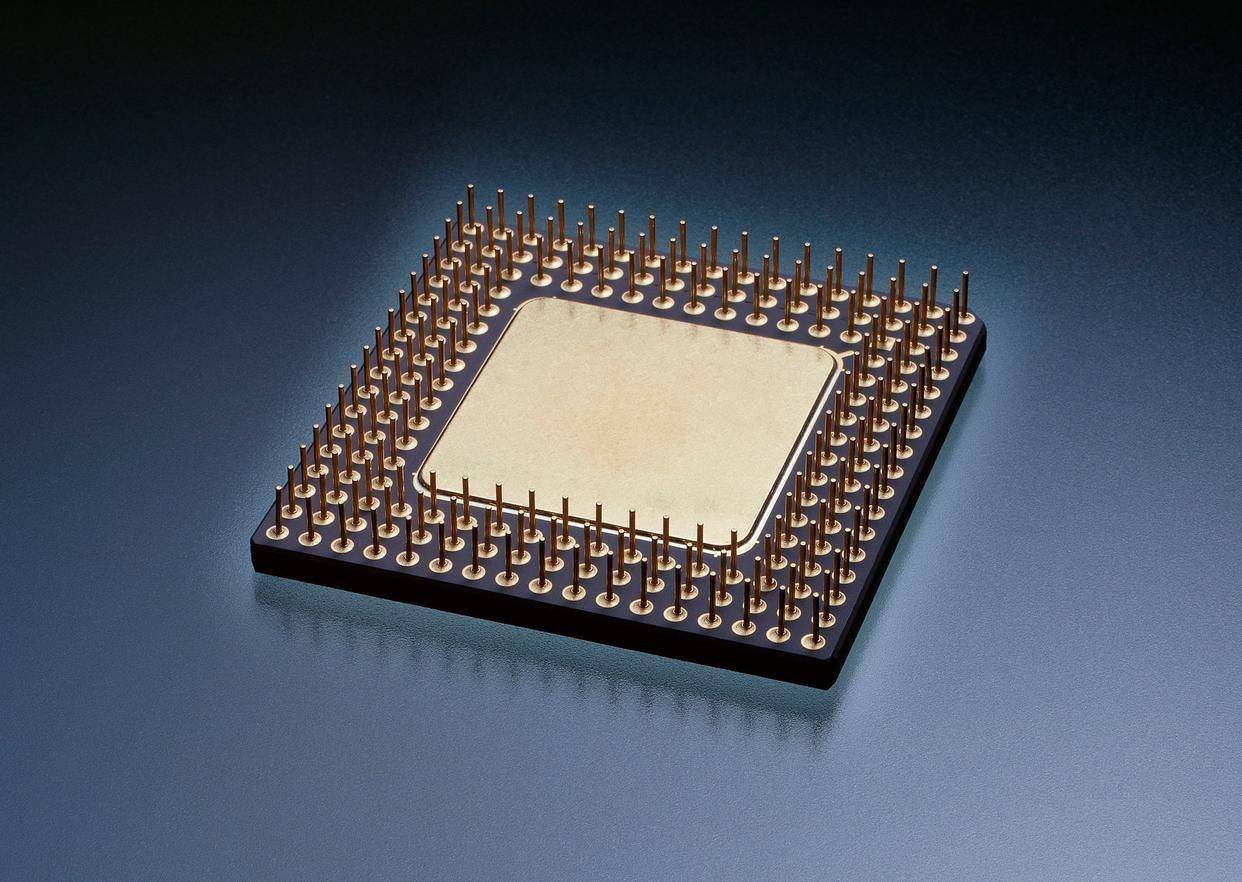
Core Insights - The company has developed high-performance chips and operating systems in recent years [1] - The AI large models have empowered various industries significantly [1] - The introduction of robots has led to a substantial increase in production efficiency [1]
美国突然松绑EDA禁令:中国芯片业能否抓住这3个月窗口期?
Sou Hu Cai Jing· 2025-07-03 03:24
Core Viewpoint - The recent lifting of restrictions on Siemens' sale of chip design software to China highlights the fragility of the global semiconductor supply chain and opens a strategic window for Chinese chip companies [1][6]. Event Recap: From Ban to Lifting - On May 28, 2025, the U.S. Department of Commerce issued a ban on three major EDA companies, including Siemens, Cadence, and Synopsys, which collectively hold 74% of the global EDA market share, due to escalating tensions over rare earth trade [5]. - A turning point occurred during talks in London in June, where the U.S. agreed to lift restrictions on chip design software in exchange for China accelerating rare earth export approvals [6]. Strategic Decoding: The 90-Day Window - The policy relaxation is framed as a "technical assessment period," indicating a tactical concession by the U.S. under pressure from rare earth supply issues [10]. - The 90-day window is seen as a critical period for urgent procurement, with 67% of IC design companies planning to maintain a dual-track strategy of using both international EDA tools and domestic alternatives [10]. - Domestic EDA companies like Geke Electronics and Huada Jiutian have some replacement capabilities, but there remains a generational gap in high-end chip design processes compared to international giants [10]. Historical Reflection: Survival Rules for Chinese Enterprises - Huawei's significant R&D investment post-entity list inclusion serves as a model for resilience, with over 400 billion yuan invested over five years, leading to a transformation of its semiconductor arm [11]. - Longsys has successfully reduced its reliance on U.S. technology in its NAND flash production line to below 15% by diversifying its supply chain [11]. Action Guidelines for the Window Period - Chip companies are advised to establish structured response strategies, prioritizing the procurement of essential high-end tools while planning for a phased approach to technology transition [12]. - A three-stage plan is recommended: 90 days for urgent procurement, 180 days for technology transition, and 365 days for self-replacement [12]. - Most companies prefer a dual-track strategy, balancing short-term survival with long-term development, as full EDA autonomy is projected to take 3-5 years [12]. Long-Term Considerations: Reflections Post-Lifting - The limitations of the current lifting of restrictions are notable, as the U.S. retains the right to adjust policies, and the positions of Cadence and Synopsys remain unclear [13]. - The experience underscores the need for the Chinese semiconductor industry to build a resilient innovation system, leveraging the current window of opportunity while maintaining a commitment to independent R&D [13].


从实用功能到创意巧思 中国“清凉”小商品撬动全球大生意
Yang Shi Xin Wen· 2025-07-02 06:27
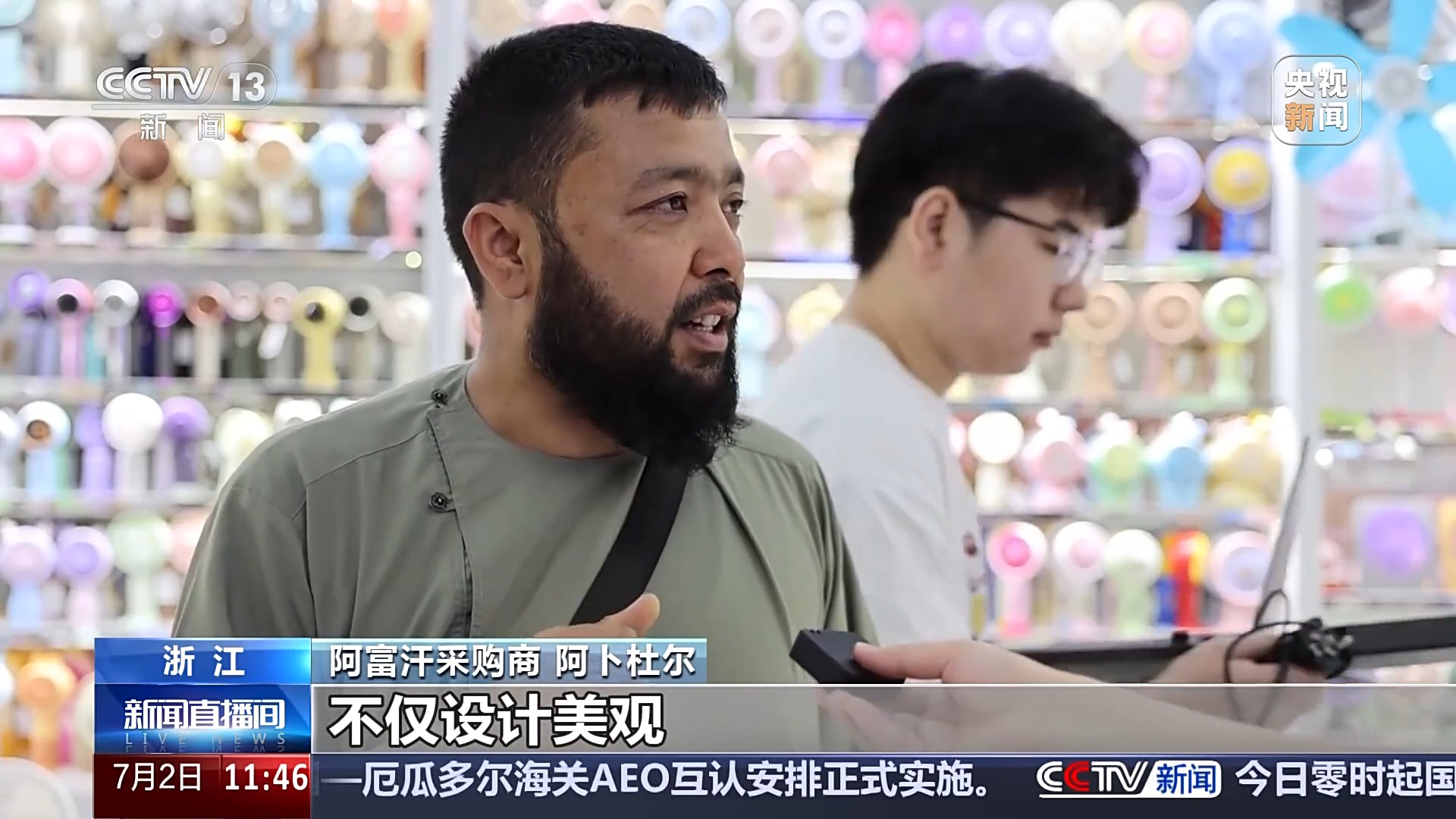
Core Insights - The demand for cooling products is surging globally due to rising temperatures, with items like fan hats and pet cooling mats gaining popularity among overseas customers [1][3][5] Group 1: Market Trends - Various innovative cooling products are attracting foreign buyers, particularly in Yiwu International Trade City, where solar-powered fan hats and multifunctional umbrellas are in high demand [1][3] - The portable cooling devices, including small fans and mobile air conditioners, have seen a significant sales increase, with a reported 77% year-on-year growth in the last 30 days [9] - The export of Chinese refrigeration appliances is on the rise, with household air conditioners reaching $9.45 billion, a 17.8% increase year-on-year, and fans at $5.65 billion, up 7.1% [21] Group 2: Product Innovations - Companies are adapting to market needs by customizing products, such as larger umbrellas to accommodate more people and pet cooling mats that effectively dissipate heat [5][13] - The introduction of innovative materials, like cooling silk fabric, has led to substantial growth for manufacturers, with annual increases of over 25% reported [26] - The development of fourth-generation refrigerants, which have a low global warming potential, is gaining traction, with European orders increasing by 50% [28] Group 3: Global Reach - Chinese cooling products are being exported to various regions, including Africa and South America, with companies like Henan Kangbain Electric Co. shipping large refrigerators to Ghana [13][17] - The market for portable air conditioners is expanding, with orders growing by 10% year-on-year and products being sold in over 150 countries [17] - The global market for cooling solutions is increasingly competitive, with Chinese companies focusing on innovation and sustainability to meet diverse consumer needs [30]
一线调研丨17年成为车身焊接领域冠军 这家企业背后藏着什么创新密码?
Yang Shi Xin Wen Ke Hu Duan· 2025-07-01 06:28
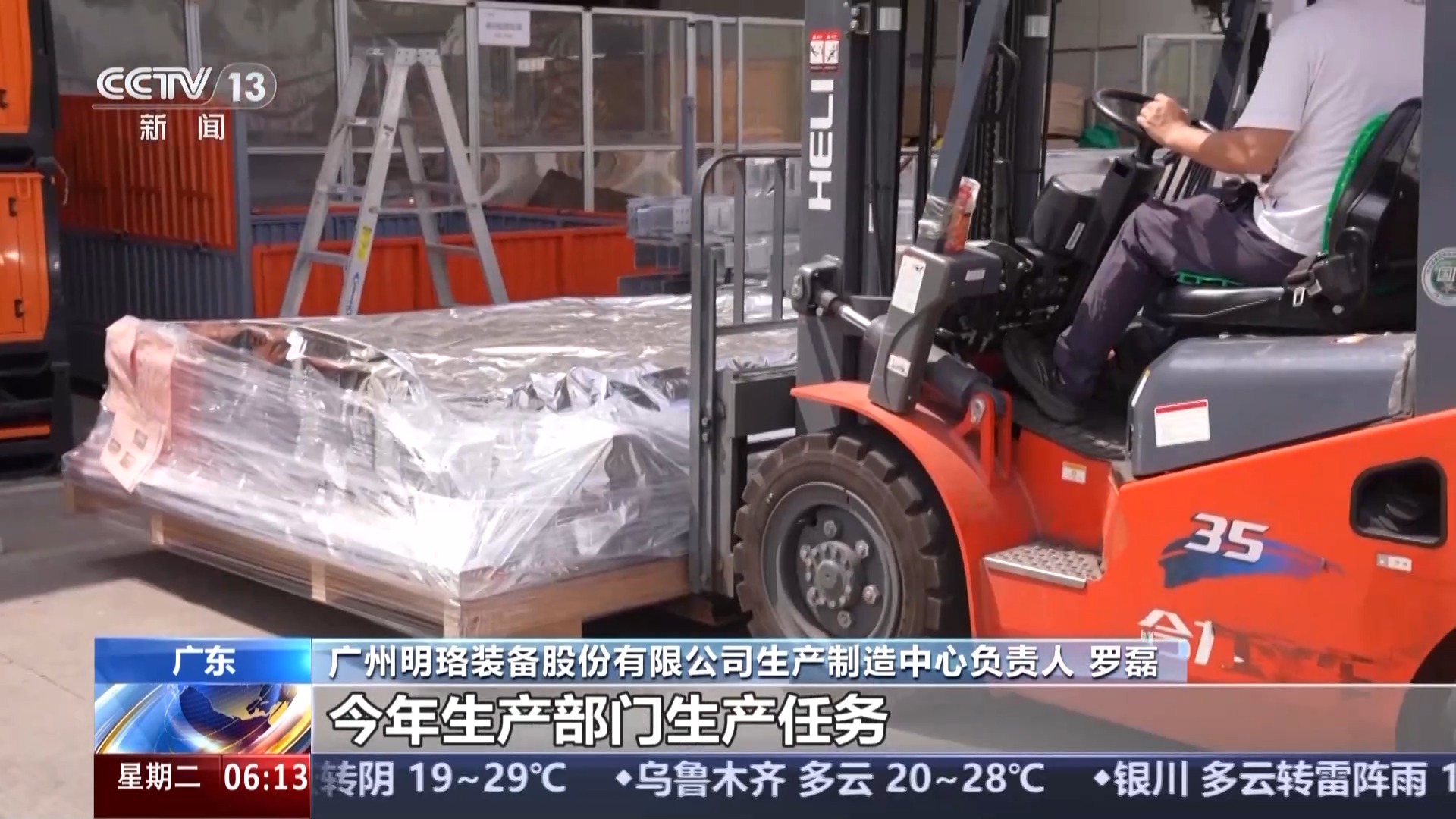
Core Insights - The article highlights the success of Guangzhou Mingluo Equipment Co., Ltd. in the automotive manufacturing sector, particularly in providing digital welding production lines and intelligent manufacturing equipment, establishing itself as a leader in this niche market [1][6][24] Group 1: Company Overview - Mingluo Equipment has focused exclusively on digital welding production lines for 17 years, becoming a champion in this field [1] - The company has recently been busy shipping components for automotive welding production lines to a well-known American car manufacturer, marking its third large-scale production line for this client [2][4] Group 2: Market Expansion and Challenges - The company faced significant challenges when entering the U.S. market, experiencing three years of no business before finally securing contracts in 2016 [6][8] - Currently, the U.S. market accounts for over 40% of Mingluo's overseas business, with products distributed across more than 20 countries [6][24] Group 3: Technological Innovation - Mingluo has developed a globally leading product called the "Flexible Magic Robot Island," which integrates advanced technologies for automotive equipment manufacturing [13][15] - The "Magic Island" system has improved production efficiency by 50% while reducing labor costs by 80% [17] - The company has invested over 800 million yuan in a laser laboratory since 2012, allowing it to capitalize on new technologies like laser welding [10][23] Group 4: R&D and Patents - Mingluo holds over 800 patents, with significant annual R&D investments exceeding 100 million yuan, and more than 50% of its workforce dedicated to international R&D [23][24] - The company has developed a unique laser spiral spot welding technology that reduces welding time from 3.5 seconds to 0.4 seconds, enhancing efficiency nearly ninefold [21][23] Group 5: Industry Impact and Collaboration - Mingluo Equipment has transitioned from a small enterprise to a leading player in the industry, taking on the responsibility of empowering other small businesses in the equipment manufacturing sector [24][36] - The company has established partnerships with over a thousand upstream and downstream enterprises, facilitating digital transformation in the automotive welding production line sector [34][36]
从贴牌到创牌,从单打独斗到抱团出海,从受制于人到自主研发——青岛外贸企业的“突围密码”
Sou Hu Cai Jing· 2025-06-30 05:39
Group 1: Transformation of Qingdao's Foreign Trade Enterprises - Qingdao's foreign trade enterprises are shifting from traditional OEM models to brand creation and independent R&D due to increasing uncertainties in the international trade environment [2][3] - Companies are adopting diverse strategies such as collaboration, customization, and flexible services to enhance competitiveness and resilience against external pressures [5][6] Group 2: Case Study of Qingdao Lvqinxin International Trade Co., Ltd. - Qingdao Lvqinxin International Trade Co., Ltd. transitioned from traditional foreign trade to a comprehensive cross-border enterprise, focusing on R&D, production, and sales [3][4] - The company has experienced a 40% annual growth in revenue despite tariff pressures, thanks to its focus on customized, high-value products [6][7] Group 3: Breakthroughs in High-End Materials - Qingdao Cixing New Materials Co., Ltd. has become the first domestic company to independently develop and export silicon nitride materials for the new energy vehicle industry, breaking foreign monopolies [8][9] - The company achieved significant cost advantages, selling products at one-third the price of Japanese competitors, leading to a 70% export ratio of its sales [10] Group 4: Eyelash Industry in Pingdu - Pingdu produces 70% of the world's false eyelashes, with over 5,000 market entities and 20,000 processing points, making it a global production hub [11][12] - The establishment of the Pingdu Eyelash Association has fostered collaboration among local businesses, enhancing production standards and market competitiveness [13] Group 5: Qingdao Wanqing Group's E-commerce Strategy - Qingdao Wanqing Group has successfully integrated cross-border e-commerce into its operations, significantly contributing to its revenue [14][15] - The company has developed a comprehensive business model that includes R&D, design, production, and logistics, positioning itself as a leader in the high-end textile market [15] Group 6: Advancements in Robotics - Qingdao Baojia Intelligent Equipment Co., Ltd. has developed advanced robotic solutions, exporting over 7,000 sets of equipment to more than 20 countries [16][17] - The company invests over 5% of its revenue in R&D, resulting in a robust pipeline of new products and numerous patents [18]