
辅助驾驶

Search documents
新能车ETF(515700)产业链具备景气稀缺性,今日回调蓄势
Xin Lang Cai Jing· 2025-10-17 06:44
Group 1 - The price of battery materials continues to rise, supporting the high demand in the lithium battery sector, driven by electric vehicles and energy storage [1] - In September, China's power battery sales reached 146.5 GWh, a month-on-month increase of 9.0% and a year-on-year increase of 42.2%, with exports at 26.7 GWh, up 18.2% month-on-month and 28.3% year-on-year [1] - Domestic energy storage demand remains strong, with a bidding scale of 11.7 GW/33.3 GWh in September, reflecting a year-on-year increase of 57.5% and 103.7% respectively [1] Group 2 - The industry is expected to maintain high demand, with projections for increased domestic electric vehicle sales and global energy storage supporting growth [1] - The latest static PE ratio is 36 times, positioned at the historical 60th percentile, with future earnings growth expected to lower the dynamic PE [1] - Catalysts for growth include solid-state batteries, "anti-involution," assisted driving, and robotics, indicating a unique high demand in the industry [1] Group 3 - As of October 17, 2025, the CSI New Energy Vehicle Industry Index (930997) fell by 3.47%, with component stocks showing mixed performance [2] - Leading stocks included Shengxin Lithium Energy up 2.09% and Sanhua Intelligent Control up 1.44%, while Yiwei Lithium Energy led the decline at 8.14% [2] - The New Energy Vehicle ETF (515700) decreased by 3.43%, with a current price of 2.31 yuan, but has seen a cumulative increase of 1.96% for the month [2] Group 4 - As of September 30, 2025, the top ten weighted stocks in the CSI New Energy Vehicle Industry Index accounted for 54.61% of the index [3] - The top ten stocks include CATL, Huichuan Technology, BYD, and others, reflecting the concentration of market influence within these companies [3] - The New Energy Vehicle ETF is closely tracking the CSI New Energy Vehicle Industry Index, which includes 50 companies involved in various aspects of the new energy vehicle sector [3]
从无图到轻图,大模型时代图商的新角逐
自动驾驶之心· 2025-10-15 02:05
Core Insights - The article discusses the evolution of intelligent driving maps, highlighting the transition from high-precision maps to lightweight maps in response to the growing demand for advanced driver-assistance systems (ADAS) [4][5][12]. Group 1: Evolution of Intelligent Driving Maps - The development of intelligent driving maps has gone through three stages: the sweet period of high-precision maps (2018-2021), the aggressive phase of "no map driving" post-2021, and the current rational phase focusing on lightweight maps as of 2024 [7][9][12]. - The shift to lightweight maps is driven by the need for safety, continuity, and comfort in driving experiences, as traditional high-precision maps are not feasible for widespread use across various terrains [10][12][15]. Group 2: Market Dynamics and Competition - Tencent has emerged as a leader in the intelligent driving map market, holding a 49.01% market share in the urban NOA intelligent driving map segment for new energy passenger vehicles, while Gaode follows closely with 47.9% [5][18]. - The market for intelligent driving maps is expected to grow significantly, with projections estimating it will reach 5.4 billion yuan by 2025 and 11.7 billion yuan by 2030 [27]. Group 3: Technological Innovations - Tencent's transition to lightweight high-precision maps (HD Air) began in 2022, allowing for faster updates and lower costs, which has positioned it favorably against traditional map providers [19][20]. - The introduction of cloud services for map data delivery enhances the flexibility and responsiveness of map updates, allowing for real-time adjustments based on driving conditions [22][24]. Group 4: Future Trends - The integration of AI large models is expected to further transform the landscape of intelligent driving maps, moving beyond traditional databases to models that incorporate geographical and environmental data [29][31]. - The competition in the intelligent driving map sector is ongoing, with companies needing to adapt to new paradigms to maintain or gain market share [26][31].



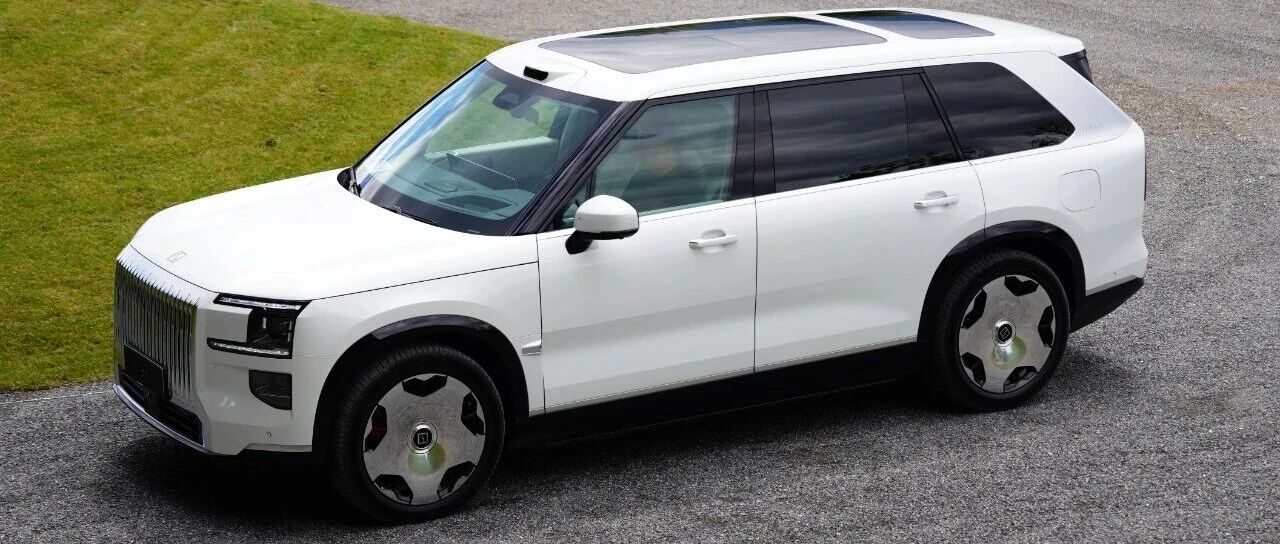
46.59万起!极氪首款插混车,凭啥13分钟订单破万?
电动车公社· 2025-10-09 15:59
Core Viewpoint - The article discusses the successful launch and market performance of the Zeekr 9X SUV, highlighting its high pricing strategy and impressive sales figures shortly after its release. Group 1: Market Performance - The Zeekr 9X achieved over 10,000 pre-orders within 13 minutes of its launch, with 70% of orders for the top-spec model [3][61] - The SUV's pricing ranges from ¥465,900 to ¥599,900, positioning it as a premium offering in the market [2][6] Group 2: Design and Features - The Zeekr 9X features a unique design, with a high degree of originality compared to competitors, and includes a striking front grille [8][10] - The interior boasts luxury elements reminiscent of high-end brands, including a Naim sound system with 32 speakers and a peak power of 3868W [12][14] - The vehicle offers extensive comfort features, such as heated and ventilated seats, a 17-inch OLED screen, and a 13L refrigerator [32][40] Group 3: Technical Specifications - The Zeekr 9X is equipped with a 900V high-voltage hybrid architecture, featuring a 2.0T engine with a maximum power of 205kW and a thermal efficiency exceeding 46% [48][50] - The SUV can accelerate from 0 to 100 km/h in 3.1 seconds for the three-motor version, with a top speed of 240 km/h [51][53] - It includes advanced suspension technology, such as a closed dual-chamber air spring and dual-valve electromagnetic dampers, enhancing ride comfort and handling [55][56] Group 4: Driving Experience - The Zeekr 9X demonstrates quick all-wheel-drive response and maintains comfort even on rough terrain, showcasing its off-road capabilities [65][68] - On-road performance balances comfort and sportiness, though some limitations in ride quality were noted due to the vehicle's weight [69][70] - The driving assistance features are efficient, with smooth lane changes and adaptive speed control, although some areas for improvement were identified [74][76]

辅助驾驶≠自动驾驶!路上驾驶别陷入这些致命误区
Qi Lu Wan Bao· 2025-10-08 14:58
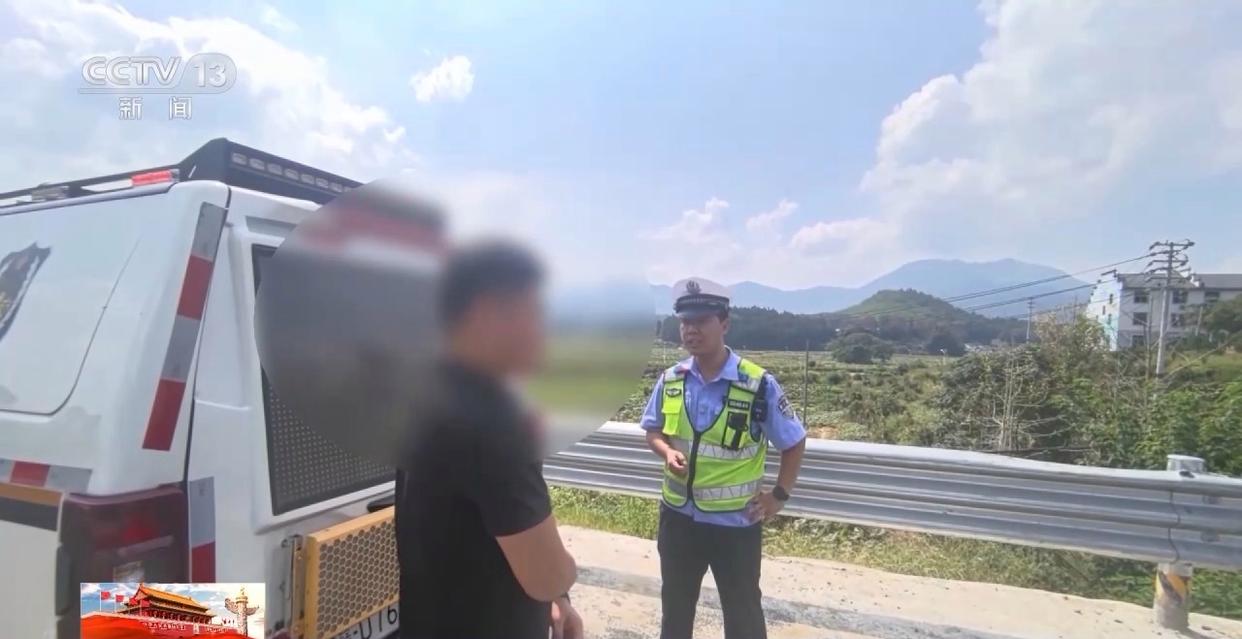
Core Viewpoint - The article highlights the increasing traffic accidents during the National Day holiday due to improper driving behaviors, particularly related to lane changes and the misuse of advanced driving assistance systems [1][10]. Group 1: Traffic Accidents and Causes - High traffic volume during the National Day holiday has led to a rise in accidents, primarily due to drivers not maintaining safe distances and improper lane changes [1]. - A specific incident on the Jiguang Expressway involved a driver, Wen, who changed lanes without proper observation, resulting in a collision for which he was deemed fully responsible [3][5]. - Another case involved a driver, Chen, who relied on the vehicle's auxiliary driving feature, leading to a crash when the vehicle deviated from its lane during an overtaking maneuver [9]. Group 2: Misuse of Advanced Driving Assistance Systems - The article emphasizes that many drivers mistakenly believe that activating auxiliary driving features equates to fully autonomous driving, which is not the case [10][21]. - A driver named Liu experienced an accident when a truck changed lanes unexpectedly while he was using the intelligent driving feature, highlighting the need for constant driver vigilance [12][13]. - The article cites that current vehicles on the market are equipped with Level 2 or lower driving assistance systems, which do not replace the need for driver control and attention [18][21]. Group 3: Legal Implications - Drivers who misuse auxiliary driving systems may face significant legal consequences, including civil liability, administrative penalties, and potential criminal charges if accidents occur [21][23]. - The article notes that causing severe traffic accidents could lead to charges of traffic crimes, especially if injuries or significant property damage result from distracted driving [23].
双节路途观察
Hu Xiu· 2025-10-08 04:53
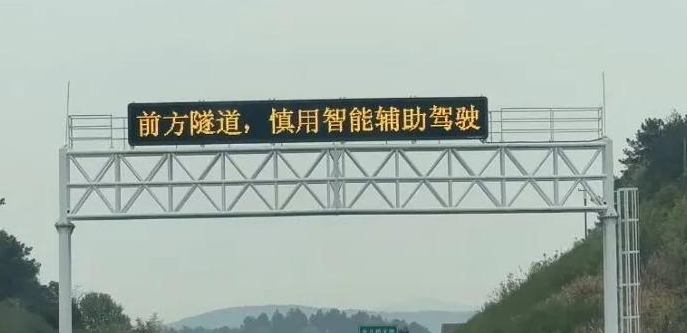
Group 1: Travel Experience - The journey from Hangzhou to Lianyungang, covering a distance of 565 kilometers, took significantly longer than usual, with 10 hours spent on the way there and 9 hours on the return trip, despite avoiding peak traffic [2][3][4] Group 2: Accidents and Driving Assistance - The primary reason for the extended travel time was the occurrence of multiple accidents, with at least six incidents encountered during the trip [4][5] - There was an increase in warnings related to "smart driving" on highways, indicating restrictions on the use of assisted driving due to road conditions and congestion [6][10] - The reliability of assisted driving systems remains questionable, as management appears to trust human drivers over artificial intelligence [10][11] Group 3: Charging and Operational Awareness - Charging was another significant factor contributing to the travel delays, with the experience of locating charging stations varying between trips [15][16] - Misunderstandings regarding charging types, such as the confusion between "fast charging" and "supercharging," highlight a lack of operational awareness among drivers and service providers [20][21][22] - The operational efficiency of charging stations could be improved by better signage and strategic placement of charging areas [22][25]
“辅助驾驶”不等于“自动驾驶” 在行驶中"脱手脱眼"或面临多重法律风险
Yang Shi Wang· 2025-10-07 23:19
Core Viewpoint - The article highlights the legal risks associated with using "smart driving" technology while driving, emphasizing that drivers may face civil liability, administrative penalties, and criminal prosecution if distracted by non-driving activities [1] Legal Risks - Drivers using smart driving technology may encounter three types of legal risks: civil compensation, administrative penalties, and criminal accountability due to distraction or engagement in unrelated activities while driving [1]
辅助驾驶≠自动驾驶!返程路上别陷入这些致命误区
Huan Qiu Wang Zi Xun· 2025-10-07 03:56
Core Viewpoint - The article highlights the increasing traffic accidents during the holiday return peak, emphasizing the importance of maintaining safe driving practices and the risks associated with improper use of advanced driving assistance systems [1][9]. Group 1: Traffic Accidents and Causes - High traffic volume during holiday periods leads to a rise in accidents, primarily due to failure to maintain safe distances and improper lane changes [1][3]. - A specific incident on the Jiguang Expressway involved a driver, Wen, who changed lanes without proper caution, resulting in a collision, for which he was deemed fully responsible [3][6]. - Another case involved a driver, Chen, who relied on the auxiliary driving feature, leading to a collision with a truck due to a lack of active control over the vehicle [8][10]. Group 2: Misuse of Advanced Driving Assistance Systems - The article stresses that auxiliary driving systems do not equate to automatic driving, and drivers must remain vigilant and ready to take control [9][12]. - A case involving Liu, who activated the intelligent driving feature, resulted in an accident when a truck changed lanes unexpectedly, highlighting the need for driver attentiveness even with such systems engaged [9][15]. - The current market offers vehicles with Level 2 or lower driving assistance, which serve as aids rather than replacements for driver control, emphasizing the legal risks associated with distracted driving [15][17].
开着辅助驾驶 昊铂GT高速追尾工程车
Di Yi Cai Jing· 2025-10-05 13:41
Core Viewpoint - The incident involving the Haobo GT vehicle highlights the limitations of L2 level driver assistance systems, particularly in recognizing irregularly shaped obstacles and the failure of the Autonomous Emergency Braking (AEB) system to activate during a collision [1][2][3] Group 1: Incident Details - A video showing a Haobo GT vehicle colliding with a stationary construction vehicle while using Adaptive Cruise Control (ACC) has drawn public attention [1] - The vehicle involved is a 2023 model of Haobo GT 560, which is equipped with an L2 level driver assistance system that lacks lidar and uses a single monocular camera for front perception [1] - The vehicle was traveling at a speed exceeding 80 km/h at the time of the collision, surpassing the speed limit for AEB activation [2] Group 2: System Limitations - The user manual for Haobo vehicles specifies that the system may not function properly under certain conditions, such as when encountering irregularly shaped vehicles or when using ACC with stationary or low-speed vehicles [2] - The AEB system's limitations have been a topic of debate, with various manufacturers facing similar issues regarding the activation speed and response to obstacles [3] - Current AEB systems primarily focus on longitudinal braking and have limited capabilities in recognizing static objects, which raises concerns about their effectiveness in emergency situations [3] Group 3: Regulatory Developments - The recent draft regulations from the Ministry of Industry and Information Technology aim to clarify safety requirements for L2 driver assistance systems, including the use of AEB and lane-keeping functions [3][4] - The new standards emphasize the need for driver assistance systems to effectively respond to foreseeable misuse by drivers and to provide continuous alerts regarding following distances [4] - The upcoming 2025 model of Haobo GT will include configurations with lidar, indicating a shift towards improved obstacle detection capabilities [4]
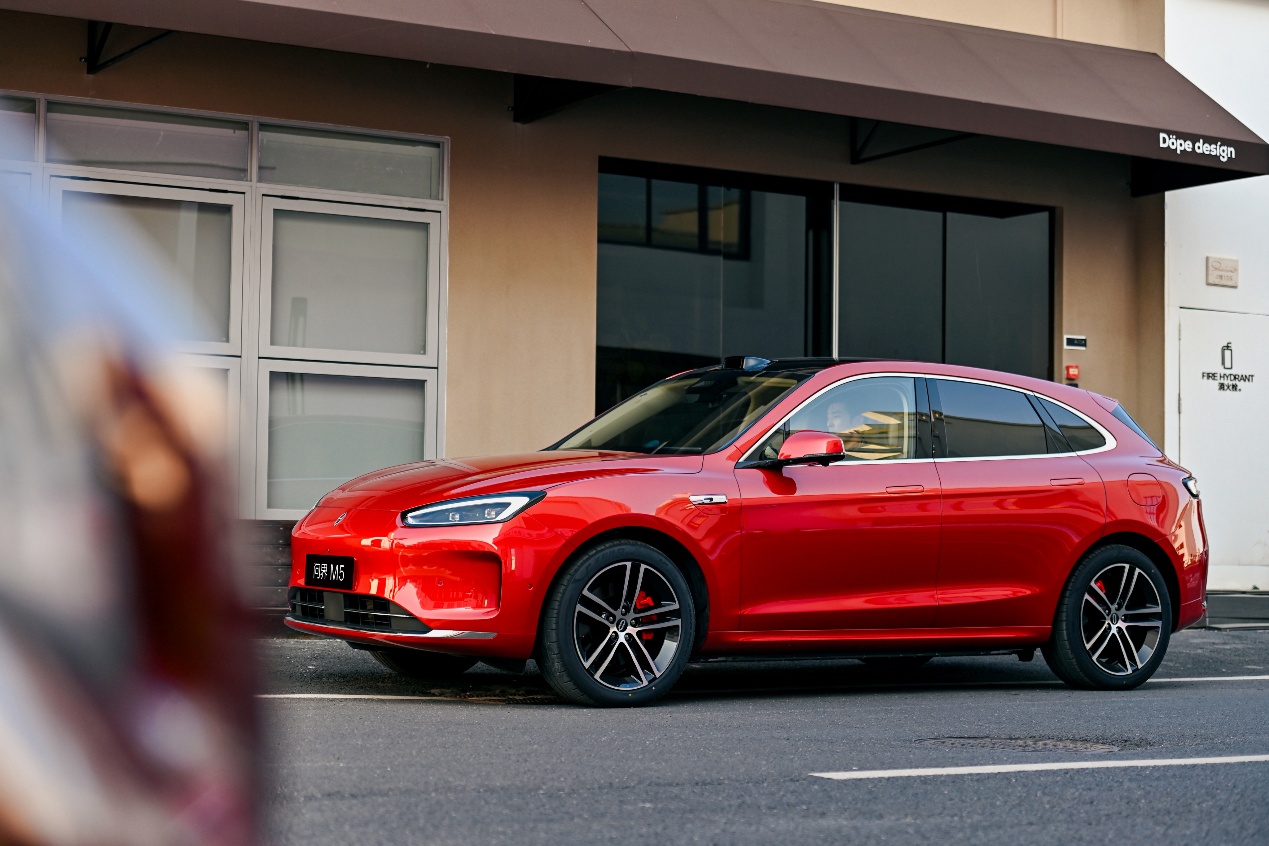
聚焦20-30万级智能SUV,问界新M5 Ultra与小米YU7谁更值得入?
Sou Hu Wang· 2025-09-30 05:08
Core Insights - The article discusses the competitive landscape of the 200,000-300,000 yuan new energy SUV market, focusing on the AITO Wenjie M5 Ultra and Xiaomi YU7, highlighting their advanced smart features and differences in driving assistance capabilities [1] Group 1: Driving Assistance Technology - Both models emphasize driving assistance as a core selling point, sharing common hardware configurations but differing in details and software capabilities [3] - The Wenjie M5 Ultra features three 4D millimeter-wave radars and a 192-line laser radar, while the Xiaomi YU7 has one 4D millimeter-wave radar and a 128-line laser radar, leading to significant differences in perception capabilities [5] Group 2: Safety Features - The Wenjie M5 Ultra adopts a proactive safety approach with a comprehensive safety system, including a collision avoidance system that can detect risks and adjust driving accordingly, having reportedly avoided over 2.26 million potential accidents [6][8] - In contrast, the Xiaomi YU7 focuses on passive safety with a higher number of airbags and a steel-aluminum mixed body design, providing robust protection in extreme collision scenarios [8] Group 3: Market Performance and Consumer Incentives - The Wenjie M5 Ultra has shown a steady increase in retail sales, with monthly sales exceeding 4,000 units from April to August 2025, indicating growing market acceptance [11] - The model offers substantial purchase incentives totaling up to 37,000 yuan, including subsidies for advanced driving assistance features and other benefits, enhancing its value proposition for consumers [12]
新闻1+1丨“醉驾”+“智驾”,危险!
Yang Shi Wang· 2025-09-29 22:17
Core Viewpoint - The Supreme People's Procuratorate has released six cases of drunk driving to clarify the legal consequences for different scenarios of drunk driving, indicating a trend towards stricter enforcement of laws against such offenses [1] Group 1: Legal Implications - The six cases highlight the legal framework for handling drunk driving, emphasizing that different circumstances will lead to heavier penalties [1] - The case of a man in Hangzhou using an "intelligent driving device" while intoxicated has raised questions about the regulation of "assisted driving" behaviors [1] Group 2: Future Legal Developments - There is a call for the development of legal systems to better regulate assisted driving technologies in the context of drunk driving [1]