
金融稳定

Search documents
中国人民银行行长潘功胜:截至6月末我国融资平台数量已较2023年初下降超60%
Xin Hua Cai Jing· 2025-09-22 14:58
Core Insights - The number of financing platforms in China has decreased by over 60% compared to the beginning of 2023, and the scale of financial debt has dropped by over 50% as of June 2023 [1] - The People's Bank of China (PBOC) has implemented various policies to support risk resolution in the real estate sector, including optimizing down payment ratios and mortgage rates, which could reduce interest expenses by approximately 300 billion yuan for over 50 million households annually [1] - The PBOC emphasizes that during the 14th Five-Year Plan period, financial risks are generally controllable, and the financial system is operating steadily, providing strong support for high-quality economic development [1] Group 1 - The PBOC is focused on balancing economic growth and financial risk prevention, recognizing the interconnection between economic issues and financial risks [2] - The PBOC is actively working to resolve key area risks, including the debt risks of financing platforms, by promoting local governments to manage funds and assets effectively [2] - The PBOC has achieved significant progress in reducing the number of high-risk small and medium-sized banks through various measures such as online repairs and mergers [2] Group 2 - The PBOC is committed to maintaining stable financial markets, ensuring the basic stability of the RMB exchange rate amid changing external environments [2] - The bond market is being closely monitored by the PBOC, which has implemented measures to mitigate risk accumulation and maintain a low default rate [2] - The PBOC is exploring monetary policy tools to stabilize the capital market, collaborating with the China Securities Regulatory Commission to create mechanisms that support market stability [2][3] Group 3 - The PBOC is enhancing the financial stability guarantee system through legislative efforts and the establishment of a financial stability guarantee fund [3] - Continuous improvement of financial risk monitoring, assessment, and early warning systems is a priority for the PBOC [3]
美联储降息对中国货币政策有何影响?潘功胜:坚持以我为主、兼顾内外平衡|快讯
Sou Hu Cai Jing· 2025-09-22 14:34
Core Viewpoint - The People's Bank of China (PBOC) emphasizes a self-directed monetary policy that balances internal and external factors, ensuring liquidity based on macroeconomic conditions and changes [2][3]. Group 1: Monetary Policy and Economic Support - During the 14th Five-Year Plan period, the PBOC focuses on stabilizing growth while preventing financial risks, enhancing financial support for the real economy [3]. - The PBOC has effectively managed the dynamic balance between stabilizing growth and mitigating risks, with a significant reduction in the number of financing platforms by over 60% and a decrease in financial debt scale by over 50% as of June 2023 compared to the beginning of the year [3]. - The PBOC supports the Central Huijin Investment Ltd. to act as a "stabilization fund" and is working on improving long-term mechanisms to support the capital market [3]. Group 2: Financial Stability and Risk Management - The PBOC is advancing the legislative framework for financial stability, including the Financial Stability Law and the People's Bank Law, while enhancing the monitoring, assessment, and early warning systems for financial risks [3]. - A financial stability guarantee fund has been established, and the deposit insurance mechanism is operating smoothly [3]. - Overall, financial risks in China are deemed controllable, and the financial system is operating robustly, providing strong support for high-quality economic development during the 14th Five-Year Plan [3]. Group 3: Future Outlook - The PBOC's current discussion focuses on a mid-to-long-term perspective regarding the 14th Five-Year Plan, with no immediate adjustments to short-term policies mentioned [3]. - Future financial reforms and the 15th Five-Year Plan will be communicated after central government directives [3].

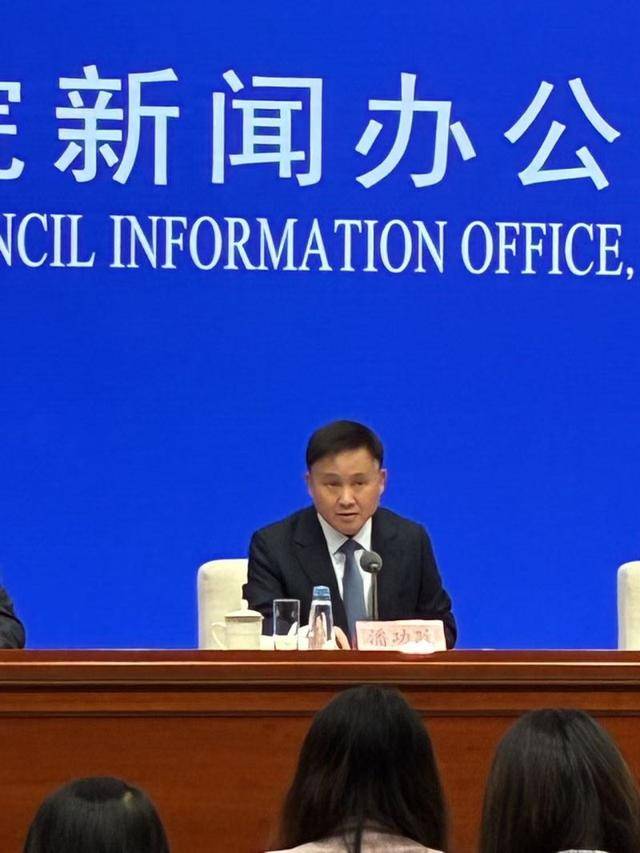
美联储降息对中国货币政策有何影响?潘功胜:坚持以为我主、兼顾内外平衡
Hua Xia Shi Bao· 2025-09-22 10:25
Core Viewpoint - The People's Bank of China (PBOC) emphasizes a balanced approach to monetary policy, focusing on both domestic and international factors while ensuring liquidity remains ample [2] Group 1: Monetary Policy and Economic Support - The PBOC will utilize various monetary policy tools based on macroeconomic conditions and changes in the economic landscape to maintain sufficient liquidity [2] - During the "14th Five-Year Plan" period, the PBOC aims to enhance financial support for the real economy while also prioritizing the prevention of financial risks and maintaining financial stability [2] Group 2: Risk Management and Financial Stability - The PBOC has achieved a significant reduction in local government financing platform risks, with the number of financing platforms decreasing by over 60% and financial debt scale declining by over 50% compared to the beginning of 2023 [2] - The PBOC is committed to maintaining stable financial market operations and has supported the Central Huijin Investment Ltd. in playing a role similar to a "stabilization fund" [2] - Legislative efforts are ongoing to enhance the financial stability framework, including the advancement of laws related to financial stability and the PBOC, as well as the establishment of a financial stability guarantee fund [2] Group 3: Future Outlook - The PBOC's overall assessment indicates that financial risks are manageable, and the financial system is operating robustly, providing strong support for high-quality economic development during the "14th Five-Year Plan" [2] - Discussions regarding the "15th Five-Year Plan" and future financial reforms will be communicated after central government directives [3]

美联储降息对中国货币政策有何影响?潘功胜:坚持以为我主、兼顾内外平衡|快讯
Hua Xia Shi Bao· 2025-09-22 09:57
Core Viewpoint - The People's Bank of China (PBOC) emphasizes a balanced approach to monetary policy, focusing on both domestic and international factors while ensuring liquidity remains ample in response to macroeconomic conditions [2][3]. Group 1: Monetary Policy and Economic Support - The PBOC will utilize various monetary policy tools to maintain sufficient liquidity based on macroeconomic performance and changing circumstances [2]. - During the 14th Five-Year Plan period, the PBOC aims to enhance financial support for the real economy while also prioritizing the prevention of financial risks and maintaining stability [3]. Group 2: Financial Risk Management - The PBOC has successfully reduced the number of financing platforms by over 60% and decreased the scale of financial debt by more than 50% compared to the beginning of 2023, significantly lowering the risk levels associated with local government financing platforms [3]. - The PBOC is committed to maintaining stable financial markets and has supported the Central Huijin Investment Ltd. in acting as a "stabilization fund" to improve the long-term mechanisms supporting the capital market [3]. Group 3: Legislative and Institutional Framework - The PBOC is advancing legislative reforms, including the Financial Stability Law and the People's Bank Law, to enhance the monitoring, assessment, and early warning systems for financial risks [3]. - A financial stability guarantee fund has been established, and the deposit insurance mechanism is operating smoothly to ensure resource security [3]. Group 4: Future Outlook - The PBOC's overall assessment indicates that financial risks are manageable, and the financial system is robust, providing strong support for high-quality economic development during the 14th Five-Year Plan [3]. - Discussions regarding the 15th Five-Year Plan and future financial reforms will be communicated after central government directives [3].
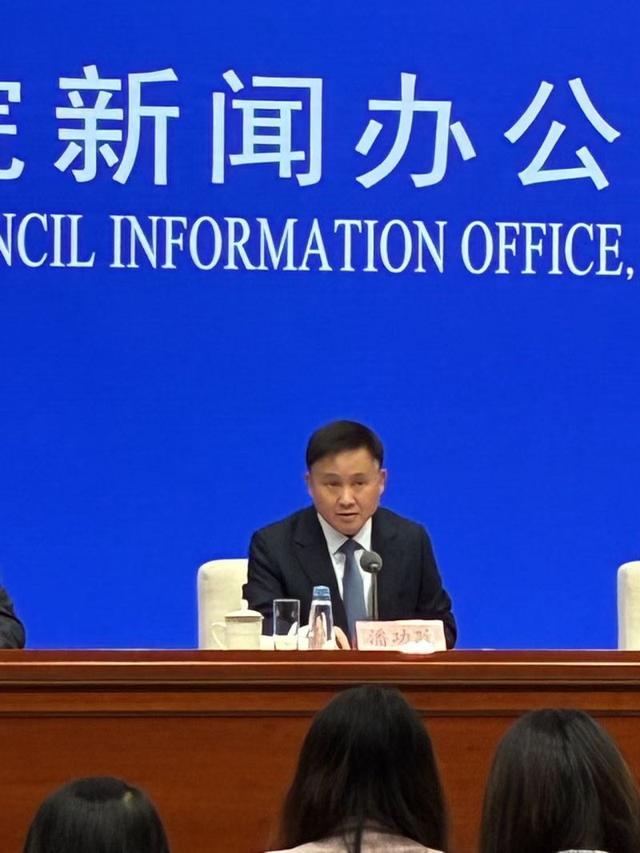
潘功胜、李云泽、吴清、朱鹤新同日发声
财联社· 2025-09-22 09:16
Core Viewpoint - The article discusses the current state and future direction of China's financial system during the 14th Five-Year Plan, emphasizing stability, reform, and the enhancement of international financial influence. Group 1: Financial System Stability - China's financial system is overall stable, with financial institutions remaining healthy and the financial market operating smoothly [3] - As of June, the total assets of China's banking sector reached nearly 470 trillion yuan, ranking first in the world [4] Group 2: Regulatory Developments - The China Securities Regulatory Commission (CSRC) has introduced over 60 supporting regulations, fundamentally restructuring the basic system and regulatory logic [7] - The banking and insurance sectors have provided an additional 170 trillion yuan in funding to the real economy over the past five years [8] Group 3: Market Performance and Investor Confidence - The annualized volatility of the Shanghai Composite Index is 15.9%, a decrease of 2.8 percentage points compared to the 13th Five-Year Plan [9] - The market capitalization of technology companies in A-shares has increased, with their share rising to over 25% [9] - Foreign investment in A-shares has reached 3.4 trillion yuan, indicating an expanding capital market [9] Group 4: Foreign Exchange and Cross-Border Trade - Since the beginning of the 14th Five-Year Plan, China's foreign exchange reserves have remained stable at over 3 trillion USD [12] - By the end of July, foreign institutions and individuals held over 10 trillion yuan in domestic stocks, bonds, and deposits [12] - The use of the renminbi in cross-border trade has increased to nearly 30% [12]

潘功胜:将进一步探索拓展中央银行的宏观审慎和金融稳定功能
Sou Hu Cai Jing· 2025-09-22 09:11
Core Viewpoint - The People's Bank of China (PBOC) emphasizes the importance of maintaining financial stability and preventing systemic financial risks during the "14th Five-Year Plan" period, while also supporting the real economy [1][7]. Group 1: Financial Support and Risk Prevention - The PBOC aims to balance economic growth and risk prevention, recognizing that many economic issues manifest through financial channels and are interconnected with financial risks [3]. - Significant progress has been made in addressing key risk areas, including a reduction of over 60% in the number of financing platforms and a decrease of over 50% in financial debt scale compared to the beginning of 2023 [4]. Group 2: Financial Market Stability - The PBOC has maintained basic stability in the RMB exchange rate and has observed a low bond default rate, indicating a stable bond market [5]. - New monetary policy tools have been created to support capital market stability, including swap facilities and stock repurchase loans [5]. Group 3: Financial Stability Framework - The PBOC is advancing legislation related to financial stability and has established a financial stability guarantee fund to enhance risk monitoring and assessment [6]. - Key experiences include the importance of centralized leadership in financial work, a macro perspective on economic and financial risks, and the need for market-oriented risk resolution [6]. Group 4: Strengthening Financial Regulation - The PBOC is committed to enhancing financial regulation and combating financial corruption, emphasizing early identification and management of financial risks [7].
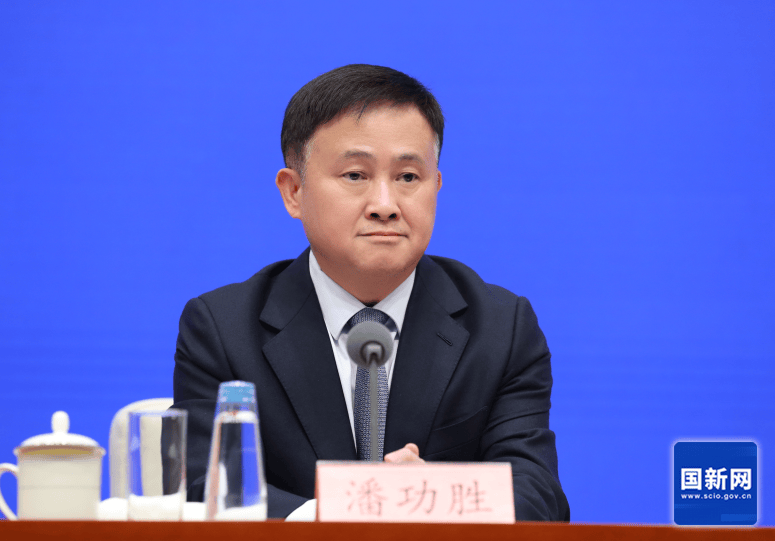
潘功胜:面对多变的外部环境,保持了人民币汇率的基本稳定
Di Yi Cai Jing· 2025-09-22 08:23
"十四五"期间,有力维护金融市场平稳运行。 9月22日,央行行长潘功胜在国新办新闻发布会上表示,"十四五"期间,有力维护金融市场平稳运行。 外汇市场方面,坚持市场在汇率形成中的决定性作用,面对多变的外部环境,保持了人民币汇率的基本 稳定。债券市场方面,债券违约率保持低位,市场运行总体平稳。资本市场方面,探索维护资本市场稳 定的货币政策工具,会同证监会创设互换便利和股票回购增持再贷款两项工具。支持中央汇金公司发挥 类"平准基金"作用,不断健全支持资本市场的长效机制。同时,健全金融稳定保障体系。不断健全金融 风险监测、评估和预警体系。设立金融稳定保障基金,存款保险机制平稳有序运行。 ...
潘功胜:“十四五”期间,实现了币值稳定和金融稳定双目标
第一财经· 2025-09-22 08:17
Core Viewpoint - The People's Bank of China (PBOC) is focusing on establishing a dual-pillar framework for monetary policy and macro-prudential policy during the 14th Five-Year Plan period, aiming to achieve both currency stability and financial stability, while supporting high-quality economic development [1] Group 1 - The PBOC is constructing a scientific and robust monetary policy system, with a modern monetary policy framework that is continuously improving, effectively promoting reasonable growth in total financial volume, steady decline in financing costs, and optimization of credit structure, thereby maintaining currency stability [1] - The PBOC is enhancing the macro-prudential policy framework and the systemic financial risk prevention and disposal mechanism [1] - The PBOC is improving the financial market and financial market infrastructure system, having launched a "Technology Board" in the bond market and essentially established a multi-tiered bond market framework [1] Group 2 - The Chinese market is being orderly connected with global financial markets, with a steady increase in foreign capital participation [1] - The PBOC is building a higher-level open financial new system [1]

潘功胜:“十四五”期间,实现了币值稳定和金融稳定双目标
Di Yi Cai Jing· 2025-09-22 07:47
Core Viewpoint - The People's Bank of China (PBOC) is focused on establishing a dual-pillar regulatory framework for monetary policy and macroprudential policy during the 14th Five-Year Plan, aiming for currency stability and financial stability to support high-quality economic development [1] Group 1: Monetary Policy - A scientific and robust monetary policy system is being constructed, with a modern monetary policy framework that is continuously improving, effectively promoting reasonable growth in total financial volume, steadily decreasing financing costs, and optimizing credit structure to maintain currency stability [1] Group 2: Macroprudential Policy - The macroprudential policy framework and systemic financial risk prevention and disposal mechanisms are being enhanced [1] Group 3: Financial Market Infrastructure - The financial market and its infrastructure are being improved, including the launch of a "Technology Board" in the bond market, which contributes to the establishment of a multi-tiered bond market framework [1] Group 4: Financial Openness - A higher-level open financial system is being constructed, with orderly connections between the Chinese market and global financial markets, and a steady increase in foreign capital participation [1]
债市往后怎么看?
Mei Ri Jing Ji Xin Wen· 2025-09-18 01:47
Group 1: Economic Outlook - The government is expected to issue more bonds next year due to ongoing economic pressures from September to the fourth quarter, with a focus on stabilizing growth [1] - The central bank's monetary policy is predicted to remain loose, but financial stability concerns may limit this, as the weighted net interest margin of commercial banks has dropped to 1.42%, below the ideal level of 1.8% [2][3] Group 2: Policy Outlook - The central bank is likely to restart bond purchases in the second half of the year to provide long-term liquidity, as other monetary policy tools cannot offer sufficient duration [3][4] - The combination of monetary easing and government bond issuance is expected to positively impact the economy around October [4] Group 3: Bond Market Analysis - The current yield levels in the bond market are considered low, with limited room for further declines due to financial stability concerns [3] - The recent increase in redemption fees for public funds may create structural pressure on long-term credit bonds, leading to potential issues with demand in the market [4] Group 4: Investment Tools - The ten-year government bond ETF (511260) is highlighted for its strong allocation value, being unaffected by new redemption fee regulations and offering low fees, transparency, and stable historical returns [5]