
绿色转型

Search documents
四中全会精神在基层|百年鞍钢厚积“绿色家底”汇聚“绿色动能”
Xin Hua She· 2025-11-10 02:28
Core Insights - The article highlights the ecological restoration efforts of Angang Steel Group at the Dagu Mountain Iron Mine, which has transitioned from mining operations to a focus on environmental sustainability and green development [1][3]. Group 1: Ecological Restoration - The Dagu Mountain Iron Mine, operational since 1916, has produced over 300 million tons of iron ore and 800 million tons of waste rock. Following its closure last year, ecological restoration has commenced, aiming to fill the mine over the next 13 years using 440 million tons of tailings [1]. - The restoration project will integrate the mine with surrounding scenic areas, potentially creating a geological park and agricultural land in the future [1]. Group 2: Green Transformation Initiatives - Angang Steel is committed to green transformation as a response to the dual carbon goals, moving away from traditional practices to embrace new green development methods [1][3]. - The company has implemented advanced technologies in its production processes, such as upgrading to 7.6-meter top-charging coke ovens and utilizing smart inspection robots, which have significantly reduced pollutant emissions and improved energy recovery [3]. - A new hydrogen metallurgy pilot production line has been launched, using green hydrogen instead of coke, aiming for near-zero carbon emissions in the iron-making process [3]. Group 3: Sustainable Product Development - Angang Steel has invested over 1 billion yuan in a new silicon steel project, enabling the mass production of low-loss silicon steel for electric vehicle motors, thereby supporting the green transition of various industries [5].


中央财经委员会办公室原副主任尹艳林:多维度锚定“十五五”经济发展新局面
Zhong Guo Zheng Quan Bao· 2025-11-09 23:58
Group 1: Economic Overview - The overall economic operation in China remains stable during the "14th Five-Year Plan" period, with a solid and steady advancement in high-quality development, showcasing strong resilience and vitality in multiple macro indicators [1][2] - The GDP growth for the first three quarters of 2025 is reported at 5.2% year-on-year, laying a strong foundation for achieving the annual target [1] - New economic drivers, particularly in equipment manufacturing and high-tech manufacturing, have shown robust growth, with significant increases in the production of smart products and green equipment [1] Group 2: Policy Impact - Demand-stimulating policies have effectively driven retail sales growth and facilitated large-scale equipment upgrades, creating a virtuous cycle of policy stimulation leading to increased demand, production growth, and subsequent investment [2] - The A-share market has seen a notable increase in trading volume and investor confidence since the introduction of a comprehensive set of measures on September 24 of the previous year [2] Group 3: Recommendations for the "15th Five-Year Plan" - The recommendations emphasize the importance of coordinated fiscal and monetary policies, enhancing the roles of various policies to promote an economy driven by domestic demand and consumption [2][3] - The focus on smart, green, and integrated development in the real economy aims to maintain a reasonable proportion of manufacturing and build a modern industrial system centered on advanced manufacturing [3] - Regional development strategies are highlighted to enhance the quality of development in key areas such as Beijing-Tianjin-Hebei, the Yangtze River Delta, and the Guangdong-Hong Kong-Macau Greater Bay Area [3]
“贫富差距”正在掏空美国经济
Sou Hu Cai Jing· 2025-11-09 22:58
Core Viewpoint - The widening wealth gap in the U.S. could lead to a new recession, as structural issues have made the economy appear robust while underlying consumer spending is weakening [3] Group 1: Economic Conditions - The Federal Reserve officials have warned that the expanding wealth gap may trap the U.S. in a recession [3] - Despite GDP growth and a booming stock market, household credit card debt has reached an all-time high, and the purchasing power of the middle class continues to decline [3] - The rich are becoming wealthier through asset appreciation, while ordinary people are increasingly reliant on debt [3] Group 2: Consumer Spending and Corporate Impact - As consumer spending weakens, corporate profits and employment are also expected to decline, regardless of the Federal Reserve's interest rate adjustments [3] - The structural inequality in the economy poses risks to political and social stability, leading to increased polarization and policy imbalances [3] Group 3: Comparative Analysis with China - In contrast, China's policies focused on common prosperity and expanding the middle-income group are making growth more inclusive [3] - Reforms in digital economy, green transition, and inclusive finance are continuously releasing new vitality, benefiting a larger segment of the population [3] - True prosperity is defined not by rising numbers but by the happiness of the majority [3]
中央财经委员会办公室原副主任尹艳林: 多维度锚定“十五五”经济发展新局面
Zhong Guo Zheng Quan Bao· 2025-11-09 22:57
Group 1 - The conference highlighted the strong resilience and vitality of China's economy during the "14th Five-Year Plan" period, with GDP growth of 5.2% year-on-year in the first three quarters of 2025, laying a solid foundation for achieving annual targets [1] - New economic drivers, particularly in equipment manufacturing and high-tech manufacturing, have shown robust growth, with significant increases in the production of smart products and green equipment [1][2] - Demand stimulation policies have effectively promoted retail sales and large-scale equipment upgrades, creating a virtuous cycle of policy stimulus leading to increased demand, production growth, and subsequent investment [2] Group 2 - The capital market has been positively impacted, with a notable increase in A-share market trading volume and investor confidence since the introduction of a comprehensive set of measures in September of the previous year [2] - Recommendations for the "15th Five-Year Plan" emphasize a focus on economic construction and high-quality development, highlighting the importance of people-centered principles and the spirit of reform and innovation [2] - In terms of macro policies, there is a call for enhanced coordination between fiscal and monetary policies, promoting an economic development model driven by domestic demand and consumption [2][3] Group 3 - The emphasis on the real economy includes a commitment to intelligent, green, and integrated development, aiming to maintain a reasonable proportion of manufacturing and build a modern industrial system centered on advanced manufacturing [3] - Regional development strategies are to be leveraged to enhance the quality of development in key areas such as Beijing-Tianjin-Hebei, the Yangtze River Delta, and the Guangdong-Hong Kong-Macao Greater Bay Area [3] - The green transition is guided by carbon peak and carbon neutrality goals, promoting a collaborative approach to reducing carbon emissions, pollution, and enhancing green growth [3]
多维度锚定“十五五”经济发展新局面
Zhong Guo Zheng Quan Bao· 2025-11-09 20:15
Core Viewpoint - The conference highlighted the resilience and vitality of China's economy during the "14th Five-Year Plan" period, with a focus on high-quality development and various macroeconomic indicators that support this outlook [1][2]. Macroeconomic Indicators - China's GDP grew by 5.2% year-on-year in the first three quarters of 2025, laying a solid foundation for achieving the annual target [2]. - The growth of new economic drivers, particularly in equipment manufacturing and high-tech manufacturing, outpaced overall industrial growth [2]. - Significant increases in the production of smart products and green equipment were noted, alongside a marked growth in the value added by the digital product manufacturing sector [2]. Policy Impact - Demand-stimulating policies have shown effectiveness, with the "Two New" policies driving retail sales growth and facilitating large-scale equipment upgrades, creating a positive cycle of policy stimulus leading to increased demand, production growth, and subsequent investment [2]. - The external trade sector demonstrated strong resilience, achieving record high import and export volumes despite a complex external environment, with diversified markets providing robust support [2]. Capital Market Performance - The A-share market has seen a significant increase in trading volume and investor confidence since the introduction of a comprehensive set of measures on September 24 of the previous year [2]. Recommendations for the "15th Five-Year Plan" - The proposed recommendations emphasize economic construction as the central theme, promoting high-quality development while adhering to the principle of prioritizing people's needs and showcasing a spirit of reform and innovation [2]. Macroeconomic Policy Suggestions - There is a call for enhanced coordination between fiscal and monetary policies, leveraging various policy tools to foster an economy driven by domestic demand and consumption [3]. - The need for proactive macroeconomic policies that are consistent and capable of counter-cyclical adjustments is emphasized [3]. Focus on Real Economy - The emphasis is on maintaining a reasonable proportion of manufacturing while building a modern industrial system centered around advanced manufacturing [3]. - Accelerating self-reliance in technology and enhancing independent innovation capabilities are seen as crucial for seizing technological development opportunities [3]. Regional Development Strategy - The strategy aims to leverage the synergistic effects of various regional development strategies to enhance the high-quality development momentum in key areas such as Beijing-Tianjin-Hebei, the Yangtze River Delta, and the Guangdong-Hong Kong-Macau Greater Bay Area [3]. Domestic Demand Expansion - The approach combines improving livelihoods and promoting consumption with investments in both physical and human capital, aiming to create a virtuous cycle between supply and demand [3]. Green Transition Initiatives - The focus on carbon peak and carbon neutrality aims to synergize efforts in reducing carbon emissions, pollution, and promoting green growth while ensuring ecological safety [3].
从“天山脚下”到“东海之滨” 新疆石河子叩响东西协作大门
Shang Hai Zheng Quan Bao· 2025-11-09 17:28
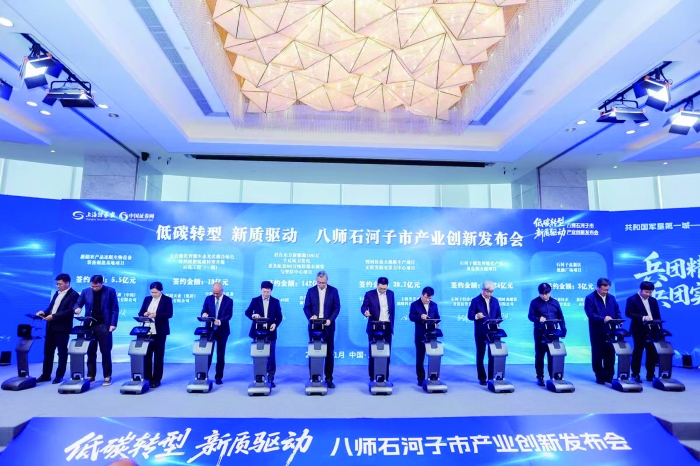
Core Insights - The Xinjiang Shihezi City Industry Innovation Conference held in Shanghai aims to explore new opportunities for collaboration between the eastern and western regions of China, focusing on green transformation and new quality-driven development [1][2]. Group 1: Industry Development - Shihezi has initiated a dual-line green transformation in energy and industry, enhancing traditional industries while fostering emerging sectors and future industries [1][4]. - The city has planned 1,055 key projects with a total investment of 345.3 billion yuan, with an annual planned investment of 41.8 billion yuan [4]. - Shihezi has established a leading green energy system, with photovoltaic installations increasing fourfold over three years to exceed 4.3 gigawatts, accounting for over 10% of total energy generation [2]. Group 2: Investment and Capital - The "Oasis Silk Road Fund," established in September 2023 with an initial scale of 2 billion yuan, aims to support emerging industries through a model combining capital operation, finance, and funds [5][6]. - The fund has set up six sub-funds, including a low-altitude economy fund, with a total scale of 2.65 billion yuan, leveraging 2.05 billion yuan of social capital [5]. Group 3: Strategic Partnerships - The conference attracted over 300 guests and resulted in 18 strategic cooperation agreements with a total value of 26.893 billion yuan, covering areas such as multi-modal transport, energy ecosystem construction, and industrial collaborative innovation [8]. - Shihezi aims to strengthen its chemical new materials industry and modern service sectors, leveraging open cooperation to enhance development momentum [8].
How Britain’s Wind Boom Has Slashed Energy Bills
Yahoo Finance· 2025-11-09 16:00
Core Insights - The U.K. has rapidly developed its wind energy sector, becoming one of the largest producers of wind power globally, with expectations for substantial growth in the coming decades as the government invests in renewable energy and upgrades the national grid [1] Onshore Wind Power - The U.K. currently has approximately 15.7 GW of operational onshore wind power, with an increase of 739 MW expected in 2024 from projects like Viking (443 MW), Kype Muir Extension (67.2 MW), and Broken Cross (43.2 MW) [2] - A total of 77 onshore wind projects submitted for planning permission in 2024, a slight decrease from 83 in 2023 but significantly higher than 44 in 2022 [2] - The U.K. is projected to achieve 26 GW of onshore wind by 2030, which is 3.1 GW below the target set in the Clean Power 2030 Action Plan [3] - The wind industry currently employs around 55,000 people, with expectations to double to approximately 110,000 by the end of the decade [3] Offshore Wind Power - The U.K. has an operational offshore wind capacity of around 14.7 GW, with six projects under construction totaling 6.3 GW, three of which have a generating capacity of 2.5 GW expected to be completed by 2025 [4] - In 2024, there were 14 planning applications for offshore wind projects submitted, totaling a capacity of 15.4 GW, leading to a total offshore wind capacity pipeline of 22.85 GW [4] - The U.K.'s offshore wind capacity is expected to reach 41.5 GW by the end of 2030, including 1.2 GW of floating wind capacity [4] Electricity Generation - Wind energy was the largest source of electricity generation in the U.K. during Q4 2023 and Q1 2024, marking the longest period on record where renewable energy outperformed fossil fuels [5] - In Q1 2024, wind energy generation totaled 25.3 TWh, compared to 23.6 TWh from fossil fuels, contributing an average of 39.4% to total electricity production [5] Economic Impact - Wind power has significantly reduced consumer energy bills, with a study from University College London indicating that between 2010 and 2023, wind-generated energy decreased electricity bills by $18.7 billion and reduced natural gas costs by $175 billion [6] - Factoring in green subsidies of $56.8 billion paid by consumers, the total reduction in U.K. consumer energy bills over 13 years amounts to $137 billion [6]
特朗普十月出两狠招!制裁俄两大石油商还拦碳税,全球格局晃?
Sou Hu Cai Jing· 2025-11-09 12:25
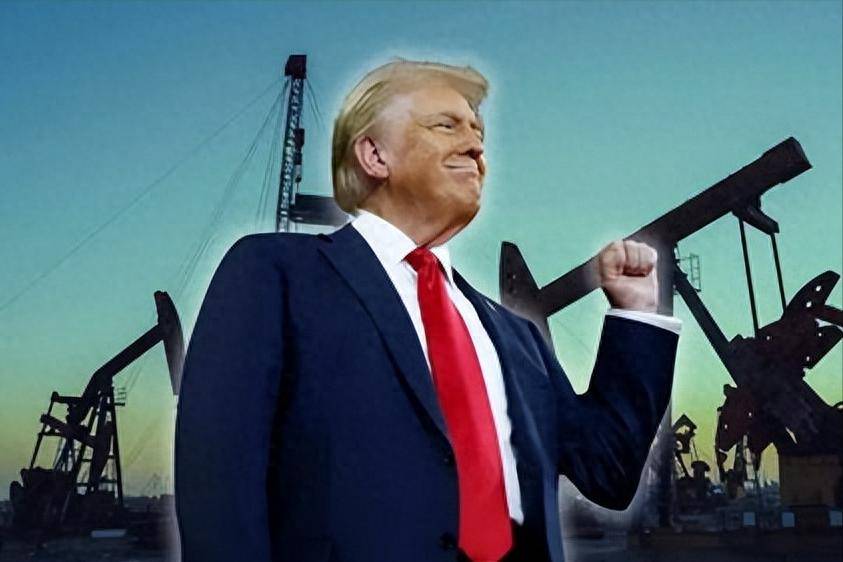
Group 1: Sanctions on Russian Oil - The sanctions imposed by Trump on Russian oil giants Lukoil and Rosneft are significant as they account for nearly half of Russia's oil exports [3][21] - Russia's response indicates that it has become "immune" to Western sanctions, having shifted its export focus to countries like China and India, using local currencies for transactions [6][16] - India's decision to potentially reduce oil purchases from Russia reflects its desire to maintain good trade relations with the U.S., but raises concerns about domestic supply and costs [7][21] Group 2: Impact on Global Shipping and Carbon Tax - Trump's actions at the IMO conference disrupted a carbon tax plan agreed upon by over 60 countries, which aimed to generate $3 trillion for green transformation by 2026 [9][17] - The delay in implementing the carbon tax is expected to reduce green investments by 30% among the top 20 shipping companies, hindering the industry's transition to sustainable practices [12][17] - The EU's intention to implement its own carbon tax in 2026 could lead to conflicts with U.S. policies, complicating transatlantic shipping trade [19][21] Group 3: Broader Implications for International Cooperation - Trump's approach undermines international cooperation, making it more challenging to achieve global consensus on issues like climate change and conflict resolution [19][22] - The sanctions on Russian oil and the halt of the carbon tax could lead to increased oil prices and shipping costs for consumers, ultimately impacting the general public [22]
百年鞍钢厚积“绿色家底”汇聚“绿色动能”
Xin Hua She· 2025-11-09 09:29
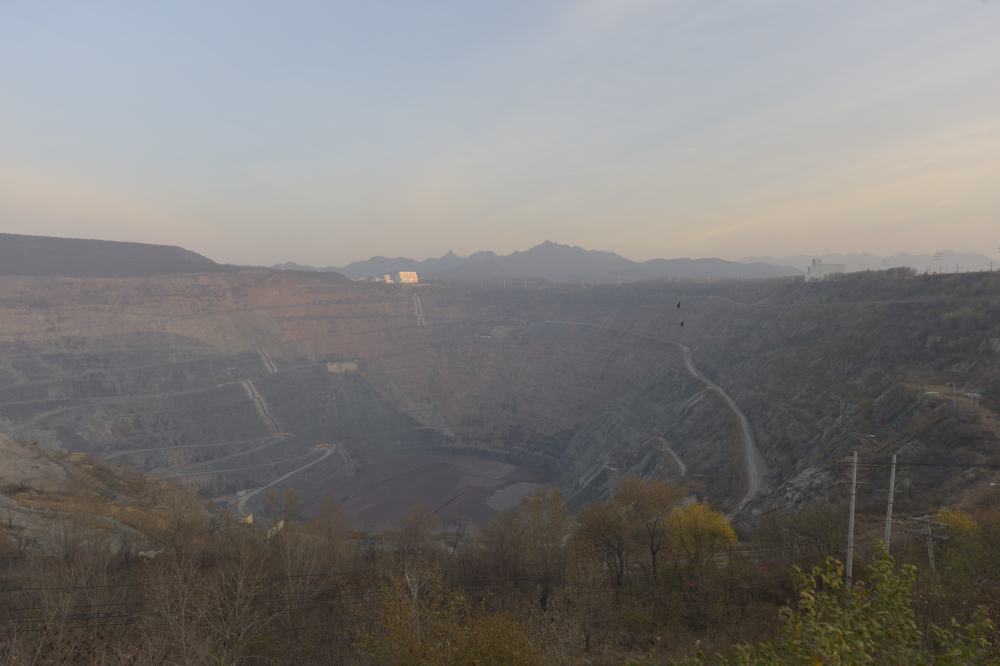
Core Viewpoint - The news highlights the green transformation efforts of Ansteel Group, focusing on ecological restoration and sustainable practices in the steel industry, particularly through the rehabilitation of the Dagu Mountain Iron Mine and the adoption of advanced technologies in production processes [1][2][3][4] Group 1: Ecological Restoration - Ansteel has initiated ecological restoration at the Dagu Mountain Iron Mine, which has a surface area exceeding 10 square kilometers and a depth of 426 meters, using tailings to fill the pit over the next 13 years [1] - The mine has produced over 300 million tons of iron ore and 800 million tons of rock since its opening in 1916, and the restoration will help connect it with nearby scenic areas, potentially creating a geological park and farmland [1] - The restoration process will consume 440 million tons of iron ore tailings, providing a solution for tailings disposal and preventing ecological damage from open-air storage [1] Group 2: Green Transformation Initiatives - Ansteel is committed to green transformation as a key to its future, aligning with national goals for economic and social development [2] - The company has implemented new technologies and processes in production to minimize ecological impacts, emphasizing that green transformation is essential for the steel industry [2] - Ansteel has upgraded its coking facilities, replacing old capacity with advanced technology, including intelligent inspection robots and centralized energy control, leading to reduced emissions and efficient energy recovery [3] Group 3: Innovative Production Techniques - Ansteel has developed a green hydrogen metallurgy pilot production line, replacing traditional carbon reduction processes with green hydrogen, aiming for near-zero carbon emissions in ironmaking [3] - The company has invested over 1 billion yuan in a new silicon steel project, enabling mass production of low-loss silicon steel for electric vehicle motors, supporting the green transition of various industries [4] - The production facilities are powered entirely by green electricity, showcasing Ansteel's commitment to sustainable practices in its operations [4]
2025新能源新材料产业创新会议:分享创新实践,前瞻产业未来
Zhong Guo Hua Gong Bao· 2025-11-09 08:53
Group 1 - The conference focused on innovations in the "dual new" fields, particularly in new energy and new materials, highlighting the importance of technological advancements and green solutions [1] - Metal-organic frameworks (MOF) gained attention following the announcement of the 2025 Nobel Prize in Chemistry, with significant potential applications in energy storage, environmental remediation, industrial catalysis, and biomedicine [1] - The rapid development of artificial intelligence (AI) is transforming material design, exemplified by the creation of an AI design platform for gas separation polyimide materials, which drastically reduces the time needed for performance feedback from days to hours [1] Group 2 - China leads the global flow battery energy storage industry, showcasing advantages in resources, costs, and technology, with potential for optimizing energy structures and maximizing returns through integration with the petrochemical sector [2] - The successful delivery of the first large-scale green hydrogen coupled biomass gasification project in October 2023 is expected to make green methanol cost-competitive with traditional fossil fuels by 2030 [2] - Innovative technologies developed by companies, such as high-efficiency heat transfer systems and carbon emission reduction processes, are contributing to both environmental sustainability and cost savings for petrochemical enterprises [2]