
双碳

Search documents
从“量大”到“质强” 中国啤酒行业如何实现破局?
Jing Ji Ri Bao· 2025-11-18 05:38
Core Insights - The Chinese beer industry has evolved significantly over the past century, transitioning from traditional brewing to industrial production, and has been the world's largest producer and consumer of beer since 2002 [1][2][3] - The industry is now facing a period of stock competition, with a need for innovation and quality improvement to maintain international competitiveness [1][4] Historical Development - The first Chinese brewery was established in Harbin in 1900, followed by others in major cities, leading to the emergence of local brands [2] - The beer industry saw rapid growth post-1949, with significant expansion in production and variety, particularly after the implementation of the "beer special project" in 1985 [2][3] - By 1993, China surpassed Germany in beer production, and by 2002, it became the world's largest beer producer with a total output of 24.03 million tons [2][3] Market Dynamics - The industry has entered a phase of stock competition since 2013, with a decline in traditional beer demand due to demographic shifts and changing consumer preferences towards healthier options [3][4] - The proportion of consumers aged 60 and above has increased, while the main consumer group (ages 20-40) has decreased, leading to a natural decline in beer production [3] Competitive Landscape - The market is highly concentrated, with major brands like China Resources, Tsingtao, and Yanjing holding over 70% of the market share [4] - Companies are shifting focus from expansion to high-quality development, adapting to new consumer trends and demands [4][5] Consumer Trends - There is a noticeable shift in consumer preferences towards high-end, refined, and diversified beer products, prompting companies to innovate in flavors and marketing strategies [5][6][9] - The rise of craft beer reflects a growing consumer desire for unique flavors and experiences, with many new entrants in the market [12][13] Pricing and Revenue - The average selling price of beer has become a key driver for revenue growth, with companies targeting the premium market segment [8] - Major brands have reported significant growth in mid-to-high-end product sales, indicating a successful transition towards premiumization [8] Sustainability and Innovation - The industry is increasingly focusing on sustainability, with initiatives aimed at reducing carbon emissions and improving water efficiency [21][22][23] - Companies are investing in advanced technologies and practices to enhance production efficiency and environmental responsibility [25][26] Supply Chain Challenges - The beer industry faces challenges related to raw material supply, particularly barley and hops, which are heavily imported [30][35][36] - Efforts are being made to improve domestic production and quality of these essential ingredients to ensure supply chain security [35][36] Future Outlook - The industry is expected to continue evolving with a focus on innovation, quality, and sustainability, aiming to enhance its global competitiveness [37][38] - There is a strong emphasis on cultural branding and international market penetration to elevate the global presence of Chinese beer brands [38]



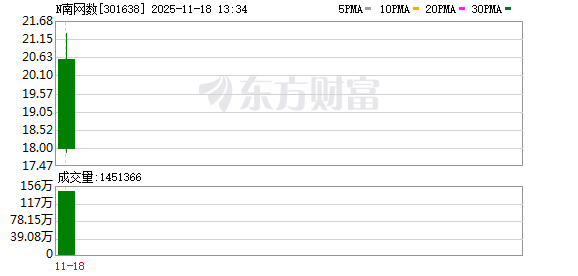
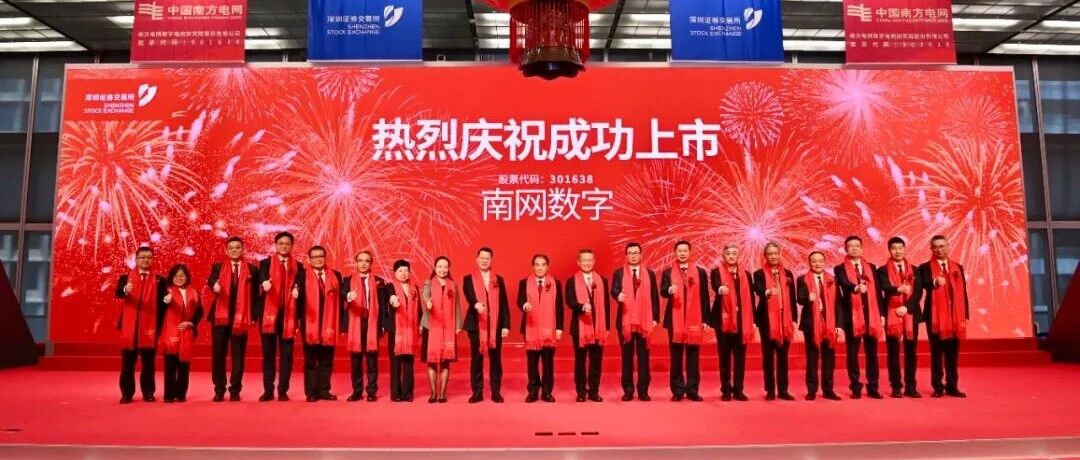
全球首家数字电网研究院成功上市 南网数字:以科产融合推动数字化智能化转型进入发展新阶段
Zheng Quan Shi Bao Wang· 2025-11-18 05:33
Core Viewpoint - The successful listing of Southern Power Grid Digital Research Institute Co., Ltd. marks a significant milestone in Southern Power Grid's integration into the capital market and signifies a new phase in its comprehensive digital and intelligent transformation [2][7]. Group 1: Company Overview - Southern Power Grid Digital Research Institute, established in 2019, is the world's first digital grid research institute and serves as a key player in the digital transformation strategy of Southern Power Grid [4]. - The company aims to enhance the digital grid industry ecosystem, supporting the intelligent, green, and integrated transformation of the energy and power industry [3][4]. Group 2: Strategic Goals - The company is committed to implementing the strategies of Digital China and Energy Power, focusing on high-quality development and becoming a leading listed company in the digital grid sector [3][8]. - It aims to contribute to the construction of a new energy system and a unified electricity market, which are critical for China's green and low-carbon transition [3]. Group 3: Technological Achievements - Southern Power Grid Digital has developed several key technologies, including the first unified IoT operating system in the power industry and a large-scale domestic digital system [5][6]. - The company has established national-level platforms for energy digital grid technology research and has successfully developed various innovative products, including a power-specific main control chip and a multi-physical quantity sensor [5]. Group 4: Market Recognition - The company has been recognized as a model enterprise for scientific reform by the State-owned Assets Supervision and Administration Commission (SASAC) and has received multiple accolades for its contributions to technology and innovation [6]. - Its rapid listing process, completed in just 145 days, reflects the strong support from the capital market for technology-driven enterprises [7]. Group 5: Future Outlook - Following its listing, the company plans to enhance corporate governance, strengthen its core position in technological innovation, and expand into cutting-edge technology fields such as artificial intelligence and quantum sensing [8]. - The company aims to leverage its new status as a publicly listed entity to further its contributions to the construction of a digital China and the achievement of carbon neutrality goals [8].
从“业务布局”到“生态共建”,外资银行深耕中国市场
Zhong Guo Zheng Quan Bao· 2025-11-18 05:27
汇丰中国于今年启动了"碳中和转型加速器"气候公益项目,聚焦于实体经济实现大规模转型的关键—— 产业转型和新经济,通过识别转型过程中共同面临的标准、技术、产业链协同等问题,助力实体经济以 必要的速度脱碳。该项目覆盖能源、钢铁铝、水泥、纺织、汽车等五大重点行业,成为外资银行深度参 与中国"双碳"进程的鲜活注脚。 汇丰中国日前召集近50位钢铁、水泥、汽车、地产、电子、金融及相关行业协会等领域代表,共同解读 在"汇丰气候解决方案伙伴计划"支持下的"中国高排放行业低碳转型支持项目"三年核心成果。 汇丰于2021年在全球范围内启动"气候解决方案伙伴计划"五年旗舰项目,在该计划下,汇丰在中国捐赠 超过1亿元人民币,借助支持研究、能力建设和试点等手段,积极推动和探索创新性的气候解决方案。 同期,花旗中国峰会在深圳、上海举办,法巴中国聚焦中企出海新趋势,勾勒出外资银行从"业务布 局"到"生态共建"的深耕新轨迹。 生态共建 这种转变在三大银行的实践中清晰可见。 这种深度参与的姿态并非个例。花旗全球最大的客户峰会之一——第二十届花旗中国峰会于11月11日至 12日在深圳举行,11月13日至14日在上海举行,引起全球关注。 汇丰中国 ...
伊利欣活奶粉获国内首款低水足迹认证亮相联合国气候大会
Cai Jing Wang· 2025-11-18 04:34
Core Insights - The article highlights the launch of China's first "low water footprint" certified milk powder, Yili Xinhui, at the 30th United Nations Climate Change Conference (COP30) in Brazil [1] Group 1: Company Initiatives - Yili Group's Vice President Xu Ke delivered a speech on the company's commitment to "carbon + water" dual footprint management and its active participation in global climate governance [1] - The Yili Xinhui brand conducted a comprehensive lifecycle assessment of water resource consumption across various stages, including raw material planting, processing, and transportation, resulting in a water footprint report [1] - Yili Xinhui milk powder is the first in the dairy industry to receive a "water footprint" certificate from Bureau Veritas [1]


全球首家数字电网研究院上市!
中国能源报· 2025-11-18 04:07
Core Viewpoint - The successful listing of Southern Power Grid Digital Research Institute Co., Ltd. marks a significant step in Southern Power Grid's integration into the capital market and signifies a new phase in its digital and intelligent transformation [2][10]. Group 1: Strategic Development - Southern Power Grid aims to implement the strategies of Digital China and Energy Power Nation, focusing on enhancing the digital grid industry ecosystem to support the intelligent, green, and integrated transformation of the energy and power sector [4]. - The company emphasizes its role in the Greater Bay Area, aligning with local government efforts to achieve carbon neutrality goals [4]. Group 2: Technological Innovation - Since the 14th Five-Year Plan, Southern Power Grid Digital has leveraged its role as a central enterprise to drive technological innovation and industry leadership, creating a comprehensive product system across various business areas [5]. - The company has developed key technologies and platforms, including the first unified IoT operating system in the power industry and a domestic large-scale fully integrated digital system [7]. Group 3: Standardization and Intellectual Property - Southern Power Grid Digital has actively participated in the formulation of international and national standards, contributing to 11 international standards and 33 national standards [8]. - The company has undertaken significant national technology projects, supporting the development of new network applications and digital grid technology [8]. Group 4: Capital Market Engagement - The company submitted its listing application to the Shenzhen Stock Exchange on June 26, 2025, and achieved a rapid listing in just 145 days, showcasing its preparedness and compliance [10]. - The successful listing reflects the capital market's recognition of the digital grid's growth potential and establishes a high-quality platform for future development [10]. Group 5: Future Outlook - Following its listing, Southern Power Grid Digital plans to enhance corporate governance, strengthen its core position in technological innovation, and expand into cutting-edge technology fields [11]. - The company aims to contribute significantly to the construction of a "Digital China" and the achievement of carbon neutrality goals [11].
新能源板块分化中显韧性
Zhong Guo Hua Gong Bao· 2025-11-18 02:36
Core Insights - The A-share market's third-quarter reports for 2025 highlight the resilience of the renewable energy sector, particularly in photovoltaic and energy storage segments [1] Group 1: Energy Storage Sector - The energy storage sector is experiencing significant growth, becoming a key driver for the lithium battery industry recovery. Major lithium battery companies reported substantial net profit increases in Q3, with Ganfeng Lithium up 364.02%, Yahua Group up 278.06%, and Salt Lake Industry up 113.97% [2] - The average price of battery-grade lithium carbonate reached 82,100 yuan/ton, a more than 36% increase since late June, indicating a notable price recovery trend [2] - The total inventory of the domestic lithium carbonate industry dropped to 130,366 tons as of October 30, the lowest in nearly three years, reflecting a continuous destocking trend since August [2] Group 2: Photovoltaic Industry - The photovoltaic industry is showing signs of structural recovery, with 14 out of 21 listed companies in the main photovoltaic chain reporting positive net profit growth in Q3. Key players like GCL-Poly and Daqo New Energy have successfully turned losses into profits [4] - The price of monocrystalline silicon wafers increased by 40% from the beginning of the quarter, with the average price of polysilicon rising by 8.6% to 49,750 yuan/ton [4] - Industry self-discipline is crucial for maintaining supply-demand balance, with experts emphasizing the need for major companies to adhere to production limits to support recovery [4] Group 3: Policy and Investment Outlook - The continuous development of the renewable energy sector is supported by national policies such as the "dual carbon" initiative, with strong investment momentum in the domestic energy storage market [5] - The high growth rate of lithium battery demand is expected to positively impact the electric vehicle sector, with projections indicating that new energy vehicle sales may exceed 16 million units this year [5] - Institutional investors, including social security funds, have begun to recognize the turning point in the industry, with 11 renewable energy concept stocks receiving significant holdings [6]
英大证券晨会纪要-20251118
British Securities· 2025-11-18 02:06
Market Overview - The A-share market is currently experiencing a tug-of-war around the 4000-point mark, influenced by both external and internal factors. External pressures include the Federal Reserve's stance against recent interest rate cuts and geopolitical tensions affecting market risk appetite. Internally, the loss and regain of the 4000-point level has impacted market confidence, leading to structural differentiation within the market [1][9][10] Investment Strategy - The report suggests a cautious approach with strategies such as balanced allocation and high-low trading. Key investment themes include undervalued "elephant stocks" with high safety margins, defensive consumer stocks like pharmaceuticals, and cyclical sectors that may benefit from policy catalysts, such as solar energy, batteries, and petrochemicals. Additionally, technology stocks with solid performance support are highlighted as structural opportunities [2][10] Sector Performance - On the performance front, energy metals and lithium battery stocks have shown significant activity, driven by favorable policy expectations and the ongoing global push for carbon neutrality. The report emphasizes the importance of core technology reserves in leading companies within the new energy sector [6][10] AI Sector Insights - The AI application sector has seen substantial gains, with stocks related to AI concepts like Sora and ChatGPT performing well. The report indicates that the AI industry is entering a new phase of investment opportunities, particularly as AI applications become more prevalent and impactful on performance metrics [7][8][10]
研判2025!中国电解锰废渣处理行业政策汇总、发展现状及未来趋势分析:电解锰废渣产量庞大,倒逼行业技术创新升级[图]
Chan Ye Xin Xi Wang· 2025-11-18 01:20
Core Viewpoint - The electrolytic manganese waste residue treatment industry is experiencing growth driven by increasing demand for electrolytic manganese, supportive government policies, and technological advancements. The market size is projected to reach 4.339 billion yuan in 2024, reflecting a year-on-year increase of 2.6% [1][6]. Industry Overview - Electrolytic manganese waste residue is a byproduct of electrolytic manganese production, containing harmful substances that pose environmental and health risks if not treated properly. Treatment methods include safe storage, harmless treatment, and resource utilization, which can be further categorized into four technical approaches: safe storage technology, dry processing technology, pyrometallurgical technology, and hydrometallurgical technology [3][4]. Market Size and Growth - The electrolytic manganese waste residue treatment market in China is expected to reach 4.339 billion yuan in 2024, with a year-on-year growth of 2.6% [1][6]. The production of electrolytic manganese waste residue is projected to reach 12.195 million tons in 2024, marking a 19.4% increase compared to the previous year [5][6]. Industry Development Trends 1. **Technological Advancements**: Continuous improvement in treatment technologies is essential due to tightening environmental regulations and increasing quality demands from downstream industries [9]. 2. **Accelerated Industry Consolidation**: Increased competition is leading to consolidation within the industry, with stronger companies likely to acquire weaker ones, enhancing market concentration [10][11]. 3. **Resource Utilization**: The waste residue contains valuable mineral elements, and its resource utilization can yield significant economic and environmental benefits. Potential applications include production of autoclaved bricks, fertilizers, road materials, and cement [12]. Competitive Landscape - The industry is becoming increasingly competitive, with numerous companies entering the market. Key players include Beijing Wanbangda Environmental Technology Co., Ltd., China Electric Environmental Protection Co., Ltd., and Tianjin Chuangye Environmental Protection Group Co., Ltd. [6][8].


【高质量发展产业调研】啤酒业破局
Jing Ji Ri Bao· 2025-11-18 01:03
啤酒,一种由麦芽、水、啤酒花和酵母通过特定酿造工艺制成的酒精饮品。中国啤酒产业发展至今 已逾百年,经历了从传统酿造到工业化生产的重大转变。自2002年以来,我国连续位居世界啤酒生产国 和消费国榜首。到2013年,我国啤酒产量为5062万吨,达到历史最大生产规模。 "推动中国制造向中国创造转变、中国速度向中国质量转变、中国产品向中国品牌转变",习近平总 书记提出的"三个转变",为推动我国产业结构转型升级、打造中国品牌指明了方向,同样对推动啤酒产 业高质量发展具有重要的指导意义,促使啤酒企业注重技术创新、质量提升和品牌建设。 在存量竞争态势愈发突出、消费需求日益分化多元的当下,啤酒行业如何创新求变,在"量大"的基 础上进一步实现"质强",打造国际影响力?记者进行了深入调研。 存量竞争 走进哈尔滨啤酒博物馆,一眼百年。乘"时光列车"重回百年老街,不知不觉被牵入历史深处。1900 年,一名俄国商人瞅准中东铁路开工的商机,在当时的国际性商埠哈尔滨开设了中国第一家啤酒厂乌卢 布列夫斯基啤酒厂,这是哈尔滨啤酒集团有限公司的前身。3年后,英德商人在青岛建立啤酒厂;外国 资本也陆续在北京、上海、广州等地建厂,催生五星、五羊等早 ...
政策东风催化光伏行业拐点,如何把握“三重底”投资窗口?
2 1 Shi Ji Jing Ji Bao Dao· 2025-11-18 00:35
Core Insights - The photovoltaic industry is expected to reach a cyclical turning point in the second half of 2025 after over two years of deep adjustments, driven by national policies aimed at curbing "involution" competition and promoting orderly development [1][2][3] - The industry is showing signs of reversing its previous difficulties, with prices along the supply chain rebounding, improved profitability for companies, and a strong recovery in secondary market indices [1][5] - The current phase presents a rare historical investment opportunity characterized by a triple bottom in profitability, holdings, and valuation within the photovoltaic sector [1][4] Industry Overview - Since 2020, the domestic photovoltaic industry has rapidly expanded, establishing a leading global position, with cumulative installed capacity exceeding 400 GW by the end of 2023, accounting for over one-third of the global market share [2] - The industry faced severe challenges, including overcapacity leading to price drops and international trade barriers, resulting in a significant price war that compressed overall industry profits [2][3] Policy Developments - The Chinese government has actively intervened since last year to address the chaotic competition in the photovoltaic sector, with multiple policy signals aimed at promoting orderly development and preventing "involution" [2][3] - Key policy measures include the establishment of a fund of approximately 70 billion yuan to acquire outdated polysilicon capacity, which is expected to help the industry return to a reasonable capacity range [3] Market Performance - The photovoltaic sector has begun to recover, with significant price rebounds observed in polysilicon and photovoltaic components, indicating a positive trend in profitability [3][5] - As of November 17, 2025, the China Photovoltaic Industry Index has increased by 36.94% year-to-date, outperforming the Shanghai Composite Index by 17.88% [5] Financial Metrics - In 2024, the photovoltaic industry's overall revenue fell to 12,473.23 billion yuan, with a net profit loss of 20.59 billion yuan, reflecting a year-on-year decline of 13.83% and 20.59% respectively [5][6] - By the third quarter of 2025, the photovoltaic sector's revenue grew by 8% year-on-year, with net profit increasing by 1495%, indicating a significant recovery [6] Investment Opportunities - The current market conditions present a unique opportunity for investment, with the photovoltaic sector at a cyclical low in profitability, institutional holdings, and valuation [6] - The launch of the Huaxia Photovoltaic ETF (515370) on November 18 provides investors with a convenient tool to gain exposure to leading companies across the entire photovoltaic supply chain [1][7]




