
具身智能机器人

Search documents
汉威科技:“MEMS 传感器封测产线建设”主要用于MEMS传感器的封测,包含MEMS气体传感器等产品
Mei Ri Jing Ji Xin Wen· 2026-01-11 07:47
Core Viewpoint - The company has confirmed that its MEMS sensor packaging and testing production line has reached the intended operational status, and the products from this project can be utilized in various applications, including potentially providing "electronic noses" for embodied intelligent robots [1]. Group 1 - The fundraising project for the MEMS sensor packaging and testing line includes various products such as MEMS gas sensors and MEMS pressure sensors [1]. - The products from the MEMS sensor production line are applicable in multiple downstream sectors [1].

智驾行业杀入“曼哈顿时刻”
Xin Lang Cai Jing· 2026-01-10 01:29
Core Insights - The autonomous driving industry is approaching a state of transparency, with multiple automakers and tech companies targeting the sub-100,000 yuan market for advanced driving features [1][4][9] - The competition has intensified, with companies like BYD, Chery, and Geely launching models equipped with high-level autonomous driving capabilities at lower price points [5][6][7] - The industry is witnessing a convergence of algorithmic approaches, with discussions around VLA and world model architectures, as companies aim to enhance the usability of autonomous driving features [3][20][21] Group 1 - The introduction of advanced driving features in vehicles priced below 100,000 yuan has become a key focus for both automakers and autonomous driving technology providers [1][2][4] - Companies like Horizon Robotics and Huawei are planning to expand their advanced driving capabilities into lower price segments, aiming to break the perceived barriers of high costs associated with such technologies [8][11] - The competition is not only about vehicle pricing but also about the technological advancements in algorithms and hardware, with a significant push towards reducing costs in chips and sensors [10][11][13] Group 2 - The industry is transitioning from a phase of diverse approaches to a more consolidated focus on effective algorithmic solutions, with VLA and world model architectures being at the forefront of discussions [3][20][21] - The recent approval of L3-level conditional autonomous driving vehicles by the Ministry of Industry and Information Technology marks a significant milestone, indicating a potential "breakthrough year" for L3 technology [4][28] - Companies are also exploring the integration of autonomous driving technologies into broader applications, such as logistics and robotics, indicating a shift towards a more comprehensive ecosystem [30][33] Group 3 - The competitive landscape is evolving into a "red ocean" as more players enter the sub-100,000 yuan market, necessitating a focus on efficiency and differentiation [9][13] - The advancements in chip technology and the reduction in costs for essential components like lidar are enabling more companies to offer competitive autonomous driving solutions [10][11] - The push towards L3 and L4 capabilities is becoming a race among automakers and tech firms, with significant investments and developments expected in the coming years [29][30]



星动纪元携人形机器人产品矩阵亮相CES
Zhong Zheng Wang· 2026-01-09 13:27
Core Viewpoint - The company showcased its humanoid robot product matrix at CES 2026, emphasizing its technological breakthroughs and commercial exploration results in the field of humanoid robotics [1] Group 1: Product Features - The humanoid robots, including models L7, Q5, XHAND1, and XHAND1 Lite, are developed based on a "soft and hard integrated full-stack self-research" technology [1] - The "body" dimension of the robots has three core performance advantages: stable power output suitable for high-intensity tasks, precise dexterous operation for fine tasks, and reliable motion stability for adaptability in complex environments [1] - The "brain" dimension features three core intelligent capabilities: high learning efficiency with minimal data for skill acquisition, strong generalization to adapt to various task scenarios, and robust performance to enhance practical skill application [1] Group 2: Market Presence - As of now, the company's overseas business accounts for 50% of its operations, covering key markets in North America, Europe, the Middle East, Japan, and South Korea [1]

广汽集团发布:2025年连续3个季度销量环比正增长
2 1 Shi Ji Jing Ji Bao Dao· 2026-01-09 04:51
Core Viewpoint - GAC Group is experiencing significant growth in sales and is actively transforming its operations and product offerings to adapt to the evolving automotive industry landscape [1][3][4]. Sales Performance - In December 2025, GAC Group's vehicle sales exceeded 187,400 units, representing a month-on-month increase of 4.3%. The total vehicle sales for the year reached 1.7215 million units, with terminal sales at 1.8135 million units [1]. - The total sales for the fourth quarter surpassed 537,800 units, marking a 25.56% increase compared to the third quarter, achieving positive growth for three consecutive quarters [1]. - GAC's overseas sales for its self-owned brands approached 130,000 units, reflecting a year-on-year growth of 47% [1]. Brand Performance - GAC Aion's December sales reached 42,000 units, with a month-on-month growth of 10%. GAC Trumpchi's annual sales of new energy vehicles surpassed 150,000 units [3]. - GAC Toyota's annual sales reached 756,000 units, a year-on-year increase of 2.4%. GAC Honda's December sales exceeded 50,000 units, with a month-on-month growth of 23.3% [3]. Organizational Transformation - GAC Group is implementing the "Panyu Action" integrated reform to enhance organizational efficiency and break traditional operational boundaries [4]. - The company has shifted to a user demand management approach, transforming its organizational structure to be more process-oriented and project-based [4]. - GAC has reduced the new vehicle development cycle to 18-21 months and lowered R&D costs by over 10%, improving overall business efficiency by approximately 50% [4]. Technological Advancements - GAC is focusing on core technologies and advanced applications, achieving breakthroughs in the fields of electrification and intelligent driving [8][10]. - The "Star Source Range Extender" technology was launched in 2025, achieving an oil-electric conversion rate of 3.73 kWh/L, and has been recognized as one of the world's top ten range extender systems [10]. - GAC's ADiGO GSD intelligent driving assistance system now covers 99.9% of road scenarios, and the new ADiGO intelligent cockpit has improved interaction response speed by three times [10]. International Expansion - GAC Group's "One GAC 2.0" strategy aims to accelerate global market, product, and capacity expansion, with plans to introduce five new models to overseas markets in 2025 [21][23]. - The company has established operations in 86 countries and regions, with over 630 outlets and five KD factories in Nigeria, Thailand, Malaysia, Indonesia, and Cambodia [25]. Ecosystem Development - GAC is actively building an industrial ecosystem and expanding strategic partnerships, including collaborations with Huawei and JD.com [27]. - The company has established the largest V2G microgrid in the country and has over 23,000 self-operated charging piles, enhancing its energy service capabilities [25][27].

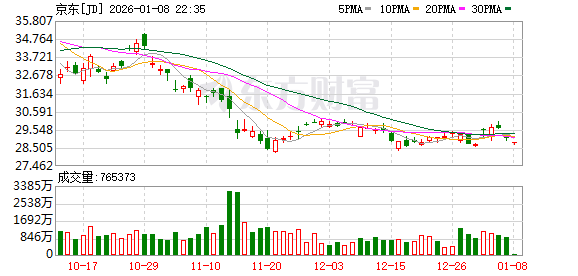
自研AI玩具卖断货 变色龙“业务部浮出水面 京东AI商业化”奇兵突袭“?
Mei Ri Jing Ji Xin Wen· 2026-01-08 14:35
Core Insights - JD's self-developed AI plush toys sold out upon launch, with multiple restocks planned, indicating strong market demand for AI products [1][3] - The newly established "Chameleon Business Unit" will focus on commercializing key AI products, including JoyAI App, JoyInside, and digital humans [2] - The AI toy market is experiencing significant growth, with third-party brands also seeing high sales, averaging around 300 yuan per unit [1] Group 1: AI Product Development - JD has upgraded its AI model brand to JoyAI, with the JoyAI App designed to leverage multi-modal large model technology and a complete supply chain ecosystem [4] - JoyInside, JD's intelligent brand, has partnered with over 40 leading robot and AI toy brands to integrate systems into their products [4] - JD's self-branded products, including AI plush toys, clocks, and lamps, are part of its strategy to capture a wide audience, with a second batch of AI toys set to launch in mid-January [4] Group 2: Market Trends and Projections - The global AI edge market is expected to grow significantly from 321.9 billion yuan to 1.22 trillion yuan between 2025 and 2029, with a compound annual growth rate of 40% [5] - The competition in AI hardware is intensifying, with products like the "Doubao phone" generating considerable interest in the market [5] - JD's investment in intelligent robotics, with over 10 billion yuan allocated to support 100 brands achieving over 1 billion yuan in sales, highlights the company's commitment to this sector [6] Group 3: Strategic Focus and Future Outlook - The focus of AI competition is shifting from technology development to practical applications, emphasizing value creation and sustainable returns [6] - The next phase of competition among major internet companies will center on securing market share for new super app entry points and AI product purchasing channels [6] - The emergence of various AI edge products and large model technology indicates a significant shift in the industry landscape, with the first successful AI product being crucial for market positioning [6]

FF宣布FX Super One三阶段交付发布机器人战略 预计三年内现金流为正
Feng Huang Wang· 2026-01-08 03:39
Core Insights - Faraday Future (FF) has outlined its 2026 plan and introduced the FX Super One's key milestones during its shareholder day event in Las Vegas, marking a new growth trajectory for the next decade with a dual focus on EAI vehicles and robots [1] Group 1: Five-Year Business Plan - The company aims to produce and sell 400,000 to 500,000 vehicles over the next five years, primarily from the FX Super One and FX4 models, targeting markets in the U.S., Middle East, and other high-value regions [1][4] - The peak annual sales target for the FX Super One is set at 55,000 units, with the U.S. final launch scheduled for Q2 of this year [1][2] Group 2: FX Super One Delivery Plan - The delivery of FX Super One in the U.S. will occur in three phases, starting with a limited release of 50 units in Q2, followed by 200 units in Q3, and a full-scale launch in Q4 or Q1 of the following year [2][3] - The company expects to achieve positive gross profit contributions during these phases, with production ramping up significantly in subsequent years [2] Group 3: Financial Goals - FF targets to achieve positive operating cash flow within three years and aims for a gross margin exceeding 20% [1][4] Group 4: EAI Robotics Strategy - The company has officially launched its embodied AI robotics strategy, aiming to become the first U.S. company to deliver humanoid robot products and a leading player in the AI robotics sector [5] - A private showcase of the first FF embodied AI robot products was held, with a public launch planned during the NADA convention on February 4 [5] Group 5: Leadership Vision - The founder and co-CEO expressed optimism for 2026, emphasizing the commitment to ensure the successful mass production and delivery of the FX Super One, marking a new era of parallel development for EAI smart vehicles and robots [6]

安培龙拟募资不超 5.44 亿元 加码传感器业务布局
Ju Chao Zi Xun· 2026-01-08 03:02
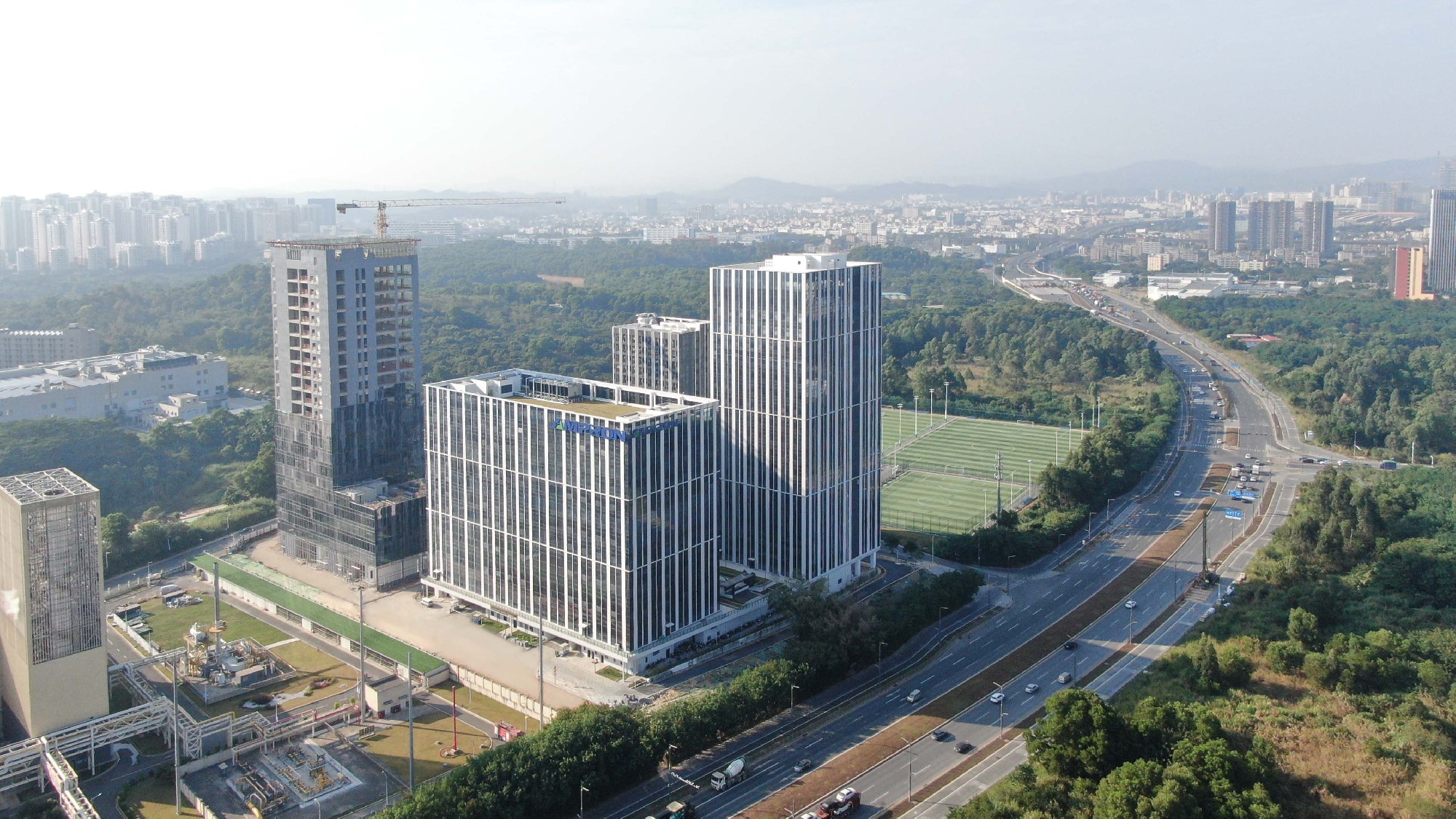
Core Viewpoint - The company Ampelon plans to raise up to 544.4 million yuan through a private placement of shares to expand sensor production capacity, upgrade technology, and supplement working capital, aiming to strengthen its market competitiveness and seize industry opportunities [2][4]. Fundraising and Project Allocation - The total amount to be raised is capped at 544.4 million yuan, which will be allocated to five major projects after deducting related issuance costs [2][3]. - The pressure sensor expansion project will receive 268.6 million yuan, increasing production capacity by 28 million units, covering various types including ceramic capacitive, MEMS, and glass micro-melting sensors [2][3]. - The ceramic capacitive pressure sensor production line upgrade project will be allocated 69 million yuan to enhance automation and product precision [2][3]. - The force sensor production line construction project will receive 60.4 million yuan, adding an annual production capacity of 500,000 force sensors [2][3]. - The MEMS sensor chip R&D and industrialization project will be funded with 56.4 million yuan to develop multiple chip technologies [2][3]. - An additional 90 million yuan will be used to supplement working capital, alleviating operational funding pressure from business expansion [2][3]. Industry Context and Strategic Importance - The issuance aligns with industry trends, benefiting from national policy support, expansion of downstream applications, and promotion of domestic alternatives, leading to continuous market growth in the sensor industry [4]. - The rapid development of the embodied intelligent robotics industry presents significant opportunities for force sensors [4]. - The company aims to leverage its technological accumulation, quality control systems, and strong customer resources to enhance profitability and core competitiveness in key sectors such as automotive electronics and industrial automation [4]. - Post-issuance, the company's main business scope will remain unchanged, and there will be no change in control or impact on the distribution of shares among existing shareholders [4].
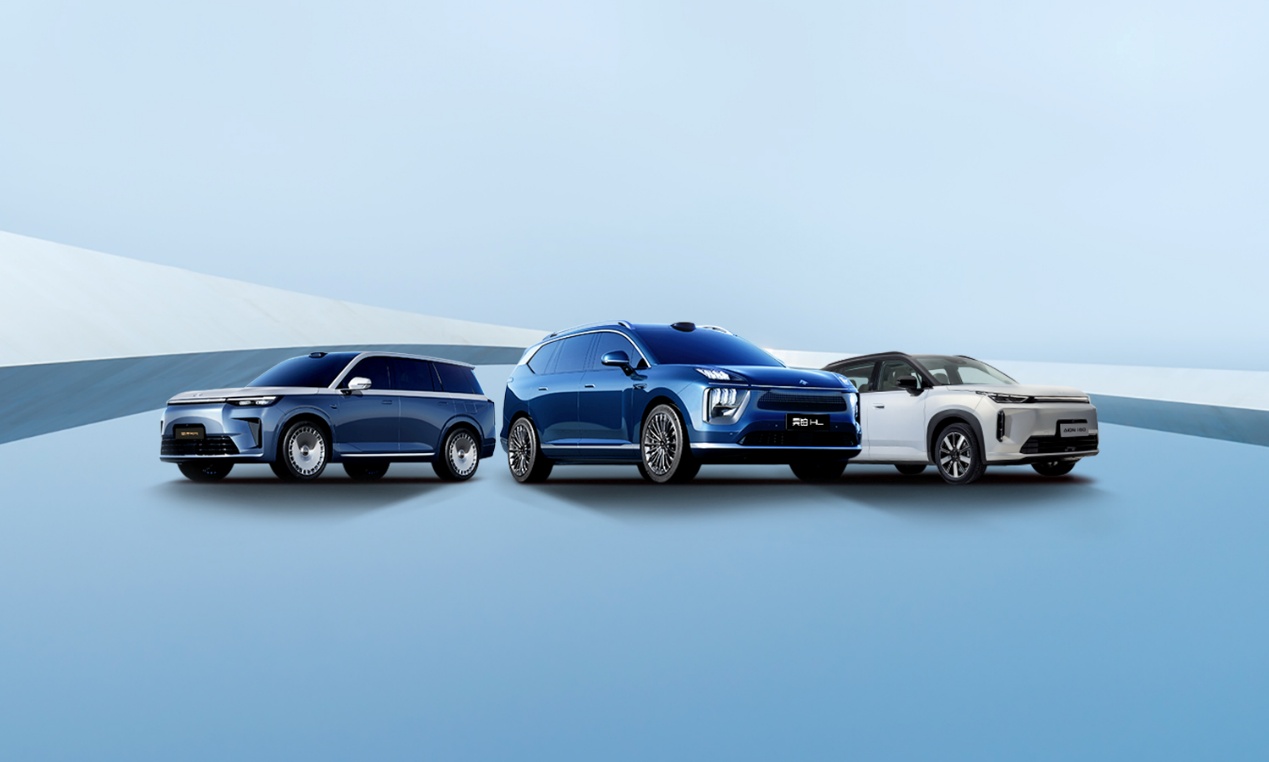
广汽集团2025年销量连续3个季度环比正增长,番禺行动逐步落地显效
Jin Rong Jie· 2026-01-07 12:17
Core Insights - GAC Group reported a total vehicle sales of 1.7215 million units in 2025, with December sales exceeding 187,400 units, marking a month-on-month increase of 4.3% [1] - The company achieved a significant year-on-year growth of 47% in overseas sales, totaling nearly 130,000 units [1] - GAC's transformation efforts, particularly the "Panyu Action" reform, are aimed at enhancing organizational efficiency and driving innovation [2] Sales Performance - In Q4 2025, GAC's total sales surpassed 537,800 units, reflecting a 25.56% increase compared to Q3 [1] - GAC Aion's December sales reached 42,000 units, a month-on-month increase of 10% [1] - GAC Toyota's annual sales reached 756,000 units, with a year-on-year growth of 2.4% [1] Organizational Reform - GAC is implementing the "Panyu Action" reform to enhance organizational efficiency, focusing on user demand management and transitioning to a process-oriented structure [2] - The company has reduced new car development cycles to 18-21 months and lowered R&D costs by over 10% [2] - GAC initiated a brand unit reform in December 2025, aiming to establish over 1,000 sales outlets by Q1 2026 [2] Talent Development - GAC has restructured its talent management approach, promoting an open and diverse talent development ecosystem [3] - The company appointed a new management team in November 2025, including a new chairman [3] - GAC is implementing project-based and profit-sharing incentive mechanisms to motivate employees [3] Technological Advancements - GAC has made significant strides in core technologies, particularly in the fields of electrification and automation [4] - The "Xingyuan Range Extender" technology was launched in 2025, achieving an oil-electric conversion rate of 3.73 kWh/L [4] - GAC's ADiGO GSD intelligent driving assistance system now covers 99.9% of road scenarios [4] Product Strategy - GAC is focusing on product innovation and experience enhancement, with the Aion HL range extender model addressing traditional range extender issues [6] - The Aion i60 model has achieved sales of 20,123 units, emphasizing its competitive pricing and intelligent driving features [6] - GAC's joint ventures with Toyota and Honda have shown positive results, with significant sales figures reported for key models [7] International Expansion - GAC's "ONE GAC 2.0" strategy aims to accelerate global market penetration, introducing five new models to overseas markets in 2025 [8] - The company has expanded its presence to 86 countries and regions, establishing over 630 sales outlets [8] - GAC's overseas sales growth of 47% highlights its successful internationalization efforts [8] Ecosystem Collaboration - GAC is actively building an industrial ecosystem, enhancing strategic partnerships and collaborative advantages [9] - The company has established the largest V2G microgrid in China and has over 23,000 self-operated charging piles [9] - GAC's partnerships with companies like Huawei and Alibaba aim to enhance smart vehicle offerings and infrastructure [10]
蔚来100万台量产车下线 李斌:目标是2026年全年盈利
新华网财经· 2026-01-07 09:05
Core Viewpoint - NIO has reached a significant milestone with the production of its one millionth vehicle, marking the beginning of its third development phase focused on high-quality growth [2][5]. Group 1: Production and Growth Targets - NIO aims for annual sales growth of 40%-50% in the coming years, with a target to achieve the next one million vehicles in approximately 17-18 months [3][4]. - The company took 11 years to produce its first million vehicles, with the last 500,000 produced in just 17 months [4]. - By 2035, if the company maintains a 40% annual growth rate, it could reach sales of 5 million vehicles [5]. Group 2: Financial Performance and Profitability - NIO expressed confidence in achieving profitability in Q4 2025, despite a reported loss of 2.7 billion RMB in Q3 2025 [9][10]. - The company plans to maintain a focus on R&D and infrastructure investments while pursuing profitability, with a goal of being slightly profitable in 2026 [10]. - NIO's average selling price is expected to rise in the second half of 2025, driven by higher margins from new models and effective cost control [10]. Group 3: Technological and Strategic Developments - NIO has invested over 65 billion RMB in R&D, emphasizing technological innovation and a commitment to pure electric vehicle technology [7]. - The company plans to switch to a third-generation technology platform and introduce new models such as ES9 and L80, focusing on mid-to-high-end vehicles [11]. - NIO will expand its battery swap station network, aiming to add at least 1,000 new stations by 2026 and over 10,000 by 2030 [10]. Group 4: Market Position and Future Outlook - NIO's sales currently account for only 1% of the Chinese automotive market, indicating significant room for growth [7]. - The company anticipates that by 2030, the penetration rate of new energy vehicles in China will exceed 90%, with pure electric vehicles making up at least 80% [7]. - NIO plans to enter several new international markets in 2026, adopting a strategy of partnering with local firms to ensure successful market entry [15].


瑞可达:目前公司与全球领先的多个具身机器人公司合作,开发完成几十款产品并已经形成批量供货
Ge Long Hui· 2026-01-07 08:29
Core Viewpoint - The company, 瑞可达 (688800.SH), has a comprehensive and rich array of products and solutions for the fields of embodied intelligent robots and industrial robots, indicating a strong focus on these areas for future development [1] Group 1: Product Offerings - The company provides various connections for embodied intelligent robots, including power connections (power connectors and components), motion and motion control connections (signal connectors and components), visual and perception connections (RF and data connectors and components), rotary connectors and components (high-lifetime joints and 360-degree unlimited rotation connectors), high-speed brain and domain control connections (high-speed data and fiber optic connection components), and wireless connections (various robot antennas and RF transmission) [1] - The company has developed and completed dozens of products in collaboration with several leading global embodied robot companies, and has already established bulk supply capabilities [1] Group 2: Future Development Focus - The field of embodied intelligent robots is identified as one of the key areas for the company's future development [1]
