软件定义汽车

Search documents
Is A Rally To $30 On The Horizon For Rivian Stock?
Forbes· 2025-11-11 14:50
Core Insights - Rivian's stock (NASDAQ: RIVN) surged over 23% following Q3 results that exceeded expectations, with revenue growing 78% year-over-year to $1.56 billion and gross profit turning positive at $24 million, marking an end to two consecutive quarters of losses [2][3] - Despite this improvement, the stock remains significantly below its 2021 IPO price of around $130, currently trading near $15 [2] Financial Performance - Rivian's revenue is projected to increase from $55 million in 2021 to approximately $4.97 billion in 2024, reflecting a compounded annual growth rate of 73% per year [8] - The company anticipates slower growth of about 8% this year, reaching $5.4 billion, but expects a sales surge of around 32% in 2026 to approximately $7.1 billion [9] - If sales grow by about 35% from 2026 onward, revenues could rise to about $13 billion by 2028 [9] Growth Strategy - Rivian is focusing on scaling its production capacity, increasing its Illinois facility to 215,000 units and establishing a new plant in Georgia with a capacity of 400,000 units by 2028 [6] - The introduction of the R2 midsize SUV, anticipated in 2026 at approximately $45,000, is seen as a significant growth catalyst aimed at penetrating the mass market [5][6] Partnerships and Collaborations - Rivian is deepening its collaboration with Volkswagen through a joint venture, integrating Rivian's EV architecture and software into VW models starting in 2027, with Volkswagen committing $1 billion and plans to increase that to $5.8 billion [7] - This partnership aims to commercialize Rivian's software-defined vehicle platform, potentially creating a new revenue source beyond vehicle sales [7] Margin Improvement - Rivian is focused on cost reduction and improving margins, with a surprising gross margin surpass in Q3 2025 [10] - The company aims to reduce the R2's bill of materials to around $32,000 per vehicle, which could significantly enhance gross margins [10] - If adjusted net margins reach about 10% by 2028, this could lead to net income of approximately $1.3 billion for FY '28 [10] Valuation Potential - Rivian could see a richer valuation if it successfully ramps up EV production and begins licensing its EV architecture and technology, potentially achieving a market cap of around $40 billion, nearly 2.2x current levels [11]


车企角逐智能驾驶军备赛,寻找下一个增长极
Xin Jing Bao· 2025-11-11 09:20
Core Insights - The Chinese automotive industry is in a competitive race towards intelligent driving, with the "14th Five-Year Plan" emphasizing the need for smart and integrated development, accelerating the transition to intelligent and green manufacturing [1][2] - AI capabilities are becoming a new valuation anchor for automotive companies, shifting the focus from mechanical performance to intelligent experiences, with significant implications for investment and market perception [2][4] - The industry is witnessing a shift from hardware competition to software competition, with companies increasingly focusing on self-developed chips and partnerships with major chip manufacturers [3][4] Group 1 - The "14th Five-Year Plan" aims to promote technological upgrades and the digital transformation of manufacturing, leading to the emergence of new business models such as "software-defined vehicles" [2][4] - The competition in intelligent driving is characterized by a "computing power arms race," with companies needing substantial AI computing resources to develop and train intelligent driving models [2][3] - The automotive industry is evolving into a comprehensive sector that integrates advanced technologies from AI, energy, chips, and digital services, reflecting a deep interconnection with various industries [7][8] Group 2 - The relationship between automotive and chip industries is becoming increasingly symbiotic, with new business models and value growth points emerging from this integration [8] - Companies are exploring the potential of utilizing excess computing power from vehicles as distributed computing nodes within the broader digital economy [8] - The competitive landscape is marked by different collaboration models, with companies like Huawei providing full-stack solutions, while others focus on self-research to maintain control over core technologies [7][8]
汽车零部件巨头采埃孚多项尖端技术在中国首发
Xin Hua Cai Jing· 2025-11-11 05:29
新华财经上海11月11日电 体量庞大、创新提速,中国汽车消费市场释放的诱人商机吸引着众多跨国公 司的目光。汽车零部件巨头采埃孚10日在上海首发多项尖端技术,以表达对中国市场的长期承诺。 采埃孚亚太创新日10日在上海拉开帷幕,开启为期一周的技术盛宴。采埃孚20余辆工程样车及约70件展 品集中亮相,全面呈现其在智能化、电动化、软件化领域的最新成果,其中多项技术实现全球或中国首 发。 当日在底盘系统领域共有三项概念和技术全球首发,在采埃孚全球范围内首次搭载于工程样车并投入赛 道体验,包括底盘2.0、直驱式手感模拟器、基于48伏电压设计的线控转向-前轴执行器和电子机械制动 器。 此外,EasyTurn悬架前桥系统、新一代智能底盘传感器和第三代高效率AKC等三项技术和产品实现中国 首发。 作为此次活动的核心亮点,采埃孚"底盘2.0"概念首次在一辆工程样车上展示。这一系统通过软硬件解 耦与集中式控制,将转向、制动、电驱等子系统整合为协同工作的整体系统,从而实现底盘及整车性能 的进一步提升。 采埃孚集团董事会成员彼得·霍得曼博士(Dr. Peter Holdmann)表示,一个多世纪以来,采埃孚从机械 系统到软件定义技术不 ...
主帅贝瑞德统领全局,大众在华转型迎关键战役
Di Yi Cai Jing· 2025-11-11 03:06
Core Insights - Volkswagen Group is intensifying its commitment to the Chinese market through its "In China, For China" strategy, focusing on smart and connected vehicle transformation [1][4][10] - The establishment of a joint venture with Horizon Robotics, CARIZON, marks a significant step towards independent research and development of system-on-chip (SoC) technology in China [1][8] - The company is transitioning from a focus on electrification to a more comprehensive approach that includes smart technology, with plans to deliver over 20 electric smart models by 2027 [10][12] Group 1: Strategic Developments - Volkswagen's board members are actively engaged in discussions to deepen the "In China, For China" strategy, showcasing their commitment during the China International Import Expo [1][4] - The management's long-term commitment is reflected in the three-year contract extension for CEO Berndt, who has been pivotal in navigating the rapidly changing Chinese automotive market [3][5] - The company is restructuring its business model to adapt to the evolving market, with a focus on local R&D and collaboration with both traditional partners and new tech firms [5][6] Group 2: Technological Advancements - The new SoC chip developed in partnership with Horizon Robotics is designed to handle complex driving scenarios in China, with processing capabilities of 500 to 700 TOPS [8] - Volkswagen's R&D center in Hefei has become the largest outside Germany, employing over 3,000 engineers to accelerate the development of smart vehicles [5][6] - The company is also collaborating with XPeng Motors to enhance its electronic and electrical architecture, achieving significant reductions in development time and costs [9] Group 3: Market Positioning - Volkswagen is entering the "delivery phase" of its smart transformation, with a clear roadmap for the rollout of new models equipped with advanced driving assistance systems [10][12] - The focus is shifting from price competition to value competition, emphasizing the importance of technology and user experience in the automotive market [12][13] - The company is committed to adapting to new regulations and safety standards set by the Chinese government, ensuring that quality and safety remain paramount in its product offerings [13]

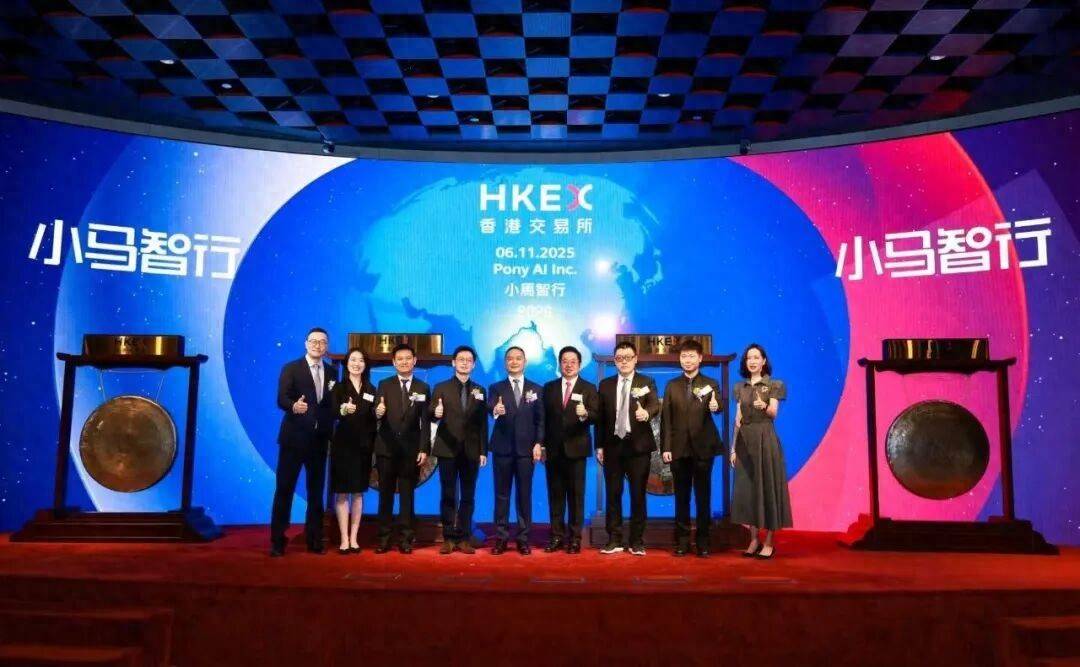
小马、文远同天上市同遭破发:资本市场开绿灯还是亮黄灯?
Sou Hu Cai Jing· 2025-11-08 14:45
Core Insights - The dual listing of two leading domestic autonomous driving companies on the same day, both experiencing a drop in share price, reflects the capital market's complex attitude towards the autonomous driving industry, offering both hope and skepticism [1][3]. Group 1: Capital Market Dynamics - Xiaoma Zhixing's IPO on November 6 raised a total of 7.7 billion HKD, marking it as the largest IPO in the global autonomous driving sector for 2025 [3]. - The dual listing of Xiaoma Zhixing and another company, WeRide, indicates a significant moment for the autonomous driving industry, yet both companies faced a cautious market response with their shares falling on the first day [3][6]. - Xiaoma Zhixing's strategic plan allocates 50% of the raised funds for large-scale commercialization of L4 autonomous driving technology, 40% for R&D, and 10% for operational funds [6][8]. Group 2: Business Performance - Xiaoma Zhixing reported a revenue of 35.43 million USD (approximately 254 million RMB) in the first half of 2025, a year-on-year increase of 43.3%, with Q2 revenue reaching 154 million RMB, a 75.9% increase year-on-year [10]. - The core business, Robotaxi, generated 3.26 million USD (approximately 23.32 million RMB) in revenue during the first half of 2025, reflecting a significant year-on-year growth of 178.8% [10]. - The passenger fare revenue for Robotaxi saw an increase of approximately 800% year-on-year in Q1 2025 and over 300% in Q2 2025, indicating a shift in user behavior towards viewing Robotaxi as a regular transportation option [10]. Group 3: Cost Management - The introduction of the seventh-generation L4 autonomous driving system represents a pivotal shift from "technically feasible" to "commercially viable," achieving a 70% reduction in total costs compared to previous generations [12]. - The new system utilizes automotive-grade components, allowing Robotaxi vehicles to have an operational lifespan of up to 600,000 kilometers, and significantly reduces costs for key components like LiDAR and onboard computing units [12]. Group 4: Operational Efficiency - Xiaoma Zhixing has developed a remote assistance platform for Robotaxi, achieving a management efficiency ratio of 1:20, where one remote staff member can manage 20 vehicles [14]. - The company treats Robotaxi as "digital assets," allowing for simultaneous maintenance tasks, which can be completed by one person for 20 vehicles within an hour [14]. Group 5: Competitive Landscape - Xiaoma Zhixing and WeRide are positioned in a competitive landscape where their revenue structures differ significantly, with Xiaoma Zhixing's revenue primarily from autonomous truck services and technology licensing, while WeRide focuses more on autonomous taxi services [16]. - Both companies face competition from Baidu's Apollo Go, which has surpassed 250,000 weekly orders as of October 31 [16]. Group 6: Market Trends - The capital market's perception of the autonomous driving sector is shifting from speculative concepts to tangible commercial viability, with a renewed focus on foundational technologies [17]. - Regulatory measures have been introduced to clarify the terminology used in the industry, pushing companies to focus on product quality rather than marketing hype [17]. Group 7: Future Outlook - Despite challenges, the autonomous driving market holds significant potential, with projections indicating that the L4 Robotaxi penetration rate in China could reach 8% by 2030 [18]. - The global mobility market is expected to reach approximately 4.5 trillion USD by 2025, with Robotaxi services anticipated to achieve commercialization around 2026 [20]. - The competition in the autonomous driving sector is evolving from technical feasibility to scaling operations, with market recognition increasingly tied to profitability models [21].
压力山大!车企纷纷开启自研芯片竞争事出有因?
Zhong Guo Qi Che Bao Wang· 2025-11-07 02:34
Core Insights - The automotive industry is facing a new wave of chip supply crises, particularly highlighted by Nissan's decision to cut production due to supply issues from Nexperia [2] - In response to past chip shortages, many automakers are increasingly investing in in-house chip development to mitigate risks and enhance competitiveness [3][4] Group 1: Chip Supply Crisis - Nissan plans to reduce production of its Rogue SUV by approximately 900 units due to chip supply issues from Nexperia starting from November 10 [2] - The global automotive industry is witnessing a trend where more companies are opting for self-developed chips to avoid reliance on external suppliers [3] Group 2: Self-Development of Chips - The 2021 global chip shortage resulted in direct revenue losses of up to $210 billion for automakers, prompting a shift towards self-reliance in chip production [3] - Tesla has adopted a dual-supplier strategy with Samsung and TSMC to enhance supply chain resilience, avoiding past production cuts due to chip shortages [3] Group 3: Cost and Efficiency - The rapid growth of smart electric vehicles has significantly increased the value of chips per vehicle, making chip costs a critical variable in automaker cost structures [4] - By developing their own chips, automakers can achieve cost control and efficiency improvements, gaining a competitive edge in the market [4] Group 4: Technological Innovation - The evolution of software-defined vehicles necessitates specialized hardware to meet the demands of complex autonomous driving algorithms [5][6] - Tesla's innovative approach in developing its AI 5 chip has resulted in a 40-fold improvement in visual processing efficiency compared to previous generations [6] Group 5: Industry Restructuring - The traditional automotive supply chain is undergoing significant changes as automakers move towards self-developed chips, reducing reliance on Tier 1 suppliers [7] - This shift allows automakers to become proactive in their technology development, enhancing their competitive position within the industry [7] Group 6: Future Market Dynamics - Companies that master in-house chip development will likely lead the smart automotive market, while traditional suppliers may face declining market shares if they do not adapt [8] - The trend towards "hardware customization + software localization" is reshaping global automotive technology development [8]


红帽:让开源成为AI与汽车等产业的“公共基础设施”
Huan Qiu Wang Zi Xun· 2025-11-06 06:34
Core Insights - Artificial Intelligence (AI) is evolving from a technical concept to a core driver reshaping business landscapes, with companies facing the challenge of transitioning from cloud infrastructure to innovative AI applications [1][2] - Red Hat's strategy focuses on optimizing open hybrid cloud platforms to build a trustworthy AI ecosystem, facilitating enterprises' transition from cloud to AI [1][2] Group 1: Evolution from Cloud to AI - Red Hat has achieved significant success in the open hybrid cloud market over the past decade, driven by its commitment to "open" and "enterprise-grade" solutions [2] - The company has built a consistent, secure, and efficient infrastructure platform through RHEL, OpenShift, and Ansible Automation Platform, which retains its value in the AI era [2] - Red Hat is extending its successful cloud-era experiences, such as containerization and DevOps, into the AI domain, providing a complete path from application modernization to AI modernization [2][3] Group 2: Addressing AI Implementation Challenges - A report from MIT reveals that 95% of organizations have not yet seen returns on their production AI projects, highlighting challenges such as high costs and technical complexities [3] - Red Hat's core strategy is to "remove uncertainty" in AI transformation, promoting an open AI vision that supports "any model, any cloud, any accelerator" [3] - The company views its open-source inference engine vLLM as the "operating system of the AI era," aiming to establish it as the standard for open model services [3] Group 3: Innovations Beyond AI - Red Hat has introduced the first open-source, ASIL-certified in-vehicle operating system, showcasing its commitment to the future of software-defined vehicles [4] - The vehicle operating system is based on the stable enterprise-grade Linux platform and integrates safety certification and containerized development capabilities [4][5] Group 4: Competitive Advantages - Red Hat's competitive edge lies in a "three-dimensional competitiveness" framework comprising technology, brand, and ecosystem collaboration [6] - The company focuses on forward-looking technology by participating in upstream open-source communities and leading the establishment of technical standards [6] - Red Hat's 30-year brand legacy of 100% open-source commitment fosters trust among enterprises, making it a reliable partner [6]
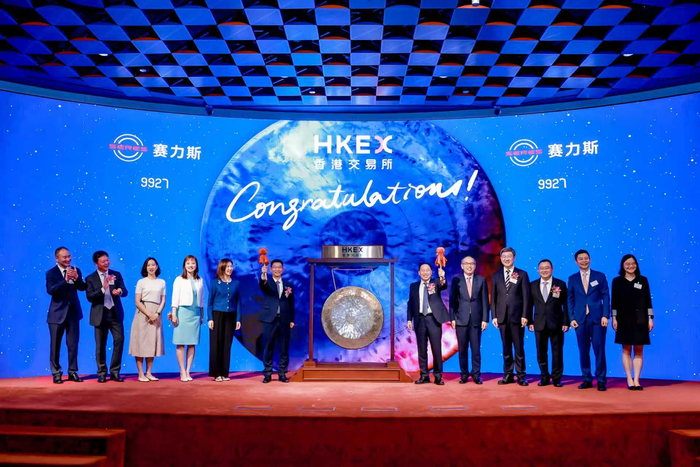
赛力斯港股正式上市 豪华新能源“双城记”开启
Feng Huang Wang· 2025-11-05 14:27
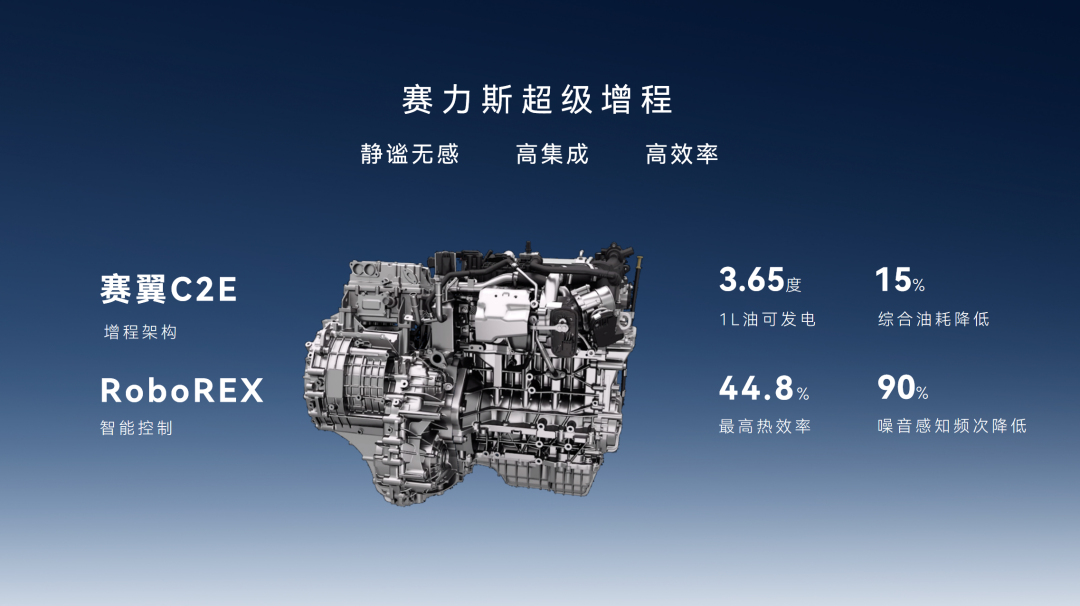
Core Viewpoint - The successful IPO of Seres Group on the Hong Kong Stock Exchange marks a significant milestone, establishing it as the largest IPO for a Chinese car company and the largest globally in 2025, reflecting strong market demand and financial performance [2][13]. Financial Performance - In 2024, Seres achieved a revenue of 145.176 billion yuan, a remarkable increase of 305.04% year-on-year, with a net profit of 5.946 billion yuan, positioning itself among the few profitable electric vehicle companies globally [2][3]. - For the first three quarters of 2025, Seres reported a revenue of 110.534 billion yuan and a net profit of 5.312 billion yuan, representing a year-on-year growth of 31.56% [3][12]. - The gross margin for Seres' electric vehicles reached 28.9% in the first half of 2025, leading among domestic car manufacturers and surpassing some traditional luxury brands [3][4]. Market Position and Product Strategy - The successful sales of the Wanjie series, particularly the Wanjie M9, which sold 62,500 units in the first half of 2025, have significantly contributed to Seres' market presence, capturing 42% of total Wanjie sales [3][6]. - The average transaction price for Wanjie vehicles exceeds 400,000 yuan, providing a competitive edge in gross margin [4]. - Seres has established a comprehensive product matrix covering price ranges from 200,000 to 600,000 yuan, enhancing its market competitiveness [6]. Technological Innovation - Seres adheres to a "software-defined vehicle" technology strategy, developing leading-edge technologies such as the Magic Cube platform and Super Range Extension System, which bolster its competitive advantage [7][12]. - The company's innovative supply chain model and diverse high-end product line contribute to risk diversification and market expansion [5][12]. Global Expansion and Future Strategy - The net proceeds from the IPO will be allocated primarily to R&D (70%), overseas sales and charging network development (20%), and working capital (10%), indicating a focus on technological innovation and global expansion [10][12]. - The listing in Hong Kong is viewed as a new starting point for Seres' globalization efforts, aiming to replicate its success in broader markets [13].

赛力斯港股首日险守发行价 大盘调整资金配置趋谨慎︱港股直通车
Di Yi Cai Jing· 2025-11-05 14:04
Core Insights - Seres has completed the largest IPO of a car company in Hong Kong this year, despite experiencing volatility on its first trading day [1] - The stock opened below the issue price of HKD 131.5, dipping to a low of HKD 118 during the day, but ultimately closed at the issue price [1] - The Secretary for Financial Services and the Treasury of Hong Kong highlighted that the total IPO fundraising in Hong Kong for the first three quarters reached HKD 182.9 billion, making it the highest globally [1] Company Overview - Seres is committed to the "software-defined vehicle" approach, with its Aito brand having garnered support from over 800,000 users [1] - As a dual-listed company (A+H shares), Seres' valuation in Hong Kong will be influenced by its A-share price [1] Market Context - The current market environment in Hong Kong is characterized by a cautious investment strategy among investors, particularly during this adjustment period [1] - Post-IPO, the focus will be on the trading activity and liquidity of the new stock [1]
赛力斯今日正式挂牌港交所 张兴海:深度探索“人工智能+”产业化落地应用
Zheng Quan Ri Bao Zhi Sheng· 2025-11-05 12:44
Core Viewpoint - Seres has officially listed on the Hong Kong Stock Exchange, becoming the first luxury new energy vehicle company to achieve dual listing in both A-share and H-share markets, marking a significant step in its international capital strategy and global expansion plans [1][3]. Group 1: Listing and Financials - The IPO is the largest by a Chinese car company to date and the largest globally since 2025, with Seres raising a net amount of HKD 14.016 billion through the issuance of 108.6 million shares [3]. - The funds raised will be primarily allocated to global product research and development, marketing services, channel construction, and necessary global production capacity [3]. Group 2: Product Development and Market Position - Seres has focused on high-end electric vehicles since its full transition to the sector in 2016, launching the AITO brand in collaboration with Huawei in 2021, which includes models M5, M7, M8, and M9 [5]. - The AITO brand has gained over 800,000 users, with the M9 model being the best-selling vehicle in the 500,000 RMB price segment in China for 19 consecutive months [5]. Group 3: Strategic Vision and Future Plans - The company aims to leverage the advantages of Hong Kong as an international financial hub to enhance its global competitiveness and product offerings [1][3]. - Seres is exploring the integration of artificial intelligence into its products, aiming to create intelligent, safe, and reliable mobile entities, thus transforming into a technology-driven enterprise [7]. - The company plans to continue its upward trajectory in the high-end electric vehicle market, focusing on innovation and user experience to strengthen its global brand presence [7].