绿色低碳

Search documents
中国人寿财险扎实推进乡村全面振兴
Jin Rong Shi Bao· 2025-09-23 07:01
Group 1 - The core viewpoint emphasizes the role of China Life Property & Casualty Insurance in supporting rural revitalization and agricultural security through comprehensive insurance solutions [1][3][12] - In the first half of 2025, the company provided risk protection worth 330.6 billion yuan to 7.91 million farming households, reinforcing the risk management framework for agricultural production [1][3] - The company launched 31 cost insurance products and 11 income insurance products for staple grains across 20 provinces, covering 7.086 million acres and providing 68.5 billion yuan in risk protection to 5.2 million farming households [3][4] Group 2 - China Life Property & Casualty Insurance is expanding its insurance offerings to support the development of specialty agricultural products, with 1,711 local policy products available and 122.2 billion yuan in risk protection provided to 1.8 million farming households [6][12] - The company is innovating in green and low-carbon insurance products, with 59 carbon credit insurance products launched, providing over 100 million yuan in risk protection to support ecological industrialization [7][12] - The company has established a comprehensive service network for agricultural insurance, with over 186 county-level marketing service departments and nearly 57,000 village-level service points, facilitating online insurance services and financial support for farmers [12]



“网-源-储-车”供能系统在包神铁路集团正式投运
Xin Hua Cai Jing· 2025-09-23 04:33
新华财经呼和浩特9月23日电(记者蔡博腾)《轨道交通"网-源-储-车"协同供能技术》项目22日取得重 大成果,在包神铁路集团建成多个能量互联互通的"网-源-储-车"协同供能系统示范工程,并正式投运, 形成涵盖系统架构、广域保护、变换装备和能量管控的协同供能系统成套技术,为新能源接入轨道交通 系统,提供了新的工程解决方案。 目前,包神铁路集团升级改造了6座牵引变电所和1座分区所,建设了最大6.02兆瓦新能源、4兆瓦时储 能接入的303公里"网-源-储-车"协同供能示范工程,实现了新能源接入27.5千伏牵引供电系统、再生制 动能量利用、牵引负荷削峰填谷和应急供电,为国内既有铁路的绿色低碳发展提供范例。 (文章来源:新华财经) 项目投运后,预计每年可提供740万度的"零碳"绿色电能,节约标准煤约2200吨,减少二氧化碳排放量 约5800吨。 "网-源-储-车"协同供能系统示范工程采用传统电网与光伏电能并行供电模式,为铁路牵引机车供能。机 车运行时,新能源发电系统通过直流或交流系统传输,经电能变换后汇入功率融通装置,向机车供能。 功率融通装置可将供电充裕侧的电网功率转移至负载较重侧,实现牵引供电分区所两臂功率优化与负 ...
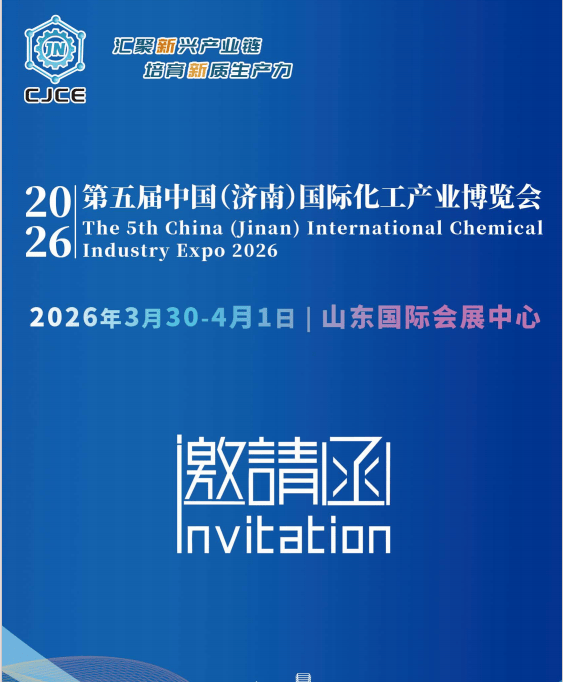
2026第五届中国(济南)国际化工产业博览会
Sou Hu Cai Jing· 2025-09-23 02:51
Core Insights - The 2026 Fifth China (Jinan) International Chemical Industry Expo aims to support national development strategies and assist Shandong Province in transitioning from a "large chemical province" to a "strong chemical province" through a focus on green low-carbon initiatives, digital transformation, and industrial chain upgrades [3] - The expo is set to take place from March 30 to April 1, 2026, at the Shandong International Convention and Exhibition Center, showcasing technologies and products related to new chemical materials, green chemical equipment, chemical internet solutions, and laboratory construction [3] - The event will gather various stakeholders from the chemical industry, including chemical parks, research institutions, universities, manufacturing enterprises, chemical traders, and distributors, creating a one-stop trade procurement platform for the chemical sector [3]
服贸会上“绿色惊喜”多
Ren Min Ri Bao· 2025-09-22 22:47
Group 1: Environmental Initiatives - The 2025 China International Service Trade Fair showcased a stronger emphasis on green initiatives, highlighting the connection between ecological protection and daily life [1] - The Liangma River has undergone significant transformation, becoming a vital part of the Grand Canal Cultural Belt, with improvements enhancing its flood control capacity and creating a vibrant waterfront space [3][4] - The Liangma River's revitalization has led to the establishment of an 18-kilometer waterfront greenway and 6 kilometers of navigable tourism routes, promoting both ecological protection and cultural engagement [3] Group 2: Waste Management Innovations - The "Aihui Recycling" company introduced smart recycling machines at the fair, allowing users to earn money by recycling, thus promoting active participation in waste sorting [5][6] - As of now, 2,106 smart recycling machines have been deployed in Beijing, achieving a daily recycling volume of 150 tons and significantly improving waste utilization efficiency [6] - The company employs AI technology for efficient sorting of recyclable materials, enhancing user engagement and compliance with recycling practices [6] Group 3: Sustainable Economic Practices - Inner Mongolia Forest Industry Group showcased products like birch sap, emphasizing the economic potential of sustainable forestry practices [8] - The company has developed a sustainable harvesting strategy for birch sap, ensuring ecological balance while generating revenue [8] - Inner Mongolia Forest Industry Group is also involved in carbon trading and project development, contributing to environmental sustainability and economic growth [9]
钢铁业稳增长方案出炉 培育若干引领型规范企业
Zheng Quan Shi Bao· 2025-09-22 18:03
Core Viewpoint - The "Steel Industry Stabilization Growth Work Plan (2025-2026)" aims for an average annual growth of around 4% in the steel industry's added value, focusing on both quantity and quality improvements, while addressing supply-demand imbalances and promoting green, low-carbon, and digital development [1][2]. Group 1: Industry Goals and Challenges - The plan sets a target for the steel industry to achieve an average annual growth of approximately 4% in added value from 2025 to 2026, with a focus on stabilizing economic benefits and optimizing industrial structure [1]. - In 2024, the steel industry is projected to have profits of 66.29 billion, a year-on-year decrease of 42.6%, indicating significant challenges in maintaining stable growth [1]. - The demand for steel from traditional construction and infrastructure sectors is declining, compounded by frequent trade frictions, leading to increased uncertainty in steel exports [1]. Group 2: Capacity Management and Policy Implementation - The plan emphasizes the need for capacity reduction and management, proposing revisions to the capacity replacement implementation measures and enhancing the coordination of various policies related to capacity management [2]. - It aims to support the transfer of steel production capacity from key areas with severe air pollution to other regions, while continuing to implement production reduction policies [2]. - The plan includes a classification management system for steel enterprises, promoting resource allocation towards leading enterprises and encouraging the exit of inefficient production capacities [2]. Group 3: Product Quality and International Trade - The plan highlights the need to enhance the supply capacity of high-end products and improve the quality of bulk products, aiming to strengthen the resilience and security of the industrial supply chain [2][3]. - It encourages collaboration between the steel industry and key downstream sectors such as automotive and shipbuilding to maintain stability in the industrial chain [3]. - The plan proposes to strengthen export management of steel products, optimize the structure of steel exports, and support compliance with international trade rules to enhance international competitiveness [3]. Group 4: Financial Support and Technological Innovation - Relevant departments will utilize special loans and long-term bonds to support the steel industry's pollution reduction, carbon reduction, digital transformation, and resource utilization [3]. - Financial institutions are encouraged to provide quality financial services tailored to the characteristics of the steel industry, following market-oriented and legal principles [3].
青岛地铁打造轨交绿色低碳转型“青岛样板”
Qi Lu Wan Bao Wang· 2025-09-22 14:55
Core Viewpoint - Qingdao Metro is actively pursuing sustainable development and green transformation in urban rail transit, aligning with national "dual carbon" strategies and aiming to become a leader in the industry's green transition [1][2][6]. Group 1: Green Development Goals - Qingdao Metro's total electricity consumption accounts for 10% of its annual operating costs, with a target to reduce electricity consumption by 30% and carbon emissions by 50% [2]. - The company has outlined a "three-step" strategy in its 2022 "Green Rail Development Implementation Plan," aiming to establish a green development system by 2025, achieve carbon peak by 2030, and reach carbon neutrality by 2050 [2][5]. Group 2: Technological Innovations - Qingdao Metro is implementing advanced technologies such as autonomous train operation systems, flywheel energy storage, and multi-source heat pumps to achieve significant energy savings [3][4]. - The company is developing a "virtual power plant" and a smart energy management system to enhance energy efficiency and integrate various energy resources [4][6]. Group 3: Industry Ecosystem Development - Qingdao Metro is building a green industrial ecosystem that includes new energy, resource recycling, and green energy-saving sectors, creating new economic growth points [5][6]. - The focus on renewable energy includes the establishment of a multi-dimensional energy industry that integrates solar power, energy storage, and virtual power plants [5]. Group 4: Urban Empowerment - The green practices of Qingdao Metro are contributing to urban green development, supporting the city's innovative industrial system and enhancing resource efficiency [6][7]. - By 2025, the company expects to achieve an annual electricity saving of 100 million kWh, generate 43 million kWh from solar power, and reduce carbon emissions by 91,000 tons [6]. Group 5: Recognition and Standards - Qingdao Metro has received multiple recognitions for its green initiatives, including being designated as a pilot unit for low-carbon transportation by the Ministry of Transport [7]. - The company has developed a comprehensive set of green standards for urban rail construction, enhancing the industry's regulatory and precision levels [7]. Group 6: Future Outlook - Qingdao Metro plans to continue its commitment to sustainable development, aiming to increase the share of green electricity to over 20% and expand its AI-enabled smart energy initiatives [8].
汕梅高速预计明年通车
Shen Zhen Shang Bao· 2025-09-22 14:55
Group 1 - The Shantou-Meizhou Expressway expansion project, the first of its kind in Guangdong's mountainous and hilly areas, spans approximately 88 kilometers and is set to be completed by 2026, expanding from a dual four-lane to a dual eight-lane highway [1] - The project emphasizes green, low-carbon, and efficient construction principles, achieving multiple environmental innovations in resource recycling, energy conservation, and construction process innovation [1] - The project introduces a new "precast T-beam lifting and rotating technology," which allows for the reuse of existing bridge beams, filling a technological gap in Guangdong's highway bridge renovation [1] Group 2 - The project excels in the "turning waste into treasure" approach, utilizing mobile and fixed stone production lines for recycling and processing, significantly reducing the need for external stone purchases and waste disposal [2] - Approximately 1.84 million tons of crushed stone were produced from the processed earth and rock materials along the entire route, equivalent to the load capacity of 60,000 fully loaded heavy trucks, achieving "zero external transportation of waste and full resource recycling" [2]
江苏盐城打造绿色低碳科创园 汇聚科创要素竞逐七大领域
Zhong Guo Jin Rong Xin Xi Wang· 2025-09-22 12:04
Core Viewpoint - The 2025 Global Coastal Forum will be held in Yancheng, Jiangsu, focusing on "Beautiful Coast: Ecological Priority and Green Development," highlighting the city's commitment to green and low-carbon development [1] Group 1: Green Development Initiatives - Yancheng is recognized as a national pilot city for carbon peaking and a green low-carbon development demonstration zone, leveraging its unique coastal resources to promote technological and industrial innovation [1] - The Yancheng Green Low-Carbon Science and Technology Innovation Park aims to establish a complete chain from basic research to industrial application, focusing on seven key areas: wind power, photovoltaics, hydrogen energy, energy storage, dual carbon, marine economy, and modern agriculture [3] Group 2: Wind Power Innovations - Goldwind Technology has established a research institute in the wind power innovation center, focusing on the development of offshore wind turbines with capacities of 18MW and above, improving annual energy production by 1% to 3% through advanced algorithms [5] - The wind power innovation center has created a cluster effect with multiple upstream and downstream enterprises, leading to the establishment of a national wind power technology innovation center in Jiangsu [5] Group 3: Photovoltaic Developments - The photovoltaic innovation center hosts companies like Yancheng Green Building Photovoltaics, focusing on new N-type and perovskite solar cells, high-transparency colored photovoltaic glass, and integrated building photovoltaic systems [6] - A testing and certification platform for renewable energy products has been established, allowing local companies to conduct necessary certifications on-site, enhancing their competitive edge in domestic and international markets [6] Group 4: Hydrogen Energy Advancements - The Hydrogen Energy Innovation Center has created a comprehensive testing platform for the hydrogen energy industry, providing support for over 90% of the industry chain and achieving national CMA certification [8] - Collaborations with international entities, such as the establishment of a joint laboratory with Germany's Rhine Testing, enable dual certification for hydrogen energy products, facilitating market access [8] Group 5: Broader Technological Ecosystem - The energy storage innovation center is focusing on lithium battery materials and solid-state batteries, while the zero-carbon service center offers a range of carbon-related services [9] - The marine economy research institute is dedicated to marine renewable energy and resource utilization, while agricultural innovation centers are working on seed breeding and smart agricultural machinery [9] - Yancheng plans to accelerate the integration of its seven thematic scenarios—wind, solar, hydrogen, storage, carbon, marine, and agriculture—aiming to create a comprehensive industrial ecosystem [9]
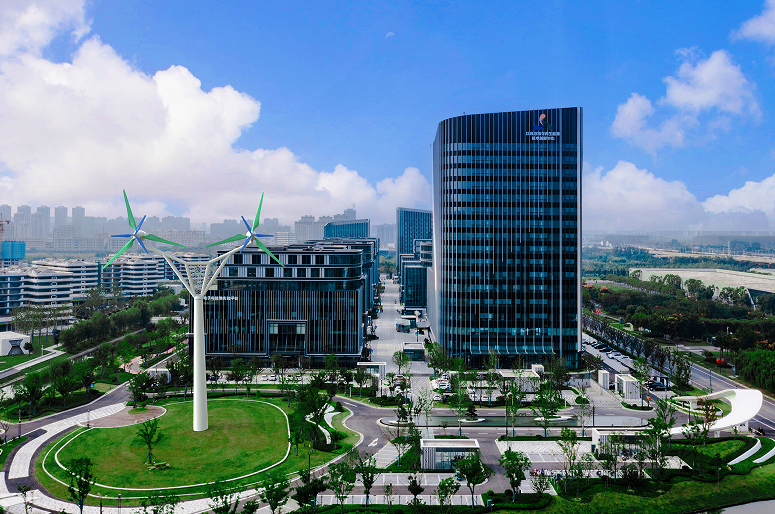
首钢股份:未来公司将坚持“技术领先、绿色低碳”的发展路径
Zheng Quan Ri Bao Wang· 2025-09-22 11:41
Core Viewpoint - The company aims to adhere to a development path of "technological leadership and green low-carbon" while leveraging technological innovation to drive comprehensive innovation [1] Group 1: Technological Innovation - The company plans to fully utilize technological innovation to transform its technological advantages into product, service, brand, and competitive advantages [1] - Emphasis will be placed on developing high-end products such as electrical steel, automotive sheets, and tinplate in response to emerging industry demands [1] Group 2: Sustainable Development - The company is committed to enhancing the manufacturing service level and operational efficiency of steel materials while implementing low-carbon action plans [1] - The focus on low-carbon sustainable development is a key aspect of the company's future strategy [1]

控产能拓需求 钢铁行业稳增长转型提速
Bei Jing Shang Bao· 2025-09-22 11:29
Core Viewpoint - The "Steel Industry Stabilization and Growth Work Plan (2025-2026)" aims for an average annual growth target of around 4% in the steel industry's added value, focusing on stabilizing growth and preventing excessive competition while guiding resources towards advantageous enterprises and expanding consumer demand [1][3]. Group 1: Growth Targets and Industry Balance - The plan sets a target of approximately 4% average annual growth in added value for the steel industry from 2025 to 2026, aiming for economic stability and improved market supply-demand balance [3][4]. - The primary challenge facing the industry is the imbalance between excessive supply and insufficient effective demand, which affects the quality and efficiency of industry development [3][4]. - The plan emphasizes resource allocation towards superior enterprises and advocates for production control to promote a competitive environment, achieving dynamic supply-demand balance [3][4]. Group 2: Capacity Control and Technological Upgrades - The plan prohibits the addition of new production capacity and promotes precise control of capacity and output, supporting low-carbon steelmaking processes and high-end special steel projects [4][5]. - It encourages the development of advanced equipment and technologies, such as electric furnaces and special smelting, while enhancing the supply capacity of high-end products [4][5]. - The plan also includes measures for digital transformation and the establishment of digital carbon management centers within the steel industry [6]. Group 3: Consumer Demand and Market Expansion - The plan aims to enhance the quality of bulk products and expand applications in construction and transportation sectors, focusing on upgrading product quality and application standards [7]. - It promotes long-term cooperation agreements between steel producers and key downstream industries to stabilize the supply chain [7]. - The plan emphasizes the importance of international cooperation and optimizing the export structure of steel products to enhance global competitiveness [7][8]. Group 4: Policy Support and Financial Measures - The plan highlights the need for strong policy support, utilizing special loans and long-term bonds to fund pollution reduction, digital transformation, and resource utilization in the steel industry [8]. - It encourages financial institutions to provide tailored financial services to steel enterprises, ensuring a market-oriented and law-based approach [8]. - The overarching strategy combines strict capacity control, expansion of high-end supply, promotion of steel structures, and deepening international cooperation to address the challenges of low profitability and overcapacity in the steel industry [8].