价值投资

Search documents
《海龟交易法则》的作者破产,从赚取亿万到流落街头,投资到底靠什么才能走远?
雪球· 2025-09-21 13:01
Core Viewpoint - The article reflects on the downfall of Curtis Faith, the author of the "Turtle Trading Rules," highlighting the contrast between his past success as a trader and his current state of bankruptcy and homelessness, emphasizing the unpredictability of life and the importance of discipline in trading [3][4][18]. Group 1: Turtle Trading Rules - The Turtle Trading Rules, developed in the 1980s by Richard Dennis and William Eckhardt, is a well-known mechanical trading system that proved trading can be taught [5][6]. - The system is based on trend-following principles, where traders buy when prices break above certain levels and sell when they fall below others, focusing on capturing market trends [7][10]. - Key components of the system include entry signals based on price breakouts, risk management by limiting exposure to 1% of account funds per trade, and strict stop-loss rules to cut losses [7][10]. Group 2: Curtis Faith's Journey - Curtis Faith was one of the youngest Turtle Traders, achieving significant profits early in his career, reportedly earning over $10 million for his fund [15][17]. - After leaving the Turtle program, he attempted various ventures, including startups in IT and blockchain, but faced numerous failures, leading to financial ruin [19][25]. - His recent legal troubles and homelessness serve as a cautionary tale about the volatility of trading success and the risks of overextending in speculative ventures [13][28]. Group 3: Lessons Learned - The article emphasizes the importance of skepticism towards trading gurus, suggesting that even successful traders can face significant failures, as demonstrated by Faith's experience [30][32]. - It warns against excessive risk-taking and highlights the need for disciplined investment strategies, contrasting trend-following with value investing approaches [34][37]. - The narrative concludes with a reflection on the long-term nature of successful investing, advocating for diversified asset allocation as a means to withstand market fluctuations [50].


侃股:理性看待单一板块调整
Bei Jing Shang Bao· 2025-09-21 12:04
Group 1 - The recent pullback in the banking sector is seen as a rational correction following a period of significant short-term price increases, indicating a return to intrinsic value [1][2] - The banking sector, while having a high weight in the A-share market, does not significantly influence the long-term trend of the overall market, as its performance is just a small part of the broader market dynamics [1][2] - The fundamental value of banking stocks remains intact despite short-term price declines, as banks play a crucial role in the financial system with stable business models and robust risk management [1][3] Group 2 - Investors should avoid overemphasizing the performance of a single sector, as this can lead to impulsive decisions driven by market emotions, such as panic selling or blind buying [2][3] - A diversified investment approach across multiple promising sectors can mitigate risks associated with the volatility of any single sector, aligning with the ultimate goal of value investing [2][3] - Long-term value of listed companies should be prioritized over short-term market fluctuations, as economic growth and company performance are the primary drivers of stock price increases [3]

国投创业总经理高爱民:早期投资不是一次次赌概率 而是基于未来的价值选择
Zheng Quan Shi Bao Wang· 2025-09-21 10:46
Core Viewpoint - Early-stage investment is not merely a gamble on probabilities but a value-based choice for the future, emphasizing the importance of confidence, foresight, and responsibility in the investment process [1][2] Group 1: Investment Philosophy - The company believes that early-stage enterprises are relatively fragile and require not only funding but also the introduction of industrial resources, management experience, and strategic patience to help entrepreneurs navigate challenges [1] - High Aimin, the general manager, highlighted that the total investment in Cambrian, a leading AI chip company in China, exceeded 900 million yuan, supporting its growth from inception to becoming a unicorn [1] - The current global landscape, characterized by uncertainty and intense technological competition, necessitates a shift from short-term capital to strategic and patient capital that aligns with national strategic needs [1] Group 2: Challenges in Early-Stage Investment - Early-stage technology innovation companies face challenges such as lack of funding, resources, talent, and strategy, which the company aims to address through systematic investment practices [2] - The transformation of scientific and technological achievements is viewed as a systematic project, and the company seeks to attract diverse social capital through a technology achievement transformation fund [2] Group 3: Importance of Entrepreneurs - The most critical element between results and capital is the presence of courageous and innovative entrepreneurs, who are considered the most valuable and scarce resource [2] - The company is actively involved in research to profile entrepreneurs from over 200 invested companies, aiming to understand their growth characteristics and promote entrepreneurial spirit through fund mechanisms [2]

指数牛市狂奔,价值老将为何掉队?
Sou Hu Cai Jing· 2025-09-21 05:25
Core Viewpoint - The article discusses the paradox of value investors underperforming during a bull market, highlighting that many investors have lost money despite the overall market index rising significantly [3][7]. Group 1: Market Performance - As of September 18, 2025, the Shanghai Composite Index approached 3900 points, with a cumulative increase of over 15% from previous levels [3][7]. - Over 60% of individual investors experienced losses during this bull market, with an average loss of 28% [7]. - Notably, 13 funds under a prominent institution failed to achieve positive returns, with six funds showing returns below -15% since their inception [4]. Group 2: Fund Performance - Specific funds under the Dongfanghong brand showed particularly poor performance, with the Dongfanghong Qixing Three-Year Holding A fund returning -35.05% since its establishment [5][6]. - Other underperforming funds included Dongfanghong Qirui Three-Year Holding A at -27.48% and Dongfanghong Xinyuan Three-Year Holding A at -20.11% [5][6]. Group 3: Investor Behavior - The article identifies five traps that led to losses for value investors, including chasing speculative trends, neglecting long-term investment principles, and failing to maintain risk awareness [7][8][9]. - Investors often deviated from core value investment principles, leading to poor decision-making during the bull market [7][8]. Group 4: Market Dynamics - The bull market exhibited structural differentiation, with certain stocks and sectors, such as the liquor industry, experiencing declines despite the overall index rising [10]. - Psychological factors, such as greed and fear, significantly influenced investor behavior, leading to poor timing in buying and selling stocks [11][12]. Group 5: Evolving Investment Strategies - Value investors are encouraged to redefine their strategies in light of changing market conditions, focusing on high dividend yield stocks and emerging sectors like AI and biotechnology [13][14]. - The need for continuous adaptation in investment strategies is emphasized, as traditional approaches may no longer be effective in the current market landscape [14][15].
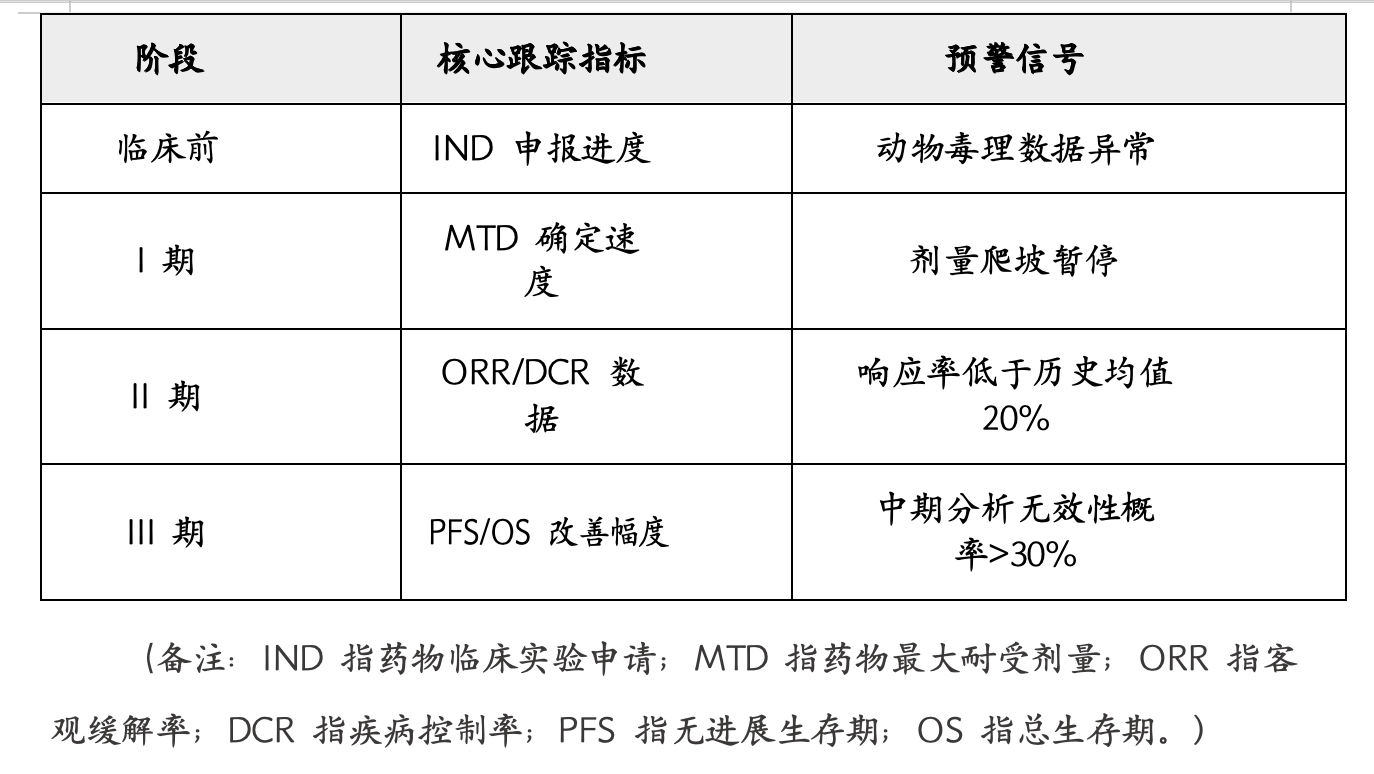
探索价值投资在创新药领域的深度适配与融合 | 巴伦精选
Tai Mei Ti A P P· 2025-09-21 01:41
Core Insights - The article discusses the challenges of applying traditional value investment principles to the innovative pharmaceutical sector, highlighting the need for a tailored approach that incorporates dynamic probability management and phase-specific investment strategies [1][3][4]. Investment Strategy - Investment in innovative pharmaceuticals should differentiate between three stages: R&D, commercialization, and maturity, matching different durations of capital accordingly [2][4]. - A three-dimensional evaluation system should be constructed to assess pipeline value, utilizing a valuation method based on peak sales, success probabilities, and discount factors [2][6]. - A recommended asset allocation strategy includes 20% of funds in early-stage projects, 50% in projects at commercialization inflection points, and 30% in cash flow-generating assets [2][5]. Traditional Value Investment Conflicts - Traditional value investment principles conflict with the characteristics of innovative pharmaceuticals, such as the non-permanence of competitive advantages, non-linear profitability, and the failure of safety margins [3][4]. - The concept of a "moat" is challenged by the temporary nature of patent protections, leading to significant revenue declines post-patent expiration [3]. - The high failure rates in clinical trials, particularly in Phase III, create substantial risks that can lead to drastic market value losses [3][4]. Dynamic Valuation Approach - A shift from static asset valuation to dynamic probability-based valuation is necessary, incorporating a three-dimensional assessment of clinical, commercial, and technical platform values [6][7]. - The proposed valuation formula calculates enterprise value by summing the product of pipeline peak sales, success probabilities, and discount factors [7][9]. Risk Management Framework - A systematic risk management framework is essential to address the inherent risks throughout the R&D and commercialization phases [10][11]. - A "steady dual-drive allocation strategy" is suggested, balancing investments in high-certainty assets with those in high-growth potential companies [12]. - A Bayesian mechanism for dynamic tracking of portfolio companies is recommended, utilizing a monitoring matrix and decision trees to manage risks proactively [13]. Conclusion - The article emphasizes the need for a redefined investment framework in the innovative pharmaceutical sector, focusing on duration matching, probability-based valuation, and dynamic risk management to capture industry opportunities effectively [14].
三生制药获“港股价值示范案例”奖
Xin Lang Cai Jing· 2025-09-20 22:02
Group 1 - The core viewpoint of the article highlights that Sanofi Pharmaceutical has been awarded the "Hong Kong Stock Value Demonstration Case" for its robust corporate governance and forward-looking innovation strategy, positioning it as a model enterprise in the Hong Kong stock market with both growth potential and investment value [1][2] - The "2025 China Listed Company Yinghua Demonstration Case Selection" aims to promote high-quality development of China's capital market, advocate for value and long-term investment, and contribute to the development of the real economy [1] - The evaluation process involved a comprehensive assessment of A-share and H-share listed companies based on authoritative, objective, and accurate evaluation indicators, with participation from institutional investors managing assets exceeding 50 trillion yuan [1] Group 2 - In 2025, Sanofi Pharmaceutical demonstrated steady performance with accelerated innovation outcomes, achieving breakthrough data in clinical research across core treatment areas such as oncology and autoimmune diseases, alongside significant progress in internationalization and overseas licensing [2] - The company emphasizes its mission of making innovative biopharmaceuticals accessible, continuously increasing investment in research and development, and solidifying the technical strength of its R&D platform, laying a solid foundation for future growth [2] - Sanofi Pharmaceutical currently holds over 100 national invention patents and has more than 40 listed products covering various treatment areas, including nephrology, oncology, autoimmune diseases, ophthalmology, and dermatology [2]
学会估值,轻松投资:普通投资者也能学会的实用估值方法 | 螺丝钉带你读书
银行螺丝钉· 2025-09-20 13:47
Group 1 - The article emphasizes the importance of valuation methods in investment, highlighting that all value investment schools focus on asset valuation [4][12][32] - Valuation is defined as the method of measuring the relationship between asset price and value, which is a concept applied in daily life [5][6][10] - The article provides examples of valuation methods for both bond and stock assets, illustrating how investors make rational decisions based on interest rates and company earnings [13][21][32] Group 2 - For bond assets, a simple valuation method is presented, where investors choose the option with the higher interest rate, demonstrating straightforward decision-making [15][17][19] - In the case of stock assets, the article discusses a hypothetical scenario where a company with stable annual profits is valued between 8 to 15 times its earnings, aligning with average price-to-earnings ratios in the market [26][27][30] - The article notes that investor sentiment can significantly influence valuation, with lower valuations during bear markets and higher valuations during bull markets [41][42][54] Group 3 - The article highlights that while valuation primarily affects short-term returns, long-term profitability is driven by economic cycles and overall productivity growth [46][51][52] - It mentions that not every market phase presents undervaluation opportunities, particularly in bull markets, necessitating asset allocation strategies [55][57] - The article concludes by referencing classic stock-bond allocation strategies used by renowned investors like Graham and Buffett [58]

3800点重温《安全边际》,投资大师赛斯·卡拉曼:晚上睡的香比什么都重要
雪球· 2025-09-20 13:22
Group 1 - The core philosophy of value investing emphasizes risk avoidance and the importance of a margin of safety, which is crucial for long-term investment success [2][3][4] - Investors should focus on setting risk targets rather than return targets, as many investment strategies overlook loss avoidance [3][5] - Value investors must maintain discipline and patience, often standing against popular market trends to find undervalued securities [5][6] Group 2 - The concept of margin of safety involves conservatively assessing a company's intrinsic value and comparing it to its market price, which is fundamental to value investing [6][7] - Investors should be cautious about the potential decline in a company's value and respond with conservative evaluations and increased margin of safety [7][8] - The assessment of tangible assets should take precedence over intangible assets, as the latter are more challenging to evaluate [8][9] Group 3 - Value investing tends to shine during market downturns, as it allows investors to benefit from both performance recovery and valuation increases when market perceptions shift [11][12][13] - Market declines often create opportunities for value investors, as securities may be mispriced due to prevailing negative sentiment [12][13] Group 4 - Value investing is characterized by a bottom-up approach, focusing on absolute performance rather than relative performance, and is fundamentally a risk-averse strategy [15][16] - The relationship between market prices and potential value can be reflexive, meaning that stock prices can influence a company's perceived value [19][20] Group 5 - Reverse thinking is essential in value investing, as undervalued securities are often those that are out of favor, while popular stocks tend to be overvalued [22][23] - Successful reverse investors must be prepared for initial losses and uncertainty, as they often go against prevailing market trends [23][24] Group 6 - The effectiveness of research in value investing is limited by the 80/20 principle, where most useful information can be gathered quickly, and excessive research may hinder timely investment decisions [26][30] - Value investors should focus on identifying undervalued opportunities rather than attempting to gather exhaustive information, as low prices can provide a margin of safety [30][31]

大成兴远启航混合“慢建仓”谜团揭晓 价值投资老将徐彦如何破局
Sou Hu Cai Jing· 2025-09-20 05:43
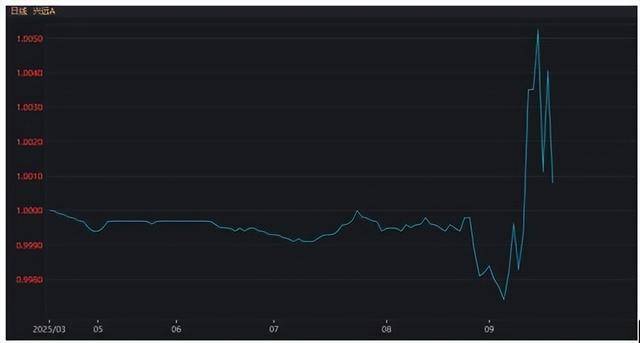
2025年4月,A股市场在政策利好与增量资金入场的推动下开启单边上涨的"慢牛行情"。沪指从3040点 涨至3800点上方;创业板指、北证50涨幅更是惊人。市场情绪高涨下,8月主动权益基金平均收益率为 11.53%,其中180余只产品净值单月涨幅超30%。投资快报记者从南财基金通数据中获悉,在"慢牛行 情"的演绎下,大成兴远启航混合(019357)却以"异常平稳"的净值波动,在牛市中划出一道刺眼的"平行 线"——成立半年净值纹丝不动,迟迟不建仓参与行情,与当下火爆的A股市场形成强烈反差。直至9月 初,基金才在合规要求下被迫完成建仓,净值才开始有所波动。 大成兴远启航混合型证券投资基金净值走势 数据来源:同花顺 龟速建仓:牛市前夜的"零操作"谜题 面对质疑,徐彦在基金中报给出三点辩解:(1)其他在管产品已有浮盈且净值高位,新基金需"从零开 始";(2)"判断股价波动非我所长";(3)当前市场低估标的稀缺,建仓难度剧增。但这一解释基民似乎并不 买账,反而引发更大争议。基金的策略逻辑自相矛盾,通常来说价值投资强调"逆向布局",但徐彦在上 证指数3040点底部选择空仓,却在3700点通过基金二季报高位承诺"9月11日前 ...
The GEO Group, Inc. (GEO): A Bull Case Theory
Yahoo Finance· 2025-09-19 17:45
Core Thesis - The GEO Group, Inc. is positioned to benefit from potential policy shifts under the current administration, particularly with increased demand for detention capacity due to stricter enforcement measures [2][4]. Company Positioning - GEO is the leading private prison and mental health facility operator in the U.S., with a strong market position bolstered by recent deleveraging and a share buyback [2]. - The company's share was trading at $23.00 as of September 11th, with trailing and forward P/E ratios of 35.38 and 24.04 respectively [1]. Market Dynamics - Arrests and detention numbers are at record highs, with ICE staffing increasing by 50% and the agency's budget tripling, creating a structural tailwind for private operators like GEO [3]. - The current administration includes former GEO employees and lobbyists, aligning policy with the company's growth prospects [3]. Financial Performance - Despite improvements in operations and financial position, the stock has not yet reflected potential upside, trading near pre-election levels [4]. - The recent sale of state prison assets and operational efficiencies have strengthened GEO's balance sheet, positioning it for accelerated earnings growth once new federal funding is deployed [4]. Investment Outlook - Analysts see a compelling risk/reward scenario, with GEO potentially tripling from current levels if policy measures materialize as expected, projecting a price target of $40 by year-end [5]. - GEO represents a high-conviction opportunity for investors seeking capital appreciation and exposure to a sector poised to benefit from regulatory and enforcement shifts [5].