电动化

Search documents
斯堪尼亚集团中国成立!实施全新组织架构 2026将这么干 | 头条
第一商用车网· 2026-02-04 03:41
Core Viewpoint - Scania has established Scania Group China to integrate all its operations in China under a unified structure, aiming to provide efficient, reliable, and sustainable solutions while maintaining close alignment with global strategies [1][3]. Group 1: Strategic Positioning - The current phase of the company is described as a commitment to "more China in China," indicating a deeper integration into the Chinese ecosystem and aligning with China's macro development goals outlined in the "14th Five-Year Plan" [3]. - China is recognized as the largest commercial vehicle market globally and a key support for Scania and Traton Group's global innovation and growth, highlighting its strategic importance [3]. Group 2: Organizational Structure - As of January 1, 2026, Scania Group China has implemented a new organizational structure and governance model under the leadership of Kerstin Kuhlmann, aiming for efficient integration across R&D, procurement, production, and commercial operations [5]. - The goal is to optimize local decision-making while ensuring global collaboration, merging Scania's global excellence standards with the agility required by the Chinese market [5]. Group 3: Future Outlook - Scania Group China's core mission is to continuously create exceptional value for customers, focusing on tailored solutions in collaboration with dealer partners and ensuring production capabilities meet world-class standards [7]. - The company aims to transform insights and successful experiences gained in the Chinese market into "Chinese wisdom" within the organization, leveraging digitalization and automation to enhance operational efficiency [7]. - Scania is committed to working with Chinese partners and customers to drive the transformation and sustainable development of the logistics industry, fulfilling its long-term commitment to the Chinese market [7].


主导权交接之后:2025汽车产业的核心命题与答案
Xin Lang Cai Jing· 2026-02-04 01:13
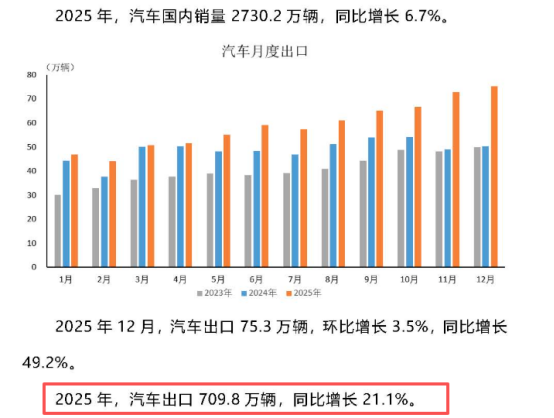
Group 1 - The core point of the article is that the Chinese automotive industry underwent significant transformation in 2025, marked by the integration of electrification and intelligence, leading to a restructured global competitive landscape [2][3][40] - The penetration rate of new energy vehicles (NEVs) in China surpassed 50% for the first time, indicating a shift from optional to mainstream status, driven by policy support, corporate efforts, and consumer acceptance [4][41] - The automotive export volume reached 7.098 million units in 2025, a year-on-year increase of 21.1%, reflecting a structural change in the export market towards higher-end models and a focus on established markets like Europe [7][44] Group 2 - The issuance of L3 autonomous driving licenses marked a transition from technical demonstrations to commercial availability, indicating that L3 technology is now accessible to consumers [10][49] - The establishment of the new Changan Automobile Group represents a significant milestone in the Chinese automotive industry's evolution, aimed at enhancing global competitiveness and driving high-quality development [12][52] - The trend of internal restructuring among automotive companies signifies a shift from expansion to efficiency, focusing on resource optimization and reducing redundancy in operations [14][55] Group 3 - The rapid growth of the six-seat SUV market in 2025, with monthly sales increasing from 25,000 to nearly 100,000 units, reflects changing family travel needs in China [22][68] - The decline of the range-extended electric vehicle (EREV) market, with a cumulative sales growth of only 10.2% compared to 34.2% for battery electric vehicles (BEVs), indicates a clear shift towards pure electric vehicles as the dominant technology [30][75] - The introduction of new battery safety standards emphasizes the importance of safety in the development of new energy vehicles, marking a maturation of the industry [21][65][66]
斯堪尼亚集团中国全新启程 :扎根中国,共创未来
Zhong Guo Qi Che Bao Wang· 2026-02-04 00:52
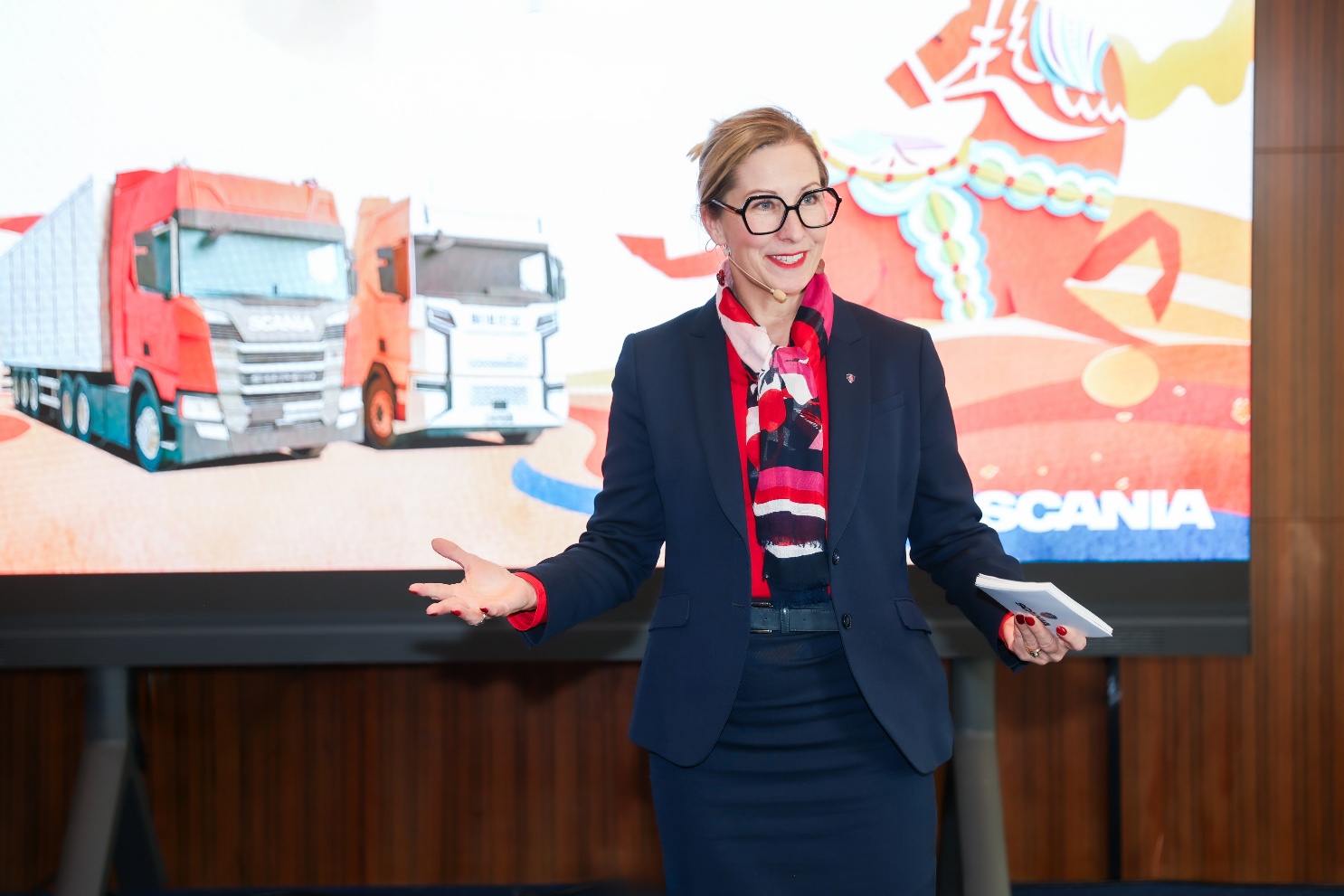
Core Viewpoint - Scania has established a unified structure in China, forming Scania Group China to enhance local autonomy while aligning with global strategies [1][3]. Group 1: Strategic Direction - Camilla Dewoon has been appointed as Executive Vice President and President of Scania Group China, emphasizing the company's commitment to the local market and its strategic direction [3]. - The establishment of Scania Group China reflects the company's long-term commitment to "more China in China," aiming to integrate into the Chinese ecosystem and provide optimized solutions for the transportation and truck market [3][5]. - Scania's strategy aligns with China's 14th Five-Year Plan, recognizing China as the largest commercial vehicle market and a key support for global innovation and growth [3][5]. Group 2: Organizational Structure - A new organizational structure and governance model have been implemented in Scania Group China as of January 1, 2026, under Dewoon's leadership, to enhance operational efficiency [5]. - The integration covers R&D, procurement, production, and commercial operations, aiming to optimize local decision-making while ensuring global collaboration [5]. Group 3: Product Strategy - Scania is adopting a dual-line product strategy to meet diverse customer needs in China, offering both high-end Scania products and the NEXT ERA series tailored for the mainstream long-haul logistics market [6]. - The two product lines complement each other, forming a comprehensive layout from high-end to mainstream logistics, and are central to Scania's transformation into a provider of integrated transport solutions [6]. Group 4: Value Creation and Sustainability - Scania Group China's core mission is to continuously create exceptional value for customers, focusing on collaboration with dealer partners and optimizing strategic partnerships [7]. - The company aims to leverage insights gained in the Chinese market to enhance internal operations and utilize digital and automation technologies to improve efficiency [7]. - Scania is committed to driving the transformation and sustainable development of the logistics industry in partnership with local customers and partners [7].
耀皮玻璃:首次覆盖报告老牌玻璃的新引擎,汽车玻璃与TCO突围-20260203
GUOTAI HAITONG SECURITIES· 2026-02-03 13:25
Investment Rating - The report assigns a "Buy" rating to the company with a target price of 10.01 CNY [5][21]. Core Insights - The company is a long-established leader in the glass industry, accelerating its transformation with a focus on automotive glass and TCO (Transparent Conductive Oxide) glass production [2][11]. - The automotive glass market is rapidly expanding, with the company achieving nationwide operational rights and accelerating new vehicle partnerships, which is expected to enhance both volume and profitability [16][24]. - The TCO glass production is nearing mass production, with the company having a leading position in online coating technology, poised to benefit from the upcoming demand surge [17][18]. Financial Summary - The company’s total revenue is projected to reach 5.588 billion CNY in 2023, with a growth forecast of 10.3% to 6.418 billion CNY by 2027 [4][18]. - Net profit is expected to recover from a loss of 125 million CNY in 2023 to a profit of 279 million CNY by 2027, reflecting a significant turnaround [4][18]. - Earnings per share (EPS) are forecasted to increase from -0.13 CNY in 2023 to 0.29 CNY in 2027 [4][18]. Company Overview - The company, established in 1983, is a Sino-British joint venture, with major shareholders including Shanghai Building Materials Group and NSG Group [23][15]. - The governance structure is stabilizing, with Shanghai Building Materials Group increasing its shareholding over the years [31][15]. - The company is focusing on upgrading its deep processing capabilities through targeted fundraising for technological improvements [30][2]. Automotive Glass Market - The automotive glass segment is projected to grow significantly, with revenue expected to reach 20.86 billion CNY in 2025, driven by increased demand for electric and smart vehicles [18][19]. - The gross margin for automotive glass is anticipated to improve from 10.25% in 2023 to 15.00% by 2027, reflecting enhanced product offerings and customer partnerships [16][18]. - The competitive landscape in the automotive glass market is limited due to high capital requirements and operational complexities, favoring established players [39][41]. TCO Glass Production - The TCO glass segment is approaching a production ramp-up, with significant demand expected from downstream clients in the 2025-2027 period [17][18]. - The company’s acquisition of Dalian Yao Pi has improved its online coating utilization, contributing significantly to its profitability [17][18]. - The TCO glass production is supported by advancements in coating technology and resource availability, positioning the company favorably for future growth [17][18].

2026年原油价格怎么看
2026-02-03 02:05
Summary of Key Points from the Conference Call Industry Overview - The conference call primarily discusses the **oil industry**, focusing on **global oil prices**, **OPEC strategies**, and **U.S. shale oil production** dynamics. Core Insights and Arguments - **Oil Price Fluctuations**: Oil prices were temporarily pushed to $70 due to geopolitical events and cold weather, but the divergence in gold-oil and copper-oil ratios indicates a shift in market drivers. Gold is influenced more by U.S. dollar credit and central bank purchases, while copper benefits from AI and data center demand, unlike oil which has different demand elasticity [1][3][4]. - **U.S. Shale Oil Production Challenges**: U.S. shale oil production faces rising costs ($65-70 per barrel) and limited willingness to increase output due to constrained profit margins. Inventory wells have dropped to a ten-year low, indicating limited future production capacity without high oil prices to support it [5][6]. - **OPEC's Production Strategy**: OPEC plans to increase production after April 2025 to maintain market share, reflecting its flexibility in strategy. However, it prefers to maintain production cuts to support oil prices, with actual production increases being lower than announced [6][8]. - **Geopolitical Risks**: Geopolitical tensions, particularly involving Iran and Venezuela, could lead to short-term spikes in oil prices, potentially reaching $75 to $80 if significant supply disruptions occur. However, such scenarios are considered low probability, and prices are expected to revert to around $60 post-conflict [9][10]. - **Global Oil Demand Trends**: Global oil demand growth is slowing, with a notable divergence from GDP growth rates. Factors such as increased electrification and fuel efficiency are contributing to this trend. EIA forecasts suggest annual oil demand growth will fluctuate around 1 million barrels, supported by China's inventory replenishment starting in 2025 [11][12]. Other Important Insights - **Investment and Capital Expenditure Trends**: There is a significant reduction in the proportion of cash flow allocated for reinvestment, dropping from 70% to below 50%, which limits supply-side pressures even if oil prices remain high [8]. - **Market Dynamics**: The oil market is expected to exhibit a "top and bottom" pattern, with prices fluctuating between $60 and $65 per barrel in the coming years. Above $70, both OPEC and U.S. shale may increase production, while below $60, both will likely cut back to support prices [12].
全年销售63798辆,营收493.8亿元同比增幅11.4%,宇通亮出优秀成绩单
Jin Rong Jie· 2026-02-02 08:01
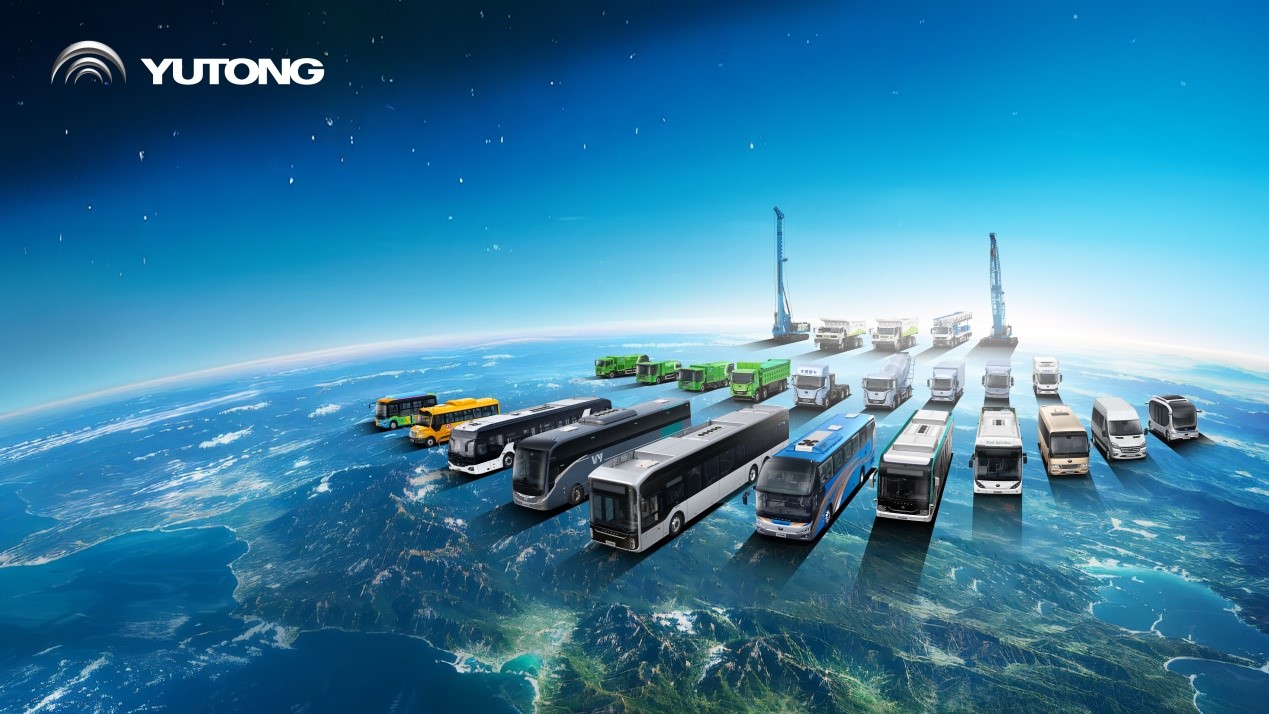
Core Insights - Yutong Group reported a total sales of 63,798 commercial vehicles in 2025, achieving a revenue of 49.38 billion yuan, reflecting a year-on-year growth of 11.4% [1] - The results indicate strong market recognition of Yutong's products and technologies, as well as the successful implementation of its strategies focused on electrification, intelligent connectivity, high-end products, and internationalization [1] Group 1: Market Performance - In 2025, China's automotive production and sales both exceeded 34 million units, with the commercial vehicle market showing a positive recovery, achieving production and sales of 4.261 million and 4.296 million units, respectively, representing year-on-year growth of 12% and 10.9% [3] - The penetration rate of new energy commercial vehicles reached 30.9% in October 2025, marking a shift from policy-driven to market-driven growth [3] - Yutong's new energy business saw robust growth, with new energy bus sales leading the market with a year-on-year increase of 22.94% [3] Group 2: Technological Advancements - Yutong's R&D innovations focus on seven key technology areas, including battery, motor, control, drive, bridge, thermal management, and charging [3] - The company launched several new products, such as the Tianyu S12 and T7, to meet high-end market demands, while also expanding its international product offerings [3] Group 3: International Expansion - Yutong's export sales reached 17,149 units in 2025, reflecting a year-on-year growth of 22.49%, with total exports nearing 130,000 units [5] - The company has successfully transitioned from merely exporting products to providing a full value chain of technology, services, and solutions, demonstrating a high-quality international expansion strategy [5] - Yutong's new energy products have been deployed in nearly 60 countries and regions globally, showcasing their popularity among users [5] Group 4: Corporate Social Responsibility - Yutong is actively promoting green development strategies, with initiatives like the "Zero Carbon Forest" project making progress in various countries [6] - The company has participated in international events, providing support with its new energy products, thereby enhancing its reputation and showcasing China's leading capabilities in new energy commercial vehicles [6] Group 5: Future Outlook - The China Automotive Industry Association predicts significant breakthroughs in new energy and exports for commercial vehicles in 2025, which Yutong has already demonstrated through its performance [8] - Several institutions have expressed optimism about Yutong, with Huazhang Securities giving a "buy" rating and招商证券 maintaining a "strongly recommended" investment rating [8] - As the industry transitions from product competition to ecological value competition, Yutong's early advantage in new energy, continuous innovation, and long-term strategic focus position it well for future growth [8]

3.8万辆创佳绩!中国重汽专用车以四大主轴领航新程
Zhong Guo Qi Che Bao Wang· 2026-02-02 02:41
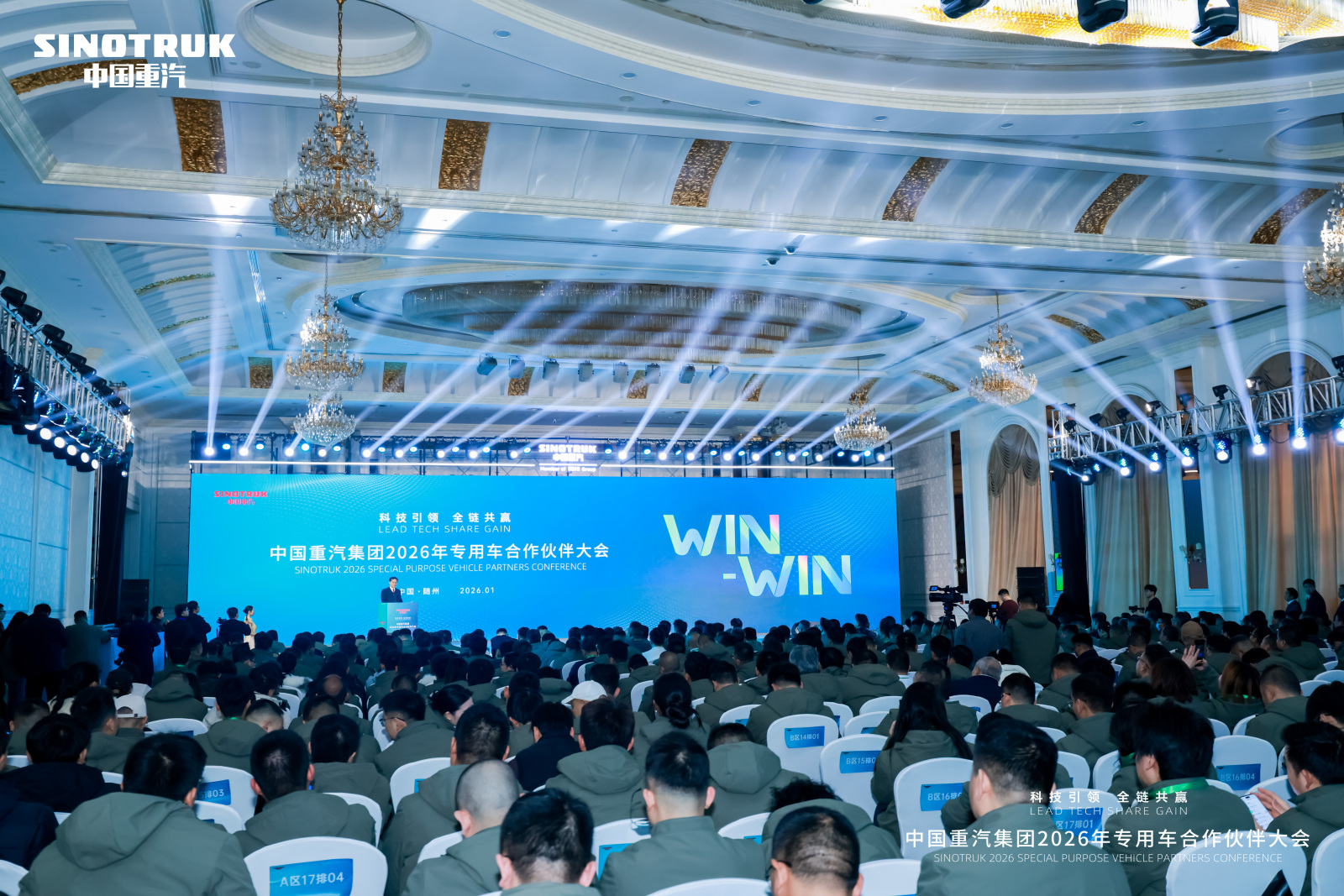
Core Insights - The Chinese special vehicle industry is accelerating its transformation towards electrification, intelligence, and efficiency, showing a positive trend in scale and quality improvement as it enters the "14th Five-Year Plan" period [1] - China National Heavy Duty Truck Group (CNHTC) aims to solidify its industry position by balancing market stability and progress, as well as integrating new and old strategies during the new competitive cycle [3] Market Performance - In 2025, the overall Chinese special vehicle market is stabilizing and growing, with CNHTC achieving annual sales of 38,000 units, including 20,000 medium and heavy-duty special vehicles and 18,000 light-duty special vehicles, marking significant breakthroughs in various segments [4] - CNHTC's market share in the medium and heavy-duty special vehicle sector reached its best performance in recent years, with over 75% market share in high-end special vehicles like fire and emergency trucks [4][6] Product Development - CNHTC's brands have shown strong performance in niche markets, with the HOWO brand leading in several categories, including a 44.8% market share in fire trucks and a 31.9% share in recovery vehicles [6] - The company emphasizes a dual approach of fuel and new energy products, showcasing over 40 vehicles and 20 key components at its recent partner conference, highlighting advancements in energy efficiency and adaptability [10] Strategic Focus - As part of its strategy for 2026, CNHTC has identified four key development pillars: product enhancement, ecosystem development, value marketing, and international expansion [12][14] - The company aims to deepen its understanding of market scenarios, enhance technical capabilities, and innovate business models to seize opportunities during structural transformations [11][14] Future Outlook - CNHTC is committed to customer satisfaction and aims to lead the special vehicle sector through technological innovation and collaboration with industry partners, focusing on creating high-quality, efficient products that meet market demands [16]

展望二〇二六驶向汽车产业提质增效新征程
Jing Ji Ri Bao· 2026-02-02 00:00
Core Insights - The Chinese automotive industry is transitioning from "scale expansion" to "quality improvement and efficiency enhancement" in 2026, driven by electrification and intelligent transformation [1] - The market competition is shifting from price wars to a "value war" focused on technological innovation, product iteration, quality enhancement, and experience optimization [1] Market Overview - In 2026, the total vehicle sales in China are projected to reach 34.75 million, a slight increase of 1%, while another estimate suggests around 28 million units, growing by 2% [2] - The industry is entering a phase characterized by high sales volume but low growth, with competition focusing on quality and efficiency rather than scale [2] - The central economic work conference emphasizes a policy direction of "stability while seeking progress" and "quality improvement and efficiency enhancement" for the automotive sector [2] New Energy Vehicles (NEVs) - NEVs are expected to achieve significant growth, with sales projected to exceed 20 million units in 2026, solidifying their market dominance [3] - Domestic automakers are leveraging technological innovation and supply chain advantages to produce competitively priced NEVs, shifting from policy-driven sales to market-driven sales as penetration rates exceed 50% [3] Competitive Landscape - Leading domestic automakers like Geely, BYD, and Chery are expected to benefit from product structure upgrades and global expansion, with Geely targeting over 4.5 million units in sales for 2026 [3] - New entrants in the automotive market are experiencing accelerated differentiation, with companies like Leap Motor and Xpeng doubling their sales, while others like NIO are focusing on operational efficiency [4] Internationalization and Global Expansion - The Chinese automotive industry is increasingly focusing on international markets, with exports projected to exceed 8 million units in 2026, primarily driven by NEVs [12] - Major automakers are establishing overseas production facilities to mitigate tariffs and trade barriers, enhancing local integration and responsiveness [13] Technological Innovation - Key areas of technological advancement include power batteries, chips, and software, with significant breakthroughs expected in 2026 [6] - The development of next-generation battery technologies, such as solid-state batteries, is progressing, with initial production expected to begin in 2026-2027 [6] - Intelligent driving technologies are advancing, with L2-level driving assistance features expected to penetrate over 70% of new passenger vehicles by 2026 [7] Emerging Trends - The automotive industry is evolving into a "super platform," integrating various technologies and services beyond traditional transportation [11] - Companies are exploring new growth avenues, including humanoid robots and low-altitude economy sectors, with significant developments anticipated in 2026 [9][10]





驶向汽车产业提质增效新征程
Jing Ji Ri Bao· 2026-02-01 21:56
跃马新程,扬鞭奋蹄。2026年是我国汽车产业从"规模扩张"驶向"提质增效"的关键之年。 面对电动化和智能化变革浪潮,我国汽车产业将在总量高位运行与结构深度调整中,奋力迈向高质量发 展。在国家政策引导和企业集体反思下,单纯以降价为核心的"内卷"有望缓解,而以技术创新、产品迭 代、品质提升、体验优化为核心的"价值战"将全面升级。 激烈的市场竞争,既是企业创新活力的生动体现,也是淘汰赛加速的直观映射。科技创新、供应链重 构、跨界融合、生态出海、政策调整、贸易保护等多种变量相互交织,不仅深刻重塑国内汽车市场竞争 格局,也将影响全球汽车市场走势。 竞争格局加速重构 经历了2025年超预期增长,2026年国内汽车市场正式迈入"高销量、低增长"新阶段。中汽协预计,2026 年汽车总销量达3475万辆,微增1%;车百会预计,2026年国内汽车销量约为2800万辆,增长2%。这个 阶段的核心特征,是销量基数大、增长幅度稳,行业竞争从规模比拼转向质量与效率竞争。 从产品结构来看,在整体市场平稳增长下,新能源汽车将实现量质齐升。新能源汽车仍是产业增长核心 动力,2026年销售量有望突破2000万辆(包括出口),市场主导地位进一步巩 ...
2026年MPV市场乱战升级:新车扎堆入市,全维博弈白热化
Bei Jing Shang Bao· 2026-02-01 10:41
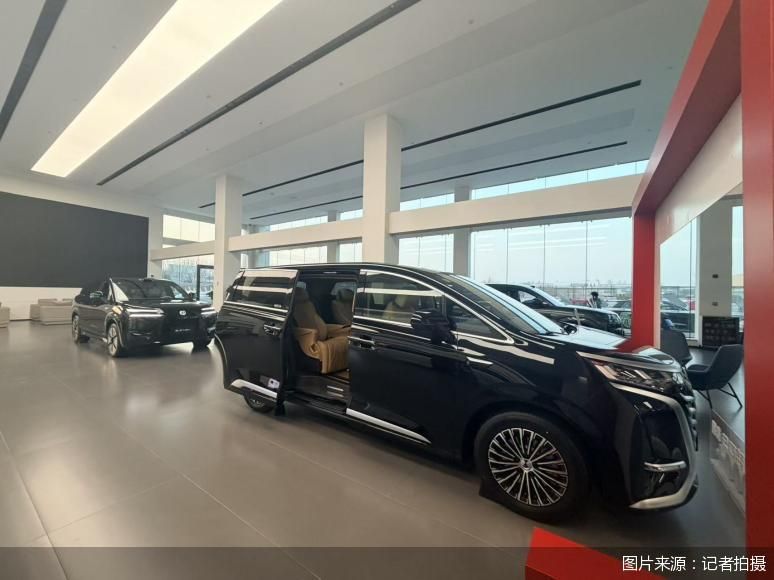
Core Viewpoint - The MPV market in China is undergoing significant transformation, with at least six new models set to launch by 2026, driven by evolving family vehicle demands and advancements in new energy technology [1] Group 1: Market Dynamics - The MPV segment has shifted from a niche market to a competitive battleground, influenced by the increasing demand for family-oriented vehicles and the rise of new energy technologies [1] - The emergence of large six-seat SUVs is diverting demand away from MPVs, necessitating a focus on enhancing space comfort and accelerating the transition to family-oriented designs [6][8] - The MPV market is experiencing a structural explosion in demand, with family usage surpassing business use, as evidenced by 58% of MPV sales being for family purposes in 2025 [6] Group 2: New Model Launches - Multiple new MPV models are set to enter the market, including the Leap Motor D99, which features an 80.3 kWh battery for extended range, and the Galaxy V900, which offers a spacious trunk [3] - High-end models are also being introduced, such as the Lantu flagship MPV with L3-level autonomous driving capabilities and the Huawei-powered Zhijie V9, which is expected to launch in spring 2026 [3] Group 3: Sales Performance - In December 2025, 70% of the top ten MPV sales were from new energy vehicles, with the Wey brand's Gaoshan leading at 10,558 units sold [4] - Traditional brands like Toyota and Buick continue to dominate, with the Toyota Granvia and Sienna ranking second and third in sales, while Honda's models are experiencing a decline [5] Group 4: Competitive Strategies - Companies are focusing on differentiated features to enhance their competitive edge, such as the Zhijie V9's rotating second-row seats and the D99's advanced driving assistance systems [7] - The trend towards multifunctional MPVs is emerging, with some models designed for camping and outdoor activities, showcasing the versatility of MPVs [7] Group 5: Future Outlook - The MPV market is expected to see increased concentration, with the top ten manufacturers accounting for 78.3% of total sales in 2025, indicating a trend towards market consolidation [8] - The competition in the MPV sector is anticipated to intensify, with a focus on smart technology and electric upgrades as key differentiators for companies aiming to capture market share [8]