
自动驾驶商业化

Search documents
文远知行与Grab强强联合,未来将在东南亚市场渐进式部署数千辆Robotaxi
Jin Tou Wang· 2025-08-18 01:57
Core Insights - The strategic partnership between WeRide and Grab aims to accelerate the deployment of Robotaxis and other autonomous vehicles in Southeast Asia, enhancing service quality and safety [1] - Grab's investment in WeRide, amounting to several tens of millions of dollars, is expected to be completed by mid-2026, supporting WeRide's international growth strategy [1] - The collaboration will integrate WeRide's autonomous driving technology into Grab's fleet management, vehicle matching, and route planning systems [2] Group 1 - The partnership will establish a cooperative system where WeRide will deploy Robotaxis within Grab's operational network to improve efficiency and scalability [1] - The focus areas of collaboration include optimizing scheduling and route planning, maximizing vehicle utilization, and assessing safety performance [2][3] - Training programs will be developed to help willing Grab drivers and local community members transition into the autonomous driving industry, creating high-value career paths [1][4] Group 2 - The collaboration emphasizes a dual empowerment of resources and funding, alongside a strong integration of technological innovation and localized operations [4] - The implementation of various cooperative measures is expected to provide safer and more efficient transportation options for Southeast Asian users [4] - This partnership serves as a valuable practical example for the global commercialization of autonomous driving, potentially opening new pathways in the local job market [4]


上海临港首批无驾驶人智能网联出租正式接单:稳步推进规模化商业化
Xin Lang Cai Jing· 2025-08-15 14:37
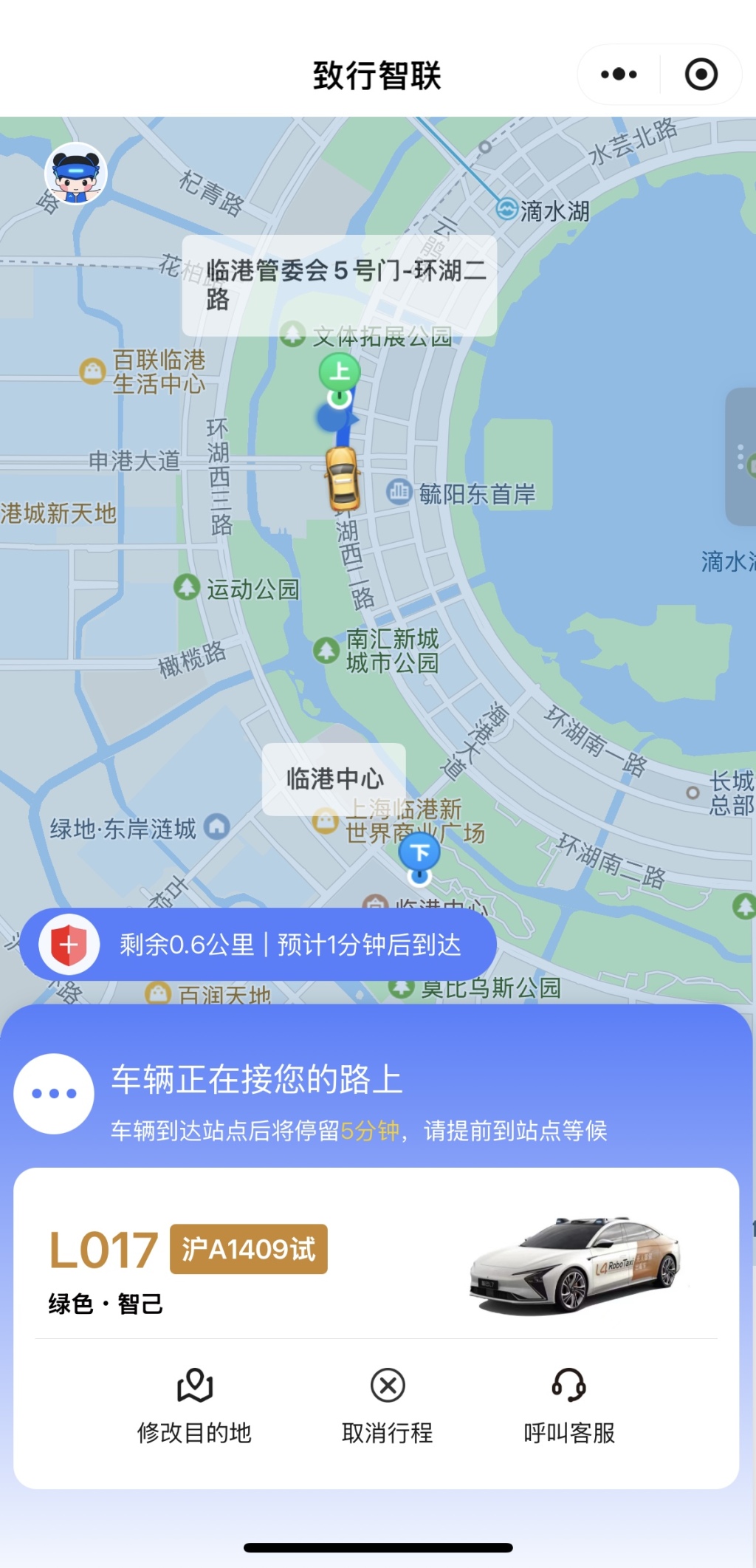
Core Insights - The large-scale commercialization of autonomous driving is being accelerated by the introduction of Robotaxi services, with Shanghai's Lingang area serving as a key testing ground for driverless applications [1][4] Group 1: Robotaxi Operations - The first batch of driverless intelligent networked taxis in Shanghai's Lingang area officially opened for public operation on August 15, covering 58 locations in the main urban area [1] - The service operates daily from 8 AM to 8 PM, allowing residents to book rides through the "Lingang Travel" app, which provides real-time information such as license plate numbers and vehicle routes [1] - The fare structure includes a starting price of 16 yuan for trips under 5 kilometers, with an additional charge of 4 yuan per kilometer for longer distances [1] Group 2: Licensing and Regulation - A new batch of intelligent networked vehicle demonstration operation licenses was issued on July 26, involving companies like Baidu and Shanghai Jinjiang Taxi Service, which will promote the large-scale commercial application of L4 autonomous driving technology [4] - The Lingang area has established a comprehensive regulatory framework, including the issuance of guidelines and standards for the testing and operation of driverless vehicles, ensuring safety and compliance [6][7] Group 3: Infrastructure and Ecosystem - Lingang has opened 551.7 kilometers of autonomous driving testing roads and has issued driverless road test licenses to 41 vehicles from five companies, with 14 vehicles already qualified for demonstration operations [6] - The area is also developing various unmanned innovative application scenarios, including smart buses and automated logistics solutions, enhancing the overall transportation experience for residents [8] Group 4: Future Developments - The Lingang area plans to deepen the integration of industry, application scenarios, and regulatory frameworks to ensure the safe operation of driverless vehicles and to promote the scale and commercialization of driverless taxi services [8]


官宣!Grab将投资文远知行数千万美元,共建东南亚自动驾驶生态
Sou Hu Cai Jing· 2025-08-15 10:26
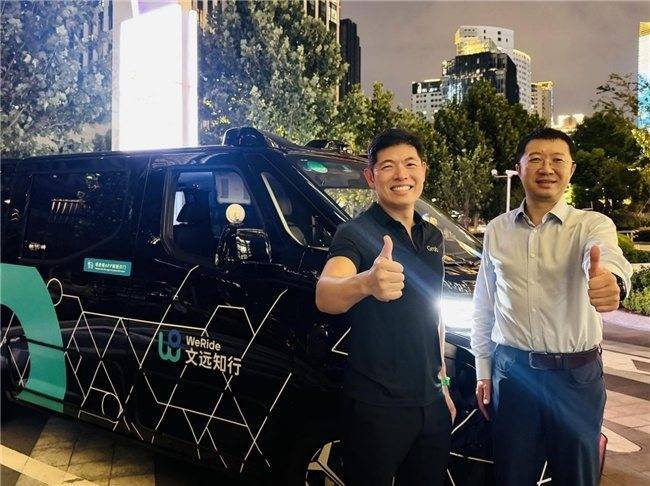
Core Insights - The strategic partnership between WeRide and Grab aims to accelerate the deployment of Robotaxis and other autonomous vehicles in Southeast Asia, enhancing service quality and safety [1][3][7] Investment Details - Grab will invest tens of millions of dollars in WeRide, with the investment expected to close by mid-2026, contingent on WeRide's selected timing and transaction conditions [3] - This investment supports WeRide's international growth strategy, facilitating the expansion of its commercial autonomous vehicle fleet in Southeast Asia [3] Collaboration Framework - WeRide will integrate its autonomous driving technology into Grab's fleet management, vehicle matching, and route planning systems [3][5] - The partnership will include joint training programs for Grab drivers and local community members to transition into the autonomous driving industry [3][5] Operational Synergies - Key areas of collaboration include optimizing scheduling and route planning, maximizing vehicle utilization, safety performance assessment, remote monitoring and assistance, customer support, and training for skill enhancement [5] - The integration aims to ensure seamless incorporation of autonomous vehicles into Grab's fleet management system, improving passenger experience and operational efficiency [5] Market Impact - This collaboration represents a significant synergy of funding, resources, technological innovation, and localized operations, potentially providing safer and more efficient transportation options for Southeast Asian users [7] - The partnership is expected to create new pathways in the local job market and serve as a valuable practical example for the global commercialization of autonomous driving [7]
文远知行获Grab数千万美金战略投资,加速东南亚Robotaxi商业化布局
Sou Hu Cai Jing· 2025-08-15 10:14
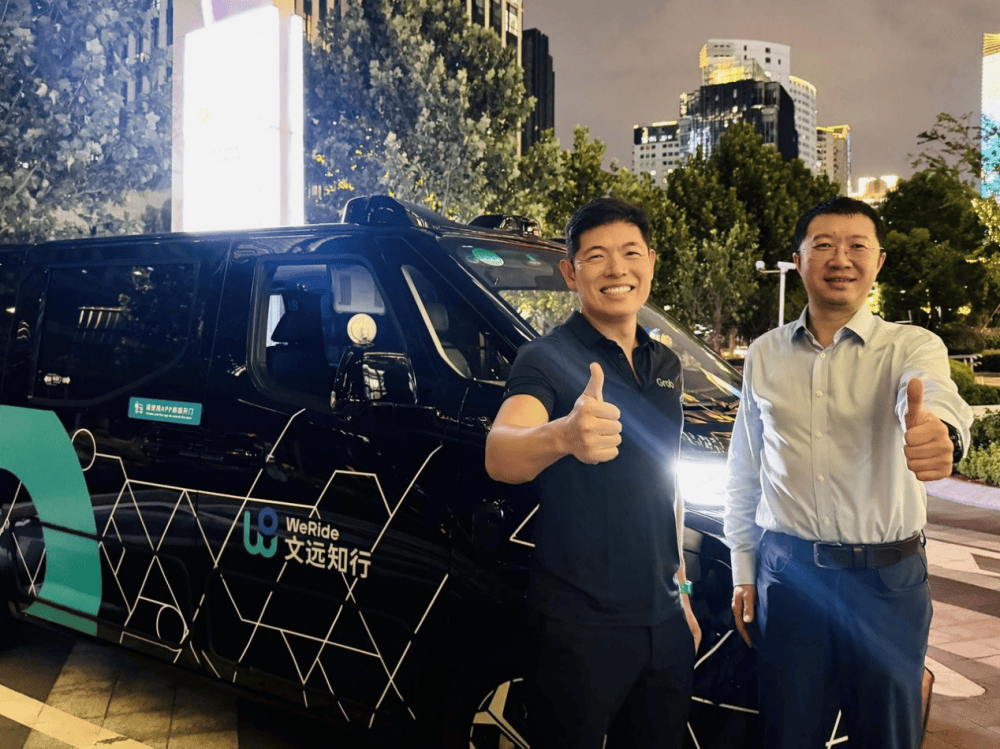
Core Insights - The strategic partnership between WeRide and Grab aims to accelerate the deployment of Robotaxi and autonomous vehicles in Southeast Asia, leveraging Grab's established operational network [1][3] - Grab, as a leading super app in Southeast Asia, operates across various sectors including delivery, transportation, and digital finance, covering over 800 cities in eight countries [3] - WeRide, recognized as the "first global Robotaxi stock," has established autonomous driving operations in 30 cities across 10 countries, holding licenses in six countries simultaneously [3][5] Company Collaboration - The investment from Grab into WeRide is a significant step in their strategic collaboration, focusing on enhancing the quality and safety of transportation services in the region [1][5] - Grab's CEO emphasized the potential of autonomous vehicles to complement their driver network, particularly in areas facing labor shortages, and the importance of real-world testing for optimizing technology [4] - The partnership is expected to address key challenges such as labor shortages and improve transportation safety, providing a replicable model for cross-regional collaboration in autonomous driving commercialization [5]
二季度Robotaxi业务营收暴涨,小马智行、文远知行驶入商业化攻坚的关键转折期
Hua Xia Shi Bao· 2025-08-15 01:12
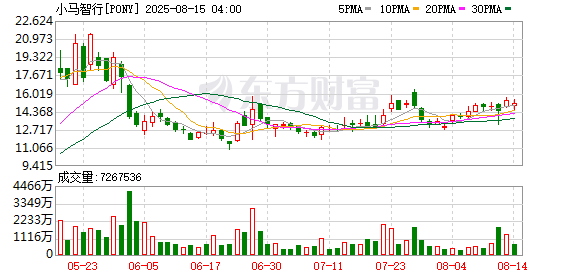
Core Insights - The core viewpoint of the articles highlights the significant revenue growth and operational advancements of autonomous driving companies Pony.ai and WeRide, despite ongoing losses. Both companies are experiencing a critical transition towards commercialization in the Robotaxi sector [2][3][4]. Revenue and Profitability Growth - Pony.ai reported a total revenue of 154 million yuan in Q2 2025, marking a year-on-year increase of 75.9% and a quarter-on-quarter increase of 53.5% [3] - The gross margin for Pony.ai reached 16.1% in Q2 2025, a substantial improvement from -0.3% in the same quarter of 2024 [3] - WeRide's Q2 2025 revenue was 127 million yuan, reflecting a year-on-year growth of 60.8% [2] - Pony.ai's Robotaxi business revenue surged by 157.8% year-on-year, while WeRide's Robotaxi revenue skyrocketed by 836.7%, reaching a historical high [2][4] Market Acceptance and Technological Advancements - The rapid growth in Robotaxi revenue indicates increasing market acceptance of autonomous driving services [4] - Both companies are expanding their operational scale and technological capabilities, with Pony.ai collaborating with Dubai's Road and Transport Authority for future Robotaxi operations [4][5] - Pony.ai has also initiated testing in Luxembourg and received national-level autonomous driving testing permits in South Korea [4] Financial Challenges and Strategic Investments - Despite revenue growth, both companies have not yet achieved profitability. Pony.ai reported a net loss of 382 million yuan in Q2 2025, a year-on-year increase of 72.49% [6] - WeRide's net loss was 406 million yuan, slightly narrowing from a loss of 414 million yuan in the previous year [6] - The increase in losses is attributed to higher investments in the seventh-generation Robotaxi production and R&D expenses [6][7] Future Outlook and Production Goals - Pony.ai aims to achieve a fleet of 1,000 Robotaxis to reach operational breakeven, with over 500 units already in operation [7] - The company has initiated mass production of the seventh-generation Robotaxi in collaboration with BAIC and GAC, with over 200 units produced in two months [7] - Both companies are focused on reducing costs through mass production of autonomous driving kits, with significant reductions in component costs reported [9]
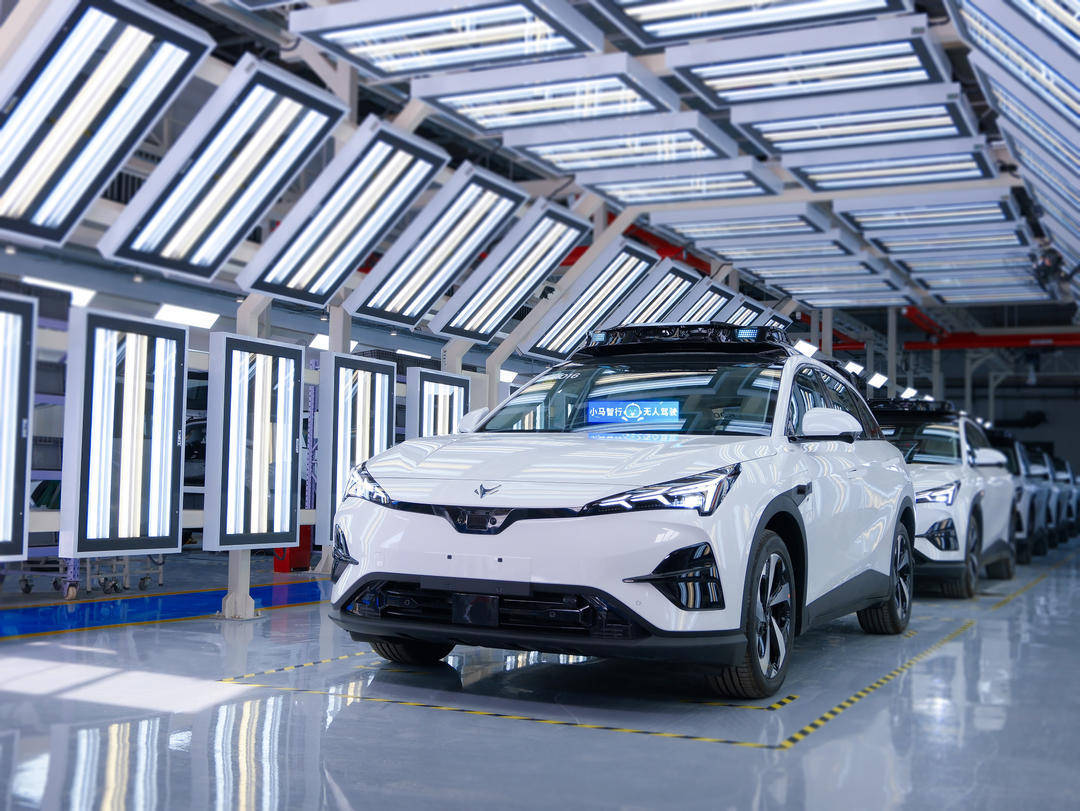
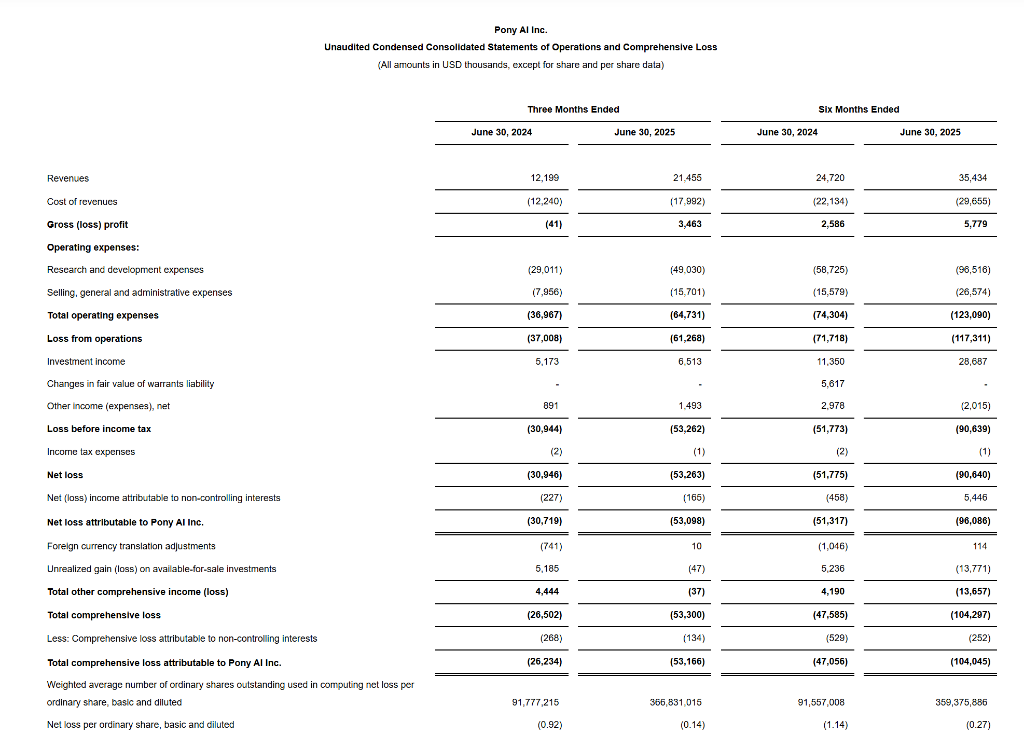
小马智行发布2025Q2财报:Robotaxi车辆总数突破500台,总营收1.54亿元同比涨75.9%
Sou Hu Cai Jing· 2025-08-12 16:05
Core Insights - The core viewpoint of the article highlights the significant growth and operational advancements of the autonomous driving company Pony.ai, particularly in its Robotaxi business, which is on track to scale up its fleet and revenue significantly by the end of 2025 [2][3][4] Financial Performance - In Q2 2025, Pony.ai reported total revenue of 154 million RMB (21.5 million USD), marking a year-on-year increase of 75.9% and a quarter-on-quarter increase of 53.5% [2] - The Robotaxi business generated revenue of 10.9 million RMB (1.5 million USD) in Q2, reflecting a year-on-year growth of 157.8%, with passenger fare income increasing by over 300% [3] Operational Expansion - The total number of Robotaxi vehicles surpassed 500, with expectations to exceed 1,000 by the end of 2025 [2] - The company has initiated mass production of its seventh-generation Robotaxi in collaboration with BAIC and GAC, producing over 200 vehicles within two months [2] Market Position and Strategy - Pony.ai is the only company in China offering fully autonomous Robotaxi services in major cities like Beijing, Shanghai, Guangzhou, and Shenzhen, covering over 2,000 square kilometers [3] - The company has optimized pricing and operational strategies to enhance user engagement, resulting in a 136% year-on-year increase in registered users [3] Cost Efficiency and Profitability - The CFO indicated that the strong performance demonstrates a scalable and sustainable business model, with significant improvements in the unit economics of Robotaxi operations [4] - Adjusted R&D expenses for Q2 2025 were 316 million RMB, as the company accelerates production and commercialization of the seventh-generation Robotaxi [4]
小马智行Q2总营收同比涨75.9%,Robotaxi收入增长157.8%,车辆总数突破500台
Hua Er Jie Jian Wen· 2025-08-12 10:29
Core Insights - The company has successfully increased its Robotaxi fleet to over 500 vehicles and aims to exceed 1,000 by the end of 2025 [1][6] Financial Performance - For Q2 2025, the company reported revenues of 215 million RMB (approximately 30 million USD), a year-on-year increase of 75.9% and a quarter-on-quarter increase of 53.5% [4][5] - The Robotaxi business generated revenue of 10.9 million RMB (approximately 1.5 million USD), reflecting a year-on-year growth of 157.8%, with passenger fare revenue increasing by over 300% [4][5] - The net loss for Q2 2025 was 533 million RMB (approximately 75 million USD), compared to a net loss of 309 million RMB in Q2 2024, marking a year-on-year increase of about 72.5% [5] - The adjusted net loss was 461 million RMB (approximately 65 million USD), up 52.1% from the previous year [5] Operational Highlights - The company has commenced mass production of its seventh-generation Robotaxi models, achieving over 200 vehicles produced within two months [3][5] - The Robotaxi service has expanded its coverage to major cities including Beijing, Shanghai, Guangzhou, and Shenzhen, with a total operational area exceeding 2,000 square kilometers [4][5] - The company has conducted over 2 million kilometers of testing for its seventh-generation models in various conditions, validating the safety and stability of its L4 autonomous driving system [5] Strategic Initiatives - The company is pursuing global expansion, with plans to initiate road testing in Dubai by 2025 and full unmanned commercial operations by 2026 [6] - In Europe, testing has begun in Luxembourg, with plans for further regional expansion [6] - In South Korea, the company has received national-level autonomous driving testing permits and has expanded testing hours to 24/7 in busy urban areas [6]
自动驾驶已至商业化前夕 华为、腾讯等跨界“逐鹿”
Xin Hua Wang· 2025-08-12 05:48
Core Viewpoint - The commercialization of "driverless" autonomous driving technology is approaching, with companies like Baidu and Pony.ai actively testing and preparing for operations in designated areas like Beijing's Yizhuang [1][8]. Group 1: Autonomous Driving Technology - The "driverless" autonomous driving technology is transitioning from laboratory experiments to real-life applications, supported by government encouragement and increasing user acceptance [1][8]. - Baidu's autonomous driving system treats all orders equally, avoiding the "order picking" phenomenon common in traditional ride-hailing services [3][8]. - The safety of autonomous vehicles is emphasized, with Baidu adhering strictly to traffic regulations, as nearly 96% of traffic accidents are attributed to speeding or non-compliance with speed limits [3][8]. Group 2: User Experience and Acceptance - Users report a better experience with driverless Robotaxis compared to traditional ride-hailing services, citing comfort and simplicity in the booking process [2][3]. - The frequency of use among early adopters is high, with some users taking rides multiple times a week for commuting purposes [2][3]. Group 3: Industry Competition and Investment - Major tech companies like Huawei and Tencent are increasing their investments in autonomous driving, with Huawei's automotive business unit employing over 7,000 personnel, 70-80% of whom are focused on autonomous driving research [5][6]. - Tencent is developing cloud-based solutions tailored for the smart automotive industry, enhancing the infrastructure needed for autonomous driving [7][8]. Group 4: Regulatory Environment - The Chinese government is actively promoting the development of autonomous driving through various policies and regulations, with nearly 30 related policies announced in the first half of 2023 [8][9]. - New regulations are being established to manage data security and operational standards for autonomous vehicles, indicating a structured approach to integrating these technologies into urban environments [8][9]. Group 5: Future Outlook - The industry is nearing a tipping point for the commercialization of autonomous driving, with ongoing improvements addressing pain points and enhancing user experience [8][9]. - The potential for autonomous driving to transform urban mobility is recognized, with expectations for significant changes in how people travel in the future [8][10].


帮主郑重:外围大涨+政策发力!8月7日A股策略,这三大板块值得关注
Sou Hu Cai Jing· 2025-08-07 02:47
Market Overview - The US stock market experienced significant gains, with major indices reaching new highs, driven by Apple's announcement of an additional $100 billion investment in the US and Tesla's advancements in its FSD system [3] - The positive sentiment in the US market is expected to influence the A-share market positively [3] Policy and Industry Support - A joint policy from seven departments emphasizes financial support for key sectors such as integrated circuits, industrial mother machines, and medical equipment, which is seen as a direct benefit for the semiconductor and high-end manufacturing sectors [3] - The implementation plan for the embodied intelligence industry in Shanghai, along with the upcoming World Robot Conference, is expected to create opportunities in the robotics and AI computing sectors, with visibility of core component orders extending to 2026 [3] Technical Analysis - The Shanghai Composite Index closed at 3633.99 points with a 0.45% increase and a trading volume of 707.2 billion yuan, indicating a bullish trend as it broke through the short-term resistance level of 3609 points [4] - The RSI indicator has risen to 58, suggesting a moderately strong market, although there are signals of potential technical corrections if the index approaches 3674 points without sufficient volume [4] Capital Flow - Northbound capital saw a net outflow of 6.251 billion yuan, primarily reducing positions in electronics, banking, and home appliances, while defensive sectors like public utilities and transportation received increased investment [4] - Domestic capital also experienced a net outflow of 9.652 billion yuan, indicating a short-term speculative mindset, although retail investors showed signs of recovery with a net inflow of 23.6 billion yuan [4] Investment Strategy - The A-share market is likely to open higher, with aggressive investors advised to focus on sectors benefiting from policy support, such as brokerage firms, artificial intelligence, and innovative pharmaceuticals [5] - The Tesla FSD supply chain, including camera modules, AI chips, and high-precision maps, presents clear domestic replacement opportunities [5] - Defensive investments in public utilities and high-dividend banking stocks are recommended for conservative investors [5] Long-term Considerations - Despite short-term market recovery, long-term investors should monitor inflationary pressures indicated by July CPI and PPI data, as well as geopolitical risks related to US tariffs and the Iran nuclear issue [6] - Key long-term investment themes include technology (semiconductors, computing power), high-end manufacturing (robots, industrial mother machines), and consumer recovery (food and beverage, home appliances) [6]

萝卜快跑将在欧洲“起跑”
Mei Ri Shang Bao· 2025-08-06 22:15
Core Insights - Chinese autonomous driving companies are accelerating their global expansion, with significant partnerships and market entries in Europe and the Middle East [1][2][3] Group 1: Strategic Partnerships - Baidu's RoboTaxi has partnered with Lyft to launch autonomous ride-hailing services in Germany and the UK by 2026, with plans to scale to thousands of vehicles [2] - RoboTaxi has also entered partnerships with Uber and has deployed over 1,000 autonomous vehicles across 15 cities globally [2] - Other companies like WeRide and Pony.ai are also forming collaborations with local governments and platforms to explore diverse international markets [1][3] Group 2: Market Expansion - Shanghai has issued the first batch of smart connected vehicle operation licenses, with plans to achieve L4 autonomous driving for over 6 million rides by 2027 [3] - WeRide has obtained the first autonomous driving license in Saudi Arabia, making it the only company with licenses in six countries [3] - Pony.ai is actively pursuing commercial operations in Dubai and has secured autonomous driving licenses in multiple countries [4] Group 3: Financial Performance - Despite the aggressive expansion, many autonomous driving companies have not yet achieved profitability, with Pony.ai reporting a net loss of $275 million in 2024, a 120% increase year-over-year [4] - The global Robotaxi market is projected to reach $40 billion to $45.7 billion by 2030, with the autonomous vehicle market potentially exceeding $1.2 trillion by 2040 [4]