软件定义汽车

Search documents
地平线与小鹏:中国技术“武装”大众
Jing Ji Guan Cha Bao· 2025-11-05 11:48
Core Insights - Volkswagen is restructuring its software development in China by collaborating with local tech companies Horizon and Xpeng to enhance its intelligent driving capabilities [1][8] - The establishment of the joint venture CARIZON with Horizon aims to develop system-level computing solutions for advanced driving assistance and autonomous driving systems [1][2] - Volkswagen's sales in China have significantly declined from over 4 million units in 2018 to an expected 2.75 million units in 2024, losing its long-standing market leadership [1][8] Group 1: Collaboration with Horizon - Horizon is a key partner in Volkswagen's adjustment, focusing on hardware-software synergy and large-scale production [2] - The joint venture CARIZON will develop Volkswagen's first self-developed intelligent driving chip, with a computing power range of 500 to 700 TOPS, planned for mass production within three to five years [2][3] - This chip will utilize a 3 to 4 nanometer process and will be integrated into Volkswagen's third-generation Chinese electronic and electrical architecture (CEA), with 80% of new cars sold in China by 2030 based on this architecture [2][3] Group 2: Collaboration with Xpeng - Volkswagen's second software route involves a $700 million investment in Xpeng, marking it as the first foreign carmaker to enter the local new energy vehicle market through equity cooperation [4][8] - Xpeng's second-generation Visual Language Action model (VLA) enhances vehicle decision-making capabilities without high-precision maps, with Volkswagen as one of the first partners [4][7] - The VLA model, trained on 30,000 computing cards from Alibaba Cloud, has a parameter scale of 72 billion and iterates every five days, significantly improving the vehicle's ability to navigate complex scenarios [7] Group 3: Strategic Implications - The collaboration with Horizon focuses on building a robust system while Xpeng emphasizes algorithm-driven advancements, creating a complementary relationship for Volkswagen in China [5][7] - The partnerships reflect a shift in the automotive industry's competitive landscape, moving from manufacturing efficiency to system and ecosystem competition [8][9] - Volkswagen's strategy to co-create with local tech firms allows it to adapt to the fast-paced, data-driven environment of the Chinese market, positioning itself to regain software capabilities [8][9]

【港交所IPO】赛力斯:“A+H”双平台共振,领航豪华新能源赛道高质量发展
Sou Hu Cai Jing· 2025-11-05 10:58
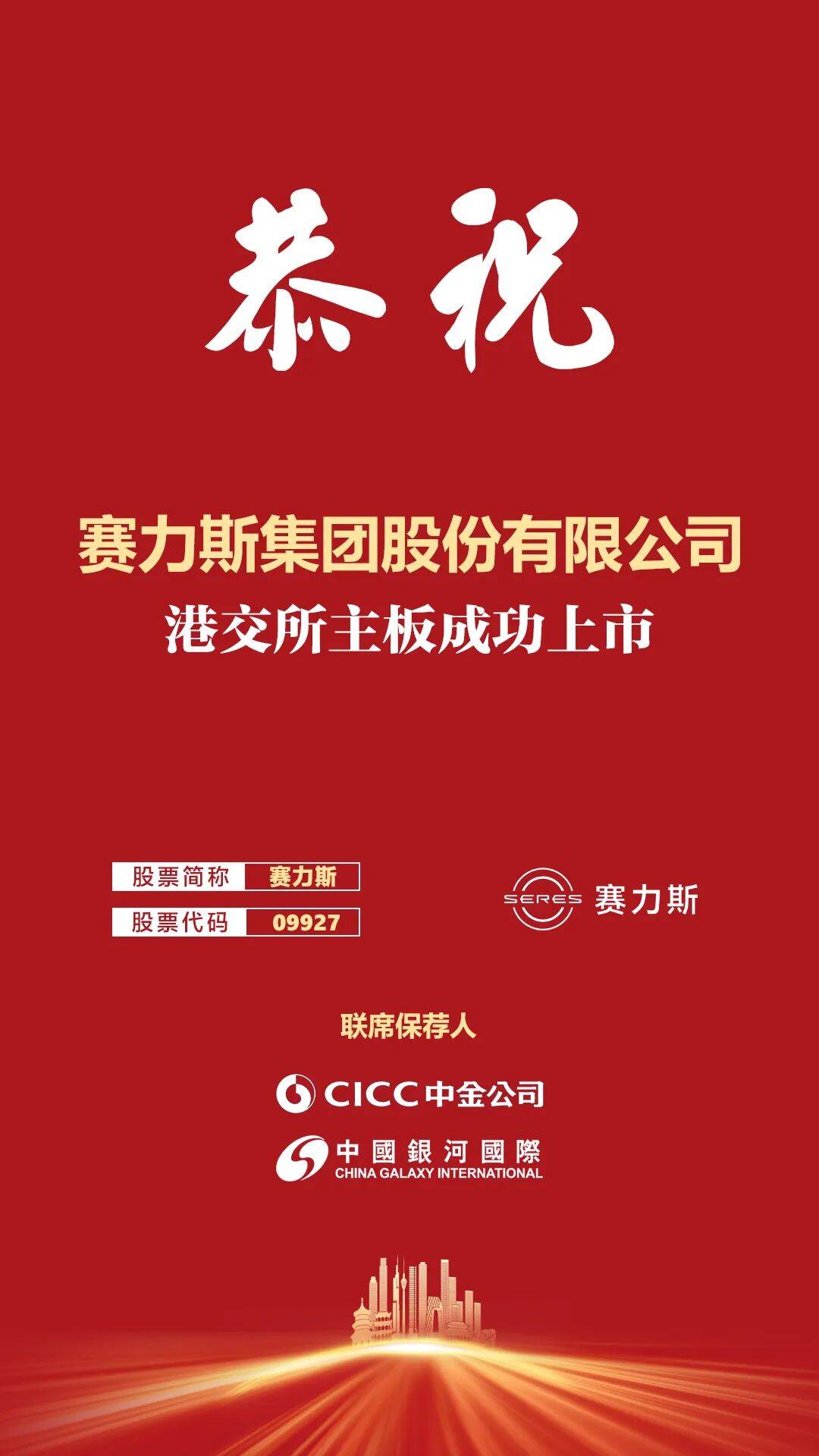
Core Viewpoint - The successful listing of Seres Group on the Hong Kong Stock Exchange enhances its international financing channels and brand image, establishing a dual-platform structure that supports diversified capital and R&D investments [9][11]. Company Overview - Seres Group, listed under the stock code 09927, aims to leverage its H-shares to optimize its capital structure and increase R&D investments, with approximately 70% of the funds raised allocated for cutting-edge technology development [3][9]. Financial Performance - In 2024, Seres Group's revenue reached 145.176 billion, a year-on-year increase of 305.04%, with a net profit of 5.946 billion, marking a turnaround to profitability [11]. - For the first three quarters of 2025, revenue continued to rise to 110.534 billion, with a net profit of 5.312 billion, reflecting a growth of 31.56% [11]. - The company's total assets exceeded 121.506 billion, and net assets reached 27.803 billion, representing increases of 28.76% and 126.70% respectively [11]. Product and Market Strategy - The Wanjie brand serves as a core growth engine, with cumulative deliveries exceeding 800,000 units by September 2025, setting records in the luxury electric vehicle segment [12]. - Seres is focused on building a strong technological moat, investing in advanced technologies such as the Magic Cube technology platform and intelligent safety systems, aligning with the trend of "software-defined vehicles" [14]. Capital Market Engagement - The H-share listing has restructured the valuation system towards global standards, connecting with global investors and establishing a new valuation paradigm of "Chinese innovation + international capital" [11]. - The company secured commitments from 22 cornerstone investors, raising approximately 826 million USD (around 64.21 billion HKD) [15]. Future Outlook - Seres plans to expand its overseas network through various strategies, including joint ventures and acquisitions, focusing on markets in the Middle East, Europe, Central America, and South America [16]. - The company aims to enhance its global brand influence and establish a comprehensive service system covering sales and charging networks [16].

保时捷全球CEO奥博穆:中国研发中心拥有独立决策权,开发周期从数年缩短至数月
Xin Lang Ke Ji· 2025-11-05 02:56
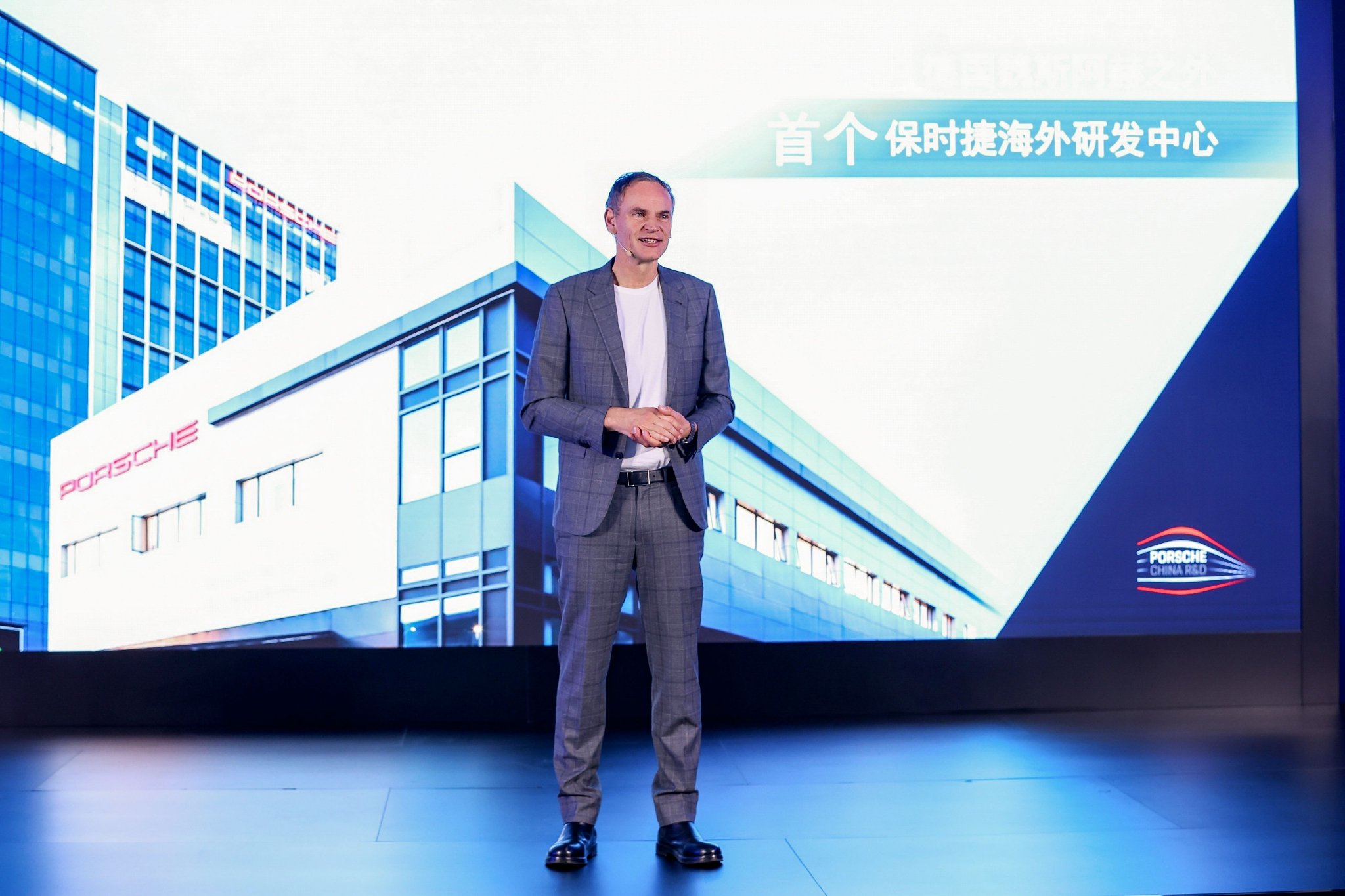
新浪科技讯 11月5日上午消息,在今日的保时捷中国研发中心启幕仪式上,大众汽车集团及保时捷全球首席执行官奥博穆发表演讲。 他表示,中国已成为全球最具活力和迭代速度最快的创新生态系统,在电动化、智能化和数字化方面引领行业发展。传统研发模式已无法满足快速变化的市 场需求和本地客户的独特期待。 保时捷中国研发中心是保时捷在德国以外首个战略级海外研发机构,集研发、采购和质量控制于一体,并拥有独立决策 权。这使得开发周期从数年缩短至数月,极大提升了响应速度。 责任编辑:宋雅芳 他提到,该中心推动"在中国,为中国"的研发理念,将中国数字创新融入产品设计,使车辆适应数字时代的需求。技术演进的目标是让驾驶更愉悦,同时坚 持安全、可靠与品质的核心基础。保时捷正与中国科技企业合作,保持关键系统的自主掌控,吸收中国在用户体验和移动出行方面的先进实践。公司秉持软 件定义汽车的思维,积极学习中国市场的快速迭代经验。 "中国研发中心将成为连接德国工程技术与中国数字未来的桥梁。它不仅服务于中国市场,也将增强保时捷在全球范围内的竞争力与发展动力。"他说。 ...
赵福全新书《新汽车创新战略》出版
Zhong Guo Qi Che Bao Wang· 2025-11-04 09:25
Core Insights - The publication of "New Automotive Innovation Strategy" marks a significant exploration of the "New Automotive" innovation strategy, emphasizing its importance in the current industry landscape [2][3] Group 1: Concept and Importance - The concept of "New Automotive" was first introduced by Zhao Fuquan in 2017, and it is now entering a critical phase of implementation, necessitating in-depth discussions on innovation strategies across various dimensions [3][4] - The book aims to provide a comprehensive understanding of the "New Automotive" concept, addressing the urgent need for innovation in industry, enterprises, products, technologies, and business models [3][6] Group 2: Dialogue and Collaboration - The book is a result of high-level dialogues conducted by Zhao Fuquan since 2014, featuring insights from various industry leaders and experts, which have been systematically compiled into this series [4][5] - The dialogues include contributions from notable figures in the automotive industry, enhancing the depth and breadth of the discussions presented in the book [5][6] Group 3: Strategic Insights - The innovation development of "New Automotive" is described as a complex system engineering challenge that requires a holistic approach, covering multiple levels from industry to technology [6][7] - Key insights from the book suggest that future vehicles will integrate with transportation, energy, and urban systems, transforming into mobile carriers that enhance societal efficiency and governance [6][7] - The rapid advancement of artificial intelligence, particularly large models, is expected to empower both automotive products and companies, driving a shift from "software-defined vehicles" to "AI-defined vehicles" [6][7] Group 4: Industry Trends and Future Directions - The global demand for smart electric vehicles is recognized as a common trend, with China positioned as a leader in this transition, emphasizing the need for strategic commitment from both government and enterprises [6][7] - Digital transformation is deemed essential for enterprises, despite the uncertain returns, as the risks of not transforming are considered unsustainable [6][7] - The book serves as a roadmap for the automotive industry, addressing current concerns and predicting future trends, thereby providing valuable references for effective innovation [7]

赛力斯10月产销超5万魔方技术平台展现智电融合标杆技术实力
Quan Jing Wang· 2025-11-04 08:47
Core Insights - The core viewpoint of the articles is that Seres has achieved significant sales growth in the electric vehicle market, driven by its innovative Seres Cube technology platform, which enhances user experience and meets diverse consumer needs [1][2]. Group 1: Sales Performance - In October, Seres reported a record high sales volume of 51,456 electric vehicles, representing a year-on-year increase of 42.89% [1]. - Cumulative sales from January to October reached 356,085 vehicles, indicating strong market performance [1]. Group 2: Technological Innovation - The Seres Cube technology platform is characterized by "intelligent safety, diverse power, versatile space, and smart leadership," integrating safety, power, chassis, and software for an enhanced driving experience [1]. - As the world's first full-stack multi-power compatible platform, it supports three major new energy power forms: supercharging, pure electric, and super hybrid, providing flexible and efficient electric mobility solutions [1]. Group 3: Platform Versatility - The Seres Cube platform showcases excellent expandability in vehicle models and sizes, accommodating various consumer needs from B-class to D-class vehicles, including sedans, SUVs, and MPVs [2]. - It can incorporate luxury features such as queen seats, active suspension, dual-chamber air springs, and rear-wheel steering, enhancing comfort and handling [2]. Group 4: Smart Features - The platform employs a full vehicle SOA service architecture, adhering to the "software-defined vehicle" approach, supporting full-scenario connectivity, multi-dimensional display technology, and smart privacy protection [2]. - It enables seamless OTA upgrades, ensuring that vehicles become "smarter and fresher" over time [2]. Group 5: Competitive Advantage - The Seres Cube technology platform establishes a solid technical foundation for the AITO series and strengthens Seres' core competitiveness in the high-end new energy market [2]. - It facilitates rapid product iteration and efficient implementation, helping Seres build a long-term technological moat and strategic position in the industry [2].

【招商电子】恩智浦25Q3跟踪报告:预计25Q4营收环比+6%,汽车及工业物联网边际复苏
招商电子· 2025-11-02 12:11
Core Viewpoint - NXP Semiconductors reported Q3 2025 revenue of $3.173 billion, a year-over-year decline of 2.4% but an increase of 8.4% quarter-over-quarter, with a gross margin of 57.0% [3][12][15] Revenue Performance - Q3 2025 revenue exceeded the midpoint of guidance ($3.15 billion) and gross margin met expectations [3][12] - Automotive segment revenue was $1.837 billion, accounting for 57.9% of total revenue, with a year-over-year increase of 0.4% and a quarter-over-quarter increase of 6.2% [4][12] - Industrial and IoT revenue reached $579 million, representing 18.2% of total revenue, with a year-over-year increase of 2.8% and a quarter-over-quarter increase of 6.0% [4][12] - Mobile business revenue was $430 million, accounting for 13.6% of total revenue, with a year-over-year increase of 5.7% and a quarter-over-quarter increase of 29.9%, exceeding guidance [4][12] - Communication infrastructure and other businesses generated $327 million, accounting for 10.3% of total revenue, with a year-over-year decline of 27.5% but a quarter-over-quarter increase of 2.2% [4][12] Q4 Guidance - Q4 2025 revenue guidance is set at $3.2 to $3.4 billion, with a midpoint indicating a year-over-year increase of 6% and a quarter-over-quarter increase of 4% [4][12] - Gross margin is expected to be between 57.0% and 58.0%, with a midpoint indicating stability year-over-year and a slight increase quarter-over-quarter [4][12] - Automotive market is expected to see low single-digit growth year-over-year and slight decline quarter-over-quarter, while industrial and IoT markets are projected to grow approximately 25% year-over-year and 10% quarter-over-quarter [4][12] Market Trends - The Chinese automotive market remains strong, driven by real end-user demand and structural factors such as software-defined vehicles [5][12] - Industrial and IoT markets are showing marginal improvement, with demand driven by energy storage systems and building automation applications [5][12] Financial Overview - Q3 2025 total revenue was $3.173 billion, with a non-GAAP gross profit of $1.81 billion and a non-GAAP gross margin of 57% [15][16] - Operating income was $1.07 billion, with a non-GAAP operating margin of 33.8% [15][16] - Total debt at the end of Q3 2025 was $12.24 billion, with cash of $3.95 billion [16][17] Capital Expenditure and Investments - Capital expenditures are expected to be around 3% of revenue, lower than the long-term target of 5% [19][20] - The company has resumed stock buybacks and plans to continue this strategy while ensuring liquidity for internal investments [32][33]


亿咖通科技获 1.5 亿美元投资,用于公司全球化业务成长
Sou Hu Cai Jing· 2025-11-02 04:07
Core Insights - Yika Technology has entered into a securities subscription agreement with ATW Partners, allowing the company to issue and sell convertible bonds worth up to $150 million (approximately 1.068 billion RMB) [1][3] - The investment aims to enhance Yika Technology's financial strength and provide greater financial flexibility to support its global core strategy [1] - The raised funds will primarily be used for the growth of the company's global business, including accelerating product innovation, deepening partnerships with leading automotive brands, and ongoing investments in software-defined vehicles and smart cockpit technologies [1] Company Overview - Yika Technology was founded in 2017 and successfully listed on NASDAQ in 2022, co-founded by automotive entrepreneurs including Li Shufu, the founder and chairman of Zhejiang Geely Holding Group [3] - The company operates 13 global centers in countries including China, the UK, the US, Singapore, Malaysia, Sweden, and Germany [3] - Yika Technology serves multiple global automotive brands, including but not limited to Volkswagen Group, FAW Group, Geely Galaxy, Lynk & Co, Volvo Cars, Lotus Cars, Smart, Polestar, Dongfeng Peugeot Citroën, and Changan Mazda [3]
赛力斯
数说新能源· 2025-10-31 07:44
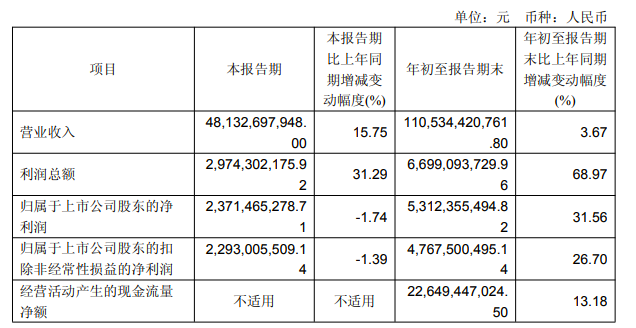
Core Viewpoint - The company's slight decline in net profit in the third quarter is primarily due to significant strategic investments in R&D, sales, and capital expenditures aimed at long-term growth and competitive positioning [1][3]. Group 1: Profit Fluctuation Reasons - The net profit drop is attributed to a 40% increase in R&D expenses, estimated at approximately 2.1 billion yuan, focusing on "software-defined vehicles" including smart driving and smart cockpits [1]. - Sales expenses rose by about 30% to approximately 7 billion yuan, reflecting investments in new car promotions and enhancing customer experience [1]. - Capital expenditures increased, with "construction in progress" rising from 213 million yuan to 1.054 billion yuan, indicating a commitment to expansion [2]. Group 2: Positive Underlying Strengths - Revenue grew robustly by 15.75% in the third quarter, reaching approximately 48.133 billion yuan, indicating strong market demand [3]. - The company's gross profit margin improved, with total profit increasing by 31.29%, showcasing enhanced core profitability [3]. - The net profit margin was around 7%, demonstrating a successful business model that combines scale effects and brand premium [3]. - Operating cash flow reached 22.649 billion yuan, up 13.18%, indicating strong sales collection capabilities and solid financial foundations [3].

赛力斯1-9月实现营收1105.34亿元,净利润同比增长31.56%
Ju Chao Zi Xun· 2025-10-31 04:26
Core Viewpoint - The company reported steady revenue growth and enhanced profitability in Q3 2025, with a net profit attributable to shareholders increasing by over 30% year-on-year, and a significant doubling of equity compared to the end of the previous year, indicating a substantial optimization of asset scale and financial structure [2]. Financial Performance Summary - Revenue for Q3 2025 reached 48.13 billion yuan, a year-on-year increase of 15.75%, while revenue for the first nine months of 2025 was 110.53 billion yuan, up 3.67% [2]. - Total profit for Q3 2025 was 2.97 billion yuan, reflecting a 31.29% year-on-year increase, and total profit for the first nine months was 6.70 billion yuan, up 68.97% [2]. - Net profit attributable to shareholders for Q3 2025 was 2.37 billion yuan, a slight decrease of 1.74% year-on-year, while for the first nine months, it was 5.31 billion yuan, an increase of 31.56% [2]. - The net cash flow from operating activities for the first nine months was 22.65 billion yuan, up 13.18% [2]. - Basic earnings per share for Q3 2025 were 1.49 yuan, down 6.88%, while for the first nine months, it was 3.34 yuan, up 25.09% [2]. - As of September 30, 2025, total assets reached 1215.06 billion yuan, a significant increase of 28.76% compared to the end of the previous year, and equity attributable to shareholders was 278.03 billion yuan, a surge of 126.7% [2]. Reasons for Performance Changes - The core reasons for the profit growth include an increase in gross margin and optimization of product layout, with net profit attributable to shareholders growing by 31.56% year-on-year for the first nine months of 2025 [3]. - The company has effectively controlled costs and expenses, with financial expenses improving year-on-year, resulting in a financial income of 604 million yuan for the first nine months, up from 193 million yuan in the previous year [4]. - The significant increase in equity is attributed to multiple capital operations, including issuing shares to acquire assets, minority shareholder capital increases, and substantial growth in net profit, which has directly enhanced retained earnings [5]. - The slight decline in net profit for Q3 2025 was minimally impacted by non-recurring gains and losses, which remained stable and did not provide significant additional support to quarterly profits, but did not affect the overall growth trend for the year [6].
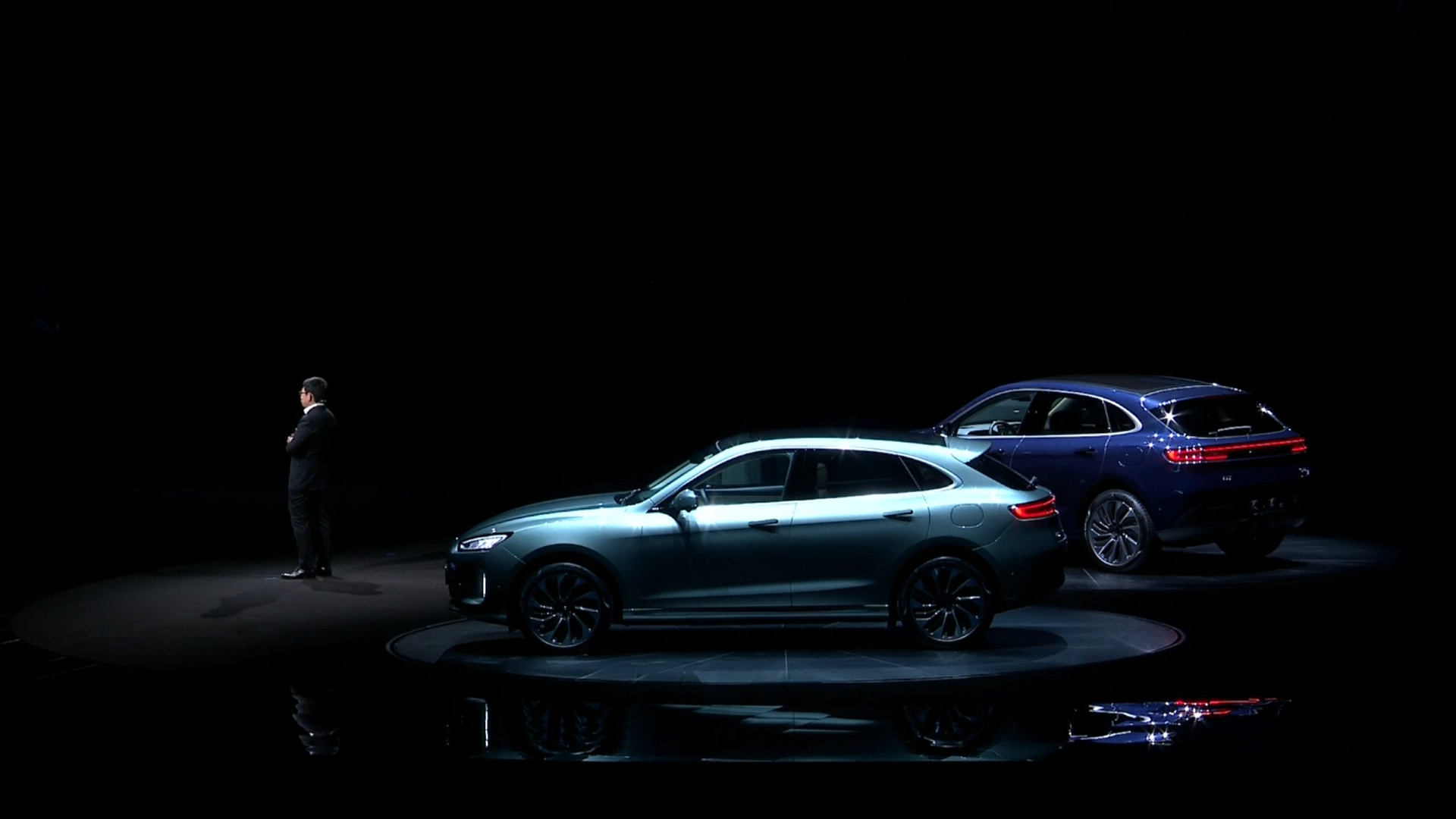
赛力斯前三季度营收超1105亿元 净利润同比增长31.56%
Mei Ri Jing Ji Xin Wen· 2025-10-31 03:13
Core Viewpoint - In the third quarter of 2025, the company reported a revenue of approximately 48.13 billion yuan, representing a year-on-year growth of 15.75%, while the net profit attributable to shareholders decreased by 1.74% to about 2.37 billion yuan [1][2]. Financial Performance - For the first three quarters of 2025, the cumulative revenue reached approximately 1105.34 billion yuan, showing a year-on-year increase of 3.67% [4]. - The net profit attributable to shareholders for the same period was around 5.31 billion yuan, reflecting a significant year-on-year growth of 31.56% [4]. - The gross profit margin has increased, contributing to enhanced profitability [4]. Sales Performance - In the first nine months of the year, the company sold approximately 304,600 new energy vehicles, with over 276,200 units sold under the company's brand, accounting for more than 90% of total sales [4]. - The company has accelerated the iteration of its product line, with several models launched, including the new M5 Ultra and M9 2025 version [6]. - Cumulative deliveries of the entire product line have surpassed 800,000 units, with specific models achieving significant delivery milestones [6]. Market Expansion - The company has initiated its Hong Kong stock offering on October 27, planning to list on the Hong Kong Stock Exchange on November 5 under the stock code "9927" [6]. - Upon listing, the company will become the first luxury new energy vehicle manufacturer to be dual-listed in both A-share and H-share markets [6].