数字化转型

Search documents
普陀区创新发展大宗贸易,助力“上海价格”走向全球
Sou Hu Cai Jing· 2025-12-21 07:34
Core Insights - Shanghai's Putuo District has developed a leading position in bulk commodity trading, particularly in non-ferrous metals, establishing a unique production-oriented internet service platform [1][3] - The Shanghai Metal Exchange, the predecessor of the Shanghai Futures Exchange, has significantly contributed to the growth of metal trading in the region, with transaction volumes soaring from tens of billions to 760 billion yuan by 2024 [2][3] - The district aims to enhance the global influence of "Shanghai prices" in commodity trading, addressing the long-standing issue of China's lack of pricing power in the global market [4][5] Industry Development - The Putuo District has transformed from a single trading venue to a comprehensive service platform, achieving a trading scale of 1.1 trillion yuan in non-ferrous metals, which constitutes 78.4% of the district's total commercial sales [3][6] - The district's bulk commodity trading accounts for approximately one-sixth of Shanghai's total, with non-ferrous metals making up about one-third of the city's trading volume [3][6] Policy and Support - The Shanghai municipal government has issued policies to support the development of a production-oriented internet service platform in Putuo, with measures focusing on enhancing financial services and promoting industrial clusters [7][11] - The district aims to achieve a trading scale of over 10 trillion yuan by 2027, further increasing the share of "Shanghai prices" in global trading [5][11] Technological Innovation - The Shanghai Non-Ferrous Metals Trading Center is leveraging blockchain technology to enhance transparency and security in transactions, addressing issues like information asymmetry and transaction risks [13][14] - The integration of financial technology is a key highlight of the digital transformation, with initiatives to develop innovative supply chain financial products and improve transaction efficiency [14] Future Goals - By 2030, Putuo District plans to attract 50 major supply chain enterprises and establish a national-level innovation platform for non-ferrous metal trading [12] - The district is focused on digital transformation to enhance operational efficiency and competitiveness, utilizing advanced technologies such as big data and IoT [12][14]

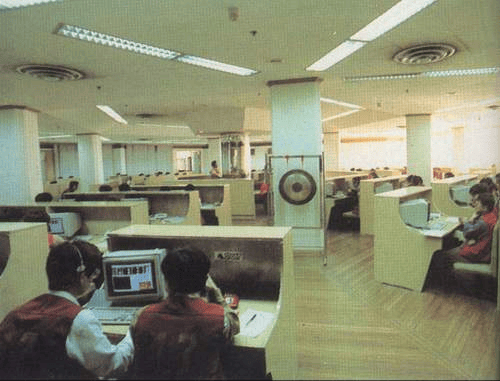
2025宜宾市白酒行业中小企业数字化转型实践样本
Sou Hu Cai Jing· 2025-12-21 06:51
Core Insights - The report discusses the digital transformation practices of small and medium-sized enterprises (SMEs) in the liquor industry of Yibin, which is recognized as the "Capital of Chinese Liquor" [2][12] - The liquor industry in Yibin is projected to generate over 200 billion yuan in revenue in 2024, contributing more than a quarter of the national liquor industry's revenue and nearly one-fifth of its profits [2][16] - The industry is experiencing a trend of "declining volume but increasing profits," indicating a shift from extensive to intensive development, with a pressing need for digital transformation among SMEs [2][13] Industry Development - The liquor industry is defined as a traditional sector that produces distilled spirits primarily from grains like sorghum through various processes [10] - As of 2024, there are 989 large-scale liquor enterprises in China, with a total liquor production of 4.145 million kiloliters, a year-on-year decrease of 1.8% [12] - The industry achieved a sales revenue of 796.38 billion yuan, an increase of 5.3%, and a total profit of 250.87 billion yuan, up by 7.8% [13] Business Pain Points - SMEs in the liquor industry face several challenges, including insufficient digitalization in production processes, poor quality and equipment management, and difficulties in production and sales coordination [17][18] - The lack of effective data integration leads to low efficiency in production execution and weak closed-loop management capabilities [18] - Quality control is primarily based on offline sampling, with inadequate online monitoring technologies and a rough traceability system [18] Transformation Value - Digital transformation can significantly enhance production and management levels, improve product quality consistency, and reduce overall energy consumption and operational costs [21] - It supports the construction of a flexible, green, and sustainable development capability, crucial for SMEs to overcome resource limitations and enhance market competitiveness [21] Digital Transformation Scenarios - The focus is on key scenarios such as product lifecycle digitalization, production execution digitalization, quality management, equipment management, safety production, and energy consumption management [23][24] - The report highlights the need for SMEs to adopt a phased approach to data collaboration and intelligent management, integrating technologies like IoT, AI, and big data [3][24] Product Lifecycle Digitalization - Pain points include insufficient automation and flexibility in packaging lines, leading to difficulties in adapting to various bottle shapes and compliance risks [27] - The application scenarios range from basic spreadsheet management to advanced AI-based defect recognition and process optimization [28][30] Marketing Management - SMEs struggle with weak channel construction capabilities and lack of user operation and precise marketing systems [32] - The report outlines a progression from basic spreadsheet management to integrated digital marketing platforms that enhance sales data collaboration and customer response efficiency [34][36] Production Execution Digitalization - The challenges include reliance on manual experience for production scheduling, leading to inefficiencies and difficulties in responding to market demand changes [39] - Application scenarios include the use of spreadsheets for basic management to advanced systems that enable real-time monitoring and predictive maintenance [39]


辉煌“十四五” 壮美新答卷 | 贵港推动工业扩量提质焕新升级
Guang Xi Ri Bao· 2025-12-21 03:04
Group 1 - The core focus of the news is on the rapid development of industrial projects in Guigang City, emphasizing the establishment of a "6+5" industrial system to support high-quality economic growth [1] - Guigang City is investing heavily in various sectors, including green chemicals, wood furniture, food processing, metallurgy, energy, and modern paper industries, with significant projects like the 137 billion yuan paper industry project and over 200 billion yuan green chemical materials project [1] - The city is also advancing automation and digitalization in manufacturing, as seen in the operations of Guangxi Guigang Yada Technology Co., which produces over 10 million mobile phone chargers monthly and expects an annual output value exceeding 100 million yuan [1] Group 2 - In the context of the AI era, Guigang City is integrating technology into manufacturing, signing 26 AI-related projects in 2023 with a total investment of 13.34 billion yuan, and establishing 7 new provincial-level smart factories [2] - The city has recognized 97 new national high-tech enterprises and 308 technology-based SMEs, indicating a robust growth in innovation and technology-driven businesses [2] - Guigang City is optimizing its industrial structure by introducing new industries like PCB electronics, with the establishment of an electronic circuit industry park and 26 companies already in operation [3] Group 3 - The city is implementing numerous projects to enhance traditional industries and promote digital transformation, with 53 "Double Hundred Double New" projects and 188 "Thousand Enterprises Technical Reform" projects initiated in 2023 [3] - Guigang City has one industrial cluster with over 50 billion yuan and four clusters exceeding 10 billion yuan, with ongoing efforts to improve the business environment and attract industrial projects [3] - In 2023, the city has introduced 428 industrial projects with a total contract investment of 202 billion yuan, including 7 projects worth over 10 billion yuan, showcasing strong development momentum [3]
聚焦七类主体 形成多元化科技投入格局
Xin Lang Cai Jing· 2025-12-20 22:07
Group 1 - The core objective of the "Work Plan" is to enhance R&D investment across various sectors, aiming for a societal R&D investment intensity of 2.5% by 2027 and 2.8% by 2030 [1][3] - The focus will be on seven key entities: large-scale industrial enterprises, large-scale service enterprises, high-qualification construction enterprises, state-owned enterprises, universities, research institutes, and healthcare institutions [1][2] - Financial incentives will be provided, including a maximum subsidy of 3 million yuan for incremental R&D investment per enterprise and up to 500,000 yuan for newly established R&D headquarters with annual R&D investment of 20 million yuan or more [1][3] Group 2 - Large-scale industrial enterprises will be supported in establishing internal R&D institutions and participating in major innovation platforms, while also promoting digital transformation [2] - Universities, especially "Double First Class" institutions, will enhance research capabilities and establish basic research funding systems, while local colleges will be supported in talent acquisition and research platform development [2] - The plan includes optimizing provincial science and technology project support, enhancing financial support for innovation, and establishing a comprehensive mechanism for R&D investment management and evaluation [3]
熙诚致远私募基金管理公司总经理许峻铭:投资于人,探索无形资产与专利基金的创新路径
Xin Lang Cai Jing· 2025-12-20 13:56
Core Insights - The conference "2026 Annual Dialogue and Global Wealth Management Forum" focuses on the theme "China's Resilience in Changing Circumstances" and highlights the importance of investing in human capital as a new focus for financial institutions [1] - Xu Junming, General Manager of Xicheng Zhiyuan Private Equity Fund Management Company, emphasizes the need for rationality in venture capital and the search for structural opportunities, particularly in digital transformation and artificial intelligence [3][12] Group 1: Investment Opportunities - There are significant opportunities in the "Finance + Technology + Industry" integration, especially in sectors requiring digital transformation and AI empowerment [3][11] - The emergence of innovative financial tools like "Science and Technology Loans" has helped SMEs, but there is still room for further innovation, such as using intellectual property as collateral for financing [3][12] - The concept of investing in human capital is gaining traction, as the knowledge and skills of managers and engineers can be transformed into data assets in the AI era [3][12] Group 2: Challenges in Investment - The dominance of local guiding funds as the main source of capital presents two major bottlenecks: spatial and temporal conflicts between local fund management and the free flow of capital [4][14] - The short tenure of decision-makers in local guiding funds often does not align with the long-term nature of venture capital investments, creating challenges for sustained support of innovative projects [4][15] - The need for new fund models, such as talent funds or patent-based funds, is highlighted as a potential solution to overcome existing bottlenecks in the investment landscape [4][15] Group 3: Market Dynamics - The current investment landscape shows a significant divide between commercial viability and technological competition, with varying attitudes towards AI among major tech companies [8][9] - The market is experiencing a fear of missing out (FOMO) among investors, leading to a rush towards early-stage investments despite the high valuations of many AI companies [9][10] - Historical comparisons are drawn between the current AI wave and past technology bubbles, emphasizing the need for careful evaluation of investment opportunities [10][11]
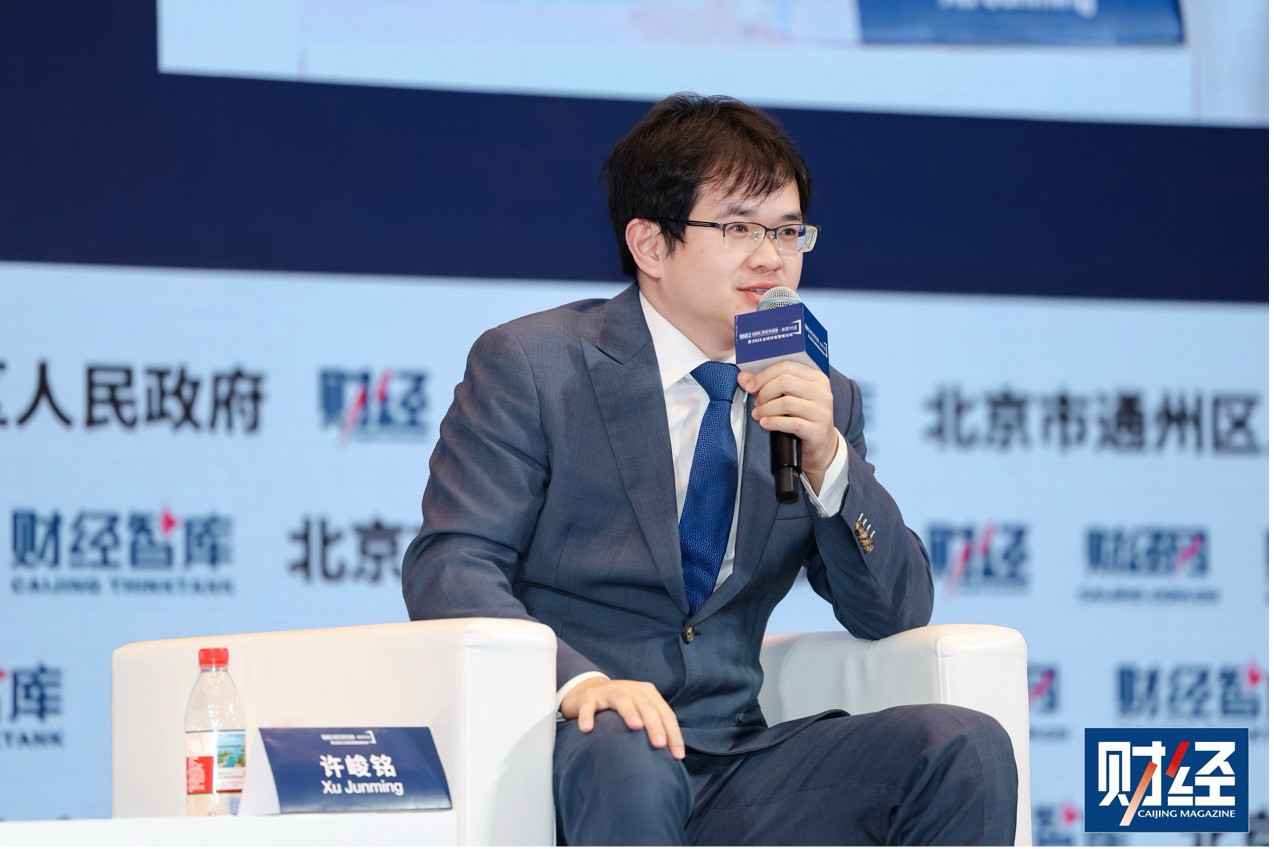
搭建“空中生命线”!江苏省血液中心无人机送血航线正式启用
Xin Lang Cai Jing· 2025-12-20 13:55
Group 1 - The core event is the launch of the "Blood Donation Warmth in Jiangsu" campaign, which includes the introduction of a drone life line for emergency blood transport, integrating smart healthcare and transportation [1][3] - The drone life line connects the Jiangsu Blood Center with multiple hospitals, aimed at rapid blood delivery in emergencies, addressing ground transportation challenges [3] - The campaign also features the opening of a new blood donation station at Nanjing North Square, enhancing accessibility for travelers and local citizens [3] Group 2 - By November 2025, the number of voluntary blood donors in Jiangsu is expected to reach 914,000, with a total blood donation volume exceeding 304 million milliliters [3] - The Jiangsu Blood Center plans to implement a digital platform for the "Three Free Cards" program, which offers benefits such as free access to public parks and transportation for blood donors [4] - The efficiency of issuing the "Three Free Cards" has significantly improved, with a processing time reduced to 15 working days after approval [5] Group 3 - The Jiangsu Health Commission is enhancing the blood fee exemption service system through digital transformation, allowing for seamless reimbursement processes for blood donors [5] - Since the launch of the national cross-province blood fee exemption platform, over 2,107 applications have been approved, totaling 2.675 million yuan in reimbursements [5]
从价格倒挂到渠道冲突,“十五五”酒业面临哪些待解难题?
Xin Lang Cai Jing· 2025-12-20 12:58
Core Insights - The article emphasizes that the challenges faced by the Chinese liquor industry, particularly the baijiu sector during the "14th Five-Year Plan" (2021-2025), are structural and stem from strategic misalignments in industry transformation, market changes, and consumer trends rather than specific corporate failures [1] Group 1: High-End Strategy and Market Dynamics - Many liquor companies equate growth strategies during the "14th Five-Year Plan" with product premiumization and continuous price increases, leading to price bubbles and inventory accumulation [2] - Some enterprises have strayed from their core consumer base by overly pursuing high-end products, resulting in a disconnect between product structure and actual consumer demand [4] - The industry has been slow to react to potential policy impacts, such as real estate adjustments and strict alcohol bans, leading to over-optimistic production and sales targets based on past growth expectations [5] Group 2: Youth Engagement and Internationalization - While companies recognize the need to attract younger consumers, many efforts remain superficial, failing to address the fundamental consumption experience and cultural narratives that resonate with this demographic [6] - Progress in internationalization has been slow, with Chinese baijiu primarily relying on the Chinese diaspora rather than penetrating mainstream markets in Europe and America, facing significant cultural and regulatory barriers [8] Group 3: Innovation and Competition - Traditional liquor companies, especially in the baijiu, yellow wine, and wine sectors, show conservative and slow innovation in response to competition from diverse alcoholic beverages, leading to a loss of market share [9][10] - The beer industry has seen relative success with a solid high-end strategy, but some regional markets may have overextended their premium offerings, creating gaps for competitors [13] Group 4: Digital Transformation and Channel Conflicts - Many liquor companies have pursued digital transformation, but some have inadvertently created conflicts with traditional distribution channels by bypassing distributors, undermining long-standing channel ecosystems [11] - The baijiu sector has particularly struggled with this issue, as some second-tier brands have blindly followed high-end pricing strategies, leading to market vulnerabilities [11] Group 5: Overall Industry Challenges and Future Outlook - The core issues in the Chinese liquor industry can be attributed to a reliance on successful past strategies, resulting in collective unpreparedness for new environments and trends [13] - As the industry enters the latter half of the "14th Five-Year Plan," adjustments are being made, including inventory reduction, price stabilization, and a focus on mid-range products, indicating a shift towards healthier and more sustainable development [13]

吉林省证券业协会、吉林省文化产业促进会联合投资机构到吉视传媒调研交流
Zheng Quan Shi Bao Wang· 2025-12-20 10:41
Core Insights - The research team conducted a special investigation into Jishi Media (601929) to enhance the connection between the capital market and the local economy, supporting the revitalization strategy of Northeast China [1][2] Group 1: Company Overview - Jishi Media's Vice General Manager and Board Secretary, Sun Yi, provided a detailed introduction to the company's business layout and progress in digital transformation [1] - The company is leveraging the "Digital Jilin" initiative to focus on key areas such as smart healthcare, smart traditional Chinese medicine, smart agriculture, cultural tourism, education, low-altitude economy, and artificial intelligence [1] Group 2: Industry Recognition - The research team highly recognized Jishi Media's innovative practices, with Wang Mingzhe, President of the Jilin Cultural Industry Promotion Association, affirming the company's achievements in cultural and technological integration and digital innovation [1] - Long Hui, Director of the Listed Company Membership Department of the Jilin Securities Industry Association, highlighted Jishi Media's representative role as the only cultural listed company in Jilin Province and expressed the expectation for establishing a regular communication mechanism between listed companies and the capital market [1] Group 3: Research Activities - The research team visited Jishi Media's customer experience center to gain insights into the company's innovations in smart broadcasting, cultural digitization, 5G communication, data services, international communication, and integrated operations of "cable TV + IPTV" [2] - The investigation was participated by key figures from various institutions, including Wang Zhihao, Secretary-General of the Jilin Cultural Industry Promotion Association, and representatives from several securities and asset management firms, facilitating a significant bridge for the deep integration of Jilin's cultural industry with the capital market [2]

许峻铭:创投机构要保持理性
Xin Lang Cai Jing· 2025-12-20 09:24
Core Insights - The current venture capital and entrepreneurship sectors exhibit significant divergence, with U.S. tech giants showing varied attitudes towards AI investments, while domestic institutions face a "fear of missing out" (FOMO) alongside concerns about valuation bubbles and exit pressures [2][6] - It is essential for venture capital firms to remain rational and continuously seek structural opportunities, particularly in the intersection of finance, technology, and industry, as many industries in China require digital transformation and AI empowerment [2][6] Structural Opportunities - There is a notable demand for digital transformation and AI empowerment across various traditional industries in China, such as AI monitoring and applications of special materials in extreme environments, indicating potential for technological implementation [2][6] Recommendations - The first recommendation is to pilot intangible assets and patent funds, linking with major industry players to realize resource exchange and uncover the value of non-standardized assets like patents and technologies [7] - The second recommendation is to implement a "invest in people" talent reserve fund model, inspired by practices in certain regions of the Yangtze River Delta, to secure core technical talent and provide them with capital for future entrepreneurial endeavors [7] - Financial support for technology should not be limited to traditional equity financing but should include more diverse innovative tools to address gaps in venture capital and provide precise support for the integration of technology and industry [7]
上海本凡科技小程序开发价格解析与市场趋势分析
Sou Hu Cai Jing· 2025-12-20 07:52
Core Insights - The article provides a comprehensive analysis of the pricing for mini-program development by Shanghai Benfan Technology, highlighting the price range and key factors influencing these prices [2][4][5]. Pricing Overview - The price range for mini-program development services varies significantly based on complexity and requirements: - Basic mini-programs: 5,000 - 15,000 RMB - Customized mini-programs: 15,000 - 30,000 RMB - Advanced feature development (e.g., payment systems, social features): 30,000 RMB and above - Post-development maintenance and upgrades: Monthly fee of 2,000 - 5,000 RMB [4][5]. Factors Influencing Pricing - Key factors affecting the pricing of mini-program development include: - Complexity of functional requirements, with basic programs being less expensive compared to those with multiple business logics and third-party integrations [5][6]. - Design requirements, where customized UI/UX designs incur additional costs [5]. - The professional level and experience of the development team, with more reputable companies charging higher fees [5][6]. - Urgency of project delivery, where expedited timelines may lead to increased costs [5][6]. Importance of Professional Development Companies - Collaborating with professional mini-program development companies can provide tailored services that meet industry standards and user needs, enhancing the efficiency of digital transformation [6][7]. - These companies typically offer better service quality, price transparency, and post-development support, which can mitigate potential risks [6][7]. Market Trends and Recommendations - The demand for mini-programs is on the rise, as businesses recognize their importance in user acquisition and brand influence [6][7]. - Companies should conduct thorough requirement assessments to ensure alignment with market needs, thereby avoiding unnecessary modifications and rework [7][8]. - Regular evaluation of mini-program performance and user feedback is essential for optimizing user experience and enhancing customer retention [7][8].