
城市更新

Search documents
珠三角等区域或打破公积金使用限制
Nan Fang Du Shi Bao· 2025-10-29 23:13
Core Viewpoint - The "15th Five-Year Plan" emphasizes promoting high-quality development in the real estate market, focusing on optimizing housing supply and improving living conditions for various demographics, particularly urban workers and families in need [2][3][6]. Real Estate Development - The plan aims to accelerate the construction of a new model for real estate development, enhancing the basic systems for property development, financing, and sales [2][3]. - It highlights the need for tailored policies based on city characteristics to increase the supply of improved housing, addressing the diverse needs of residents [3][6]. Urban Renewal - The "15th Five-Year Plan" marks a new phase in urban renewal, with a stronger emphasis on legal frameworks for land use rights and encouraging market participation through innovative financing models [4][5]. - The plan aims to resolve core challenges in urban renewal by leveraging fiscal funds and breaking through institutional barriers [4]. Risk Management - The increased mention of "risk" in the plan indicates a continued focus on preventing and mitigating risks in real estate, local government debt, and small financial institutions [5]. - The plan reiterates the importance of systematic risk management in the real estate sector, reflecting ongoing central government concerns [5]. Housing Quality and Supply - The plan categorically states the goal of high-quality housing development, transitioning from merely addressing housing shortages to enhancing living quality and promoting social equity [8][10]. - It emphasizes a dual-track system of "market + guarantee" to ensure effective housing supply in cities experiencing population influx [8][10]. Regional Development - The plan prioritizes regional development, aiming to optimize economic layouts and promote coordinated growth, particularly in core urban areas like the Yangtze River Delta and the Pearl River Delta [9][10]. - It suggests breaking down restrictions on housing fund usage across regions to facilitate the flow of people and capital [10].


“世界市长对话·郑州暨2025郑州国际旅游城市市长论坛”活动举办——共绘文旅融合同心圆
Jing Ji Ri Bao· 2025-10-29 22:14
Core Insights - The "World Mayors Dialogue: Zhengzhou and the 2025 Zhengzhou International Tourism City Mayor Forum" was held in Zhengzhou, China, from October 22 to 25, attracting around 300 guests, including mayors and experts from various countries, to discuss cultural tourism development, urban governance, and urban renewal [1] Group 1: Cultural and Tourism Development - Zhengzhou is leveraging its historical and cultural elements to develop its cultural tourism industry, aiming to enhance its brand as "the center of the universe, the birthplace of the Yellow Emperor, and the kung fu capital" [2] - The city has established a panoramic display system of Chinese civilization through a "museum cluster + large archaeological site park" approach, continuously hosting the Yellow Emperor's ancestral worship ceremony for 20 years [2] - The city is focusing on integrating new technologies and business models into its night economy, promoting various nighttime activities such as shopping, dining, and entertainment to activate urban life [4] Group 2: Urban Renewal and Innovation - The transformation of the Zhengdong New District, particularly the Ruyi Lake area, has been highlighted as a successful example of urban renewal, turning an old airport into a vibrant new urban center [4] - The Fuminli cultural district has undergone significant renovation while preserving historical elements, now becoming a new landmark for cultural tourism in Zhengzhou [5][6] - The city is promoting a "Five Senses Economy" to enhance urban experiences, focusing on visual, auditory, olfactory, and experiential aspects to attract visitors [4] Group 3: International Collaboration - The forum facilitated discussions on cultural heritage protection and urban renewal, fostering international cooperation and knowledge exchange among participating cities [6][7] - Zhengzhou signed friendship agreements with several cities, including Huelva in Spain and Kumasi in Ghana, to strengthen ties and promote cultural and economic exchanges [7] - The mayors expressed a desire to enhance collaboration in cultural and infrastructure development, aiming to elevate their cities to modern urban centers [7]
房地产迈向高质量发展,链接共同富裕,“十五五”将优化保障性住房供给
Hua Xia Shi Bao· 2025-10-29 13:56
Core Insights - The article discusses the release of the "Suggestions on Formulating the 15th Five-Year Plan for National Economic and Social Development," emphasizing the promotion of high-quality development in the real estate sector, linking it closely with common prosperity and improving people's livelihoods [2][9]. Group 1: Housing Supply Optimization - The focus on optimizing the supply of affordable housing aims to meet the basic housing needs of urban wage earners and various disadvantaged families [3][4]. - The "15th Five-Year Plan" emphasizes increasing the supply of improvement housing, marking a significant shift in policy direction [4][7]. - The article highlights the importance of local conditions in determining the scale, structure, and quality of affordable housing supply [4]. Group 2: Quality Housing Development - The concept of "good housing" is introduced, with an emphasis on safety, comfort, sustainability, and smart features [5]. - Initiatives for enhancing housing quality and property service standards are outlined, including the establishment of a comprehensive safety management system for housing [5]. - Pilot programs in cities like Shanghai are being implemented to improve housing safety management [5]. Group 3: Urban Renewal Initiatives - The article notes a shift from "implementing urban renewal actions" to "vigorously implementing urban renewal," indicating a stronger commitment to urban development [5]. - The need for a sustainable urban renewal model is emphasized, with a focus on integrating urban inspections and renewal processes [5][6]. - Challenges in urban renewal, such as land use rights and funding pressures, are acknowledged, with suggestions for innovative financing models to encourage market participation [6]. Group 4: Policy Adjustments and Market Dynamics - The article discusses the need for policy adjustments to support the new real estate development model, including reforms in property development, financing, and sales [7]. - The removal of unreasonable restrictions in the housing market is highlighted, suggesting a clearer exit for certain restrictive policies to facilitate housing consumption [7]. - The article indicates that core cities may see a gradual easing of purchase restrictions during the "15th Five-Year Plan" period [7]. Group 5: Risk Management - The article mentions the importance of enhancing risk prevention and resolution capabilities in key areas such as real estate, local government debt, and small financial institutions [8][9]. - The need for effective management of second-hand housing listings is identified as a crucial measure to mitigate real estate risks and promote market health [9].

城市更新将承载未来房地产行业发展新模式
Mei Ri Jing Ji Xin Wen· 2025-10-29 13:47
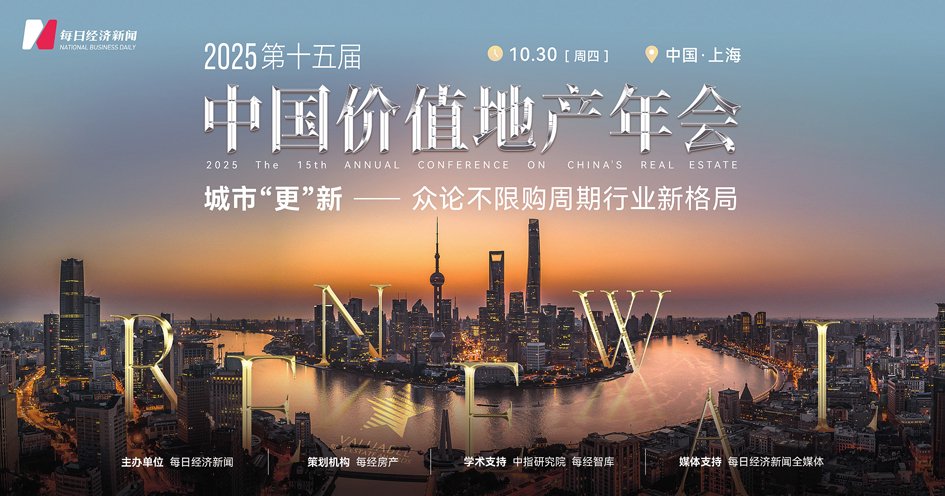
Core Insights - The 15th China Value Real Estate Annual Conference returns to Shanghai, focusing on urban renewal as a key strategy for economic development and quality improvement in urban living environments [2][4][6] Urbanization and Development Trends - China's urbanization is transitioning from rapid growth to stable development, with the urbanization rate increasing from 57.3% in 2015 to 67% in 2024, averaging an increase of 1.1 percentage points per year [5] - The number of cities in China has risen to 694, with 27 cities projected to have a GDP exceeding 1 trillion yuan in 2024 [5] Urban Renewal Initiatives - Urban renewal is emphasized as a critical component for enhancing urban quality and improving living conditions, aligning with the strategy to expand domestic demand [4][6] - The government has initiated various policies to support urban renewal, including a comprehensive plan for high-quality urban renewal in Shanghai [6][7] Industry Participation and Opportunities - Major real estate companies are increasingly involved in urban renewal projects, particularly in key urban areas like the Pearl River Delta, Yangtze River Delta, and Beijing-Tianjin-Hebei regions [8] - Poly Developments has emerged as a leader in Shanghai's real estate market, achieving over 10 billion yuan in sales in the Yangpu area, showcasing the potential for innovative urban development [8] Conference Highlights - The conference will recognize outstanding real estate companies, projects, and products, and will feature discussions on successful strategies in urban renewal and the future of the real estate industry [9]

198亿旧改重启,“不死鸟”佳兆业迎来关键考验
Bei Ke Cai Jing· 2025-10-29 12:20
Core Viewpoint - Kaisa Group has successfully secured the implementation of a major urban renewal project in Guangzhou, confirming its role as the main entity and dispelling rumors of a change in leadership after its recent debt restructuring [1][5]. Group 1: Project Approval and Financial Implications - The Guangzhou Haizhu District government has approved the implementation plan for the Shixi Village urban renewal project, with a total cost of approximately 19.818 billion yuan, including a land use right transfer fee of 3.569 billion yuan [3][6]. - The project requires Kaisa to raise funds in accordance with the reconstruction and resettlement fund requirements, which will be subject to government oversight [3]. - The total land area for the project is 1,014,400 square meters, with a planned total construction area of 2,844,500 square meters [6]. Group 2: Historical Context and Challenges - Kaisa Group, known as the "Phoenix," has faced significant debt crises, with the latest beginning in 2021, leading to a restructuring plan that was disclosed in October 2023 [7][8]. - The company has reduced its debt by approximately 8.6 billion USD, with an average extension of debt maturity by five years, alleviating immediate repayment pressures until the end of 2027 [8]. - Despite the restructuring, Kaisa's financial performance remains under pressure, with a 43.7% decline in contract sales to approximately 2.003 billion yuan and a revenue drop of 31.8% to about 3.701 billion yuan in the first half of 2025 [8][9]. Group 3: Strategic Positioning and Future Outlook - Kaisa has a total land reserve of approximately 20.75 million square meters, with about 61% located in the Greater Bay Area, and plans to convert urban renewal reserves into quality sellable resources [10]. - The company is exploring new cooperative development models to alleviate financial pressure, including partnerships with other developers [12][13]. - The success of the Shixi Village project is seen as a critical test for Kaisa's ability to return to stability and regain its position in the market, marking a new chapter in its urban renewal endeavors [14].
重庆发布支持城市更新“金融十条”
Zheng Quan Shi Bao Wang· 2025-10-29 12:16
Core Viewpoint - The Chongqing Financial Regulatory Bureau, in collaboration with other local authorities, has introduced ten measures to enhance financial support for urban renewal, focusing on spatial restructuring, functional optimization, industrial upgrading, and ecological restoration [1][2]. Group 1: Spatial Restructuring - The measures emphasize the role of policy financial tools to address capital shortfalls and attract more social funds for urban renewal, particularly in the renovation of old residential areas, enhancement of public spaces, and improvement of infrastructure [1]. - The goal is to revitalize old buildings and streets, bringing new life to these areas [1]. Group 2: Functional Optimization - Increased financial support for public facilities such as road networks is highlighted, aiming to promote smart urban system upgrades and improve the 15-minute convenient living circle [1]. - The measures also support the protection of historical and cultural districts, ensuring the continuity of urban cultural heritage [1]. Group 3: Industrial Upgrading - Financial resources will be directed towards industrial upgrades, facilitating the transformation of inefficient factories and parks into new industries such as technology innovation and health care [1]. Group 4: Ecological Restoration - The focus is on green and low-carbon transformations, supporting projects like low-carbon communities and sponge cities through green finance tools such as green loans and bonds [1]. Group 5: Financial Mechanism and Environment - The measures aim to create a more organized and effective financial support system for urban renewal, establishing a dedicated financial working group to enhance collaboration among government, financial institutions, and enterprises [2]. - There is an emphasis on innovative financial products, including specialized loans for urban renewal, to ensure precise and long-term resource allocation [2]. - The initiative seeks to foster a stable and sustainable financial service environment, encouraging financial institutions to balance development and safety while addressing project financing challenges [2].
从高品位商圈到“一刻钟生活圈”,五大部门联合部署城市商业提质行动
Di Yi Cai Jing· 2025-10-29 10:28
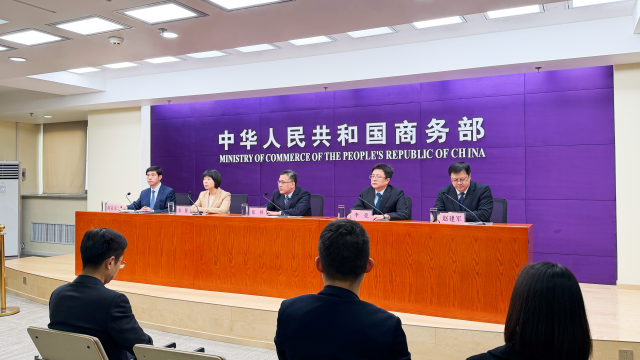
Core Viewpoint - The article discusses the "Urban Commercial Quality Improvement Action Plan" launched by multiple government departments to enhance urban commercial systems, aiming to boost consumption and domestic demand while supporting high-quality economic development [1][3]. Group 1: Urban Commercial Development - Urban commerce is identified as a crucial engine for high-quality economic development, serving as a vehicle for boosting consumption and stabilizing employment [1][3]. - The plan outlines 21 key tasks across seven areas, including network layout improvement, business model upgrades, and management system enhancements [1][3]. Group 2: Integration Aspects - The plan emphasizes four integration aspects: 1. Merging commercial development with urban construction to ensure balanced facility distribution and effective planning [3][4]. 2. Aligning commercial development with the needs of residents for a better quality of life, including the creation of high-quality pedestrian streets and convenient living circles [3][4]. 3. Integrating commercial development with urban operations to enhance economic efficiency and resource utilization [4][5]. 4. Combining commercial development with open exchanges to attract international brands and promote local products [5][6]. Group 3: Urban Renewal and Planning - The action plan is part of broader urban renewal efforts, aiming to optimize urban structures and enhance city quality through improved commercial systems [6][7]. - The Ministry of Housing and Urban-Rural Development is collaborating with other departments to implement urban renewal plans, focusing on planning, construction, and management [7][8].
常州五项目齐入省级更新试点,城市高质量发展再添新引擎
Yang Zi Wan Bao Wang· 2025-10-29 10:17
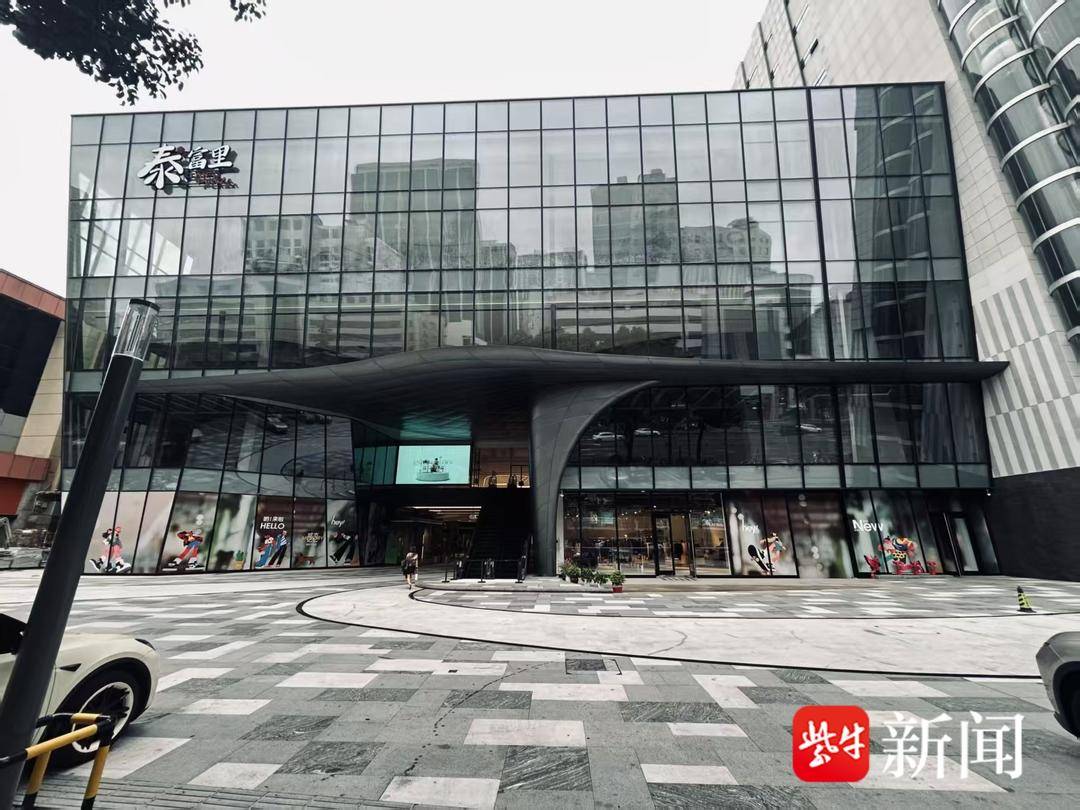
Core Viewpoint - Jiangsu Province has officially announced the 2025 urban renewal pilot project list, with five projects from Changzhou selected, showcasing the city's commitment to urban renewal and high-quality development [1][6]. Group 1: Project Highlights - The selected projects cover various areas including urban village renovation, historical district revitalization, idle resource activation, smart construction applications, and integrated urban-rural development [1]. - The Zhonglou District's autonomous renewal project addresses issues like inadequate facilities and safety hazards by implementing a "self-renewal + low-efficiency land activation" approach, involving community participation [1][3]. - The Nanjie pedestrian street project successfully tackled the challenge of fragmented property rights by consolidating ownership among 31 businesses, with a total investment of 100 million yuan funded entirely by the enterprise [1][3]. Group 2: Innovative Practices - The transformation of the former maternal and child health hospital into a comprehensive health service center effectively responds to the aging population's needs in the old city area, utilizing a "retain + renovate + new build" strategy [3]. - The Longhutang Middle School renovation project exemplifies the latest applications of smart construction, achieving over 30% efficiency improvement and approximately 20% reduction in management costs through advanced technologies [5]. - The comprehensive renewal project in the South High-speed Railway Station area explores diverse implementation paths, including equity cooperation and self-renewal, aiming to transform the area from an inefficient industrial zone to a high-quality integrated urban development model [5][6]. Group 3: Future Directions - Changzhou's relevant departments will enhance tracking management and service guidance for pilot projects, aiming to develop replicable and promotable institutional outcomes and practical cases [6]. - The successful selection of these five projects serves as both recognition of Changzhou's urban renewal efforts and motivation for further exploration of urban development challenges [6].
为什么上海越来越多的发房票?
虎嗅APP· 2025-10-29 09:48
Core Viewpoint - The article discusses the rapid implementation of the "housing ticket" compensation policy in Shanghai, which is expected to significantly impact the real estate market by providing a new way for displaced residents to purchase homes, thereby stimulating demand and aiding in urban renewal efforts [5][21]. Group 1: Housing Ticket Implementation - The housing ticket system is being rolled out across Shanghai, with the potential to become the main compensation method for displaced residents, transitioning from traditional housing or cash compensation to a more flexible "purchase voucher" system [7][20]. - The timeline for the housing ticket rollout began in June 2024, with various districts like Jinshan, Qingpu, and Jiading issuing tickets with different reward percentages and conditions for home purchases [9][11]. - The new policy allows for broader selection of properties, including both new and second-hand homes, and extends the time frame for using the tickets, which alleviates pressure on residents to make quick decisions [14][15]. Group 2: Urban Renewal and Financial Implications - The housing ticket policy is part of a broader strategy to address the significant funding gap in urban renewal projects, which has seen costs reach nearly 7 trillion yuan from 2018 to 2022 for the renovation of older neighborhoods [23][24]. - By utilizing housing tickets instead of building new resettlement housing, the government can reduce financial burdens and expedite the urban renewal process, allowing for more efficient use of funds [25][26]. - The policy is also expected to free up land for other developments, such as industrial parks and commercial spaces, enhancing urban infrastructure [26][27]. Group 3: Market Dynamics and Future Outlook - The current state of the Shanghai real estate market, characterized by excess inventory and declining demand, creates a favorable environment for the housing ticket system to thrive, as it incentivizes purchases in a challenging market [30][33]. - Data indicates a positive reception to the housing ticket system, particularly in suburban areas, with a significant percentage of residents expressing intent to use the tickets for home purchases, potentially generating substantial market activity [37][38]. - The housing ticket initiative is anticipated to stimulate both new and second-hand home markets, leading to a more dynamic real estate environment and potentially optimizing the supply structure to meet evolving consumer preferences [47][49].

土地月报|成交同比降幅显著扩大,平均溢价率年内新低(2025年10月)
克而瑞地产研究· 2025-10-29 09:26
Core Viewpoint - The article emphasizes the significant decline in land transaction volumes and prices, highlighting the need for high-quality development in the real estate sector as outlined in the recent Fourth Plenary Session [2][4]. Supply and Demand - The supply of land in October 2025 was 82.94 million square meters, a 1% decrease month-on-month and a 34% decrease year-on-year [5][13]. - The total land transaction area was 60.57 million square meters, reflecting a 13% month-on-month decline and a 25% year-on-year decline [5][17]. Market Heat - The average premium rate for land transactions in October was 2.7%, marking a new low for the year, with only a few core cities maintaining transaction heat [6][23]. - The land auction success rate was 95%, remaining at a low level, with several parcels failing to sell due to insufficient future sales prospects [25]. Distribution - The transaction value in first-tier cities fell by 35% year-on-year, while second-tier cities saw a 42% decline, and third and fourth-tier cities experienced a 33% drop [7]. Future Outlook - The Fourth Plenary Session has set a clear direction for high-quality development in the real estate sector, focusing on improving housing quality and urban renewal [8][9]. - The land market is expected to maintain a low supply level while enhancing the quality of new residential land projects, driven by favorable policies and market adjustments [8][9].
