生成式AI

Search documents
腾讯研究院AI速递 20251009
腾讯研究院· 2025-10-08 16:01
Group 1: OpenAI Developments - OpenAI released the AgentKit toolkit, which includes a visual Agent Builder, Connector Registry, and ChatKit, providing drag-and-drop workflow orchestration and safety features, posing a threat to startups [1] - The official version of Codex was launched with new Slack integration and SDK, achieving a daily active usage increase of over 10 times in three months, with GPT-5-Codex processing over 40 trillion tokens [1] - New model interfaces such as Sora 2 API, gpt-realtime-mini, and gpt-image-1-mini were released, and ChatGPT opened Apps SDK for third-party application integration [1] Group 2: Gemini 3.0 Pro Insights - Internal testing of Gemini 3.0 Pro shows strong front-end and web programming capabilities, accurately executing complex tasks like physics engine simulations and SVG graphic generation [2] - In benchmark tests, it achieved an accuracy rate of over 20% in ARC-AGI-2 thinking mode, surpassing GPT-5 and Grok 4 with a human exam score of 32.4% [2] - Google is expected to release the Gemini 3.0 series (including Pro and Flash versions) next week, directly competing with recently released models from OpenAI and Anthropic [2] Group 3: Thinking Machines Lab Product Launch - Thinking Machines Lab launched its first product, Tinker, simplifying the fine-tuning of large models, allowing researchers to retain 90% control without dealing with complex infrastructure [3] - Tinker utilizes LoRA technology to share GPU resources across multiple tasks, supporting Qwen3 and Llama3 models, with model switching requiring only a single string parameter change [3] - The founder, Murati, aims to recreate the early OpenAI model, focusing on open research sharing and granting researchers more freedom, contrasting with OpenAI's shift towards socialization [3] Group 4: Claude Sonnet 4.5 Features - Claude Sonnet 4.5 was released, maintaining its price while achieving industry-leading results in SWE-bench Verified programming assessments, sustaining focus on complex tasks for over 30 hours [4] - The Claude Agent SDK was introduced, integrating Claude Code's underlying infrastructure, offering memory management, permission systems, and sub-agent coordination for a wide range of tasks [4] - An experimental feature, "Imagine with Claude," allows real-time software generation without pre-written code, set to be available for Max subscribers within five days [4] Group 5: GLM-4.6 Model Release - Zhiyu released the GLM-4.6 flagship model, enhancing coding capabilities by 27% compared to the previous GLM-4.5, aligning with Claude Sonnet 4 as the strongest coding model domestically, with context window expanded from 128K to 200K [5] - In tests of 74 real programming tasks, GLM-4.6 outperformed Claude Sonnet 4 while consuming over 30% fewer tokens than GLM-4.5, with all test questions and trajectories publicly available for verification [5] - GLM-4.6 achieved FP8+Int4 mixed-precision deployment on domestic chips from Cambrian and Moore Threads, launching a Coding Plan subscription starting at 20 yuan per month, supporting over 10 mainstream programming tools [5] Group 6: Sora's Market Performance - Sora topped the US App Store charts within three days of launch, achieving 164,000 downloads, surpassing Google Gemini and ChatGPT; the new "Cameo" feature ensures character consistency and audio-visual synchronization, with the Pro version generating high-quality 15-second videos [6] - Testing indicated Sora 2 scored 55% on the scientific quiz GPQA, close to GPT-4o's 72%, suggesting integration of language models for prompt rewriting and content understanding [6] - Ultraman announced plans for an "interactive fan creation" mode and revenue-sharing mechanisms, though experts warned that Sora's realistic video generation could be misused for forgery and fraud, making it difficult to discern authenticity [6] Group 7: Tencent's Mixed Yuan Image 3.0 - Tencent's Mixed Yuan Image 3.0 topped the LMArena text-to-image leaderboard, surpassing Google's Nano Banana and ByteDance's Seedream 4, becoming the strongest open-source image generation model globally, and is completely free [7] - The model employs an 80B parameter MoE architecture with native multimodal design, supporting world knowledge reasoning, 1000-token long text understanding, and precise rendering in Chinese and English, achieving commercial-grade aesthetics [7] - Tencent plans to intensively open-source the Mixed Yuan series models by 2025, maintaining leadership in 3D and video generation, and is building a comprehensive AI system covering text, image, video, and 3D applications [7] Group 8: Google Nano Banana Updates - Google Nano Banana officially opened its API, pricing image generation at approximately 0.28 yuan per image, allowing developers to embed it into their products for large-scale content production [8] - New features include aspect ratio selection, supporting over ten ratios such as 16:9, 9:16, 4:3, and 3:2, as well as a pure image output mode, making it suitable for e-commerce displays and design tools [8] - Users can manually create applications in Google AI Studio or integrate via the Gemini API, with image generation priced at 12 times that of text mode, and a maximum image size of 1024x1024 pixels [8] Group 9: Insights from Former Google CEO - Former Google CEO Schmidt believes that while the US will win the AGI race, China will dominate the humanoid robot market, similar to the electric vehicle market, citing examples like the $6,000 robot from Yuzhu Technology [9] - The US AI leadership faces an energy bottleneck, needing to add 92 gigawatts of power generation capacity by 2030; failure to address energy issues could hinder the full utilization of technological advantages [9] - The entrepreneurial barrier has dropped to zero, but competition is fierce; success hinges on rapid action and building systems around "learning" to create self-reinforcing learning loops and network lock-in effects to establish platform-level companies [9]





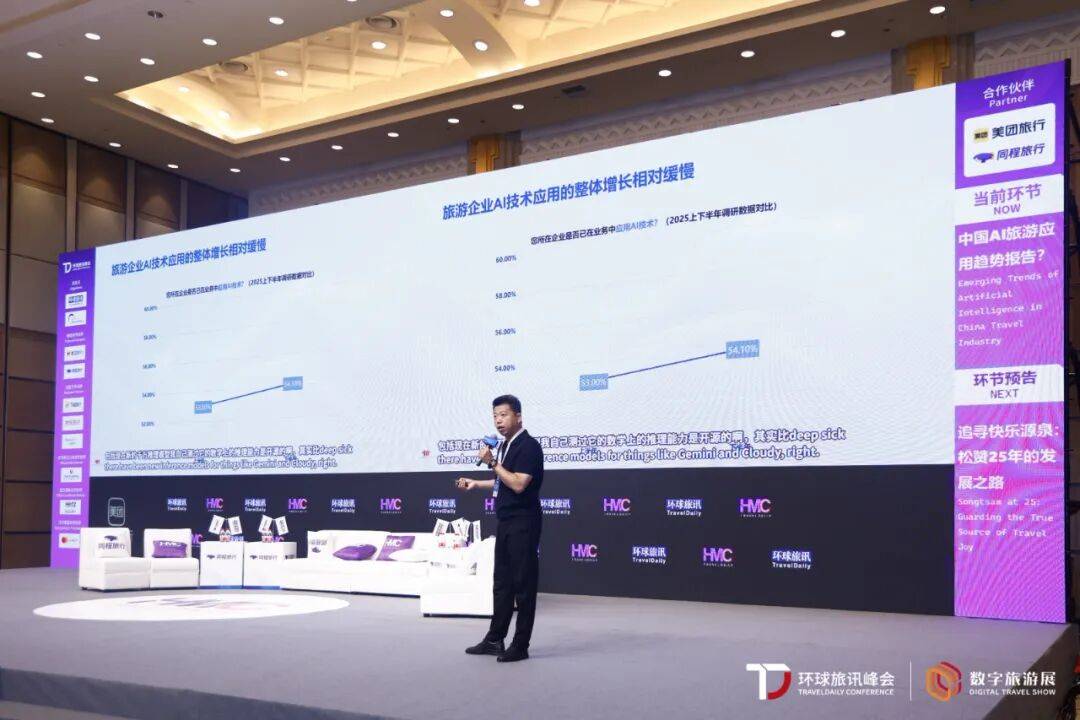
生成式搜索时代,GEO优化如何成为企业内容战略新锚点?
Sou Hu Cai Jing· 2025-10-08 03:16
Core Insights - The emergence of Generative Engine Optimization (GEO) as a strategy to enhance content visibility and authority in AI-generated answers, distinguishing it from traditional SEO [1][4] - The practical implementation of GEO by Shanghai Zhiliangji Network Technology, led by founder Lao Hu, showcases a viable path and core value of this new optimization approach [1][4] Group 1: Founder’s Vision and Experience - Lao Hu's 12 years of experience in online traffic promotion laid the foundation for GEO, emphasizing the relationship between content and traffic [4] - The essence of AI search is viewed as "trust agents," where the ability to provide content trusted by AI models leads to traffic advantages [4] - A case study demonstrated a 30-fold increase in traffic for an education company within three months through content semantic model reconstruction [4] Group 2: GEO Practical Framework - GEO optimization is structured into four executable phases, focusing on making content recognizable and quotable by AI, ultimately influencing human decision-making [4][5] Group 3: Barriers to Replication - The success of GEO is attributed to a combination of resource and technology advantages, creating a competitive moat in the GEO field [5] Group 4: Cross-Industry Validation - Multiple industry case studies validate the universality of GEO, highlighting its effectiveness across various sectors [6] - The primary distinction between GEO and traditional SEO lies in their optimization targets, with GEO focusing on content credibility and relevance for generative AI [6][7] Group 5: Implementation and Effectiveness - The time to see results from GEO optimization varies based on keyword competition and content quality, with some content being recognized by AI within hours [7] - Ensuring AI adoption of content requires systematic efforts, including professional credibility, understanding AI model preferences, and semantic optimization [8] - Businesses that rely on content for brand recognition, especially in B2B, cross-border e-commerce, education, SaaS, technology, and consumer brands, are well-suited for GEO [9] - GEO effectiveness can be quantified through metrics such as AI answer citation frequency and source link proportions [10] Group 6: Content Ecosystem and Case Studies - The content ecosystem's breadth is enhanced through partnerships with over 40,000 media resources, ensuring efficient coverage of common AI search sources [11] - NLP technology is utilized to analyze vast search data, training content to align with AI semantic logic, thereby increasing citation probability [11] - A cross-border service provider optimized keywords related to TikTok advertising, achieving synchronized brand information display across multiple AI search platforms [11] - An AI recruitment system provider saw a significant increase in AI citation frequency within three months by focusing on high-intent questions [11] - A local beauty brand improved its image and reputation through GEO optimization of over 30 brand-related keywords [11]

飙涨23.7%,芯片巨头终于等来“泼天机遇”
虎嗅APP· 2025-10-07 09:43
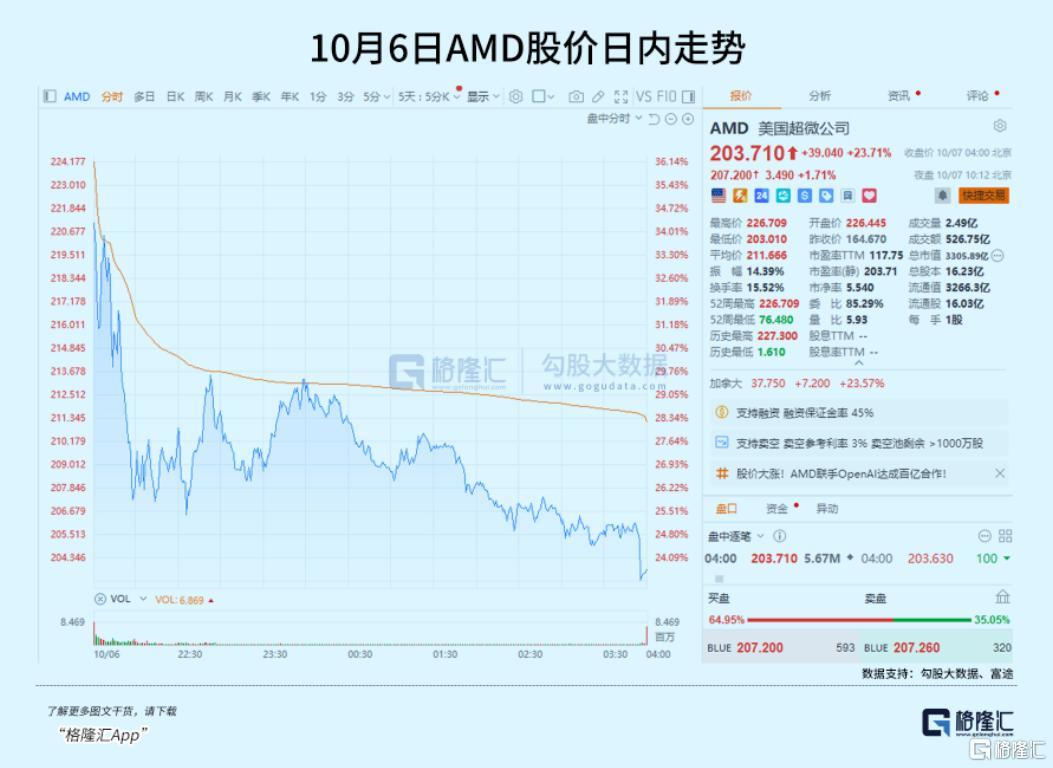
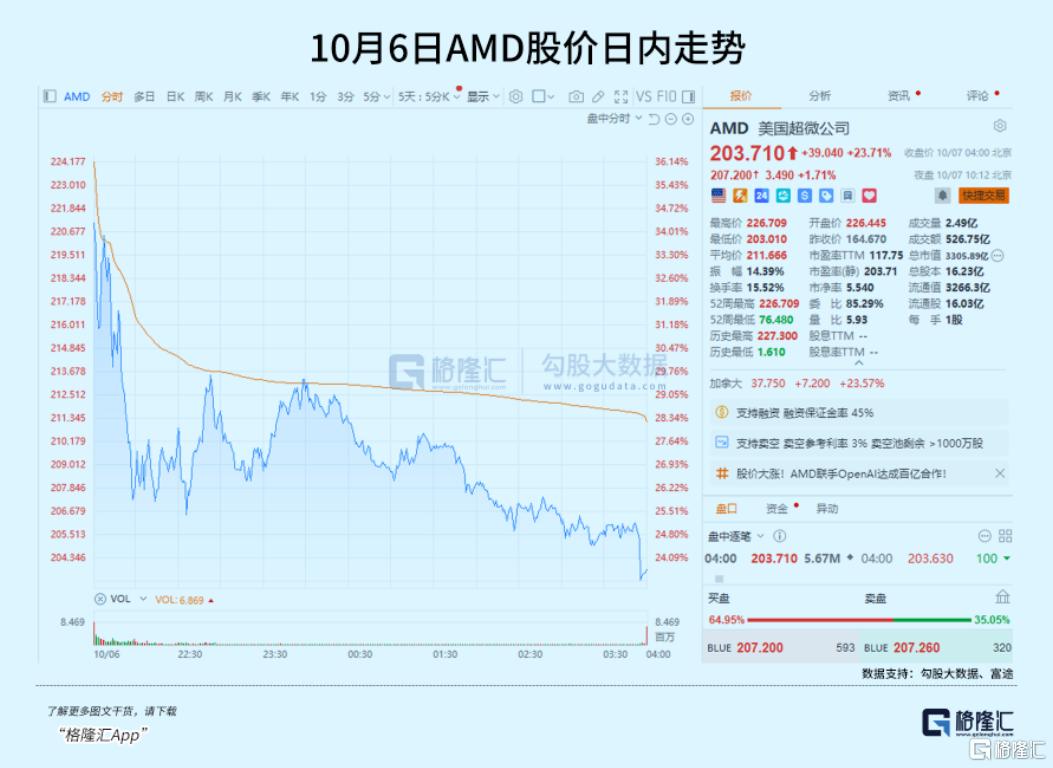
以下文章来源于格隆汇APP ,作者哥吉拉 格隆汇APP . 中国领先的全球投资研究平台。全球视野,下注中国。让普通的投资者能够享受到专业的研究服务,让 每一个个体的投资之路不再孤单和艰难。 本文来自微信公众号: 格隆汇APP (ID:hkguruclub) ,作者:哥吉拉,数据支持:勾股大数据 (www.gogudata.com),原文标题:《飙涨23.7%!芯片巨头终于等来"泼天机遇"》,题图来自: 视觉中国 2025年10月6日,对于长期在全球AI芯片市场"屈居第二"的AMD而言,将是载入史册的一天。 据报道,全球第二芯片巨头公司AMD与人工智能巨头OpenAI正式官宣6吉瓦 (GW) GPU算力部署 战略合作,这不仅有望为AMD带来数百亿美元收入,更以一份"近乎无偿"的股权绑定协议,让市场 看到了这家芯片巨头打破英伟达垄断、重塑AI行业格局的希望。 消息一出,AMD美股以飙升超37%开盘,市值一度突破至3679亿美元,虽然盘中震荡回落,但仍收 涨23.71%。更夸张的是,大量AMD的看涨期权也因此鸡犬升天,一些本周的期权开盘时涨幅甚至高 达上千倍,即使收盘也有数百倍的涨幅。 自从AI大模型在全球掀起资本 ...
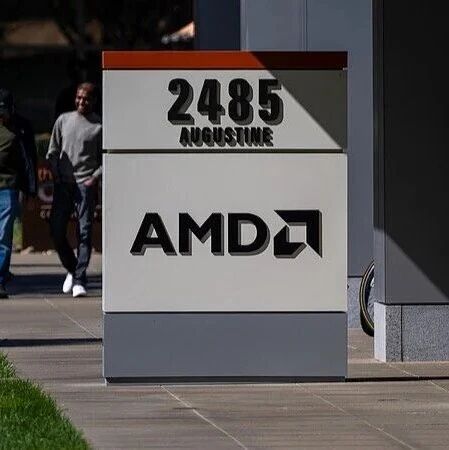
飙涨23.7%,芯片巨头终于等来“泼天机遇”
Ge Long Hui· 2025-10-07 04:36
Core Viewpoint - AMD has officially announced a strategic partnership with OpenAI to deploy 6 gigawatts (GW) of GPU computing power, which is expected to generate hundreds of billions in revenue and challenge NVIDIA's dominance in the AI chip market [1][3]. Group 1: Strategic Partnership Details - The partnership transcends traditional supplier-customer relationships by binding AMD and OpenAI's interests through a dual mechanism of computing power deployment and equity binding [5]. - OpenAI plans to deploy a total of 6 GW of AMD GPU computing power over the coming years, which could translate to hundreds of billions in revenue for AMD based on current AI chip prices [6]. - The first phase of deployment, involving 1 GW of computing power, is set to begin in the second half of 2026, providing a clear timeline for revenue realization [7]. Group 2: Equity Binding Agreement - AMD has granted OpenAI a special "warrant" allowing it to purchase up to 160 million shares of AMD at a nominal price of $0.01 per share over the next five years, potentially giving OpenAI a 10% stake in AMD [7]. - The exercise of these warrants is contingent upon achieving specific milestones related to chip deployment and AMD's market value, including a target stock price of $600, representing a 265% increase from the pre-agreement closing price [8]. - This structure not only incentivizes AMD to enhance its performance but also signals confidence in its long-term value to the market [8]. Group 3: Market Implications - The partnership is expected to significantly alter market perceptions of AMD's AI chips, as OpenAI's endorsement serves as a strong validation of AMD's product performance and reliability [10]. - The collaboration will facilitate accelerated technological iterations, allowing AMD to optimize its chip architecture and software ecosystem in conjunction with OpenAI [10]. - AMD's role as a dual-core supplier alongside NVIDIA enhances its bargaining power in the AI supply chain, marking a shift from being a mere alternative to a core partner [11]. Group 4: Challenges and Considerations - The partnership highlights the concentration risk within the AI industry, where capital, equity, and computing power are increasingly centralized among a few leading companies [12]. - Questions remain regarding the sustainability of cost recovery for both OpenAI's massive computing power procurement and AMD's chip development investments [13]. - The current business model in the AI sector relies heavily on significant upfront investments, with monetization lagging behind infrastructure spending [14]. Group 5: Future Outlook - AMD's collaboration with OpenAI represents a pivotal opportunity to not only boost short-term stock prices and revenue expectations but also to position itself competitively against NVIDIA in the AI chip market [17]. - The success of this partnership hinges on AMD's ability to deliver the promised 6 GW of computing power and leverage OpenAI's endorsement to expand its customer base and develop its software ecosystem [17]. - The rise of AMD could signify a transformative moment in the global AI chip landscape, potentially reshaping competitive dynamics [18].
飙涨23.7%!芯片巨头终于等来“泼天机遇”
Ge Long Hui· 2025-10-07 03:37
Core Viewpoint - AMD has entered a strategic partnership with OpenAI to deploy 6 gigawatts (GW) of GPU computing power, which is expected to generate hundreds of billions in revenue and reshape the AI chip market by challenging NVIDIA's dominance [1][5][9]. Group 1: Strategic Partnership Details - The partnership transcends traditional supplier-customer relationships by binding AMD and OpenAI's interests through a dual mechanism of computing power deployment and equity binding [5][6]. - OpenAI plans to deploy a total of 6 GW of AMD GPU computing power over the coming years, which could translate to hundreds of billions in revenue for AMD based on current AI chip prices [5][9]. - AMD will provide OpenAI with tens of thousands of AI chips, with the first 1 GW deployment scheduled for the second half of 2026, ensuring a clear timeline for revenue realization [5][9]. Group 2: Equity Binding Agreement - AMD has granted OpenAI a special "warrant" allowing it to purchase up to 160 million shares of AMD at a symbolic price of $0.01 per share over the next five years, potentially giving OpenAI a 10% stake in AMD [5][6]. - The exercise of these warrants is contingent upon achieving specific milestones related to chip deployment and AMD's market value, including a target stock price of $600, representing a 265% increase from the pre-agreement price [7][9]. - This structure not only aligns OpenAI's interests with AMD's performance but also signals AMD's confidence in its long-term value growth [7][9]. Group 3: Market Implications - The partnership is expected to significantly enhance AMD's market perception, as OpenAI's endorsement as a flagship customer could lead to increased adoption of AMD's AI chips by other companies [9][10]. - The collaboration will facilitate deeper technical cooperation between AMD and OpenAI, potentially accelerating AMD's technology iterations and improving its competitive product offerings [9][10]. - AMD's role as a core supplier alongside NVIDIA marks a significant shift in the AI supply chain dynamics, allowing AMD to share in the benefits of the AI computing boom [10]. Group 4: Challenges and Considerations - Despite the promising revenue projections, AMD's income from this partnership will be realized over several years and is dependent on OpenAI's ongoing procurement [11][13]. - The AI industry faces risks related to capital concentration and the sustainability of cost recovery, as both OpenAI's and AMD's operations require substantial financial backing [10][11]. - AMD's ability to convert this opportunity into long-term competitiveness hinges on its successful delivery of the 6 GW of computing power and the expansion of its customer base through OpenAI's endorsement [13][14].
拉斯·特维德:未来5年最具前景的5大投资主题
首席商业评论· 2025-10-07 01:47
Group 1 - The core investment themes for the next five years include technology, metals and mining, passion investments, ASEAN and Chinese markets, and biotechnology [9][30][40] - The technology sector is expected to continue its growth, but current valuations are high [9] - The metals and mining sector may experience explosive growth due to potential metal shortages, particularly in uranium, silver, and platinum [30] - Passion investments, which are assets that do not involve technological iteration and have limited supply, are likely to see significant price increases during periods of innovation [33] - The ASEAN and Chinese markets are projected to prosper, with Chinese innovation capabilities rapidly advancing [36][38] Group 2 - Generative AI is anticipated to be a major source of profit in future society, with its effective compute power increasing exponentially [10][19] - The growth of AI has been exponential, with effective compute power increasing by 100,000 times from 2019 to 2023, and expected to maintain this growth rate until 2028 [13] - The application of generative AI in various industries, such as banking and pharmaceuticals, is expected to create strong business barriers [20] Group 3 - Approximately 80% of jobs are predicted to be completed by intelligent robots by 2050, with significant advancements in physical AI and reasoning AI [22][29] - The cost of producing robots is significantly lower than the cost of training a human worker, leading to a potential shift in labor dynamics [28] - The emergence of personal AI and innovative AI is expected to reshape various sectors, including education and software development [24][25] Group 4 - The biotechnology sector is currently undervalued compared to the AI sector, with a price-to-earnings ratio of about 10-11 times for international biotech ETFs [40] - AI is significantly reducing research and development costs in biotechnology, leading to a rapid increase in the discovery of new molecules [42] - The sector is expected to see a surge in new products, including cancer vaccines and personalized medical services [42] Group 5 - The Asian markets, particularly China, are showing significant potential for growth due to their innovation capabilities and favorable economic conditions [36][38] - The current valuation of the Chinese stock market is below historical averages, indicating potential for significant upward movement [38] - The influx of capital from bank deposits into the stock market is expected to drive a strong rebound in Chinese equities [37]

库克即将卸任,硬件主管约翰・特纳斯成苹果CEO热门候选人
Sou Hu Cai Jing· 2025-10-06 14:47
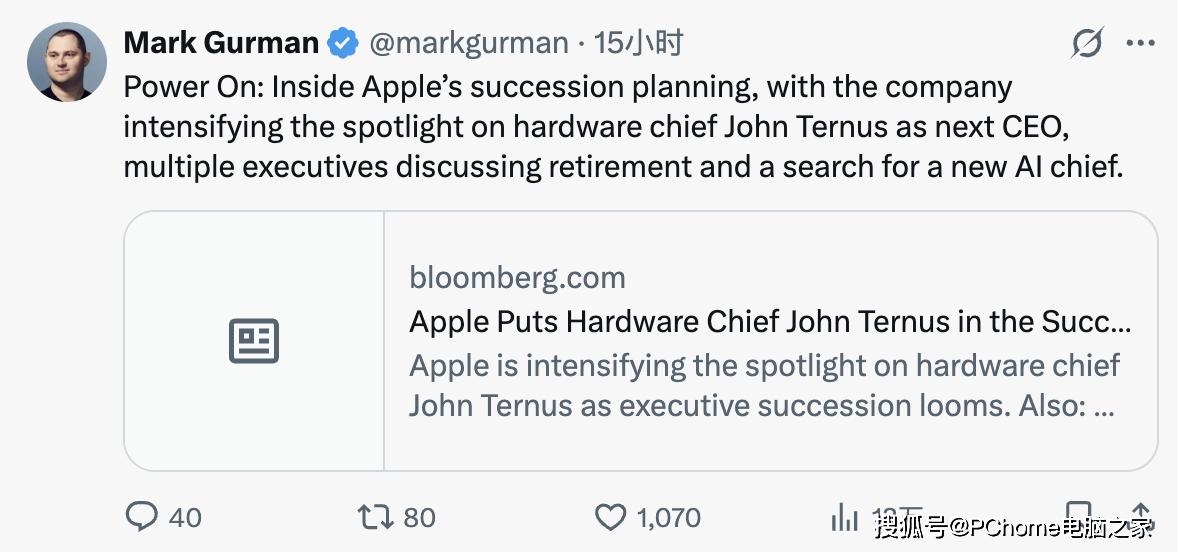
Core Viewpoint - The industry widely believes that Apple now needs a "tech-savvy" leader to drive innovation in key frontier areas such as mixed reality, generative AI, smart home technology, and autonomous driving, as the current pace of advancement appears conservative under Tim Cook's leadership [3] Group 1 - Tim Cook has successfully elevated Apple's market value to new heights and expanded multiple high-margin product lines through his supply chain and operational capabilities [3] - There is a growing expectation for Apple to regain the technological adventurous spirit reminiscent of the Steve Jobs era [3] Group 2 - Turnas possesses a unique combination of engineering background and team leadership, earning the trust of Cook and being granted core decision-making authority over product roadmaps and feature definitions [5] - Turnas has broken traditional boundaries within Apple, significantly influencing the company's strategic direction, and has seen a notable increase in public exposure over the past year [5] - Although known for his steady approach and lacking a "risk-taking" investment style, Turnas's pragmatic yet innovative qualities may provide the necessary balance for Apple amid the AI and new hardware wave under Cook's management structure [5]

2025企业转型的关键时刻从2024产业案例看今年生成式AI
Sou Hu Cai Jing· 2025-10-06 03:46
Core Insights - The report emphasizes that 2025 will be a critical year for corporate transformation, driven by the integration of generative AI across various industries, highlighting the need for businesses to adapt and leverage AI effectively [1][5]. Group 1: AI Integration in Industries - Generative AI has fundamentally changed the operational logic of businesses, prompting leaders to rethink their strategies and identify core areas for transformation rather than merely following trends [1][5]. - AWS has positioned itself as a key enabler of AI adoption, focusing on creating flexible platforms that allow companies to integrate AI with their data to solve real-world problems [2][5]. - Cathay Pacific has successfully implemented AI solutions to address challenges such as meal waste and flight delays, showcasing the potential of AI in enhancing operational efficiency and customer service [2][10][12]. Group 2: Cybersecurity and AI - Trend Micro has developed an "AI safety brake system" to address the cybersecurity risks associated with AI integration, focusing on data security, model selection, and system integration challenges [3][16][22]. - The company has created a comprehensive guide for businesses to navigate AI security risks, emphasizing the importance of robust security measures as AI adoption accelerates [3][22]. Group 3: AI Applications in Various Sectors - In the construction industry, SOCAM Development has utilized AI to enhance safety management on job sites, employing real-time monitoring systems to identify risks and improve worker safety [3][24][30]. - The restaurant sector has seen applications of AI in inventory management and customer feedback analysis, leading to reduced waste and improved service quality [4][5]. - Gamania has leveraged AI to enhance fan engagement for creators, allowing for personalized interactions and content generation, demonstrating the versatility of AI in the entertainment industry [32][35]. Group 4: AI in Financial Services - Crypto.com has adopted generative AI to provide real-time market insights and sentiment analysis, enhancing user experience and decision-making in the fast-paced cryptocurrency market [41][46]. - The integration of Amazon Bedrock has allowed Crypto.com to streamline its operations and improve the accuracy of its market intelligence services [46][48]. Group 5: Telecommunications and AI - Chunghwa Telecom has implemented AI applications to improve internal efficiency and customer service, focusing on compliance with data security regulations while enhancing productivity [50][52]. - The company has developed innovative tools such as a Software Development Life Cycle Assistant and a Generative AI Marketing Assistant to optimize operations and marketing strategies [52][54].


中国AI旅游应用分化加剧:谁在领跑?谁陷停滞?
Sou Hu Cai Jing· 2025-10-06 02:30
Core Insights - The application of AI in China's tourism industry is evolving from conceptual discussions to practical implementations, significantly transforming operational methods for both travelers and tourism companies [2][3] - A report presented at the 2025 Global Travel Summit highlights the challenges and trends of AI adoption within tourism enterprises, emphasizing the role of grassroots employees over CEOs in driving AI integration [4][5] AI Adoption Trends - In the first half of 2024, 53% of surveyed companies reported using AI, with a slight increase to 54.1% in the second half, indicating a slow adoption rate in B2B contexts despite frequent media coverage of new models [5][6] - Large enterprises (1,000+ employees) saw a decline in AI usage from 80.6% to 74.4%, while medium-sized enterprises (200-500 employees) increased their usage from 38.5% to 53.3% [6][7] Sectoral Disparities - The AI application rates among tourism companies show a clear three-tier differentiation: - The first tier includes technology-intensive sectors like airlines, which have a high AI penetration rate - The second tier consists of business travel companies and travel tech firms, known for their quick adoption of new technologies - The third tier includes OTAs, tourism boards, and scenic spots, which are lagging behind [7][8][9] Organizational Challenges - Despite individual employees using AI, many companies have not established end-to-end AI workflows, indicating a gap in organizational integration [11] - Over 50% of companies believe that external policies and market conditions significantly impact AI technology applications, highlighting the uncertainty in the current environment [12] Application Focus - 76.3% of companies are prioritizing AI for internal operational efficiency, although some application rates, such as store management and personalized recommendations, have decreased due to perceived cost-benefit issues [12][13][14] - A significant portion of companies (46.8%) believes AI will mature within one to two years, reflecting an overly optimistic outlook on AI capabilities [16][18] Key Recommendations for AI Integration - Companies need to redefine their understanding of generative AI, moving beyond viewing it as a mere IT project aimed at replacing human roles [19] - Successful AI implementation requires overcoming three capability bridges: organizational questioning ability, data leadership, and human-machine collaboration [19][20] - Establishing dedicated AI project management offices and cultural performance metrics can facilitate better integration of AI into business processes [20][23]
腾讯混元图像3.0全球“盲测”登顶;任天堂否认游说日本政府加强生成式AI监管丨AIGC日报
创业邦· 2025-10-06 01:11
Group 1 - Tesla's AI engineer Ashok Elluswamy commented on a video of the Optimus robot learning martial arts, stating that this is just the beginning and that the unification of autonomous driving and Optimus AI models will be exciting [2] - The current moment is seen as an excellent opportunity to join Tesla's AI team and contribute to the development of innovative products [2] Group 2 - Tencent's Mix Yuan Image 3.0 ranked first in the global blind test conducted by LMArena, being recognized as the best comprehensive text-to-image model [5] - The model was open-sourced on September 28, and the Tencent team announced that future versions will include capabilities for image generation, image editing, and multi-turn interactions [5] Group 3 - Nintendo denied allegations of lobbying the Japanese government to strengthen regulations on generative AI, asserting that it has not engaged in any discussions regarding generative AI with the government [5] - The company emphasized its commitment to taking appropriate action against any infringement of intellectual property rights, regardless of whether it involves AI [5] Group 4 - The ZDTC 4.0 model, developed by the Chinese Academy of Sciences and Wuhan Artificial Intelligence Research Institute, has been released, showcasing upgraded multimodal reasoning capabilities [6] - Since its initial launch in 2021, the ZDTC model has undergone four iterations, evolving from "pure text thinking" to "fine-grained multimodal semantic thinking," marking a significant advancement in deep reasoning capabilities [6]