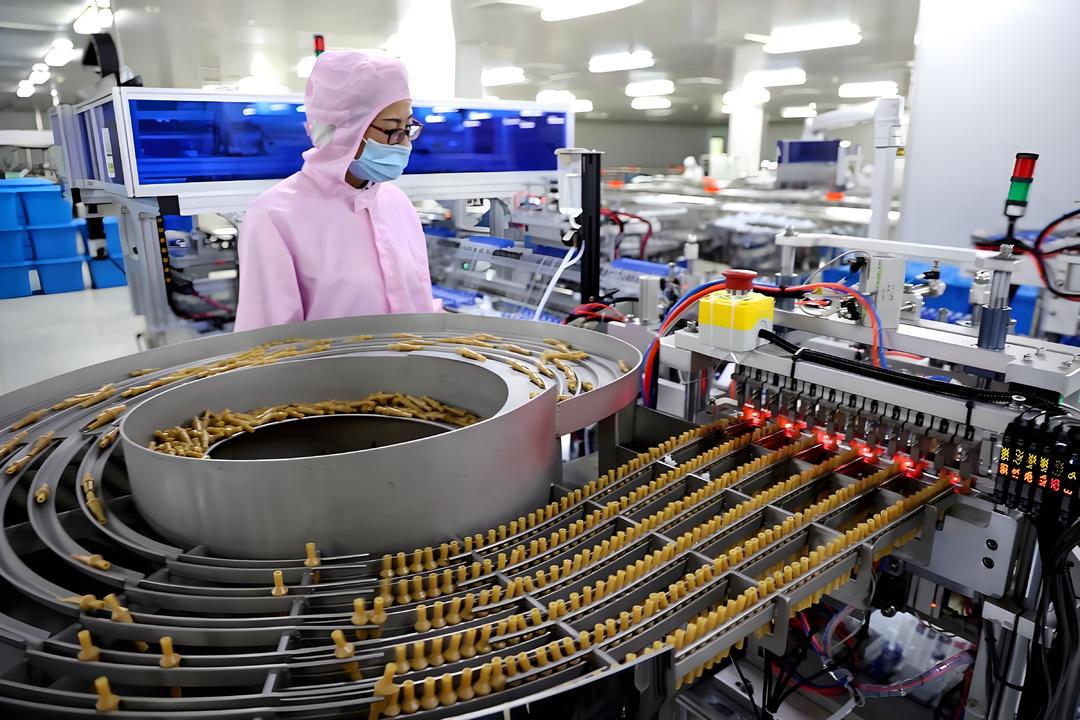
产业创新

Search documents
临港“一揽子”举措支持创新
Jie Fang Ri Bao· 2026-01-22 01:31
Group 1 - The 2026 Lingang Science and Technology Innovation City Conference was held with the theme "Entrepreneurship Comes to Lingang, Accompanying Your Growth" [1] - A comprehensive set of innovative support measures was introduced for entrepreneurs, including the construction of science and technology communities and a policy matrix [1] - Four major benchmark innovation communities were launched: "Dew Lake AI Innovation Port," "Dew Lake IC Innovation Port," "Dew Lake International Data Port," and "Dew Lake Financial Bay," aimed at creating a new development paradigm [1] Group 2 - The new development paradigm focuses on "chain leader traction, clear tracks, platform support, collaborative incubation, capital acceleration, and balanced living and working" [1] - The goal is to establish a distinct industrial "innovation rainforest" [1] - Three entrepreneurial launch funds were simultaneously announced: Lingang Youth Science and Technology Fund, Qihang Angel Fund, and Qihang Guotai Haitong Venture Capital Fund [1]
十九城产业新坐标·河南经济新方位丨漯河 龙头驱动 产业焕新 科技引擎催生漯河新“食”力
He Nan Ri Bao· 2026-01-21 23:37
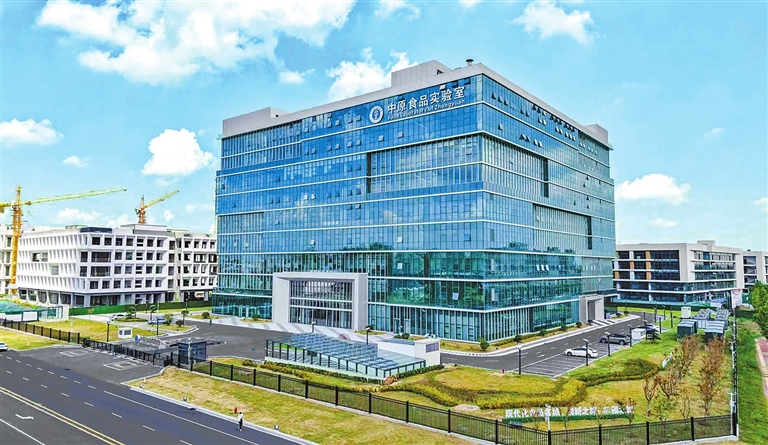
Core Insights - The article highlights the transformation of Changxiang Biological Technology Co., Ltd. from a frozen meat product company to a player in the ready-to-eat food market, driven by innovation and collaboration with the Central Plains Food Laboratory [1][2] - The Central Plains Food Laboratory has established a comprehensive innovation system that supports traditional food enterprises in enhancing their product offerings and addressing market demands [2][4] Group 1: Company Transformation - Changxiang Biological has successfully developed new products, including spicy chicken snacks, within a year, overcoming challenges related to taste and texture [1] - The company aims to create healthy, additive-free products, leveraging the expertise of the Central Plains Food Laboratory [1][2] Group 2: Innovation and Collaboration - The Central Plains Food Laboratory provides a "one-stop" R&D service, assisting over 280 companies with more than 700 technical services and achieving over 40 key technology breakthroughs [2] - The laboratory operates under a collaborative model involving a central lab, six universities, and multiple technology transfer bases, promoting efficient solutions tailored to individual company needs [2] Group 3: Industry Impact - The food industry in Luohe has grown significantly, with the total scale increasing from 200 billion to 250 billion yuan, accounting for a quarter of the province's food industry and 2.5% of the national total [4] - Luohe is positioning itself as a modern food manufacturing hub, integrating technological, industrial, and financial innovations to enhance its competitive edge in the national market [4]


“压舱石”作用愈发凸显 创新动能持续壮大
Xin Lang Cai Jing· 2026-01-21 22:36
Core Viewpoint - The industrial economy in China is showing steady growth, with significant contributions to overall economic performance, and the government is committed to advancing new industrialization by 2025 [1][8]. Group 1: Industrial Growth and Performance - The industrial added value of large-scale enterprises increased by 5.9% year-on-year, with manufacturing value added maintaining the world's top position for 16 consecutive years [1]. - The added value of equipment manufacturing and high-tech manufacturing increased by 9.2% and 9.4% year-on-year, respectively [2]. - The telecommunications business volume grew by 9.1% year-on-year, indicating robust performance in the industrial and information sectors [1]. Group 2: Support for Small and Medium Enterprises - The government is implementing reforms to reduce burdens on enterprises and ensure the implementation of policies that benefit businesses, fostering a supportive environment for development [3]. - A total of 17,600 specialized and innovative "little giant" enterprises have been cultivated, along with over 140,000 specialized and innovative small and medium enterprises [3]. Group 3: Innovation and New Growth Drivers - Significant advancements in technology are highlighted, including breakthroughs in humanoid robots and major equipment like large-diameter shield machines [4]. - The added value of industries such as integrated circuits and electronic materials is projected to grow by 26.7% and 23.9% year-on-year, respectively, by 2025 [5]. - The scale of artificial intelligence computing power in China has reached 1,590 EFLOPS, with applications expanding across key industries [5]. Group 4: Digital Economy and Industrial Upgrading - The integration of the digital economy with the real economy is enhancing industrial transformation, with over 23,000 "5G + industrial internet" projects established [6]. - New business models such as "black light factories" and "smart ports" are emerging as key drivers for upgrading traditional industries [6]. Group 5: Future Industrial Strategy - The government aims to stabilize growth, strengthen innovation, promote integration, optimize governance, and prevent risks as part of the new industrialization strategy [8]. - Focus areas include enhancing the adaptability of consumer goods supply and demand, promoting green and low-carbon transitions, and developing new energy solutions [8].
推进农业农村现代化的苏州实践
Xin Lang Cai Jing· 2026-01-21 21:34
Core Viewpoint - The article emphasizes the importance of modernizing agriculture and rural areas in Suzhou as part of China's overall modernization strategy, highlighting the need for innovative agricultural productivity to drive rural revitalization [1] Group 1: Technological Innovation - Suzhou prioritizes technological innovation to shift agricultural development from traditional factor-driven to technology-driven [1] - The city is advancing new infrastructure construction, including smart agricultural industrial parks and agricultural technology innovation centers, supported by IoT and 5G networks [1] - Annual global announcements of "challenge lists" aim to address core agricultural technology issues, facilitating the transformation of scientific achievements into productive forces [1] - Digital empowerment is promoted to accelerate the digital transformation of the entire agricultural industry chain, integrating new information technologies with agriculture [1] Group 2: Industrial Innovation - Suzhou is breaking traditional agricultural thinking by expanding the multifunctionality of agriculture to enhance rural value [2] - Traditional industries are being upgraded through new concepts and technologies, exemplified by the transformation of local specialties like Dongting Mountain Biluochun tea [2] - Cultural empowerment is utilized for branding agricultural products, focusing on local specialties such as Suzhou rice and Yangcheng Lake crabs [2] - Future agricultural industry initiatives are being developed to establish a nationally influential agricultural technology innovation hub [2] Group 3: Green Development - Suzhou integrates green development principles throughout the agricultural modernization process, promoting organic and ecological agriculture [2] - The city is implementing ecological circular agriculture models to achieve sustainable farming practices [2] - A strict monitoring and evaluation system for agricultural pollution is being established, alongside increased subsidies for green and organic certified products [2] Group 4: Talent Development - Suzhou is addressing agricultural labor challenges by enhancing talent development mechanisms [2] - A high-quality farmer training program is being implemented to transition traditional farmers into modern agricultural professionals [2] - The city has introduced a plan to cultivate innovative agricultural talents, focusing on various fields such as agricultural technology and rural governance [2] - A comprehensive talent support system is being established to facilitate the recruitment and development of agricultural professionals [2]
声音 | 创新体制机制促进央企创投基金高质量发展
Xin Lang Cai Jing· 2026-01-21 10:25
Group 1 - The core viewpoint of the article emphasizes the importance of establishing a diversified financial service system that aligns with the financing needs of technology-based enterprises throughout their lifecycle, supported by a series of special policies from the State-owned Assets Supervision and Administration Commission (SASAC) and multiple ministries [2][24] - The Central Enterprise Venture Capital Fund plays a crucial role in sharing innovation risks, accelerating the transformation of hard technology achievements, and nurturing strategic emerging industries [2][24] - The article highlights the need for continuous innovation in institutional mechanisms and policy supply to enhance the precise empowerment capabilities of the Central Enterprise Venture Capital Fund, providing long-term support for cultivating new productive forces and achieving high-level technological self-reliance [2][24] Group 2 - The current state of the Central Enterprise Venture Capital Fund shows a trend of "total contraction and structural optimization," with a shift in investment logic from "scale expansion" to "value cultivation" [5][27] - As of June 2024, there are 126 venture capital funds managed by central enterprises, with a subscribed scale of 52.9 billion yuan and an invested amount of 31.3 billion yuan, primarily directed towards advanced manufacturing, energy, and electronic information sectors [5][27] - The article notes that state-owned and government-guided funds account for nearly 82% of the total subscribed capital in the private equity and venture capital market, indicating their critical role in the investment landscape [5][27] Group 3 - The unique advantages of the Central Enterprise Venture Capital Fund include a strategic orientation focused on key breakthroughs, a synergy between industry and finance, long-term capital advantages, and policy coordination that creates resource aggregation effects [7][29] - The fund's focus on high-risk early-stage technology projects aims to correct market failures and accelerate breakthroughs in critical technologies, thereby enhancing national strategic technological strength [7][29] - The article emphasizes the importance of a stable capital source for the fund, with policies extending the fund's duration to 15 years to better match the long cycles of technological innovation [7][29] Group 4 - The Central Enterprise Venture Capital Fund faces structural imbalances, with only about 20% of the total number of funds being venture capital funds, and a low investment amount in emerging industries such as artificial intelligence and 6G [8][31] - The article points out that 95% of investment projects exit through IPOs or agreements, with few cases of acquisition by central enterprises, indicating a lack of effective synergy between capital and industry [8][31] - Challenges include a short-term focus in assessments, limited exit channels, and insufficient participation from social capital, which hinder the fund's ability to invest in early-stage hard technology projects [9][10][35] Group 5 - Recommendations for promoting the high-quality development of the Central Enterprise Venture Capital Fund include optimizing policy supply, enhancing the patience of state capital, broadening capital sources, and deepening industry-finance collaboration [14][38] - The article suggests establishing a dynamic track management mechanism to prioritize investments in key technological areas and improve resource allocation efficiency [14][38] - It also emphasizes the need for a differentiated assessment and fault tolerance mechanism to encourage exploration and reduce the fear of investing in early-stage and hard technology projects [20][42]

2025年工业和信息化发展呈现“稳”“进”“新”“活”四个特点
Qi Huo Ri Bao· 2026-01-21 05:08
Group 1 - The core viewpoint of the news is that the industrial and information technology sectors in China are expected to maintain steady growth, with significant contributions to the overall economy by 2025 [1][2] - The industrial added value for large-scale industries is projected to grow by 5.9% year-on-year, with the manufacturing sector's contribution to GDP remaining stable, and the manufacturing scale likely to maintain its position as the largest globally for 16 consecutive years [1] - The total telecommunications business volume is expected to increase by 9.1% year-on-year, highlighting the sector's robust performance [1] Group 2 - The pace of high-quality development is accelerating, with significant growth in the added value of equipment manufacturing and high-tech manufacturing, which are expected to increase by 9.2% and 9.4% year-on-year, respectively [2] - The proportion of these sectors in the total industrial output is projected to improve by 2.2 percentage points and 0.8 percentage points compared to 2024 [2] - The integration of technology and industry is being emphasized, with breakthroughs in major equipment and over 300 key technologies reserved for 6G development [2] Group 3 - The effects of reforms in key areas are becoming evident, with actions taken to reduce the burden on enterprises and improve the competitive environment in sectors like new energy vehicles and photovoltaics [2] - The integration of 5G and gigabit optical networks into 91 out of 97 national economic categories is expected to inject more vitality into economic and social development [2] - The industrial economy is characterized by resilience, potential, and vitality, with confidence in maintaining a stable and positive trend in 2026 [2]
聚焦主责主业 突出“高”和“新” 努力建设世界一流高科技园区
Xi An Ri Bao· 2026-01-21 04:06
在比亚迪汽车有限公司,蒿慧杰走进企业展厅,听取企业负责人关于产品研发和经营管理情况介 绍,现场观看重点产品场景展示,勉励企业要强化需求牵引,加强技术升级和产品创新,不断增加优质 供给,助力我市汽车产业链进一步做强做优做大。 蒿慧杰在调研中强调,高新区作为我市经济建设的主战场、区域发展的强引擎,要坚持长短结合, 既瞄准"高精尖",持续推动产业发展向新向优,推动科技成果就地转化,提高产业配套能力,不断壮大 高新技术产业集群;又加快解决当前经济社会发展面临的突出问题,紧盯重点行业、重点企业加强运行 调度,强化服务保障,确保一季度"开门稳""开门红",为全市稳增长提供强力支撑。要注重标本兼治, 深化体制机制改革,先立后破,破立并举,不断激发创新活力和内生动力。 市委常委马鲜萍、和文全参加。 1月20日上午,省委常委、市委书记蒿慧杰到高新区调研经济社会发展情况时强调,要贯通落实习 近平总书记历次来陕考察重要讲话重要指示,牢牢把握高质量发展这个首要任务,聚焦主责主业,突 出"高"和"新",大力推进科技创新和产业创新深度融合,努力建设世界一流高科技园区。 蒿慧杰首先来到西安奕斯伟材料科技股份有限公司,仔细了解硅材料事业发展 ...
黄波:全力推进量子国家实验室济南基地建设
Qi Lu Wan Bao· 2026-01-21 01:49
Core Viewpoint - Jinan's Science and Technology Bureau aims to enhance the integration of technological innovation and industrial innovation by 2026, focusing on building a strong technological foundation for the city's development as a major technology hub in China [1]. Group 1: Strategic Goals and Initiatives - In 2025, Jinan's technology system will focus on the "13+34" industrial chain system to boost high-quality development through targeted efforts in industry strengthening, entity nurturing, platform building, and transformation promotion [3]. - The city plans to cultivate over 10,000 technology-based small and medium-sized enterprises (SMEs) and achieve a breakthrough in leading technology enterprises by implementing a tiered nurturing system [3]. - The "reveal and take charge" mechanism will be deepened, focusing on key industries such as automotive electronics and integrated circuits, to support leading enterprises in forming innovation alliances [3]. Group 2: Innovation Infrastructure Development - Jinan's Science and Technology Bureau will enhance high-level innovation platforms and deepen strategic cooperation with the Chinese Academy of Sciences to improve new research institutions like the Qilu Aerospace Information Research Institute [4]. - The city aims to establish a multi-level innovation carrier system and promote the construction of the Quantum National Laboratory in Jinan, striving to undertake more national major research tasks [4]. Group 3: Talent and Ecosystem Enhancement - The city will focus on building a first-class innovation ecosystem by reforming the policy framework for "technology strong city" construction and expanding the coverage of financial investment reforms [5]. - The goal is to increase the number of professional technology transfer personnel to over 2,500 by 2026, enhancing the capacity for specialized services in technology transfer [5][6]. - Jinan will strengthen the core hub of the Shandong Science and Technology Market and regularly hold technology achievement supply-demand matching events to facilitate the transformation of innovative results [6].
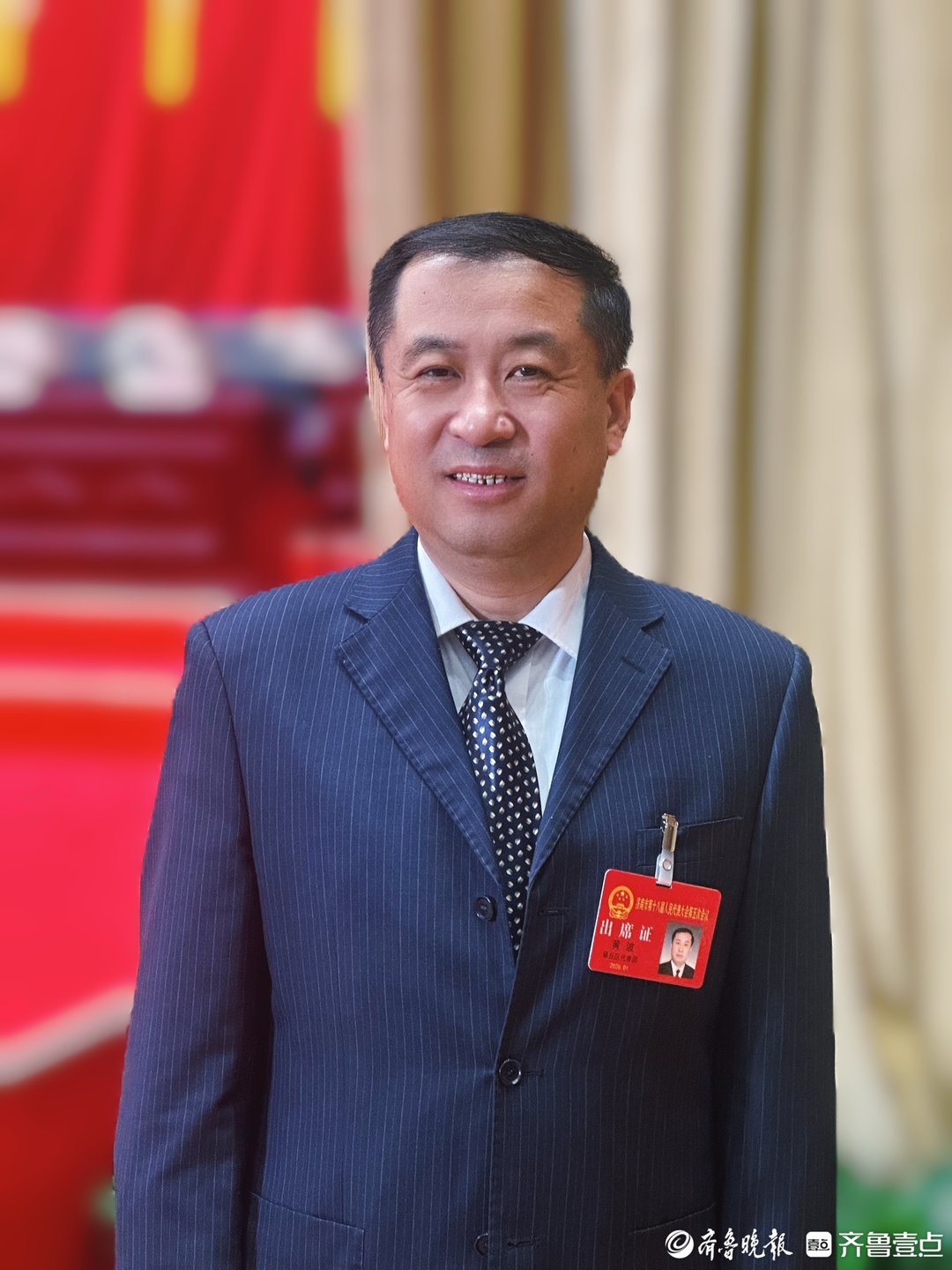
宋永祥参加邹平代表团审议政府工作报告时强调:继续更好昂起龙头 一马当先“走在前、挑大梁”
Xin Lang Cai Jing· 2026-01-20 17:50
Group 1 - The government work report emphasizes high-quality development, showcasing a pragmatic approach, innovative spirit, and a commitment to the people, making it an inspiring report [1] - The report objectively summarizes the achievements of Binzhou's "14th Five-Year Plan" and outlines future development goals, reflecting the spirit and capabilities of the local population [1] - Significant achievements in various sectors have been noted, including continuous improvement in comprehensive strength, development quality, and living standards in Zou Ping, contributing importantly to the city's overall development [1] Group 2 - Zou Ping is encouraged to take the lead in the "15th Five-Year Plan" by strengthening party leadership and integrating it into all aspects of economic and social development [2] - The focus will be on innovation and industry, promoting the transformation of traditional industries and enhancing the integration of technological and industrial innovation [2] - Emphasis on deepening reforms and expanding high-level openness to drive development, alongside initiatives like "Binzhou Enterprises Create World" to empower high-quality growth [2] - Commitment to improving people's livelihoods through urban renewal and community upgrades, ensuring equitable distribution of development benefits [2] - The construction of a "Safe City" will be advanced, focusing on social stability and safety to support high-quality development [2]
滨州今年将打造高能级创新平台 促成转化落地项目50项以上
Qi Lu Wan Bao· 2026-01-20 09:53
1月20日,滨州市第十二届人民代表大会第五次会议开幕,市长李春田作政府工作报告。报告指出,滨州今年将突出创新驱动,坚定不移增动能、创优 势。大力推进"五主并举",推动科技创新和产业创新深度融合,不断催生新质生产力。 打造高能级创新平台。强化渤海先研院、魏桥国科研究院引领作用,新增省级创新平台5家以上,铝产业先进制造省实验室新立项项目20个。加强滨州科 技大市场供需匹配,技术合同登记额达到110亿元。支持中试基地建强功能、发挥实效,促成转化落地项目50项以上。 推进关键性技术攻关。实施产业科技创新三年行动,开展"滨企链百校",支持企业与高校院所联合科研攻关,完成省级以上科技项目、市级"揭榜挂帅"项 目40个。推动重点规上工业企业"四有"标准全覆盖,深化高新技术企业分类管理,全社会研发投入强度冲刺全省"六连冠"。 夯实多层次人才支撑。扎实推进新质人才筑峰行动,入选省级以上重点人才项目30个,集聚青年人才3万人以上。推动技能人才提质培优,高技能人才占 比超35%。精准对接产业需求,深化产教融合、校企合作,提高大中专院校毕业生留滨率,让更多年轻人在滨州大施所能、大展才华、大显身手。 ...