
产城融合

Search documents
杭州桐庐打造千亿级快递物流产业集群
Xin Hua Wang· 2025-11-18 04:46
Core Insights - The launch of Tongda Future City marks a significant milestone for the express logistics industry in Tonglu, with the return of major companies from the "Three Express" group (Shentong, Yunda, Zhongtong, and Yunda) to their hometown [1][2] - The integration of technology and express logistics is emphasized, with AI applications enhancing delivery efficiency and the establishment of a comprehensive logistics ecosystem [2][3] - Tonglu aims to create a trillion-level express logistics industry cluster while fostering the development of related sectors such as visual intelligence, new energy, new materials, and life health [3] Group 1 - The return of the "Three Express" companies to Tonglu is driven by nostalgia and the need to leverage local advantages for the development of smart logistics [1] - Tongda Future City features headquarters for major express companies and aims for over 60% occupancy by the end of the year [1][2] - The city is focusing on building a full industry chain ecosystem, with 51 enterprises already established in the logistics sector [2] Group 2 - The introduction of advanced technologies, such as AI for smart path planning and automated sorting systems, is a key focus for enhancing operational efficiency [2] - Tonglu has attracted 183 express logistics projects and aims to integrate education and industry through initiatives like the establishment of Tongda Academy [3] - The goal is to elevate the city's economic capabilities and create a robust ecosystem for the logistics industry [2][3]


酒店“跑步前进”产业园区!
3 6 Ke· 2025-11-18 02:34
Core Insights - The article discusses the trend of hotel brands, particularly Huazhu's Meilun, entering industrial parks, marking a shift from traditional city center locations to these emerging areas [1][2][8] - The demand for diverse accommodation options in industrial parks is increasing, as businesses require not only short-term stays but also long-term housing solutions for employees [5][7][14] Group 1: Hotel Development in Industrial Parks - Huazhu Group's Meilun brand has opened its largest hotel in Xiamen's Jimei Software Park, featuring 310 rooms and targeting business and conference clientele [1] - The shift in hotel location strategy reflects a broader trend where hotels are moving from city centers to industrial parks, which are seen as new growth areas with potential [2][8] - Other hotel brands, including Qianxi and InterContinental, are also establishing properties in industrial parks, indicating a growing interest in these locations [3][6] Group 2: Changing Accommodation Needs - The demand for "business + conference + activity" accommodations in industrial parks is being recognized by hotel operators, leading to the inclusion of meeting rooms and dining facilities [2][5] - The combination of hotels and serviced apartments is becoming more common, catering to the long-term needs of professionals in industrial parks [5][6] - Local state-owned enterprises and development platforms are also entering the market, promoting standardized accommodation solutions for employees [6][10] Group 3: Investment and Economic Implications - The investment logic for hotels is changing, with industrial park hotels offering stable clientele and lower land costs, making them attractive for major hotel groups and local investors [7][10] - The trend reflects a redistribution of urban dynamics, where hotels are now following businesses rather than just tourist flows [7][8] - Policies at both national and local levels are encouraging the development of living and service facilities in industrial parks, facilitating the entry of hotels and apartments [9][10] Group 4: Future Outlook - The future of hotels may lie in industrial parks rather than traditional urban centers, as the boundaries between work, life, and leisure continue to blur [11][14] - Hotels in industrial parks are expected to become integral parts of the local ecosystem, serving not just as accommodation but also as cultural and community hubs [12][14] - The concept of "park-customized hotels" is gaining traction, offering both operational returns and cultural value, which could enhance the brand image of the parks [14]

探寻万亿之城“园”动力
Xin Hua Ri Bao· 2025-11-15 19:43
长三角主流媒体先后走进南通创新区、南通经济技术开发区、苏锡通科技产业园区和通州湾江海联动开 发示范区等地,深入科研机构、科创载体、制造业企业以及重大项目建设现场,用生动笔触和鲜活画 面,记录南通在推动科技创新和产业创新深度融合、培育现代产业集群、因地制宜发展新质生产力和推 进产城融合发展等方面的新变化、新成就。 据了解,参与采访媒体的全平台受众超过3亿人次。集中采访成果将以融媒产品形式,通过各大媒体的 线上、线下传播平台推出,向海内外受众传递南通以及开发园区的发展潜力、鲜活形象和生动故事。 今年是"十四五"收官之年。五年来,南通立足"奋力打造全省高质量发展重要增长极"的定位,深度融入 长三角一体化发展国家战略,推动跨江融合、发展海洋经济、打造制造强市,聚力共建长江口产业创新 绿色发展协同区,成为长三角区域协同发展的重要节点城市。近年来,南通经济总量接连攀升:2020年 突破1万亿元大关,2024年超1.24万亿元,增速位居全国27个万亿城市第二。 自1984年南通被列为全国首批沿海开放城市、获批设立国家级南通经济技术开发区至今,南通已累计获 批国家级、省级开发园区20个,数量位居全省第二;国家一类开放口岸5个 ...
安徽芜湖:城市焕新释放多重红利
Jing Ji Ri Bao· 2025-11-13 07:26
经济日报记者 梁睿 李思隐 暮色降临,焕然一新的安徽省芜湖市中山路步行街灯火渐次点亮。平整的道路两侧,传统老字号与 现代化百货大楼隔街对望,时尚的新式茶饮空间点缀其间;街道中段,在与大镜湖交界处,新落成的不 锈钢雕塑《时光之环》倏然亮起,环状智能屏上光影流转,与伫立多年的世纪花钟遥相呼应;市民悠然 漫步,身影交错,勾勒出一幅动静相宜的城市画卷。 这华灯下的生动图景,映照出一座沿江工业城市的转型之路,更折射出其在城市更新与发展融合中 的深层探索。当前,芜湖以提升城市品质、功能、魅力为支点,打造高品质的人居与休闲空间,增强市 民的归属感与幸福感。吸引远方的人才,留住本地的青年,这条"以人为本"的城市焕新之路,正悄然重 塑当地经济发展新优势。 转变发展理念 "过去一个时期,芜湖经历了快速的城镇化进程,城市面貌发生了巨大变化,发展成效非常显 著。"芜湖市住房和城乡建设局副局长郭邵诚表示,但随着城市发展从大规模增量扩张阶段转向以存量 提质增效为主的新阶段,"归大堆""摊大饼"的粗放式发展已经难以满足市民对美好城市生活的期待,推 动城市发展方式转型,成为关乎未来发展的关键所在。 近年来,芜湖积极践行人民城市理念,以推进城 ...
安徽芜湖 城市焕新释放多重红利
Jing Ji Ri Bao· 2025-11-12 22:22
Core Insights - Wuhu is undergoing a transformation from a traditional industrial city to a modern urban space, focusing on enhancing urban quality, functionality, and attractiveness to improve residents' sense of belonging and happiness [1][2] Urban Development Strategy - Wuhu has shifted from extensive urban expansion to a new phase emphasizing quality improvement of existing urban spaces, addressing citizens' expectations for a better urban life [2] - The city is implementing a "people-oriented" approach to urban renewal, integrating design, entertainment, and cultural significance into urban planning and governance [2][3] Cultural and Tourism Integration - The recent God Mountain Music Festival showcased Wuhu's urban charm and revitalized the God Mountain Park, which has been transformed into a modern urban landmark [4][5] - Wuhu is leveraging urban renewal projects to enhance cultural tourism, creating engaging experiences that connect residents and visitors to the city's vibrant culture [6][7] Infrastructure and Community Development - Over the past five years, Wuhu has renovated 691 old residential communities and established various community facilities, enhancing the quality of life for residents [7] - The city is focusing on historical building revitalization and integrating new developments with existing cultural landscapes to create a cohesive urban environment [7][8] Economic and Industrial Growth - Wuhu is promoting industrial upgrades and spatial re-utilization, exemplified by the establishment of the Chery Global R&D Center, which aims to attract talent and foster innovation [7][8] - The city is developing the "Jiuzi Innovation Bay" and other strategic projects to enhance the integration of industry and urban living, focusing on emerging sectors like digital economy and smart vehicles [9][10]

产城融合焕新颜!福永e创城凭实力撑起宝安电商产业新增长极
Sou Hu Cai Jing· 2025-11-11 15:42
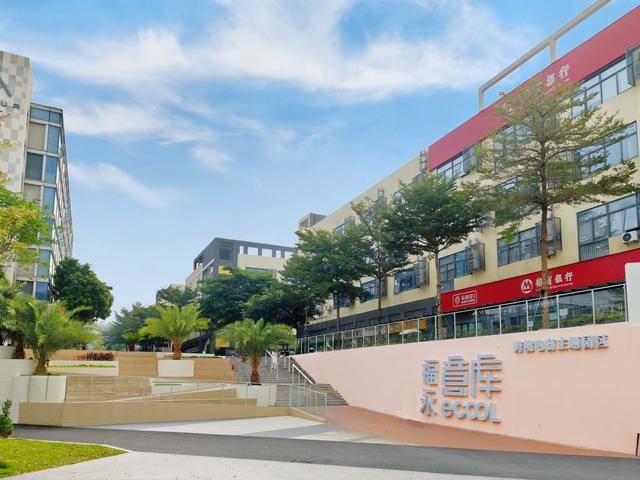
这些看得见、摸得着的升级,让"工作在园区、生活在周边"的产城融合模式逐步落地。 支撑企业扎根发展的是"福永e创城"实打实的产业实力。作为"福永e创城"核心园区之一,福永意库经过 3年改造,总建筑面积近10万平方米的旧厂房摇身变为低密度花园式园区,汇聚了递四方、盘古集团、 杰维工业等200余家企业,形成以跨境电商、跨境物流和先进制造为代表的产业集群,产业集聚效应日 益凸显。 与福永意库仅一路之隔的智美·汇志园区则是"福永e创城"的另一个核心园区。园区总建筑面积5万平方 米,凭借精准的直播电商定位,拿下了全市首批直播电商创新示范基地等20多项资质荣誉,集聚了以直 播电商、跨境电商为主的百余家企业,培育出叁柒无限、惊喜网购等行业标杆,构建了数字创意、直播 电商、短视频拍摄等多元场景融合的特色示范园区。 深圳商报·读创客户端记者 李丹 通讯员 甘宇财 文/图 "现在从地铁站出来,走几步就是电竞、电商公园,直连园区西门入口,上下班通勤更方便了!"近日, 在宝安区福永意库园区做跨境电商的小王感受到了周边环境的明显变化。这一系列便民又利企的改变, 正是福永街道打造"福永e创城"电商集聚区的真实写照。 据悉,"福永e创城"是 ...

2025宠物产业科技创新与投融资论坛首次在北京举办
Bei Jing Shang Bao· 2025-11-08 13:16
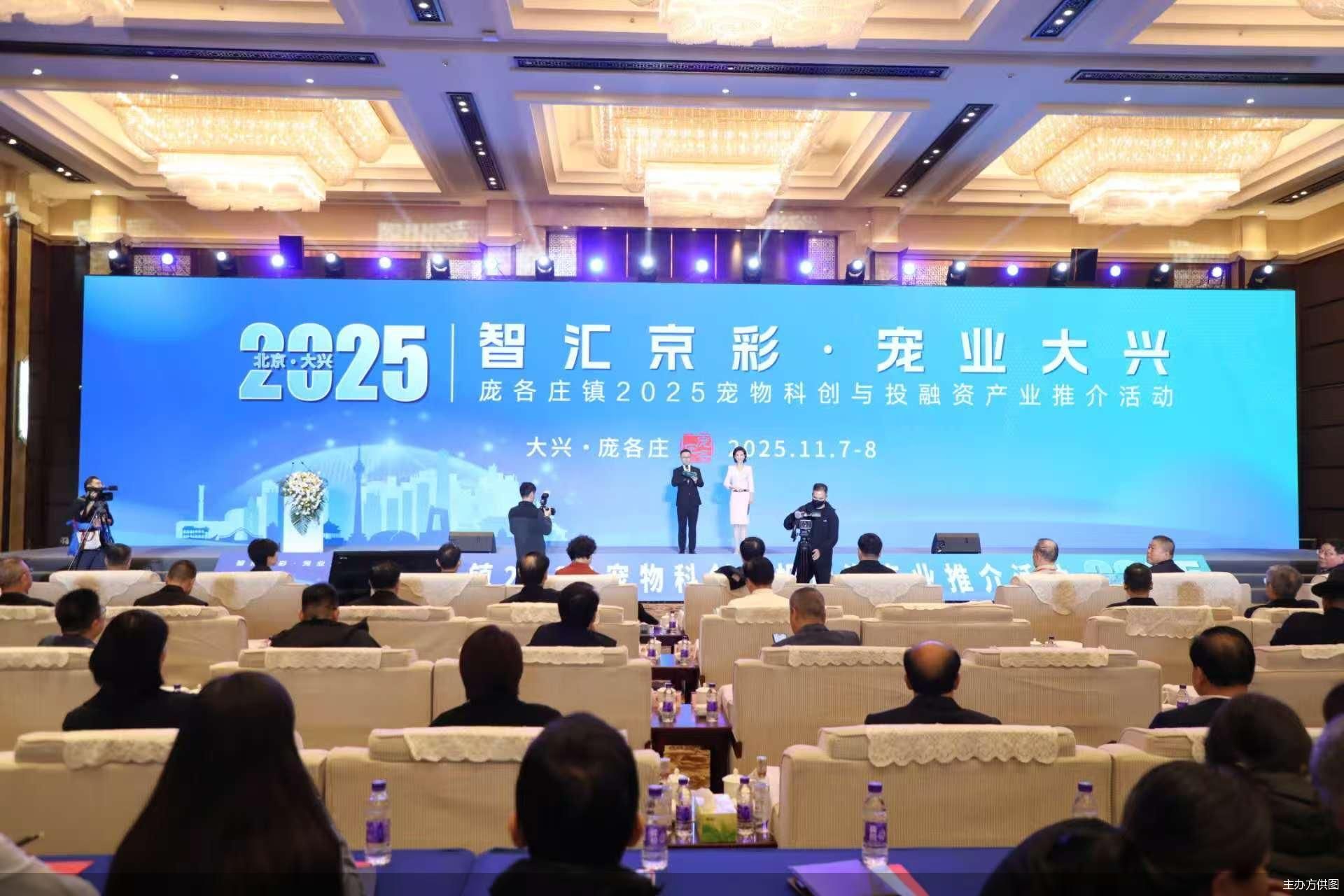
Core Insights - The 2025 Pet Industry Technology Innovation and Investment Forum was held in Daxing, marking its first occurrence in Beijing, attracting over 500 pet industry enterprises, investment institutions, and experts [2] Group 1: Forum Overview - The forum is part of the "2025 Flower Pet Season" activities in the Daxing District, aimed at injecting strong momentum into regional industrial upgrades [2] - The event serves as an important platform for the domestic pet industry, facilitating deep exchanges on industry trends and technology investments [2] Group 2: Regional Development - Panggezhuang Town is positioning itself as a "happy leisure" destination, focusing on agricultural technology and the pet economy, and is accelerating the development of a characteristic town [2] - The "Flower Pet Season" includes activities like flower car parades and pet carnivals, linking industry display with consumer experience and exploring the integration of "pet + cultural tourism" [2] Group 3: Strategic Collaborations - JD Travel has formed a strategic partnership with Panggezhuang to co-build a pet-friendly micro-vacation destination, with Longxi Hotel upgraded as the first fully pet-friendly hotel [2] - The ongoing construction of the Jingnan Agricultural Technology Park and Beijing International Flower Industry Park is attracting capital attention, positioning Panggezhuang as a new highland for investment in the integration of industry and city in southern Beijing [2]
中国光谷:“一束光”照亮一座宜居宜业现代化新城
Zhong Guo Xin Wen Wang· 2025-11-06 09:49
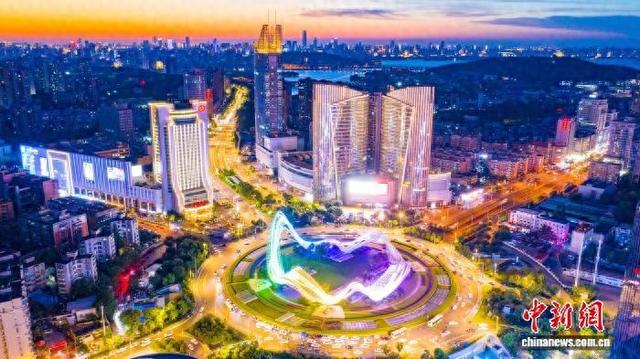
Core Insights - Wuhan East Lake New Technology Development Zone, known as "China Optics Valley," has transformed from agricultural land into the world's largest optical communication R&D and production base, covering 518 square kilometers and housing a population of 2 million [1] Group 1: Community and Social Development - The Left Ridge Street Zhiyuan Community and Huashan Street Lanyuan Community have been recognized as national model elderly-friendly communities, showcasing effective community governance [3] - The Zhiyuan Community features a 200-square-meter elderly care center that integrates care, dining, and social services, enhancing the quality of life for seniors [3] - The Lanyuan Community, with a 25% aging rate, employs over 500 volunteers and has established a "time bank" to optimize community elderly care resources [3] Group 2: Education and Living Environment - The region has implemented an "education group" strategy, adding 10 new schools and 14,000 student places to accommodate the growing school-age population, with nearly 40% of new teachers holding master's degrees [4] - Urban management and ecological construction have been prioritized, resulting in the establishment of 28 pocket parks and a 10-kilometer central ecological corridor that connects communities and schools [4] - The area has introduced a 9-kilometer low-altitude logistics route, allowing for rapid delivery of goods to residents [4] Group 3: Cultural and Commercial Development - The local demographic, with over 30% under 30 years old, has led to a vibrant cultural and sports scene, with significant local consumption rates [6] - The Wuhan Tennis Open and numerous concerts have been hosted at the Wuhan International Tennis Center, attracting thousands of attendees and enhancing local entertainment options [6] - The commercial landscape is expanding, with new projects set to increase commercial space by over 700,000 square meters by 2026, marking a shift from a historically low commercial presence to a diverse retail environment [6]
产城融合无界共生——第九届华夏城市产业链发展大会 · 2025城市建设高质量发展论坛即将启幕
Hua Xia Shi Bao· 2025-11-04 16:18
Group 1 - The 9th Huaxia Urban Industrial Chain Development Conference and the 2025 Urban Construction High-Quality Development Forum will be held in Beijing, focusing on urban renewal and barrier-free aging transformation [1][2] - The theme of the conference is "Integration of Industry and City, Boundless Coexistence," supported by various organizations including the China Elevator Association and the Housing and Urban-Rural Development Ministry [1][2] - Key leaders and experts will discuss urban construction, high-quality development, and the rights of disabled individuals, aiming to implement the Barrier-Free Environment Construction Law [2][4] Group 2 - As of the end of 2024, China's urbanization rate is projected to reach 67%, marking a significant increase from 11% in 1949, indicating a shift from expansion to quality enhancement in urban development [3] - The conference aims to align with national strategies for high-quality urban development, focusing on smart, green, and integrated industrial upgrades [4][5] - The agenda includes discussions on urban health assessments, barrier-free environment construction, and low-carbon city solutions, showcasing successful practices and innovations [5][6] Group 3 - The conference has evolved into a significant platform for professional exchange in urban construction, addressing current challenges and showcasing exemplary cases in barrier-free construction and zero-carbon parks [7][8] - A diverse array of experts and officials will share insights and practical experiences, contributing to a comprehensive understanding of urban development trends [6][8] - The event will be widely covered by various media outlets, enhancing its influence and reach within the industry [9]
广东省特检院佛山检测院破解产城融合配套难题护航大湾区建设
Zhong Guo Zhi Liang Xin Wen Wang· 2025-11-03 06:51
Core Insights - The article highlights the challenges faced by rapidly developing areas like Sanshan New City, particularly in public transportation and living facilities, and the efforts of the Foshan Testing Institute to address these issues through specialized elevator safety inspections [1][2] Group 1: Industry Support and Innovation - The Foshan Testing Institute has established a special inspection team to cater to the unique needs of emerging industries such as artificial intelligence and biomedicine in high-end innovation clusters [1] - A "green channel" and "off-peak inspection" system have been implemented to facilitate the inspection of heavy-load equipment and specialized elevators, ensuring safety and production efficiency [1] - The institute is assisting biomedicine companies in establishing high cleanliness standards for elevator usage to maintain production environment compliance [1] Group 2: Public Service Enhancement - The institute is extending its services to key public projects like schools, commercial centers, tram stations, and subway stations to address the lack of public transportation and living facilities [1] - In public transportation hub construction, the inspection process for escalators has been optimized to ensure they are operational in sync with line openings [1] - The institute is providing technical consulting for commercial complexes to enhance elevator operation plans, improving the shopping and leisure experience for citizens [1] Group 3: Service Mechanism Innovation - A "project leader system" and "user unit liaison system" have been established to enhance service efficiency in regional development [2] - The institute employs a "inspection-correction-review" full-process service model, with dedicated teams providing one-on-one tracking and guidance [2] - The Foshan Testing Institute aims to deepen the "inspection + service" model to contribute more specialized testing wisdom to the Guangdong-Hong Kong-Macao Greater Bay Area development [2]