
太空算力

Search documents
ETF盘中资讯|马斯克旗下SpaceX合并xAI!商业航天含量65%的通用航空ETF(159231)大涨2%
Sou Hu Cai Jing· 2026-02-03 03:17
Group 1 - The commercial aerospace and satellite navigation sectors are experiencing a strong rebound, with companies like航发控制 and 航发动力 seeing significant stock price increases [1] - The General Aviation ETF Huabao (159231) is showing positive movement, potentially ending a four-day decline, with a current increase of 2.19% [1] - The ETF covers 50 aerospace component stocks, with over 88% exposure to the low-altitude economy, over 65% to commercial aerospace, and over 47% to satellite navigation [3] Group 2 - SpaceX announced a merger with xAI, aiming to create a highly integrated innovation engine that encompasses artificial intelligence, rockets, space internet, and real-time information platforms [3] - The merger is expected to further advance the space computing industry, prompting interest in related companies [3] - The General Aviation ETF Huabao and its linked funds provide a comprehensive investment tool for the Chinese aerospace industry chain [3]

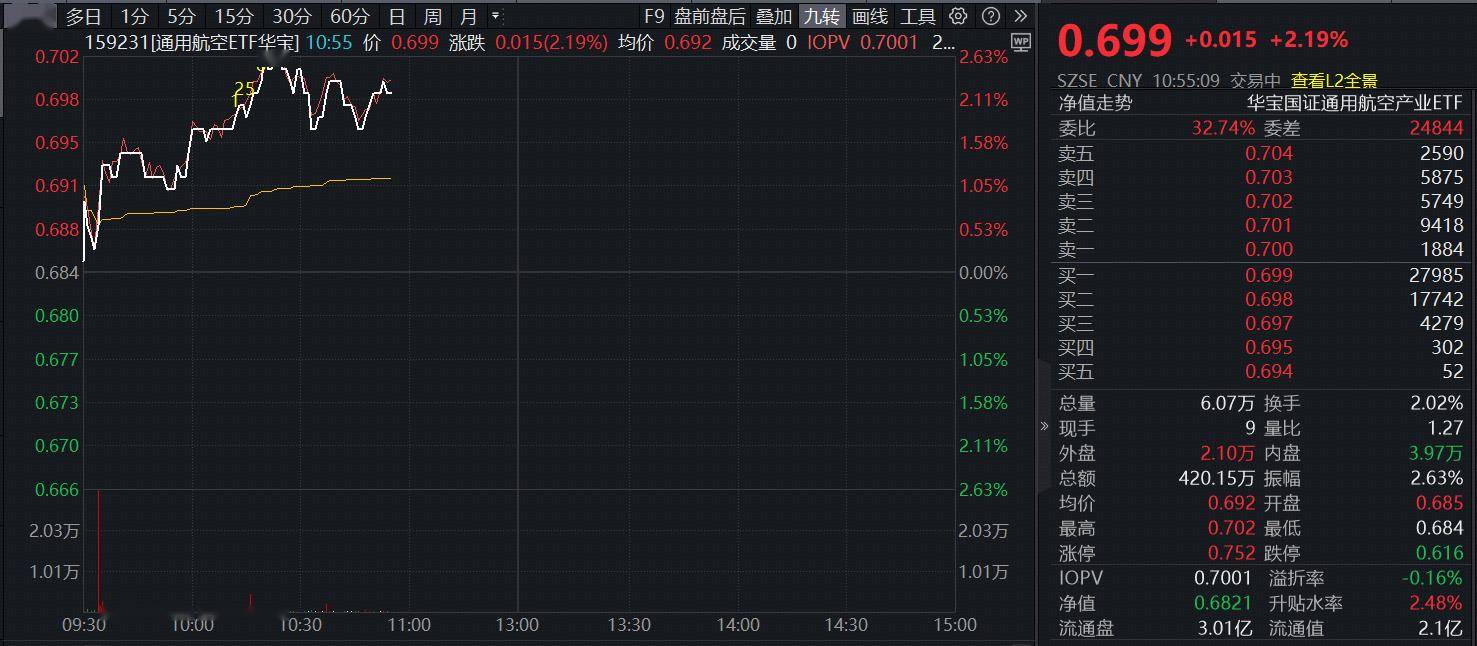
马斯克旗下SpaceX合并xAI!商业航天含量65%的通用航空ETF(159231)大涨2%
Xin Lang Cai Jing· 2026-02-03 03:08
Group 1 - The commercial aerospace and satellite navigation sectors are experiencing a strong rebound, with significant stock price increases for companies like航发控制 and 航发动力 [1][5] - The General Aviation ETF Huabao (159231) is showing positive movement, currently up 2.19%, potentially ending a four-day decline [1][5] - The ETF covers a wide range of aerospace stocks, including low-altitude economy, commercial aerospace, satellite navigation, and large aircraft, with significant exposure to these sectors [3][7] Group 2 - SpaceX announced a merger with xAI, aiming to create a highly integrated innovation engine that encompasses AI, rockets, space internet, and real-time information platforms [2][6] - This merger is expected to further advance the space computing industry, prompting analysts to recommend attention to related companies [2][6]
港股异动 | 商业航天概念股今日回暖 SpaceX收购xAI剑指太空算力 国内商业航天企业IPO加速
智通财经网· 2026-02-03 02:34
消息面上,SpaceX官网发布马斯克署名的公告,宣布SpaceX已收购xAI,合并后公司将整合人工智能、 火箭、天基互联网、移动设备直连的通信。此外,SpaceX近日向美国联邦通信委员会提交申请部署百 万颗卫星,以构建超大规模太空数据中心。 智通财经APP获悉,商业航天概念股今日回暖,截至发稿,钧达股份(02865)涨12.95%,报41.65港元; 金风科技(02208)涨4%,报14.56港元;亚太卫星(01045)涨3.5%,报4.14港元;中航科工(02357)涨 3.47%,报4.18港元。 值得注意的是,近日,证监会官网显示,星河动力、星际荣耀、天兵科技三家企业更新了IPO辅导进 展。继蓝箭航天拿下科创板IPO受理之后,目前国内已有五家主营运载火箭的商业航天企业启动IPO进 程。长江证券发布研报称,头部商业航天企业有望迎来密集IPO,进而通过资本运作助力产业发展。建 议关注产业链各环节的核心供应商,重点关注卫星应用相关标的。 ...
太空光伏概念走强,福斯特涨停,钧达股份涨超7%
Ge Long Hui· 2026-02-03 02:32
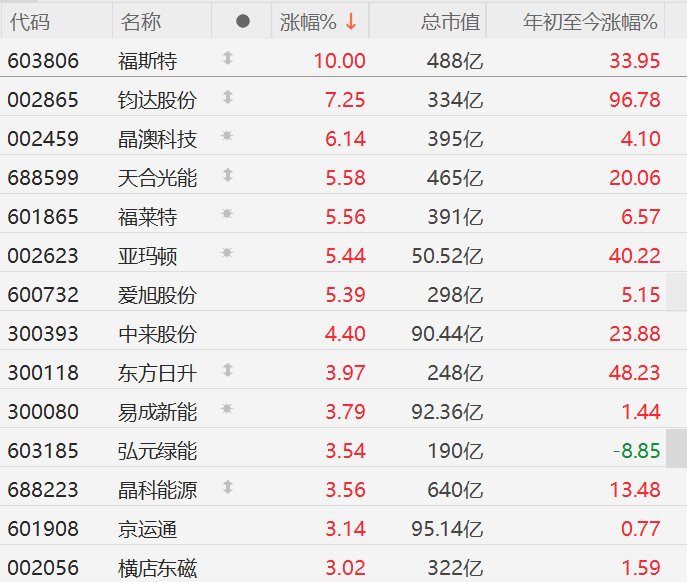
2月3日,A股市场太空光伏(核心股)概念股走强,其中,福斯特涨停,钧达股份涨超7%,晶澳科技 涨超6%,天合光能、福莱特、亚玛顿、爱旭股份涨超5%,中来股份涨超4%。SpaceX称,基于太空的 人工智能是扩大该技术规模的唯一途径。 中信证券指出,太空光伏(核心股)并非炒作,正在进入规模化部署的前夜。太空光伏的爆发,不仅源 于"太空算力(核心股)+AI"的新需求,更深层的驱动力,是全球正在激烈上演的"低轨轨道资源争夺 战"。中国加速部署卫星星座,首先是战略占轨,其次是构建通信能力,最后才是在此基础上叠加算力 与AI。太空光伏它始于国家战略的紧迫占轨,成于通信星座的大规模部署,爆发于AI算力的能源革 命。这不是PPT故事,而是一条清晰的"轨道→通信→算力"演进链条。 中金指出,商业航天(核心股)蓬勃发展背景下,太空光伏(核心股)作为其电源系统升级的核心方 向,在星座批量组网的牵引下正迈向技术路线升级与产业化交付的新阶段。随着我国低轨星座进入密集 部署期、单星功率持续上行叠加太空算力(核心股)等新应用场景推进探索,建议把握太空光伏带来的 全产业链变革,持续关注制造产业端落地密集催化。 | 代码 | 名称 | | 涨 ...





如何看SpaceX申请百万卫星发力太空AI
2026-02-03 02:05
Summary of Conference Call on Commercial Aerospace Industry Industry Overview - The discussion primarily revolves around the commercial aerospace sector, with a focus on SpaceX and its recent developments, including Elon Musk's application for launching 1 million satellites and the implications for the industry [1][2][22]. Key Points and Arguments 1. **Significance of Musk's Application**: The application to the FCC marks a shift from mere announcements to actionable plans, indicating that SpaceX is moving towards actual implementation of its satellite launch goals [1]. 2. **SpaceX's Funding and Strategy**: Musk is actively promoting SpaceX's capabilities, particularly in rocket launches, to attract investment for future projects, including space computing [2][3]. 3. **Growth in Commercial Aerospace**: The year 2026 is anticipated to be pivotal for commercial aerospace, with expectations for the introduction of reusable liquid rockets and significant advancements in satellite constellations [3]. 4. **Emergence of Space Computing**: The concept of space computing is gaining traction, paralleling the development of satellite internet in 2019, with significant investments expected in this area [4][5]. 5. **Investment Recommendations**: Analysts suggest focusing on companies with substantial satellite constellations and government backing, as these factors are critical for success in the commercial aerospace sector [6][7]. 6. **Key Players**: Companies like 正号股份 and 轨道晨光 are highlighted as significant players due to their large satellite constellations and strategic partnerships [7]. 7. **Space Solar Power**: The concept of space solar power is emerging as a critical area of interest, with Musk's references to utilizing stellar energy indicating a long-term vision for energy consumption in space [7][8]. 8. **Material and Equipment Needs**: The aerospace sector requires advanced materials and equipment, with companies like 西部材料 and 斯瑞新材 identified as key suppliers for rocket components and high-temperature materials [16][18]. 9. **Market Potential**: The potential market for space solar power is estimated to reach around 10 trillion yuan, significantly larger than terrestrial solar power markets [27][28]. 10. **Technological Advancements**: The development of advanced materials for extreme conditions in space is crucial, with companies focusing on high-performance composites and 3D printing technologies [19][31]. Additional Important Insights - **Government Support**: The importance of government backing for satellite projects is emphasized, as it can significantly influence funding and project viability [6]. - **Long-term Vision**: The discussions reflect a broader vision for the future of space exploration and technology, with implications for energy, computing, and global infrastructure [8][22]. - **Investment Timing**: Analysts suggest that the upcoming months will be critical for securing contracts and orders in the aerospace sector, particularly in light of regulatory timelines and market dynamics [11][12][30]. This summary encapsulates the key discussions and insights from the conference call, highlighting the commercial aerospace industry's current landscape and future potential.
太空算力-见证商业航天认知革命
2026-02-03 02:05
Summary of Key Points from the Conference Call on Space Computing Industry Overview - The conference discusses the emerging field of space computing, particularly focusing on the integration of SpaceX's Starlink, Grok, and X platforms to establish an orbital data center, supported by the FCC's approval of SpaceX's launch application for the orbital data center system [1][3]. Core Insights and Arguments - **Cost Efficiency of Space Computing**: Elon Musk posits that space is the lowest cost location for AI computing due to the ability to bypass terrestrial grid bottlenecks, utilize solar energy, and avoid land and infrastructure constraints. This is expected to be realized within two to three years [1][4][5]. - **Strategic Merger of SpaceX and XAI**: The merger aims to address the energy bottleneck in AI development, enhancing efficiency and reducing the gap with international giants while avoiding lengthy ground approval processes [1][6]. - **Projected Satellite Deployment**: SpaceX plans to launch a constellation of one million satellites at various altitudes to create an orbital data center capable of adding 100GW of AI computing power annually [1][6]. - **Operational Cost Comparison**: The operational cost of ground data centers over ten years is projected to be $167 million, while space data centers are estimated at only $8.2 million, primarily due to lower energy and cooling costs [1][8]. Additional Important Insights - **Construction Efficiency**: SpaceX's Starship can deploy a 40MW data center in about 20 minutes, significantly faster than the years required for ground construction [2][9]. - **Market Potential**: The space computing sector is seen as having a much larger market potential than current low Earth orbit broadband satellite services, with estimates suggesting a need for at least one million satellites for effective data center operations [15]. - **Technological Feasibility**: A white paper indicates that there are no insurmountable engineering obstacles to establishing gigawatt-scale data centers in space, supported by trends such as reduced launch costs and increased energy demand [7][11]. - **Interest from Tech Giants**: Major technology companies are showing strong interest in space data centers due to their efficiency, with notable investments and plans from figures like Eric Schmidt and Jeff Bezos [10]. Domestic Developments - **Progress in China**: Chinese companies are rapidly advancing in the space computing field, with plans for significant data center projects and satellite launches by organizations like Beijing Starry Sky Institute and Guoxin Aerospace [16][17]. Implementation Paths for Space Data Centers - Two main approaches are identified: distributed systems, as utilized by SpaceX, and centralized systems, as seen in Starlink's model [18]. Future Prospects - The development of space computing is expected to outpace that of robotics due to fewer technical challenges and simpler underlying technologies [11][12]. Key Companies in the Sector - Notable companies in the commercial satellite construction and operation space include Beijing Orbit Morning Light, Haige Communication, and Aerospace Electronics, each with unique strengths in wireless communication and satellite internet [23][24]. Investment Focus Areas - Key investment areas in space computing include communication systems, power systems, thermal management, and computing chips, with specific technologies like laser communication and flexible solar arrays highlighted as critical [22][25][26].
海优新材20260202
2026-02-03 02:05
Summary of Haiyou New Materials Conference Call Industry and Company Overview - **Company**: Haiyou New Materials - **Industry**: Space photovoltaic packaging materials and automotive information films - **Market Potential**: The global solar wing market could reach between 1.35 trillion to 3.5 trillion RMB, with the film segment estimated at around 270 billion RMB. Long-term market potential could reach 5 trillion RMB [2][4][12]. Core Insights and Arguments - **Space Photovoltaic Development**: The company is strategically positioned in the space photovoltaic sector, with key products including CPM and POE films. The market is expected to grow significantly as satellite launches increase, with SpaceX's recent application for 1 million satellites indicating a vast potential market [4][5]. - **Dual Growth Strategy**: The company is leveraging both photovoltaic and automotive sectors to create a second growth curve. In the photovoltaic sector, it is optimizing capacity and focusing on core customers, while in the automotive sector, it has entered industrialization and secured orders from major car manufacturers [2][6]. - **Financial Performance**: In the first half of 2026, the company reported revenues of 870 million RMB, a nearly 60% decline year-on-year. Cumulative losses for the first three quarters were approximately 211 million RMB, although losses are narrowing. The company anticipates a turnaround in 2026, with profits expected to exceed 200 million RMB by 2027, corresponding to a valuation of 22 times earnings [7][17]. Additional Important Insights - **Technological Advancements**: The company is focusing on lightweight and efficient solar wing technologies, which have seen a 50% reduction in weight and over 30% improvement in efficiency. These advancements are crucial for applications in low-power to high-power scenarios [10]. - **Market Trends**: The demand for space computing is driving the need for solar energy, with AI's growing computational needs further emphasizing the importance of solar power in space applications [8][9]. - **Automotive Information Films**: The company has made significant progress in the automotive sector, with a diverse product range including PDLC smart dimming films. The market for these films is projected to reach 18 billion RMB by 2030, with a penetration rate of 20% in passenger vehicles [13][15]. - **Future Growth Areas**: The company is also exploring new products in the ground photovoltaic sector and other emerging fields, including high-end architectural smart dimming films and AI/VR applications [16]. Conclusion - **Investment Outlook**: The company is positioned to benefit from the space energy revolution and has a promising outlook for growth in both the space photovoltaic and automotive information film markets. A recommendation rating is given based on the anticipated future growth potential [18].

A股开盘:沪指涨0.7%、创业板指涨1.65%,半导体、房地产概念股走高,贵金属板块延续颓势
Jin Rong Jie· 2026-02-03 01:36
2月3日,A股三大股指集体高开,其中上证综指上涨28.16点,涨幅0.7%报4043.91点;深证成指上涨 162.54点,涨幅1.18%报13986.89点;沪深300上涨42.38点,涨幅0.92%报4648.36点;创业板指上涨53.95 点,涨幅1.65%报3318.06点;科创50指数上涨24.67点,涨幅1.7%报1475.57点。半导体(核心股)板块 盘初走强,朗科科技、普冉股份双双涨超7%,芯导科技、恒烁股份、强一股份、北京君正、长川科技 等个股跟涨;房地产(核心股)板块高开,京投发展、城建发展涨停,华夏幸福、大龙地产、荣盛发展 纷纷高开;贵金属(核心股)板块低开,四川黄金、招金黄金双双跌停,中金黄金跌超8%,恒邦股 份、山东黄金、西部黄金等个股跟跌,湖南黄金逆市走强涨超5%。 盘面上,半导体(核心股)、存储芯片、CPO集体回升;贵金属(核心股)、白酒(核心股)及油气板 块继续调整;市场焦点股万丰股份(3板)竞价涨停,白酒股皇台酒业(3板)低开1.71%、金徽酒(3 天2板)低开3.79%,影视股横店影视(3板)竞价涨停,零售板块茂业商业(2板)低开2.62%、新华百 货(3天2板)低开0.2 ...

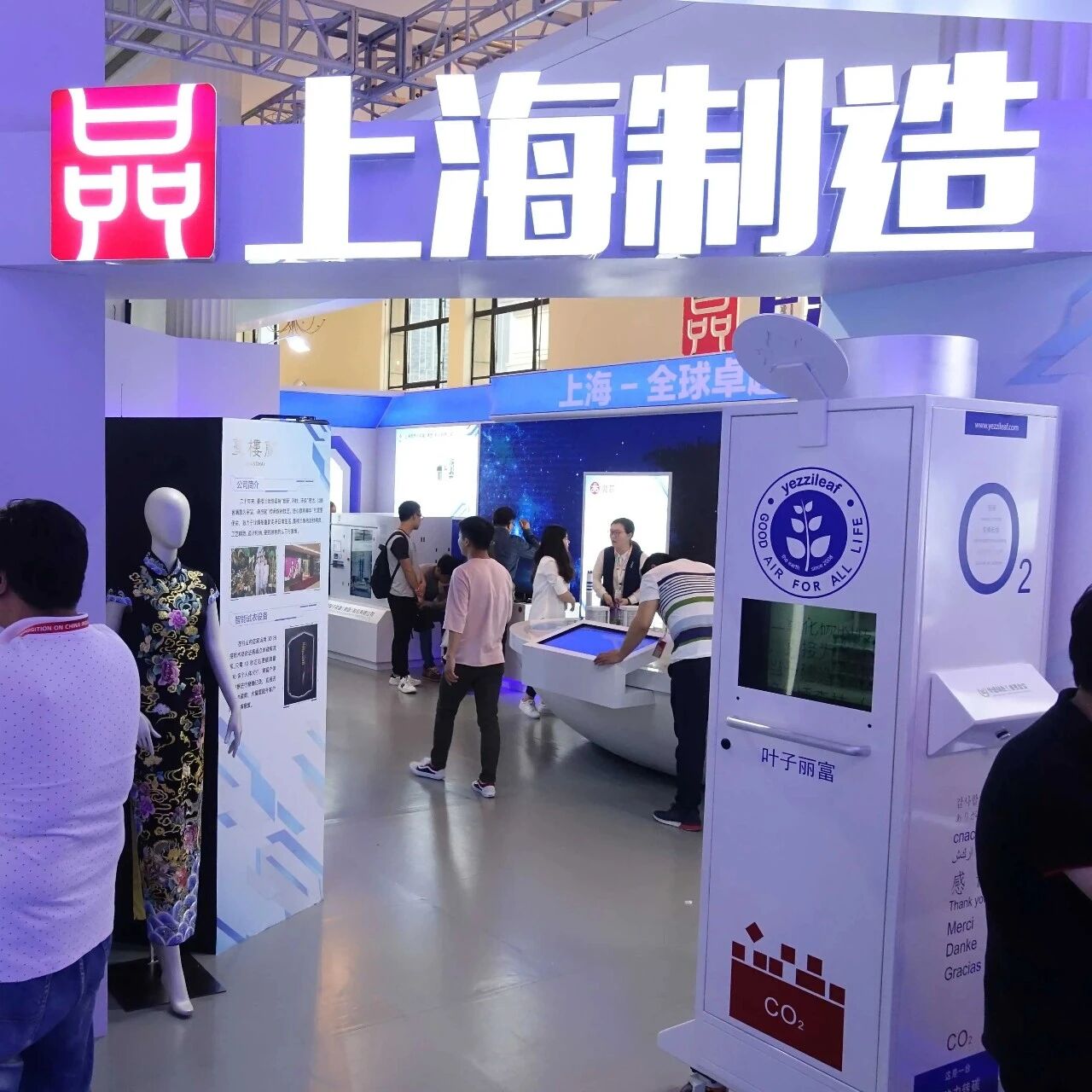
代表委员聚焦“2+3+6+6”,为打响“上海制造”品牌献策
第一财经· 2026-02-03 01:31
Core Viewpoint - The article discusses Shanghai's strategic initiatives to enhance its industrial framework and position as a global high-end manufacturing hub, focusing on the development of key industries and the integration of traditional sectors with emerging technologies [3][4]. Group 1: Modern Industrial System - Shanghai's "14th Five-Year Plan" aims to establish a "2+3+6+6" modern industrial system, which includes promoting the digital and green transformation of traditional industries, accelerating the development of three leading industries, and focusing on six emerging pillar industry clusters [5][6]. - The three leading industries identified are integrated circuits, biomedicine, and artificial intelligence, with projected manufacturing output growth of 9.6% by 2025, including 15.1% for integrated circuits and 13.6% for AI [5][6]. Group 2: Talent and Financial Support - Attracting high-quality talent is crucial for the success of the leading industries, as they are capital and talent-intensive. Shanghai aims to leverage its advantages to recruit top global tech talent, particularly in AI [6]. - Financial support from various sources, including government and private capital, is essential to stimulate the vitality of the leading industries and create a complete ecosystem for development [6]. Group 3: Robotics Industry Development - Shanghai is positioned to become a global hub for the robotics industry, with recommendations to establish a dedicated "Shanghai Robotics Industry Development Task Force" to coordinate planning and implementation [10]. - The robotics sector is transitioning from technology validation to large-scale application, necessitating a focus on core technology breakthroughs and the establishment of a competitive industrial ecosystem [11]. Group 4: Emerging Industries and Future Focus - The article highlights the importance of developing six emerging pillar industries and six future key sectors, advocating for a layered approach to advance mature sectors while nurturing growth and identifying frontier sectors [7]. - The low-altitude economy is identified as a new growth point, with a target industry scale of approximately 800 billion yuan by 2028, emphasizing innovation and application in this area [12][13]. Group 5: AI and Data Security - The rapid development of the AI industry is underscored, with a focus on the three elements of AI: computing power, algorithms, and data. The article notes the need for standardized systems in GPU and software development to support this growth [15][16]. - The integration of blockchain technology with AI is proposed as a means to ensure data security and compliance, highlighting potential opportunities in data processing services and compliance auditing tools [16].
计算机行业“一周解码”:太空算力或是商业航天的核心商业模式
Bank of China Securities· 2026-02-03 01:20
Investment Rating - The industry investment rating is "Outperform the Market," indicating that the industry index is expected to perform better than the benchmark index over the next 6-12 months [31]. Core Insights - The potential merger between SpaceX and xAI aims to create a "Space AI" empire, integrating various technologies and services, which could significantly advance the space computing industry [12][13]. - Meta's financial results exceeded expectations, leading to a substantial increase in capital expenditure for AI infrastructure, signaling a strategic shift towards AI from its previous focus on the metaverse [14][15]. - OpenAI is in discussions for significant investments totaling up to $600 billion, but concerns about a "circular financing" model may pose challenges to its long-term sustainability [16][17]. Summary by Sections Industry Developments - SpaceX and xAI are planning a merger to enhance their capabilities in space computing, with a valuation of SpaceX at $800 billion and a goal for an IPO by June [12][13]. - Meta's projected capital expenditure for 2026 is between $115 billion and $135 billion, nearly double its 2025 spending, reflecting a strong commitment to AI development [14][15]. - OpenAI is negotiating investments from major tech companies, including NVIDIA and Amazon, which could provide essential funding amid competitive pressures [16][17]. Company Dynamics - The report highlights various companies in the space computing sector that may benefit from the merger, including佳缘科技, 上海瀚讯, and others [3]. - Meta's strategic shift includes layoffs in its Reality Labs division and a focus on AI talent acquisition, indicating a reallocation of resources towards AI [14][15]. - Concerns regarding OpenAI's funding model suggest that the investments may not significantly improve its financial independence, raising questions about its long-term viability [16][17].




