
循环经济

Search documents
林平发展:皖系包装纸头部厂商,高端新产线蓄势待发
Shenwan Hongyuan Securities· 2026-01-25 07:45
Group 1: AHP Scores and Expected Allocation Ratios - Linping Development's AHP scores, after excluding liquidity premium factors, are 1.29 and 2.01, placing it in the 17.1% and 36.9% percentiles of the non-Science and Technology Innovation Board AHP model, indicating a lower to mid-level position in the industry [10][11] - Assuming a 95% admission rate, the expected allocation ratios for offline A and B categories are 0.0121% and 0.0105% respectively [10][11] Group 2: Company Fundamentals and Highlights - Linping Development is a leading manufacturer of packaging paper in Anhui Province, with a current raw paper production capacity of 1.15 million tons, holding a market share of 0.75% nationally and 35.65% in Anhui Province [11][12] - The company plans to launch a new 8600mm corrugated paper production line in 2026, which will enhance its high-end product offerings and increase total production capacity to 2.35 million tons [11][12] - The company is committed to low-carbon development and has implemented a green manufacturing strategy, utilizing resources efficiently through combined heat and power generation [12][14] Group 3: Industry Trends and Competitive Landscape - The demand for corrugated and boxboard paper is expected to grow due to the e-commerce and logistics sectors, with a projected CAGR of 4.83% and 5.06% from 2015 to 2024 [16] - The removal of import tariffs on finished paper in 2023 led to a temporary surge in imports, but by the first half of 2025, import volumes have significantly decreased, stabilizing domestic prices [16][19] - The industry is experiencing increased concentration, with the CR10 rising from 36.67% in 2015 to 49.39% in 2024, driven by stricter environmental regulations and the exit of smaller players [16][19] Group 4: Financial Performance and Comparisons - Linping Development's revenue and net profit from 2022 to 2024 showed a CAGR of -7.09% and -0.52% respectively, primarily due to tariff adjustments and natural disasters impacting performance [20][24] - The company’s gross margin improved to 10.32% in the first half of 2025, with a stable cash collection ratio of 1.00, indicating strong operational efficiency compared to peers [26][29] - The average P/E ratio of comparable companies is 30.72X, while Linping Development's industry P/E is 26.24X, suggesting a relatively favorable valuation [20][24] Group 5: Investment Projects and Future Vision - The company plans to raise funds through an IPO to support projects including a 900,000-ton green intelligent manufacturing project and a 600,000-ton bio-based fiber project, with total investments of 20.58 billion yuan [39][40] - Upon completion, these projects will enhance product structure and production efficiency, solidifying Linping Development's competitive edge in the market [39][40]
应对AI电子废物风险,该如何做?
Xin Lang Cai Jing· 2026-01-24 09:20
(来源:中国环境报) 这类新型废弃物成分复杂,既含有金、银等贵金属,也包含铅、铬、汞、多溴联苯等有害物质,若处置 不当,不仅会造成稀缺资源流失,更会对土壤、水体及人体健康构成威胁。 短周期迭代叠加技术壁垒,加剧全球资源错配与浪费。AI产业配套硬件在"摩尔定律"与商业竞争驱动下 快速换代,造成大量设备未达物理寿命即遭淘汰,AI硬件技术迭代周期挤压其物理生命周期的现象凸 显。 与此同时,国际技术壁垒与供应链梗阻,又迫使部分国家或地区不得不通过粗放式堆砌上一代硬件以弥 补算力缺口,陷入了"技术代差致使资源消耗倍增"的恶性循环,显著推高了全球AI产业资源消耗与废弃 物产生基数。此外,企业间算力"重复建设"与算法"重复训练"等现象,又进一步放大了能源与硬件资源 的低效利用。 全链条治理存在短板,循环经济体系尚未贯通。当前,针对AI及其数据中心衍生的新型电子废物,从 产生统计、溯源追踪到规范处置的全链条管理体系仍存在监管盲区。多数AI企业仍处于追求算力扩张 的"跑马圈地"阶段,对硬件全生命周期环境管理重视不足。 从产品的生态设计、使用阶段的梯次利用,到报废后的高值化再生,尚未形成有效的产业闭环。与之配 套的激励政策、市场 ...
河北磁县:“循环经济”激活化工新材料产业集群
Xin Hua She· 2026-01-23 14:38
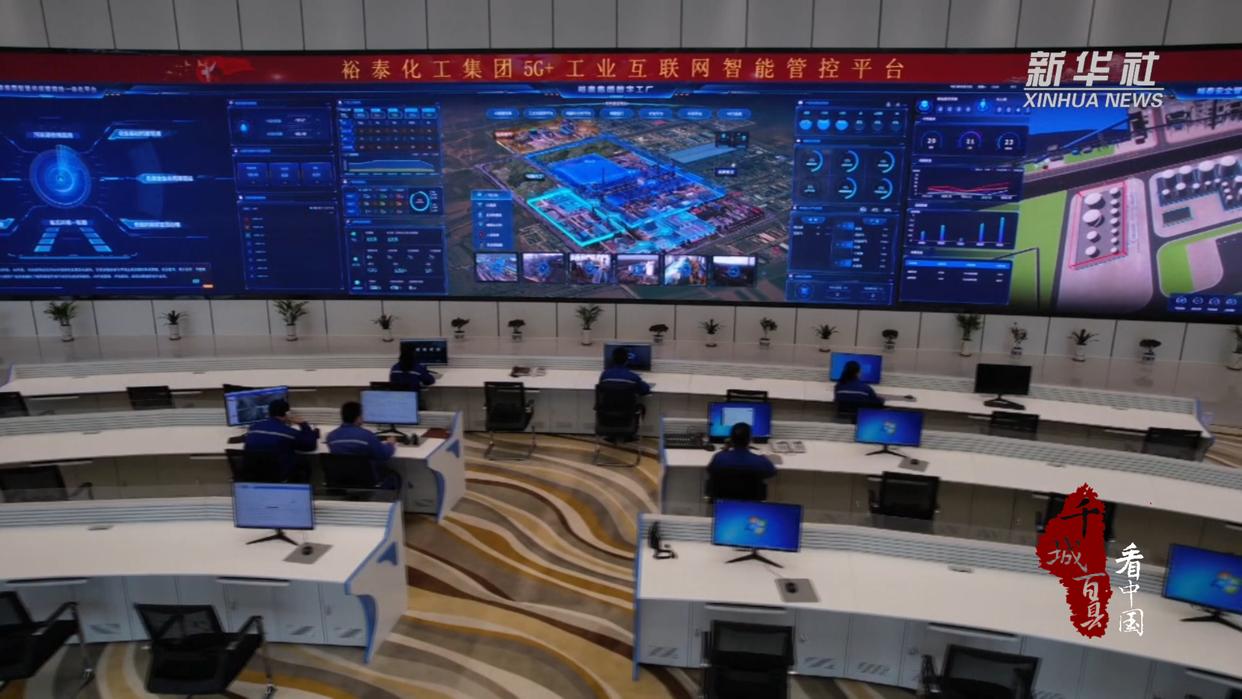
Group 1 - The core viewpoint of the article highlights the transformation of the Hebei coal chemical industry through digitalization, exemplified by the establishment of a digital factory that has significantly improved production efficiency and management [1][6] - The digital management system, which cost 120 million yuan, utilizes 40,000 data collection points and 5G technology to enhance traditional production methods, resulting in an annual benefit increase of 10 million yuan [1] - The development zone has established a "small cycle for enterprises and a large cycle for clusters" system, integrating public resources such as water, electricity, and gas through shared pipelines, promoting resource utilization [4] Group 2 - In recent years, the focus has been on empowering the chemical new materials industry cluster through intelligent and circular economy models, leading to high-quality development characterized by high-end, green, and collaborative approaches [6] - The development zone has attracted several well-known companies, including Sinochem Group and Jiangxi Black Cat Group, forming four high-end industrial chains in carbon materials and pharmaceutical intermediates [6] - The development zone was successfully selected as a national-level characteristic industrial cluster for small and medium-sized enterprises in 2024 [6]


亿纬锂能:公司积极响应绿色发展战略
Zheng Quan Ri Bao Zhi Sheng· 2026-01-23 14:15
Core Viewpoint - The company is actively responding to the green development strategy by establishing a sustainable circular economy system through technological innovation and industrial layout [1] Group 1: Sustainable Development Initiatives - The company is building a sustainable development circular economy system that includes "battery manufacturing - battery usage - battery recycling - regeneration - material recycling" [1] - The company aims to receive the First Prize of the Science and Technology Progress Award from the China Environmental Protection Federation by 2025 [1] - The company plans to officially launch the "EVE Energy Global Lithium Battery Recycling Platform" in June 2025 [1]

“我店分不动”,绿色积分电商平台的困境突围与发展展望
Sou Hu Cai Jing· 2026-01-23 13:08
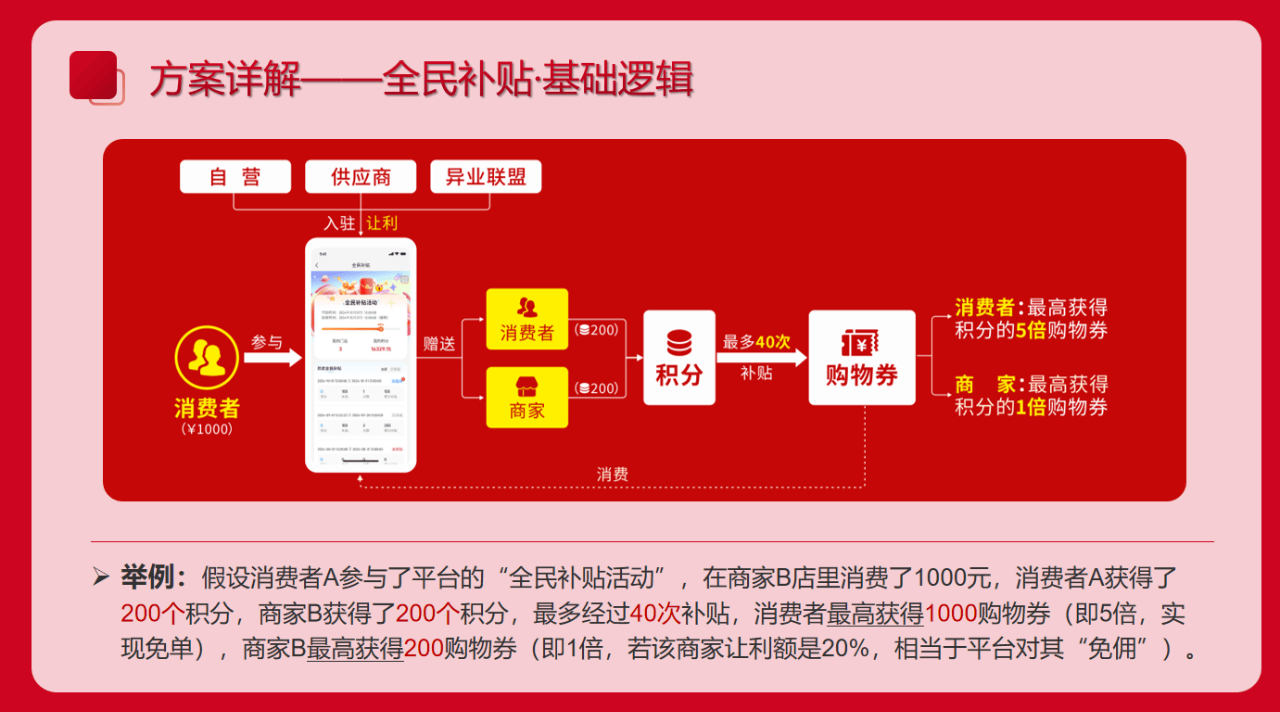
近年来,随着国家鼓励绿色消费和发展循环经济,各类积分电商平台也火了起来。不过,很多平台做着做着就遇到了同一个难题——积分"分不动",最后撑 不下去。今天咱们就以"我店"这个模式为例,聊聊这类平台为啥会陷入困境,以及有没有破解的办法。 "我店"模式曾经挺成功,服务过百万用户、流水做到上千万,也确实帮不少线下商家增加了收入。但发展到后期,它也逃不开"积分发不出去"这个老问题。 平台当时推了两个办法来缓解,但说实话,都只是临时救急。 (二)他们用了哪两招? 拆分积分池 把原本的大积分池,按地区、活动类型、时间段拆成好几个小的。池子小了,补贴发起来周期短一点,短期内兑付压力能稍微缓解。 拉长发放周期,同时提高获得概率 (一)"我店"是怎么玩的? 简单讲,核心就是积分能增值:消费者和商家交易后,双方按商家让利的比例(3%–20%)拿到对应积分。这些积分通过一套AI算法慢慢增值,分36–40期 逐步变成消费券发到用户手里,最高的时候积分能翻到最初的5倍。 特别要提的是,积分增值的钱完全来自商家让利,没额外印钱或者空转。所以这个模式本身是没泡沫的,资金进出也能对上——平台能平稳运营4年,也证 明了基础设计是靠谱的。可即便如 ...
福布斯中国研享行|益海嘉里金龙鱼:以“安全金字塔”筑牢国民餐桌,以东方智慧连接世界
Sou Hu Cai Jing· 2026-01-23 12:17
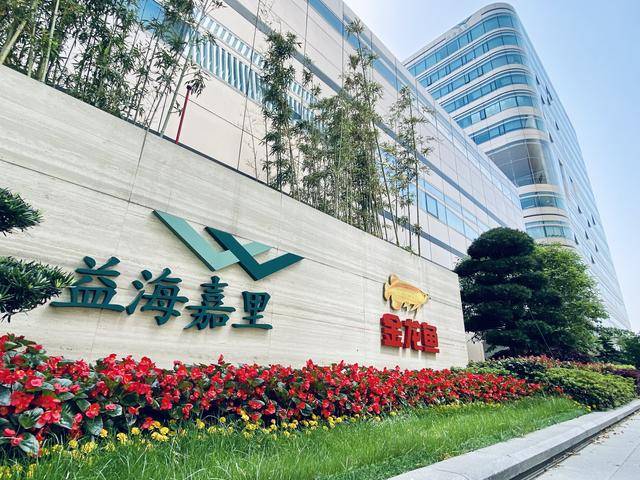
Core Insights - Yihai Kerry's Golden Dragon Fish is redefining the global grain and oil industry with a unique growth path and industry philosophy, transitioning from "importing Western standards" to "defining Chinese standards" and "exporting Eastern wisdom" [1] - The company has established a deep-rooted presence in over 50 countries, leveraging its parent company, Wilmar International, to create a comprehensive agricultural network [1] Group 1: Long-term Commitment and Localization - Golden Dragon Fish's narrative is rooted in a patriotic sentiment, initiated by overseas Chinese who aimed to support China's modernization by introducing capital and advanced grain processing technology [2][5] - The company has adopted a "deep localization" strategy, with a management team primarily composed of local Chinese elites, ensuring decisions align with local market needs while maintaining a global perspective [5][7] - The commitment to localization is further demonstrated through significant investments, totaling nearly 100 billion yuan, establishing over 80 production bases across China [8] Group 2: Food Safety and Management Systems - Golden Dragon Fish has developed a self-driven management system known as the "Safety Pyramid," which aims to exceed international standards in food safety [10][12] - The company has implemented a rigorous quality management framework that integrates various global standards, ensuring compliance and continuous improvement [12][13] - The effectiveness of this system is evidenced by its ability to control harmful substances in edible oils below the strictest EU standards, showcasing its technological capabilities [10][15] Group 3: Innovation and Circular Economy - The company is redefining agricultural value through innovative practices, particularly in the "circular economy," which emphasizes maximizing the use of agricultural products [16][18] - Golden Dragon Fish's rice circular economy model exemplifies this approach, transforming by-products into valuable resources, such as using rice husks for energy and producing high-performance materials from ash [18][21] - The implementation of a six-step fresh rice control technology aims to minimize food loss and enhance product quality, aligning with national goals for food conservation [21][23] Group 4: Integration of Eastern Wisdom and Modern Technology - Golden Dragon Fish is merging traditional Eastern dietary wisdom with modern food technology, addressing global challenges in health and nutrition [24][26] - The company is expanding its product offerings to include health-oriented foods, leveraging its large-scale processing capabilities to ensure affordability and accessibility [26] - The upcoming launch of the "Golden Dragon Fish Fengyitang" health brand reflects its strategic shift towards leading in nutrition and health [26] Group 5: Global Responsibility and Sustainable Development - The company's evolution from "investing in China" to "contributing to the world" highlights its commitment to global agricultural and food industry development [27][28] - Golden Dragon Fish has received international recognition for its sustainability efforts, ranking first among Chinese food companies in the S&P Global Sustainability Yearbook 2025 [28] - The company's ESG practices demonstrate a commitment to sustainable development, maintaining a leading position in the industry [28]
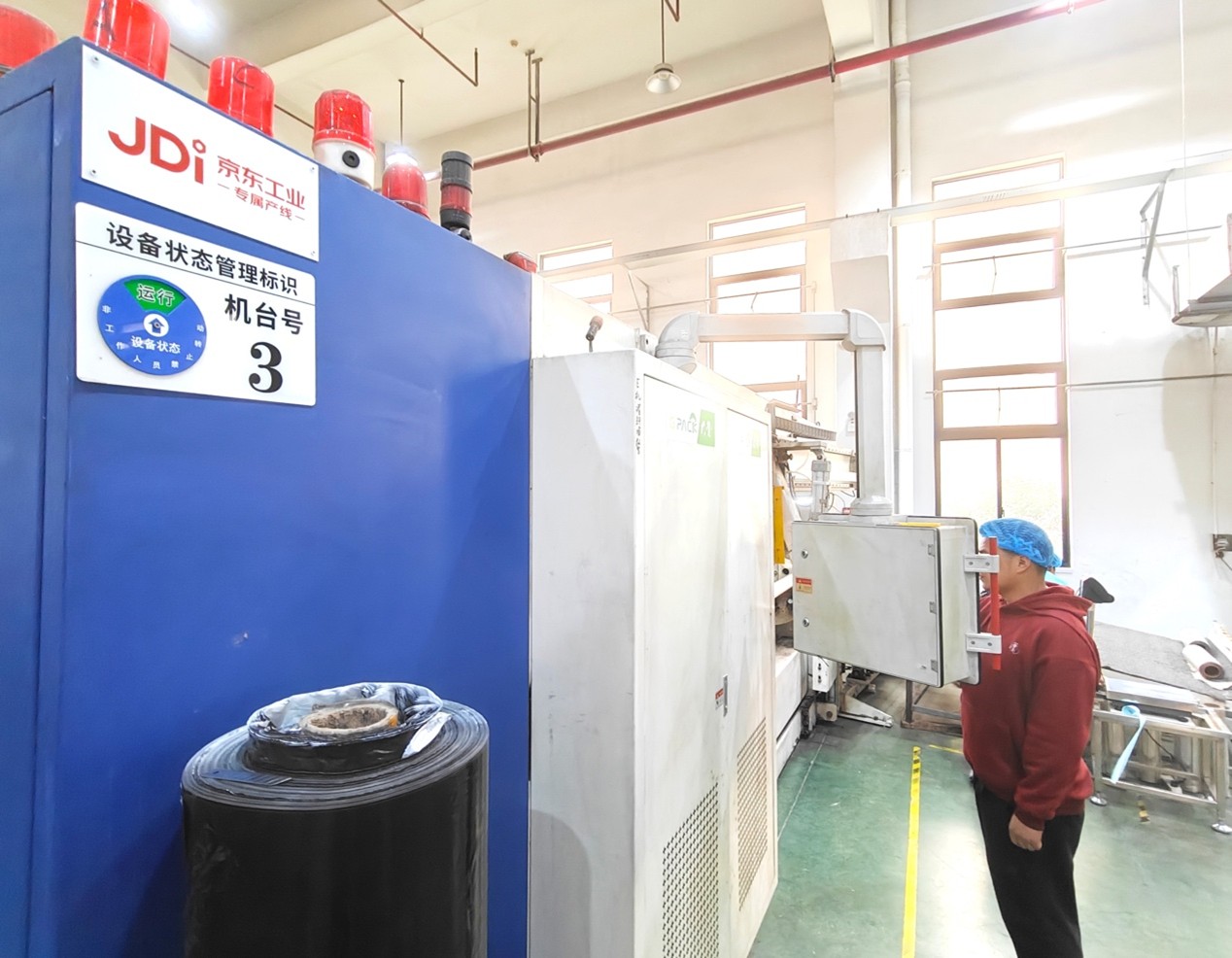
京东工业×大觉新材:要用绿色包装叩开全球市场大门
Di Yi Cai Jing· 2026-01-23 07:34
Core Insights - The collaboration between JD Industrial and Dajue New Materials focuses on producing environmentally friendly packaging materials, specifically PCR (Post-Consumer Recycled) products, which significantly reduce carbon emissions compared to traditional materials [1][3][7] Group 1: Environmental Impact - JD Industrial's exclusive production line has produced approximately 2,500 tons of PCR products, resulting in a reduction of 1,780 tons of CO₂ equivalent emissions, equivalent to the annual absorption of 178,000 trees [1] - The global plastic consumption is projected to exceed 500 million tons by 2024, with around 399 million tons becoming plastic waste, highlighting the urgent need for sustainable packaging solutions [3] Group 2: Market Trends - The Chinese green packaging market is expected to reach approximately 850 billion yuan by 2025, with a market penetration rate of about 25%, and is projected to grow by 19.5% in 2026 [4] - As green packaging transitions from an optional choice to a necessity, it will drive carbon neutrality across the entire industry chain [4] Group 3: Business Strategy - JD Industrial serves over 11,000 key enterprise clients and millions of SMEs, including around 60% of China's Fortune 500 companies, and is expanding its presence in international markets such as Brazil, Thailand, and Europe [5] - The partnership with Dajue New Materials exemplifies a closed-loop model that ensures high-quality recycled materials while meeting stringent performance standards [7][8] Group 4: Technological Innovation - Dajue New Materials utilizes advanced carbon footprint measurement tools, such as the GaBi software, to quantify environmental benefits, ensuring transparency and accountability in their green supply chain [7] - JD Industrial's digital supply chain solutions enhance operational efficiency for manufacturing partners, enabling precise demand forecasting and production planning [8][9] Group 5: Future Aspirations - Both companies aim to leverage their collaboration to innovate in the application of green materials across various industries, contributing to a resource-saving and low-carbon circular economy [9]
以循环经济助力绿色转型
Ren Min Ri Bao· 2026-01-23 06:38
Core Viewpoint - The development of a circular economy is a significant strategy for promoting high-quality economic and social development in China, with the Circular Economy Promotion Law playing a crucial role since its implementation in 2009 [1] Group 1: Implementation and Achievements - The enforcement inspection conducted from July to October this year highlighted that the Circular Economy Promotion Law has effectively improved resource utilization efficiency and achieved notable results in the development of the circular economy across the country [1] - In Fuzhou, the Hongmiao Ridge Circular Economy Ecological Industrial Park has transformed from a "garbage mountain" into an ecological park, processing over 4,500 tons of household waste daily, saving over 310,000 tons of standard coal and reducing carbon dioxide emissions by 770,000 tons annually [1] Group 2: Challenges and Recommendations - The enforcement inspection team identified ongoing issues such as a focus on development over circular practices, insufficient motivation for energy-saving renovations and green procurement, and a lack of awareness regarding green consumption, leading to continued growth in single-use products and waste [2] - Recommendations include promoting resource-saving and recycling practices, reducing pollutant generation and greenhouse gas emissions, and enhancing public education on circular economy concepts [2] Group 3: Resource Recovery and Utilization - The establishment of China Resource Recycling Group Co., Ltd. in October 2024 aims to enhance resource recycling and utilization, with the enforcement inspection team assessing the construction of resource recovery platforms and the challenges faced in implementing the Circular Economy Promotion Law [2] - The law encourages the development of waste recovery systems, with local governments required to plan waste recovery points and support enterprises in waste collection, storage, and transportation [2] Group 4: Industry Development and Future Outlook - China has begun to establish the world's largest and most comprehensive resource recovery and recycling system, with recommendations to create a comprehensive, efficient, and orderly waste recycling system and to develop new models like "Internet + Recycling" [3] - The resource utilization level is steadily improving, with significant capabilities in recycling and reusing waste electrical and electronic products, exemplified by a company in Tianjin that processes nearly 10 million tons of renewable resources annually [3] - The total output value of the resource recycling industry in China is expected to exceed 4 trillion yuan in 2024, with over 35 million people employed in the sector [4]
华兴化工通过省级高新技术企业复审
Zhong Guo Hua Gong Bao· 2026-01-23 03:32
目前,华兴化工已在循环经济等领域形成显著竞争优势,产业链条日趋完善,形成年产60余万吨硫酸、 5万吨精制硫酸、3.5万吨硫酸盐系列产品的规模,逐步跻身国内行业第一方阵。 经过多年技术攻关与积累,华兴化工已拥有自主商标品牌,并多次参与国家及行业标准制定工作。截至 目前,该公司已发布国家标准3项,另有1项处于报批阶段;共获得15项专利授权,其中包括发明专利2 项、实用新型专利13项。 中化新网讯 近日,安徽铜陵市华兴化工公司再次被认定为安徽省高新技术企业。 ...
中经评论:16年规模第一,中国制造当更强
Jing Ji Ri Bao· 2026-01-23 00:09
Core Viewpoint - China's manufacturing sector is expected to maintain its position as the world's largest for 16 consecutive years, with a complete industrial system and a focus on high-end, intelligent, and green transformation [1][2][3] Group 1: Manufacturing Scale - China's manufacturing value added has been the highest globally since 2010, currently accounting for nearly 30% of global manufacturing, making it a key driver of global manufacturing growth [1] - Among 504 major industrial products worldwide, China leads in the production of most, including basic materials like steel and cement, as well as high-end equipment like industrial robots and electric vehicles [1] Group 2: Industrial System Completeness - China is the only country with a complete industrial classification covering all industrial categories, ensuring a stable and efficient production chain that can quickly respond to diverse global market demands [2] Group 3: High-end Manufacturing - High-end manufacturing is crucial for addressing weaknesses in core technologies and enhancing the quality and technical level of Chinese manufacturing, with significant growth expected in equipment and high-tech manufacturing sectors by 2025 [2] Group 4: Intelligent Manufacturing - Intelligent manufacturing, driven by AI, big data, and industrial internet technologies, allows China to compete on equal footing with developed countries, leveraging its advantages in new information technologies [3] Group 5: Green Manufacturing - Green manufacturing focuses on low-carbon technologies and circular economies, with projections indicating that by 2025, China's production of new energy vehicles will exceed 16 million units, maintaining its global leadership [3]